PRACTICE AREA - PREMISES LIABILITY
PERSONAL INJURY ACCIDENTS AT RESTAURANTS
A Comprehensive Guide to Premises Liability Law: Understanding Your Rights and Responsibilities
This page is an authoritative guide to premises liability law—explaining your rights if injured on someone else’s property and your responsibilities as a property owner, with detailed answers to the most commonly asked questions about legal claims, compensation, and dispute resolution.
What is Premises Liability Law?
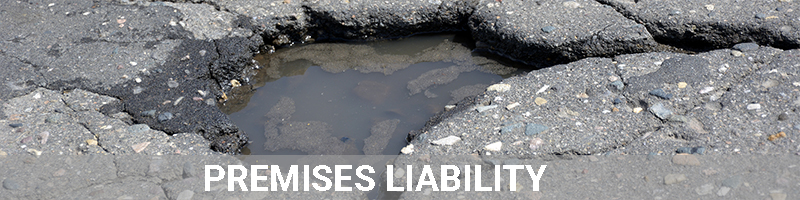
Premises liability law holds property owners or occupiers accountable when individuals are injured due to unsafe conditions on their property. It applies to residential, commercial, public, and private properties. Slip and fall accidents, failing to fix hazardous conditions, and negligent security are common examples. This branch of personal injury law relies on the concept of “duty of care”—the responsibility to maintain a safe environment for visitors, customers, and sometimes even trespassers.
Who is Responsible for Injuries on Someone Else’s Property?
The party in control of the property—whether an owner, landlord, tenant, or business—may be held liable if their negligence leads to injury. Responsibility depends on the visitor’s legal status: invitee (customer, guest), licensee (social guest), or trespasser. Commercial entities often owe invitees the highest duty.
Types of Premises Liability Claims
Common claims include:
- Slip and Fall: Accidents caused by wet floors, uneven surfaces, or faulty stairs.
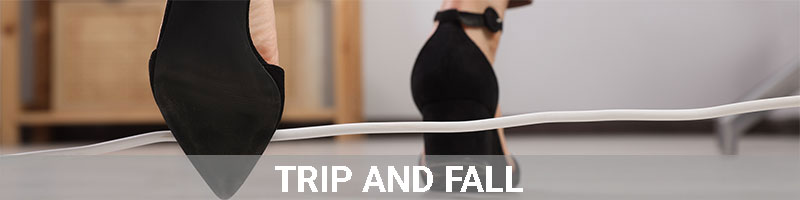
- Trip and Fall: Hazards such as loose carpeting or poor lighting causing falls.
- Negligent Security: Injuries or assaults due to lack of security at businesses or apartment complexes.
- Swimming Pool Accidents: Drowning or injuries from poor maintenance or lack of barriers.
- Dog Bites: Attacks occurring on the owner’s property.
- Toxic Exposure: Issues with mold, chemicals, or unsafe building materials.
- Elevator/Escalator Injuries: Malfunction or insufficient maintenance leading to harm.
Duty of Care in Premises Liability Law
Duty of care means property owners must identify and address foreseeable dangers. The duty varies by visitor type:
- Invitees (shoppers, patrons): Highest standard. Business owners must inspect regularly and fix hazards.
- Licensees (social guests): Must warn of known dangers, but not as strict as for invitees.
- Trespassers: Typically limited duty—cannot set traps, but “attractive nuisance” doctrine may impose liability (e.g., accessible swimming pools).
Fulfilling this duty reduces liability risk.
Compensation and Damages in Premises Liability Cases
Victims of property-related injuries may recover:
- Medical expenses (past and future)
- Lost wages due to time off work
- Pain and suffering (physical/emotional impact)
- Disability or disfigurement
- Property loss (where applicable)
- Loss of consortium (impact on relationships).
Damages vary by jurisdiction and the injury’s severity but are often substantial in severe or long-term cases.
Gathering Evidence for Your Claim
Essential evidence includes:
- Photos or videos of unsafe conditions
- Witness statements and contact information
- Incident reports—ask for copies from businesses
- Medical records and expenses
- Communication logs with property owners or insurance companies
- Any repairs or changes made after the incident.
A premises liability attorney can help collect and organize this evidence for a compelling claim.
Defenses Used by Property Owners
Common defenses include:
- Open and obvious danger: Claiming the hazard was visible and avoidable.
- Comparative negligence: Alleging the injured person was partly responsible.
- Lack of notice: Property owner didn’t know about or couldn’t have discovered the hazard.
- No duty owed: To trespassers except for cases like attractive nuisance (children drawn to dangerous objects).
- Repair or warning: Owner fixed the danger or provided adequate warning.
Proper legal guidance is essential for both defending and challenging these claims.
How to File a Premises Liability Lawsuit
- Contact a qualified premises liability attorney to assess your case and legal options.
- Gather all relevant evidence and documentation.
- File a claim with the property’s insurance carrier if available.
- If no settlement is reached, file a civil lawsuit in court.
- Participate in court hearings, discovery, and possible mediation.
- Negotiate settlements or proceed to trial if necessary.
Many lawyers work on a contingency basis—no fee unless you win compensation.
Statute of Limitations for Premises Liability Claims
The statute of limitations varies by location and can range from one to six years after the injury occurs. States typically set two to three years. Failing to file within the deadline usually results in losing the right to claim. Consult a lawyer promptly to understand your jurisdiction’s specific time limits.
Frequently Asked Questions
What is premises liability law?
Premises liability law requires property owners or occupiers to keep their property reasonably safe. If someone is injured due to negligence, the injured party may seek compensation through a premises liability claim.
Who is responsible for injuries on someone else’s property?
Owners, landlords, tenants, or businesses controlling the premises can be responsible if their negligence leads to injuries.
What types of incidents are covered by premises liability?
Slip and fall, trip and fall, negligent security, dog bites, swimming pool accidents, and toxic exposures are common premises liability cases.
What damages can I recover in a premises liability case?
Medical expenses, lost wages, pain and suffering, disability, property loss, and loss of consortium are typical compensable damages.
How do I prove a property owner was negligent?
Show the owner failed to maintain safe conditions, knew or should have known of hazards, and the hazard directly led to injury.
Are trespassers or children covered?
Owners owe limited duty to trespassers, but “attractive nuisance” situations may allow claims for injured children.
Do tenants have premises liability claims against landlords?
Yes, tenants or guests may sue landlords for injuries caused by dangerous conditions in common areas or rented property.
What defenses can a property owner use?
Open and obvious dangers, comparative negligence, lack of notice, or showing adequate repairs/warnings are common defenses.
What evidence is needed for a successful premises liability lawsuit?
Photos, witness statements, incident and medical reports, and proof of unsafe conditions are vital for supporting your claim.
How long do I have to file a claim?
Jurisdictions typically allow two to three years from the date of injury but can vary. Consult an attorney for deadlines in your location.
Contact The Injury Firm for Comprehensive Premises Liability Representation
Whether you are a victim seeking compensation or a property owner facing a claim, The Injury Firm has extensive experience in premises liability law. Our attorneys provide guidance, aggressive legal action, and thorough representation in settlement or court.
Free case review—no upfront costs. Put our experience to work for your premises liability needs.