
PERSONAL INJURY ACCIDENTS AT RESTAURANTS
PRACTICE AREA - SLIP AND FALL ACCIDENTS
SLIP AND FALL PERSONAL INJURY
PRACTICE AREA - WORKERS' COMPENSATION
I Fell at Big Lots – How Do I Get Help with a Slip and Fall in Florida?
This page is for Florida shoppers, visitors, and employees who fell at a Big Lots store and want clear, step‑by‑step guidance on what to do next, how claims work, and how The Injury Firm can help.
Skip to “I Fell at Big Lots” Answers
- How do Big Lots slip and fall injury cases work in Florida?
- What should I do right after falling in a Big Lots store in Florida?
- Who can be held responsible if I fell at a Big Lots in Florida?
- What evidence should I collect after a fall inside or outside a Big Lots store?
- What are the most common hazards that cause slip and fall injuries in Big Lots stores?
- How is my claim different if I was a customer versus an employee at Big Lots?
- Can I get workers’ compensation for being injured as an employee in a Big Lots store in Florida?
- What if Big Lots or its insurer says it had no notice of the spill or hazard?
- How long do I have to file a Big Lots slip and fall case in Florida?
- What kinds of damages can I seek after a serious Big Lots slip and fall injury?
- Can I still get benefits if the store or insurer says the fall was my fault?
- How does insurance usually work after a Big Lots slip and fall accident?
- How can a lawyer help me if I fell at a Big Lots store in Florida?
- What are some real‑world examples of Florida Big Lots slip and fall cases?
- How does The Injury Firm help Big Lots slip and fall victims in Florida?
How do Big Lots slip and fall injury cases work in Florida?
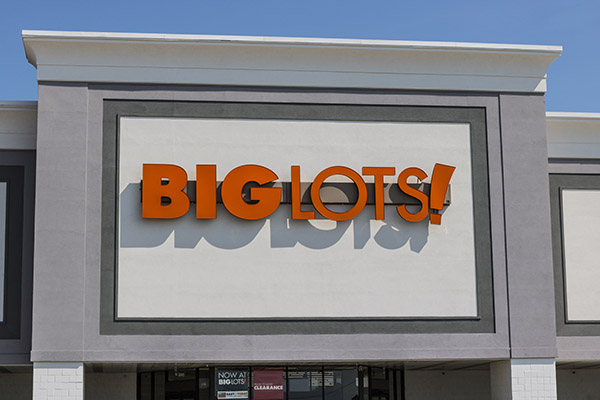 Slip and fall accidents at Big Lots stores in Florida are generally handled under premises liability law.
These rules require Big Lots and any property owners or managers to use reasonable care to keep the store and its approaches reasonably safe for customers and other lawful visitors.
To bring a successful claim, you usually need to show there was a dangerous condition, that Big Lots had actual or constructive knowledge of it, and that it failed to fix it or warn you within a reasonable time.
Constructive knowledge can be proven if a hazard existed long enough that staff should have discovered it, or if similar hazards happen so regularly in that area that the store should anticipate and prevent them.
If you were working when you fell, your situation may also involve workers’ compensation rights under Florida Statutes Chapter 440, which can provide medical and wage benefits for injuries arising out of and in the course of employment.
In summary, Big Lots slip and fall cases in Florida combine premises liability rules for customers with workers’ compensation and potential third‑party claims for employees and traveling workers.
What should I do right after falling in a Big Lots store in Florida?
Right after a fall, your health comes first.
If you can, move out of the flow of traffic to a safer area and ask for help if you feel intense pain, dizziness, or suspect a broken bone or head injury.
Even if you think you can walk it off, seeing a doctor as soon as possible helps document your injuries and ties them clearly to the fall at Big Lots.
You should report the incident to a manager or supervisor and ask that an incident report be completed.
When you talk to staff, keep your explanation simple and honest: where you fell, what you slipped or tripped on, and whether you saw any warning signs.
If it is safe to do so, take photos or video of the area, focusing on the hazard, the surrounding aisle, lighting, and your footwear, and write down names of any employees you speak to.
The takeaway is that prompt medical care, a clear report, and strong photos give you a much better starting point if you later file a claim against Big Lots.
Who can be held responsible if I fell at a Big Lots in Florida?
The main party in many cases is the Big Lots entity that operates the store where you were hurt, because it controls daily operations, inspections, and cleanup.
This usually includes responsibility for aisles, checkout lanes, restrooms, and in some locations parts of the parking lot or sidewalk immediately outside the store.
However, in many shopping centers or plazas, a separate landlord or property management company may handle common areas like larger parking lots and shared walkways.
Vendors and maintenance contractors can also be responsible.
For example, a third‑party floor cleaning company, refrigeration contractor, or construction crew may share fault if their work created a hazard or left a dangerous condition unmarked.
In some cases, a traveling worker injured while shopping at Big Lots for work supplies may have claims involving both the store’s liability insurance and an employer’s workers’ compensation coverage.
In summary, identifying Big Lots’ corporate entity and any landlords or vendors involved helps ensure all responsible parties and insurance policies are on the table.
What evidence should I collect after a fall inside or outside a Big Lots store?
Evidence often disappears quickly once employees start cleaning or moving merchandise, so collecting it early is important.
If you are able, take close‑up photos of the exact spot where you fell, clearly showing water, spilled liquid, loose product, broken flooring, curled mats, or any other hazard.
Then take wider photos that show the entire area, including surrounding shelving, end caps, lighting, and any visible warning cones or signs.
You should also gather the names and contact information of anyone who saw your fall or noticed the hazard beforehand, including other customers and employees.
Ask for the manager on duty and note their name, as well as the time of the incident and the store location.
Keep receipts from your visit, your medical records and bills, and any notes about how your symptoms develop over the next few days.
The takeaway is that good photos, witness information, and basic documentation make it much harder for Big Lots or its insurer to deny what happened or claim the hazard was minor or brand‑new.
What are the most common hazards that cause slip and fall injuries in Big Lots stores?
Big Lots stores often have crowded aisles, bargain bins, and a mix of merchandise, which can create several recurring slip and trip hazards.
Spills from drinks customers carry in, leaks from coolers or roof leaks, and tracked‑in rainwater near entrances can make floors slick if they are not dried quickly or marked with warning signs.
In some cases, cleaning solutions or recently mopped floors without proper cones can also cause serious falls.
Trip hazards are common, too.
These include boxes or merchandise left in aisles, loose or bunched‑up rugs, uneven floor transitions or broken tiles, and stray cables or cords across walkways.
Outside, potholes, cracked pavement, or poor lighting in the parking lot can lead to falls as customers walk to and from the store.
In summary, predictable issues like spills, clutter, floor defects, and poor maintenance can all turn a routine visit to Big Lots into a painful and preventable injury.
How is my claim different if I was a customer versus an employee at Big Lots?
If you were a customer or visitor, your case is typically a premises liability claim alleging that Big Lots and possibly a property owner failed to use reasonable care in maintaining the store and surrounding areas.
The focus is on whether the store knew or should have known about the unsafe condition and failed to fix or warn about it.
If your claim succeeds, you may recover damages for medical expenses, lost wages, pain and suffering, and other losses related to your injuries.
If you were a Big Lots employee hurt while working—stocking shelves, unloading trucks, cleaning spills, working at the register, or assisting customers—your primary remedy is usually a workers’ compensation claim through your employer.
Under Florida’s workers’ compensation laws in Chapter 440, many on‑the‑job injuries are covered without requiring you to prove that the store was negligent, although workers’ compensation does not typically pay for pain and suffering.
In some situations, you may also have a separate claim against a landlord, vendor, or contractor if they helped create the hazard.
In summary, customers rely on negligence claims, employees start with workers’ comp and may add third‑party claims, and traveling workers sometimes have both types of claims at once.
Can I get workers’ compensation for being injured as an employee in a Big Lots store in Florida?
If you work for Big Lots and you fall while performing your job in Florida, you may be entitled to workers’ compensation benefits.
That includes injuries from slipping on a spill while stocking, tripping over merchandise in a stockroom, or falling in a back hallway while moving carts.
As long as the injury arises out of and in the course of your employment, Florida’s workers’ compensation system can often provide authorized medical care and partial wage replacement.
If you work for another company but were in Big Lots for work‑related reasons, such as buying supplies on your employer’s behalf, you may also be covered by your employer’s workers’ compensation policy when travel or errands are part of your job.
At the same time, you might have a separate claim against Big Lots or a property owner for negligent maintenance of the store or parking area.
The takeaway is that employees and traveling workers injured at Big Lots in Florida often have overlapping rights, and coordinating workers’ comp and any negligence claims can significantly affect your total recovery.
What if Big Lots or its insurer says it had no notice of the spill or hazard?
Big Lots and its insurer will often argue that they did not know about the spill or condition that caused your fall, or that it appeared only moments before your accident.
Under Florida law for transitory foreign substances in business establishments, you generally must prove that the store had actual knowledge of the hazard or constructive knowledge—meaning the condition existed long enough, or occurred so regularly, that the store should have discovered it using reasonable care.
That can sound daunting, but there are many ways to show constructive knowledge.
Photos that show tracked‑through spills, dried residue, or dirty footprints can suggest that a condition was present for a while.
Gaps in inspection or cleaning routines, understaffed departments, and a history of complaints or prior incidents in the same area can also support your case.
In some Big Lots cases, surveillance footage and employee testimony have played key roles in showing how long a hazard was present.
In summary, a “we didn’t know” defense is common, but it is not the final word, and a thorough investigation can uncover patterns and records that help prove notice.
How long do I have to file a Big Lots slip and fall case in Florida?
Florida slip and fall cases are governed by statutes of limitations that set strict deadlines for filing a lawsuit.
Recent changes in Florida law shortened the time for many negligence‑based personal injury lawsuits, so in many retail slip and fall cases you now have two years from the date of the accident to file in court.
If you miss that deadline, your case can be dismissed, regardless of how severe your injuries are or how clear Big Lots’ fault appears.
Workers’ compensation claims have their own reporting and filing deadlines, which can be much shorter, and different rules may apply if the injured person is a minor.
Even when you are still within the legal time limit, crucial evidence such as store video, inspection logs, and witness memories may fade or be lost if no one moves quickly to preserve them.
The takeaway is that speaking with a Florida slip and fall lawyer soon after a Big Lots accident is one of the best ways to protect both your legal deadlines and the evidence your case will need.
What kinds of damages can I seek after a serious Big Lots slip and fall injury?
If you pursue a personal injury claim against Big Lots and any other responsible parties, you may be able to seek several types of compensatory damages.
Economic damages include past and future medical costs such as emergency room visits, doctor appointments, physical therapy, surgery, medications, and mobility aids, as well as lost wages if you missed work and reduced earning capacity if your injuries limit what you can do in the future.
You can also claim out‑of‑pocket expenses like travel to appointments and help you need at home.
Non‑economic damages address the human impact of your injuries.
These can include pain and suffering, emotional distress, anxiety about going out in public, and loss of enjoyment of your usual activities.
Workers’ compensation, by contrast, typically covers authorized medical care and part of your lost wages, and may provide some permanent impairment benefits, but it does not usually pay for pain and suffering.
In summary, a full evaluation of a Big Lots case looks at both financial and personal losses to understand the true value of your claim.
Can I still get benefits if the store or insurer says the fall was my fault?
Stores and insurers often claim the injured person is to blame, saying you were not looking where you were going, walked too fast, wore the wrong shoes, or ignored warning signs.
Florida uses a comparative negligence system, which generally allows you to recover compensation even if you share responsibility for the accident, although any award can be reduced by your percentage of fault.
The key question is whether Big Lots met its duty to keep the premises reasonably safe and to warn about hidden dangers.
For example, even if you were checking your phone, you may still have a valid claim if Big Lots left a spill on the floor for a long time, failed to use proper entrance mats on a rainy day, or allowed clutter and boxes to block walkways.
Workers’ compensation benefits are usually not denied just because you made a simple mistake, unless your conduct falls within specific exclusions like intentional self‑harm or certain types of misconduct.
The takeaway is that blame from the store or insurer does not automatically end your chance of recovery; a lawyer can help you understand how fault is likely to be allocated in your situation.
How does insurance usually work after a Big Lots slip and fall accident?
When a fall happens in a Big Lots store, the incident is usually reported to the company’s liability insurance carrier or internal risk‑management team.
An insurance adjuster may contact you to ask questions, request a recorded statement, or gather medical records, but their job is to protect the store’s financial interests, which often means trying to minimize what is paid out.
You are not required to rush into a statement or accept a quick settlement before you understand the full extent of your injuries.
If you were working when you were hurt, your employer’s workers’ compensation insurer may also become involved, paying some medical bills and part of your wages while your case progresses.
Your personal health insurance may cover some treatment up front as well, but that insurer may later seek reimbursement from any settlement or verdict.
The takeaway is that there can be multiple layers of insurance—Big Lots’ liability coverage, workers’ compensation, and health insurance—and coordinating them correctly can make a big difference in what you actually receive.
How can a lawyer help me if I fell at a Big Lots store in Florida?
A lawyer experienced with Florida retail and Big Lots slip and fall cases can take over many of the most stressful parts of your situation.
Early on, your lawyer can send preservation letters to Big Lots and any property owners or managers, requiring them to keep surveillance video, incident reports, inspection and cleaning logs, and maintenance records that might otherwise be lost or overwritten.
They can also look at store policies, staffing levels, and floor plans to help explain how and why the hazard that caused your fall developed.
On the damages side, a trial‑ready legal team can gather and organize your medical records, bills, employment information, and statements from you and those close to you about how the injury has changed your daily life.
With that evidence, your lawyer can prepare a detailed settlement demand, negotiate with Big Lots’ insurer and any workers’ compensation or health insurers, and be ready to file a lawsuit if a fair offer is not made.
In summary, a knowledgeable slip and fall lawyer helps level the playing field against large companies and insurers and puts your case on a stronger footing from the start.
What are some real‑world examples of Florida Big Lots slip and fall cases?
Imagine a shopper in South Florida who slips on a wet floor near the entrance of a Big Lots after a summer storm, where rainwater is pooling because mats are saturated and staff is slow to mop.
The shopper injures a hip and needs surgery and long‑term physical therapy.
A claim in that situation might focus on whether the store anticipated wet‑weather risks, used adequate mats, and had reasonable inspection and cleanup routines at the entrance.
Another example might involve a customer in Central Florida tripping over a box left in a narrow aisle while employees are restocking shelves during a busy weekend.
The person falls forward, hitting their head and suffering a concussion and neck injury.
That case could look at stocking practices, staffing levels, and whether Big Lots had rules about keeping aisles clear that were not followed.
A third scenario could be a Big Lots employee in Orlando who slips on a spill in the back room that was reported but not cleaned up promptly, leading to both a workers’ compensation claim and a possible third‑party claim if a vendor caused the spill.
In summary, real‑world Big Lots cases often center on familiar themes: wet floors, cluttered aisles, and delays in dealing with hazards that staff knew or should have known about.
How does The Injury Firm help Big Lots slip and fall victims in Florida?
The Injury Firm represents people hurt in slip and fall accidents across Florida, including those injured in large discount and big box chains like Big Lots.
With offices in Fort Lauderdale, West Palm Beach, and Orlando, and licenses in Arkansas, Florida, Georgia, Illinois, Kentucky, Massachusetts, and Tennessee, the firm brings both local courtroom experience and multi‑state perspective to store‑injury cases.
The team emphasizes millions recovered for injury victims, a trial‑ready approach, and 24/7 free consultations with no fees unless there is a recovery.
If you fell at a Big Lots anywhere in Florida, The Injury Firm can help you understand your legal options, coordinate your medical care, and handle all communication with Big Lots and its insurers while you focus on healing.
You can reach the firm by calling 954‑951‑0000, 561‑990‑4000, or 407‑444‑0000, emailing records@flinjuryfirm.com, or using the contact form at https://www.flinjuryfirm.com/personal-injury-lawyers/contact-the-injury-firm-fort-lauderdale.
In summary, when you are asking “I fell at Big Lots—how do I get help?”, The Injury Firm is ready to answer that question with experience, resources, and a commitment to protecting your health, income, and future.
Quick comparison: Big Lots slip and fall claims
| Scenario | Customer or Visitor | Employee or Traveling Worker |
|---|---|---|
| Primary claim path | Premises liability claim against Big Lots and any responsible property owners or managers. | Workers’ compensation claim through employer, plus a possible third‑party claim against Big Lots, landlords, or vendors. |
| Main damages | Medical bills, lost wages, pain and suffering, and loss of enjoyment of life. | Medical treatment and wage benefits through workers’ comp, and broader damages in any third‑party negligence case. |
| Key legal questions | Did Big Lots know or should it have known about the hazard, and did it act reasonably to fix or warn about it? | Did the injury arise out of and in the course of employment or business travel, and did Big Lots or a vendor’s negligence contribute? |


SLIP AND FALL ACCIDENTS IN LARGE STORES
CONTACT US NOW
FREE CONSULTATION
PRACTICE AREA - SLIP AND FALL IN LARGE STORES
I Fell at Big Lots – How Do I Get Help with a Slip and Fall in Florida?
This page is for Florida shoppers, visitors, and employees who fell at a Big Lots store and want clear, step‑by‑step guidance on what to do next, how claims work, and how The Injury Firm can help.
Skip to “I Fell at Big Lots” Answers
- How do Big Lots slip and fall injury cases work in Florida?
- What should I do right after falling in a Big Lots store in Florida?
- Who can be held responsible if I fell at a Big Lots in Florida?
- What evidence should I collect after a fall inside or outside a Big Lots store?
- What are the most common hazards that cause slip and fall injuries in Big Lots stores?
- How is my claim different if I was a customer versus an employee at Big Lots?
- Can I get workers’ compensation for being injured as an employee in a Big Lots store in Florida?
- What if Big Lots or its insurer says it had no notice of the spill or hazard?
- How long do I have to file a Big Lots slip and fall case in Florida?
- What kinds of damages can I seek after a serious Big Lots slip and fall injury?
- Can I still get benefits if the store or insurer says the fall was my fault?
- How does insurance usually work after a Big Lots slip and fall accident?
- How can a lawyer help me if I fell at a Big Lots store in Florida?
- What are some real‑world examples of Florida Big Lots slip and fall cases?
- How does The Injury Firm help Big Lots slip and fall victims in Florida?
How do Big Lots slip and fall injury cases work in Florida?
Slip and fall accidents at Big Lots stores in Florida are generally handled under premises liability law.
These rules require Big Lots and any property owners or managers to use reasonable care to keep the store and its approaches reasonably safe for customers and other lawful visitors.
To bring a successful claim, you usually need to show there was a dangerous condition, that Big Lots had actual or constructive knowledge of it, and that it failed to fix it or warn you within a reasonable time.
Constructive knowledge can be proven if a hazard existed long enough that staff should have discovered it, or if similar hazards happen so regularly in that area that the store should anticipate and prevent them.
If you were working when you fell, your situation may also involve workers’ compensation rights under Florida Statutes Chapter 440, which can provide medical and wage benefits for injuries arising out of and in the course of employment.
In summary, Big Lots slip and fall cases in Florida combine premises liability rules for customers with workers’ compensation and potential third‑party claims for employees and traveling workers.
What should I do right after falling in a Big Lots store in Florida?
Right after a fall, your health comes first.
If you can, move out of the flow of traffic to a safer area and ask for help if you feel intense pain, dizziness, or suspect a broken bone or head injury.
Even if you think you can walk it off, seeing a doctor as soon as possible helps document your injuries and ties them clearly to the fall at Big Lots.
You should report the incident to a manager or supervisor and ask that an incident report be completed.
When you talk to staff, keep your explanation simple and honest: where you fell, what you slipped or tripped on, and whether you saw any warning signs.
If it is safe to do so, take photos or video of the area, focusing on the hazard, the surrounding aisle, lighting, and your footwear, and write down names of any employees you speak to.
The takeaway is that prompt medical care, a clear report, and strong photos give you a much better starting point if you later file a claim against Big Lots.
Who can be held responsible if I fell at a Big Lots in Florida?
The main party in many cases is the Big Lots entity that operates the store where you were hurt, because it controls daily operations, inspections, and cleanup.
This usually includes responsibility for aisles, checkout lanes, restrooms, and in some locations parts of the parking lot or sidewalk immediately outside the store.
However, in many shopping centers or plazas, a separate landlord or property management company may handle common areas like larger parking lots and shared walkways.
Vendors and maintenance contractors can also be responsible.
For example, a third‑party floor cleaning company, refrigeration contractor, or construction crew may share fault if their work created a hazard or left a dangerous condition unmarked.
In some cases, a traveling worker injured while shopping at Big Lots for work supplies may have claims involving both the store’s liability insurance and an employer’s workers’ compensation coverage.
In summary, identifying Big Lots’ corporate entity and any landlords or vendors involved helps ensure all responsible parties and insurance policies are on the table.
What evidence should I collect after a fall inside or outside a Big Lots store?
Evidence often disappears quickly once employees start cleaning or moving merchandise, so collecting it early is important.
If you are able, take close‑up photos of the exact spot where you fell, clearly showing water, spilled liquid, loose product, broken flooring, curled mats, or any other hazard.
Then take wider photos that show the entire area, including surrounding shelving, end caps, lighting, and any visible warning cones or signs.
You should also gather the names and contact information of anyone who saw your fall or noticed the hazard beforehand, including other customers and employees.
Ask for the manager on duty and note their name, as well as the time of the incident and the store location.
Keep receipts from your visit, your medical records and bills, and any notes about how your symptoms develop over the next few days.
The takeaway is that good photos, witness information, and basic documentation make it much harder for Big Lots or its insurer to deny what happened or claim the hazard was minor or brand‑new.
What are the most common hazards that cause slip and fall injuries in Big Lots stores?
Big Lots stores often have crowded aisles, bargain bins, and a mix of merchandise, which can create several recurring slip and trip hazards.
Spills from drinks customers carry in, leaks from coolers or roof leaks, and tracked‑in rainwater near entrances can make floors slick if they are not dried quickly or marked with warning signs.
In some cases, cleaning solutions or recently mopped floors without proper cones can also cause serious falls.
Trip hazards are common, too.
These include boxes or merchandise left in aisles, loose or bunched‑up rugs, uneven floor transitions or broken tiles, and stray cables or cords across walkways.
Outside, potholes, cracked pavement, or poor lighting in the parking lot can lead to falls as customers walk to and from the store.
In summary, predictable issues like spills, clutter, floor defects, and poor maintenance can all turn a routine visit to Big Lots into a painful and preventable injury.
How is my claim different if I was a customer versus an employee at Big Lots?
If you were a customer or visitor, your case is typically a premises liability claim alleging that Big Lots and possibly a property owner failed to use reasonable care in maintaining the store and surrounding areas.
The focus is on whether the store knew or should have known about the unsafe condition and failed to fix or warn about it.
If your claim succeeds, you may recover damages for medical expenses, lost wages, pain and suffering, and other losses related to your injuries.
If you were a Big Lots employee hurt while working—stocking shelves, unloading trucks, cleaning spills, working at the register, or assisting customers—your primary remedy is usually a workers’ compensation claim through your employer.
Under Florida’s workers’ compensation laws in Chapter 440, many on‑the‑job injuries are covered without requiring you to prove that the store was negligent, although workers’ compensation does not typically pay for pain and suffering.
In some situations, you may also have a separate claim against a landlord, vendor, or contractor if they helped create the hazard.
In summary, customers rely on negligence claims, employees start with workers’ comp and may add third‑party claims, and traveling workers sometimes have both types of claims at once.
Can I get workers’ compensation for being injured as an employee in a Big Lots store in Florida?
If you work for Big Lots and you fall while performing your job in Florida, you may be entitled to workers’ compensation benefits.
That includes injuries from slipping on a spill while stocking, tripping over merchandise in a stockroom, or falling in a back hallway while moving carts.
As long as the injury arises out of and in the course of your employment, Florida’s workers’ compensation system can often provide authorized medical care and partial wage replacement.
If you work for another company but were in Big Lots for work‑related reasons, such as buying supplies on your employer’s behalf, you may also be covered by your employer’s workers’ compensation policy when travel or errands are part of your job.
At the same time, you might have a separate claim against Big Lots or a property owner for negligent maintenance of the store or parking area.
The takeaway is that employees and traveling workers injured at Big Lots in Florida often have overlapping rights, and coordinating workers’ comp and any negligence claims can significantly affect your total recovery.
What if Big Lots or its insurer says it had no notice of the spill or hazard?
Big Lots and its insurer will often argue that they did not know about the spill or condition that caused your fall, or that it appeared only moments before your accident.
Under Florida law for transitory foreign substances in business establishments, you generally must prove that the store had actual knowledge of the hazard or constructive knowledge—meaning the condition existed long enough, or occurred so regularly, that the store should have discovered it using reasonable care.
That can sound daunting, but there are many ways to show constructive knowledge.
Photos that show tracked‑through spills, dried residue, or dirty footprints can suggest that a condition was present for a while.
Gaps in inspection or cleaning routines, understaffed departments, and a history of complaints or prior incidents in the same area can also support your case.
In some Big Lots cases, surveillance footage and employee testimony have played key roles in showing how long a hazard was present.
In summary, a “we didn’t know” defense is common, but it is not the final word, and a thorough investigation can uncover patterns and records that help prove notice.
How long do I have to file a Big Lots slip and fall case in Florida?
Florida slip and fall cases are governed by statutes of limitations that set strict deadlines for filing a lawsuit.
Recent changes in Florida law shortened the time for many negligence‑based personal injury lawsuits, so in many retail slip and fall cases you now have two years from the date of the accident to file in court.
If you miss that deadline, your case can be dismissed, regardless of how severe your injuries are or how clear Big Lots’ fault appears.
Workers’ compensation claims have their own reporting and filing deadlines, which can be much shorter, and different rules may apply if the injured person is a minor.
Even when you are still within the legal time limit, crucial evidence such as store video, inspection logs, and witness memories may fade or be lost if no one moves quickly to preserve them.
The takeaway is that speaking with a Florida slip and fall lawyer soon after a Big Lots accident is one of the best ways to protect both your legal deadlines and the evidence your case will need.
What kinds of damages can I seek after a serious Big Lots slip and fall injury?
If you pursue a personal injury claim against Big Lots and any other responsible parties, you may be able to seek several types of compensatory damages.
Economic damages include past and future medical costs such as emergency room visits, doctor appointments, physical therapy, surgery, medications, and mobility aids, as well as lost wages if you missed work and reduced earning capacity if your injuries limit what you can do in the future.
You can also claim out‑of‑pocket expenses like travel to appointments and help you need at home.
Non‑economic damages address the human impact of your injuries.
These can include pain and suffering, emotional distress, anxiety about going out in public, and loss of enjoyment of your usual activities.
Workers’ compensation, by contrast, typically covers authorized medical care and part of your lost wages, and may provide some permanent impairment benefits, but it does not usually pay for pain and suffering.
In summary, a full evaluation of a Big Lots case looks at both financial and personal losses to understand the true value of your claim.
Can I still get benefits if the store or insurer says the fall was my fault?
Stores and insurers often claim the injured person is to blame, saying you were not looking where you were going, walked too fast, wore the wrong shoes, or ignored warning signs.
Florida uses a comparative negligence system, which generally allows you to recover compensation even if you share responsibility for the accident, although any award can be reduced by your percentage of fault.
The key question is whether Big Lots met its duty to keep the premises reasonably safe and to warn about hidden dangers.
For example, even if you were checking your phone, you may still have a valid claim if Big Lots left a spill on the floor for a long time, failed to use proper entrance mats on a rainy day, or allowed clutter and boxes to block walkways.
Workers’ compensation benefits are usually not denied just because you made a simple mistake, unless your conduct falls within specific exclusions like intentional self‑harm or certain types of misconduct.
The takeaway is that blame from the store or insurer does not automatically end your chance of recovery; a lawyer can help you understand how fault is likely to be allocated in your situation.
How does insurance usually work after a Big Lots slip and fall accident?
When a fall happens in a Big Lots store, the incident is usually reported to the company’s liability insurance carrier or internal risk‑management team.
An insurance adjuster may contact you to ask questions, request a recorded statement, or gather medical records, but their job is to protect the store’s financial interests, which often means trying to minimize what is paid out.
You are not required to rush into a statement or accept a quick settlement before you understand the full extent of your injuries.
If you were working when you were hurt, your employer’s workers’ compensation insurer may also become involved, paying some medical bills and part of your wages while your case progresses.
Your personal health insurance may cover some treatment up front as well, but that insurer may later seek reimbursement from any settlement or verdict.
The takeaway is that there can be multiple layers of insurance—Big Lots’ liability coverage, workers’ compensation, and health insurance—and coordinating them correctly can make a big difference in what you actually receive.
How can a lawyer help me if I fell at a Big Lots store in Florida?
A lawyer experienced with Florida retail and Big Lots slip and fall cases can take over many of the most stressful parts of your situation.
Early on, your lawyer can send preservation letters to Big Lots and any property owners or managers, requiring them to keep surveillance video, incident reports, inspection and cleaning logs, and maintenance records that might otherwise be lost or overwritten.
They can also look at store policies, staffing levels, and floor plans to help explain how and why the hazard that caused your fall developed.
On the damages side, a trial‑ready legal team can gather and organize your medical records, bills, employment information, and statements from you and those close to you about how the injury has changed your daily life.
With that evidence, your lawyer can prepare a detailed settlement demand, negotiate with Big Lots’ insurer and any workers’ compensation or health insurers, and be ready to file a lawsuit if a fair offer is not made.
In summary, a knowledgeable slip and fall lawyer helps level the playing field against large companies and insurers and puts your case on a stronger footing from the start.
What are some real‑world examples of Florida Big Lots slip and fall cases?
Imagine a shopper in South Florida who slips on a wet floor near the entrance of a Big Lots after a summer storm, where rainwater is pooling because mats are saturated and staff is slow to mop.
The shopper injures a hip and needs surgery and long‑term physical therapy.
A claim in that situation might focus on whether the store anticipated wet‑weather risks, used adequate mats, and had reasonable inspection and cleanup routines at the entrance.
Another example might involve a customer in Central Florida tripping over a box left in a narrow aisle while employees are restocking shelves during a busy weekend.
The person falls forward, hitting their head and suffering a concussion and neck injury.
That case could look at stocking practices, staffing levels, and whether Big Lots had rules about keeping aisles clear that were not followed.
A third scenario could be a Big Lots employee in Orlando who slips on a spill in the back room that was reported but not cleaned up promptly, leading to both a workers’ compensation claim and a possible third‑party claim if a vendor caused the spill.
In summary, real‑world Big Lots cases often center on familiar themes: wet floors, cluttered aisles, and delays in dealing with hazards that staff knew or should have known about.
How does The Injury Firm help Big Lots slip and fall victims in Florida?
The Injury Firm represents people hurt in slip and fall accidents across Florida, including those injured in large discount and big box chains like Big Lots.
With offices in Fort Lauderdale, West Palm Beach, and Orlando, and licenses in Arkansas, Florida, Georgia, Illinois, Kentucky, Massachusetts, and Tennessee, the firm brings both local courtroom experience and multi‑state perspective to store‑injury cases.
The team emphasizes millions recovered for injury victims, a trial‑ready approach, and 24/7 free consultations with no fees unless there is a recovery.
If you fell at a Big Lots anywhere in Florida, The Injury Firm can help you understand your legal options, coordinate your medical care, and handle all communication with Big Lots and its insurers while you focus on healing.
You can reach the firm by calling 954‑951‑0000, 561‑990‑4000, or 407‑444‑0000, emailing records@flinjuryfirm.com, or using the contact form at https://www.flinjuryfirm.com/personal-injury-lawyers/contact-the-injury-firm-fort-lauderdale.
In summary, when you are asking “I fell at Big Lots—how do I get help?”, The Injury Firm is ready to answer that question with experience, resources, and a commitment to protecting your health, income, and future.
Quick comparison: Big Lots slip and fall claims
| Scenario | Customer or Visitor | Employee or Traveling Worker |
|---|---|---|
| Primary claim path | Premises liability claim against Big Lots and any responsible property owners or managers. | Workers’ compensation claim through employer, plus a possible third‑party claim against Big Lots, landlords, or vendors. |
| Main damages | Medical bills, lost wages, pain and suffering, and loss of enjoyment of life. | Medical treatment and wage benefits through workers’ comp, and broader damages in any third‑party negligence case. |
| Key legal questions | Did Big Lots know or should it have known about the hazard, and did it act reasonably to fix or warn about it? | Did the injury arise out of and in the course of employment or business travel, and did Big Lots or a vendor’s negligence contribute? |
CONTACT US NOW
FREE CONSULTATION