
PERSONAL INJURY ACCIDENTS AT RESTAURANTS
PRACTICE AREA - SLIP AND FALL ACCIDENTS
SLIP AND FALL PERSONAL INJURY
PRACTICE AREA - WORKERS' COMPENSATION
Circle K Slip and Fall Accident in Florida – What Are My Options?
This page is for Florida drivers, late‑night shoppers, and Circle K employees who were hurt in a slip or trip and fall at a Circle K and want clear, practical guidance on what to do next and how The Injury Firm can help.
Skip to Circle K Slip and Fall Accident Answers
- How do Circle K slip and fall injury cases work in Florida?
- What should I do right after getting injured at a Circle K in Florida?
- Who can be held responsible if I am injured at a Circle K convenience store?
- What evidence should I collect after a fall inside a Circle K or in the parking lot?
- What are the most common hazards that cause slip and fall injuries at Circle K stores?
- How is my claim different if I was a customer versus an employee at Circle K?
- Can I get workers’ compensation for being injured as an employee at a Circle K in Florida?
- What if Circle K or its insurer says it had no notice of the spill or dangerous condition?
- How long do I have to file a Circle K slip and fall case in Florida?
- What kinds of damages can I seek after a serious Circle K slip and fall injury?
- Can I still get benefits if the store or insurer says the fall was my fault?
- How does insurance usually work after a Circle K slip and fall accident?
- How can a lawyer help with a Florida Circle K slip and fall or trip and fall case?
- What are some real‑world examples of Florida Circle K slip and fall cases?
- How does The Injury Firm help Circle K slip and fall victims in Florida?
How do Circle K slip and fall injury cases work in Florida?
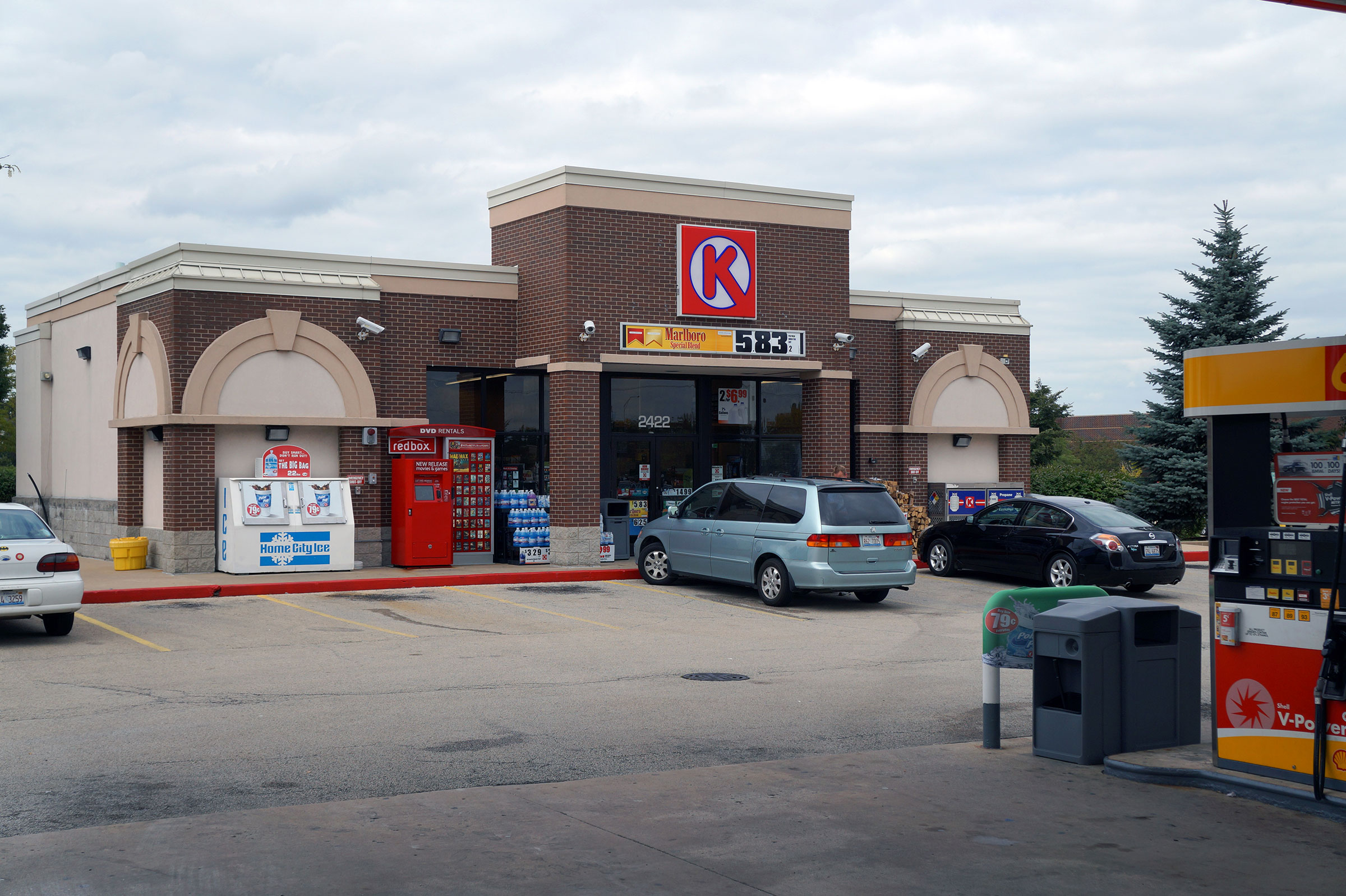
Slip and fall accidents at Circle K locations in Florida are usually treated as business‑establishment premises liability cases.
Circle K owes customers and other lawful visitors a duty to use reasonable care in keeping the store, restrooms, fuel area, and parking lot reasonably safe and to warn about hidden dangers it knows or should know about.
When someone slips on a liquid or other transitory foreign substance, Florida Statute section 768.0755 requires the injured person to prove that the business had actual or constructive knowledge of the dangerous condition and did not take reasonable steps to correct it or warn.
Constructive knowledge can be shown by evidence that a spill or hazard existed long enough that it should have been discovered during reasonable inspections, or that similar conditions occurred regularly so Circle K should have anticipated and prevented them.
If the injured person was working for Circle K or was hurt there while on the job for another employer, the situation may also involve workers’ compensation benefits under Florida Statutes Chapter 440, which can cover injuries arising out of and in the course of employment.
In summary, Circle K slip and fall cases in Florida often require proof of store knowledge of a hazard and, for workers, careful coordination with workers’ compensation.
What should I do right after getting injured at a Circle K in Florida?
Your health and safety come first.
If you slip or trip at a Circle K, move away from active traffic lanes, fuel pumps, or slick areas if you can, and ask for help if you feel strong pain, dizziness, or suspect a serious injury such as a head injury, back injury, or broken bone.
Even if you can get up, seeing a doctor quickly helps document your injuries and tie them clearly to what happened at the store.
You should promptly report the incident to the on‑duty manager or cashier, explaining where you fell, what you slipped or tripped on, and whether you saw any warning signs or cones.
Ask that an incident report be completed and request the manager’s name and the store’s exact location.
If it is safe, take photos or video of the hazard and surrounding area, your footwear, and any visible injuries, and get names and contact information for any customers or employees who witnessed the fall or saw the condition beforehand.
The takeaway is that early medical care, a written store report, and strong photo and witness evidence give you a much stronger foundation if you later bring a Circle K injury claim.
Who can be held responsible if I am injured at a Circle K convenience store?
The primary defendant is often the Circle K entity that operates the convenience store and fuel station where you were hurt, because it typically controls staffing, inspections, cleaning, and safety procedures.
In some locations, a separate landlord or property owner may be responsible for parts of the parking lot, sidewalks, or surrounding areas, so both Circle K and the property owner or management company may share liability.
Other parties can also be involved.
Outside vendors and contractors—such as floor‑cleaning companies, refrigeration service providers, maintenance crews, and landscaping or fuel‑system contractors—may share fault if their work left spills, debris, uneven pavement, or unsafe equipment without adequate warnings.
If you were at the store in the course of your employment for another company, your own employer’s workers’ compensation carrier can also be part of the picture.
In summary, identifying Circle K, any property owners, and key vendors early helps ensure that every responsible party and insurance policy is considered.
What evidence should I collect after a fall inside a Circle K or in the parking lot?
Conditions at convenience stores change quickly as spills are wiped up, mats are moved, and cars come and go, so preserving evidence at the scene is important.
If you can do so safely, take close‑up photos of the exact spot where you fell, showing spilled coffee or soda, melted ice, rainwater, oil, loose mats, broken tiles, cracked concrete, or any other hazard.
Take wider photos that show the aisle, cooler, drink station, restroom, doorway, or fuel island, along with any warning signs, cones, or lack of them, and note lighting and visibility.
Ask for names and contact information for anyone who saw the fall or noticed the hazard earlier, including other customers and employees.
Make a note of the time and date, the store address, the manager’s name, and any comments staff make about how long the spill or condition had been there.
Keep copies of all medical records and bills, photos, prescription receipts, and any Circle K receipts or transaction records that show why you were at the store.
The takeaway is that good photos, witness details, and documentation of both the hazard and your injuries can significantly strengthen a Circle K slip and fall or trip and fall claim in Florida.
What are the most common hazards that cause slip and fall injuries at Circle K stores?
Circle K stores combine high foot traffic, self‑serve drink and food areas, fuel pumps, and exterior pavement, which creates many recurring hazards.
Inside the store, common slip risks include spilled coffee, soft drinks, or frozen beverages at fountain or slushie machines, leaks from coolers and freezers, and water tracked in from rain near entrances and restrooms.
Loose or bunched‑up floor mats, worn or broken tiles, and wet floors from mopping without proper warning cones can also cause serious falls.
Outside, hazards often include oil or fuel around pumps, standing water near curbs or drains, potholes, broken sidewalks, and hidden or poorly marked curbs or wheel stops, especially at night or in bad weather.
Poor exterior lighting can make defects or spills hard to see, and clutter such as trash, receipts, or packaging can create trip hazards both inside and outside.
In summary, predictable risks at Circle K—wet floors, drink and cooler leaks, loose mats, uneven pavement, and fuel‑area hazards—require regular inspections and prompt cleanup to protect customers and workers.
How is my claim different if I was a customer versus an employee at Circle K?
If you were a customer, passenger, or other visitor, your case is usually a premises liability claim, arguing that Circle K and possibly property owners failed to use reasonable care to keep the store and its surroundings safe.
To recover, you typically must show that a dangerous condition existed, that Circle K knew or should have known about it under Florida’s business‑establishment rules, that it failed to fix or warn, and that this failure caused your injuries and related losses.
When such a claim succeeds, you may recover damages for medical bills, lost income, and pain and suffering.
If you were a Circle K employee on the clock—such as a cashier, stocker, or manager—or you were there for work for another employer, your primary remedy is often a workers’ compensation claim under Florida Statutes Chapter 440.
Workers’ compensation can provide authorized medical care and a portion of your lost wages without requiring you to prove Circle K was negligent, but it generally does not pay for pain and suffering.
In some situations, an employee may also have a separate third‑party claim against property owners, vendors, or manufacturers who helped create the hazard.
In summary, customers rely mainly on negligence claims, while employees and traveling workers rely on workers’ comp plus any available third‑party claims.
Can I get workers’ compensation for being injured as an employee at a Circle K in Florida?
If you work for Circle K in Florida and are injured while performing your job—stocking coolers, mopping floors, cleaning restrooms, taking out trash, working at the fuel pumps, or helping customers—you may qualify for workers’ compensation benefits.
Under Florida’s workers’ compensation law, many injuries arising out of and in the course of employment are covered, including many slip and fall or trip and fall incidents.
Benefits can include authorized medical treatment, some travel reimbursement for medical visits, and a portion of your lost wages if you cannot work or must work fewer hours while recovering.
If you work for another employer and were at Circle K on a work‑related errand—delivering goods, servicing equipment, or making job‑related purchases—you may also be covered by your employer’s workers’ compensation policy, as long as the trip was part of your job duties.
At the same time, you may have a separate premises liability claim against Circle K or property owners for maintaining unsafe conditions.
The takeaway is that Circle K employees and traveling workers injured at a Circle K may have overlapping rights under workers’ comp and premises law, and coordinating those claims can affect your overall recovery.
What if Circle K or its insurer says it had no notice of the spill or dangerous condition?
Circle K and its insurance company may argue that they did not know about the spill, leak, or defect that caused your fall, or that it appeared only moments before you were injured.
For many Florida slip and fall cases in business establishments involving transitory foreign substances, the law requires the injured person to prove that the business had actual or constructive knowledge of the dangerous condition and should have taken action to remedy it.
Actual knowledge can be shown through employee testimony, prior complaints, or records, while constructive knowledge is often proven through circumstantial evidence.
Evidence that helps show constructive knowledge includes photographs of tracked‑through or dirty spills, dried or sticky residue around a puddle, signs of long‑term leaks near coolers or drink machines, and gaps in inspection or cleaning logs.
Surveillance video, work orders, and statements from other customers or workers can also show how long a hazard was present.
In summary, a no‑notice defense is common in Circle K claims, but detailed evidence and early legal action can often show that the condition existed long enough or occurred frequently enough that the store should have known about it.
How long do I have to file a Circle K slip and fall case in Florida?
Florida’s statutes of limitations set firm deadlines for filing injury lawsuits.
Recent changes to Florida law shortened the filing period for many negligence‑based personal injury claims, so in many premises liability cases—including many Circle K slip and fall claims—you now generally have two years from the date of the accident to file a lawsuit.
If you miss this deadline, a court can dismiss your case even if your injuries are serious and Circle K’s fault seems clear.
Workers’ compensation claims follow different notice and filing timelines.
Injured workers typically must report an injury to their employer within a short period and file claims within specific statutory deadlines, and missing those requirements can jeopardize benefits.
Evidence such as surveillance video, store inspection logs, and employee schedules can be lost or overwritten quickly if no one acts to preserve them.
The takeaway is that contacting a Florida slip and fall lawyer soon after a Circle K incident is one of the best ways to protect both legal deadlines and critical evidence.
What kinds of damages can I seek after a serious Circle K slip and fall injury?
In a personal injury case against Circle K, property owners, or contractors, you may be able to recover both economic and non‑economic damages.
Economic damages can include past and future medical expenses such as emergency treatment, hospital care, physical therapy, surgery, medications, and assistive devices, along with lost wages and reduced earning capacity if your injuries limit your ability to work.
You can also seek reimbursement for reasonable out‑of‑pocket costs like transportation to appointments and paid help with household tasks you cannot safely perform.
Non‑economic damages address the human side of your injuries, including physical pain, emotional distress, anxiety about walking on wet or uneven surfaces, and loss of enjoyment of your usual activities.
If you also have a workers’ compensation claim, that system typically covers authorized medical care and a portion of lost income but does not pay for pain and suffering, which is one reason a separate negligence claim against Circle K or others can be important.
In summary, a complete evaluation of a Circle K fall case looks at both financial losses and long‑term quality‑of‑life changes.
Can I still get benefits if the store or insurer says the fall was my fault?
Circle K and its insurer may claim you were partly or completely to blame for your injuries, arguing that you were distracted by your phone, ignored warning signs, wore unsafe footwear, or stepped into an obvious puddle.
Florida uses a modified comparative negligence system that can reduce your recovery if you are partly at fault and, for many negligence claims, can bar recovery entirely if your share of fault is found to be greater than 50 percent.
That does not mean you have no case whenever the store points a finger at you.
The key question is whether Circle K met its duty to keep the premises reasonably safe and to warn about hidden dangers like long‑standing leaks, poorly lit curbs, or loose mats, regardless of minor mistakes you may have made.
Even if you were momentarily distracted, you may still have a strong claim if the hazard had been present for a long time or repeated complaints were ignored.
Workers’ compensation benefits are generally not denied for ordinary negligence by the worker unless specific statutory exclusions apply.
The takeaway is that blame from a store or insurer does not automatically end your right to benefits or compensation, and an attorney can help you understand how Florida’s fault rules affect your case.
How does insurance usually work after a Circle K slip and fall accident?
Most Circle K stores carry commercial general liability insurance to cover injuries to customers and other visitors, and some are part of larger corporate risk‑management programs.
After an incident is reported, Circle K or its parent company usually notifies its insurer or internal claims team, and an adjuster may contact you for a statement and medical records.
That adjuster’s role is to protect the company’s financial interests, which often means questioning fault, highlighting pre‑existing conditions, or offering quick settlements that may not reflect the true value of your claim.
If you were hurt while working for Circle K or another employer, a workers’ compensation insurer will usually handle your medical care and some of your wages, even while any third‑party claim against Circle K, a property owner, or contractors proceeds on a separate track.
Your health insurer may also pay some medical bills initially and later seek reimbursement from any settlement or court award.
In summary, Circle K slip and fall cases often involve overlapping liability, workers’ comp, and health insurance interests, and coordinating them correctly can make a significant difference in your net recovery.
How can a lawyer help with a Florida Circle K slip and fall or trip and fall case?
A lawyer experienced with Florida convenience‑store and gas‑station cases understands how companies like Circle K document incidents and defend claims.
Early in the case, your lawyer can send preservation or spoliation letters to Circle K, property owners, and key vendors demanding that they keep surveillance video, incident reports, inspection and cleaning logs, maintenance records, and training materials that might otherwise be deleted or discarded.
The lawyer can also examine store policies, staffing, and site layout to show how unsafe conditions developed, how long they existed, and what reasonable steps could have prevented your fall.
On the damages side, a trial‑ready legal team gathers and organizes your medical records, bills, wage information, and statements from you and your family about how the injury has affected your day‑to‑day life, work, and independence.
With that evidence, your attorney can prepare a detailed settlement demand, negotiate with Circle K’s insurer and with any workers’ compensation or health insurers asserting reimbursement rights, and file a lawsuit if necessary.
The takeaway is that strong legal representation can help level the playing field against a national convenience‑store chain and its insurers, improving your chances of a fair outcome.
What are some real‑world examples of Florida Circle K slip and fall cases?
Consider a driver in Fort Lauderdale who stops at a Circle K for gas and coffee during a storm, then slips on rainwater and melted ice pooled just inside the doorway because the mat is saturated and staff has not placed any wet‑floor signs.
The customer falls, injures a knee and lower back, and later needs surgery and physical therapy.
That case might focus on Circle K’s weather‑related inspection and mat‑replacement procedures and whether staff followed them.
Another example could involve a customer in Central Florida who slips near the fountain‑drink station on soda that has dripped and spread across the tile over the course of a busy afternoon without being mopped, even though employees walk by often.
After fracturing a wrist, the customer brings a claim emphasizing cooler and drink‑area maintenance, inspection intervals, and any history of prior spills at that spot.
A third scenario might involve a Circle K employee in Orlando who slips on leaked cooler water in a back room that management has known about for weeks but has not properly repaired, resulting in both a workers’ compensation claim and a potential third‑party claim against a contractor responsible for the cooler.
In summary, many Florida Circle K cases center on recurring issues like drink‑station spills, cooler leaks, wet entries, and neglected pavement defects.
How does The Injury Firm help Circle K slip and fall victims in Florida?
The Injury Firm represents people injured in slip and fall and premises liability accidents across Florida, including those hurt at Circle K and other convenience stores and gas stations.
With offices in Fort Lauderdale, West Palm Beach, and Orlando, and lawyers licensed in Arkansas, Florida, Georgia, Illinois, Kentucky, Massachusetts, and Tennessee, the firm brings both local knowledge of Florida courts and broader experience handling complex premises and retail claims.
The Injury Firm highlights millions recovered for injury victims, a trial‑ready team, and 24/7 free consultations with no fees unless there is a recovery.
If you were hurt in a Circle K slip and fall or trip and fall anywhere in Florida, The Injury Firm can explain your options, coordinate medical care, and handle all communication with Circle K, property owners, and multiple insurers while you focus on getting better.
You can reach the firm by calling 954‑951‑0000, 561‑990‑4000, or 407‑444‑0000, emailing records@flinjuryfirm.com, or using the contact form on the Fort Lauderdale contact page at https://www.flinjuryfirm.com/personal-injury-lawyers/contact-the-injury-firm-fort-lauderdale.
In summary, when you are asking “I was injured at a Circle K in Florida—what now?”, The Injury Firm is ready with experience, resources, and a client‑focused approach to help you pursue the compensation you deserve.
Quick comparison: Circle K slip and fall claims
| Scenario | Customer / Visitor | Employee or Traveling Worker |
|---|---|---|
| Primary claim path | Premises liability claim against Circle K and any responsible property owners. | Workers’ compensation claim through employer, plus a possible third‑party claim against Circle K, landlords, or contractors. |
| Main damages | Medical bills, lost wages, pain and suffering, and loss of enjoyment of life. | Medical treatment and wage benefits through workers’ comp, and broader damages in any third‑party negligence case. |
| Key legal questions | Did Circle K know or should it have known about the hazard, and did it act reasonably to fix or warn about it? | Did the injury arise out of and in the course of employment or business travel, and did Circle K or contractor negligence contribute? |


SLIP AND FALL ACCIDENTS IN LARGE STORES
CONTACT US NOW
FREE CONSULTATION
Circle K Slip and Fall Accident in Florida – What Are My Options?
This page is for Florida drivers, late‑night shoppers, and Circle K employees who were hurt in a slip or trip and fall at a Circle K and want clear, practical guidance on what to do next and how The Injury Firm can help.
Skip to Circle K Slip and Fall Accident Answers
- How do Circle K slip and fall injury cases work in Florida?
- What should I do right after getting injured at a Circle K in Florida?
- Who can be held responsible if I am injured at a Circle K convenience store?
- What evidence should I collect after a fall inside a Circle K or in the parking lot?
- What are the most common hazards that cause slip and fall injuries at Circle K stores?
- How is my claim different if I was a customer versus an employee at Circle K?
- Can I get workers’ compensation for being injured as an employee at a Circle K in Florida?
- What if Circle K or its insurer says it had no notice of the spill or dangerous condition?
- How long do I have to file a Circle K slip and fall case in Florida?
- What kinds of damages can I seek after a serious Circle K slip and fall injury?
- Can I still get benefits if the store or insurer says the fall was my fault?
- How does insurance usually work after a Circle K slip and fall accident?
- How can a lawyer help with a Florida Circle K slip and fall or trip and fall case?
- What are some real‑world examples of Florida Circle K slip and fall cases?
- How does The Injury Firm help Circle K slip and fall victims in Florida?
How do Circle K slip and fall injury cases work in Florida?
Slip and fall accidents at Circle K locations in Florida are usually treated as business‑establishment premises liability cases.
Circle K owes customers and other lawful visitors a duty to use reasonable care in keeping the store, restrooms, fuel area, and parking lot reasonably safe and to warn about hidden dangers it knows or should know about.
When someone slips on a liquid or other transitory foreign substance, Florida Statute section 768.0755 requires the injured person to prove that the business had actual or constructive knowledge of the dangerous condition and did not take reasonable steps to correct it or warn.
Constructive knowledge can be shown by evidence that a spill or hazard existed long enough that it should have been discovered during reasonable inspections, or that similar conditions occurred regularly so Circle K should have anticipated and prevented them.
If the injured person was working for Circle K or was hurt there while on the job for another employer, the situation may also involve workers’ compensation benefits under Florida Statutes Chapter 440, which can cover injuries arising out of and in the course of employment.
In summary, Circle K slip and fall cases in Florida often require proof of store knowledge of a hazard and, for workers, careful coordination with workers’ compensation.
What should I do right after getting injured at a Circle K in Florida?
Your health and safety come first.
If you slip or trip at a Circle K, move away from active traffic lanes, fuel pumps, or slick areas if you can, and ask for help if you feel strong pain, dizziness, or suspect a serious injury such as a head injury, back injury, or broken bone.
Even if you can get up, seeing a doctor quickly helps document your injuries and tie them clearly to what happened at the store.
You should promptly report the incident to the on‑duty manager or cashier, explaining where you fell, what you slipped or tripped on, and whether you saw any warning signs or cones.
Ask that an incident report be completed and request the manager’s name and the store’s exact location.
If it is safe, take photos or video of the hazard and surrounding area, your footwear, and any visible injuries, and get names and contact information for any customers or employees who witnessed the fall or saw the condition beforehand.
The takeaway is that early medical care, a written store report, and strong photo and witness evidence give you a much stronger foundation if you later bring a Circle K injury claim.
Who can be held responsible if I am injured at a Circle K convenience store?
The primary defendant is often the Circle K entity that operates the convenience store and fuel station where you were hurt, because it typically controls staffing, inspections, cleaning, and safety procedures.
In some locations, a separate landlord or property owner may be responsible for parts of the parking lot, sidewalks, or surrounding areas, so both Circle K and the property owner or management company may share liability.
Other parties can also be involved.
Outside vendors and contractors—such as floor‑cleaning companies, refrigeration service providers, maintenance crews, and landscaping or fuel‑system contractors—may share fault if their work left spills, debris, uneven pavement, or unsafe equipment without adequate warnings.
If you were at the store in the course of your employment for another company, your own employer’s workers’ compensation carrier can also be part of the picture.
In summary, identifying Circle K, any property owners, and key vendors early helps ensure that every responsible party and insurance policy is considered.
What evidence should I collect after a fall inside a Circle K or in the parking lot?
Conditions at convenience stores change quickly as spills are wiped up, mats are moved, and cars come and go, so preserving evidence at the scene is important.
If you can do so safely, take close‑up photos of the exact spot where you fell, showing spilled coffee or soda, melted ice, rainwater, oil, loose mats, broken tiles, cracked concrete, or any other hazard.
Take wider photos that show the aisle, cooler, drink station, restroom, doorway, or fuel island, along with any warning signs, cones, or lack of them, and note lighting and visibility.
Ask for names and contact information for anyone who saw the fall or noticed the hazard earlier, including other customers and employees.
Make a note of the time and date, the store address, the manager’s name, and any comments staff make about how long the spill or condition had been there.
Keep copies of all medical records and bills, photos, prescription receipts, and any Circle K receipts or transaction records that show why you were at the store.
The takeaway is that good photos, witness details, and documentation of both the hazard and your injuries can significantly strengthen a Circle K slip and fall or trip and fall claim in Florida.
What are the most common hazards that cause slip and fall injuries at Circle K stores?
Circle K stores combine high foot traffic, self‑serve drink and food areas, fuel pumps, and exterior pavement, which creates many recurring hazards.
Inside the store, common slip risks include spilled coffee, soft drinks, or frozen beverages at fountain or slushie machines, leaks from coolers and freezers, and water tracked in from rain near entrances and restrooms.
Loose or bunched‑up floor mats, worn or broken tiles, and wet floors from mopping without proper warning cones can also cause serious falls.
Outside, hazards often include oil or fuel around pumps, standing water near curbs or drains, potholes, broken sidewalks, and hidden or poorly marked curbs or wheel stops, especially at night or in bad weather.
Poor exterior lighting can make defects or spills hard to see, and clutter such as trash, receipts, or packaging can create trip hazards both inside and outside.
In summary, predictable risks at Circle K—wet floors, drink and cooler leaks, loose mats, uneven pavement, and fuel‑area hazards—require regular inspections and prompt cleanup to protect customers and workers.
How is my claim different if I was a customer versus an employee at Circle K?
If you were a customer, passenger, or other visitor, your case is usually a premises liability claim, arguing that Circle K and possibly property owners failed to use reasonable care to keep the store and its surroundings safe.
To recover, you typically must show that a dangerous condition existed, that Circle K knew or should have known about it under Florida’s business‑establishment rules, that it failed to fix or warn, and that this failure caused your injuries and related losses.
When such a claim succeeds, you may recover damages for medical bills, lost income, and pain and suffering.
If you were a Circle K employee on the clock—such as a cashier, stocker, or manager—or you were there for work for another employer, your primary remedy is often a workers’ compensation claim under Florida Statutes Chapter 440.
Workers’ compensation can provide authorized medical care and a portion of your lost wages without requiring you to prove Circle K was negligent, but it generally does not pay for pain and suffering.
In some situations, an employee may also have a separate third‑party claim against property owners, vendors, or manufacturers who helped create the hazard.
In summary, customers rely mainly on negligence claims, while employees and traveling workers rely on workers’ comp plus any available third‑party claims.
Can I get workers’ compensation for being injured as an employee at a Circle K in Florida?
If you work for Circle K in Florida and are injured while performing your job—stocking coolers, mopping floors, cleaning restrooms, taking out trash, working at the fuel pumps, or helping customers—you may qualify for workers’ compensation benefits.
Under Florida’s workers’ compensation law, many injuries arising out of and in the course of employment are covered, including many slip and fall or trip and fall incidents.
Benefits can include authorized medical treatment, some travel reimbursement for medical visits, and a portion of your lost wages if you cannot work or must work fewer hours while recovering.
If you work for another employer and were at Circle K on a work‑related errand—delivering goods, servicing equipment, or making job‑related purchases—you may also be covered by your employer’s workers’ compensation policy, as long as the trip was part of your job duties.
At the same time, you may have a separate premises liability claim against Circle K or property owners for maintaining unsafe conditions.
The takeaway is that Circle K employees and traveling workers injured at a Circle K may have overlapping rights under workers’ comp and premises law, and coordinating those claims can affect your overall recovery.
What if Circle K or its insurer says it had no notice of the spill or dangerous condition?
Circle K and its insurance company may argue that they did not know about the spill, leak, or defect that caused your fall, or that it appeared only moments before you were injured.
For many Florida slip and fall cases in business establishments involving transitory foreign substances, the law requires the injured person to prove that the business had actual or constructive knowledge of the dangerous condition and should have taken action to remedy it.
Actual knowledge can be shown through employee testimony, prior complaints, or records, while constructive knowledge is often proven through circumstantial evidence.
Evidence that helps show constructive knowledge includes photographs of tracked‑through or dirty spills, dried or sticky residue around a puddle, signs of long‑term leaks near coolers or drink machines, and gaps in inspection or cleaning logs.
Surveillance video, work orders, and statements from other customers or workers can also show how long a hazard was present.
In summary, a no‑notice defense is common in Circle K claims, but detailed evidence and early legal action can often show that the condition existed long enough or occurred frequently enough that the store should have known about it.
How long do I have to file a Circle K slip and fall case in Florida?
Florida’s statutes of limitations set firm deadlines for filing injury lawsuits.
Recent changes to Florida law shortened the filing period for many negligence‑based personal injury claims, so in many premises liability cases—including many Circle K slip and fall claims—you now generally have two years from the date of the accident to file a lawsuit.
If you miss this deadline, a court can dismiss your case even if your injuries are serious and Circle K’s fault seems clear.
Workers’ compensation claims follow different notice and filing timelines.
Injured workers typically must report an injury to their employer within a short period and file claims within specific statutory deadlines, and missing those requirements can jeopardize benefits.
Evidence such as surveillance video, store inspection logs, and employee schedules can be lost or overwritten quickly if no one acts to preserve them.
The takeaway is that contacting a Florida slip and fall lawyer soon after a Circle K incident is one of the best ways to protect both legal deadlines and critical evidence.
What kinds of damages can I seek after a serious Circle K slip and fall injury?
In a personal injury case against Circle K, property owners, or contractors, you may be able to recover both economic and non‑economic damages.
Economic damages can include past and future medical expenses such as emergency treatment, hospital care, physical therapy, surgery, medications, and assistive devices, along with lost wages and reduced earning capacity if your injuries limit your ability to work.
You can also seek reimbursement for reasonable out‑of‑pocket costs like transportation to appointments and paid help with household tasks you cannot safely perform.
Non‑economic damages address the human side of your injuries, including physical pain, emotional distress, anxiety about walking on wet or uneven surfaces, and loss of enjoyment of your usual activities.
If you also have a workers’ compensation claim, that system typically covers authorized medical care and a portion of lost income but does not pay for pain and suffering, which is one reason a separate negligence claim against Circle K or others can be important.
In summary, a complete evaluation of a Circle K fall case looks at both financial losses and long‑term quality‑of‑life changes.
Can I still get benefits if the store or insurer says the fall was my fault?
Circle K and its insurer may claim you were partly or completely to blame for your injuries, arguing that you were distracted by your phone, ignored warning signs, wore unsafe footwear, or stepped into an obvious puddle.
Florida uses a modified comparative negligence system that can reduce your recovery if you are partly at fault and, for many negligence claims, can bar recovery entirely if your share of fault is found to be greater than 50 percent.
That does not mean you have no case whenever the store points a finger at you.
The key question is whether Circle K met its duty to keep the premises reasonably safe and to warn about hidden dangers like long‑standing leaks, poorly lit curbs, or loose mats, regardless of minor mistakes you may have made.
Even if you were momentarily distracted, you may still have a strong claim if the hazard had been present for a long time or repeated complaints were ignored.
Workers’ compensation benefits are generally not denied for ordinary negligence by the worker unless specific statutory exclusions apply.
The takeaway is that blame from a store or insurer does not automatically end your right to benefits or compensation, and an attorney can help you understand how Florida’s fault rules affect your case.
How does insurance usually work after a Circle K slip and fall accident?
Most Circle K stores carry commercial general liability insurance to cover injuries to customers and other visitors, and some are part of larger corporate risk‑management programs.
After an incident is reported, Circle K or its parent company usually notifies its insurer or internal claims team, and an adjuster may contact you for a statement and medical records.
That adjuster’s role is to protect the company’s financial interests, which often means questioning fault, highlighting pre‑existing conditions, or offering quick settlements that may not reflect the true value of your claim.
If you were hurt while working for Circle K or another employer, a workers’ compensation insurer will usually handle your medical care and some of your wages, even while any third‑party claim against Circle K, a property owner, or contractors proceeds on a separate track.
Your health insurer may also pay some medical bills initially and later seek reimbursement from any settlement or court award.
In summary, Circle K slip and fall cases often involve overlapping liability, workers’ comp, and health insurance interests, and coordinating them correctly can make a significant difference in your net recovery.
How can a lawyer help with a Florida Circle K slip and fall or trip and fall case?
A lawyer experienced with Florida convenience‑store and gas‑station cases understands how companies like Circle K document incidents and defend claims.
Early in the case, your lawyer can send preservation or spoliation letters to Circle K, property owners, and key vendors demanding that they keep surveillance video, incident reports, inspection and cleaning logs, maintenance records, and training materials that might otherwise be deleted or discarded.
The lawyer can also examine store policies, staffing, and site layout to show how unsafe conditions developed, how long they existed, and what reasonable steps could have prevented your fall.
On the damages side, a trial‑ready legal team gathers and organizes your medical records, bills, wage information, and statements from you and your family about how the injury has affected your day‑to‑day life, work, and independence.
With that evidence, your attorney can prepare a detailed settlement demand, negotiate with Circle K’s insurer and with any workers’ compensation or health insurers asserting reimbursement rights, and file a lawsuit if necessary.
The takeaway is that strong legal representation can help level the playing field against a national convenience‑store chain and its insurers, improving your chances of a fair outcome.
What are some real‑world examples of Florida Circle K slip and fall cases?
Consider a driver in Fort Lauderdale who stops at a Circle K for gas and coffee during a storm, then slips on rainwater and melted ice pooled just inside the doorway because the mat is saturated and staff has not placed any wet‑floor signs.
The customer falls, injures a knee and lower back, and later needs surgery and physical therapy.
That case might focus on Circle K’s weather‑related inspection and mat‑replacement procedures and whether staff followed them.
Another example could involve a customer in Central Florida who slips near the fountain‑drink station on soda that has dripped and spread across the tile over the course of a busy afternoon without being mopped, even though employees walk by often.
After fracturing a wrist, the customer brings a claim emphasizing cooler and drink‑area maintenance, inspection intervals, and any history of prior spills at that spot.
A third scenario might involve a Circle K employee in Orlando who slips on leaked cooler water in a back room that management has known about for weeks but has not properly repaired, resulting in both a workers’ compensation claim and a potential third‑party claim against a contractor responsible for the cooler.
In summary, many Florida Circle K cases center on recurring issues like drink‑station spills, cooler leaks, wet entries, and neglected pavement defects.
How does The Injury Firm help Circle K slip and fall victims in Florida?
The Injury Firm represents people injured in slip and fall and premises liability accidents across Florida, including those hurt at Circle K and other convenience stores and gas stations.
With offices in Fort Lauderdale, West Palm Beach, and Orlando, and lawyers licensed in Arkansas, Florida, Georgia, Illinois, Kentucky, Massachusetts, and Tennessee, the firm brings both local knowledge of Florida courts and broader experience handling complex premises and retail claims.
The Injury Firm highlights millions recovered for injury victims, a trial‑ready team, and 24/7 free consultations with no fees unless there is a recovery.
If you were hurt in a Circle K slip and fall or trip and fall anywhere in Florida, The Injury Firm can explain your options, coordinate medical care, and handle all communication with Circle K, property owners, and multiple insurers while you focus on getting better.
You can reach the firm by calling 954‑951‑0000, 561‑990‑4000, or 407‑444‑0000, emailing records@flinjuryfirm.com, or using the contact form on the Fort Lauderdale contact page at https://www.flinjuryfirm.com/personal-injury-lawyers/contact-the-injury-firm-fort-lauderdale.
In summary, when you are asking “I was injured at a Circle K in Florida—what now?”, The Injury Firm is ready with experience, resources, and a client‑focused approach to help you pursue the compensation you deserve.
Quick comparison: Circle K slip and fall claims
| Scenario | Customer / Visitor | Employee or Traveling Worker |
|---|---|---|
| Primary claim path | Premises liability claim against Circle K and any responsible property owners. | Workers’ compensation claim through employer, plus a possible third‑party claim against Circle K, landlords, or contractors. |
| Main damages | Medical bills, lost wages, pain and suffering, and loss of enjoyment of life. | Medical treatment and wage benefits through workers’ comp, and broader damages in any third‑party negligence case. |
| Key legal questions | Did Circle K know or should it have known about the hazard, and did it act reasonably to fix or warn about it? | Did the injury arise out of and in the course of employment or business travel, and did Circle K or contractor negligence contribute? |
PRACTICE AREA - SLIP AND FALL IN LARGE STORES
CONTACT US NOW
FREE CONSULTATION