
PERSONAL INJURY ACCIDENTS AT RESTAURANTS
PRACTICE AREA - SLIP AND FALL ACCIDENTS
SLIP AND FALL PERSONAL INJURY
PRACTICE AREA - WORKERS' COMPENSATION
Home Depot Slip and Fall Injury in Florida – What Are My Legal Options?
This page is for shoppers and employees who were hurt in a Home Depot store in Florida and need straightforward guidance on what to do next. It explains how slip and fall claims and Florida workers’ compensation work, what evidence matters in a big-box home improvement store, and when to contact The Injury Firm for help.
Skip to Home Depot Slip and Fall Answers
- What should I do right after a slip and fall at Home Depot in Florida?
- Who can be held responsible for a Home Depot fall injury in Florida?
- How do I prove Home Depot was negligent in my Florida slip and fall case?
- What hazards commonly cause slip and fall injuries in Home Depot stores?
- Am I covered by workers’ compensation if I am injured as a Home Depot employee in Florida?
- Can I still get workers’ compensation if Home Depot or its insurer says the accident was my fault?
- Can I have a workers’ compensation claim and a separate claim against another company after a Home Depot accident?
- What medical bills and lost wages can I recover after a Home Depot slip and fall in Florida?
- How long do I have to file a Home Depot slip and fall claim in Florida?
- What should I do if Home Depot’s insurance company delays or denies my claim?
- How does Florida Statutes Chapter 440 affect Home Depot workers’ compensation claims?
- What evidence should I collect immediately after being hurt in a Home Depot store?
- Do OSHA and other safety rules matter in Home Depot slip and fall cases?
- What realistic Home Depot slip and fall scenarios happen in Florida?
- How does The Injury Firm help after a Home Depot slip and fall in Florida?
- Frequently asked questions about Home Depot slip and fall accidents
What should I do right after a slip and fall at Home Depot in Florida?
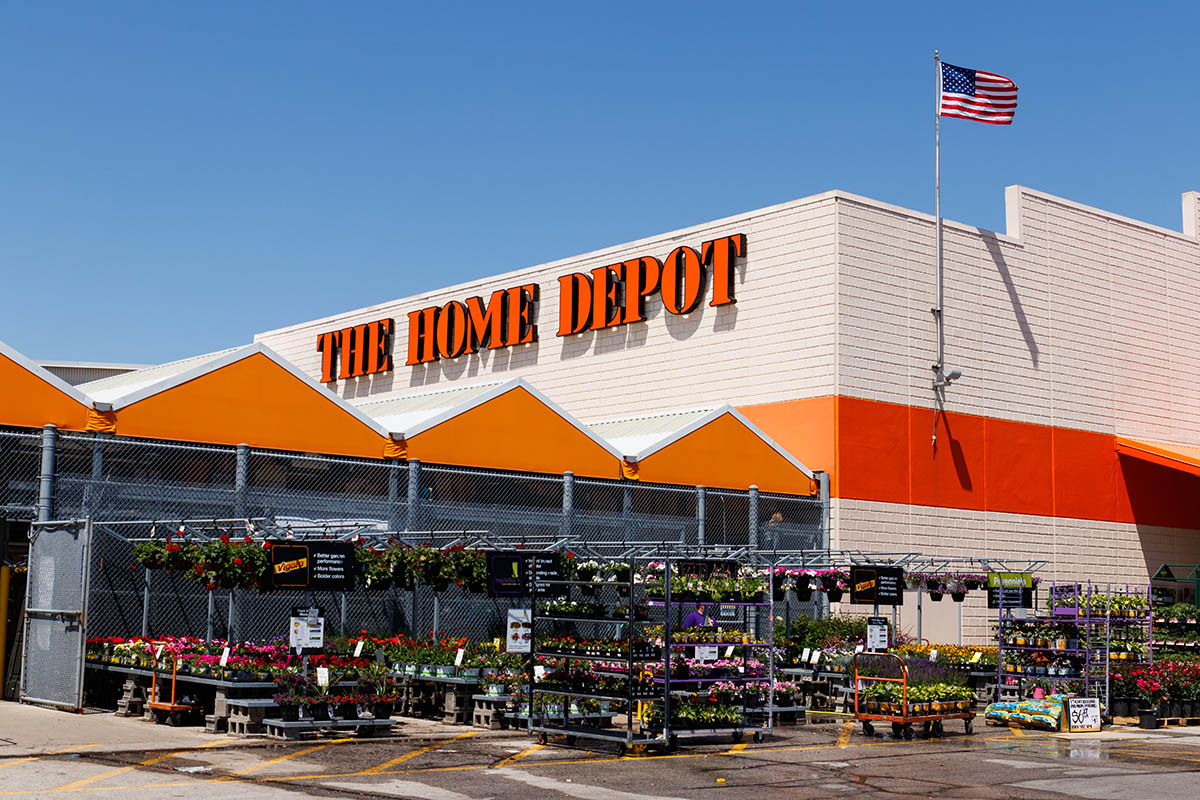
If you fall in a Home Depot, pause before standing up and check for pain in your head, neck, back, or legs. Ask a nearby associate to call a supervisor and request that an incident report be completed, including the time, aisle number, and department such as lumber, garden, or flooring.
Use your phone to take clear photos or video of the exact hazard: spilled paint, loose debris, wet concrete, broken pallet wrap, or an uneven transition between concrete and tile. In summary, quick reporting and detailed photos from the scene give you objective proof that is hard for an insurance company to discount later.
Who can be held responsible for a Home Depot fall injury in Florida?
Responsibility often starts with the company operating the Home Depot location, but it can also involve the property owner, shopping center management, or outside contractors. Examples include third-party floor-care vendors, cart retrieval companies in the parking lot, or contractors performing in-store construction who leave tools or cords across aisles.
If you were hurt in an outdoor garden area or loading zone, there may be shared responsibility between Home Depot and landlords or maintenance crews responsible for lighting and pavement. The takeaway is that a proper investigation looks beyond the orange apron and identifies every business that controlled or created the unsafe condition.
How do I prove Home Depot was negligent in my Florida slip and fall case?
To prove negligence, you usually must show that a dangerous condition existed, that Home Depot knew or should have known about it, and that they did not fix it or warn you in a reasonable time. In a busy big-box environment, that might involve showing that the spill, debris, or tripping hazard was present long enough that regular inspections should have caught it.
Evidence in these cases can include time-stamped photos, surveillance video, sweep logs, maintenance records, and statements from customers or employees about how long the hazard was there. The takeaway is that negligence is about connecting store knowledge and store inaction, not just the fact that you slipped or tripped.
What hazards commonly cause slip and fall injuries in Home Depot stores?
Home Depot’s layout and products create unique risks that differ from a clothing store or supermarket. Common hazards include loose sawdust or wood chips in lumber aisles, spilled paint or chemicals, wet spots from plants in the garden center, and plastic strapping or shrink-wrap left on the floor near pallets.
Other dangers involve uneven concrete in outdoor areas, misplaced extension cords, raised floor mats at entrances, and narrow spaces between stacked merchandise where customers must turn or back up. In summary, the mix of heavy products, forklifts, outdoor areas, and self-service displays means good housekeeping and clear walkways are critical to preventing falls.
Am I covered by workers’ compensation if I am injured as a Home Depot employee in Florida?
If you work for Home Depot in Florida and are hurt while performing your job—stocking shelves, operating equipment, helping customers, or cleaning up spills—you are generally covered by workers’ compensation under Florida Statutes Chapter 440. You usually do not have to prove that Home Depot did anything wrong in the way you would for a customer negligence claim.
Workers’ compensation is designed to provide authorized medical treatment and a portion of your lost wages if you cannot work or must work reduced hours because of your injury. The takeaway is that for Home Depot employees, workers’ compensation is typically the main path to treatment and wage benefits after a fall.
Can I still get workers’ compensation if Home Depot or its insurer says the accident was my fault?
Florida’s workers’ compensation system is largely no-fault, which means you may still qualify for benefits even if someone suggests you walked too fast, misjudged a step, or failed to notice a warning cone. The core question is usually whether you were acting within the scope of your job when you were hurt.
Benefits may be challenged or reduced if there is evidence of intoxication, horseplay, or intentional misconduct, but ordinary mistakes typically do not end a claim. In summary, blame-shifting from a supervisor or adjuster is not the final word on whether you are entitled to workers’ compensation after a Home Depot injury.
Can I have a workers’ compensation claim and a separate claim against another company after a Home Depot accident?
Sometimes a Home Depot employee can pursue both workers’ compensation and a separate claim against a third party. For example, if a delivery driver from another company leaves a pallet jack blocking an aisle or a vendor’s display collapses onto you, that outside business may share responsibility for your injuries.
Customers can also have claims against both Home Depot and other entities, such as property managers, lighting contractors, or paving companies, when each had control over part of the dangerous area. The takeaway is that multiple insurance policies may be available, and a careful review can uncover additional sources of recovery.
What medical bills and lost wages can I recover after a Home Depot slip and fall in Florida?
As a customer, you may be able to pursue payment for emergency care, urgent care visits, imaging like X-rays or MRIs, follow-up with orthopedic or spine specialists, physical therapy, and related medications or medical equipment. You can also seek compensation for missed time from work, reduced ability to earn in the future, and the pain and disruption to your daily life.
As an employee, workers’ compensation focuses on covered medical care with authorized providers and partial wage replacement calculated from your average weekly wage if your doctor takes you off work or restricts your hours or duties. In summary, both customers and employees often have paths to recover treatment costs and income loss, but which system applies will shape what types of damages you can claim.
How long do I have to file a Home Depot slip and fall claim in Florida?
Florida law sets deadlines known as statutes of limitations that control how long you have to file a lawsuit for a slip and fall accident. There are also strict time limits within the workers’ compensation system for reporting injuries to your employer and pursuing benefits.
Factors such as the injured person’s age and whether any government entity is involved can affect specific timelines, and those rules can change over time. The takeaway is that speaking with a slip and fall accident lawyer in Fort Lauderdale or your local area soon after a Home Depot incident helps protect your rights and avoid missed deadlines.
What should I do if Home Depot’s insurance company delays or denies my claim?
Insurers sometimes argue that the hazard was “open and obvious,” that you were mostly at fault, or that your injuries do not match what is seen in the store video. If your claim is delayed or denied, you can respond by requesting your claim file, gathering more documentation, and having a lawyer review the stated reasons.
An experienced attorney can push for release of sweep logs, maintenance records, and surveillance footage, and can file a lawsuit or workers’ compensation petition when informal negotiation is not enough. In summary, a delay or denial is often a sign that stronger evidence and legal advocacy are needed, not that your case is hopeless.
How does Florida Statutes Chapter 440 affect Home Depot workers’ compensation claims?
Florida Statutes Chapter 440 sets the rules for who is covered, how an injury must be reported, which doctors can treat you, and how wage-loss benefits are calculated and paid. As a Home Depot employee, you are generally expected to notify a supervisor as soon as possible after your injury and follow the company’s procedures to see an approved doctor.
If your authorized doctor says you cannot work at all or only with restrictions that Home Depot cannot accommodate, you may qualify for temporary wage replacement benefits based on a percentage of your pre-injury average weekly wage. The takeaway is that understanding and following Chapter 440 procedures can prevent unnecessary gaps in care or benefit checks.
What evidence should I collect immediately after being hurt in a Home Depot store?
Evidence from a big-box home improvement store can disappear quickly as employees clean, move pallets, or restock shelves. Try to document:
- Close-up photos or video of the hazard, such as loose lumber, liquid from a broken container, a metal bracket, or a broken floor tile.
- Wider shots showing the aisle signs, overhead bay numbers, and nearby end-caps or displays.
- Names and contact information for witnesses, including other shoppers, contractors working in the store, and any employees who saw the hazard or helped you afterward.
Ask which manager is on duty, confirm that an incident report is completed, and if you can, note any visible cameras or forklift traffic near the area. In summary, detailed, time-stamped evidence from the scene makes it much easier to challenge a later claim that nothing was wrong with the floor.
Do OSHA and other safety rules matter in Home Depot slip and fall cases?
Home Depot, as a large employer, must follow workplace safety rules from agencies like OSHA that cover issues such as housekeeping, forklift operation, and walking-working surfaces. These standards can be especially important in areas where employees move heavy materials or operate equipment around customers.
Building codes, fire codes, and local ordinances can also affect lighting, stairs, ramps, and emergency exits in and around the store. The takeaway is that safety regulations and corporate policies help define what was reasonable, and violations can support your argument that the store or a contractor fell short.
Realistic Home Depot slip and fall scenarios in Florida
Scenario 1 – Fall in the Garden Center in Broward County
On a humid afternoon in Broward County, a customer walks through the outdoor garden center looking at potted plants. Employees have just watered a long row of plants near a narrow concrete path, and excess water has pooled where the concrete slopes slightly toward a drain. There are no cones or warning signs, and the puddle blends with the damp concrete.
The customer steps into the slick area, slips, and lands on a wrist and hip. Video later shows that water had been collecting near that drain for over half an hour as customers walked through. In summary, the claim focuses on Home Depot’s failure to control known water runoff in a high-traffic path or to warn customers about the slippery surface.
Scenario 2 – Trip Over Plastic Wrap in a Fort Lauderdale Aisle
At a Fort Lauderdale-area Home Depot, an employee opens a pallet of tile in a main flooring aisle and leaves a length of clear plastic wrap partly under the pallet and partly trailing into the customer walkway. A shopper comparing samples steps backward from a display, catches a foot on the plastic, and falls onto the hard concrete, injuring a shoulder.
Witnesses report that the wrap had been on the floor for several minutes and that a forklift operator drove past it twice without removing it. In summary, the case emphasizes poor housekeeping around pallets and the need for staff to keep product packaging out of customer footpaths.
Scenario 3 – Home Depot Employee Fall from a Short Ladder in Orlando
A Home Depot associate in Orlando uses a short rolling ladder to retrieve light fixtures from an overhead shelf. The ladder’s wheels are not fully locked on the polished concrete, and as the associate shifts weight to one side, the ladder rolls slightly, causing a misstep and a fall to the ground. The worker suffers an ankle fracture and strained lower back.
The injury is reported the same day and handled as a workers’ compensation claim, providing authorized orthopedic care and wage-loss benefits while the associate is out of work. Later, a safety review reveals that several rolling ladders in the store needed repair or replacement. The takeaway is that even routine tasks, like climbing a short ladder, can trigger a valid workers’ compensation claim when equipment is not properly maintained.
How does The Injury Firm help after a Home Depot slip and fall in Florida?
The Injury Firm represents people hurt in large retail and home improvement stores across Florida, including Home Depot locations in Fort Lauderdale, Broward County, West Palm Beach, Orlando, and surrounding communities. The firm is licensed in multiple states and has recovered millions of dollars for injured clients, backed by a trial-ready team prepared to take on national retailers and their insurers.
You can reach The Injury Firm any time, day or night, for a free consultation by calling 954-951-0000, emailing records@flinjuryfirm.com, or using the online contact form at The Injury Firm Contact Page. The takeaway is that early legal help can relieve stress, protect your claim, and let you focus on healing while an experienced team deals with Home Depot and the insurance companies.
Frequently asked questions about Home Depot slip and fall accidents
Do I have a case if I slipped but managed to catch myself on a cart or shelf?
If a hazardous condition at Home Depot caused you to slip or stumble and you were injured, you may still have a claim even if you did not hit the floor. The key is linking your injury to a specific unsafe condition and showing how the store handled it.
Does it matter if I was pushing a heavy flat cart when I fell?
Heavy carts can affect balance and stopping distance, but Home Depot must anticipate that customers will use them to move bulky items. The presence of a cart does not excuse unsafe floors, cluttered aisles, or poor lighting.
What if I did not see the hazard before I stepped on it?
Many hazards in a home improvement store are hard to spot, including clear liquid, dust, plastic bands, or small pieces of hardware. The real question is whether the hazard should have been found and fixed or marked by store staff before you encountered it.
Can I bring a claim if I fell in the parking lot or loading area instead of inside the store?
Yes, injuries in parking lots, loading zones, cart corrals, and sidewalk areas connected to Home Depot can still lead to claims if unsafe conditions like potholes, poor lighting, or standing water contributed to your fall. Different parties may share responsibility depending on who controls that area.
How long does Home Depot usually keep surveillance video?
Policies vary by store and system, but many video systems overwrite recordings after a short period. It is important to request that the store and any property manager preserve footage from all cameras that may show the hazard and your fall.
What if I already had back or knee problems before the Home Depot fall?
Pre-existing conditions do not automatically defeat your case. Medical providers can compare imaging and records to show how the Home Depot incident worsened or accelerated an existing problem, which Florida law can recognize.
Will making a claim get the employees who helped me in trouble?
Claims are typically handled by corporate risk management and insurance carriers, not by punishing individual associates who assisted you. The focus is on fixing the problem and addressing your injuries, not blaming the workers who responded.
Should I talk to Home Depot’s insurance adjuster before calling a lawyer?
You are usually not required to give a detailed recorded statement right away, and what you say can affect your claim. Speaking with a slip and fall accident lawyer first can help you understand which questions to answer and how to avoid misunderstandings.
Can I handle a minor Home Depot slip and fall case on my own?
For very small injuries that resolve quickly, you may choose to negotiate yourself. When injuries are more serious, ongoing, or disputed, involving a lawyer often leads to a clearer understanding of the claim’s value and your options.
How do I start a claim with The Injury Firm after a Home Depot fall?
You can call 954-951-0000, email records@flinjuryfirm.com, or submit a short form on the firm’s contact page. A team member will ask about the store location, how the fall happened, your medical treatment so far, and your work situation before explaining your next steps.
```
SLIP AND FALL ACCIDENTS IN LARGE STORES
CONTACT US NOW
FREE CONSULTATION


Below is your snippet with working skip-to links wired to matching H2/H3 IDs. Only the “Skip to…” block and target headings are changed; the rest of the content stays the same. ```html
Home Depot Slip and Fall Injury in Florida – What Are My Legal Options?
This page is for shoppers and employees who were hurt in a Home Depot store in Florida and need straightforward guidance on what to do next. It explains how slip and fall claims and Florida workers’ compensation work, what evidence matters in a big-box home improvement store, and when to contact The Injury Firm for help.
Skip to Home Depot Slip and Fall Answers
- What should I do right after a slip and fall at Home Depot in Florida?
- Who can be held responsible for a Home Depot fall injury in Florida?
- How do I prove Home Depot was negligent in my Florida slip and fall case?
- What hazards commonly cause slip and fall injuries in Home Depot stores?
- Am I covered by workers’ compensation if I am injured as a Home Depot employee in Florida?
- Can I still get workers’ compensation if Home Depot or its insurer says the accident was my fault?
- Can I have a workers’ compensation claim and a separate claim against another company after a Home Depot accident?
- What medical bills and lost wages can I recover after a Home Depot slip and fall in Florida?
- How long do I have to file a Home Depot slip and fall claim in Florida?
- What should I do if Home Depot’s insurance company delays or denies my claim?
- How does Florida Statutes Chapter 440 affect Home Depot workers’ compensation claims?
- What evidence should I collect immediately after being hurt in a Home Depot store?
- Do OSHA and other safety rules matter in Home Depot slip and fall cases?
- What realistic Home Depot slip and fall scenarios happen in Florida?
- How does The Injury Firm help after a Home Depot slip and fall in Florida?
- Frequently asked questions about Home Depot slip and fall accidents
What should I do right after a slip and fall at Home Depot in Florida?
If you fall in a Home Depot, pause before standing up and check for pain in your head, neck, back, or legs. Ask a nearby associate to call a supervisor and request that an incident report be completed, including the time, aisle number, and department such as lumber, garden, or flooring.
Use your phone to take clear photos or video of the exact hazard: spilled paint, loose debris, wet concrete, broken pallet wrap, or an uneven transition between concrete and tile. In summary, quick reporting and detailed photos from the scene give you objective proof that is hard for an insurance company to discount later.
Who can be held responsible for a Home Depot fall injury in Florida?
Responsibility often starts with the company operating the Home Depot location, but it can also involve the property owner, shopping center management, or outside contractors. Examples include third-party floor-care vendors, cart retrieval companies in the parking lot, or contractors performing in-store construction who leave tools or cords across aisles.
If you were hurt in an outdoor garden area or loading zone, there may be shared responsibility between Home Depot and landlords or maintenance crews responsible for lighting and pavement. The takeaway is that a proper investigation looks beyond the orange apron and identifies every business that controlled or created the unsafe condition.
How do I prove Home Depot was negligent in my Florida slip and fall case?
To prove negligence, you usually must show that a dangerous condition existed, that Home Depot knew or should have known about it, and that they did not fix it or warn you in a reasonable time. In a busy big-box environment, that might involve showing that the spill, debris, or tripping hazard was present long enough that regular inspections should have caught it.
Evidence in these cases can include time-stamped photos, surveillance video, sweep logs, maintenance records, and statements from customers or employees about how long the hazard was there. The takeaway is that negligence is about connecting store knowledge and store inaction, not just the fact that you slipped or tripped.
What hazards commonly cause slip and fall injuries in Home Depot stores?
Home Depot’s layout and products create unique risks that differ from a clothing store or supermarket. Common hazards include loose sawdust or wood chips in lumber aisles, spilled paint or chemicals, wet spots from plants in the garden center, and plastic strapping or shrink-wrap left on the floor near pallets.
Other dangers involve uneven concrete in outdoor areas, misplaced extension cords, raised floor mats at entrances, and narrow spaces between stacked merchandise where customers must turn or back up. In summary, the mix of heavy products, forklifts, outdoor areas, and self-service displays means good housekeeping and clear walkways are critical to preventing falls.
Am I covered by workers’ compensation if I am injured as a Home Depot employee in Florida?
If you work for Home Depot in Florida and are hurt while performing your job—stocking shelves, operating equipment, helping customers, or cleaning up spills—you are generally covered by workers’ compensation under Florida Statutes Chapter 440. You usually do not have to prove that Home Depot did anything wrong in the way you would for a customer negligence claim.
Workers’ compensation is designed to provide authorized medical treatment and a portion of your lost wages if you cannot work or must work reduced hours because of your injury. The takeaway is that for Home Depot employees, workers’ compensation is typically the main path to treatment and wage benefits after a fall.
Can I still get workers’ compensation if Home Depot or its insurer says the accident was my fault?
Florida’s workers’ compensation system is largely no-fault, which means you may still qualify for benefits even if someone suggests you walked too fast, misjudged a step, or failed to notice a warning cone. The core question is usually whether you were acting within the scope of your job when you were hurt.
Benefits may be challenged or reduced if there is evidence of intoxication, horseplay, or intentional misconduct, but ordinary mistakes typically do not end a claim. In summary, blame-shifting from a supervisor or adjuster is not the final word on whether you are entitled to workers’ compensation after a Home Depot injury.
Can I have a workers’ compensation claim and a separate claim against another company after a Home Depot accident?
Sometimes a Home Depot employee can pursue both workers’ compensation and a separate claim against a third party. For example, if a delivery driver from another company leaves a pallet jack blocking an aisle or a vendor’s display collapses onto you, that outside business may share responsibility for your injuries.
Customers can also have claims against both Home Depot and other entities, such as property managers, lighting contractors, or paving companies, when each had control over part of the dangerous area. The takeaway is that multiple insurance policies may be available, and a careful review can uncover additional sources of recovery.
What medical bills and lost wages can I recover after a Home Depot slip and fall in Florida?
As a customer, you may be able to pursue payment for emergency care, urgent care visits, imaging like X-rays or MRIs, follow-up with orthopedic or spine specialists, physical therapy, and related medications or medical equipment. You can also seek compensation for missed time from work, reduced ability to earn in the future, and the pain and disruption to your daily life.
As an employee, workers’ compensation focuses on covered medical care with authorized providers and partial wage replacement calculated from your average weekly wage if your doctor takes you off work or restricts your hours or duties. In summary, both customers and employees often have paths to recover treatment costs and income loss, but which system applies will shape what types of damages you can claim.
How long do I have to file a Home Depot slip and fall claim in Florida?
Florida law sets deadlines known as statutes of limitations that control how long you have to file a lawsuit for a slip and fall accident. There are also strict time limits within the workers’ compensation system for reporting injuries to your employer and pursuing benefits.
Factors such as the injured person’s age and whether any government entity is involved can affect specific timelines, and those rules can change over time. The takeaway is that speaking with a slip and fall accident lawyer in Fort Lauderdale or your local area soon after a Home Depot incident helps protect your rights and avoid missed deadlines.
What should I do if Home Depot’s insurance company delays or denies my claim?
Insurers sometimes argue that the hazard was “open and obvious,” that you were mostly at fault, or that your injuries do not match what is seen in the store video. If your claim is delayed or denied, you can respond by requesting your claim file, gathering more documentation, and having a lawyer review the stated reasons.
An experienced attorney can push for release of sweep logs, maintenance records, and surveillance footage, and can file a lawsuit or workers’ compensation petition when informal negotiation is not enough. In summary, a delay or denial is often a sign that stronger evidence and legal advocacy are needed, not that your case is hopeless.
How does Florida Statutes Chapter 440 affect Home Depot workers’ compensation claims?
Florida Statutes Chapter 440 sets the rules for who is covered, how an injury must be reported, which doctors can treat you, and how wage-loss benefits are calculated and paid. As a Home Depot employee, you are generally expected to notify a supervisor as soon as possible after your injury and follow the company’s procedures to see an approved doctor.
If your authorized doctor says you cannot work at all or only with restrictions that Home Depot cannot accommodate, you may qualify for temporary wage replacement benefits based on a percentage of your pre-injury average weekly wage. The takeaway is that understanding and following Chapter 440 procedures can prevent unnecessary gaps in care or benefit checks.
What evidence should I collect immediately after being hurt in a Home Depot store?
Evidence from a big-box home improvement store can disappear quickly as employees clean, move pallets, or restock shelves. Try to document:
- Close-up photos or video of the hazard, such as loose lumber, liquid from a broken container, a metal bracket, or a broken floor tile.
- Wider shots showing the aisle signs, overhead bay numbers, and nearby end-caps or displays.
- Names and contact information for witnesses, including other shoppers, contractors working in the store, and any employees who saw the hazard or helped you afterward.
Ask which manager is on duty, confirm that an incident report is completed, and if you can, note any visible cameras or forklift traffic near the area. In summary, detailed, time-stamped evidence from the scene makes it much easier to challenge a later claim that nothing was wrong with the floor.
Do OSHA and other safety rules matter in Home Depot slip and fall cases?
Home Depot, as a large employer, must follow workplace safety rules from agencies like OSHA that cover issues such as housekeeping, forklift operation, and walking-working surfaces. These standards can be especially important in areas where employees move heavy materials or operate equipment around customers.
Building codes, fire codes, and local ordinances can also affect lighting, stairs, ramps, and emergency exits in and around the store. The takeaway is that safety regulations and corporate policies help define what was reasonable, and violations can support your argument that the store or a contractor fell short.
Realistic Home Depot slip and fall scenarios in Florida
Scenario 1 – Fall in the Garden Center in Broward County
On a humid afternoon in Broward County, a customer walks through the outdoor garden center looking at potted plants. Employees have just watered a long row of plants near a narrow concrete path, and excess water has pooled where the concrete slopes slightly toward a drain. There are no cones or warning signs, and the puddle blends with the damp concrete.
The customer steps into the slick area, slips, and lands on a wrist and hip. Video later shows that water had been collecting near that drain for over half an hour as customers walked through. In summary, the claim focuses on Home Depot’s failure to control known water runoff in a high-traffic path or to warn customers about the slippery surface.
Scenario 2 – Trip Over Plastic Wrap in a Fort Lauderdale Aisle
At a Fort Lauderdale-area Home Depot, an employee opens a pallet of tile in a main flooring aisle and leaves a length of clear plastic wrap partly under the pallet and partly trailing into the customer walkway. A shopper comparing samples steps backward from a display, catches a foot on the plastic, and falls onto the hard concrete, injuring a shoulder.
Witnesses report that the wrap had been on the floor for several minutes and that a forklift operator drove past it twice without removing it. In summary, the case emphasizes poor housekeeping around pallets and the need for staff to keep product packaging out of customer footpaths.
Scenario 3 – Home Depot Employee Fall from a Short Ladder in Orlando
A Home Depot associate in Orlando uses a short rolling ladder to retrieve light fixtures from an overhead shelf. The ladder’s wheels are not fully locked on the polished concrete, and as the associate shifts weight to one side, the ladder rolls slightly, causing a misstep and a fall to the ground. The worker suffers an ankle fracture and strained lower back.
The injury is reported the same day and handled as a workers’ compensation claim, providing authorized orthopedic care and wage-loss benefits while the associate is out of work. Later, a safety review reveals that several rolling ladders in the store needed repair or replacement. The takeaway is that even routine tasks, like climbing a short ladder, can trigger a valid workers’ compensation claim when equipment is not properly maintained.
How does The Injury Firm help after a Home Depot slip and fall in Florida?
The Injury Firm represents people hurt in large retail and home improvement stores across Florida, including Home Depot locations in Fort Lauderdale, Broward County, West Palm Beach, Orlando, and surrounding communities. The firm is licensed in multiple states and has recovered millions of dollars for injured clients, backed by a trial-ready team prepared to take on national retailers and their insurers.
You can reach The Injury Firm any time, day or night, for a free consultation by calling 954-951-0000, emailing records@flinjuryfirm.com, or using the online contact form at The Injury Firm Contact Page. The takeaway is that early legal help can relieve stress, protect your claim, and let you focus on healing while an experienced team deals with Home Depot and the insurance companies.
Frequently asked questions about Home Depot slip and fall accidents
Do I have a case if I slipped but managed to catch myself on a cart or shelf?
If a hazardous condition at Home Depot caused you to slip or stumble and you were injured, you may still have a claim even if you did not hit the floor. The key is linking your injury to a specific unsafe condition and showing how the store handled it.
Does it matter if I was pushing a heavy flat cart when I fell?
Heavy carts can affect balance and stopping distance, but Home Depot must anticipate that customers will use them to move bulky items. The presence of a cart does not excuse unsafe floors, cluttered aisles, or poor lighting.
What if I did not see the hazard before I stepped on it?
Many hazards in a home improvement store are hard to spot, including clear liquid, dust, plastic bands, or small pieces of hardware. The real question is whether the hazard should have been found and fixed or marked by store staff before you encountered it.
Can I bring a claim if I fell in the parking lot or loading area instead of inside the store?
Yes, injuries in parking lots, loading zones, cart corrals, and sidewalk areas connected to Home Depot can still lead to claims if unsafe conditions like potholes, poor lighting, or standing water contributed to your fall. Different parties may share responsibility depending on who controls that area.
How long does Home Depot usually keep surveillance video?
Policies vary by store and system, but many video systems overwrite recordings after a short period. It is important to request that the store and any property manager preserve footage from all cameras that may show the hazard and your fall.
What if I already had back or knee problems before the Home Depot fall?
Pre-existing conditions do not automatically defeat your case. Medical providers can compare imaging and records to show how the Home Depot incident worsened or accelerated an existing problem, which Florida law can recognize.
Will making a claim get the employees who helped me in trouble?
Claims are typically handled by corporate risk management and insurance carriers, not by punishing individual associates who assisted you. The focus is on fixing the problem and addressing your injuries, not blaming the workers who responded.
Should I talk to Home Depot’s insurance adjuster before calling a lawyer?
You are usually not required to give a detailed recorded statement right away, and what you say can affect your claim. Speaking with a slip and fall accident lawyer first can help you understand which questions to answer and how to avoid misunderstandings.
Can I handle a minor Home Depot slip and fall case on my own?
For very small injuries that resolve quickly, you may choose to negotiate yourself. When injuries are more serious, ongoing, or disputed, involving a lawyer often leads to a clearer understanding of the claim’s value and your options.
How do I start a claim with The Injury Firm after a Home Depot fall?
You can call 954-951-0000, email records@flinjuryfirm.com, or submit a short form on the firm’s contact page. A team member will ask about the store location, how the fall happened, your medical treatment so far, and your work situation before explaining your next steps.
PRACTICE AREA - SLIP AND FALL IN LARGE STORES
CONTACT US NOW
FREE CONSULTATION