
PERSONAL INJURY ACCIDENTS AT RESTAURANTS
PRACTICE AREA - SLIP AND FALL ACCIDENTS
SLIP AND FALL PERSONAL INJURY
PRACTICE AREA - WORKERS' COMPENSATION
Slip and Fall Injury in a JCPenney Store in Florida – What Are My Options?
This page is for shoppers and employees who were hurt in a JCPenney store in Florida and need clear answers about what to do next. It explains how slip and fall claims and workers’ compensation work, what evidence helps your case, and how The Injury Firm can step in if you want legal help.
Skip to JCPenney Slip and Fall Answers
- What should I do right after a slip and fall in a JCPenney store in Florida?
- Who can be held responsible for a fall injury in a JCPenney department store?
- How do I prove JCPenney was negligent in my Florida slip and fall case?
- What hazards commonly cause slip and fall injuries in JCPenney stores?
- Am I covered by workers’ compensation if I am injured as a JCPenney employee in Florida?
- Can I still get workers’ compensation if JCPenney or its insurer says the accident was my fault?
- Can I have both a workers’ compensation claim and a separate claim against another company after a JCPenney accident?
- What medical bills and lost wages can I recover after a JCPenney slip and fall in Florida?
- How long do I have to file a JCPenney slip and fall claim in Florida?
- What should I do if JCPenney’s insurance company delays or denies my claim?
- How does workers’ compensation operate under Florida Statutes Chapter 440 for JCPenney employees?
- What evidence should I collect right after being hurt in a JCPenney store?
- Do OSHA or other safety rules matter in JCPenney slip and fall cases?
- What realistic JCPenney slip and fall scenarios happen in Florida?
- How does The Injury Firm help after a JCPenney slip and fall in Florida?
- Frequently asked questions about JCPenney slip and fall accidents
What should I do right after a slip and fall in a JCPenney store in Florida?
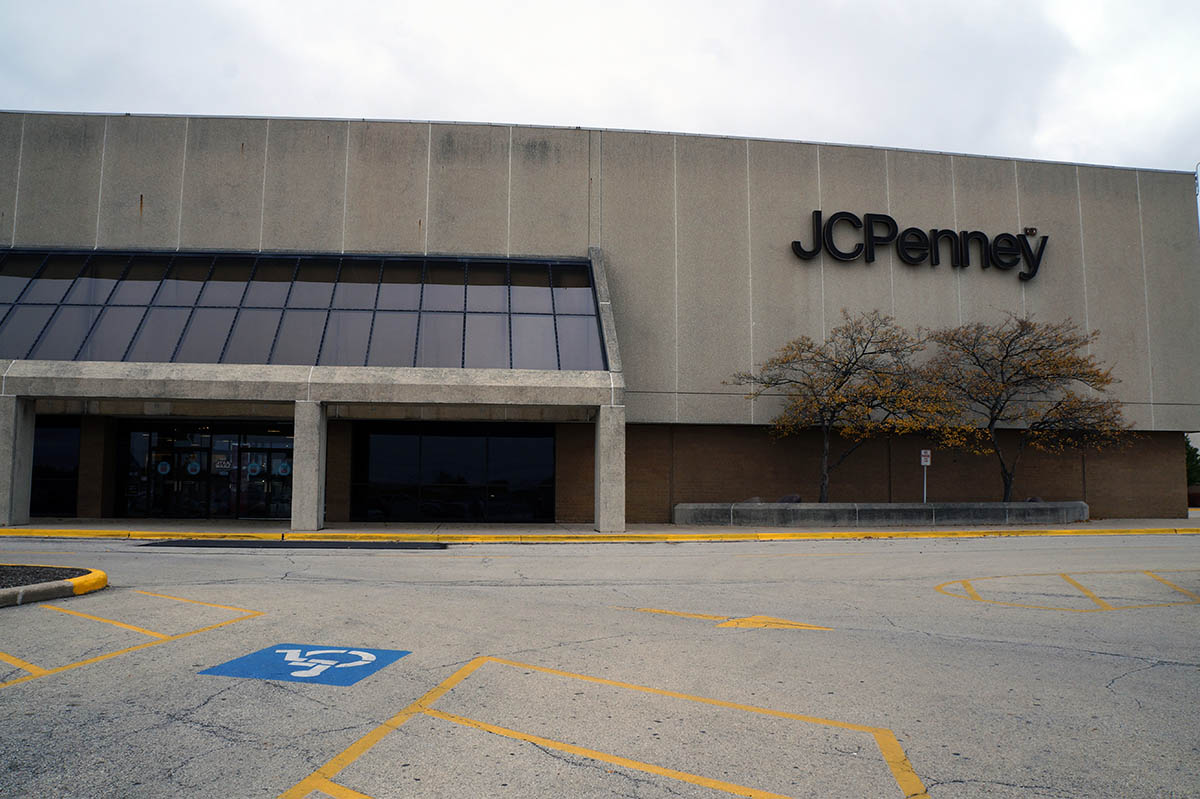
After a fall, take a moment to check for pain in your head, neck, back, or joints before trying to move. Call out to a nearby associate or use your phone to contact store staff, and ask for a manager so the incident can be formally recorded with the time, date, and department.
If you can safely do so, take photos of the exact spot where you fell, including any liquid, loose hangers, tags, rugs, or clothing on the floor, and note which section you were in, such as shoes, home goods, or juniors. The takeaway is that fast, specific reporting and photos from the scene create a foundation of proof that is hard for an insurance company to ignore later.
Who can be held responsible for a fall injury in a JCPenney department store?
Responsibility often starts with the company operating the JCPenney location and may also involve the property owner or mall owner if the store is part of a larger shopping center. These entities are generally expected to keep aisles, entrances, and fitting room corridors reasonably safe and to respond to hazards in a timely way.
Other parties can share blame, such as janitorial contractors who handle floor care, third-party merchandisers who set up displays, or maintenance companies that repair escalators and lighting. The takeaway is that liability can involve more than one business, and a proper investigation looks at everyone who controlled the space where you were hurt.
How do I prove JCPenney was negligent in my Florida slip and fall case?
To prove negligence, you usually need to show there was a dangerous condition, that JCPenney knew or should have known about it, and that they did not respond like a reasonably careful store would. That might involve proving the hazard was present long enough that staff should have seen it, or that similar problems had been reported before.
Useful evidence includes photos and videos, incident reports, employee floor check or zone coverage logs, prior complaint records, and statements from other customers or employees about what they saw. The takeaway is that negligence is about connecting store knowledge and store inaction, not just the existence of a slippery or cluttered spot.
What hazards commonly cause slip and fall injuries in JCPenney stores?
Because JCPenney is a department store with clothing, shoes, home goods, and cosmetics, hazards can pop up in different ways across the sales floor. Common problems include loose hangers or tags on the floor, dropped merchandise near clearance racks, unstable shoe display platforms, and small rugs that bunch or slide.
Other risks arise from freshly mopped tile without visible warning signs, leaks from ceiling tiles over housewares, escalator or stair edges with worn nosing, and poorly lit fitting room corridors or back corners of departments. The takeaway is that the mix of hard floors, soft furnishings, and high-traffic display areas makes regular inspections and good housekeeping critical to preventing falls.
Am I covered by workers’ compensation if I am injured as a JCPenney employee in Florida?
If you are employed by JCPenney in Florida and are injured while doing your job, whether stocking shelves, moving racks, folding clothes, cleaning up spills, or assisting customers, you are generally covered by workers’ compensation under Florida law, including Florida Statutes Chapter 440. Coverage does not depend on proving that the company did anything wrong in a traditional negligence sense.
Workers’ compensation is designed to pay for necessary medical care with authorized doctors and to replace a portion of your wages if your injury keeps you off the job or forces you into reduced-duty work. The takeaway is that as a JCPenney employee, workers’ compensation is often your primary path to medical treatment and wage support after a fall.
Can I still get workers’ compensation if JCPenney or its insurer says the accident was my fault?
In many cases, yes. Florida’s workers’ compensation system is largely no-fault, which means you may still qualify for benefits even if the insurer claims you were walking too fast, not paying attention, or carrying too many items. The central question is usually whether you were working when you got hurt, not whether you made a mistake.
Benefits can be reduced or denied if drugs, alcohol, or intentional misconduct played a role, but ordinary missteps usually are not enough to end your claim. The takeaway is that blame-shifting by a manager or adjuster does not automatically remove your right to workers’ compensation benefits.
Can I have both a workers’ compensation claim and a separate claim against another company after a JCPenney accident?
Sometimes you can. Imagine a mall maintenance company that leaves a floor machine streaking cleaning solution at the JCPenney entrance, or a fixture vendor whose display collapses into the aisle. A JCPenney employee hurt by this type of hazard could have a workers’ compensation claim through JCPenney and a separate personal injury claim against the outside company.
Customers can also have claims against both JCPenney and a landlord or contractor if control of the dangerous area is shared. The takeaway is that multiple overlapping responsibilities at department stores often mean more than one insurance policy may be available to help cover your losses.
What medical bills and lost wages can I recover after a JCPenney slip and fall in Florida?
As a shopper, you may be able to recover compensation for emergency room visits, urgent care, diagnostic tests like X-rays or MRIs, follow-up appointments with specialists, physical therapy, and medications related to your injuries. You can also pursue lost income, reduced earning capacity, and damages for pain, suffering, and how the injury affects your daily life.
As an employee, workers’ compensation focuses on covered medical care with authorized providers and partial wage replacement if you cannot work or must work fewer hours or lighter duties due to your injuries. The takeaway is that while the legal pathways differ for customers and employees, both groups can often recover money tied to treatment and time away from work.
How long do I have to file a JCPenney slip and fall claim in Florida?
Florida has statutes of limitations that set deadlines for filing personal injury lawsuits, including claims from department store slip and fall accidents. There are also shorter deadlines within the workers’ compensation system for reporting injuries to your employer and taking certain formal steps to secure benefits.
Those deadlines can be affected by details such as whether a government-owned property is involved or the age of the injured person. The takeaway is that talking with a slip and fall accident lawyer in your local area soon after the incident helps ensure you do not miss a deadline that could bar your claim.
What should I do if JCPenney’s insurance company delays or denies my claim?
Insurers may argue that the hazard was obvious, that you were mostly at fault, or that your injuries are minor or unrelated to the fall. If your claim is stalled or denied, you can respond by getting a full copy of your medical records, gathering additional photos and witness statements, and having a lawyer analyze the reasons given by the adjuster.
An attorney can request internal claim notes, push for production of surveillance video, and, if needed, file a lawsuit or workers’ compensation petition to move the matter forward. The takeaway is that a delay or denial is usually a sign that you need more focused legal help, not a sign your case is over.
How does workers’ compensation operate under Florida Statutes Chapter 440 for JCPenney employees?
Florida Statutes Chapter 440 outlines who is covered by workers’ compensation, how injuries must be reported, which doctors can treat you, and how wage-loss benefits are calculated and paid. JCPenney employees are generally expected to report any work-related injury to a supervisor as soon as possible and to follow the employer’s process to see an authorized doctor.
If your authorized doctor says you cannot work or places you on restrictions that limit your hours or duties, you may qualify for temporary wage replacement based on a percentage of your pre-injury average weekly income. The takeaway is that understanding Chapter 440 procedures and following them carefully can prevent avoidable gaps in treatment or benefit checks.
What evidence should I collect right after being hurt in a JCPenney store?
Evidence from the day of the accident can be crucial. Try to capture:
- Photos or video of what caused your fall, such as a spilled drink, loose clothing on the floor, broken tile, or a misplaced rug.
- Wider shots showing the layout of the aisle, displays, and nearby fixtures so it is clear how the hazard fit into the space.
- Names and contact information for any witnesses, including other shoppers and store employees who saw the hazard or the fall.
Ask which manager is on duty, confirm that an incident report is created, and, if possible, make a note of visible security cameras that might have recorded the event. The takeaway is that specific, time-stamped evidence captured quickly can be critical when the store and insurer challenge your version of events months later.
Do OSHA or other safety rules matter in JCPenney slip and fall cases?
Large retailers like JCPenney must comply with workplace safety regulations from agencies such as OSHA, especially regarding housekeeping, ladder use, and walking-working surfaces for employees. Fire and building codes also influence safe exits, lighting levels, and stair or escalator design.
While breaking a rule does not automatically make a company liable, it can support your argument that the store or its contractors did not meet widely accepted safety standards. The takeaway is that safety regulations and company policies act as yardsticks for judging whether JCPenney took reasonable steps to keep the store safe.
Realistic JCPenney slip and fall scenarios in Florida
Scenario 1 – Wet Floor by Fragrance Counter in a South Florida Mall
In a South Florida JCPenney inside a regional mall, a customer testing a fragrance accidentally spills a bottle near the cosmetic counter. The liquid spreads across the glossy tile leading toward the main aisle. Associates place a paper towel over the spot but do not put out a wet floor sign. A shopper walking past while looking at a display steps on the soaked area, slips, and injures a knee.
Mall and store video show the spill existed for several minutes without proper cleanup or warning cones. The injured customer brings a claim against JCPenney for failing to follow basic spill response procedures. The takeaway is that makeshift fixes like paper towels are not enough when a store has time to properly clean and mark a wet floor.
Scenario 2 – Clothing on the Floor in the Fitting Room Corridor – Orlando Area
At an Orlando-area JCPenney, a busy weekend leads to multiple dressing rooms in the women’s department being used at once. Shoppers drop unwanted clothing on the floor outside fitting rooms, and a few items remain in the hallway as staff focus on the cash wrap line. A customer leaving a fitting room steps on a dark shirt against dark carpet, slips, and falls onto her hip.
Witnesses report that the clothing had been in the hallway for some time and that no one was assigned to tidy the area during peak hours. The claim highlights the store’s failure to keep the fitting room corridor clear and to assign adequate staff for that zone during known rush times. The takeaway is that managing clutter near fitting rooms is just as important as mopping up spills in main aisles.
Scenario 3 – Stockroom Fall for a JCPenney Employee – Broward County
A stockroom associate in a Broward County JCPenney is moving a rolling rack loaded with dresses from the back area to the sales floor. The path crosses a small ledge where the stockroom floor meets the tiled main aisle, and the edge is chipped and uneven. As the employee pushes the rack over the ledge, a wheel catches, causing the worker to stumble forward and land on an outstretched hand, fracturing a wrist.
The injury is promptly reported and handled as a workers’ compensation claim, with authorized medical care and partial wage replacement while the associate recovers. An internal safety review reveals prior complaints about the damaged ledge, prompting repairs and renewed training. The takeaway is that back-of-house hazards are just as real as customer-facing ones, and employees should report them early for both safety and workers’ compensation purposes.
How does The Injury Firm help after a JCPenney slip and fall in Florida?
The Injury Firm helps shoppers and employees across Florida who have been injured in large department stores, including JCPenney locations in areas like Fort Lauderdale, Broward County, West Palm Beach, Orlando, and beyond. With offices in several Florida cities and licenses in multiple states, the firm is positioned to deal with national chains, out-of-state insurers, and complex ownership structures.
The firm offers free consultations 24/7, works on a no-recovery-no-fee basis, and has secured millions of dollars in settlements and verdicts for injury victims. You can call 954-951-0000, email records@flinjuryfirm.com, or use the online contact form at The Injury Firm Contact Page to find out how the firm can help with your specific JCPenney fall. The takeaway is that early, informed legal guidance can help you protect your claim, manage insurance communications, and focus on healing while an experienced team fights for compensation.
Frequently asked questions about JCPenney slip and fall accidents
Do I have a case if I slipped but did not completely fall to the ground?
You can have a valid claim if a hazardous condition in the store caused you to slip or stumble and you suffered an injury, even if you caught yourself. What matters is the presence of a hazard, the store’s response to it, and the impact on your health.
Does it matter what kind of shoes I was wearing?
Insurers may point to sandals, high heels, or worn soles, but stores must anticipate normal customer footwear and still maintain reasonably safe floors. Footwear is one factor in the analysis, not the entire story.
What if I did not notice the spill or hazard before I stepped on it?
Many in-store hazards are hard to see, including clear liquid, small objects, or subtle floor level changes. Your claim is not defeated just because you did not spot the danger; the key is whether the store acted reasonably in finding and fixing or warning about it.
Can I bring a claim if I fell near an escalator or stairway in JCPenney?
Yes, injuries on escalators and stairs can lead to claims where there is worn tread, poor lighting, broken handrails, sudden stops, or other unsafe conditions. The same basic rules about notice and reasonable care apply.
How long will JCPenney or the mall keep surveillance video?
Policies vary, but many systems overwrite video within days or weeks. Promptly requesting preservation of footage that shows the area where you fell increases the odds that critical video evidence is saved.
What if I had a pre-existing back or knee problem before the fall?
Pre-existing conditions are common, and the law recognizes that a new incident can aggravate or accelerate prior problems. Medical records and expert opinions can help show how the JCPenney incident changed your condition.
Will filing a claim affect store prices or get individual employees in trouble?
Claims are generally handled through corporate risk management and insurance, not by penalizing individual associates. The purpose is to address your injuries and losses, not to punish hourly workers or raise prices.
Should I accept a quick settlement offer from the insurance company?
Quick offers may come before the full extent of your injuries or future treatment is known. Having a slip and fall accident lawyer review an offer first can help you avoid settling for less than your claim is worth.
Can I handle a JCPenney slip and fall claim on my own?
You can try, especially for minor injuries, but when damages are significant, liability is disputed, or workers’ compensation is involved, legal and medical issues become more complex. Consulting a lawyer helps you understand the strengths and value of your case.
How do I get started with The Injury Firm?
You can call 954-951-0000, send an email to records@flinjuryfirm.com, or complete a brief online form on the contact page. A team member will ask about where and how the fall happened, your injuries, and your work situation, then explain your best options for moving forward.
```
SLIP AND FALL ACCIDENTS IN LARGE STORES
CONTACT US NOW
FREE CONSULTATION


Slip and Fall Injury in a JCPenney Store in Florida – What Are My Options?
This page is for shoppers and employees who were hurt in a JCPenney store in Florida and need clear answers about what to do next. It explains how slip and fall claims and workers’ compensation work, what evidence helps your case, and how The Injury Firm can step in if you want legal help.
Skip to JCPenney Slip and Fall Answers
- What should I do right after a slip and fall in a JCPenney store in Florida?
- Who can be held responsible for a fall injury in a JCPenney department store?
- How do I prove JCPenney was negligent in my Florida slip and fall case?
- What hazards commonly cause slip and fall injuries in JCPenney stores?
- Am I covered by workers’ compensation if I am injured as a JCPenney employee in Florida?
- Can I still get workers’ compensation if JCPenney or its insurer says the accident was my fault?
- Can I have both a workers’ compensation claim and a separate claim against another company after a JCPenney accident?
- What medical bills and lost wages can I recover after a JCPenney slip and fall in Florida?
- How long do I have to file a JCPenney slip and fall claim in Florida?
- What should I do if JCPenney’s insurance company delays or denies my claim?
- How does workers’ compensation operate under Florida Statutes Chapter 440 for JCPenney employees?
- What evidence should I collect right after being hurt in a JCPenney store?
- Do OSHA or other safety rules matter in JCPenney slip and fall cases?
- What realistic JCPenney slip and fall scenarios happen in Florida?
- How does The Injury Firm help after a JCPenney slip and fall in Florida?
- Frequently asked questions about JCPenney slip and fall accidents
What should I do right after a slip and fall in a JCPenney store in Florida?
After a fall, take a moment to check for pain in your head, neck, back, or joints before trying to move. Call out to a nearby associate or use your phone to contact store staff, and ask for a manager so the incident can be formally recorded with the time, date, and department.
If you can safely do so, take photos of the exact spot where you fell, including any liquid, loose hangers, tags, rugs, or clothing on the floor, and note which section you were in, such as shoes, home goods, or juniors. The takeaway is that fast, specific reporting and photos from the scene create a foundation of proof that is hard for an insurance company to ignore later.
Who can be held responsible for a fall injury in a JCPenney department store?
Responsibility often starts with the company operating the JCPenney location and may also involve the property owner or mall owner if the store is part of a larger shopping center. These entities are generally expected to keep aisles, entrances, and fitting room corridors reasonably safe and to respond to hazards in a timely way.
Other parties can share blame, such as janitorial contractors who handle floor care, third-party merchandisers who set up displays, or maintenance companies that repair escalators and lighting. The takeaway is that liability can involve more than one business, and a proper investigation looks at everyone who controlled the space where you were hurt.
How do I prove JCPenney was negligent in my Florida slip and fall case?
To prove negligence, you usually need to show there was a dangerous condition, that JCPenney knew or should have known about it, and that they did not respond like a reasonably careful store would. That might involve proving the hazard was present long enough that staff should have seen it, or that similar problems had been reported before.
Useful evidence includes photos and videos, incident reports, employee floor check or zone coverage logs, prior complaint records, and statements from other customers or employees about what they saw. The takeaway is that negligence is about connecting store knowledge and store inaction, not just the existence of a slippery or cluttered spot.
What hazards commonly cause slip and fall injuries in JCPenney stores?
Because JCPenney is a department store with clothing, shoes, home goods, and cosmetics, hazards can pop up in different ways across the sales floor. Common problems include loose hangers or tags on the floor, dropped merchandise near clearance racks, unstable shoe display platforms, and small rugs that bunch or slide.
Other risks arise from freshly mopped tile without visible warning signs, leaks from ceiling tiles over housewares, escalator or stair edges with worn nosing, and poorly lit fitting room corridors or back corners of departments. The takeaway is that the mix of hard floors, soft furnishings, and high-traffic display areas makes regular inspections and good housekeeping critical to preventing falls.
Am I covered by workers’ compensation if I am injured as a JCPenney employee in Florida?
If you are employed by JCPenney in Florida and are injured while doing your job, whether stocking shelves, moving racks, folding clothes, cleaning up spills, or assisting customers, you are generally covered by workers’ compensation under Florida law, including Florida Statutes Chapter 440. Coverage does not depend on proving that the company did anything wrong in a traditional negligence sense.
Workers’ compensation is designed to pay for necessary medical care with authorized doctors and to replace a portion of your wages if your injury keeps you off the job or forces you into reduced-duty work. The takeaway is that as a JCPenney employee, workers’ compensation is often your primary path to medical treatment and wage support after a fall.
Can I still get workers’ compensation if JCPenney or its insurer says the accident was my fault?
In many cases, yes. Florida’s workers’ compensation system is largely no-fault, which means you may still qualify for benefits even if the insurer claims you were walking too fast, not paying attention, or carrying too many items. The central question is usually whether you were working when you got hurt, not whether you made a mistake.
Benefits can be reduced or denied if drugs, alcohol, or intentional misconduct played a role, but ordinary missteps usually are not enough to end your claim. The takeaway is that blame-shifting by a manager or adjuster does not automatically remove your right to workers’ compensation benefits.
Can I have both a workers’ compensation claim and a separate claim against another company after a JCPenney accident?
Sometimes you can. Imagine a mall maintenance company that leaves a floor machine streaking cleaning solution at the JCPenney entrance, or a fixture vendor whose display collapses into the aisle. A JCPenney employee hurt by this type of hazard could have a workers’ compensation claim through JCPenney and a separate personal injury claim against the outside company.
Customers can also have claims against both JCPenney and a landlord or contractor if control of the dangerous area is shared. The takeaway is that multiple overlapping responsibilities at department stores often mean more than one insurance policy may be available to help cover your losses.
What medical bills and lost wages can I recover after a JCPenney slip and fall in Florida?
As a shopper, you may be able to recover compensation for emergency room visits, urgent care, diagnostic tests like X-rays or MRIs, follow-up appointments with specialists, physical therapy, and medications related to your injuries. You can also pursue lost income, reduced earning capacity, and damages for pain, suffering, and how the injury affects your daily life.
As an employee, workers’ compensation focuses on covered medical care with authorized providers and partial wage replacement if you cannot work or must work fewer hours or lighter duties due to your injuries. The takeaway is that while the legal pathways differ for customers and employees, both groups can often recover money tied to treatment and time away from work.
How long do I have to file a JCPenney slip and fall claim in Florida?
Florida has statutes of limitations that set deadlines for filing personal injury lawsuits, including claims from department store slip and fall accidents. There are also shorter deadlines within the workers’ compensation system for reporting injuries to your employer and taking certain formal steps to secure benefits.
Those deadlines can be affected by details such as whether a government-owned property is involved or the age of the injured person. The takeaway is that talking with a slip and fall accident lawyer in your local area soon after the incident helps ensure you do not miss a deadline that could bar your claim.
What should I do if JCPenney’s insurance company delays or denies my claim?
Insurers may argue that the hazard was obvious, that you were mostly at fault, or that your injuries are minor or unrelated to the fall. If your claim is stalled or denied, you can respond by getting a full copy of your medical records, gathering additional photos and witness statements, and having a lawyer analyze the reasons given by the adjuster.
An attorney can request internal claim notes, push for production of surveillance video, and, if needed, file a lawsuit or workers’ compensation petition to move the matter forward. The takeaway is that a delay or denial is usually a sign that you need more focused legal help, not a sign your case is over.
How does workers’ compensation operate under Florida Statutes Chapter 440 for JCPenney employees?
Florida Statutes Chapter 440 outlines who is covered by workers’ compensation, how injuries must be reported, which doctors can treat you, and how wage-loss benefits are calculated and paid. JCPenney employees are generally expected to report any work-related injury to a supervisor as soon as possible and to follow the employer’s process to see an authorized doctor.
If your authorized doctor says you cannot work or places you on restrictions that limit your hours or duties, you may qualify for temporary wage replacement based on a percentage of your pre-injury average weekly income. The takeaway is that understanding Chapter 440 procedures and following them carefully can prevent avoidable gaps in treatment or benefit checks.
What evidence should I collect right after being hurt in a JCPenney store?
Evidence from the day of the accident can be crucial. Try to capture:
- Photos or video of what caused your fall, such as a spilled drink, loose clothing on the floor, broken tile, or a misplaced rug.
- Wider shots showing the layout of the aisle, displays, and nearby fixtures so it is clear how the hazard fit into the space.
- Names and contact information for any witnesses, including other shoppers and store employees who saw the hazard or the fall.
Ask which manager is on duty, confirm that an incident report is created, and, if possible, make a note of visible security cameras that might have recorded the event. The takeaway is that specific, time-stamped evidence captured quickly can be critical when the store and insurer challenge your version of events months later.
Do OSHA or other safety rules matter in JCPenney slip and fall cases?
Large retailers like JCPenney must comply with workplace safety regulations from agencies such as OSHA, especially regarding housekeeping, ladder use, and walking-working surfaces for employees. Fire and building codes also influence safe exits, lighting levels, and stair or escalator design.
While breaking a rule does not automatically make a company liable, it can support your argument that the store or its contractors did not meet widely accepted safety standards. The takeaway is that safety regulations and company policies act as yardsticks for judging whether JCPenney took reasonable steps to keep the store safe.
Realistic JCPenney slip and fall scenarios in Florida
Scenario 1 – Wet Floor by Fragrance Counter in a South Florida Mall
In a South Florida JCPenney inside a regional mall, a customer testing a fragrance accidentally spills a bottle near the cosmetic counter. The liquid spreads across the glossy tile leading toward the main aisle. Associates place a paper towel over the spot but do not put out a wet floor sign. A shopper walking past while looking at a display steps on the soaked area, slips, and injures a knee.
Mall and store video show the spill existed for several minutes without proper cleanup or warning cones. The injured customer brings a claim against JCPenney for failing to follow basic spill response procedures. The takeaway is that makeshift fixes like paper towels are not enough when a store has time to properly clean and mark a wet floor.
Scenario 2 – Clothing on the Floor in the Fitting Room Corridor – Orlando Area
At an Orlando-area JCPenney, a busy weekend leads to multiple dressing rooms in the women’s department being used at once. Shoppers drop unwanted clothing on the floor outside fitting rooms, and a few items remain in the hallway as staff focus on the cash wrap line. A customer leaving a fitting room steps on a dark shirt against dark carpet, slips, and falls onto her hip.
Witnesses report that the clothing had been in the hallway for some time and that no one was assigned to tidy the area during peak hours. The claim highlights the store’s failure to keep the fitting room corridor clear and to assign adequate staff for that zone during known rush times. The takeaway is that managing clutter near fitting rooms is just as important as mopping up spills in main aisles.
Scenario 3 – Stockroom Fall for a JCPenney Employee – Broward County
A stockroom associate in a Broward County JCPenney is moving a rolling rack loaded with dresses from the back area to the sales floor. The path crosses a small ledge where the stockroom floor meets the tiled main aisle, and the edge is chipped and uneven. As the employee pushes the rack over the ledge, a wheel catches, causing the worker to stumble forward and land on an outstretched hand, fracturing a wrist.
The injury is promptly reported and handled as a workers’ compensation claim, with authorized medical care and partial wage replacement while the associate recovers. An internal safety review reveals prior complaints about the damaged ledge, prompting repairs and renewed training. The takeaway is that back-of-house hazards are just as real as customer-facing ones, and employees should report them early for both safety and workers’ compensation purposes.
How does The Injury Firm help after a JCPenney slip and fall in Florida?
The Injury Firm helps shoppers and employees across Florida who have been injured in large department stores, including JCPenney locations in areas like Fort Lauderdale, Broward County, West Palm Beach, Orlando, and beyond. With offices in several Florida cities and licenses in multiple states, the firm is positioned to deal with national chains, out-of-state insurers, and complex ownership structures.
The firm offers free consultations 24/7, works on a no-recovery-no-fee basis, and has secured millions of dollars in settlements and verdicts for injury victims. You can call 954-951-0000, email records@flinjuryfirm.com, or use the online contact form at The Injury Firm Contact Page to find out how the firm can help with your specific JCPenney fall. The takeaway is that early, informed legal guidance can help you protect your claim, manage insurance communications, and focus on healing while an experienced team fights for compensation.
Frequently asked questions about JCPenney slip and fall accidents
Do I have a case if I slipped but did not completely fall to the ground?
You can have a valid claim if a hazardous condition in the store caused you to slip or stumble and you suffered an injury, even if you caught yourself. What matters is the presence of a hazard, the store’s response to it, and the impact on your health.
Does it matter what kind of shoes I was wearing?
Insurers may point to sandals, high heels, or worn soles, but stores must anticipate normal customer footwear and still maintain reasonably safe floors. Footwear is one factor in the analysis, not the entire story.
What if I did not notice the spill or hazard before I stepped on it?
Many in-store hazards are hard to see, including clear liquid, small objects, or subtle floor level changes. Your claim is not defeated just because you did not spot the danger; the key is whether the store acted reasonably in finding and fixing or warning about it.
Can I bring a claim if I fell near an escalator or stairway in JCPenney?
Yes, injuries on escalators and stairs can lead to claims where there is worn tread, poor lighting, broken handrails, sudden stops, or other unsafe conditions. The same basic rules about notice and reasonable care apply.
How long will JCPenney or the mall keep surveillance video?
Policies vary, but many systems overwrite video within days or weeks. Promptly requesting preservation of footage that shows the area where you fell increases the odds that critical video evidence is saved.
What if I had a pre-existing back or knee problem before the fall?
Pre-existing conditions are common, and the law recognizes that a new incident can aggravate or accelerate prior problems. Medical records and expert opinions can help show how the JCPenney incident changed your condition.
Will filing a claim affect store prices or get individual employees in trouble?
Claims are generally handled through corporate risk management and insurance, not by penalizing individual associates. The purpose is to address your injuries and losses, not to punish hourly workers or raise prices.
Should I accept a quick settlement offer from the insurance company?
Quick offers may come before the full extent of your injuries or future treatment is known. Having a slip and fall accident lawyer review an offer first can help you avoid settling for less than your claim is worth.
Can I handle a JCPenney slip and fall claim on my own?
You can try, especially for minor injuries, but when damages are significant, liability is disputed, or workers’ compensation is involved, legal and medical issues become more complex. Consulting a lawyer helps you understand the strengths and value of your case.
How do I get started with The Injury Firm?
You can call 954-951-0000, send an email to records@flinjuryfirm.com, or complete a brief online form on the contact page. A team member will ask about where and how the fall happened, your injuries, and your work situation, then explain your best options for moving forward.
```
PRACTICE AREA - SLIP AND FALL IN LARGE STORES
CONTACT US NOW
FREE CONSULTATION