
Slip and Fall Accidents
Applebee’s Slip and Fall Accident Lawyer | Fort Lauderdale, Florida
Applebee’s Slip and Fall Accident
Quick Navigation:
What Is It? | Common Causes | Liability | Evidence | Compensation | FAQ
Applebee’s Slip and Fall Accidents in Fort Lauderdale
An Applebee’s slip and fall accident occurs when a customer is injured due to unsafe conditions such as spilled drinks, greasy floors, or wet surfaces inside or around the restaurant. Under Florida law, Applebee’s may be held legally responsible if it knew or should have known about the dangerous condition and failed to correct it.
For example, if a bartender spills a drink in a walkway and it is not cleaned promptly, causing a customer to slip, the restaurant may be liable for resulting injuries.
- Spilled beverages or food
- Greasy or slick floors
- Wet entryways from rain
- Recently mopped floors without warnings
If you were injured at Applebee’s in Fort Lauderdale, The Injury Firm can help you understand your legal rights and pursue compensation.
Quick Answer
Slip and fall accidents at Applebee’s often occur due to spills, grease, or wet floors. Florida law allows injured victims to recover compensation if the restaurant failed to fix or warn about hazards it knew or should have known about. The Injury Firm helps Fort Lauderdale clients pursue financial recovery.
What Is a Slip and Fall Accident at Applebee’s?
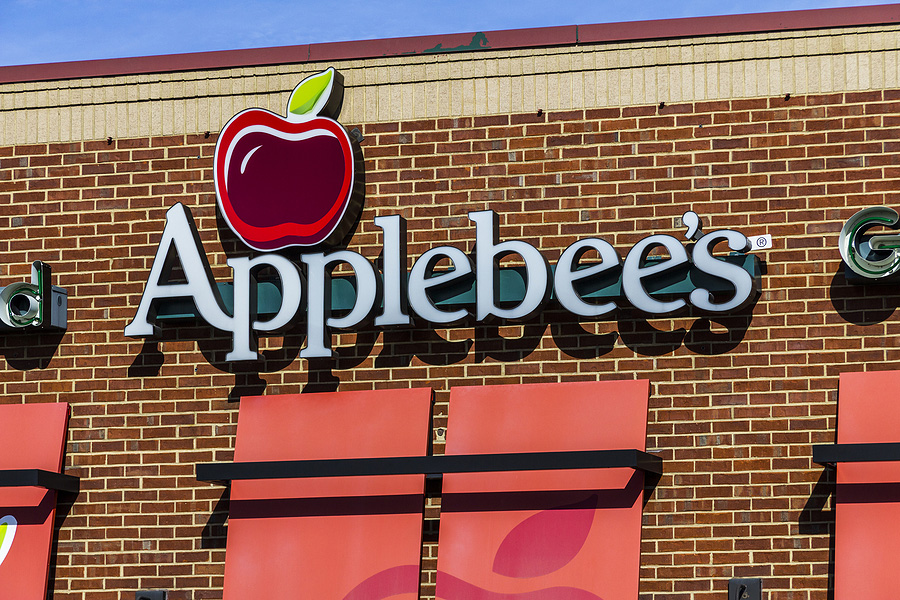
A slip and fall accident at Applebee’s is a premises liability claim involving injuries caused by unsafe conditions on the property.
These incidents commonly occur in:
- Dining aisles
- Bar areas
- Entrances and exits
- Restrooms
- Server walkways
Applebee’s environments involve frequent movement of staff carrying drinks and food, increasing the likelihood of spills in customer pathways.
Legal Responsibility:
Applebee’s must maintain safe premises, conduct inspections, and promptly correct hazardous conditions.
Florida Premises Liability Law
Slip and fall claims in Florida are governed by Florida Statute §768.0755.
Key Rule:
A business is liable if it had actual or constructive knowledge of a dangerous condition and failed to correct it.
Plain English:
You must prove the restaurant knew or should have known about the hazard.
Example:
If a spill remains long enough that employees should have discovered it, liability may apply.
Common Causes of Applebee’s Slip and Fall Accidents
Restaurant-specific hazards include:
- Spilled drinks or alcohol in bar areas
- Grease or food debris on floors
- Dropped food in dining aisles
- Wet floors from cleaning
- Rainwater tracked into entryways
- Uneven flooring or damaged tiles
- Poor lighting conditions
Liability Analysis: Who Is Responsible?
To succeed in an Applebee’s slip and fall lawsuit, you must prove negligence.
Duty of Care
Applebee’s owes a duty to maintain reasonably safe premises for customers.
Knowledge of Hazard
- Actual knowledge: Staff knew about the hazard
- Constructive knowledge: The condition existed long enough or occurred regularly
Failure to Act
The restaurant failed to clean, repair, or warn about the dangerous condition.
Evidence in an Applebee’s Injury Claim
Definition: Evidence helps prove how the accident occurred and who is responsible.
Important Evidence Includes:
- Surveillance video footage
- Incident reports
- Witness statements
- Photographs of the hazard
- Cleaning and inspection logs
- Employee training records
Why It Matters:
Without strong evidence, proving that Applebee’s knew or should have known about the hazard becomes much more difficult.
Common Injuries from Slip and Fall Accidents
- Broken bones
- Head injuries and concussions
- Back and spinal injuries
- Knee and ligament damage
- Soft tissue injuries
These injuries can lead to long-term complications such as chronic pain or permanent disability.
Compensation Available
Economic Damages
- Medical expenses
- Future medical care
- Lost wages
- Reduced earning capacity
Non-Economic Damages
- Pain and suffering
- Emotional distress
- Loss of enjoyment of life
```html id="ab-sf-p2-2">
Liability Test Framework
| Step | Legal Requirement |
|---|---|
| 1 | Duty of care existed |
| 2 | Dangerous condition present |
| 3 | Actual or constructive knowledge |
| 4 | Failure to fix or warn |
| 5 | Causation |
| 6 | Damages |
Mini Case Examples
Example 1:
A bartender spills a drink that spreads across a walkway but does not clean it promptly. A customer slips shortly after. This may establish actual knowledge because staff created the hazard and failed to correct it.
Example 2:
An entryway becomes consistently wet during rainy conditions without mats or warning signs. A customer slips and falls. This may establish constructive knowledge due to a recurring hazard.
Related Locations and Cross-Linking
- Buffet restaurants (Golden Corral)
- Casual dining chains (Olive Garden, Chili’s)
- Fast-food restaurants
- Grocery store slip and fall accidents
- Hotel restaurant accidents
Explore Restaurant Slip and Fall Accidents
Visit Slip and Fall Accident Page
Why Applebee’s Slip and Fall Cases Are Complex
- Restaurants may deny knowledge of hazards
- Surveillance footage may be erased or overwritten
- Victims may be blamed for inattention
- Cleaning logs may be incomplete or disputed
- Insurance companies aggressively defend claims
The Injury Firm Legal Process
- Free consultation
- Detailed investigation
- Evidence collection
- Negotiation with insurance companies
- Litigation if necessary
Frequently Asked Questions
Can I sue Applebee’s for a slip and fall in Florida?
Yes, you can file a claim if you can prove that Applebee’s had actual or constructive knowledge of a dangerous condition and failed to correct it. Florida law requires evidence showing the restaurant knew or should have known about the hazard. This may include surveillance footage, witness statements, and maintenance records. Without sufficient proof, your claim may be denied, making early legal guidance important.
What should I do immediately after a slip and fall?
You should report the incident to management and request an incident report. Take photos of the hazard, gather witness contact information, and seek medical attention right away. Acting quickly is essential because evidence—especially surveillance video—can be lost within days. Proper documentation strengthens your claim.
How long do I have to file a claim in Florida?
Florida generally allows two years to file a personal injury claim. However, waiting too long can result in lost evidence and weaken your case. Consulting an attorney early helps ensure your rights are protected and evidence is preserved.
What if I was partially at fault?
Florida follows a modified comparative negligence system. You can still recover compensation if you are partially at fault, but your recovery will be reduced by your percentage of responsibility. If you are more than 50 percent at fault, you may not recover damages.
What damages can I recover?
You may recover economic damages such as medical bills, lost wages, and future treatment costs. You may also recover non-economic damages like pain and suffering, emotional distress, and loss of enjoyment of life. The value depends on the severity of your injuries and their long-term impact.
Do I need a lawyer?
While not required, having a lawyer significantly improves your chances of success. Insurance companies often attempt to minimize payouts or deny claims. An attorney can gather evidence, negotiate aggressively, and represent you in court if necessary.
What evidence is most important?
The most important evidence includes surveillance footage, incident reports, photos of the hazard, witness statements, and maintenance logs. This evidence helps establish how long the hazard existed and whether the restaurant acted reasonably in addressing it.
Contact The Injury Firm
If you were injured in an Applebee’s slip and fall accident in Fort Lauderdale, contact The Injury Firm today for a free consultation.
Call Now: 954-951-0000
Address:
1608 East Commercial Blvd.
Ft. Lauderdale, FL 33334
Free Consultation


THE INJURY FIRM
1608 East Commercial Blvd.
Ft. Lauderdale, FL 33334
Phone (954) 951-0000
Fax: (954) 951-1000
Click Here To Send Email
WEST PALM BEACH
2536 Okeechobee Blvd.
West Palm Beach, FL 33409
ORLANDO
4495 S. Semoran Blvd.
Orlando, FL 32822
Phone (407) 444-0000
Fax: (407) 402-1111
Click Here To Send Email
Applebee’s Slip and Fall Accident Lawyer | Fort Lauderdale, Florida
Applebee’s Slip and Fall Accident
Quick Navigation:
What Is It? | Common Causes | Liability | Evidence | Compensation | FAQ
Applebee’s Slip and Fall Accidents in Fort Lauderdale
An Applebee’s slip and fall accident occurs when a customer is injured due to unsafe conditions such as spilled drinks, greasy floors, or wet surfaces inside or around the restaurant. Under Florida law, Applebee’s may be held legally responsible if it knew or should have known about the dangerous condition and failed to correct it.
For example, if a bartender spills a drink in a walkway and it is not cleaned promptly, causing a customer to slip, the restaurant may be liable for resulting injuries.
- Spilled beverages or food
- Greasy or slick floors
- Wet entryways from rain
- Recently mopped floors without warnings
If you were injured at Applebee’s in Fort Lauderdale, The Injury Firm can help you understand your legal rights and pursue compensation.
Quick Answer
Slip and fall accidents at Applebee’s often occur due to spills, grease, or wet floors. Florida law allows injured victims to recover compensation if the restaurant failed to fix or warn about hazards it knew or should have known about. The Injury Firm helps Fort Lauderdale clients pursue financial recovery.
What Is a Slip and Fall Accident at Applebee’s?
A slip and fall accident at Applebee’s is a premises liability claim involving injuries caused by unsafe conditions on the property.
These incidents commonly occur in:
- Dining aisles
- Bar areas
- Entrances and exits
- Restrooms
- Server walkways
Applebee’s environments involve frequent movement of staff carrying drinks and food, increasing the likelihood of spills in customer pathways.
Legal Responsibility:
Applebee’s must maintain safe premises, conduct inspections, and promptly correct hazardous conditions.
Florida Premises Liability Law
Slip and fall claims in Florida are governed by Florida Statute §768.0755.
Key Rule:
A business is liable if it had actual or constructive knowledge of a dangerous condition and failed to correct it.
Plain English:
You must prove the restaurant knew or should have known about the hazard.
Example:
If a spill remains long enough that employees should have discovered it, liability may apply.
Common Causes of Applebee’s Slip and Fall Accidents
Restaurant-specific hazards include:
- Spilled drinks or alcohol in bar areas
- Grease or food debris on floors
- Dropped food in dining aisles
- Wet floors from cleaning
- Rainwater tracked into entryways
- Uneven flooring or damaged tiles
- Poor lighting conditions
Liability Analysis: Who Is Responsible?
To succeed in an Applebee’s slip and fall lawsuit, you must prove negligence.
Duty of Care
Applebee’s owes a duty to maintain reasonably safe premises for customers.
Knowledge of Hazard
- Actual knowledge: Staff knew about the hazard
- Constructive knowledge: The condition existed long enough or occurred regularly
Failure to Act
The restaurant failed to clean, repair, or warn about the dangerous condition.
Evidence in an Applebee’s Injury Claim
Definition: Evidence helps prove how the accident occurred and who is responsible.
Important Evidence Includes:
- Surveillance video footage
- Incident reports
- Witness statements
- Photographs of the hazard
- Cleaning and inspection logs
- Employee training records
Why It Matters:
Without strong evidence, proving that Applebee’s knew or should have known about the hazard becomes much more difficult.
Common Injuries from Slip and Fall Accidents
- Broken bones
- Head injuries and concussions
- Back and spinal injuries
- Knee and ligament damage
- Soft tissue injuries
These injuries can lead to long-term complications such as chronic pain or permanent disability.
Compensation Available
Economic Damages
- Medical expenses
- Future medical care
- Lost wages
- Reduced earning capacity
Non-Economic Damages
- Pain and suffering
- Emotional distress
- Loss of enjoyment of life
```html id="ab-sf-p2-2">
Liability Test Framework
| Step | Legal Requirement |
|---|---|
| 1 | Duty of care existed |
| 2 | Dangerous condition present |
| 3 | Actual or constructive knowledge |
| 4 | Failure to fix or warn |
| 5 | Causation |
| 6 | Damages |
Mini Case Examples
Example 1:
A bartender spills a drink that spreads across a walkway but does not clean it promptly. A customer slips shortly after. This may establish actual knowledge because staff created the hazard and failed to correct it.
Example 2:
An entryway becomes consistently wet during rainy conditions without mats or warning signs. A customer slips and falls. This may establish constructive knowledge due to a recurring hazard.
Related Locations and Cross-Linking
- Buffet restaurants (Golden Corral)
- Casual dining chains (Olive Garden, Chili’s)
- Fast-food restaurants
- Grocery store slip and fall accidents
- Hotel restaurant accidents
Explore Restaurant Slip and Fall Accidents
Visit Slip and Fall Accident Page
Why Applebee’s Slip and Fall Cases Are Complex
- Restaurants may deny knowledge of hazards
- Surveillance footage may be erased or overwritten
- Victims may be blamed for inattention
- Cleaning logs may be incomplete or disputed
- Insurance companies aggressively defend claims
The Injury Firm Legal Process
- Free consultation
- Detailed investigation
- Evidence collection
- Negotiation with insurance companies
- Litigation if necessary
Frequently Asked Questions
Can I sue Applebee’s for a slip and fall in Florida?
Yes, you can file a claim if you can prove that Applebee’s had actual or constructive knowledge of a dangerous condition and failed to correct it. Florida law requires evidence showing the restaurant knew or should have known about the hazard. This may include surveillance footage, witness statements, and maintenance records. Without sufficient proof, your claim may be denied, making early legal guidance important.
What should I do immediately after a slip and fall?
You should report the incident to management and request an incident report. Take photos of the hazard, gather witness contact information, and seek medical attention right away. Acting quickly is essential because evidence—especially surveillance video—can be lost within days. Proper documentation strengthens your claim.
How long do I have to file a claim in Florida?
Florida generally allows two years to file a personal injury claim. However, waiting too long can result in lost evidence and weaken your case. Consulting an attorney early helps ensure your rights are protected and evidence is preserved.
What if I was partially at fault?
Florida follows a modified comparative negligence system. You can still recover compensation if you are partially at fault, but your recovery will be reduced by your percentage of responsibility. If you are more than 50 percent at fault, you may not recover damages.
What damages can I recover?
You may recover economic damages such as medical bills, lost wages, and future treatment costs. You may also recover non-economic damages like pain and suffering, emotional distress, and loss of enjoyment of life. The value depends on the severity of your injuries and their long-term impact.
Do I need a lawyer?
While not required, having a lawyer significantly improves your chances of success. Insurance companies often attempt to minimize payouts or deny claims. An attorney can gather evidence, negotiate aggressively, and represent you in court if necessary.
What evidence is most important?
The most important evidence includes surveillance footage, incident reports, photos of the hazard, witness statements, and maintenance logs. This evidence helps establish how long the hazard existed and whether the restaurant acted reasonably in addressing it.
Contact The Injury Firm
If you were injured in an Applebee’s slip and fall accident in Fort Lauderdale, contact The Injury Firm today for a free consultation.
Call Now: 954-951-0000
Address:
1608 East Commercial Blvd.
Ft. Lauderdale, FL 33334
CONTACT US NOW
FREE CONSULTATION