
PERSONAL INJURY ACCIDENTS AT RESTAURANTS
PRACTICE AREA - SLIP AND FALL ACCIDENTS
SLIP AND FALL PERSONAL INJURY
PRACTICE AREA - WORKERS' COMPENSATION
Lowe’s Slip and Fall Injury Claim – What Are My Legal Options in Florida?
This page is for shoppers and employees who were hurt in a Lowe’s home improvement store and want plain-English answers about what to do next. It explains what to do after a fall, how Florida slip and fall and workers’ compensation laws work, and how The Injury Firm can help protect your rights.
Skip to Lowe’s Slip and Fall Answers
- What should I do right after a slip and fall at Lowe’s in Florida?
- Who can be held responsible for a fall injury in a Lowe’s store?
- How do I prove Lowe’s was negligent in my Florida slip and fall case?
- What hazards commonly cause slip and fall injuries in Lowe’s home improvement stores?
- Am I covered by workers’ compensation if I am injured as a Lowe’s employee in Florida?
- Can I still get workers’ compensation if Lowe’s or its insurer says the accident was my fault?
- Can I have a workers’ compensation claim and a separate claim against another company after a Lowe’s accident?
- What medical bills and lost wages can I recover after a Lowe’s slip and fall in Florida?
- How long do I have to file a Lowe’s slip and fall claim in Florida?
- What should I do if Lowe’s insurance company delays or denies my claim?
- How does Florida Statutes Chapter 440 affect Lowe’s workers’ compensation claims?
- What evidence should I collect immediately after being hurt in a Lowe’s store?
- Do OSHA and other safety rules matter in Lowe’s slip and fall cases?
- What realistic Lowe’s slip and fall scenarios happen in Florida?
- How does The Injury Firm help with a Lowe’s slip and fall injury claim in Florida?
- Frequently asked questions about Lowe’s slip and fall accidents
What should I do right after a slip and fall at Lowe’s in Florida?
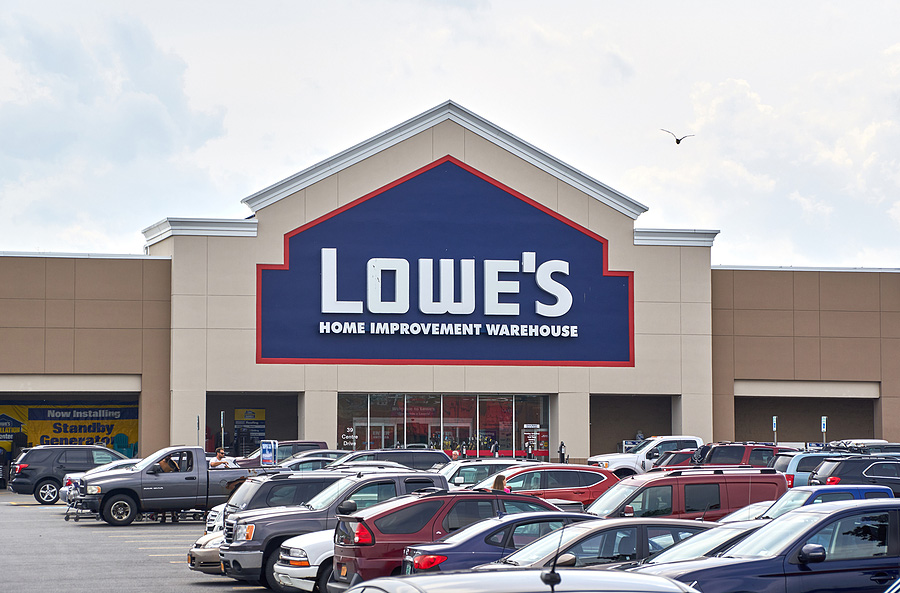
If you fall at a Lowe’s, pause for a moment and check for sharp pain in your head, neck, back, or joints before trying to stand. Ask a nearby associate to get a manager and make sure an incident report is filled out with the date, time, department where you fell, such as lumber, garden, or flooring, and a brief description of what caused you to lose your footing.
Use your phone to take photos or video of the exact spot, including any sawdust, spilled paint, loose plastic wrap, wet concrete, uneven mat, or scattered hardware, then step back and capture wider shots showing aisle signs, overhead displays, and any nearby forklifts or pallets. In summary, calm reporting and clear, time-stamped images give you neutral evidence to rely on if Lowe’s or its insurer later disputes what the area looked like.
Who can be held responsible for a fall injury in a Lowe’s store?
Responsibility often starts with the company that operates the Lowe’s location, but other businesses may share fault depending on where and how the incident happened. For example, a shopping center landlord, property management company, or paving contractor might be involved if you were hurt in the parking lot, at the loading zone, or on an exterior sidewalk.
Inside the store, third-party vendors, floor-care contractors, delivery companies, or forklift service providers can become part of the case if their work created or left behind the hazard that caused your fall. The takeaway is that a serious investigation looks beyond just Lowe’s and identifies every company that controlled or contributed to the dangerous condition.
How do I prove Lowe’s was negligent in my Florida slip and fall case?
Florida law generally requires you to show that a dangerous condition existed, that Lowe’s knew or reasonably should have known about it, and that the store did not fix it or warn you in a reasonable time. For temporary hazards like spilled liquids or debris, this often involves proving notice, meaning Lowe’s had actual notice, such as an employee seeing the hazard, or constructive notice, such as the condition being present long enough that it should have been discovered during regular inspections.
Useful evidence can include surveillance video, inspection and sweep logs, maintenance records, training materials, incident reports, and witness statements from customers or workers about how long the hazard was there. In summary, a strong Lowe’s slip and fall claim ties a specific dangerous condition to what the store knew or should have known and shows that its response fell below reasonable safety standards.
What hazards commonly cause slip and fall injuries in Lowe’s home improvement stores?
Lowe’s combines warehouse-style aisles, heavy products, outdoor garden centers, and active construction materials, which creates unique hazards. Common dangers include wet or slick floors from spilled paint, oils, or chemicals, sawdust or dirt tracked across polished concrete, loose extension cords, or plastic wrap and straps left in walkways.
Outdoor garden centers can have standing water from irrigation or rain, mud or gravel on paths, uneven pavement, and hoses stretched across aisles, while interior areas may have uneven mats, loose tile, or cluttered promotional displays. The takeaway is that the size and nature of Lowe’s inventory make constant housekeeping, clear walkways, and prompt spill cleanup essential to preventing falls.
Am I covered by workers’ compensation if I am injured as a Lowe’s employee in Florida?
If you work for Lowe’s in Florida and are hurt while doing your job—stocking shelves, cutting lumber, working at the register, helping customers with heavy items, or cleaning up a spill—you are generally covered by Florida’s workers’ compensation system under Florida Statutes Chapter 440. This is true even if your injury happens in a back aisle, loading dock, or garden center while performing routine tasks.
Workers’ compensation is designed to pay for care with authorized doctors and to provide partial wage replacement if your injury keeps you off work or forces you into lighter-duty hours. For a broader overview tailored to Florida, you can review Understanding Workers’ Compensation: A Comprehensive Guide for Florida Workers on The Injury Firm’s website. The takeaway is that for Lowe’s employees, workers’ compensation is typically the first and main source of help with medical bills and lost income.
Can I still get workers’ compensation if Lowe’s or its insurer says the accident was my fault?
In many situations, yes. Florida’s workers’ compensation model is largely no-fault, which means you may still qualify for benefits even if someone claims you walked too fast, did not see a cone, or misjudged a step while carrying a box. The main questions are usually whether you were within the course and scope of your employment and whether any statutory exclusions apply, not whether you were perfectly careful in every moment.
Benefits can be reduced or denied in cases involving intoxication or intentional misconduct, but everyday mistakes, missteps, or momentary inattention usually do not eliminate your claim. The takeaway is that you should not assume you are ineligible for workers’ compensation just because a supervisor or adjuster suggests the fall was your fault.
Can I have a workers’ compensation claim and a separate claim against another company after a Lowe’s accident?
Sometimes both paths are available. For example, if a flooring vendor leaves loose sample boards in an aisle, a delivery company parks a pallet in the main walkway, or a cleaning contractor leaves a freshly mopped area without warning signs, those third parties may share responsibility for a fall.
A Lowe’s employee hurt by a hazard created by a non-employer may have a workers’ compensation claim through Lowe’s and a separate personal injury claim against the outside company, while a customer could bring a claim against both Lowe’s and the vendor or contractor. In summary, mapping out who controlled and created the hazard can uncover multiple insurance policies that may help cover your losses.
What medical bills and lost wages can I recover after a Lowe’s slip and fall in Florida?
As a customer, you may be able to seek compensation for emergency room visits, urgent care, imaging like X-rays or MRIs, follow-up visits with specialists, physical therapy, and prescription medications or braces, boots, or other medical devices. You can also pursue payment for lost income, reduced future earning capacity, and the pain, limitations, and day-to-day disruptions caused by your injuries.
As a Lowe’s employee, workers’ compensation focuses on covering authorized medical care and partial wage replacement calculated from your average weekly wage when your doctor takes you off work or Lowe’s cannot accommodate your restrictions. In summary, both customers and workers have options to address medical expenses and lost earnings, but the types of benefits and how they are calculated differ between a civil claim and a workers’ compensation claim.
How long do I have to file a Lowe’s slip and fall claim in Florida?
Florida law sets time limits, known as statutes of limitations, for filing personal injury lawsuits, including claims involving big-box and home improvement stores. Separate, shorter deadlines apply to reporting workplace injuries and filing for workers’ compensation benefits, and missing those deadlines can sharply limit or even end your right to recover.
The exact timeframe can depend on factors like the date of the accident, the injured person’s age, and whether any special circumstances or government entities are involved, and these rules can change over time. In summary, talking with a slip and fall accident lawyer in Fort Lauderdale or your local area soon after a Lowe’s incident is the safest way to protect all of your important deadlines.
What should I do if Lowe’s insurance company delays or denies my claim?
Insurers that handle Lowe’s claims often argue that floors were dry, that hazards were clearly marked, or that your injuries do not match what they see on store video. If your claim is delayed, minimized, or denied, you can respond by gathering your complete medical records, saving all photos and messages related to the incident, and asking an attorney to review the adjuster’s explanation carefully.
A lawyer can request inspection logs, safety policies, training documents, surveillance footage, and other internal records that may not be shared voluntarily, then use that information to negotiate or, if needed, file a lawsuit or workers’ compensation petition. The takeaway is that a delay or denial is usually a sign that you need stronger evidence and focused legal help, not that your case is over.
How does Florida Statutes Chapter 440 affect Lowe’s workers’ compensation claims?
Florida Statutes Chapter 440 sets the ground rules for workers’ compensation, including who must carry coverage, how quickly injuries must be reported, how medical treatment is authorized, how wage-loss benefits are calculated, and how disputes are resolved. It also outlines enforcement powers for state agencies when employers do not follow coverage or reporting requirements.
For a Lowe’s employee, this means promptly reporting a workplace fall to a supervisor, following Lowe’s instructions for seeing an authorized doctor, and keeping appointments and restrictions so benefits continue without interruption. In summary, understanding and following Chapter 440’s procedures helps avoid preventable gaps in medical care or checks while your claim is pending.
What evidence should I collect immediately after being hurt in a Lowe’s store?
Conditions inside a Lowe’s can change quickly as forklifts move, pallets shift, and staff sweep or mop, so the evidence you gather right away can be crucial. If you are able, try to collect:
- Close-up photos or video of the hazard, such as spilled paint, wet concrete, loose sawdust, broken tiles, hoses, cords, or product packaging on the floor.
- Wider images that show aisle numbers, overhead signage, nearby racks, forklift routes, and any cones or lack of warning signs.
- Names and contact information for witnesses, including other customers and employees who saw the hazard, saw you fall, or commented on the area being dangerous.
Ask who the manager on duty is, confirm that an incident report will be completed, and look for visible cameras pointed toward the area where you were hurt. The takeaway is that detailed, time-stamped evidence from the day of the fall helps counter later claims that nothing was on the floor or that the hazard appeared only moments before the incident.
Do OSHA and other safety rules matter in Lowe’s slip and fall cases?
Lowe’s must follow workplace safety standards from OSHA and similar agencies that address issues like housekeeping, safe walking-working surfaces, use of ladders and lifts, and control of cords, hoses, and tools in walkways. These rules are especially important in lumber aisles, tool departments, garden centers, and loading areas where heavy products, equipment, and customers intersect.
Building and fire codes, plus Lowe’s internal policies on inspections, forklift traffic, spill cleanup, and barricades, can help define what reasonable care looks like in a large warehouse-style store. In summary, safety regulations and store procedures are often used as benchmarks to show whether Lowe’s and its contractors met or fell short of their duty to keep the property safe.
Realistic Lowe’s slip and fall scenarios in Florida
Scenario 1 – Wet Garden Center Walkway in Broward County
At a Broward County Lowe’s, the outdoor garden center is being watered with overhead sprinklers during a hot afternoon. Water collects in low spots on the concrete and mixes with loose soil and leaves, creating slick patches on a main customer walkway between plant tables. No cones or warning signs are placed, and employees focus on loading mulch and pavers for weekend shoppers.
A customer walking toward the checkout area steps into a shallow puddle, slips, and falls, injuring an elbow and lower back. Security video later shows the standing water had been present for an extended time and that other customers had been walking around the same spot. In summary, this scenario highlights how predictable water buildup in garden centers can be a strong basis for a claim when Lowe’s does not manage drainage and warnings.
Scenario 2 – Loose Plastic Wrap Near Lumber Aisle in Central Florida
In a Central Florida Lowe’s, employees are unpacking pallets of lumber and building supplies in a wide main aisle. Strips of clear plastic wrap and broken pallet pieces end up on the floor near the edge of the lumber section, and a forklift passes through several times, shifting the debris farther into the walking path. No one stops to pick up the plastic or place cones while the work continues.
A customer carrying small hardware items walks down the aisle, does not notice the thin plastic on the gray concrete, and slides when a shoe lands on it, falling onto a knee and wrist. Witnesses report that the plastic and pallet fragments were present while staff moved materials back and forth. The takeaway is that unpacking and material handling in customer pathways without constant cleanup can create avoidable trip and slip hazards.
Scenario 3 – Lowe’s Employee Fall from a Step Stool in Orlando
A Lowe’s associate in Orlando uses a small step stool to reach lighting fixtures stored on a high shelf. The stool is placed near an area where the floor coating is worn and slightly uneven, and a thin layer of sawdust from an earlier project has not been fully swept. As the employee turns to hand a box down to a coworker, the stool shifts on the dusty surface, causing a fall onto the concrete.
The associate suffers a shoulder injury and reports the incident immediately, and the claim is handled through workers’ compensation, covering medical evaluation, physical therapy, and partial wage replacement while on light duty. Later, Lowe’s replaces the worn flooring and revises guidelines on where stools and ladders may be placed. In summary, this scenario shows how even short falls from low heights can support a valid workers’ compensation case when they occur during normal job tasks in a Lowe’s store.
How does The Injury Firm help with a Lowe’s slip and fall injury claim in Florida?
The Injury Firm represents shoppers and employees hurt in large retail and home improvement stores across Florida, including Lowe’s locations serving Fort Lauderdale, Broward County, West Palm Beach, Orlando, and surrounding communities. The firm is licensed in multiple states and has recovered millions of dollars for injured clients using detailed investigations, expert analysis, and a trial-ready approach to negotiation.
If you were injured in a Lowe’s slip and fall, you can reach The Injury Firm 24/7 by calling 954-951-0000, emailing records@flinjuryfirm.com, or using the contact form at The Injury Firm Contact Page. The takeaway is that early legal guidance from a team that understands both premises liability and workers’ compensation can help you understand your options, deal with insurers, and focus on healing while your Lowe’s claim is pursued.
Key differences: customer claim vs. Lowe’s employee workers’ compensation
| Issue | Injured Customer | Injured Lowe’s Employee |
|---|---|---|
| Main legal path | Personal injury claim or lawsuit alleging negligence | Workers’ compensation claim through employer’s insurance |
| Need to prove fault? | Yes, must show the store or others were negligent | Generally no, system is largely no-fault |
| Types of damages | Medical bills, lost income, pain and suffering, and more | Medical care with authorized doctors and partial wage replacement |
| Possible additional claims | Claims against landlords, maintenance companies, or contractors that controlled the area | Potential third-party claim against non-employer if they created the hazard |
Frequently asked questions about Lowe’s slip and fall accidents
Do I have a case if I tripped over merchandise or packaging at Lowe’s but caught myself before hitting the floor?
If a hazard at Lowe’s caused you to stumble or twist and you injured your back, knee, wrist, or another body part while catching yourself, you may still have a claim. What matters is whether there was an unsafe condition and how Lowe’s handled it, not only whether you landed flat on the ground.
Does it matter if I was carrying heavy items or pushing a flat cart when I fell?
Lowe’s expects customers to handle bulky items, flat carts, and loaded shopping carts, and the store must still keep walkways reasonably safe. Those details may be discussed in your case, but they do not automatically excuse cluttered aisles, wet floors, or poor lighting.
What if I did not see the water, dust, or debris before I stepped on it?
Many Lowe’s hazards—clear liquids, sawdust, thin plastic, or small screws—are easy to miss, especially when you are looking up at shelves. Your claim focuses on whether Lowe’s should have found, fixed, or warned about the condition, not on whether you noticed it in time.
Can I bring a claim if I fell in the parking lot, loading area, or sidewalk outside Lowe’s?
Yes, falls in parking lots, on sidewalks, or in loading zones can still support a claim if unsafe conditions like potholes, oil, loose gravel, or poor lighting contributed to your injury. Responsibility may be shared among Lowe’s, property owners, and outside contractors who maintain the area.
How long does Lowe’s usually keep surveillance video?
Video retention varies by system and store, but many locations overwrite footage after a short period. Asking Lowe’s and any property manager to preserve video of the area where you fell should be done as soon as possible to increase the chance that footage is saved.
What if I already had back, knee, or shoulder problems before my Lowe’s fall?
Pre-existing conditions are common, and Florida law recognizes that a new incident can aggravate or accelerate existing issues. Medical records and doctor opinions can help explain how your Lowe’s accident changed your symptoms or made a prior condition worse.
Will bringing a claim get individual Lowe’s employees in trouble?
Claims are typically handled through corporate risk management and insurance, not by punishing front-line workers who tried to help you after a fall. The focus is on compensating you fairly and improving safety, not on blaming specific associates.
Should I talk to Lowe’s insurance adjuster before speaking with a lawyer?
You may be contacted quickly for a statement, but you are usually not required to give a detailed or recorded statement before consulting your own attorney. Speaking with a slip and fall accident lawyer first can help you understand which questions to answer and how to protect your claim.
Can I handle a minor Lowe’s slip and fall case on my own?
If your injuries are minor, heal quickly, and your bills are low, you may decide to negotiate directly with the insurer. When injuries are more serious, long-lasting, or disputed, or when liability is unclear, working with an experienced lawyer can help you understand your rights and the fair value of your case.
How do I start a Lowe’s slip and fall injury claim with The Injury Firm?
You can call 954-951-0000, email records@flinjuryfirm.com, or complete the online contact form on The Injury Firm’s website. A team member will ask about which Lowe’s you visited, what caused your fall, your medical treatment so far, and your work situation, then outline your best next steps under Florida law.
``` [1](https://www.a11y-collective.com/blog/skip-to-main-content/) [2](https://a11y-guidelines.orange.com/en/articles/skip-links-best-practices/) [3](https://webaim.org/techniques/skipnav/) [4](https://css-tricks.com/a-deep-dive-on-skipping-to-content/) [5](https://www.w3schools.com/accessibility/accessibility_skip_links.php) [6](https://axesslab.com/skip-links/) [7](https://www.seopital.co/blog/h1-h2-h3-seo) [8](https://a11y-blog.dev/en/articles/understanding-a-skip-link/) [9](https://216digital.com/skip-links-improve-web-accessibility-navigation/) [10](https://designsystem.digital.gov/components/in-page-navigation/) [11](https://developer.mozilla.org/en-US/docs/Web/HTML/Reference/Elements/a) [12](https://www.w3.org/WAI/WCAG21/Techniques/html/H69) [13](https://www.whitneycann.com/blog/h1-h2-h3-examples-everything-you-need-to-know-about-creating-headers) [14](https://stackoverflow.com/questions/5769735/anchor-link-skips-too-far) [15](https://www.w3.org/WAI/standards-guidelines/act/rules/cf77f2/proposed/)
SLIP AND FALL ACCIDENTS IN LARGE STORES
CONTACT US NOW
FREE CONSULTATION


Lowe’s Slip and Fall Injury Claim – What Are My Legal Options in Florida?
This page is for shoppers and employees who were hurt in a Lowe’s home improvement store and want plain-English answers about what to do next. It explains what to do after a fall, how Florida slip and fall and workers’ compensation laws work, and how The Injury Firm can help protect your rights.
Skip to Lowe’s Slip and Fall Answers
- What should I do right after a slip and fall at Lowe’s in Florida?
- Who can be held responsible for a fall injury in a Lowe’s store?
- How do I prove Lowe’s was negligent in my Florida slip and fall case?
- What hazards commonly cause slip and fall injuries in Lowe’s home improvement stores?
- Am I covered by workers’ compensation if I am injured as a Lowe’s employee in Florida?
- Can I still get workers’ compensation if Lowe’s or its insurer says the accident was my fault?
- Can I have a workers’ compensation claim and a separate claim against another company after a Lowe’s accident?
- What medical bills and lost wages can I recover after a Lowe’s slip and fall in Florida?
- How long do I have to file a Lowe’s slip and fall claim in Florida?
- What should I do if Lowe’s insurance company delays or denies my claim?
- How does Florida Statutes Chapter 440 affect Lowe’s workers’ compensation claims?
- What evidence should I collect immediately after being hurt in a Lowe’s store?
- Do OSHA and other safety rules matter in Lowe’s slip and fall cases?
- What realistic Lowe’s slip and fall scenarios happen in Florida?
- How does The Injury Firm help with a Lowe’s slip and fall injury claim in Florida?
- Frequently asked questions about Lowe’s slip and fall accidents
What should I do right after a slip and fall at Lowe’s in Florida?
If you fall at a Lowe’s, pause for a moment and check for sharp pain in your head, neck, back, or joints before trying to stand. Ask a nearby associate to get a manager and make sure an incident report is filled out with the date, time, department where you fell, such as lumber, garden, or flooring, and a brief description of what caused you to lose your footing.
Use your phone to take photos or video of the exact spot, including any sawdust, spilled paint, loose plastic wrap, wet concrete, uneven mat, or scattered hardware, then step back and capture wider shots showing aisle signs, overhead displays, and any nearby forklifts or pallets. In summary, calm reporting and clear, time-stamped images give you neutral evidence to rely on if Lowe’s or its insurer later disputes what the area looked like.
Who can be held responsible for a fall injury in a Lowe’s store?
Responsibility often starts with the company that operates the Lowe’s location, but other businesses may share fault depending on where and how the incident happened. For example, a shopping center landlord, property management company, or paving contractor might be involved if you were hurt in the parking lot, at the loading zone, or on an exterior sidewalk.
Inside the store, third-party vendors, floor-care contractors, delivery companies, or forklift service providers can become part of the case if their work created or left behind the hazard that caused your fall. The takeaway is that a serious investigation looks beyond just Lowe’s and identifies every company that controlled or contributed to the dangerous condition.
How do I prove Lowe’s was negligent in my Florida slip and fall case?
Florida law generally requires you to show that a dangerous condition existed, that Lowe’s knew or reasonably should have known about it, and that the store did not fix it or warn you in a reasonable time. For temporary hazards like spilled liquids or debris, this often involves proving notice, meaning Lowe’s had actual notice, such as an employee seeing the hazard, or constructive notice, such as the condition being present long enough that it should have been discovered during regular inspections.
Useful evidence can include surveillance video, inspection and sweep logs, maintenance records, training materials, incident reports, and witness statements from customers or workers about how long the hazard was there. In summary, a strong Lowe’s slip and fall claim ties a specific dangerous condition to what the store knew or should have known and shows that its response fell below reasonable safety standards.
What hazards commonly cause slip and fall injuries in Lowe’s home improvement stores?
Lowe’s combines warehouse-style aisles, heavy products, outdoor garden centers, and active construction materials, which creates unique hazards. Common dangers include wet or slick floors from spilled paint, oils, or chemicals, sawdust or dirt tracked across polished concrete, loose extension cords, or plastic wrap and straps left in walkways.
Outdoor garden centers can have standing water from irrigation or rain, mud or gravel on paths, uneven pavement, and hoses stretched across aisles, while interior areas may have uneven mats, loose tile, or cluttered promotional displays. The takeaway is that the size and nature of Lowe’s inventory make constant housekeeping, clear walkways, and prompt spill cleanup essential to preventing falls.
Am I covered by workers’ compensation if I am injured as a Lowe’s employee in Florida?
If you work for Lowe’s in Florida and are hurt while doing your job—stocking shelves, cutting lumber, working at the register, helping customers with heavy items, or cleaning up a spill—you are generally covered by Florida’s workers’ compensation system under Florida Statutes Chapter 440. This is true even if your injury happens in a back aisle, loading dock, or garden center while performing routine tasks.
Workers’ compensation is designed to pay for care with authorized doctors and to provide partial wage replacement if your injury keeps you off work or forces you into lighter-duty hours. For a broader overview tailored to Florida, you can review Understanding Workers’ Compensation: A Comprehensive Guide for Florida Workers on The Injury Firm’s website. The takeaway is that for Lowe’s employees, workers’ compensation is typically the first and main source of help with medical bills and lost income.
Can I still get workers’ compensation if Lowe’s or its insurer says the accident was my fault?
In many situations, yes. Florida’s workers’ compensation model is largely no-fault, which means you may still qualify for benefits even if someone claims you walked too fast, did not see a cone, or misjudged a step while carrying a box. The main questions are usually whether you were within the course and scope of your employment and whether any statutory exclusions apply, not whether you were perfectly careful in every moment.
Benefits can be reduced or denied in cases involving intoxication or intentional misconduct, but everyday mistakes, missteps, or momentary inattention usually do not eliminate your claim. The takeaway is that you should not assume you are ineligible for workers’ compensation just because a supervisor or adjuster suggests the fall was your fault.
Can I have a workers’ compensation claim and a separate claim against another company after a Lowe’s accident?
Sometimes both paths are available. For example, if a flooring vendor leaves loose sample boards in an aisle, a delivery company parks a pallet in the main walkway, or a cleaning contractor leaves a freshly mopped area without warning signs, those third parties may share responsibility for a fall.
A Lowe’s employee hurt by a hazard created by a non-employer may have a workers’ compensation claim through Lowe’s and a separate personal injury claim against the outside company, while a customer could bring a claim against both Lowe’s and the vendor or contractor. In summary, mapping out who controlled and created the hazard can uncover multiple insurance policies that may help cover your losses.
What medical bills and lost wages can I recover after a Lowe’s slip and fall in Florida?
As a customer, you may be able to seek compensation for emergency room visits, urgent care, imaging like X-rays or MRIs, follow-up visits with specialists, physical therapy, and prescription medications or braces, boots, or other medical devices. You can also pursue payment for lost income, reduced future earning capacity, and the pain, limitations, and day-to-day disruptions caused by your injuries.
As a Lowe’s employee, workers’ compensation focuses on covering authorized medical care and partial wage replacement calculated from your average weekly wage when your doctor takes you off work or Lowe’s cannot accommodate your restrictions. In summary, both customers and workers have options to address medical expenses and lost earnings, but the types of benefits and how they are calculated differ between a civil claim and a workers’ compensation claim.
How long do I have to file a Lowe’s slip and fall claim in Florida?
Florida law sets time limits, known as statutes of limitations, for filing personal injury lawsuits, including claims involving big-box and home improvement stores. Separate, shorter deadlines apply to reporting workplace injuries and filing for workers’ compensation benefits, and missing those deadlines can sharply limit or even end your right to recover.
The exact timeframe can depend on factors like the date of the accident, the injured person’s age, and whether any special circumstances or government entities are involved, and these rules can change over time. In summary, talking with a slip and fall accident lawyer in Fort Lauderdale or your local area soon after a Lowe’s incident is the safest way to protect all of your important deadlines.
What should I do if Lowe’s insurance company delays or denies my claim?
Insurers that handle Lowe’s claims often argue that floors were dry, that hazards were clearly marked, or that your injuries do not match what they see on store video. If your claim is delayed, minimized, or denied, you can respond by gathering your complete medical records, saving all photos and messages related to the incident, and asking an attorney to review the adjuster’s explanation carefully.
A lawyer can request inspection logs, safety policies, training documents, surveillance footage, and other internal records that may not be shared voluntarily, then use that information to negotiate or, if needed, file a lawsuit or workers’ compensation petition. The takeaway is that a delay or denial is usually a sign that you need stronger evidence and focused legal help, not that your case is over.
How does Florida Statutes Chapter 440 affect Lowe’s workers’ compensation claims?
Florida Statutes Chapter 440 sets the ground rules for workers’ compensation, including who must carry coverage, how quickly injuries must be reported, how medical treatment is authorized, how wage-loss benefits are calculated, and how disputes are resolved. It also outlines enforcement powers for state agencies when employers do not follow coverage or reporting requirements.
For a Lowe’s employee, this means promptly reporting a workplace fall to a supervisor, following Lowe’s instructions for seeing an authorized doctor, and keeping appointments and restrictions so benefits continue without interruption. In summary, understanding and following Chapter 440’s procedures helps avoid preventable gaps in medical care or checks while your claim is pending.
What evidence should I collect immediately after being hurt in a Lowe’s store?
Conditions inside a Lowe’s can change quickly as forklifts move, pallets shift, and staff sweep or mop, so the evidence you gather right away can be crucial. If you are able, try to collect:
- Close-up photos or video of the hazard, such as spilled paint, wet concrete, loose sawdust, broken tiles, hoses, cords, or product packaging on the floor.
- Wider images that show aisle numbers, overhead signage, nearby racks, forklift routes, and any cones or lack of warning signs.
- Names and contact information for witnesses, including other customers and employees who saw the hazard, saw you fall, or commented on the area being dangerous.
Ask who the manager on duty is, confirm that an incident report will be completed, and look for visible cameras pointed toward the area where you were hurt. The takeaway is that detailed, time-stamped evidence from the day of the fall helps counter later claims that nothing was on the floor or that the hazard appeared only moments before the incident.
Do OSHA and other safety rules matter in Lowe’s slip and fall cases?
Lowe’s must follow workplace safety standards from OSHA and similar agencies that address issues like housekeeping, safe walking-working surfaces, use of ladders and lifts, and control of cords, hoses, and tools in walkways. These rules are especially important in lumber aisles, tool departments, garden centers, and loading areas where heavy products, equipment, and customers intersect.
Building and fire codes, plus Lowe’s internal policies on inspections, forklift traffic, spill cleanup, and barricades, can help define what reasonable care looks like in a large warehouse-style store. In summary, safety regulations and store procedures are often used as benchmarks to show whether Lowe’s and its contractors met or fell short of their duty to keep the property safe.
Realistic Lowe’s slip and fall scenarios in Florida
Scenario 1 – Wet Garden Center Walkway in Broward County
At a Broward County Lowe’s, the outdoor garden center is being watered with overhead sprinklers during a hot afternoon. Water collects in low spots on the concrete and mixes with loose soil and leaves, creating slick patches on a main customer walkway between plant tables. No cones or warning signs are placed, and employees focus on loading mulch and pavers for weekend shoppers.
A customer walking toward the checkout area steps into a shallow puddle, slips, and falls, injuring an elbow and lower back. Security video later shows the standing water had been present for an extended time and that other customers had been walking around the same spot. In summary, this scenario highlights how predictable water buildup in garden centers can be a strong basis for a claim when Lowe’s does not manage drainage and warnings.
Scenario 2 – Loose Plastic Wrap Near Lumber Aisle in Central Florida
In a Central Florida Lowe’s, employees are unpacking pallets of lumber and building supplies in a wide main aisle. Strips of clear plastic wrap and broken pallet pieces end up on the floor near the edge of the lumber section, and a forklift passes through several times, shifting the debris farther into the walking path. No one stops to pick up the plastic or place cones while the work continues.
A customer carrying small hardware items walks down the aisle, does not notice the thin plastic on the gray concrete, and slides when a shoe lands on it, falling onto a knee and wrist. Witnesses report that the plastic and pallet fragments were present while staff moved materials back and forth. The takeaway is that unpacking and material handling in customer pathways without constant cleanup can create avoidable trip and slip hazards.
Scenario 3 – Lowe’s Employee Fall from a Step Stool in Orlando
A Lowe’s associate in Orlando uses a small step stool to reach lighting fixtures stored on a high shelf. The stool is placed near an area where the floor coating is worn and slightly uneven, and a thin layer of sawdust from an earlier project has not been fully swept. As the employee turns to hand a box down to a coworker, the stool shifts on the dusty surface, causing a fall onto the concrete.
The associate suffers a shoulder injury and reports the incident immediately, and the claim is handled through workers’ compensation, covering medical evaluation, physical therapy, and partial wage replacement while on light duty. Later, Lowe’s replaces the worn flooring and revises guidelines on where stools and ladders may be placed. In summary, this scenario shows how even short falls from low heights can support a valid workers’ compensation case when they occur during normal job tasks in a Lowe’s store.
How does The Injury Firm help with a Lowe’s slip and fall injury claim in Florida?
The Injury Firm represents shoppers and employees hurt in large retail and home improvement stores across Florida, including Lowe’s locations serving Fort Lauderdale, Broward County, West Palm Beach, Orlando, and surrounding communities. The firm is licensed in multiple states and has recovered millions of dollars for injured clients using detailed investigations, expert analysis, and a trial-ready approach to negotiation.
If you were injured in a Lowe’s slip and fall, you can reach The Injury Firm 24/7 by calling 954-951-0000, emailing records@flinjuryfirm.com, or using the contact form at The Injury Firm Contact Page. The takeaway is that early legal guidance from a team that understands both premises liability and workers’ compensation can help you understand your options, deal with insurers, and focus on healing while your Lowe’s claim is pursued.
Key differences: customer claim vs. Lowe’s employee workers’ compensation
| Issue | Injured Customer | Injured Lowe’s Employee |
|---|---|---|
| Main legal path | Personal injury claim or lawsuit alleging negligence | Workers’ compensation claim through employer’s insurance |
| Need to prove fault? | Yes, must show the store or others were negligent | Generally no, system is largely no-fault |
| Types of damages | Medical bills, lost income, pain and suffering, and more | Medical care with authorized doctors and partial wage replacement |
| Possible additional claims | Claims against landlords, maintenance companies, or contractors that controlled the area | Potential third-party claim against non-employer if they created the hazard |
Frequently asked questions about Lowe’s slip and fall accidents
Do I have a case if I tripped over merchandise or packaging at Lowe’s but caught myself before hitting the floor?
If a hazard at Lowe’s caused you to stumble or twist and you injured your back, knee, wrist, or another body part while catching yourself, you may still have a claim. What matters is whether there was an unsafe condition and how Lowe’s handled it, not only whether you landed flat on the ground.
Does it matter if I was carrying heavy items or pushing a flat cart when I fell?
Lowe’s expects customers to handle bulky items, flat carts, and loaded shopping carts, and the store must still keep walkways reasonably safe. Those details may be discussed in your case, but they do not automatically excuse cluttered aisles, wet floors, or poor lighting.
What if I did not see the water, dust, or debris before I stepped on it?
Many Lowe’s hazards—clear liquids, sawdust, thin plastic, or small screws—are easy to miss, especially when you are looking up at shelves. Your claim focuses on whether Lowe’s should have found, fixed, or warned about the condition, not on whether you noticed it in time.
Can I bring a claim if I fell in the parking lot, loading area, or sidewalk outside Lowe’s?
Yes, falls in parking lots, on sidewalks, or in loading zones can still support a claim if unsafe conditions like potholes, oil, loose gravel, or poor lighting contributed to your injury. Responsibility may be shared among Lowe’s, property owners, and outside contractors who maintain the area.
How long does Lowe’s usually keep surveillance video?
Video retention varies by system and store, but many locations overwrite footage after a short period. Asking Lowe’s and any property manager to preserve video of the area where you fell should be done as soon as possible to increase the chance that footage is saved.
What if I already had back, knee, or shoulder problems before my Lowe’s fall?
Pre-existing conditions are common, and Florida law recognizes that a new incident can aggravate or accelerate existing issues. Medical records and doctor opinions can help explain how your Lowe’s accident changed your symptoms or made a prior condition worse.
Will bringing a claim get individual Lowe’s employees in trouble?
Claims are typically handled through corporate risk management and insurance, not by punishing front-line workers who tried to help you after a fall. The focus is on compensating you fairly and improving safety, not on blaming specific associates.
Should I talk to Lowe’s insurance adjuster before speaking with a lawyer?
You may be contacted quickly for a statement, but you are usually not required to give a detailed or recorded statement before consulting your own attorney. Speaking with a slip and fall accident lawyer first can help you understand which questions to answer and how to protect your claim.
Can I handle a minor Lowe’s slip and fall case on my own?
If your injuries are minor, heal quickly, and your bills are low, you may decide to negotiate directly with the insurer. When injuries are more serious, long-lasting, or disputed, or when liability is unclear, working with an experienced lawyer can help you understand your rights and the fair value of your case.
How do I start a Lowe’s slip and fall injury claim with The Injury Firm?
You can call 954-951-0000, email records@flinjuryfirm.com, or complete the online contact form on The Injury Firm’s website. A team member will ask about which Lowe’s you visited, what caused your fall, your medical treatment so far, and your work situation, then outline your best next steps under Florida law.
``` [1](https://www.a11y-collective.com/blog/skip-to-main-content/) [2](https://a11y-guidelines.orange.com/en/articles/skip-links-best-practices/) [3](https://webaim.org/techniques/skipnav/) [4](https://css-tricks.com/a-deep-dive-on-skipping-to-content/) [5](https://www.w3schools.com/accessibility/accessibility_skip_links.php) [6](https://axesslab.com/skip-links/) [7](https://www.seopital.co/blog/h1-h2-h3-seo) [8](https://a11y-blog.dev/en/articles/understanding-a-skip-link/) [9](https://216digital.com/skip-links-improve-web-accessibility-navigation/) [10](https://designsystem.digital.gov/components/in-page-navigation/) [11](https://developer.mozilla.org/en-US/docs/Web/HTML/Reference/Elements/a) [12](https://www.w3.org/WAI/WCAG21/Techniques/html/H69) [13](https://www.whitneycann.com/blog/h1-h2-h3-examples-everything-you-need-to-know-about-creating-headers) [14](https://stackoverflow.com/questions/5769735/anchor-link-skips-too-far) [15](https://www.w3.org/WAI/standards-guidelines/act/rules/cf77f2/proposed/)
PRACTICE AREA - SLIP AND FALL IN LARGE STORES
CONTACT US NOW
FREE CONSULTATION