
PERSONAL INJURY ACCIDENTS AT RESTAURANTS
PRACTICE AREA - SLIP AND FALL ACCIDENTS
SLIP AND FALL PERSONAL INJURY
PRACTICE AREA - WORKERS' COMPENSATION
NAPA Auto Parts Slip and Fall Accident in Florida – What to Do If You Are Injured
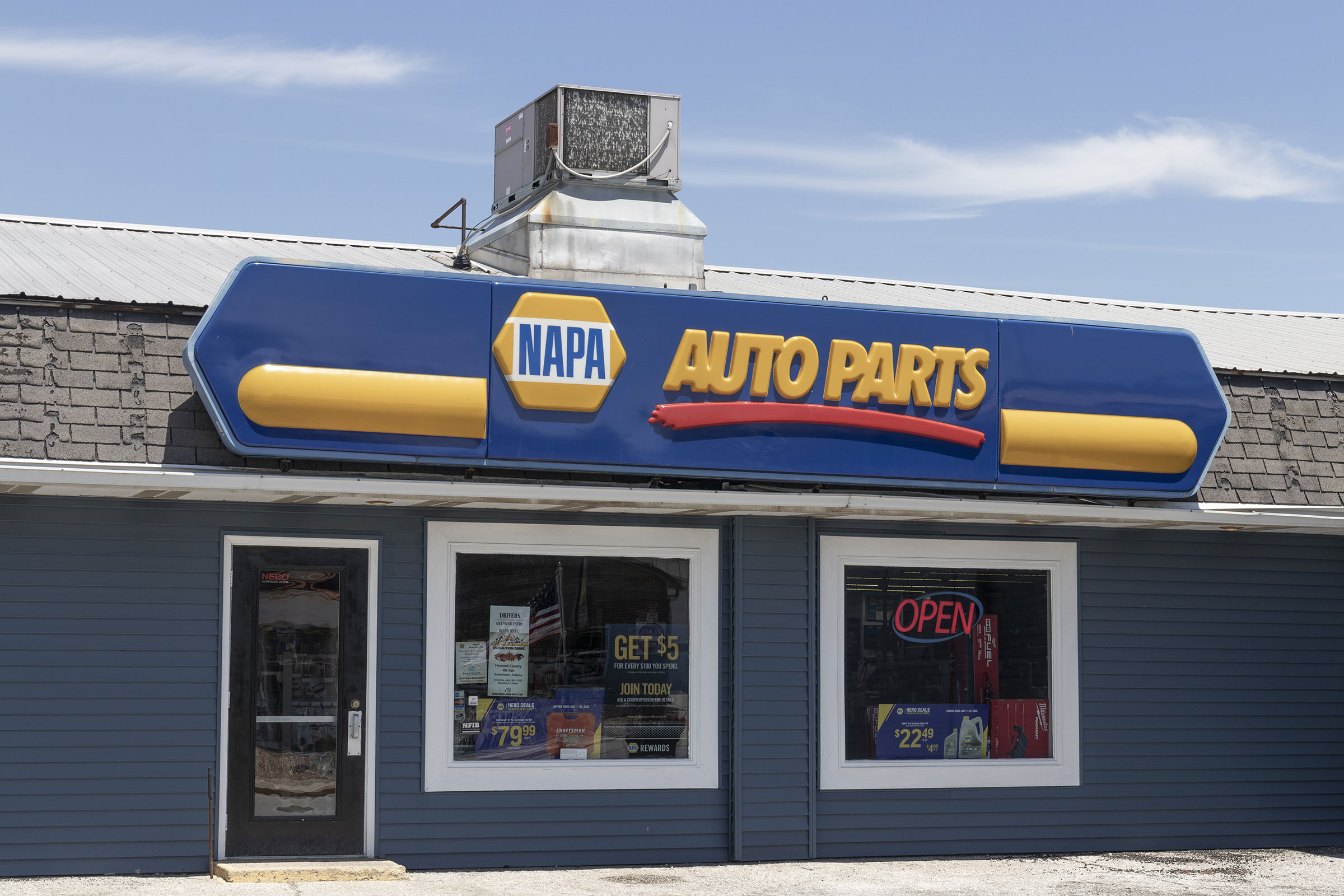
This page is for customers and employees who slipped, tripped, or fell in a NAPA Auto Parts store and now want clear, step-by-step guidance instead of confusing legal talk. It explains what to do right after a fall, how Florida slip and fall and workers’ compensation laws work, and how The Injury Firm can help you move your claim forward.
Skip to NAPA Auto Parts Slip and Fall Answers
- What should I do right after a slip and fall accident at a NAPA Auto Parts store in Florida?
- Who can be held responsible for a NAPA Auto Parts slip and fall injury?
- How do I prove NAPA Auto Parts was negligent in a Florida slip and fall case?
- What hazards commonly cause slip and fall injuries in NAPA Auto Parts stores?
- Am I covered by workers’ compensation if I am injured as a NAPA Auto Parts employee in Florida?
- Can I still get workers’ compensation if NAPA Auto Parts or its insurer says the fall was my fault?
- Can I have a workers’ compensation claim and a separate claim against another company after a NAPA Auto Parts accident?
- What medical bills and lost wages can I recover after a NAPA Auto Parts slip and fall in Florida?
- How long do I have to file a NAPA Auto Parts slip and fall claim in Florida?
- What should I do if NAPA Auto Parts’ insurance company delays, minimizes, or denies my claim?
- How does Florida Statutes Chapter 440 affect NAPA Auto Parts workers’ compensation claims?
- What evidence should I collect immediately after being hurt in a NAPA Auto Parts store?
- Do OSHA and other safety rules matter in NAPA Auto Parts slip and fall cases?
- What realistic NAPA Auto Parts slip and fall scenarios happen in Florida?
- How does The Injury Firm help with a NAPA Auto Parts slip and fall injury in Florida?
- Frequently asked questions about NAPA Auto Parts slip and fall accidents
What should I do right after a slip and fall accident at a NAPA Auto Parts store in Florida?
If you fall in a NAPA Auto Parts store, pause and check for sharp pain in your head, neck, back, hips, or knees before trying to stand. Ask a nearby employee to get a manager, and request that an incident report be completed with the exact time, location, and a short description of what caused your fall, such as spilled oil, loose parts, or an uneven floor.
Use your phone to take photos or video of the area from several angles, including close-ups of the hazard and wider shots showing shelves, lighting, and any warning signs—or the lack of them. If a customer or employee saw your fall or mentions that the area was already dangerous, ask for their name and contact information. In summary, careful reporting and quick visual evidence give you a neutral record of what the scene looked like before anything is cleaned up or moved.
Who can be held responsible for a NAPA Auto Parts slip and fall injury?
NAPA Auto Parts may be the business you recognize, but several entities can share responsibility for a dangerous condition. Depending on the property, a landlord, shopping center owner, or parking lot maintenance company may be partly at fault if your fall happened outside, in the parking lot, or at the sidewalk leading to the store.
Inside the store, outside floor-care vendors, delivery companies, or cleaning contractors can also be responsible if their work created or left behind a hazard such as spilled fluid, loose hoses, or cluttered aisles. The takeaway is that a thorough investigation looks beyond just NAPA Auto Parts and identifies everyone who controlled or created the unsafe condition.
How do I prove NAPA Auto Parts was negligent in a Florida slip and fall case?
Under Florida premises liability law, NAPA Auto Parts must use reasonable care to keep its store and parking areas safe for customers it invites onto the property. To establish negligence in a Florida slip and fall case, you generally must show that a dangerous condition existed, that NAPA Auto Parts knew or should have known about it, and that the store failed to fix it or warn you within a reasonable time.
For transitory foreign substances such as spilled oil, coolant, brake fluid, or tracked-in rainwater, Florida law places the burden on you to show that NAPA Auto Parts had actual or constructive notice, meaning the hazard existed long enough that it should have been found during inspections, or similar spills occurred often enough that the store should have anticipated the danger. Useful evidence includes store surveillance video, inspection logs, cleaning records, training materials, prior complaints, and witness statements. In summary, a strong NAPA Auto Parts slip and fall claim connects a specific hazard to what the store knew or should have known and shows how its response fell short.
What hazards commonly cause slip and fall injuries in NAPA Auto Parts stores?
Auto parts stores have risks that look different from a clothing or grocery store because of the products they sell and how customers use them. Common hazards include leaking containers of motor oil, transmission fluid, coolant, or brake fluid, which can create slick, nearly invisible spots on concrete or tile floors, as well as small parts like bolts, nuts, or spark plugs that end up in walkways.
Other dangers include wet floors near entrances during Florida rainstorms, hoses or extension cords stretched across aisles, cardboard, plastic wrap, or straps left behind from unpacked shipments, and cluttered aisles when boxes or displays protrude into walking paths. The takeaway is that NAPA Auto Parts must stay vigilant about housekeeping, spill response, and floor inspections because its inventory naturally creates unique slip and trip hazards.
Am I covered by workers’ compensation if I am injured as a NAPA Auto Parts employee in Florida?
If you work for NAPA Auto Parts in Florida and you are hurt while doing your job—helping customers at the counter, retrieving items from shelves, organizing inventory, carrying batteries, or cleaning up a spill—you are generally covered by Florida’s workers’ compensation system under Florida Statutes Chapter 440. This coverage usually applies whether the injury happens on the sales floor, in the backroom, at the loading area, or in a parts storage area, as long as you are acting within the course and scope of your employment.
Workers’ compensation is designed to pay for treatment with authorized doctors and to provide partial wage replacement when your injury keeps you off work or requires lighter-duty assignments. For a broader overview tailored to Florida workers, you can review “Understanding Workers’ Compensation: A Comprehensive Guide for Florida Workers” on The Injury Firm’s website. In summary, for NAPA Auto Parts employees, workers’ compensation is usually the first and main source of help with medical bills and lost income after a workplace fall.
Can I still get workers’ compensation if NAPA Auto Parts or its insurer says the fall was my fault?
Often, yes. Florida’s workers’ compensation model is largely no-fault, which means you may still qualify for benefits even if someone claims you walked too fast, did not see a spill, or misstepped while carrying a heavy part. The main questions are usually whether you were doing your job at the time and whether any narrow exceptions—such as intoxication or intentional self-harm—apply, not whether your behavior was perfect.
Everyday mistakes, such as briefly looking away, misjudging a step, or losing balance for a moment, normally do not cancel your right to medical and wage-loss benefits. The takeaway is that you should not assume you are ineligible for workers’ compensation just because a supervisor or insurance adjuster blames you for the fall.
Can I have a workers’ compensation claim and a separate claim against another company after a NAPA Auto Parts accident?
In some cases, yes. For example, if an outside cleaning service leaves a freshly mopped aisle without warning signs, or a delivery company leaves leaking drums or boxes in customer walkways, those third parties may share responsibility for your fall.
In that situation, a NAPA Auto Parts employee may have a workers’ compensation claim through NAPA Auto Parts and a separate personal injury claim against the outside company, while a customer could pursue claims against both NAPA Auto Parts and the vendor or contractor. In summary, identifying who owned, controlled, and maintained the specific area where you fell can reveal multiple insurance policies and compensation paths.
What medical bills and lost wages can I recover after a NAPA Auto Parts slip and fall in Florida?
As a customer, a successful negligence claim may help pay for emergency or urgent care visits, X-rays or MRIs, follow-up appointments with specialists, physical or occupational therapy, and needed medications, braces, boots, or mobility aids. You can also pursue compensation for time off work, reduced earning ability, and the pain, sleep problems, and day-to-day limitations that come from your injuries.
As a NAPA Auto Parts employee, workers’ compensation focuses on covering authorized medical treatment and partial wage replacement, including benefits for temporary total disability when you cannot work and temporary partial disability when you can work with restrictions but earn less than before. In summary, customers usually rely on a personal injury claim against NAPA Auto Parts and possibly others, while employees typically start with workers’ compensation and may add a third-party claim if another company helped cause the hazard.
How long do I have to file a NAPA Auto Parts slip and fall claim in Florida?
Florida law sets strict time limits, called statutes of limitations, for filing personal injury lawsuits, including those involving slip and fall accidents at auto parts stores. There are also short deadlines for reporting work-related injuries to your employer and starting a workers’ compensation claim, and missing those early deadlines can sharply reduce or completely block your right to benefits.
The exact deadlines depend on factors such as when the accident occurred, whether you were a customer or an employee, and whether any special rules apply, and Florida’s laws can change over time. In summary, contacting a slip and fall accident lawyer in Fort Lauderdale or your local area soon after a NAPA Auto Parts fall is the safest way to protect every important timeline.
What should I do if NAPA Auto Parts’ insurance company delays, minimizes, or denies my claim?
Insurance companies that handle NAPA Auto Parts claims may argue that no hazard existed, that a spill appeared only moments before your fall, or that your injuries are unrelated or exaggerated. If your claim is delayed, lowballed, or denied, you can respond by collecting your complete medical records, saving all photos, video, and messages related to the incident, and asking an attorney to review the insurer’s explanation in detail.
An experienced lawyer can request internal documents such as inspection logs, spill response procedures, training materials, incident reports, and surveillance footage that you might not obtain on your own, then use that information to negotiate or, if needed, file a lawsuit or workers’ compensation petition. The takeaway is that a slow, small, or negative response from an insurance company is usually a sign that your case needs stronger evidence and focused advocacy, not that your rights have ended.
How does Florida Statutes Chapter 440 affect NAPA Auto Parts workers’ compensation claims?
Florida Statutes Chapter 440 sets the basic rules for workers’ compensation in Florida, including which employers must carry coverage, how injuries must be reported, how wage-loss benefits are calculated, and how disputes are resolved. It also gives state agencies like the Florida Department of Financial Services authority to enforce coverage and reporting requirements and outlines procedures for mediation, hearings, and enforcement of benefit orders.
For a NAPA Auto Parts employee, this means that quickly reporting the accident to a supervisor, filling out any required internal forms, treating with the authorized physician, and following your doctor’s restrictions all help keep your workers’ compensation claim on track. In summary, understanding the basic structure and deadlines in Chapter 440 can prevent avoidable interruptions in medical care or wage checks while your claim is pending.
What evidence should I collect immediately after being hurt in a NAPA Auto Parts store?
Conditions in a NAPA Auto Parts store can change quickly as employees wipe spills, move boxes, or reorganize displays, so evidence gathered right away can be critical. If it is safe, try to collect:
- Close-up photos or video of the hazard, such as oil, coolant, or other fluids on the floor, loose hoses or cords, scattered parts, torn mats, or broken concrete.
- Wider shots showing aisle signs, nearby shelving, end-cap displays, entrance doors, and any cones, signs, or lack of warnings.
- Names and contact information for witnesses, including other customers and employees who saw the hazard, saw you fall, or remarked that the area had been unsafe.
Ask who the manager on duty is, confirm that an incident report will be written, and look for visible security cameras that may have captured the area where you fell. The takeaway is that clear, time-stamped evidence from the day of the accident is one of the best tools for challenging later claims that the floor was clean and safe.
Do OSHA and other safety rules matter in NAPA Auto Parts slip and fall cases?
Yes. OSHA standards for walking-working surfaces, housekeeping, and handling of hazardous materials focus on employee safety, but many of the same practices also protect customers in auto parts stores. For example, proper storage of oil and chemicals, regular cleanup of spills, clear aisles free of hoses and cords, and safe loading and unloading procedures all help reduce slip and trip risks.
NAPA Auto Parts’ own policies, landlord or plaza rules, and local building and fire codes can also help define what reasonable care should look like for lighting, floor maintenance, and traffic patterns in narrow aisles where heavy items and customer foot traffic mix. In summary, safety regulations and store procedures often become benchmarks that show whether NAPA Auto Parts and any contractors met or fell short of their duty to prevent slip and fall injuries.
Realistic NAPA Auto Parts slip and fall scenarios in Florida
Scenario 1 – Leaking Oil Container in a Broward County NAPA Auto Parts
At a Broward County NAPA Auto Parts store, a customer sets a one-gallon container of motor oil on the floor while comparing brands. A slow drip forms a thin, shiny puddle on the gray tile in the middle of the aisle, and several customers and an employee walk around it over the next 20 minutes. No one places a cone, wipes up the spill, or blocks the area.
Another shopper, focused on part numbers above eye level, steps directly into the oil, both feet slide out, and the person falls onto a hip and shoulder. Later, camera footage and witness statements show that the leak had been present for a meaningful amount of time before the fall. In summary, this scenario shows how slow leaks from auto fluids in high-traffic aisles can support a strong claim when NAPA Auto Parts staff do not respond promptly.
Scenario 2 – Tripping Over a Battery Core Box in a Central Florida NAPA Auto Parts
In a Central Florida NAPA Auto Parts location, an employee collects old battery cores in a cardboard box placed near the end of an aisle. As more batteries are added, the box is nudged further into the main walkway, but no one moves it back or marks the area. Customers walking through the store must angle around the box, and the corner of the carton sticks out near knee height.
A customer carrying a new battery toward the counter clips the protruding box, stumbles, and falls forward, injuring a knee and wrist. The store’s records later show that employees had used that same spot for collecting cores for weeks, despite complaints that the box blocked part of the path. The takeaway is that poorly placed containers and merchandise in narrow aisles can create avoidable tripping hazards when NAPA Auto Parts does not keep walkways clear.
Scenario 3 – NAPA Auto Parts Employee Slip on a Wet Loading Area in Orlando
At an Orlando NAPA Auto Parts store, a delivery truck arrives during a light rain, and pallets of products are unloaded onto a smooth concrete pad behind the store. Water from the truck bed and containers drips onto the loading area, mixing with a small amount of spilled coolant from an earlier delivery. No absorbent pads or cones are set out, and the area is not mopped before employees begin moving products inside.
A NAPA Auto Parts employee pulling a hand truck across the pad steps into the wet, slick patch, loses footing, and falls backward, striking the lower back and hitting an elbow. The injury is reported right away, and the resulting workers’ compensation claim covers medical visits, imaging, physical therapy, and partial wage replacement while the employee is off regular duty. In summary, this scenario shows how unaddressed moisture and product residue in loading areas can lead to valid workers’ compensation claims for NAPA Auto Parts employees.
How does The Injury Firm help with a NAPA Auto Parts slip and fall injury in Florida?
The Injury Firm represents customers and employees hurt in large retail and specialty stores across Florida, including NAPA Auto Parts locations serving Fort Lauderdale, Broward County, West Palm Beach, Orlando, and nearby communities. The firm is licensed in Arkansas, Florida, Georgia, Illinois, Kentucky, Massachusetts, and Tennessee and has recovered millions of dollars for injury victims using detailed investigations, expert analysis, and a trial-ready approach.
If you were injured in a slip and fall accident at a NAPA Auto Parts store, you can reach The Injury Firm 24/7 by calling 954-951-0000, emailing records@flinjuryfirm.com, or using the contact form at The Injury Firm Contact Page. In summary, early legal guidance from a team that understands both auto-parts store premises liability and Florida workers’ compensation can help you protect your rights, manage insurance companies, and focus on healing.
Key differences: NAPA Auto Parts customer claim vs. NAPA Auto Parts employee workers’ compensation
| Issue | Injured NAPA Auto Parts Customer | Injured NAPA Auto Parts Employee |
|---|---|---|
| Main legal path | Personal injury claim or lawsuit alleging negligence | Workers’ compensation claim through employer’s insurance |
| Need to prove fault? | Yes, must show the store or others were negligent | Generally no, system is largely no-fault |
| Types of damages/benefits | Medical bills, lost income, pain and suffering, and more | Medical care with authorized doctors and partial wage replacement |
| Possible additional claims | Claims against landlords, maintenance companies, or contractors that controlled the area | Potential third-party claim against non-employer if they created the hazard |
Frequently asked questions about NAPA Auto Parts slip and fall accidents
Do I have a case if I slipped at NAPA Auto Parts but did not actually hit the ground?
If a hazard at NAPA Auto Parts caused you to stumble or twist and you injured your back, knee, wrist, or another body part while catching yourself, you may still have a claim. The important question is whether there was an unsafe condition and how NAPA Auto Parts handled it, not just whether you landed on the floor.
Does it matter if I was carrying heavy parts or a battery when I fell?
NAPA Auto Parts expects customers and employees to handle heavy items such as batteries, brake rotors, and boxes of parts, and the store must still keep floors reasonably safe. Carrying a heavy object does not excuse oil spills, cluttered aisles, or poor lighting.
What if I did not see the oil, coolant, or small parts on the floor before I stepped on them?
Many auto-parts hazards—thin layers of oil, clear fluids, or small metal parts—are hard to see, especially when you are focused on shelves or lifting items. Your claim centers on whether NAPA Auto Parts should have found, fixed, or warned about the condition, not on whether you spotted it.
Can I bring a claim if I fell in the NAPA Auto Parts parking lot or at the entrance instead of inside the store?
Yes, falls in parking areas, walkways, or at the entrance can still support a claim if unsafe conditions like potholes, oil spots, loose gravel, or worn mats contributed to your injury. Responsibility may involve NAPA Auto Parts, the property owner, or outside maintenance companies.
How long does NAPA Auto Parts usually keep surveillance video of the area where I fell?
Video retention rules vary by location and system, but many overwrite footage after a short period. Asking NAPA Auto Parts and any property manager in writing to preserve video of the relevant area as soon as possible improves the chances that footage is saved.
What if I already had back, knee, or joint problems before my NAPA Auto Parts fall?
Pre-existing conditions are common and do not automatically prevent a case. Florida law recognizes that a new incident can aggravate or speed up existing problems, and medical records can help show how your symptoms or abilities changed after the fall.
Will making a claim get NAPA Auto Parts employees who helped me in trouble?
Claims are generally handled through corporate insurance and risk management, not by punishing front-line staff who tried to assist you. The focus is on fair compensation and safer practices, not on disciplining individual employees.
Should I talk to NAPA Auto Parts’ insurance adjuster before speaking with a lawyer?
You may be asked for a recorded or detailed statement soon after the accident, but you are often not required to provide one immediately. Many people prefer to speak with a slip and fall accident lawyer first to understand how to answer questions without harming their claim.
Can I handle a minor NAPA Auto Parts slip and fall claim on my own?
If your injuries are minor, resolve quickly, and your medical bills are low, you might choose to negotiate directly with the insurer. When injuries are more serious, long-lasting, or disputed, or when responsibility is unclear, working with an experienced slip and fall accident lawyer can help you understand your options and the fair value of your case.
How do I start a NAPA Auto Parts slip and fall injury claim with The Injury Firm?
You can call 954-951-0000, email records@flinjuryfirm.com, or complete the online contact form on The Injury Firm’s website. A team member will ask which NAPA Auto Parts store you visited, what caused your fall, what medical care you have received so far, and how your work and daily life have been affected, then outline your best next steps under Florida law.
``` [1](https://webaim.org/techniques/skipnav/) [2](https://www.w3.org/TR/html401/struct/links.html) [3](https://www.w3schools.com/accessibility/accessibility_skip_links.php) [4](https://accessibility.psu.edu/skipnav/skiplinks/) [5](https://developer.mozilla.org/en-US/docs/Web/HTML/Reference/Elements/a) [6](https://www.geeksforgeeks.org/html/how-to-add-a-skip-to-main-content-link-in-html/) [7](https://marcom.wwu.edu/accessibility/guide/use-valid-markup-web-pages) [8](https://stackoverflow.com/questions/70163530/accessibility-main-page-navigation-contains-h2-h1-heading-is-below) [9](https://a11y-guidelines.orange.com/en/articles/skip-links-best-practices/) [10](https://accessibility.huit.harvard.edu/technique-site-and-page-navigation) [11](https://stackoverflow.com/questions/17813719/page-jump-from-div-to-an-anchor) [12](https://accessibility.asu.edu/articles/navigation) [13](https://www.boia.org/blog/is-going-from-h1-to-h3-okay-for-wcag-conformance) [14](https://www.w3.org/WAI/tutorials/page-structure/in-page-navigation/) [15](https://ati.gmu.edu/web-accessibility/ictaccessibilitystandards/creating-accessible-navigation/)
SLIP AND FALL ACCIDENTS IN LARGE STORES
CONTACT US NOW
FREE CONSULTATION


NAPA Auto Parts Slip and Fall Accident in Florida – What to Do If You Are Injured
This page is for customers and employees who slipped, tripped, or fell in a NAPA Auto Parts store and now want clear, step-by-step guidance instead of confusing legal talk. It explains what to do right after a fall, how Florida slip and fall and workers’ compensation laws work, and how The Injury Firm can help you move your claim forward.
Skip to NAPA Auto Parts Slip and Fall Answers
- What should I do right after a slip and fall accident at a NAPA Auto Parts store in Florida?
- Who can be held responsible for a NAPA Auto Parts slip and fall injury?
- How do I prove NAPA Auto Parts was negligent in a Florida slip and fall case?
- What hazards commonly cause slip and fall injuries in NAPA Auto Parts stores?
- Am I covered by workers’ compensation if I am injured as a NAPA Auto Parts employee in Florida?
- Can I still get workers’ compensation if NAPA Auto Parts or its insurer says the fall was my fault?
- Can I have a workers’ compensation claim and a separate claim against another company after a NAPA Auto Parts accident?
- What medical bills and lost wages can I recover after a NAPA Auto Parts slip and fall in Florida?
- How long do I have to file a NAPA Auto Parts slip and fall claim in Florida?
- What should I do if NAPA Auto Parts’ insurance company delays, minimizes, or denies my claim?
- How does Florida Statutes Chapter 440 affect NAPA Auto Parts workers’ compensation claims?
- What evidence should I collect immediately after being hurt in a NAPA Auto Parts store?
- Do OSHA and other safety rules matter in NAPA Auto Parts slip and fall cases?
- What realistic NAPA Auto Parts slip and fall scenarios happen in Florida?
- How does The Injury Firm help with a NAPA Auto Parts slip and fall injury in Florida?
- Frequently asked questions about NAPA Auto Parts slip and fall accidents
What should I do right after a slip and fall accident at a NAPA Auto Parts store in Florida?
If you fall in a NAPA Auto Parts store, pause and check for sharp pain in your head, neck, back, hips, or knees before trying to stand. Ask a nearby employee to get a manager, and request that an incident report be completed with the exact time, location, and a short description of what caused your fall, such as spilled oil, loose parts, or an uneven floor.
Use your phone to take photos or video of the area from several angles, including close-ups of the hazard and wider shots showing shelves, lighting, and any warning signs—or the lack of them. If a customer or employee saw your fall or mentions that the area was already dangerous, ask for their name and contact information. In summary, careful reporting and quick visual evidence give you a neutral record of what the scene looked like before anything is cleaned up or moved.
Who can be held responsible for a NAPA Auto Parts slip and fall injury?
NAPA Auto Parts may be the business you recognize, but several entities can share responsibility for a dangerous condition. Depending on the property, a landlord, shopping center owner, or parking lot maintenance company may be partly at fault if your fall happened outside, in the parking lot, or at the sidewalk leading to the store.
Inside the store, outside floor-care vendors, delivery companies, or cleaning contractors can also be responsible if their work created or left behind a hazard such as spilled fluid, loose hoses, or cluttered aisles. The takeaway is that a thorough investigation looks beyond just NAPA Auto Parts and identifies everyone who controlled or created the unsafe condition.
How do I prove NAPA Auto Parts was negligent in a Florida slip and fall case?
Under Florida premises liability law, NAPA Auto Parts must use reasonable care to keep its store and parking areas safe for customers it invites onto the property. To establish negligence in a Florida slip and fall case, you generally must show that a dangerous condition existed, that NAPA Auto Parts knew or should have known about it, and that the store failed to fix it or warn you within a reasonable time.
For transitory foreign substances such as spilled oil, coolant, brake fluid, or tracked-in rainwater, Florida law places the burden on you to show that NAPA Auto Parts had actual or constructive notice, meaning the hazard existed long enough that it should have been found during inspections, or similar spills occurred often enough that the store should have anticipated the danger. Useful evidence includes store surveillance video, inspection logs, cleaning records, training materials, prior complaints, and witness statements. In summary, a strong NAPA Auto Parts slip and fall claim connects a specific hazard to what the store knew or should have known and shows how its response fell short.
What hazards commonly cause slip and fall injuries in NAPA Auto Parts stores?
Auto parts stores have risks that look different from a clothing or grocery store because of the products they sell and how customers use them. Common hazards include leaking containers of motor oil, transmission fluid, coolant, or brake fluid, which can create slick, nearly invisible spots on concrete or tile floors, as well as small parts like bolts, nuts, or spark plugs that end up in walkways.
Other dangers include wet floors near entrances during Florida rainstorms, hoses or extension cords stretched across aisles, cardboard, plastic wrap, or straps left behind from unpacked shipments, and cluttered aisles when boxes or displays protrude into walking paths. The takeaway is that NAPA Auto Parts must stay vigilant about housekeeping, spill response, and floor inspections because its inventory naturally creates unique slip and trip hazards.
Am I covered by workers’ compensation if I am injured as a NAPA Auto Parts employee in Florida?
If you work for NAPA Auto Parts in Florida and you are hurt while doing your job—helping customers at the counter, retrieving items from shelves, organizing inventory, carrying batteries, or cleaning up a spill—you are generally covered by Florida’s workers’ compensation system under Florida Statutes Chapter 440. This coverage usually applies whether the injury happens on the sales floor, in the backroom, at the loading area, or in a parts storage area, as long as you are acting within the course and scope of your employment.
Workers’ compensation is designed to pay for treatment with authorized doctors and to provide partial wage replacement when your injury keeps you off work or requires lighter-duty assignments. For a broader overview tailored to Florida workers, you can review “Understanding Workers’ Compensation: A Comprehensive Guide for Florida Workers” on The Injury Firm’s website. In summary, for NAPA Auto Parts employees, workers’ compensation is usually the first and main source of help with medical bills and lost income after a workplace fall.
Can I still get workers’ compensation if NAPA Auto Parts or its insurer says the fall was my fault?
Often, yes. Florida’s workers’ compensation model is largely no-fault, which means you may still qualify for benefits even if someone claims you walked too fast, did not see a spill, or misstepped while carrying a heavy part. The main questions are usually whether you were doing your job at the time and whether any narrow exceptions—such as intoxication or intentional self-harm—apply, not whether your behavior was perfect.
Everyday mistakes, such as briefly looking away, misjudging a step, or losing balance for a moment, normally do not cancel your right to medical and wage-loss benefits. The takeaway is that you should not assume you are ineligible for workers’ compensation just because a supervisor or insurance adjuster blames you for the fall.
Can I have a workers’ compensation claim and a separate claim against another company after a NAPA Auto Parts accident?
In some cases, yes. For example, if an outside cleaning service leaves a freshly mopped aisle without warning signs, or a delivery company leaves leaking drums or boxes in customer walkways, those third parties may share responsibility for your fall.
In that situation, a NAPA Auto Parts employee may have a workers’ compensation claim through NAPA Auto Parts and a separate personal injury claim against the outside company, while a customer could pursue claims against both NAPA Auto Parts and the vendor or contractor. In summary, identifying who owned, controlled, and maintained the specific area where you fell can reveal multiple insurance policies and compensation paths.
What medical bills and lost wages can I recover after a NAPA Auto Parts slip and fall in Florida?
As a customer, a successful negligence claim may help pay for emergency or urgent care visits, X-rays or MRIs, follow-up appointments with specialists, physical or occupational therapy, and needed medications, braces, boots, or mobility aids. You can also pursue compensation for time off work, reduced earning ability, and the pain, sleep problems, and day-to-day limitations that come from your injuries.
As a NAPA Auto Parts employee, workers’ compensation focuses on covering authorized medical treatment and partial wage replacement, including benefits for temporary total disability when you cannot work and temporary partial disability when you can work with restrictions but earn less than before. In summary, customers usually rely on a personal injury claim against NAPA Auto Parts and possibly others, while employees typically start with workers’ compensation and may add a third-party claim if another company helped cause the hazard.
How long do I have to file a NAPA Auto Parts slip and fall claim in Florida?
Florida law sets strict time limits, called statutes of limitations, for filing personal injury lawsuits, including those involving slip and fall accidents at auto parts stores. There are also short deadlines for reporting work-related injuries to your employer and starting a workers’ compensation claim, and missing those early deadlines can sharply reduce or completely block your right to benefits.
The exact deadlines depend on factors such as when the accident occurred, whether you were a customer or an employee, and whether any special rules apply, and Florida’s laws can change over time. In summary, contacting a slip and fall accident lawyer in Fort Lauderdale or your local area soon after a NAPA Auto Parts fall is the safest way to protect every important timeline.
What should I do if NAPA Auto Parts’ insurance company delays, minimizes, or denies my claim?
Insurance companies that handle NAPA Auto Parts claims may argue that no hazard existed, that a spill appeared only moments before your fall, or that your injuries are unrelated or exaggerated. If your claim is delayed, lowballed, or denied, you can respond by collecting your complete medical records, saving all photos, video, and messages related to the incident, and asking an attorney to review the insurer’s explanation in detail.
An experienced lawyer can request internal documents such as inspection logs, spill response procedures, training materials, incident reports, and surveillance footage that you might not obtain on your own, then use that information to negotiate or, if needed, file a lawsuit or workers’ compensation petition. The takeaway is that a slow, small, or negative response from an insurance company is usually a sign that your case needs stronger evidence and focused advocacy, not that your rights have ended.
How does Florida Statutes Chapter 440 affect NAPA Auto Parts workers’ compensation claims?
Florida Statutes Chapter 440 sets the basic rules for workers’ compensation in Florida, including which employers must carry coverage, how injuries must be reported, how wage-loss benefits are calculated, and how disputes are resolved. It also gives state agencies like the Florida Department of Financial Services authority to enforce coverage and reporting requirements and outlines procedures for mediation, hearings, and enforcement of benefit orders.
For a NAPA Auto Parts employee, this means that quickly reporting the accident to a supervisor, filling out any required internal forms, treating with the authorized physician, and following your doctor’s restrictions all help keep your workers’ compensation claim on track. In summary, understanding the basic structure and deadlines in Chapter 440 can prevent avoidable interruptions in medical care or wage checks while your claim is pending.
What evidence should I collect immediately after being hurt in a NAPA Auto Parts store?
Conditions in a NAPA Auto Parts store can change quickly as employees wipe spills, move boxes, or reorganize displays, so evidence gathered right away can be critical. If it is safe, try to collect:
- Close-up photos or video of the hazard, such as oil, coolant, or other fluids on the floor, loose hoses or cords, scattered parts, torn mats, or broken concrete.
- Wider shots showing aisle signs, nearby shelving, end-cap displays, entrance doors, and any cones, signs, or lack of warnings.
- Names and contact information for witnesses, including other customers and employees who saw the hazard, saw you fall, or remarked that the area had been unsafe.
Ask who the manager on duty is, confirm that an incident report will be written, and look for visible security cameras that may have captured the area where you fell. The takeaway is that clear, time-stamped evidence from the day of the accident is one of the best tools for challenging later claims that the floor was clean and safe.
Do OSHA and other safety rules matter in NAPA Auto Parts slip and fall cases?
Yes. OSHA standards for walking-working surfaces, housekeeping, and handling of hazardous materials focus on employee safety, but many of the same practices also protect customers in auto parts stores. For example, proper storage of oil and chemicals, regular cleanup of spills, clear aisles free of hoses and cords, and safe loading and unloading procedures all help reduce slip and trip risks.
NAPA Auto Parts’ own policies, landlord or plaza rules, and local building and fire codes can also help define what reasonable care should look like for lighting, floor maintenance, and traffic patterns in narrow aisles where heavy items and customer foot traffic mix. In summary, safety regulations and store procedures often become benchmarks that show whether NAPA Auto Parts and any contractors met or fell short of their duty to prevent slip and fall injuries.
Realistic NAPA Auto Parts slip and fall scenarios in Florida
Scenario 1 – Leaking Oil Container in a Broward County NAPA Auto Parts
At a Broward County NAPA Auto Parts store, a customer sets a one-gallon container of motor oil on the floor while comparing brands. A slow drip forms a thin, shiny puddle on the gray tile in the middle of the aisle, and several customers and an employee walk around it over the next 20 minutes. No one places a cone, wipes up the spill, or blocks the area.
Another shopper, focused on part numbers above eye level, steps directly into the oil, both feet slide out, and the person falls onto a hip and shoulder. Later, camera footage and witness statements show that the leak had been present for a meaningful amount of time before the fall. In summary, this scenario shows how slow leaks from auto fluids in high-traffic aisles can support a strong claim when NAPA Auto Parts staff do not respond promptly.
Scenario 2 – Tripping Over a Battery Core Box in a Central Florida NAPA Auto Parts
In a Central Florida NAPA Auto Parts location, an employee collects old battery cores in a cardboard box placed near the end of an aisle. As more batteries are added, the box is nudged further into the main walkway, but no one moves it back or marks the area. Customers walking through the store must angle around the box, and the corner of the carton sticks out near knee height.
A customer carrying a new battery toward the counter clips the protruding box, stumbles, and falls forward, injuring a knee and wrist. The store’s records later show that employees had used that same spot for collecting cores for weeks, despite complaints that the box blocked part of the path. The takeaway is that poorly placed containers and merchandise in narrow aisles can create avoidable tripping hazards when NAPA Auto Parts does not keep walkways clear.
Scenario 3 – NAPA Auto Parts Employee Slip on a Wet Loading Area in Orlando
At an Orlando NAPA Auto Parts store, a delivery truck arrives during a light rain, and pallets of products are unloaded onto a smooth concrete pad behind the store. Water from the truck bed and containers drips onto the loading area, mixing with a small amount of spilled coolant from an earlier delivery. No absorbent pads or cones are set out, and the area is not mopped before employees begin moving products inside.
A NAPA Auto Parts employee pulling a hand truck across the pad steps into the wet, slick patch, loses footing, and falls backward, striking the lower back and hitting an elbow. The injury is reported right away, and the resulting workers’ compensation claim covers medical visits, imaging, physical therapy, and partial wage replacement while the employee is off regular duty. In summary, this scenario shows how unaddressed moisture and product residue in loading areas can lead to valid workers’ compensation claims for NAPA Auto Parts employees.
How does The Injury Firm help with a NAPA Auto Parts slip and fall injury in Florida?
The Injury Firm represents customers and employees hurt in large retail and specialty stores across Florida, including NAPA Auto Parts locations serving Fort Lauderdale, Broward County, West Palm Beach, Orlando, and nearby communities. The firm is licensed in Arkansas, Florida, Georgia, Illinois, Kentucky, Massachusetts, and Tennessee and has recovered millions of dollars for injury victims using detailed investigations, expert analysis, and a trial-ready approach.
If you were injured in a slip and fall accident at a NAPA Auto Parts store, you can reach The Injury Firm 24/7 by calling 954-951-0000, emailing records@flinjuryfirm.com, or using the contact form at The Injury Firm Contact Page. In summary, early legal guidance from a team that understands both auto-parts store premises liability and Florida workers’ compensation can help you protect your rights, manage insurance companies, and focus on healing.
Key differences: NAPA Auto Parts customer claim vs. NAPA Auto Parts employee workers’ compensation
| Issue | Injured NAPA Auto Parts Customer | Injured NAPA Auto Parts Employee |
|---|---|---|
| Main legal path | Personal injury claim or lawsuit alleging negligence | Workers’ compensation claim through employer’s insurance |
| Need to prove fault? | Yes, must show the store or others were negligent | Generally no, system is largely no-fault |
| Types of damages/benefits | Medical bills, lost income, pain and suffering, and more | Medical care with authorized doctors and partial wage replacement |
| Possible additional claims | Claims against landlords, maintenance companies, or contractors that controlled the area | Potential third-party claim against non-employer if they created the hazard |
Frequently asked questions about NAPA Auto Parts slip and fall accidents
Do I have a case if I slipped at NAPA Auto Parts but did not actually hit the ground?
If a hazard at NAPA Auto Parts caused you to stumble or twist and you injured your back, knee, wrist, or another body part while catching yourself, you may still have a claim. The important question is whether there was an unsafe condition and how NAPA Auto Parts handled it, not just whether you landed on the floor.
Does it matter if I was carrying heavy parts or a battery when I fell?
NAPA Auto Parts expects customers and employees to handle heavy items such as batteries, brake rotors, and boxes of parts, and the store must still keep floors reasonably safe. Carrying a heavy object does not excuse oil spills, cluttered aisles, or poor lighting.
What if I did not see the oil, coolant, or small parts on the floor before I stepped on them?
Many auto-parts hazards—thin layers of oil, clear fluids, or small metal parts—are hard to see, especially when you are focused on shelves or lifting items. Your claim centers on whether NAPA Auto Parts should have found, fixed, or warned about the condition, not on whether you spotted it.
Can I bring a claim if I fell in the NAPA Auto Parts parking lot or at the entrance instead of inside the store?
Yes, falls in parking areas, walkways, or at the entrance can still support a claim if unsafe conditions like potholes, oil spots, loose gravel, or worn mats contributed to your injury. Responsibility may involve NAPA Auto Parts, the property owner, or outside maintenance companies.
How long does NAPA Auto Parts usually keep surveillance video of the area where I fell?
Video retention rules vary by location and system, but many overwrite footage after a short period. Asking NAPA Auto Parts and any property manager in writing to preserve video of the relevant area as soon as possible improves the chances that footage is saved.
What if I already had back, knee, or joint problems before my NAPA Auto Parts fall?
Pre-existing conditions are common and do not automatically prevent a case. Florida law recognizes that a new incident can aggravate or speed up existing problems, and medical records can help show how your symptoms or abilities changed after the fall.
Will making a claim get NAPA Auto Parts employees who helped me in trouble?
Claims are generally handled through corporate insurance and risk management, not by punishing front-line staff who tried to assist you. The focus is on fair compensation and safer practices, not on disciplining individual employees.
Should I talk to NAPA Auto Parts’ insurance adjuster before speaking with a lawyer?
You may be asked for a recorded or detailed statement soon after the accident, but you are often not required to provide one immediately. Many people prefer to speak with a slip and fall accident lawyer first to understand how to answer questions without harming their claim.
Can I handle a minor NAPA Auto Parts slip and fall claim on my own?
If your injuries are minor, resolve quickly, and your medical bills are low, you might choose to negotiate directly with the insurer. When injuries are more serious, long-lasting, or disputed, or when responsibility is unclear, working with an experienced slip and fall accident lawyer can help you understand your options and the fair value of your case.
How do I start a NAPA Auto Parts slip and fall injury claim with The Injury Firm?
You can call 954-951-0000, email records@flinjuryfirm.com, or complete the online contact form on The Injury Firm’s website. A team member will ask which NAPA Auto Parts store you visited, what caused your fall, what medical care you have received so far, and how your work and daily life have been affected, then outline your best next steps under Florida law.
``` [1](https://webaim.org/techniques/skipnav/) [2](https://www.w3.org/TR/html401/struct/links.html) [3](https://www.w3schools.com/accessibility/accessibility_skip_links.php) [4](https://accessibility.psu.edu/skipnav/skiplinks/) [5](https://developer.mozilla.org/en-US/docs/Web/HTML/Reference/Elements/a) [6](https://www.geeksforgeeks.org/html/how-to-add-a-skip-to-main-content-link-in-html/) [7](https://marcom.wwu.edu/accessibility/guide/use-valid-markup-web-pages) [8](https://stackoverflow.com/questions/70163530/accessibility-main-page-navigation-contains-h2-h1-heading-is-below) [9](https://a11y-guidelines.orange.com/en/articles/skip-links-best-practices/) [10](https://accessibility.huit.harvard.edu/technique-site-and-page-navigation) [11](https://stackoverflow.com/questions/17813719/page-jump-from-div-to-an-anchor) [12](https://accessibility.asu.edu/articles/navigation) [13](https://www.boia.org/blog/is-going-from-h1-to-h3-okay-for-wcag-conformance) [14](https://www.w3.org/WAI/tutorials/page-structure/in-page-navigation/) [15](https://ati.gmu.edu/web-accessibility/ictaccessibilitystandards/creating-accessible-navigation/)
PRACTICE AREA - SLIP AND FALL IN LARGE STORES
CONTACT US NOW
FREE CONSULTATION