PRACTICE AREA - BOAT AND WATER ACCIDENTS
BOAT ACCIDENT
Boat Accident – Florida Injury Firm | Complete Legal Guide, Rights & Compensation
If you are injured in a Florida boat accident, understanding your legal rights and next steps is essential. The Injury Firm offers expert guidance, decades of experience, and full support to help accident victims and their families recover compensation and justice.
What Is a Boat Accident?
In Florida, a boat accident is defined as any incident involving a vessel that results in personal injury requiring more than first aid, death, disappearance of a person, or property damage of $2,000 or more. This includes collisions, capsizing, sinking, fire, explosion, grounding, and persons going overboard]. Navigating your rights begins with understanding the specifics of what qualifies as an accident under state law.
Causes of Boat Accidents
- Operator error: Inattention, distraction, and lack of proper lookout.
- Speeding and reckless operation: Excessive speed makes maneuvering and avoiding hazards much harder.
- Alcohol or drug impairment: One of the top causes of fatalities and serious injuries on the water.
- Navigation errors: Misreading charts or failing to avoid marked hazards.
- Collisions: With other boats, docks, or stationary objects.
- Equipment failure: Poor maintenance, defective gear, or malfunctioning safety equipment.
- Water sports accidents: Injuries during wakeboarding, tubing, jet skiing, or waterskiing.
- Poor weather or dangerous conditions: Storms, high waves, and strong currents can cause sudden accidents.
The above factors are most frequently cited in Florida boat accident reports and are often preventable with proper safety measures.
Steps to Take After an Accident
- Prioritize medical care: Call 911 and seek help for anyone injured, even if injuries seem minor.
- Secure the scene and provide aid: Stay at the accident location and render assistance as needed.
- Document everything: Take photos, collect witness details, accident location, damage, and weather conditions.
- Do not admit fault: Statements about liability can be used against you, as legal investigation will determine true causes.
- Report the accident to authorities: Contact FWC, Coast Guard, county sheriff, or local police per legal requirements.
- Preserve evidence: Save all receipts, medical records, GPS data, insurance correspondence, and accident reports.
- Contact a boat accident lawyer: Legal advice helps protect your claim and maximize recovery.
Reporting & Legal Requirements
Florida law (Statute 327.30) requires reporting a boat accident to authorities if:
- Injury beyond first aid occurs
- Death or disappearance of a person
- Property damage totals at least $2,000.
Leaving the scene without providing aid and reporting can result in criminal charges or third-degree felony]. Reports must be made to FWC, local sheriff, police, or the Coast Guard depending on the location.
- Insurance carriers may also require timely reporting to process claims.
- Failure to comply can lead to denied claims and loss of compensation rights.
- Maritime law may affect cases on navigable waters, including federal reporting and liability rules.
Liability and Negligence in Boat Accidents
Florida applies strict liability and modified contributory negligence. Boat owners can be held responsible for accidents caused by anyone operating their vessel with permission, even if not present. Negligence may involve:
- Failure to follow navigational rules or posted restrictions
- Operating under the influence
- Careless or reckless behavior
- Allowing unqualified operators to use the vessel
- Inadequate safety equipment or boat maintenance
- Comparative fault: Victims may still recover damages if their own negligence is less than 50%].
Compensation for Boat Accident Injuries
- Medical expenses (emergency, rehab, ongoing care)
- Lost wages and diminished earning capacity
- Pain, suffering, and emotional trauma
- Property damage (boat, gear, personal items)
- Wrongful death compensation for surviving families
- Loss of enjoyment of life or reduction in quality of life
- Punitive damages for egregious recklessness or BUI
Claims must usually be filed within two years of the date of accident, per statute of limitations. Early legal help ensures deadlines are met and evidence secured.
Federal Maritime Law Overview
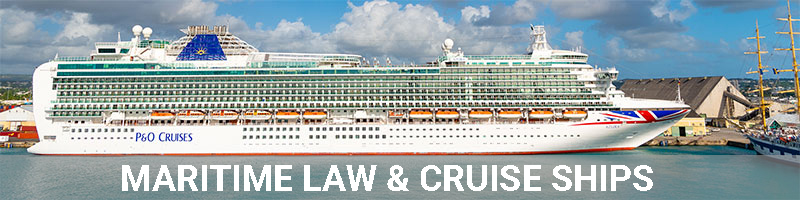
Accidents on navigable waters may invoke federal maritime law. This affects rules on liability, compensation, reporting, and claim timelines.
- Maritime law applies to oceans, major lakes, and waters connecting states.
- Different claim deadlines and procedures may apply.
- Coast Guard may be involved in investigation and reporting.
- Work with a lawyer experienced in both state and federal law for best results.
Why Hire a Boat Accident Lawyer?
- Expert investigation: Gathering evidence, interviewing witnesses, preserving records
- Determine liability among all parties
- Negotiate insurance claims and settlements
- File suit if fair compensation is not offered
- Handle complex state/federal legal environments
- Work on contingency: No fee unless compensation is recovered
- Provide support, updates, and answers to all your legal and medical questions
The Injury Firm offers free consultations and 24/7 availability across Florida—contact us today to protect your future.
FAQ: Boat Accidents in Florida
- What is considered a boat accident in Florida?
- Any incident resulting in serious injury, fatality, disappearance, or property damage over $2,000 involving a vessel on water.
- How soon do I need to report a boating accident?
- Immediately. Florida law requires prompt reporting to law enforcement or FWC if injury, death, or major damage occurred.
- Who is liable for boat accidents?
- Operators, owners (even if absent), and parties found negligent—including those allowing others to operate their boats.
- What compensation can I get for boat accident injuries?
- Medical bills, lost income, pain and suffering, property damage, and in some cases, punitive damages or wrongful death compensation.
- Is leaving the scene after a boat accident a crime?
- Yes. Leaving without providing aid and reporting is a criminal offense and may be charged as a felony.
- How long do I have to file a claim after a boat accident?
- Florida law sets a two-year statute of limitations for personal injury boating accident claims.
- Does maritime law apply to all boat accidents?
- Maritime law applies on navigable waters, including oceans and major lakes. Other cases are governed by Florida state law.
- Can I recover damages if partly at fault?
- Yes, as long as your negligence is less than 50%, you may recover damages through comparative negligence rules.
- What should I do first after a boat accident?
- Get medical help, document everything, report the accident, and consult a lawyer before discussing fault or settling with insurers.
- Why should I hire The Injury Firm?
- Decades of proven success, client-first service, deep knowledge of state and maritime law, and commitment to maximum recovery for every client.


BOAT ACCIDENT
Boat Accident – Florida Injury Firm | Complete Legal Guide, Rights & Compensation
If you are injured in a Florida boat accident, understanding your legal rights and next steps is essential. The Injury Firm offers expert guidance, decades of experience, and full support to help accident victims and their families recover compensation and justice.
What Is a Boat Accident?
In Florida, a boat accident is defined as any incident involving a vessel that results in personal injury requiring more than first aid, death, disappearance of a person, or property damage of $2,000 or more. This includes collisions, capsizing, sinking, fire, explosion, grounding, and persons going overboard]. Navigating your rights begins with understanding the specifics of what qualifies as an accident under state law.
Causes of Boat Accidents
- Operator error: Inattention, distraction, and lack of proper lookout.
- Speeding and reckless operation: Excessive speed makes maneuvering and avoiding hazards much harder.
- Alcohol or drug impairment: One of the top causes of fatalities and serious injuries on the water.
- Navigation errors: Misreading charts or failing to avoid marked hazards.
- Collisions: With other boats, docks, or stationary objects.
- Equipment failure: Poor maintenance, defective gear, or malfunctioning safety equipment.
- Water sports accidents: Injuries during wakeboarding, tubing, jet skiing, or waterskiing.
- Poor weather or dangerous conditions: Storms, high waves, and strong currents can cause sudden accidents.
The above factors are most frequently cited in Florida boat accident reports and are often preventable with proper safety measures.
Steps to Take After an Accident
- Prioritize medical care: Call 911 and seek help for anyone injured, even if injuries seem minor.
- Secure the scene and provide aid: Stay at the accident location and render assistance as needed.
- Document everything: Take photos, collect witness details, accident location, damage, and weather conditions.
- Do not admit fault: Statements about liability can be used against you, as legal investigation will determine true causes.
- Report the accident to authorities: Contact FWC, Coast Guard, county sheriff, or local police per legal requirements.
- Preserve evidence: Save all receipts, medical records, GPS data, insurance correspondence, and accident reports.
- Contact a boat accident lawyer: Legal advice helps protect your claim and maximize recovery.
Reporting & Legal Requirements
Florida law (Statute 327.30) requires reporting a boat accident to authorities if:
- Injury beyond first aid occurs
- Death or disappearance of a person
- Property damage totals at least $2,000.
Leaving the scene without providing aid and reporting can result in criminal charges or third-degree felony]. Reports must be made to FWC, local sheriff, police, or the Coast Guard depending on the location.
- Insurance carriers may also require timely reporting to process claims.
- Failure to comply can lead to denied claims and loss of compensation rights.
- Maritime law may affect cases on navigable waters, including federal reporting and liability rules.
Liability and Negligence in Boat Accidents
Florida applies strict liability and modified contributory negligence. Boat owners can be held responsible for accidents caused by anyone operating their vessel with permission, even if not present. Negligence may involve:
- Failure to follow navigational rules or posted restrictions
- Operating under the influence
- Careless or reckless behavior
- Allowing unqualified operators to use the vessel
- Inadequate safety equipment or boat maintenance
- Comparative fault: Victims may still recover damages if their own negligence is less than 50%].
Compensation for Boat Accident Injuries
- Medical expenses (emergency, rehab, ongoing care)
- Lost wages and diminished earning capacity
- Pain, suffering, and emotional trauma
- Property damage (boat, gear, personal items)
- Wrongful death compensation for surviving families
- Loss of enjoyment of life or reduction in quality of life
- Punitive damages for egregious recklessness or BUI
Claims must usually be filed within two years of the date of accident, per statute of limitations. Early legal help ensures deadlines are met and evidence secured.
Federal Maritime Law Overview
Accidents on navigable waters may invoke federal maritime law. This affects rules on liability, compensation, reporting, and claim timelines.
- Maritime law applies to oceans, major lakes, and waters connecting states.
- Different claim deadlines and procedures may apply.
- Coast Guard may be involved in investigation and reporting.
- Work with a lawyer experienced in both state and federal law for best results.
Why Hire a Boat Accident Lawyer?
- Expert investigation: Gathering evidence, interviewing witnesses, preserving records
- Determine liability among all parties
- Negotiate insurance claims and settlements
- File suit if fair compensation is not offered
- Handle complex state/federal legal environments
- Work on contingency: No fee unless compensation is recovered
- Provide support, updates, and answers to all your legal and medical questions
The Injury Firm offers free consultations and 24/7 availability across Florida—contact us today to protect your future.
FAQ: Boat Accidents in Florida
- What is considered a boat accident in Florida?
- Any incident resulting in serious injury, fatality, disappearance, or property damage over $2,000 involving a vessel on water.
- How soon do I need to report a boating accident?
- Immediately. Florida law requires prompt reporting to law enforcement or FWC if injury, death, or major damage occurred.
- Who is liable for boat accidents?
- Operators, owners (even if absent), and parties found negligent—including those allowing others to operate their boats.
- What compensation can I get for boat accident injuries?
- Medical bills, lost income, pain and suffering, property damage, and in some cases, punitive damages or wrongful death compensation.
- Is leaving the scene after a boat accident a crime?
- Yes. Leaving without providing aid and reporting is a criminal offense and may be charged as a felony.
- How long do I have to file a claim after a boat accident?
- Florida law sets a two-year statute of limitations for personal injury boating accident claims.
- Does maritime law apply to all boat accidents?
- Maritime law applies on navigable waters, including oceans and major lakes. Other cases are governed by Florida state law.
- Can I recover damages if partly at fault?
- Yes, as long as your negligence is less than 50%, you may recover damages through comparative negligence rules.
- What should I do first after a boat accident?
- Get medical help, document everything, report the accident, and consult a lawyer before discussing fault or settling with insurers.
- Why should I hire The Injury Firm?
- Decades of proven success, client-first service, deep knowledge of state and maritime law, and commitment to maximum recovery for every client.
PRACTICE AREA - BOAT AND WATER ACCIDENTS