
PERSONAL INJURY ACCIDENTS AT RESTAURANTS
PRACTICE AREA - SLIP AND FALL ACCIDENTS
SLIP AND FALL PERSONAL INJURY
PRACTICE AREA - WORKERS' COMPENSATION
Slip and Fall at Family Dollar in Florida | What to Do Next
Injured at Family Dollar in Florida – What Are My Options?
If you slipped, tripped, or were otherwise hurt at a Family Dollar in Florida, this page walks you through what to do, how fault and workers’ compensation can apply, and how The Injury Firm can step in to protect your rights as an injured shopper or employee.
Skip to Family Dollar Slip and Fall Answers
- What should I do right after a slip and fall at a Family Dollar in Florida?
- Who may be legally responsible for a Family Dollar slip and fall injury?
- How do I show that Family Dollar was negligent in my Florida slip and fall case?
- What dangerous conditions commonly cause slip and fall injuries in Family Dollar stores?
- Am I covered by workers’ compensation if I am a Family Dollar employee in Florida?
- Can I still receive workers’ compensation if Family Dollar or its insurer blames me for the accident?
- Can I pursue both workers’ compensation and a separate claim against another company after a Family Dollar accident?
- What medical costs and lost wages can I recover after a Family Dollar slip and fall in Florida?
- How long do I have to bring a Family Dollar slip and fall claim in Florida?
- What should I do if the Family Dollar insurance carrier delays or denies my claim?
- How does workers’ compensation operate under Florida Statutes Chapter 440 for Family Dollar employees?
- What evidence should I gather immediately after being hurt in a Family Dollar store?
- Do OSHA or other safety rules matter in a Family Dollar slip and fall case?
- What real-world Family Dollar slip and fall scenarios happen in Florida?
- How does The Injury Firm help people hurt at Family Dollar in Florida?
- Frequently asked questions about Family Dollar slip and fall accidents in Florida
What should I do right after a slip and fall at a Family Dollar in Florida?
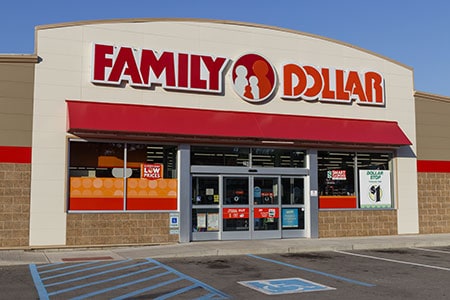 Right after a fall, try to stay calm and notice your surroundings. Ask a Family Dollar employee to call a manager, explain how you were hurt, and confirm that the incident is written down with the correct time and location.
If you can safely move around, use your phone to capture wide shots of the aisle, close-ups of the floor where you slipped, and any nearby displays or racks that may have contributed to the fall. The takeaway is that the more you capture in those first few minutes, the harder it is later for anyone to dispute how and where you were injured.
Who may be legally responsible for a Family Dollar slip and fall injury?
Responsibility often begins with the company operating the store and, in some situations, the property owner if a separate landlord controls the building. Their duties usually include inspecting floors, cleaning up hazards within a reasonable time, and warning customers about dangers that cannot be fixed immediately.
In some cases, outside companies such as janitorial services, floor maintenance contractors, or delivery vendors may share fault if their work left the store in an unreasonably dangerous condition. The takeaway is that more than one business can be on the hook when a hazard is allowed to remain where customers are expected to walk.
How do I show that Family Dollar was negligent in my Florida slip and fall case?
To show negligence, you typically need to connect several dots: there was a dangerous condition, Family Dollar had actual or constructive notice of it, and the store did not respond the way a reasonably careful business would. That often involves proving how long the hazard was present and whether regular inspections were actually happening.
Evidence might include time-stamped photographs, statements from other customers who saw the condition earlier, store sweep logs for floor checks, and any internal emails or maintenance tickets about recurring problems in that area. The takeaway is that proving negligence is about painting a clear picture of what the store knew, when they knew it, and what they failed to do.
What dangerous conditions commonly cause slip and fall injuries in Family Dollar stores?
In many Family Dollar stores, the tight layout and frequent restocking can create problems such as half-unpacked totes left in the middle of the aisle, plastic wrap or price tags on the floor, and heavy items stored on upper shelves that are hard to reach. Refrigerated drink coolers and freezer cases can also drip onto low-gloss tile, especially in Florida’s heat and humidity.
Back stockrooms and transition areas between the sales floor and storage space may have changes in floor level, cracked concrete, or cords running to fans and coolers. The takeaway is that hazards in these discount stores often come from constant movement of product and quick fixes that are never fully corrected.
Am I covered by workers’ compensation if I am a Family Dollar employee in Florida?
Most Family Dollar employees in Florida are covered by workers’ compensation when they are injured in the course and scope of their jobs. That includes falls while unloading trucks, moving U-boat carts, straightening shelves, mopping floors, or helping customers reach products.
Under Florida Statutes Chapter 440, workers’ compensation is designed to pay for authorized medical treatment and provide partial wage replacement if you cannot work or must work fewer hours or with restrictions. The takeaway is that as an employee, your first line of financial protection is usually a workers’ compensation claim, not a lawsuit against your employer.
Can I still receive workers’ compensation if Family Dollar or its insurer blames me for the accident?
In many cases, yes. Florida’s workers’ compensation system does not require you to prove your employer did something wrong, and benefits can still be available even if the insurer argues you were distracted, rushed, or should have watched where you were going.
Benefits can be reduced or denied if the injury stems from drug or alcohol use or intentional misconduct, but simple human error is usually not enough to cut you off. The takeaway is that blame-shifting by a supervisor or adjuster does not automatically end your workers’ compensation rights.
Can I pursue both workers’ compensation and a separate claim against another company after a Family Dollar accident?
This sometimes happens when another business helps create the hazard. For example, a floor care company might apply the wrong finish and leave the floor unusually slick, or a vendor might stack heavy boxes in a way that makes them topple into the aisle.
In those circumstances, workers’ compensation can handle your medical care and a portion of lost wages through Family Dollar’s insurance, while a separate third-party claim goes after the outside company for broader damages, including pain and suffering. The takeaway is that employees should not assume workers’ compensation is the only possible source of recovery.
What medical costs and lost wages can I recover after a Family Dollar slip and fall in Florida?
In a customer claim, recoverable losses can include emergency room visits, urgent care, follow-up appointments, imaging such as MRIs or CT scans, physical therapy, and medications. There may also be compensation for time missed from work, reduced earning capacity, and non-economic harm like chronic pain or loss of enjoyment of daily activities.
For employees, workers’ compensation focuses on covering reasonable medical expenses with authorized providers and replacing a portion of your income if your injury keeps you off the job or forces you into lower-paying light duty. The takeaway is that the mix of benefits differs for shoppers and workers, but both can seek financial relief tied to their injuries.
How long do I have to bring a Family Dollar slip and fall claim in Florida?
Florida personal injury claims are subject to strict statutes of limitations, which set the outer time limit for filing a lawsuit. Separately, workers’ compensation has shorter deadlines for reporting the injury to your employer and taking certain formal steps in the claim process.
Some exceptions can lengthen or shorten these timeframes, especially if the injured person is a minor or if the defendant is a government entity rather than a private company. The takeaway is that acting quickly after a Family Dollar injury gives your lawyer more room to preserve evidence and meet every applicable deadline.
What should I do if the Family Dollar insurance carrier delays or denies my claim?
Insurance companies may request additional records, question how the fall happened, or argue that your injuries are not as serious as your doctor indicates. If your claim is stalled or denied, you are allowed to challenge that decision rather than simply accepting it.
An attorney can obtain adjuster notes, press for surveillance video, gather supporting medical opinions, and file the appropriate paperwork in court or with the workers’ compensation authorities. The takeaway is that a denial is often the start of a more focused legal response, not the end of your case.
How does workers’ compensation operate under Florida Statutes Chapter 440 for Family Dollar employees?
Chapter 440 sets out the rules for reporting injuries, choosing doctors, getting diagnostic tests approved, and calculating wage-loss benefits. Typically, you must report the incident to a supervisor as soon as reasonably possible and cooperate with the employer’s insurance carrier in attending medical appointments.
If your authorized doctor places you on restricted duty or says you cannot work at all, the insurer may owe a percentage of your average weekly wage while you recover, subject to statutory caps and timelines. The takeaway is that understanding Chapter 440 procedures can help you avoid gaps in care or income while a claim is pending.
What evidence should I gather immediately after being hurt in a Family Dollar store?
Start with visual proof: clear photos of whatever caused you to fall, the surrounding floor, nearby shelves or displays, and your clothing and shoes. If there are skid marks, footprints, or visible residue from a leak or spill, capture those details as well.
Next, write down the names and contact details of anyone who saw the fall or the hazard beforehand. Ask for the names of the employees you spoke with and confirm whether cameras cover the area, because many stores routinely overwrite video after a set number of days. The takeaway is that the more specific and time-stamped your evidence is, the harder it is for an insurer to minimize your claim.
Do OSHA or other safety rules matter in a Family Dollar slip and fall case?
Retail employers are expected to follow general safety standards from agencies such as OSHA, as well as industry guidance on things like housekeeping, lighting, and safe stacking of merchandise. These rules do not automatically decide who wins a case, but they offer a benchmark for what a reasonably safe store should look like.
If an investigation reveals that basic inspection routines were skipped or safety policies existed only on paper, that can help show the store fell short of accepted practices. The takeaway is that regulatory and industry standards often support, rather than replace, traditional negligence evidence.
What real-world Family Dollar slip and fall scenarios happen in Florida?
| Scenario | What Happened | How Coverage and Claims Worked |
|---|---|---|
| Collapsing Endcap in Sunrise | At a Family Dollar in Sunrise, heavy bottles of laundry detergent were stacked on a flimsy cardboard endcap. The front edge bowed, and when a shopper brushed past with a basket, several bottles slid off, knocking the customer backward and causing a wrist fracture. | Photos of the collapsed display and witness reports that it had been leaning for hours supported a premises claim. The insurer paid for medical treatment, lost wages, and compensation for lasting wrist limitations. |
| Dusty Seasonal Aisle in Tampa Bay | Employees sanded a rough concrete patch near the seasonal aisle but did not block off the area or fully clean construction dust. A customer in sandals slipped on the fine dust and fell onto her hip, with no cones or “work in progress” signs present. | Contractor work orders and store records showed poor dust-control planning. The claim sought recovery from both the store and contractor for medical care and ongoing hip issues. |
| Night Shift Employee Trip in Jacksonville | A night-shift associate pushing a hand truck from the backroom tripped over a flattened cardboard box left near the stockroom door and fell, injuring a knee and shoulder. | Workers’ compensation covered imaging, physical therapy, and partial wage benefits, and an internal review led to stricter end-of-shift housekeeping rules for backroom walkways. |
The takeaway is that overloaded displays, maintenance projects, and simple housekeeping lapses can all create serious hazards for Family Dollar shoppers and employees.
How does The Injury Firm help people hurt at Family Dollar in Florida?
The Injury Firm represents people across Florida who are hurt in discount chains like Family Dollar, from Broward County neighborhoods to Central and North Florida communities. With offices in Fort Lauderdale, West Palm Beach, and Orlando, and licenses in multiple states, the firm is positioned to take on national retailers and their insurance companies.
The practice offers free consultations any time of day, works on a no-recovery-no-fee basis, and has secured millions of dollars for clients dealing with serious injuries. To talk about what happened at a Family Dollar, you can call 954-951-0000, email records@flinjuryfirm.com, or send a message through the firm’s online contact form. The takeaway is that getting an experienced slip and fall lawyer involved early can shift the burden of dealing with the store and insurer off your shoulders.
Frequently asked questions about Family Dollar slip and fall accidents in Florida
1. Do I have a case if I slipped but did not fall all the way down?
Yes, you can still have a claim even if you managed to catch yourself, as long as you were injured and the store’s negligence contributed to what happened. Soft-tissue injuries, torn ligaments, and back problems can come from near-falls just as they can from full falls.
2. Should I talk to the store’s insurance adjuster before I speak with a lawyer?
You are not required to give a recorded statement, and doing so before you understand your rights can lead you to say things that are later used to minimize your claim. Many people choose to consult with a lawyer first so that communications with the insurer are handled strategically.
3. What if I did not notice the hazard before I stepped on it?
Many store hazards are hard to spot, such as clear liquid or a small piece of plastic on a shiny floor. Your case does not fail just because you did not see the danger; what matters is whether the store took reasonable steps to find and correct or mark it.
4. Can I bring a claim if I was wearing sandals or flip-flops?
Footwear can be an issue the defense raises, but it rarely ends a claim by itself. In Florida’s climate, sandals are common, and the law still expects stores to keep walkways reasonably safe for typical customers.
5. How long will Family Dollar keep security video from the day I fell?
Policies vary by location, but many retailers overwrite video after a short period, sometimes within days or weeks. Getting a legal demand out quickly improves the chance that footage is preserved before it is automatically deleted.
6. What if I already had back or knee problems before the fall?
Pre-existing conditions do not bar recovery, but they can make the case more complex. The key question becomes whether the Family Dollar incident aggravated your prior condition or caused new damage that requires additional treatment.
7. Will filing a claim increase prices or get employees in trouble?
Your claim is directed at the company and its insurers, not at individual cashiers or stockers, and is unlikely to have any noticeable effect on prices. The purpose is to make sure you are not personally stuck with the financial consequences of an unsafe condition.
8. How much information should I give the store at the time of the fall?
Provide basic facts about what happened and where you hurt, but avoid guessing or minimizing your pain. You can always share more detail later with your doctors and attorney once you have had time to process what happened.
9. Can I handle a Family Dollar slip and fall claim on my own?
Some minor claims can be settled without counsel, but when injuries are serious, fault is disputed, or workers’ compensation is involved, the legal and medical issues can get complicated quickly. Speaking with an attorney helps you understand the true value of your case and the steps needed to protect it.
10. How do I start the process with The Injury Firm?
You can call the office, send an email, or complete a short contact form online. A team member will review the basic facts of your Family Dollar incident, ask about your medical treatment so far, and explain what options you have for moving forward.
SLIP AND FALL ACCIDENTS IN LARGE STORES
CONTACT US NOW
FREE CONSULTATION


Slip and Fall at Family Dollar in Florida | What to Do Next
Injured at Family Dollar in Florida – What Are My Options?
If you slipped, tripped, or were otherwise hurt at a Family Dollar in Florida, this page walks you through what to do, how fault and workers’ compensation can apply, and how The Injury Firm can step in to protect your rights as an injured shopper or employee.
Skip to Family Dollar Slip and Fall Answers
- What should I do right after a slip and fall at a Family Dollar in Florida?
- Who may be legally responsible for a Family Dollar slip and fall injury?
- How do I show that Family Dollar was negligent in my Florida slip and fall case?
- What dangerous conditions commonly cause slip and fall injuries in Family Dollar stores?
- Am I covered by workers’ compensation if I am a Family Dollar employee in Florida?
- Can I still receive workers’ compensation if Family Dollar or its insurer blames me for the accident?
- Can I pursue both workers’ compensation and a separate claim against another company after a Family Dollar accident?
- What medical costs and lost wages can I recover after a Family Dollar slip and fall in Florida?
- How long do I have to bring a Family Dollar slip and fall claim in Florida?
- What should I do if the Family Dollar insurance carrier delays or denies my claim?
- How does workers’ compensation operate under Florida Statutes Chapter 440 for Family Dollar employees?
- What evidence should I gather immediately after being hurt in a Family Dollar store?
- Do OSHA or other safety rules matter in a Family Dollar slip and fall case?
- What real-world Family Dollar slip and fall scenarios happen in Florida?
- How does The Injury Firm help people hurt at Family Dollar in Florida?
- Frequently asked questions about Family Dollar slip and fall accidents in Florida
What should I do right after a slip and fall at a Family Dollar in Florida?
Right after a fall, try to stay calm and notice your surroundings. Ask a Family Dollar employee to call a manager, explain how you were hurt, and confirm that the incident is written down with the correct time and location.
If you can safely move around, use your phone to capture wide shots of the aisle, close-ups of the floor where you slipped, and any nearby displays or racks that may have contributed to the fall. The takeaway is that the more you capture in those first few minutes, the harder it is later for anyone to dispute how and where you were injured.
Who may be legally responsible for a Family Dollar slip and fall injury?
Responsibility often begins with the company operating the store and, in some situations, the property owner if a separate landlord controls the building. Their duties usually include inspecting floors, cleaning up hazards within a reasonable time, and warning customers about dangers that cannot be fixed immediately.
In some cases, outside companies such as janitorial services, floor maintenance contractors, or delivery vendors may share fault if their work left the store in an unreasonably dangerous condition. The takeaway is that more than one business can be on the hook when a hazard is allowed to remain where customers are expected to walk.
How do I show that Family Dollar was negligent in my Florida slip and fall case?
To show negligence, you typically need to connect several dots: there was a dangerous condition, Family Dollar had actual or constructive notice of it, and the store did not respond the way a reasonably careful business would. That often involves proving how long the hazard was present and whether regular inspections were actually happening.
Evidence might include time-stamped photographs, statements from other customers who saw the condition earlier, store sweep logs for floor checks, and any internal emails or maintenance tickets about recurring problems in that area. The takeaway is that proving negligence is about painting a clear picture of what the store knew, when they knew it, and what they failed to do.
What dangerous conditions commonly cause slip and fall injuries in Family Dollar stores?
In many Family Dollar stores, the tight layout and frequent restocking can create problems such as half-unpacked totes left in the middle of the aisle, plastic wrap or price tags on the floor, and heavy items stored on upper shelves that are hard to reach. Refrigerated drink coolers and freezer cases can also drip onto low-gloss tile, especially in Florida’s heat and humidity.
Back stockrooms and transition areas between the sales floor and storage space may have changes in floor level, cracked concrete, or cords running to fans and coolers. The takeaway is that hazards in these discount stores often come from constant movement of product and quick fixes that are never fully corrected.
Am I covered by workers’ compensation if I am a Family Dollar employee in Florida?
Most Family Dollar employees in Florida are covered by workers’ compensation when they are injured in the course and scope of their jobs. That includes falls while unloading trucks, moving U-boat carts, straightening shelves, mopping floors, or helping customers reach products.
Under Florida Statutes Chapter 440, workers’ compensation is designed to pay for authorized medical treatment and provide partial wage replacement if you cannot work or must work fewer hours or with restrictions. The takeaway is that as an employee, your first line of financial protection is usually a workers’ compensation claim, not a lawsuit against your employer.
Can I still receive workers’ compensation if Family Dollar or its insurer blames me for the accident?
In many cases, yes. Florida’s workers’ compensation system does not require you to prove your employer did something wrong, and benefits can still be available even if the insurer argues you were distracted, rushed, or should have watched where you were going.
Benefits can be reduced or denied if the injury stems from drug or alcohol use or intentional misconduct, but simple human error is usually not enough to cut you off. The takeaway is that blame-shifting by a supervisor or adjuster does not automatically end your workers’ compensation rights.
Can I pursue both workers’ compensation and a separate claim against another company after a Family Dollar accident?
This sometimes happens when another business helps create the hazard. For example, a floor care company might apply the wrong finish and leave the floor unusually slick, or a vendor might stack heavy boxes in a way that makes them topple into the aisle.
In those circumstances, workers’ compensation can handle your medical care and a portion of lost wages through Family Dollar’s insurance, while a separate third-party claim goes after the outside company for broader damages, including pain and suffering. The takeaway is that employees should not assume workers’ compensation is the only possible source of recovery.
What medical costs and lost wages can I recover after a Family Dollar slip and fall in Florida?
In a customer claim, recoverable losses can include emergency room visits, urgent care, follow-up appointments, imaging such as MRIs or CT scans, physical therapy, and medications. There may also be compensation for time missed from work, reduced earning capacity, and non-economic harm like chronic pain or loss of enjoyment of daily activities.
For employees, workers’ compensation focuses on covering reasonable medical expenses with authorized providers and replacing a portion of your income if your injury keeps you off the job or forces you into lower-paying light duty. The takeaway is that the mix of benefits differs for shoppers and workers, but both can seek financial relief tied to their injuries.
How long do I have to bring a Family Dollar slip and fall claim in Florida?
Florida personal injury claims are subject to strict statutes of limitations, which set the outer time limit for filing a lawsuit. Separately, workers’ compensation has shorter deadlines for reporting the injury to your employer and taking certain formal steps in the claim process.
Some exceptions can lengthen or shorten these timeframes, especially if the injured person is a minor or if the defendant is a government entity rather than a private company. The takeaway is that acting quickly after a Family Dollar injury gives your lawyer more room to preserve evidence and meet every applicable deadline.
What should I do if the Family Dollar insurance carrier delays or denies my claim?
Insurance companies may request additional records, question how the fall happened, or argue that your injuries are not as serious as your doctor indicates. If your claim is stalled or denied, you are allowed to challenge that decision rather than simply accepting it.
An attorney can obtain adjuster notes, press for surveillance video, gather supporting medical opinions, and file the appropriate paperwork in court or with the workers’ compensation authorities. The takeaway is that a denial is often the start of a more focused legal response, not the end of your case.
How does workers’ compensation operate under Florida Statutes Chapter 440 for Family Dollar employees?
Chapter 440 sets out the rules for reporting injuries, choosing doctors, getting diagnostic tests approved, and calculating wage-loss benefits. Typically, you must report the incident to a supervisor as soon as reasonably possible and cooperate with the employer’s insurance carrier in attending medical appointments.
If your authorized doctor places you on restricted duty or says you cannot work at all, the insurer may owe a percentage of your average weekly wage while you recover, subject to statutory caps and timelines. The takeaway is that understanding Chapter 440 procedures can help you avoid gaps in care or income while a claim is pending.
What evidence should I gather immediately after being hurt in a Family Dollar store?
Start with visual proof: clear photos of whatever caused you to fall, the surrounding floor, nearby shelves or displays, and your clothing and shoes. If there are skid marks, footprints, or visible residue from a leak or spill, capture those details as well.
Next, write down the names and contact details of anyone who saw the fall or the hazard beforehand. Ask for the names of the employees you spoke with and confirm whether cameras cover the area, because many stores routinely overwrite video after a set number of days. The takeaway is that the more specific and time-stamped your evidence is, the harder it is for an insurer to minimize your claim.
Do OSHA or other safety rules matter in a Family Dollar slip and fall case?
Retail employers are expected to follow general safety standards from agencies such as OSHA, as well as industry guidance on things like housekeeping, lighting, and safe stacking of merchandise. These rules do not automatically decide who wins a case, but they offer a benchmark for what a reasonably safe store should look like.
If an investigation reveals that basic inspection routines were skipped or safety policies existed only on paper, that can help show the store fell short of accepted practices. The takeaway is that regulatory and industry standards often support, rather than replace, traditional negligence evidence.
What real-world Family Dollar slip and fall scenarios happen in Florida?
| Scenario | What Happened | How Coverage and Claims Worked |
|---|---|---|
| Collapsing Endcap in Sunrise | At a Family Dollar in Sunrise, heavy bottles of laundry detergent were stacked on a flimsy cardboard endcap. The front edge bowed, and when a shopper brushed past with a basket, several bottles slid off, knocking the customer backward and causing a wrist fracture. | Photos of the collapsed display and witness reports that it had been leaning for hours supported a premises claim. The insurer paid for medical treatment, lost wages, and compensation for lasting wrist limitations. |
| Dusty Seasonal Aisle in Tampa Bay | Employees sanded a rough concrete patch near the seasonal aisle but did not block off the area or fully clean construction dust. A customer in sandals slipped on the fine dust and fell onto her hip, with no cones or “work in progress” signs present. | Contractor work orders and store records showed poor dust-control planning. The claim sought recovery from both the store and contractor for medical care and ongoing hip issues. |
| Night Shift Employee Trip in Jacksonville | A night-shift associate pushing a hand truck from the backroom tripped over a flattened cardboard box left near the stockroom door and fell, injuring a knee and shoulder. | Workers’ compensation covered imaging, physical therapy, and partial wage benefits, and an internal review led to stricter end-of-shift housekeeping rules for backroom walkways. |
The takeaway is that overloaded displays, maintenance projects, and simple housekeeping lapses can all create serious hazards for Family Dollar shoppers and employees.
How does The Injury Firm help people hurt at Family Dollar in Florida?
The Injury Firm represents people across Florida who are hurt in discount chains like Family Dollar, from Broward County neighborhoods to Central and North Florida communities. With offices in Fort Lauderdale, West Palm Beach, and Orlando, and licenses in multiple states, the firm is positioned to take on national retailers and their insurance companies.
The practice offers free consultations any time of day, works on a no-recovery-no-fee basis, and has secured millions of dollars for clients dealing with serious injuries. To talk about what happened at a Family Dollar, you can call 954-951-0000, email records@flinjuryfirm.com, or send a message through the firm’s online contact form. The takeaway is that getting an experienced slip and fall lawyer involved early can shift the burden of dealing with the store and insurer off your shoulders.
Frequently asked questions about Family Dollar slip and fall accidents in Florida
1. Do I have a case if I slipped but did not fall all the way down?
Yes, you can still have a claim even if you managed to catch yourself, as long as you were injured and the store’s negligence contributed to what happened. Soft-tissue injuries, torn ligaments, and back problems can come from near-falls just as they can from full falls.
2. Should I talk to the store’s insurance adjuster before I speak with a lawyer?
You are not required to give a recorded statement, and doing so before you understand your rights can lead you to say things that are later used to minimize your claim. Many people choose to consult with a lawyer first so that communications with the insurer are handled strategically.
3. What if I did not notice the hazard before I stepped on it?
Many store hazards are hard to spot, such as clear liquid or a small piece of plastic on a shiny floor. Your case does not fail just because you did not see the danger; what matters is whether the store took reasonable steps to find and correct or mark it.
4. Can I bring a claim if I was wearing sandals or flip-flops?
Footwear can be an issue the defense raises, but it rarely ends a claim by itself. In Florida’s climate, sandals are common, and the law still expects stores to keep walkways reasonably safe for typical customers.
5. How long will Family Dollar keep security video from the day I fell?
Policies vary by location, but many retailers overwrite video after a short period, sometimes within days or weeks. Getting a legal demand out quickly improves the chance that footage is preserved before it is automatically deleted.
6. What if I already had back or knee problems before the fall?
Pre-existing conditions do not bar recovery, but they can make the case more complex. The key question becomes whether the Family Dollar incident aggravated your prior condition or caused new damage that requires additional treatment.
7. Will filing a claim increase prices or get employees in trouble?
Your claim is directed at the company and its insurers, not at individual cashiers or stockers, and is unlikely to have any noticeable effect on prices. The purpose is to make sure you are not personally stuck with the financial consequences of an unsafe condition.
8. How much information should I give the store at the time of the fall?
Provide basic facts about what happened and where you hurt, but avoid guessing or minimizing your pain. You can always share more detail later with your doctors and attorney once you have had time to process what happened.
9. Can I handle a Family Dollar slip and fall claim on my own?
Some minor claims can be settled without counsel, but when injuries are serious, fault is disputed, or workers’ compensation is involved, the legal and medical issues can get complicated quickly. Speaking with an attorney helps you understand the true value of your case and the steps needed to protect it.
10. How do I start the process with The Injury Firm?
You can call the office, send an email, or complete a short contact form online. A team member will review the basic facts of your Family Dollar incident, ask about your medical treatment so far, and explain what options you have for moving forward.
PRACTICE AREA - SLIP AND FALL IN LARGE STORES
CONTACT US NOW
FREE CONSULTATION