
PERSONAL INJURY ACCIDENTS AT RESTAURANTS
PRACTICE AREA - SLIP AND FALL ACCIDENTS
SLIP AND FALL PERSONAL INJURY
PRACTICE AREA - WORKERS' COMPENSATION
Old Navy Slip and Fall Lawyer in Fort Lauderdale
This page is for Old Navy shoppers and employees in Fort Lauderdale and throughout Florida who have been hurt in a slip, trip, or fall and need clear guidance on their rights, next steps, and legal options.
It explains how Florida premises liability and workers’ compensation laws apply to accidents in Old Navy’s clothing stores and how The Injury Firm’s trial-ready team can help you pursue compensation while you focus on healing.
Skip to Old Navy Slip and Fall Answers
- What should I do right after a slip and fall accident at Old Navy in Fort Lauderdale, Florida?
- Who is legally responsible for a slip and fall injury in an Old Navy store?
- How do I prove Old Navy knew or should have known about a dangerous condition?
- What kinds of hazards commonly cause Old Navy slip and fall accidents in Florida?
- What evidence should I collect after a fall at Old Navy?
- How does Florida’s modified comparative negligence rule affect my Old Navy slip and fall case?
- How does workers’ compensation work if I am an Old Navy employee hurt on the job in Florida?
- Can I have both a workers’ compensation claim and a separate lawsuit after an Old Navy accident?
- What medical bills, lost wages, and other damages can be covered after an Old Navy slip and fall?
- What should I do if Old Navy’s insurance company says the fall was my fault?
- Which Florida and national agencies are involved in workers’ compensation and safety at Old Navy?
- When should I call an Old Navy slip and fall lawyer in Fort Lauderdale, Florida?
- What are realistic Florida examples of Old Navy slip and fall injuries?
- What common questions do people ask online about Old Navy slip and fall accidents?
What should I do right after a slip and fall accident at Old Navy in Fort Lauderdale, Florida?
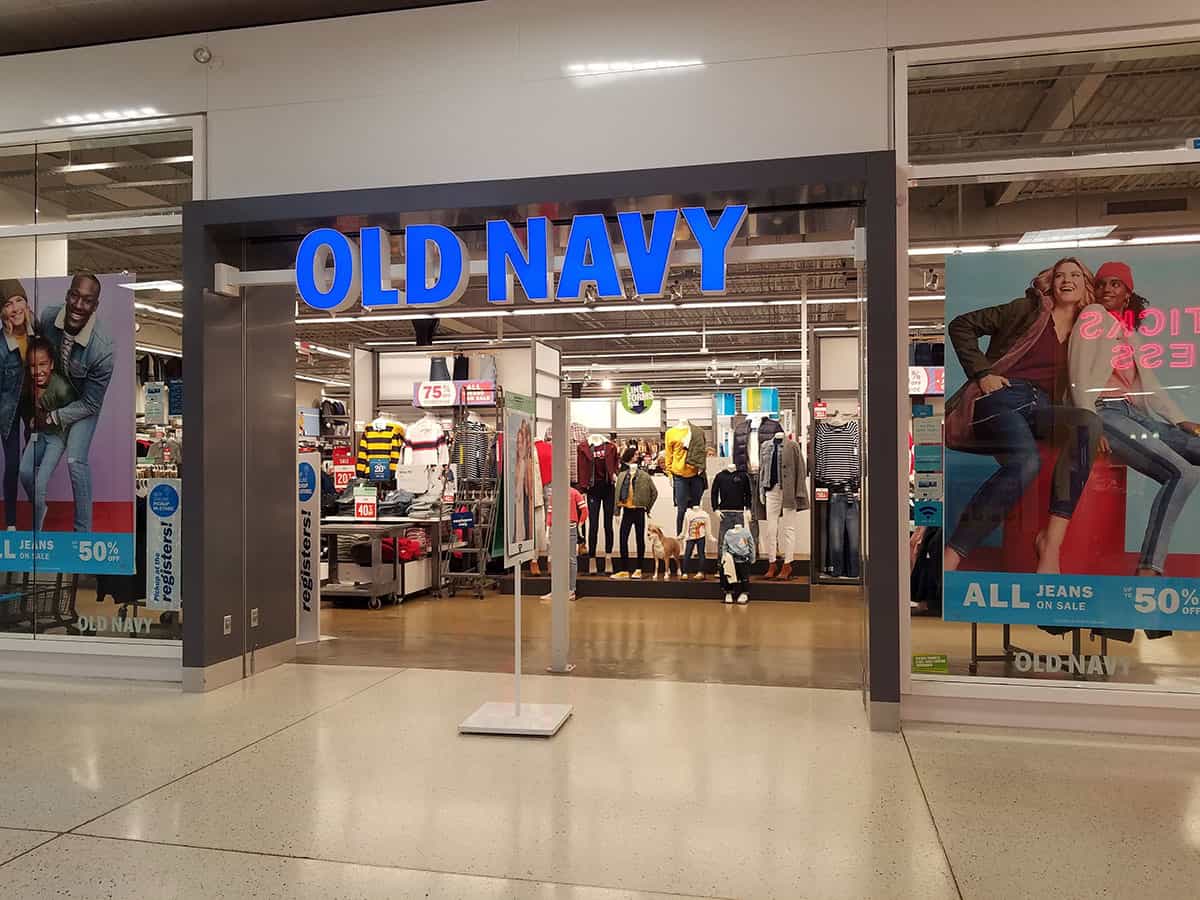
A fall inside Old Navy can happen fast, whether you are walking past a clearance table, turning into a fitting room hallway, or stepping through the entrance on a rainy day.
The actions you take in the next few minutes can strongly influence both your recovery and any slip and fall accident injury claim you may bring.
- Move away from active walkways and assess your injuries before trying to stand.
- Ask an employee to call a manager and report exactly where and how you fell.
- Request that an incident report be completed and note the date, time, and manager’s name.
- Use your phone to take photos or short videos of the hazard, your shoes, your clothing, and any visible injuries.
- Ask nearby customers or companions for their names and contact information if they saw the fall or the dangerous condition.
- Get prompt medical care and tell the provider that you were injured in a fall at Old Navy in Fort Lauderdale.
The takeaway is that calmly reporting the incident, documenting the scene, and getting timely medical treatment create a strong foundation if you later pursue a claim against Old Navy under Florida law.
Who is legally responsible for a slip and fall injury in an Old Navy store?
In Florida, Old Navy, as a retail clothing store, is considered a business establishment and owes customers a duty to maintain reasonably safe conditions.
That includes regular inspections, prompt cleanup of hazards, and clear warnings about dangers that cannot be addressed immediately.
For falls involving a temporary substance or condition on the floor—such as spilled drinks, tracked-in water, or dropped merchandise—Florida law requires the injured person to prove that the business had either actual or constructive knowledge of the hazard.
Constructive knowledge can be shown with evidence that the condition existed long enough, or happened often enough, that Old Navy should have discovered it and taken action.
The takeaway is that Old Navy is not automatically liable for every fall; the store may be responsible when it knew or reasonably should have known about a dangerous condition and failed to fix it or warn customers.
How do I prove Old Navy knew or should have known about a dangerous condition?
Because Florida’s law on transitory foreign substances places the burden on the injured person, proving that Old Navy had notice of the hazard is often central to a successful case.
Actual knowledge might be shown by evidence that employees saw the spill or were told about it, while constructive knowledge is typically proven with circumstantial evidence.
- Surveillance footage showing how long a spill, dropped item, or uneven mat was present before you fell.
- Witness statements that staff walked past the hazard, that other customers complained, or that similar problems occurred earlier in the day.
- Photos revealing footprints, cart marks, or dried edges around a liquid, suggesting it was there for more than a moment or two.
- Store inspection logs, cleaning schedules, or safety checklists that show whether employees were regularly monitoring the area.
The takeaway is that the more information you and your lawyer can gather about timing, prior complaints, and Old Navy’s inspection practices, the easier it becomes to show that the store should have discovered and corrected the hazard.
What kinds of hazards commonly cause Old Navy slip and fall accidents in Florida?
Old Navy stores usually feature wide clothing racks, display tables, sale bins, fitting rooms, and bright, polished floors, all of which can create distinct slip and trip hazards if safety rules are not followed.
In Florida, weather and high foot traffic at malls and plazas can add to the risks, especially near entrances and shared common areas.
- Rainwater tracked in from the parking lot or sidewalk, pooling near the entrance or checkout line.
- Clothing, belts, tags, or hangers on the floor near densely packed racks or sale tables.
- Wrinkled rugs, rolled edges of mats, or unsecured floor coverings at the front door or dressing room entries.
- Spilled beverages from customers or employees left unattended in aisles.
- Poor lighting or shadows in fitting room corridors or back corners, making hazards harder to see.
The takeaway is that Old Navy’s busy, merchandise-heavy layout makes certain hazards predictable, and Florida law expects reasonable inspection, housekeeping, and warning practices to prevent avoidable falls.
What evidence should I collect after a fall at Old Navy?
Conditions at Old Navy can change rapidly, especially when staff clean up spills or straighten clothing after an incident.
Capturing evidence before the scene is altered can be crucial if there is later a dispute about what caused your fall.
- Photos or video of the exact area where you fell, including close-ups of liquids, debris, or uneven surfaces and wider shots showing the surrounding displays and lighting.
- Pictures of your shoes and clothing, particularly if they show moisture, dirt, or damage from the fall.
- Names and contact details for witnesses who saw the fall or noticed the hazard before you were hurt.
- A short written account, created soon afterward, describing what you were doing, the direction you were walking, and how you landed.
- Copies of medical records, imaging results, pharmacy receipts, and doctor’s instructions related to your injuries.
The takeaway is that even simple phone photos, a personal timeline, and medical documentation can significantly support your Old Navy slip and fall accident injury claim in Florida.
How does Florida’s modified comparative negligence rule affect my Old Navy slip and fall case?
Florida currently uses a modified comparative negligence standard, which means that if you are found partially at fault for your injuries, your compensation can be reduced by your percentage of fault.
If you are found to be more than 50 percent responsible, you may be barred from recovering damages from the store.
In an Old Navy case, the defense might argue that you were distracted by your phone, stepped over obvious clothing on the floor, ignored a visible caution sign, or wore unsafe footwear for the conditions.
Your attorney can counter these arguments by highlighting Old Navy’s duty to maintain safe floors, promptly remove tripping hazards, and provide reasonable warnings about dangers that cannot be fixed immediately.
The takeaway is that even if you believe you may have contributed to the accident, it is still important to get a legal evaluation, because comparative negligence does not automatically eliminate your right to recover damages.
How does workers’ compensation work if I am an Old Navy employee hurt on the job in Florida?
If you are an Old Navy employee in Florida and you slip, trip, or fall while performing your job duties, you may be covered by the state’s workers’ compensation system under Florida Statutes Chapter 440.
Most employers that meet the statutory thresholds must carry workers’ compensation insurance to provide medical and wage benefits for work-related injuries, regardless of who was at fault.
To qualify, the injury generally must arise out of and in the course of employment, such as slipping while restocking a clothing rack, falling on a misplaced box in the back room, or tripping while moving rolling racks before store opening.
Workers’ compensation benefits can include authorized medical treatment, a portion of lost wages while you are off work or on light duty, and certain permanent impairment or disability benefits when injuries have lasting effects.
The takeaway is that for Old Navy employees in Florida, workers’ compensation is usually the first source of coverage for medical care and income after an on-the-job fall, even when there is no separate lawsuit against the employer.
Can I have both a workers’ compensation claim and a separate lawsuit after an Old Navy accident?
Workers’ compensation is typically the exclusive remedy against your direct employer for injuries that happen in the course of employment, meaning you usually cannot sue Old Navy itself for negligence if you were working.
However, you may still have a separate claim against other responsible parties, such as a mall owner, property manager, cleaning contractor, or maintenance company.
For example, if a third-party cleaning crew left wet floors without proper warnings, or a landlord failed to maintain a leaky ceiling, those parties may face premises liability claims in addition to your workers’ compensation benefits.
It is important to coordinate any third-party claim with your workers’ compensation case, because liens and reimbursement rules can affect how settlements are structured.
The takeaway is that a serious Old Navy workplace fall may involve both workers’ compensation and potential third-party claims, and a coordinated strategy helps protect all of your rights.
What medical bills, lost wages, and other damages can be covered after an Old Navy slip and fall?
If you were a customer, a successful premises liability claim against Old Navy may cover a range of economic and non-economic damages.
These can include emergency room care, doctor visits, physical therapy, imaging, medications, and future medical needs, as well as lost wages, reduced earning ability, and pain and suffering.
If you were an employee, workers’ compensation benefits are more defined by statute.
Florida’s workers’ compensation laws outline medical benefits through authorized providers, temporary disability payments for lost wages during recovery, and, where applicable, permanent impairment or disability benefits.
The takeaway is that customers and employees may both receive financial help after an Old Navy slip and fall in Florida, but the type and amount of compensation depend on whether the case is a civil claim, a workers’ compensation claim, or both.
What should I do if Old Navy’s insurance company says the fall was my fault?
Insurance companies often try to reduce or deny claims by arguing that the injured person is mostly to blame.
In an Old Navy slip and fall, an adjuster might say the hazard was obvious, that you should have watched where you were stepping, or that your own choices—such as footwear or distractions—caused the fall.
Before giving a recorded statement, signing medical releases, or accepting any settlement, it is wise to talk with a slip and fall accident injury lawyer who handles Florida premises liability cases.
An attorney can evaluate your evidence, request store video and records that you may not be able to obtain yourself, and push back against arguments that unfairly overstate your share of the blame.
The takeaway is that an early denial or low offer from Old Navy’s insurer is not necessarily the final word, and legal guidance can help you understand the real strength and value of your case.
Which Florida and national agencies are involved in workers’ compensation and safety at Old Navy?
Florida’s workers’ compensation system is created by Chapter 440 of the Florida Statutes and implemented through agencies such as the Division of Workers’ Compensation within the Department of Financial Services, which enforces coverage requirements and provides resources for injured workers.
The state also publishes system guides, FAQs, and forms designed to help employees understand their rights and obligations when they are injured at work.
At the national level, agencies like OSHA and NIOSH focus on workplace safety, including slip, trip, and fall hazards in retail settings.
Their guidance on safe floor maintenance, proper housekeeping, and hazard controls informs the policies that companies like Old Navy should adopt to protect employees and customers.
The takeaway is that both Florida’s workers’ compensation regulators and national safety agencies influence the protections and standards that apply when someone is hurt in an Old Navy store.
Old Navy Slip and Fall Scenarios in Florida
Scenario 1 – Customer fall in a crowded Old Navy clearance section in Fort Lauderdale
On a Saturday afternoon, a Fort Lauderdale shopper visits an Old Navy in a busy shopping center to look for discounted jeans.
The clearance section is packed with tightly arranged tables and rolling racks, and customers have moved items from table tops onto the floor to sort through sizes.
In the middle of the aisle, a pair of folded jeans and several hangers lie on the ground, partially hidden by a low rack.
The shopper steps forward to look at a display, catches a foot on the jeans, and falls onto her knee and wrist.
Employees help her up, but there were no warning signs or efforts to pick up the clothing before the fall.
Photos taken by a family member show the cluttered aisle and the loose garments on the floor.
After being diagnosed with a fractured wrist and a knee sprain, she contacts The Injury Firm at 954-951-0000, reviews the firm’s slip and fall accident guide, and learns that Old Navy may be responsible if the cluttered condition existed long enough that staff should have corrected it.
In summary, when merchandise and hangers left in walkways create predictable tripping hazards that employees fail to address, an injured shopper may have a strong premises liability claim against Old Navy in Florida.
Scenario 2 – Old Navy employee slip in the fitting room corridor in Broward County
A part-time Old Navy associate in Broward County is collecting returned clothing from fitting rooms after a busy rush.
Customers have left drink cups and shopping bags on the floor, and a small amount of liquid from a spilled beverage has spread near the corridor entrance.
While carrying an armful of clothes back to the floor, the associate steps into the slippery area, loses balance, and falls backward, injuring the tailbone and lower back.
The employee reports the injury to a supervisor the same day, and an incident report is completed.
The associate then follows the process to receive evaluation by an authorized doctor, physical therapy, and temporary wage replacement while off work through Florida’s workers’ compensation system.
The worker later consults The Injury Firm to understand whether any third-party contractors or mall owners share responsibility, while continuing to receive workers’ compensation benefits.
The takeaway is that Old Navy employees injured in fitting rooms, stock areas, or sales floors may be covered by workers’ compensation, and serious cases may also involve evaluating third-party responsibility.
Scenario 3 – Rainwater slip near Old Navy entrance in West Palm Beach
During a heavy afternoon rain in West Palm Beach, a customer walks from the parking lot into an Old Navy store.
The entry mat is small and saturated, and water has spread onto the smooth tile just beyond the mat where shoppers turn toward the women’s section.
No additional mats or wet floor signs have been placed, even though the rain has been steady for over an hour.
The customer’s foot hits the wet tile, slides out from under them, and they land on the hip and shoulder.
The customer reports the fall right away and later learns that similar puddling has occurred at that entrance during previous storms.
By taking photos of the wet floor, soaked mat, and lack of warning signs, and by seeking prompt medical care, the customer preserves key evidence.
After reading The Injury Firm’s Fort Lauderdale slip and fall accident lawyers page and the firm’s slip and fall accident guide, the customer speaks with an attorney about whether Old Navy had constructive knowledge of this recurring hazard.
In summary, recurring weather-related puddles near an Old Navy entrance, especially without adequate mats or warnings, can support an argument that the store should reasonably have anticipated and addressed the danger.
Customer and Employee Claims After an Old Navy Slip and Fall
| Aspect | Old Navy Customer Claim | Old Navy Employee Claim (Workers’ Compensation) |
|---|---|---|
| Who Is Covered? | Shoppers and guests injured on Old Navy property. | Employees injured while acting within the course and scope of employment. |
| Need to Prove Fault? | Yes. Must generally prove Old Navy’s negligence and knowledge of the hazard. | No. Must show a work-related injury under Florida workers’ compensation law. |
| Types of Benefits | Medical bills, lost wages, pain and suffering, and other damages. | Authorized medical treatment, partial wage replacement, and potential disability benefits. |
| Process | Insurance claim and possible lawsuit in civil court. | Administrative claim handled through employer and workers’ compensation insurer. |
When should I call an Old Navy slip and fall lawyer in Fort Lauderdale, Florida?
Once emergency issues are addressed and initial medical care is in place, contacting a slip and fall accident injury lawyer before dealing extensively with insurance adjusters can help protect your rights.
The Injury Firm is licensed in Arkansas, Florida, Georgia, Illinois, Kentucky, Massachusetts, and Tennessee, has offices in Fort Lauderdale, West Palm Beach, and Orlando, and has recovered millions for injury victims, including people hurt in large retail stores such as clothing chains.
You can call 954-951-0000, email records@flinjuryfirm.com, or submit the contact form at https://www.flinjuryfirm.com/personal-injury-lawyers/contact-the-injury-firm-fort-lauderdale to request a free case review about your Old Navy incident.
For additional context, you can also review the firm’s comprehensive slip and fall accidents guide, its Fort Lauderdale slip and fall accident lawyers page, and its Florida workers’ compensation guide to better understand your options before deciding how to move forward.
The takeaway is that early, local representation from a trial-ready team can help you avoid mistakes, preserve evidence, and focus on recovery after an Old Navy slip and fall in Fort Lauderdale or anywhere in Florida.
Frequently Asked Questions About Old Navy Slip and Fall Accidents in Florida
Below are brief answers to common questions people ask about slip and fall injuries in Old Navy stores in Florida.
1. Is Old Navy automatically responsible if I fall in the store?
No. Under Florida’s law on temporary floor hazards, you must usually prove that Old Navy had actual or constructive knowledge of a dangerous condition and should have taken steps to fix it or warn you.
2. Do I need to see a doctor immediately after an Old Navy fall?
Prompt medical care is strongly recommended, because timely treatment protects your health and creates records linking your injuries to the incident in the store.
3. How long do I have to bring a slip and fall lawsuit against Old Navy in Florida?
Florida has statutes of limitation for premises liability claims, and missing those deadlines can bar your case, so it is important to talk with a lawyer as soon as possible.
4. What if I was looking at my phone when I slipped at Old Navy?
Being distracted may affect comparative fault, but it does not automatically prevent recovery; you may still obtain compensation unless you are found to be more than 50 percent at fault.
5. Can I still have a claim if I did not see the hazard on the floor before I fell?
Yes. The key question is whether Old Navy knew or should have known about the hazard, not whether you personally noticed it beforehand.
6. What should I do if Old Navy staff did not make an incident report?
You can write your own detailed account, preserve photos and witness information, and speak with an attorney who can later request store records and video if needed.
7. Are Old Navy employees covered by workers’ compensation for slip and fall injuries?
Most employees are covered under Florida’s workers’ compensation system for injuries arising out of and in the course of their employment, under Florida Statutes Chapter 440.
8. Can Old Navy retaliate if I file a workers’ compensation claim after a workplace fall?
Florida law prohibits employers from coercing or retaliating against employees for seeking workers’ compensation benefits, and violations can lead to legal consequences.
9. Will hiring a lawyer mean my Old Navy slip and fall case will automatically go to trial?
Not necessarily. Many cases resolve through negotiation or mediation, but having a trial-ready firm often leads to more serious settlement offers and ensures you are prepared if trial becomes necessary.
10. How much does it cost to hire The Injury Firm for an Old Navy slip and fall case?
The Injury Firm offers free consultations and works on a contingency-fee basis, meaning you do not pay attorney’s fees unless there is a financial recovery in your case.
SLIP AND FALL ACCIDENTS IN LARGE STORES
CONTACT US NOW
FREE CONSULTATION


Old Navy Slip and Fall Lawyer in Fort Lauderdale
This page is for Old Navy shoppers and employees in Fort Lauderdale and throughout Florida who have been hurt in a slip, trip, or fall and need clear guidance on their rights, next steps, and legal options.
It explains how Florida premises liability and workers’ compensation laws apply to accidents in Old Navy’s clothing stores and how The Injury Firm’s trial-ready team can help you pursue compensation while you focus on healing.
Skip to Old Navy Slip and Fall Answers
- What should I do right after a slip and fall accident at Old Navy in Fort Lauderdale, Florida?
- Who is legally responsible for a slip and fall injury in an Old Navy store?
- How do I prove Old Navy knew or should have known about a dangerous condition?
- What kinds of hazards commonly cause Old Navy slip and fall accidents in Florida?
- What evidence should I collect after a fall at Old Navy?
- How does Florida’s modified comparative negligence rule affect my Old Navy slip and fall case?
- How does workers’ compensation work if I am an Old Navy employee hurt on the job in Florida?
- Can I have both a workers’ compensation claim and a separate lawsuit after an Old Navy accident?
- What medical bills, lost wages, and other damages can be covered after an Old Navy slip and fall?
- What should I do if Old Navy’s insurance company says the fall was my fault?
- Which Florida and national agencies are involved in workers’ compensation and safety at Old Navy?
- When should I call an Old Navy slip and fall lawyer in Fort Lauderdale, Florida?
- What are realistic Florida examples of Old Navy slip and fall injuries?
- What common questions do people ask online about Old Navy slip and fall accidents?
What should I do right after a slip and fall accident at Old Navy in Fort Lauderdale, Florida?
A fall inside Old Navy can happen fast, whether you are walking past a clearance table, turning into a fitting room hallway, or stepping through the entrance on a rainy day.
The actions you take in the next few minutes can strongly influence both your recovery and any slip and fall accident injury claim you may bring.
- Move away from active walkways and assess your injuries before trying to stand.
- Ask an employee to call a manager and report exactly where and how you fell.
- Request that an incident report be completed and note the date, time, and manager’s name.
- Use your phone to take photos or short videos of the hazard, your shoes, your clothing, and any visible injuries.
- Ask nearby customers or companions for their names and contact information if they saw the fall or the dangerous condition.
- Get prompt medical care and tell the provider that you were injured in a fall at Old Navy in Fort Lauderdale.
The takeaway is that calmly reporting the incident, documenting the scene, and getting timely medical treatment create a strong foundation if you later pursue a claim against Old Navy under Florida law.
Who is legally responsible for a slip and fall injury in an Old Navy store?
In Florida, Old Navy, as a retail clothing store, is considered a business establishment and owes customers a duty to maintain reasonably safe conditions.
That includes regular inspections, prompt cleanup of hazards, and clear warnings about dangers that cannot be addressed immediately.
For falls involving a temporary substance or condition on the floor—such as spilled drinks, tracked-in water, or dropped merchandise—Florida law requires the injured person to prove that the business had either actual or constructive knowledge of the hazard.
Constructive knowledge can be shown with evidence that the condition existed long enough, or happened often enough, that Old Navy should have discovered it and taken action.
The takeaway is that Old Navy is not automatically liable for every fall; the store may be responsible when it knew or reasonably should have known about a dangerous condition and failed to fix it or warn customers.
How do I prove Old Navy knew or should have known about a dangerous condition?
Because Florida’s law on transitory foreign substances places the burden on the injured person, proving that Old Navy had notice of the hazard is often central to a successful case.
Actual knowledge might be shown by evidence that employees saw the spill or were told about it, while constructive knowledge is typically proven with circumstantial evidence.
- Surveillance footage showing how long a spill, dropped item, or uneven mat was present before you fell.
- Witness statements that staff walked past the hazard, that other customers complained, or that similar problems occurred earlier in the day.
- Photos revealing footprints, cart marks, or dried edges around a liquid, suggesting it was there for more than a moment or two.
- Store inspection logs, cleaning schedules, or safety checklists that show whether employees were regularly monitoring the area.
The takeaway is that the more information you and your lawyer can gather about timing, prior complaints, and Old Navy’s inspection practices, the easier it becomes to show that the store should have discovered and corrected the hazard.
What kinds of hazards commonly cause Old Navy slip and fall accidents in Florida?
Old Navy stores usually feature wide clothing racks, display tables, sale bins, fitting rooms, and bright, polished floors, all of which can create distinct slip and trip hazards if safety rules are not followed.
In Florida, weather and high foot traffic at malls and plazas can add to the risks, especially near entrances and shared common areas.
- Rainwater tracked in from the parking lot or sidewalk, pooling near the entrance or checkout line.
- Clothing, belts, tags, or hangers on the floor near densely packed racks or sale tables.
- Wrinkled rugs, rolled edges of mats, or unsecured floor coverings at the front door or dressing room entries.
- Spilled beverages from customers or employees left unattended in aisles.
- Poor lighting or shadows in fitting room corridors or back corners, making hazards harder to see.
The takeaway is that Old Navy’s busy, merchandise-heavy layout makes certain hazards predictable, and Florida law expects reasonable inspection, housekeeping, and warning practices to prevent avoidable falls.
What evidence should I collect after a fall at Old Navy?
Conditions at Old Navy can change rapidly, especially when staff clean up spills or straighten clothing after an incident.
Capturing evidence before the scene is altered can be crucial if there is later a dispute about what caused your fall.
- Photos or video of the exact area where you fell, including close-ups of liquids, debris, or uneven surfaces and wider shots showing the surrounding displays and lighting.
- Pictures of your shoes and clothing, particularly if they show moisture, dirt, or damage from the fall.
- Names and contact details for witnesses who saw the fall or noticed the hazard before you were hurt.
- A short written account, created soon afterward, describing what you were doing, the direction you were walking, and how you landed.
- Copies of medical records, imaging results, pharmacy receipts, and doctor’s instructions related to your injuries.
The takeaway is that even simple phone photos, a personal timeline, and medical documentation can significantly support your Old Navy slip and fall accident injury claim in Florida.
How does Florida’s modified comparative negligence rule affect my Old Navy slip and fall case?
Florida currently uses a modified comparative negligence standard, which means that if you are found partially at fault for your injuries, your compensation can be reduced by your percentage of fault.
If you are found to be more than 50 percent responsible, you may be barred from recovering damages from the store.
In an Old Navy case, the defense might argue that you were distracted by your phone, stepped over obvious clothing on the floor, ignored a visible caution sign, or wore unsafe footwear for the conditions.
Your attorney can counter these arguments by highlighting Old Navy’s duty to maintain safe floors, promptly remove tripping hazards, and provide reasonable warnings about dangers that cannot be fixed immediately.
The takeaway is that even if you believe you may have contributed to the accident, it is still important to get a legal evaluation, because comparative negligence does not automatically eliminate your right to recover damages.
How does workers’ compensation work if I am an Old Navy employee hurt on the job in Florida?
If you are an Old Navy employee in Florida and you slip, trip, or fall while performing your job duties, you may be covered by the state’s workers’ compensation system under Florida Statutes Chapter 440.
Most employers that meet the statutory thresholds must carry workers’ compensation insurance to provide medical and wage benefits for work-related injuries, regardless of who was at fault.
To qualify, the injury generally must arise out of and in the course of employment, such as slipping while restocking a clothing rack, falling on a misplaced box in the back room, or tripping while moving rolling racks before store opening.
Workers’ compensation benefits can include authorized medical treatment, a portion of lost wages while you are off work or on light duty, and certain permanent impairment or disability benefits when injuries have lasting effects.
The takeaway is that for Old Navy employees in Florida, workers’ compensation is usually the first source of coverage for medical care and income after an on-the-job fall, even when there is no separate lawsuit against the employer.
Can I have both a workers’ compensation claim and a separate lawsuit after an Old Navy accident?
Workers’ compensation is typically the exclusive remedy against your direct employer for injuries that happen in the course of employment, meaning you usually cannot sue Old Navy itself for negligence if you were working.
However, you may still have a separate claim against other responsible parties, such as a mall owner, property manager, cleaning contractor, or maintenance company.
For example, if a third-party cleaning crew left wet floors without proper warnings, or a landlord failed to maintain a leaky ceiling, those parties may face premises liability claims in addition to your workers’ compensation benefits.
It is important to coordinate any third-party claim with your workers’ compensation case, because liens and reimbursement rules can affect how settlements are structured.
The takeaway is that a serious Old Navy workplace fall may involve both workers’ compensation and potential third-party claims, and a coordinated strategy helps protect all of your rights.
What medical bills, lost wages, and other damages can be covered after an Old Navy slip and fall?
If you were a customer, a successful premises liability claim against Old Navy may cover a range of economic and non-economic damages.
These can include emergency room care, doctor visits, physical therapy, imaging, medications, and future medical needs, as well as lost wages, reduced earning ability, and pain and suffering.
If you were an employee, workers’ compensation benefits are more defined by statute.
Florida’s workers’ compensation laws outline medical benefits through authorized providers, temporary disability payments for lost wages during recovery, and, where applicable, permanent impairment or disability benefits.
The takeaway is that customers and employees may both receive financial help after an Old Navy slip and fall in Florida, but the type and amount of compensation depend on whether the case is a civil claim, a workers’ compensation claim, or both.
What should I do if Old Navy’s insurance company says the fall was my fault?
Insurance companies often try to reduce or deny claims by arguing that the injured person is mostly to blame.
In an Old Navy slip and fall, an adjuster might say the hazard was obvious, that you should have watched where you were stepping, or that your own choices—such as footwear or distractions—caused the fall.
Before giving a recorded statement, signing medical releases, or accepting any settlement, it is wise to talk with a slip and fall accident injury lawyer who handles Florida premises liability cases.
An attorney can evaluate your evidence, request store video and records that you may not be able to obtain yourself, and push back against arguments that unfairly overstate your share of the blame.
The takeaway is that an early denial or low offer from Old Navy’s insurer is not necessarily the final word, and legal guidance can help you understand the real strength and value of your case.
Which Florida and national agencies are involved in workers’ compensation and safety at Old Navy?
Florida’s workers’ compensation system is created by Chapter 440 of the Florida Statutes and implemented through agencies such as the Division of Workers’ Compensation within the Department of Financial Services, which enforces coverage requirements and provides resources for injured workers.
The state also publishes system guides, FAQs, and forms designed to help employees understand their rights and obligations when they are injured at work.
At the national level, agencies like OSHA and NIOSH focus on workplace safety, including slip, trip, and fall hazards in retail settings.
Their guidance on safe floor maintenance, proper housekeeping, and hazard controls informs the policies that companies like Old Navy should adopt to protect employees and customers.
The takeaway is that both Florida’s workers’ compensation regulators and national safety agencies influence the protections and standards that apply when someone is hurt in an Old Navy store.
Old Navy Slip and Fall Scenarios in Florida
Scenario 1 – Customer fall in a crowded Old Navy clearance section in Fort Lauderdale
On a Saturday afternoon, a Fort Lauderdale shopper visits an Old Navy in a busy shopping center to look for discounted jeans.
The clearance section is packed with tightly arranged tables and rolling racks, and customers have moved items from table tops onto the floor to sort through sizes.
In the middle of the aisle, a pair of folded jeans and several hangers lie on the ground, partially hidden by a low rack.
The shopper steps forward to look at a display, catches a foot on the jeans, and falls onto her knee and wrist.
Employees help her up, but there were no warning signs or efforts to pick up the clothing before the fall.
Photos taken by a family member show the cluttered aisle and the loose garments on the floor.
After being diagnosed with a fractured wrist and a knee sprain, she contacts The Injury Firm at 954-951-0000, reviews the firm’s slip and fall accident guide, and learns that Old Navy may be responsible if the cluttered condition existed long enough that staff should have corrected it.
In summary, when merchandise and hangers left in walkways create predictable tripping hazards that employees fail to address, an injured shopper may have a strong premises liability claim against Old Navy in Florida.
Scenario 2 – Old Navy employee slip in the fitting room corridor in Broward County
A part-time Old Navy associate in Broward County is collecting returned clothing from fitting rooms after a busy rush.
Customers have left drink cups and shopping bags on the floor, and a small amount of liquid from a spilled beverage has spread near the corridor entrance.
While carrying an armful of clothes back to the floor, the associate steps into the slippery area, loses balance, and falls backward, injuring the tailbone and lower back.
The employee reports the injury to a supervisor the same day, and an incident report is completed.
The associate then follows the process to receive evaluation by an authorized doctor, physical therapy, and temporary wage replacement while off work through Florida’s workers’ compensation system.
The worker later consults The Injury Firm to understand whether any third-party contractors or mall owners share responsibility, while continuing to receive workers’ compensation benefits.
The takeaway is that Old Navy employees injured in fitting rooms, stock areas, or sales floors may be covered by workers’ compensation, and serious cases may also involve evaluating third-party responsibility.
Scenario 3 – Rainwater slip near Old Navy entrance in West Palm Beach
During a heavy afternoon rain in West Palm Beach, a customer walks from the parking lot into an Old Navy store.
The entry mat is small and saturated, and water has spread onto the smooth tile just beyond the mat where shoppers turn toward the women’s section.
No additional mats or wet floor signs have been placed, even though the rain has been steady for over an hour.
The customer’s foot hits the wet tile, slides out from under them, and they land on the hip and shoulder.
The customer reports the fall right away and later learns that similar puddling has occurred at that entrance during previous storms.
By taking photos of the wet floor, soaked mat, and lack of warning signs, and by seeking prompt medical care, the customer preserves key evidence.
After reading The Injury Firm’s Fort Lauderdale slip and fall accident lawyers page and the firm’s slip and fall accident guide, the customer speaks with an attorney about whether Old Navy had constructive knowledge of this recurring hazard.
In summary, recurring weather-related puddles near an Old Navy entrance, especially without adequate mats or warnings, can support an argument that the store should reasonably have anticipated and addressed the danger.
Customer and Employee Claims After an Old Navy Slip and Fall
| Aspect | Old Navy Customer Claim | Old Navy Employee Claim (Workers’ Compensation) |
|---|---|---|
| Who Is Covered? | Shoppers and guests injured on Old Navy property. | Employees injured while acting within the course and scope of employment. |
| Need to Prove Fault? | Yes. Must generally prove Old Navy’s negligence and knowledge of the hazard. | No. Must show a work-related injury under Florida workers’ compensation law. |
| Types of Benefits | Medical bills, lost wages, pain and suffering, and other damages. | Authorized medical treatment, partial wage replacement, and potential disability benefits. |
| Process | Insurance claim and possible lawsuit in civil court. | Administrative claim handled through employer and workers’ compensation insurer. |
When should I call an Old Navy slip and fall lawyer in Fort Lauderdale, Florida?
Once emergency issues are addressed and initial medical care is in place, contacting a slip and fall accident injury lawyer before dealing extensively with insurance adjusters can help protect your rights.
The Injury Firm is licensed in Arkansas, Florida, Georgia, Illinois, Kentucky, Massachusetts, and Tennessee, has offices in Fort Lauderdale, West Palm Beach, and Orlando, and has recovered millions for injury victims, including people hurt in large retail stores such as clothing chains.
You can call 954-951-0000, email records@flinjuryfirm.com, or submit the contact form at https://www.flinjuryfirm.com/personal-injury-lawyers/contact-the-injury-firm-fort-lauderdale to request a free case review about your Old Navy incident.
For additional context, you can also review the firm’s comprehensive slip and fall accidents guide, its Fort Lauderdale slip and fall accident lawyers page, and its Florida workers’ compensation guide to better understand your options before deciding how to move forward.
The takeaway is that early, local representation from a trial-ready team can help you avoid mistakes, preserve evidence, and focus on recovery after an Old Navy slip and fall in Fort Lauderdale or anywhere in Florida.
Frequently Asked Questions About Old Navy Slip and Fall Accidents in Florida
Below are brief answers to common questions people ask about slip and fall injuries in Old Navy stores in Florida.
1. Is Old Navy automatically responsible if I fall in the store?
No. Under Florida’s law on temporary floor hazards, you must usually prove that Old Navy had actual or constructive knowledge of a dangerous condition and should have taken steps to fix it or warn you.
2. Do I need to see a doctor immediately after an Old Navy fall?
Prompt medical care is strongly recommended, because timely treatment protects your health and creates records linking your injuries to the incident in the store.
3. How long do I have to bring a slip and fall lawsuit against Old Navy in Florida?
Florida has statutes of limitation for premises liability claims, and missing those deadlines can bar your case, so it is important to talk with a lawyer as soon as possible.
4. What if I was looking at my phone when I slipped at Old Navy?
Being distracted may affect comparative fault, but it does not automatically prevent recovery; you may still obtain compensation unless you are found to be more than 50 percent at fault.
5. Can I still have a claim if I did not see the hazard on the floor before I fell?
Yes. The key question is whether Old Navy knew or should have known about the hazard, not whether you personally noticed it beforehand.
6. What should I do if Old Navy staff did not make an incident report?
You can write your own detailed account, preserve photos and witness information, and speak with an attorney who can later request store records and video if needed.
7. Are Old Navy employees covered by workers’ compensation for slip and fall injuries?
Most employees are covered under Florida’s workers’ compensation system for injuries arising out of and in the course of their employment, under Florida Statutes Chapter 440.
8. Can Old Navy retaliate if I file a workers’ compensation claim after a workplace fall?
Florida law prohibits employers from coercing or retaliating against employees for seeking workers’ compensation benefits, and violations can lead to legal consequences.
9. Will hiring a lawyer mean my Old Navy slip and fall case will automatically go to trial?
Not necessarily. Many cases resolve through negotiation or mediation, but having a trial-ready firm often leads to more serious settlement offers and ensures you are prepared if trial becomes necessary.
10. How much does it cost to hire The Injury Firm for an Old Navy slip and fall case?
The Injury Firm offers free consultations and works on a contingency-fee basis, meaning you do not pay attorney’s fees unless there is a financial recovery in your case.
PRACTICE AREA - SLIP AND FALL IN LARGE STORES
CONTACT US NOW
FREE CONSULTATION