
PERSONAL INJURY ACCIDENTS AT RESTAURANTS
PRACTICE AREA - SLIP AND FALL ACCIDENTS
SLIP AND FALL PERSONAL INJURY
PRACTICE AREA - WORKERS' COMPENSATION
Slip and Fall in Best Buy: Your Legal Options in Florida
This page is for shoppers and employees who were hurt in a slip and fall at a Best Buy in Florida and want clear, practical guidance on their rights, next steps, and how The Injury Firm can help.
Skip to Slip and Fall in Best Buy Answers
- How does a Best Buy slip and fall injury case work in Florida?
- What should I do right after getting injured in a Best Buy in Florida?
- Who can be held responsible for a slip and fall in a Best Buy?
- What evidence should I collect after a fall inside or outside a Best Buy?
- What are the most common hazards that cause slip and fall injuries in Best Buy stores?
- How is my claim different if I was a customer versus an employee at Best Buy?
- Can I get workers’ compensation for being injured as an employee in Best Buy in Florida?
- What if Best Buy or its insurer says it had no notice of the spill or hazard?
- How long do I have to file a Best Buy slip and fall case in Florida?
- What kinds of damages can I seek after a serious Best Buy slip and fall injury?
- Can I still get benefits if the store or insurer says the fall was my fault?
- How can a slip and fall lawyer help with a Best Buy personal injury case?
- What are some real‑world examples of Florida Best Buy slip and fall cases?
- How does The Injury Firm approach Best Buy and other large‑store slip and fall cases?
- How does The Injury Firm help Best Buy slip and fall accident victims in Florida?
How does a Best Buy slip and fall injury case work in Florida?
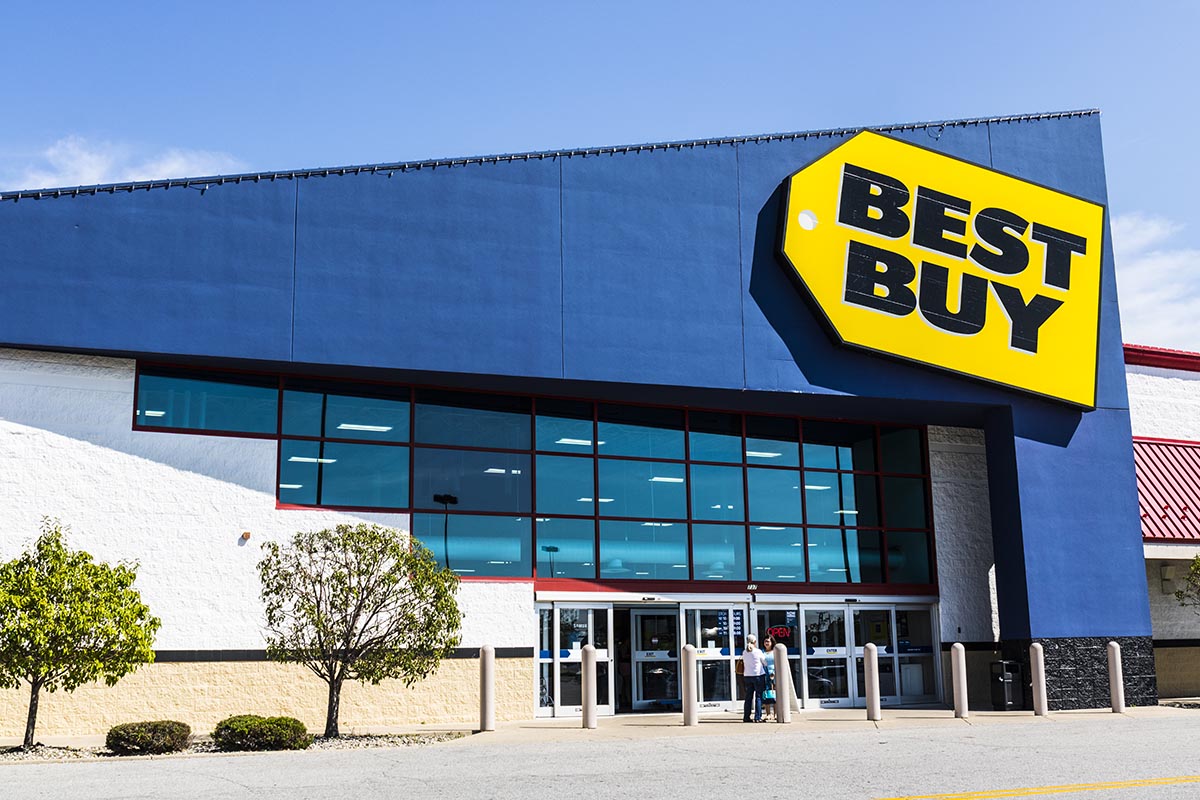
Slip and fall cases at Best Buy in Florida usually fall under premises liability law, which means the store and property owner must use reasonable care to keep the premises reasonably safe for customers and employees.
In many Florida business‑establishment slip and fall claims, the injured person needs to show there was a dangerous condition, that the business had actual or constructive knowledge of it, and that it failed to correct or warn about the condition in time.
Constructive knowledge can be based on how long the hazard existed or how regularly similar hazards occur in that part of the store.
If you were working for Best Buy when you slipped and fell, your case can also involve workers’ compensation rights under laws collected in Florida Statutes Chapter 440, which can provide medical and wage benefits without requiring you to prove your employer was negligent.
In summary, Florida Best Buy slip and fall cases often involve both premises liability for customers and a mix of workers’ compensation and possible third‑party negligence claims for employees.
What should I do right after getting injured in a Best Buy in Florida?
Immediately after a fall, focus on your safety and medical needs.
Move out of crowded aisles or off the sales floor if you can, away from carts, display stands, and other customers, and ask for help right away if you feel sharp pain, dizziness, or suspect you have broken a bone or hit your head.
Even if you are embarrassed and think you can walk it off, seeing a doctor soon after the accident helps document your injuries and tie them clearly to the slip and fall in Best Buy.
You should also report the incident to a manager or supervisor and ask that an incident report be completed.
Make sure it lists the date, time, department or aisle (for example, appliances, TVs, or mobile phones), and a simple description of what caused your fall—such as spilled drink in the aisle, a loose mat near the entrance, or a broken tile in the checkout area.
If you can safely do so, take photos or video of the hazard, the surrounding area, your shoes, and any warning signs or lack of warnings.
The takeaway is that prompt medical evaluation, a detailed report, and strong photos give you and your lawyer a much clearer record of what happened.
Who can be held responsible for a slip and fall in a Best Buy?
The main defendant in many cases is Best Buy itself or the corporate entity operating the store where you were injured, because it controls staffing, inspections, training, and floor safety.
This usually includes responsibility for the sales floor, restrooms, entrances and exits, checkout areas, and often some parts of the parking lot or sidewalk directly in front of the store.
However, large retail locations often involve multiple entities that may share responsibility.
If your fall happens in a shopping center, mall, or plaza where Best Buy is a tenant, the property owner, landlord, or management company may be responsible for maintaining common areas, shared walkways, and parking lots.
Outside contractors, such as cleaning services, floor care companies, or construction crews, can also be liable if they created a hazard or failed to fix it as required by their contracts.
In summary, identifying all businesses that own, operate, or maintain the area where you fell can reveal more insurance coverage and improve your chances of a full recovery.
What evidence should I collect after a fall inside or outside a Best Buy?
Evidence can change quickly in a busy Best Buy once staff begins to clean, move displays, or carry on with normal operations.
If you are able, take clear photos or video of where you slipped or tripped, focusing on the hazard itself—such as liquid on the floor, cords or boxes in the aisle, uneven flooring, or a curled‑up mat.
Capture wider shots that show the surrounding area, lighting conditions, and any warning signs or cones in place or missing.
Get contact information for any witnesses who saw your fall or noticed the hazard before it happened, including other customers or employees.
Ask who the manager on duty is and keep track of what you are told about the incident report, even if you are not given a copy.
Over the next several days, save all medical records, bills, receipts for medications or medical equipment, and documents showing time missed from work.
The takeaway is that detailed, early documentation helps counter later arguments from Best Buy or its insurer that the hazard was minor, brief, or your fault.
What are the most common hazards that cause slip and fall injuries in Best Buy stores?
Best Buy stores combine electronics, appliances, displays, and high customer traffic, which can create several types of slip and fall hazards.
Spills from drinks brought in by customers, tracked‑in rainwater near the entrance, or condensation from refrigerators or coolers can all make hard floors dangerously slick if not promptly cleaned.
Loose or bunched‑up entry mats, especially on rainy days, can also cause people to slip or trip as they enter the store.
Trip hazards are also common in large electronics stores.
These include cords or cables running across aisles, product boxes and packaging left on the floor, raised or broken tiles, and poorly marked changes in flooring height between departments.
Poor or uneven lighting in certain areas, especially around back stock zones or service counters, can make these hazards harder to see.
In summary, Best Buy must maintain good inspection routines, housekeeping, and maintenance practices to reduce these predictable slip and fall risks.
How is my claim different if I was a customer versus an employee at Best Buy?
If you were a customer or visitor injured in a Best Buy, your claim is usually a premises liability case against the store and possibly other property parties.
The main questions are whether Best Buy took reasonable steps to keep the store safe, whether it knew or should have known about the hazard, and whether its failure caused your injuries.
If your claim is successful, you may recover damages for medical bills, lost income, and pain and suffering.
If you were working for Best Buy at the time of the accident, your first avenue is typically a workers’ compensation claim.
Under Florida’s workers’ compensation laws in Chapter 440, many employees can receive medical treatment and partial wage replacement for on‑the‑job injuries without proving the employer was negligent, though they usually cannot sue the employer directly for pain and suffering.
In some situations, employees may also pursue separate third‑party claims—for example, against a landlord or contractor that created the hazard that led to the fall.
In summary, customers rely on negligence claims, employees rely on workers’ comp and possible third‑party claims, and a lawyer can help coordinate all of these paths.
Can I get workers’ compensation for being injured as an employee in Best Buy in Florida?
If you are a Best Buy employee who slipped and fell while performing your job duties in Florida, you may be entitled to workers’ compensation benefits.
This can include falls that happen while stocking shelves, moving heavy TVs or appliances, cleaning spills, working at customer service, or unloading trucks in the back of the store.
As long as the accident happened in the course and scope of your employment, workers’ compensation can often cover authorized medical treatment and a percentage of your lost wages.
Florida’s workers’ compensation system, assembled in Chapter 440 of the Florida Statutes, may also provide benefits for certain permanent impairments or restrictions related to your injury.
Workers’ compensation usually does not pay for pain and suffering, but if a third party—such as a property owner, cleaning contractor, or maintenance vendor—was involved in creating the hazard, you may be able to bring a separate negligence claim against that party for broader damages.
The takeaway is that Best Buy employees often have rights under both workers’ compensation and potential third‑party claims, and legal guidance can help maximize overall recovery.
What if Best Buy or its insurer says it had no notice of the spill or hazard?
Best Buy and its insurer may claim that they had no idea about the spill, object, or defect that caused your fall and that it appeared only moments beforehand.
Florida premises liability laws for transitory foreign substances generally require that you show the business had actual knowledge of the hazard or constructive knowledge—meaning the hazard existed for such a length of time, or occurred so regularly, that the store should have discovered it using reasonable care.
This can sound technical, but it is often addressed with thoughtful investigation and evidence.
Constructive knowledge can be shown through photos or testimony that the area looked dirty, tracked‑through, or neglected, suggesting the spill or condition had been present for a while.
Store records that reveal long gaps between inspections, understaffed departments, or repeated incidents in the same location can also support your claim.
In summary, a “no notice” defense is common but not always convincing, and a slip and fall lawyer can help gather the facts needed to challenge it.
How long do I have to file a Best Buy slip and fall case in Florida?
Slip and fall lawsuits in Florida are controlled by statutes of limitations, which set strict deadlines for filing your case in court.
For many negligence‑based premises liability claims, including Best Buy slip and fall accidents, Florida law gives you a set number of years from the date of the accident to file, and missing that deadline can lead to your case being dismissed regardless of how strong it might otherwise be.
The specific time limit can change over time based on legislative updates and the type of claim involved.
Workers’ compensation claims have separate reporting and filing deadlines, and different rules may apply for minors or cases involving government‑owned property near the store.
Even when you are still within the legal time limit, crucial evidence such as surveillance videos, inspection logs, and witness memories can fade quickly.
In summary, talking with a slip and fall lawyer soon after a Best Buy accident is one of the best ways to protect both your legal timing and the evidence you will need.
What kinds of damages can I seek after a serious Best Buy slip and fall injury?
As a customer or visitor bringing a personal injury claim, you may be able to seek several types of compensatory damages from Best Buy and any other responsible parties.
Economic damages include past and future medical expenses, such as emergency care, doctor visits, physical therapy, surgery, medications, and assistive devices, as well as lost wages and reduced earning capacity if you cannot return to your previous job.
Non‑economic damages cover pain and suffering, emotional distress, and loss of enjoyment of life.
If you are an employee, workers’ compensation benefits usually cover authorized medical treatment and a portion of your lost wages, and may provide compensation for certain permanent impairments, but they do not typically include pain and suffering.
A separate third‑party claim against a landlord, contractor, or other non‑employer can allow you to seek broader damages, including full wage loss and non‑economic damages.
In summary, the overall value of a Best Buy slip and fall case depends on both economic and human losses, and a lawyer will look at the total impact on your life.
Can I still get benefits if the store or insurer says the fall was my fault?
Stores and their insurance companies often argue that the injured person is to blame, claiming you were looking at your phone, not watching where you were walking, wearing inappropriate footwear, or ignoring posted warnings.
Florida uses a comparative negligence system, which usually allows you to recover compensation even if you share responsibility for the accident, although any award may be reduced by your percentage of fault.
The key legal question remains whether Best Buy met its duty to maintain reasonably safe conditions and warn about hidden dangers.
For example, even if you were checking a text, a puddle that had been left uncleaned for a long time in a busy aisle, or cords stretched across a walkway without cones or signs, can still point to significant negligence by the store.
Workers’ compensation claims are generally not denied simply because you made a simple mistake, unless your actions fit specific exclusions like intentional self‑harm or certain types of misconduct.
The takeaway is that blame from the store or insurer does not automatically close the door on your rights; a lawyer can analyze how Florida’s comparative fault and workers’ compensation rules apply to your situation.
How can a slip and fall lawyer help with a Best Buy personal injury case?
A slip and fall lawyer who regularly handles large‑store cases understands the layout, operations, and common defenses raised by companies like Best Buy.
Your lawyer can quickly send preservation letters to the store and property owner to secure surveillance footage, incident reports, inspection and cleaning logs, and maintenance records that might otherwise be overwritten or discarded.
They may also inspect the store or review photos and diagrams to explain how lighting, floor materials, display placement, and foot traffic patterns contributed to your fall.
On the damages side, a trial‑ready legal team will collect your medical records, bills, employment information, and statements from you and those close to you about how the injuries affect your daily activities and future plans.
This information supports a detailed settlement demand and helps show insurers that your case is prepared for litigation if needed.
In summary, having an experienced slip and fall lawyer can make the process less stressful, improve the quality of your evidence, and increase the chances of a fair outcome.
What are some real‑world examples of Florida Best Buy slip and fall cases?
Imagine a shopper in South Florida who slips on rainwater that has pooled on the tile just inside the entrance during a storm because the entrance mats are saturated and no caution signs are posted.
The shopper injures a hip and needs surgery.
A claim could focus on whether Best Buy reasonably anticipated wet‑weather hazards and used adequate mats, mopping, and warnings at the doorway, leading to compensation for medical treatment, lost wages, and pain and suffering.
Consider an employee in Central Florida who falls in a stockroom when tripping over a loose cord left across a narrow aisle while carrying a heavy TV.
That worker might pursue workers’ compensation benefits for medical care and lost income, and a lawyer could also investigate whether a third‑party contractor responsible for installing or maintaining equipment created the hazard.
Another scenario could involve a customer in Orlando tripping on a broken tile near the checkout line, with a premises liability claim centered on maintenance records, prior complaints, and how long the defect had been present.
In summary, each Best Buy case turns on specific facts, but many involve recurring issues like water, clutter, cords, and flooring defects.
How does The Injury Firm approach Best Buy and other large‑store slip and fall cases?
The Injury Firm focuses heavily on slip and fall accidents in large commercial environments, including major retailers and big‑box chains like Best Buy.
That focus means the firm understands how inspection schedules, store policies, staffing levels, and building design interact to create or prevent hazards.
It also means the team is familiar with the common defense strategies large stores and their insurers use, such as arguing the hazard appeared moments before the fall or that it was open and obvious.
With offices in Fort Lauderdale, West Palm Beach, and Orlando, and licenses in Arkansas, Florida, Georgia, Illinois, Kentucky, Massachusetts, and Tennessee, The Injury Firm combines local courtroom experience with multi‑state reach.
The firm highlights millions recovered for injury victims, a trial‑ready team prepared to litigate complex premises cases, and a 24/7 free consultation model with no fees unless there is a recovery.
In summary, if you slipped and fell in a Best Buy in Florida, The Injury Firm brings targeted experience and resources tailored to large‑store claims.
How does The Injury Firm help Best Buy slip and fall accident victims in Florida?
For people injured in Best Buy stores and other large retailers across Florida, The Injury Firm offers accessible, ongoing support.
The Fort Lauderdale office serves Broward County and nearby communities, while West Palm Beach and Orlando offices help clients throughout South and Central Florida, making in‑person meetings and on‑site investigations easier.
This coverage helps the firm understand local judges, juries, and defense attorneys in Florida slip and fall cases.
The Injury Firm provides free case reviews 24/7 and works on a no‑fee‑unless‑recovery basis, so you can get legal advice about your Best Buy slip and fall without upfront costs.
To discuss what happened, your injuries, and your legal options, you can call 954‑951‑0000, 561‑990‑4000, or 407‑444‑0000, email records@flinjuryfirm.com, or use the contact form at The Injury Firm’s Fort Lauderdale contact page.
In summary, if you were hurt in a slip and fall at a Best Buy anywhere in Florida, The Injury Firm is ready with a trial‑ready team focused on protecting your health, your income, and your future.
Quick comparison: Best Buy slip and fall claims
| Scenario | Customer or Visitor | Employee |
|---|---|---|
| Primary claim path | Premises liability claim against Best Buy and other responsible property parties. | Workers’ compensation claim, plus possible third‑party claim against landlord or vendors. |
| Main damages | Medical bills, lost wages, pain and suffering, and loss of enjoyment of life. | Medical treatment and wage benefits through workers’ comp, and broader damages in any third‑party case. |
| Key legal questions | Did Best Buy know or should it have known about the hazard and fail to act reasonably? | Did the injury arise out of and in the course of employment, and did any outside party contribute to the hazard? |


SLIP AND FALL ACCIDENTS IN LARGE STORES
CONTACT US NOW
FREE CONSULTATION
Slip and Fall in Best Buy: Your Legal Options in Florida
This page is for shoppers and employees who were hurt in a slip and fall at a Best Buy in Florida and want clear, practical guidance on their rights, next steps, and how The Injury Firm can help.
Skip to Slip and Fall in Best Buy Answers
- How does a Best Buy slip and fall injury case work in Florida?
- What should I do right after getting injured in a Best Buy in Florida?
- Who can be held responsible for a slip and fall in a Best Buy?
- What evidence should I collect after a fall inside or outside a Best Buy?
- What are the most common hazards that cause slip and fall injuries in Best Buy stores?
- How is my claim different if I was a customer versus an employee at Best Buy?
- Can I get workers’ compensation for being injured as an employee in Best Buy in Florida?
- What if Best Buy or its insurer says it had no notice of the spill or hazard?
- How long do I have to file a Best Buy slip and fall case in Florida?
- What kinds of damages can I seek after a serious Best Buy slip and fall injury?
- Can I still get benefits if the store or insurer says the fall was my fault?
- How can a slip and fall lawyer help with a Best Buy personal injury case?
- What are some real‑world examples of Florida Best Buy slip and fall cases?
- How does The Injury Firm approach Best Buy and other large‑store slip and fall cases?
- How does The Injury Firm help Best Buy slip and fall accident victims in Florida?
How does a Best Buy slip and fall injury case work in Florida?
Slip and fall cases at Best Buy in Florida usually fall under premises liability law, which means the store and property owner must use reasonable care to keep the premises reasonably safe for customers and employees.
In many Florida business‑establishment slip and fall claims, the injured person needs to show there was a dangerous condition, that the business had actual or constructive knowledge of it, and that it failed to correct or warn about the condition in time.
Constructive knowledge can be based on how long the hazard existed or how regularly similar hazards occur in that part of the store.
If you were working for Best Buy when you slipped and fell, your case can also involve workers’ compensation rights under laws collected in Florida Statutes Chapter 440, which can provide medical and wage benefits without requiring you to prove your employer was negligent.
In summary, Florida Best Buy slip and fall cases often involve both premises liability for customers and a mix of workers’ compensation and possible third‑party negligence claims for employees.
What should I do right after getting injured in a Best Buy in Florida?
Immediately after a fall, focus on your safety and medical needs.
Move out of crowded aisles or off the sales floor if you can, away from carts, display stands, and other customers, and ask for help right away if you feel sharp pain, dizziness, or suspect you have broken a bone or hit your head.
Even if you are embarrassed and think you can walk it off, seeing a doctor soon after the accident helps document your injuries and tie them clearly to the slip and fall in Best Buy.
You should also report the incident to a manager or supervisor and ask that an incident report be completed.
Make sure it lists the date, time, department or aisle (for example, appliances, TVs, or mobile phones), and a simple description of what caused your fall—such as spilled drink in the aisle, a loose mat near the entrance, or a broken tile in the checkout area.
If you can safely do so, take photos or video of the hazard, the surrounding area, your shoes, and any warning signs or lack of warnings.
The takeaway is that prompt medical evaluation, a detailed report, and strong photos give you and your lawyer a much clearer record of what happened.
Who can be held responsible for a slip and fall in a Best Buy?
The main defendant in many cases is Best Buy itself or the corporate entity operating the store where you were injured, because it controls staffing, inspections, training, and floor safety.
This usually includes responsibility for the sales floor, restrooms, entrances and exits, checkout areas, and often some parts of the parking lot or sidewalk directly in front of the store.
However, large retail locations often involve multiple entities that may share responsibility.
If your fall happens in a shopping center, mall, or plaza where Best Buy is a tenant, the property owner, landlord, or management company may be responsible for maintaining common areas, shared walkways, and parking lots.
Outside contractors, such as cleaning services, floor care companies, or construction crews, can also be liable if they created a hazard or failed to fix it as required by their contracts.
In summary, identifying all businesses that own, operate, or maintain the area where you fell can reveal more insurance coverage and improve your chances of a full recovery.
What evidence should I collect after a fall inside or outside a Best Buy?
Evidence can change quickly in a busy Best Buy once staff begins to clean, move displays, or carry on with normal operations.
If you are able, take clear photos or video of where you slipped or tripped, focusing on the hazard itself—such as liquid on the floor, cords or boxes in the aisle, uneven flooring, or a curled‑up mat.
Capture wider shots that show the surrounding area, lighting conditions, and any warning signs or cones in place or missing.
Get contact information for any witnesses who saw your fall or noticed the hazard before it happened, including other customers or employees.
Ask who the manager on duty is and keep track of what you are told about the incident report, even if you are not given a copy.
Over the next several days, save all medical records, bills, receipts for medications or medical equipment, and documents showing time missed from work.
The takeaway is that detailed, early documentation helps counter later arguments from Best Buy or its insurer that the hazard was minor, brief, or your fault.
What are the most common hazards that cause slip and fall injuries in Best Buy stores?
Best Buy stores combine electronics, appliances, displays, and high customer traffic, which can create several types of slip and fall hazards.
Spills from drinks brought in by customers, tracked‑in rainwater near the entrance, or condensation from refrigerators or coolers can all make hard floors dangerously slick if not promptly cleaned.
Loose or bunched‑up entry mats, especially on rainy days, can also cause people to slip or trip as they enter the store.
Trip hazards are also common in large electronics stores.
These include cords or cables running across aisles, product boxes and packaging left on the floor, raised or broken tiles, and poorly marked changes in flooring height between departments.
Poor or uneven lighting in certain areas, especially around back stock zones or service counters, can make these hazards harder to see.
In summary, Best Buy must maintain good inspection routines, housekeeping, and maintenance practices to reduce these predictable slip and fall risks.
How is my claim different if I was a customer versus an employee at Best Buy?
If you were a customer or visitor injured in a Best Buy, your claim is usually a premises liability case against the store and possibly other property parties.
The main questions are whether Best Buy took reasonable steps to keep the store safe, whether it knew or should have known about the hazard, and whether its failure caused your injuries.
If your claim is successful, you may recover damages for medical bills, lost income, and pain and suffering.
If you were working for Best Buy at the time of the accident, your first avenue is typically a workers’ compensation claim.
Under Florida’s workers’ compensation laws in Chapter 440, many employees can receive medical treatment and partial wage replacement for on‑the‑job injuries without proving the employer was negligent, though they usually cannot sue the employer directly for pain and suffering.
In some situations, employees may also pursue separate third‑party claims—for example, against a landlord or contractor that created the hazard that led to the fall.
In summary, customers rely on negligence claims, employees rely on workers’ comp and possible third‑party claims, and a lawyer can help coordinate all of these paths.
Can I get workers’ compensation for being injured as an employee in Best Buy in Florida?
If you are a Best Buy employee who slipped and fell while performing your job duties in Florida, you may be entitled to workers’ compensation benefits.
This can include falls that happen while stocking shelves, moving heavy TVs or appliances, cleaning spills, working at customer service, or unloading trucks in the back of the store.
As long as the accident happened in the course and scope of your employment, workers’ compensation can often cover authorized medical treatment and a percentage of your lost wages.
Florida’s workers’ compensation system, assembled in Chapter 440 of the Florida Statutes, may also provide benefits for certain permanent impairments or restrictions related to your injury.
Workers’ compensation usually does not pay for pain and suffering, but if a third party—such as a property owner, cleaning contractor, or maintenance vendor—was involved in creating the hazard, you may be able to bring a separate negligence claim against that party for broader damages.
The takeaway is that Best Buy employees often have rights under both workers’ compensation and potential third‑party claims, and legal guidance can help maximize overall recovery.
What if Best Buy or its insurer says it had no notice of the spill or hazard?
Best Buy and its insurer may claim that they had no idea about the spill, object, or defect that caused your fall and that it appeared only moments beforehand.
Florida premises liability laws for transitory foreign substances generally require that you show the business had actual knowledge of the hazard or constructive knowledge—meaning the hazard existed for such a length of time, or occurred so regularly, that the store should have discovered it using reasonable care.
This can sound technical, but it is often addressed with thoughtful investigation and evidence.
Constructive knowledge can be shown through photos or testimony that the area looked dirty, tracked‑through, or neglected, suggesting the spill or condition had been present for a while.
Store records that reveal long gaps between inspections, understaffed departments, or repeated incidents in the same location can also support your claim.
In summary, a “no notice” defense is common but not always convincing, and a slip and fall lawyer can help gather the facts needed to challenge it.
How long do I have to file a Best Buy slip and fall case in Florida?
Slip and fall lawsuits in Florida are controlled by statutes of limitations, which set strict deadlines for filing your case in court.
For many negligence‑based premises liability claims, including Best Buy slip and fall accidents, Florida law gives you a set number of years from the date of the accident to file, and missing that deadline can lead to your case being dismissed regardless of how strong it might otherwise be.
The specific time limit can change over time based on legislative updates and the type of claim involved.
Workers’ compensation claims have separate reporting and filing deadlines, and different rules may apply for minors or cases involving government‑owned property near the store.
Even when you are still within the legal time limit, crucial evidence such as surveillance videos, inspection logs, and witness memories can fade quickly.
In summary, talking with a slip and fall lawyer soon after a Best Buy accident is one of the best ways to protect both your legal timing and the evidence you will need.
What kinds of damages can I seek after a serious Best Buy slip and fall injury?
As a customer or visitor bringing a personal injury claim, you may be able to seek several types of compensatory damages from Best Buy and any other responsible parties.
Economic damages include past and future medical expenses, such as emergency care, doctor visits, physical therapy, surgery, medications, and assistive devices, as well as lost wages and reduced earning capacity if you cannot return to your previous job.
Non‑economic damages cover pain and suffering, emotional distress, and loss of enjoyment of life.
If you are an employee, workers’ compensation benefits usually cover authorized medical treatment and a portion of your lost wages, and may provide compensation for certain permanent impairments, but they do not typically include pain and suffering.
A separate third‑party claim against a landlord, contractor, or other non‑employer can allow you to seek broader damages, including full wage loss and non‑economic damages.
In summary, the overall value of a Best Buy slip and fall case depends on both economic and human losses, and a lawyer will look at the total impact on your life.
Can I still get benefits if the store or insurer says the fall was my fault?
Stores and their insurance companies often argue that the injured person is to blame, claiming you were looking at your phone, not watching where you were walking, wearing inappropriate footwear, or ignoring posted warnings.
Florida uses a comparative negligence system, which usually allows you to recover compensation even if you share responsibility for the accident, although any award may be reduced by your percentage of fault.
The key legal question remains whether Best Buy met its duty to maintain reasonably safe conditions and warn about hidden dangers.
For example, even if you were checking a text, a puddle that had been left uncleaned for a long time in a busy aisle, or cords stretched across a walkway without cones or signs, can still point to significant negligence by the store.
Workers’ compensation claims are generally not denied simply because you made a simple mistake, unless your actions fit specific exclusions like intentional self‑harm or certain types of misconduct.
The takeaway is that blame from the store or insurer does not automatically close the door on your rights; a lawyer can analyze how Florida’s comparative fault and workers’ compensation rules apply to your situation.
How can a slip and fall lawyer help with a Best Buy personal injury case?
A slip and fall lawyer who regularly handles large‑store cases understands the layout, operations, and common defenses raised by companies like Best Buy.
Your lawyer can quickly send preservation letters to the store and property owner to secure surveillance footage, incident reports, inspection and cleaning logs, and maintenance records that might otherwise be overwritten or discarded.
They may also inspect the store or review photos and diagrams to explain how lighting, floor materials, display placement, and foot traffic patterns contributed to your fall.
On the damages side, a trial‑ready legal team will collect your medical records, bills, employment information, and statements from you and those close to you about how the injuries affect your daily activities and future plans.
This information supports a detailed settlement demand and helps show insurers that your case is prepared for litigation if needed.
In summary, having an experienced slip and fall lawyer can make the process less stressful, improve the quality of your evidence, and increase the chances of a fair outcome.
What are some real‑world examples of Florida Best Buy slip and fall cases?
Imagine a shopper in South Florida who slips on rainwater that has pooled on the tile just inside the entrance during a storm because the entrance mats are saturated and no caution signs are posted.
The shopper injures a hip and needs surgery.
A claim could focus on whether Best Buy reasonably anticipated wet‑weather hazards and used adequate mats, mopping, and warnings at the doorway, leading to compensation for medical treatment, lost wages, and pain and suffering.
Consider an employee in Central Florida who falls in a stockroom when tripping over a loose cord left across a narrow aisle while carrying a heavy TV.
That worker might pursue workers’ compensation benefits for medical care and lost income, and a lawyer could also investigate whether a third‑party contractor responsible for installing or maintaining equipment created the hazard.
Another scenario could involve a customer in Orlando tripping on a broken tile near the checkout line, with a premises liability claim centered on maintenance records, prior complaints, and how long the defect had been present.
In summary, each Best Buy case turns on specific facts, but many involve recurring issues like water, clutter, cords, and flooring defects.
How does The Injury Firm approach Best Buy and other large‑store slip and fall cases?
The Injury Firm focuses heavily on slip and fall accidents in large commercial environments, including major retailers and big‑box chains like Best Buy.
That focus means the firm understands how inspection schedules, store policies, staffing levels, and building design interact to create or prevent hazards.
It also means the team is familiar with the common defense strategies large stores and their insurers use, such as arguing the hazard appeared moments before the fall or that it was open and obvious.
With offices in Fort Lauderdale, West Palm Beach, and Orlando, and licenses in Arkansas, Florida, Georgia, Illinois, Kentucky, Massachusetts, and Tennessee, The Injury Firm combines local courtroom experience with multi‑state reach.
The firm highlights millions recovered for injury victims, a trial‑ready team prepared to litigate complex premises cases, and a 24/7 free consultation model with no fees unless there is a recovery.
In summary, if you slipped and fell in a Best Buy in Florida, The Injury Firm brings targeted experience and resources tailored to large‑store claims.
How does The Injury Firm help Best Buy slip and fall accident victims in Florida?
For people injured in Best Buy stores and other large retailers across Florida, The Injury Firm offers accessible, ongoing support.
The Fort Lauderdale office serves Broward County and nearby communities, while West Palm Beach and Orlando offices help clients throughout South and Central Florida, making in‑person meetings and on‑site investigations easier.
This coverage helps the firm understand local judges, juries, and defense attorneys in Florida slip and fall cases.
The Injury Firm provides free case reviews 24/7 and works on a no‑fee‑unless‑recovery basis, so you can get legal advice about your Best Buy slip and fall without upfront costs.
To discuss what happened, your injuries, and your legal options, you can call 954‑951‑0000, 561‑990‑4000, or 407‑444‑0000, email records@flinjuryfirm.com, or use the contact form at The Injury Firm’s Fort Lauderdale contact page.
In summary, if you were hurt in a slip and fall at a Best Buy anywhere in Florida, The Injury Firm is ready with a trial‑ready team focused on protecting your health, your income, and your future.
Quick comparison: Best Buy slip and fall claims
| Scenario | Customer or Visitor | Employee |
|---|---|---|
| Primary claim path | Premises liability claim against Best Buy and other responsible property parties. | Workers’ compensation claim, plus possible third‑party claim against landlord or vendors. |
| Main damages | Medical bills, lost wages, pain and suffering, and loss of enjoyment of life. | Medical treatment and wage benefits through workers’ comp, and broader damages in any third‑party case. |
| Key legal questions | Did Best Buy know or should it have known about the hazard and fail to act reasonably? | Did the injury arise out of and in the course of employment, and did any outside party contribute to the hazard? |
PRACTICE AREA - SLIP AND FALL IN LARGE STORES
CONTACT US NOW
FREE CONSULTATION