
Medical Negligence Lawyer Florida
Quick Answer
If you or a loved one were harmed by a doctor, hospital, nurse, or healthcare provider in Fort Lauderdale or anywhere in Florida, you may have the right to pursue compensation. A medical negligence lawyer helps patients recover damages for misdiagnosis, surgical errors, birth injuries, delayed treatment, medication mistakes, and other preventable medical harm.
The Injury Firm helps victims of medical negligence across Fort Lauderdale, West Palm Beach, Orlando, and throughout Florida protect their rights and pursue accountability.
What Is Medical Negligence?
Medical negligence happens when a doctor, hospital, nurse, surgeon, or healthcare provider fails to meet the accepted standard of medical care and causes injury to a patient.
This may include:
- Surgical errors
- Misdiagnosis
- Delayed diagnosis
- Birth injuries
- Emergency room negligence
- Medication errors
- Anesthesia mistakes
- ICU negligence
- Hospital negligence
- Nursing home negligence
- Failure to diagnose serious illness
- Wrongful death caused by medical malpractice
The goal of a medical negligence claim is to recover compensation for:
- Additional medical treatment
- Corrective surgeries
- Long-term rehabilitation
- Lost wages
- Future medical care
- Pain and suffering
- Permanent disability
- Wrongful death damages
Medical Negligence Lawyers in Fort Lauderdale, Florida
Patients trust medical professionals to provide safe and competent care. When that trust is broken by preventable mistakes, the consequences can be devastating. Across Fort Lauderdale, Broward County, and throughout Florida, medical negligence cases often involve life-changing injuries, worsening health conditions, and avoidable loss of life.
Whether the issue involves a surgical error, delayed diagnosis, birth injury, or hospital negligence, taking action quickly can make a major difference in both recovery and legal outcomes.
The Injury Firm helps victims and families pursue accountability and compensation after serious medical mistakes.
Who This Page Is For
This page is for:
- Patients injured by preventable medical errors
- Families affected by hospital negligence
- Parents dealing with birth injury cases
- Individuals harmed by delayed diagnosis or misdiagnosis
- Nursing home abuse and neglect victims
- Families pursuing wrongful death claims
- People facing denied or delayed insurance claims
If a healthcare provider’s mistake caused serious harm, legal guidance may be critical.
How Medical Negligence Claims Connect to Personal Injury Law
Medical negligence claims are a major area of personal injury law because they involve negligence that causes physical, emotional, and financial harm.
Negligence means a provider failed to deliver the accepted standard of care expected under the circumstances.
Examples include:
- Performing surgery incorrectly
- Failing to diagnose cancer
- Delaying emergency treatment
- Prescribing the wrong medication
- Birth injuries caused during delivery
- ICU monitoring failures
- Nursing home neglect
These claims also connect to:
- Wrongful death claims
- Catastrophic injury cases
- Long-term disability claims
- Insurance disputes
- Future care planning
A strong medical negligence case requires proving:
- Duty of care
- Breach of the medical standard of care
- Causation
- Damages
These cases often overlap with broader personal injury representation under the Practice Areas page.
Related pages include:
Can I Sue for Medical Negligence?
Short Answer
Yes—if a healthcare provider’s negligence caused injury, worsening illness, or death, you may have the right to file a claim.
Expanded Explanation
You may have a claim against:
- Doctors
- Surgeons
- Hospitals
- Emergency room staff
- Nurses
- Anesthesiologists
- Nursing homes
- Medical specialists
- Healthcare facilities
Important evidence may include:
- Medical records
- Diagnostic reports
- Surgical notes
- Expert medical testimony
- Treatment timelines
- Hospital policies
- Witness statements
These cases often require strong expert review from the beginning.
Do I Need a Lawyer for a Medical Malpractice Case?
Short Answer
In most cases, yes.
Expanded Explanation
You should strongly consider legal help when:
- A major surgery went wrong
- A diagnosis was missed or delayed
- A loved one died unexpectedly
- A child suffered a birth injury
- Permanent disability resulted
- A hospital is denying responsibility
- Insurance companies are minimizing damages
Medical negligence cases are highly technical and aggressively defended.
What Is My Medical Negligence Case Worth?
Short Answer
Case value depends on the severity of the injury, future medical needs, long-term impact, and the strength of liability evidence.
Factors That Affect Value
- Additional surgeries and treatment
- Future medical care
- Lost wages and earning capacity
- Permanent disability
- Pain and suffering
- Emotional trauma
- Wrongful death damages
- Expert medical opinions
- Insurance coverage
Medical malpractice claims are often worth significantly more than early settlement offers suggest.
Scenario Modeling
Scenario 1: Liability Denied
Situation: A patient suffers serious complications after surgery.
Problem: The hospital claims the outcome was a known medical risk, not negligence.
Outcome: An attorney works with medical experts to prove the standard of care was violated and establish liability.
Scenario 2: Low Settlement Offer
Situation: A delayed cancer diagnosis causes the need for aggressive treatment.
Problem: The insurer offers a quick settlement before full damages are understood.
Outcome: Legal representation helps calculate future medical costs and long-term financial harm before negotiation.
Scenario 3: Delayed Claim
Situation: A birth injury claim remains unresolved for months.
Problem: The family faces growing medical bills and uncertainty.
Outcome: Aggressive legal action often forces progress and improves settlement value.
Insurance Company Tactics
Hospitals, healthcare providers, and malpractice insurers often fight these claims aggressively.
Denying Liability
They may argue the injury was unavoidable, the provider followed proper procedures, or another medical condition caused the harm.
Blaming the Patient
They may claim delayed treatment happened because the patient failed to follow instructions.
Delaying Claims
Delays increase pressure and may force families toward smaller settlements.
Low Settlement Offers
Early offers often ignore future treatment, disability, and long-term damages.
Never assume the first offer reflects the full value of your claim.
Florida Legal Layer
Statute of Limitations
Florida medical negligence claims have strict filing deadlines, and malpractice rules can be more complex than standard injury cases.
Comparative Negligence
In some cases, insurers may argue the patient contributed to the outcome, which can affect recovery.
Liability Rules
Liability depends heavily on expert medical testimony proving the accepted standard of care was violated.
These cases require strong documentation and early investigation.
Risk of Waiting
Waiting too long can seriously damage a medical negligence case.
- Lost medical records
- Missing expert review opportunities
- Delayed witness statements
- Reduced legal leverage
- Insurance claim delays
- Expired filing deadlines
Early legal action protects evidence and strengthens the claim.
When to Get Help
You should get legal help when:
- A doctor or hospital caused serious harm
- Surgery resulted in avoidable injury
- A diagnosis was missed or delayed
- A birth injury affected your child
- A loved one died from medical negligence
- You received a low settlement offer
Risks of Accepting a Low Settlement
Once a settlement is signed, future compensation is usually unavailable.
That means future surgeries, long-term care, and financial losses may become your responsibility.
Legal Process
- Free Consultation
Review medical treatment, injuries, and potential negligence. - Investigation
Gather records, expert reviews, and proof of damages. - Claim Filing
Pursue compensation from providers, facilities, and insurers. - Negotiation
Challenge low offers and defense tactics. - Litigation
If necessary, file suit and prepare aggressively for trial.
Medical negligence cases require trial-ready strategy from day one.
Case Timeline
Some claims resolve within months, but complex malpractice cases often take much longer.
Timing depends on:
- Expert medical review
- Severity of injuries
- Future treatment planning
- Liability disputes
- Insurance defense tactics
- Litigation requirements
The goal is full compensation— not the fastest settlement.
Frequently Asked Questions
How much does a medical negligence lawyer cost?
Most medical negligence lawyers work on contingency, meaning there are no upfront legal fees unless compensation is recovered.
What is the difference between medical negligence and medical malpractice?
They are often used interchangeably, but both refer to healthcare providers causing harm by failing to meet accepted standards of care.
How long do I have to file a medical negligence claim?
Florida deadlines can be strict and complex, so early legal review is critical.
Do I need expert testimony?
In most medical negligence cases, yes. Expert medical review is usually essential to prove the case.
Can I sue a hospital for negligence?
Yes. Hospitals, staff, and healthcare systems may all be liable depending on the facts.
What if negligence caused death?
Surviving family members may be able to pursue a wrongful death claim.
Contact The Injury Firm Today
If you or a loved one suffered harm because of medical negligence in Fort Lauderdale, West Palm Beach, Orlando, or anywhere in Florida, do not let hospitals and insurers control the outcome of your case.
The Injury Firm helps clients recover compensation for medical expenses, lost income, corrective treatment, long-term care, pain and suffering, and life-changing financial losses caused by negligence.
There are no upfront fees, and consultations are free.
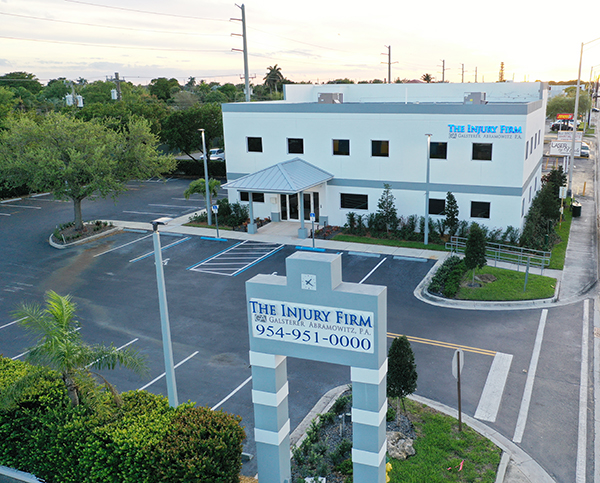
Fort Lauderdale (Primary Office)
1608 East Commercial Blvd.
Ft. Lauderdale, FL 33334
Phone: (954) 951-0000
Fax: (954) 951-1000
Toll-Free: 833-332-1333
Email: records@flinjuryfirm.com
CONTACT US NOW
FREE CONSULTATION


THE INJURY FIRM
1608 East Commercial Blvd.
Ft. Lauderdale, FL 33334
Phone (954) 951-0000
Fax: (954) 951-1000
Click Here To Send Email
WEST PALM BEACH
2536 Okeechobee Blvd.
West Palm Beach, FL 33409
ORLANDO
4495 S. Semoran Blvd.
Orlando, FL 32822
Phone (407) 444-0000
Fax: (407) 402-1111
Click Here To Send Email
CAR ACCIDENT
Medical Negligence Lawyer Florida
Quick Answer
If you or a loved one were harmed by a doctor, hospital, nurse, or healthcare provider in Fort Lauderdale or anywhere in Florida, you may have the right to pursue compensation. A medical negligence lawyer helps patients recover damages for misdiagnosis, surgical errors, birth injuries, delayed treatment, medication mistakes, and other preventable medical harm.
The Injury Firm helps victims of medical negligence across Fort Lauderdale, West Palm Beach, Orlando, and throughout Florida protect their rights and pursue accountability.
What Is Medical Negligence?
Medical negligence happens when a doctor, hospital, nurse, surgeon, or healthcare provider fails to meet the accepted standard of medical care and causes injury to a patient.
This may include:
- Surgical errors
- Misdiagnosis
- Delayed diagnosis
- Birth injuries
- Emergency room negligence
- Medication errors
- Anesthesia mistakes
- ICU negligence
- Hospital negligence
- Nursing home negligence
- Failure to diagnose serious illness
- Wrongful death caused by medical malpractice
The goal of a medical negligence claim is to recover compensation for:
- Additional medical treatment
- Corrective surgeries
- Long-term rehabilitation
- Lost wages
- Future medical care
- Pain and suffering
- Permanent disability
- Wrongful death damages
Medical Negligence Lawyers in Fort Lauderdale, Florida
Patients trust medical professionals to provide safe and competent care. When that trust is broken by preventable mistakes, the consequences can be devastating. Across Fort Lauderdale, Broward County, and throughout Florida, medical negligence cases often involve life-changing injuries, worsening health conditions, and avoidable loss of life.
Whether the issue involves a surgical error, delayed diagnosis, birth injury, or hospital negligence, taking action quickly can make a major difference in both recovery and legal outcomes.
The Injury Firm helps victims and families pursue accountability and compensation after serious medical mistakes.
Who This Page Is For
This page is for:
- Patients injured by preventable medical errors
- Families affected by hospital negligence
- Parents dealing with birth injury cases
- Individuals harmed by delayed diagnosis or misdiagnosis
- Nursing home abuse and neglect victims
- Families pursuing wrongful death claims
- People facing denied or delayed insurance claims
If a healthcare provider’s mistake caused serious harm, legal guidance may be critical.
How Medical Negligence Claims Connect to Personal Injury Law
Medical negligence claims are a major area of personal injury law because they involve negligence that causes physical, emotional, and financial harm.
Negligence means a provider failed to deliver the accepted standard of care expected under the circumstances.
Examples include:
- Performing surgery incorrectly
- Failing to diagnose cancer
- Delaying emergency treatment
- Prescribing the wrong medication
- Birth injuries caused during delivery
- ICU monitoring failures
- Nursing home neglect
These claims also connect to:
- Wrongful death claims
- Catastrophic injury cases
- Long-term disability claims
- Insurance disputes
- Future care planning
A strong medical negligence case requires proving:
- Duty of care
- Breach of the medical standard of care
- Causation
- Damages
These cases often overlap with broader personal injury representation under the Practice Areas page.
Related pages include:
Can I Sue for Medical Negligence?
Short Answer
Yes—if a healthcare provider’s negligence caused injury, worsening illness, or death, you may have the right to file a claim.
Expanded Explanation
You may have a claim against:
- Doctors
- Surgeons
- Hospitals
- Emergency room staff
- Nurses
- Anesthesiologists
- Nursing homes
- Medical specialists
- Healthcare facilities
Important evidence may include:
- Medical records
- Diagnostic reports
- Surgical notes
- Expert medical testimony
- Treatment timelines
- Hospital policies
- Witness statements
These cases often require strong expert review from the beginning.
Do I Need a Lawyer for a Medical Malpractice Case?
Short Answer
In most cases, yes.
Expanded Explanation
You should strongly consider legal help when:
- A major surgery went wrong
- A diagnosis was missed or delayed
- A loved one died unexpectedly
- A child suffered a birth injury
- Permanent disability resulted
- A hospital is denying responsibility
- Insurance companies are minimizing damages
Medical negligence cases are highly technical and aggressively defended.
What Is My Medical Negligence Case Worth?
Short Answer
Case value depends on the severity of the injury, future medical needs, long-term impact, and the strength of liability evidence.
Factors That Affect Value
- Additional surgeries and treatment
- Future medical care
- Lost wages and earning capacity
- Permanent disability
- Pain and suffering
- Emotional trauma
- Wrongful death damages
- Expert medical opinions
- Insurance coverage
Medical malpractice claims are often worth significantly more than early settlement offers suggest.
Scenario Modeling
Scenario 1: Liability Denied
Situation: A patient suffers serious complications after surgery.
Problem: The hospital claims the outcome was a known medical risk, not negligence.
Outcome: An attorney works with medical experts to prove the standard of care was violated and establish liability.
Scenario 2: Low Settlement Offer
Situation: A delayed cancer diagnosis causes the need for aggressive treatment.
Problem: The insurer offers a quick settlement before full damages are understood.
Outcome: Legal representation helps calculate future medical costs and long-term financial harm before negotiation.
Scenario 3: Delayed Claim
Situation: A birth injury claim remains unresolved for months.
Problem: The family faces growing medical bills and uncertainty.
Outcome: Aggressive legal action often forces progress and improves settlement value.
Insurance Company Tactics
Hospitals, healthcare providers, and malpractice insurers often fight these claims aggressively.
Denying Liability
They may argue the injury was unavoidable, the provider followed proper procedures, or another medical condition caused the harm.
Blaming the Patient
They may claim delayed treatment happened because the patient failed to follow instructions.
Delaying Claims
Delays increase pressure and may force families toward smaller settlements.
Low Settlement Offers
Early offers often ignore future treatment, disability, and long-term damages.
Never assume the first offer reflects the full value of your claim.
Florida Legal Layer
Statute of Limitations
Florida medical negligence claims have strict filing deadlines, and malpractice rules can be more complex than standard injury cases.
Comparative Negligence
In some cases, insurers may argue the patient contributed to the outcome, which can affect recovery.
Liability Rules
Liability depends heavily on expert medical testimony proving the accepted standard of care was violated.
These cases require strong documentation and early investigation.
Risk of Waiting
Waiting too long can seriously damage a medical negligence case.
- Lost medical records
- Missing expert review opportunities
- Delayed witness statements
- Reduced legal leverage
- Insurance claim delays
- Expired filing deadlines
Early legal action protects evidence and strengthens the claim.
When to Get Help
You should get legal help when:
- A doctor or hospital caused serious harm
- Surgery resulted in avoidable injury
- A diagnosis was missed or delayed
- A birth injury affected your child
- A loved one died from medical negligence
- You received a low settlement offer
Risks of Accepting a Low Settlement
Once a settlement is signed, future compensation is usually unavailable.
That means future surgeries, long-term care, and financial losses may become your responsibility.
Legal Process
- Free Consultation
Review medical treatment, injuries, and potential negligence. - Investigation
Gather records, expert reviews, and proof of damages. - Claim Filing
Pursue compensation from providers, facilities, and insurers. - Negotiation
Challenge low offers and defense tactics. - Litigation
If necessary, file suit and prepare aggressively for trial.
Medical negligence cases require trial-ready strategy from day one.
Case Timeline
Some claims resolve within months, but complex malpractice cases often take much longer.
Timing depends on:
- Expert medical review
- Severity of injuries
- Future treatment planning
- Liability disputes
- Insurance defense tactics
- Litigation requirements
The goal is full compensation— not the fastest settlement.
Frequently Asked Questions
How much does a medical negligence lawyer cost?
Most medical negligence lawyers work on contingency, meaning there are no upfront legal fees unless compensation is recovered.
What is the difference between medical negligence and medical malpractice?
They are often used interchangeably, but both refer to healthcare providers causing harm by failing to meet accepted standards of care.
How long do I have to file a medical negligence claim?
Florida deadlines can be strict and complex, so early legal review is critical.
Do I need expert testimony?
In most medical negligence cases, yes. Expert medical review is usually essential to prove the case.
Can I sue a hospital for negligence?
Yes. Hospitals, staff, and healthcare systems may all be liable depending on the facts.
What if negligence caused death?
Surviving family members may be able to pursue a wrongful death claim.
Contact The Injury Firm Today
If you or a loved one suffered harm because of medical negligence in Fort Lauderdale, West Palm Beach, Orlando, or anywhere in Florida, do not let hospitals and insurers control the outcome of your case.
The Injury Firm helps clients recover compensation for medical expenses, lost income, corrective treatment, long-term care, pain and suffering, and life-changing financial losses caused by negligence.
There are no upfront fees, and consultations are free.
Fort Lauderdale (Primary Office)
1608 East Commercial Blvd.
Ft. Lauderdale, FL 33334
Phone: (954) 951-0000
Fax: (954) 951-1000
Toll-Free: 833-332-1333
Email: records@flinjuryfirm.com