
PERSONAL INJURY ACCIDENTS AT RESTAURANTS
PRACTICE AREA - SLIP AND FALL ACCIDENTS
SLIP AND FALL PERSONAL INJURY
PRACTICE AREA - WORKERS' COMPENSATION
Farmers Market Slip and Fall in Florida | What to Do Next
Slip and Fall Injury at a Farmers Market in Florida – What Are My Legal Options?
This page is for people who were hurt while walking, shopping, or working at a farmers market in Florida and are now wondering what to do next. It explains how slip and fall and trip and fall claims work in open‑air markets, how workers’ compensation can apply, and how The Injury Firm helps protect your rights if you were injured.
Skip to Farmers Market Slip and Fall Answers
- What should I do right after a slip and fall at a farmers market in Florida?
- Who can be held responsible for a slip and fall at a farmers market?
- How do I prove negligence when I fall at a farmers market in Florida?
- What hazards commonly cause slip and fall injuries at farmers markets?
- Am I covered by workers’ compensation if I am injured as a farmers market worker in Florida?
- Can I still receive workers’ compensation if the market or insurer says the fall was my fault?
- Can I bring both a workers’ compensation claim and a separate claim against another company after a farmers market accident?
- What medical bills and lost wages can I recover after a farmers market slip and fall in Florida?
- How long do I have to file a farmers market slip and fall claim in Florida?
- What should I do if the farmers market’s insurance company delays or denies my claim?
- How does workers’ compensation work under Florida Statutes Chapter 440 for farmers market employees and vendors?
- What evidence should I gather right after I am hurt at a farmers market?
- Do OSHA or other safety rules matter in farmers market slip and fall cases?
- What realistic farmers market slip and fall scenarios happen in Florida?
- How does The Injury Firm help after a slip and fall at a farmers market in Florida?
- Frequently asked questions about farmers market slip and fall accidents in Florida
What should I do right after a slip and fall at a farmers market in Florida?
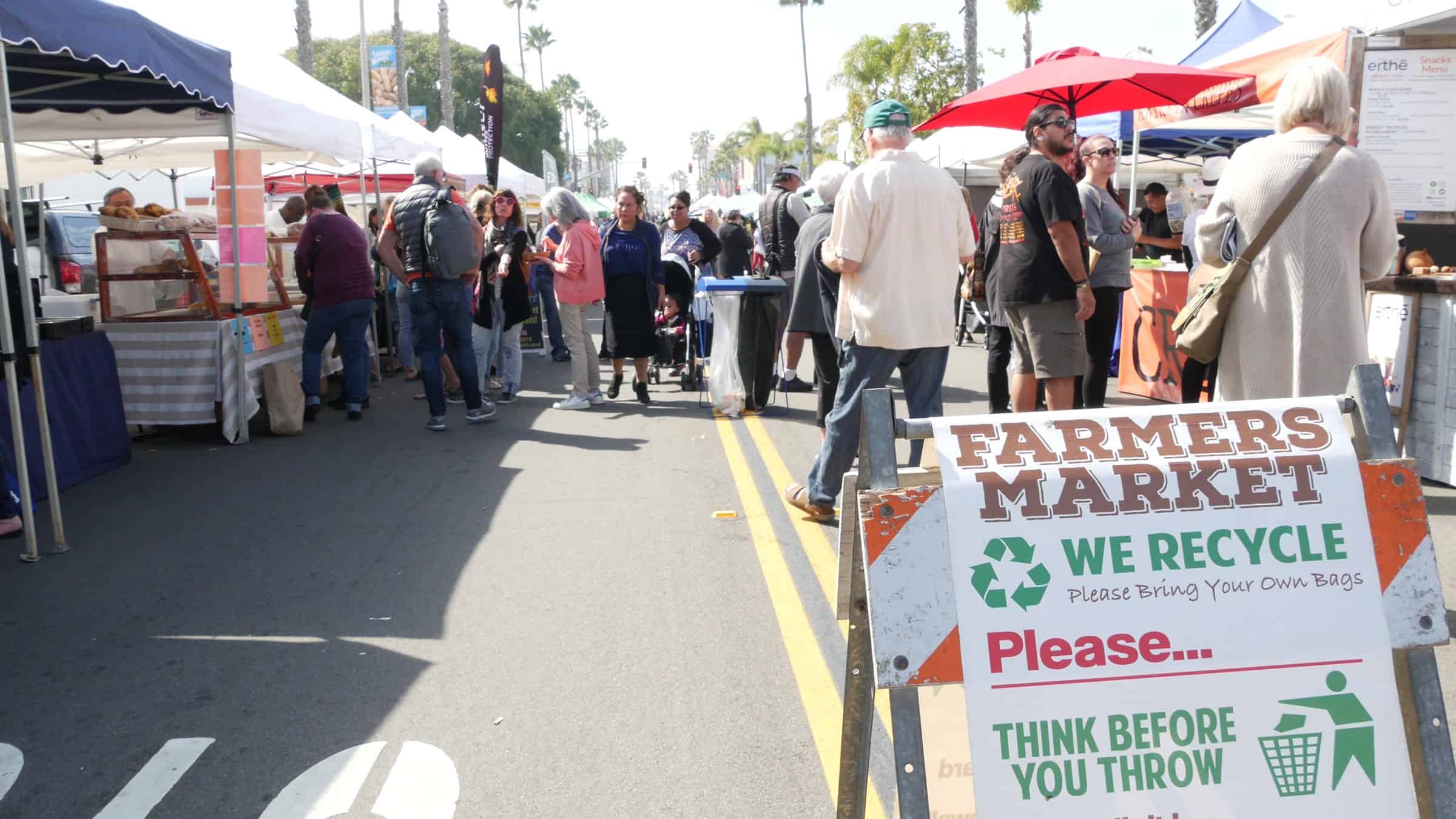
If you fall at a farmers market, take a moment to see if you can safely stand or if you should stay where you are and ask someone to call for help. Report the incident to whoever is in charge on site, such as the market manager, event coordinator, or security, and ask for their name and contact information.
If you can move safely, take photos of the exact spot where you fell, including any spilled produce, wet areas from misting systems, broken pavement, cords, or uneven mats. The takeaway is that early documentation of the scene and of who you spoke with creates a clear record that can later support an insurance or legal claim.
Who can be held responsible for a slip and fall at a farmers market?
Responsibility at a farmers market can be more complex than in a traditional store. There may be a property owner, a market operator, individual vendors, and possibly a city or county involved if the event is on public land.
Depending on how the market is set up, the liable party could be the landlord who failed to maintain walkways, the market organizer who did not enforce safety policies, or a specific vendor whose booth created a tripping hazard. The takeaway is that identifying who controlled the area where you were hurt is a key first step in figuring out who may owe you compensation.
How do I prove negligence when I fall at a farmers market in Florida?
To show negligence, you usually need to prove that a dangerous condition existed, that one or more responsible parties knew or should have known about it, and that they failed to fix it or warn visitors in a reasonable time. At farmers markets, that can mean showing that a hazard was present through multiple market hours or that repeated complaints were ignored.
Useful evidence includes time‑stamped photos, statements from other shoppers or vendors who saw the hazard earlier, written market rules, and any inspection or incident logs used by the organizer. For a deeper overview of how Florida slip and fall law works, visitors can review your main guide on premises liability in large and public venues at Slip and Fall Accidents: A Comprehensive Guide to Understanding and Navigating the Legal Landscape. The takeaway is that proving negligence is about demonstrating that reasonable safety steps were not taken even though the risk should have been obvious.
What hazards commonly cause slip and fall injuries at farmers markets?
Farmers markets mix outdoor and indoor conditions, so hazards can include wet grass, muddy paths after rain, and uneven ground where tents or tables are set up. Inside covered markets or parking lots, common dangers include squashed fruit and vegetables on the ground, leaky coolers, loose electrical cords, or curled entry mats.
Crowded walkways, tight spaces between booths, and temporary signage can also block sight lines and make it harder to notice dangers at your feet. The takeaway is that the combination of weather, temporary setups, and high foot traffic makes careful layout and cleanup essential at any Florida farmers market.
Am I covered by workers’ compensation if I am injured as a farmers market worker in Florida?
Whether workers’ compensation applies depends on your role. If you are an employee of the market operator, a farm, or a vendor and you are hurt while doing your job, workers’ compensation coverage may apply under Florida law, including provisions in Florida Statutes Chapter 440.
If you are an independent contractor or a small vendor without employees, coverage may be different and other types of insurance or claims might be involved. For a broader overview of these benefits, your main page Understanding Workers’ Compensation: A Comprehensive Guide for Florida Workers can give helpful background. The takeaway is that market staff and vendor employees often have workers’ compensation rights, but independent sellers may need to explore different legal options.
Can I still receive workers’ compensation if the market or insurer says the fall was my fault?
In many situations, yes. Florida’s workers’ compensation system is largely no‑fault, which means you do not have to prove that your employer did something wrong, and benefits can be available even if they argue you were not paying attention or were moving too fast.
Benefits may be reduced or denied if drugs, alcohol, or intentional misconduct are involved, but ordinary human mistakes usually do not cancel your claim. The takeaway is that fault arguments from an employer or insurer do not automatically eliminate your workers’ compensation protections.
Can I bring both a workers’ compensation claim and a separate claim against another company after a farmers market accident?
It is possible to have more than one claim arising from the same incident. For example, if you are employed by a vendor and trip over an extension cord run by the market’s sound contractor, you may have a workers’ compensation claim through your employer and a separate personal injury claim against the contractor.
Similarly, a shopper who is hurt might bring a claim against the property owner for defective pavement and against a vendor whose booth layout blocked a safe walking path. The takeaway is that when multiple parties share control over the market setup, there may be multiple insurance policies that can help cover your losses.
What medical bills and lost wages can I recover after a farmers market slip and fall in Florida?
If you were visiting the market as a customer, a successful claim can help pay for emergency room visits, urgent care, follow‑up appointments, imaging like X‑rays or MRIs, physical therapy, and prescription medications. You may also seek compensation for lost wages, reduced earning capacity, and pain and suffering caused by your injuries.
If you were working at the market and covered by workers’ compensation, that system can pay for authorized medical treatment and a portion of your lost income if you cannot work or must work fewer hours or in a lighter‑duty role. The takeaway is that both visitors and workers can often recover money tied to their medical needs and time away from work, though the legal route is different.
How long do I have to file a farmers market slip and fall claim in Florida?
Florida has strict deadlines known as statutes of limitations for filing personal injury lawsuits, and workers’ compensation has separate, shorter deadlines for reporting injuries and pursuing benefits. These time limits can vary based on factors such as whether a government entity is involved or the injured person is a minor.
Missing a deadline can prevent you from recovering compensation, even if your injuries are serious and the other side was clearly at fault. The takeaway is that speaking with a lawyer soon after a farmers market injury helps protect your right to bring a claim before time runs out.
What should I do if the farmers market’s insurance company delays or denies my claim?
Insurers may question how the fall happened, claim there is not enough proof of a hazard, or argue that your injuries are unrelated or pre‑existing. If your claim is delayed or denied, you can push back by gathering additional documentation and having an attorney review the file and the reasons given.
A lawyer can help request incident reports, emails, and inspection records from the market, obtain medical opinions, and file the appropriate legal documents in court or with the workers’ compensation authorities if needed. The takeaway is that a denial is often just the beginning of a more detailed review, not the final word.
How does workers’ compensation work under Florida Statutes Chapter 440 for farmers market employees and vendors?
Under Florida Statutes Chapter 440, covered employers must provide workers’ compensation benefits for employees injured in the course and scope of their jobs. For farmers market employees and vendor staff, that can include injuries from lifting crates, setting up tents, moving coolers, or walking between booths.
To preserve your rights, you typically need to report the injury to your employer as soon as possible, follow their instructions about seeing an authorized doctor, and cooperate with recommended treatment. The takeaway is that following the Chapter 440 process carefully can help you receive medical care and wage benefits without long gaps or disputes.
What evidence should I gather right after I am hurt at a farmers market?
Try to collect:
- Photos of the exact hazard, such as spilled produce, puddles from melting ice, torn mats, broken concrete, cords, or stakes in the walkway.
- Wider shots showing where the hazard sits in relation to booths, tables, and entrances.
- Contact information for witnesses, nearby vendors, and the market manager or organizer.
Keep copies of any incident report, wristband or ticket, and your receipts or parking stubs showing you were on site. The takeaway is that detailed, time‑stamped evidence from the day of the accident makes it much harder for an insurer to argue that conditions were safe.
Do OSHA or other safety rules matter in farmers market slip and fall cases?
Certain safety rules and industry guidelines can apply even to temporary markets. OSHA standards, local fire codes, and municipal event permits may all say something about clear exits, cord management, load limits for structures, and safe walking surfaces.
While violating a rule does not automatically guarantee you win, it can be strong evidence that those in charge did not meet basic safety expectations. The takeaway is that safety standards help show what a reasonably careful market or vendor should have done to protect visitors and workers.
Realistic farmers market slip and fall scenarios in Florida
| Scenario | What Happened | How Coverage and Claims Worked |
|---|---|---|
| Wet Produce Aisle – Downtown Weekend Market | At a Saturday market in downtown Fort Lauderdale, vendors spray water over leafy greens and herbs throughout the morning. Runoff from one produce stand flows downhill along a slightly sloped walkway, creating a slick strip in front of neighboring booths, and a shopper carrying a reusable bag slips and falls on an elbow and hip. | Vendors confirm they warned the organizer earlier about the runoff. Photos of the slope, drainage pattern, and soaked concrete support a premises claim against the organizer and property owner for failing to manage a recurring water hazard. |
| Uneven Pavers – Coastal Farmers Market | At a coastal market near Palm Beach County, booths are set up on an older brick‑paver plaza where tree roots have pushed some pavers up and others down, creating small height differences. A visitor looking at a crafts display catches a toe on a raised edge and falls forward, fracturing a wrist while trying to break the fall. | City records show prior complaints and a delayed repair project. The injured visitor pursues a claim focused on the property owner’s notice of the tripping hazard and failure to repair or block off the area. |
| Vendor Employee Fall – Tent Breakdown | A vendor’s employee at an Orlando‑area market is helping tear down a canopy at closing time. Stepping backward, their heel catches in a loose tent stake and guy line that extends into the shared aisle, causing a backward fall and head and shoulder injuries. | Workers’ compensation through the vendor’s policy covers medical care and partial wage replacement. A separate investigation examines whether market layout rules adequately limited where stakes and lines could extend. |
The takeaway is that recurring water use, uneven surfaces, and poorly controlled setup or breakdown activities can all create serious hazards for both shoppers and workers at Florida farmers markets.
How does The Injury Firm help after a slip and fall at a farmers market in Florida?
The Injury Firm represents people across Florida who are injured at farmers markets and similar open‑air events, from local neighborhood markets to larger regional gatherings. With offices in Fort Lauderdale, West Palm Beach, and Orlando and licenses in multiple states, the firm is equipped to handle cases that involve complex ownership structures, out‑of‑state vendors, and multiple insurance carriers.
The team offers free consultations 24/7, works on a no‑fee‑unless‑recovery basis, and has recovered millions of dollars for people hurt in falls and other accidents. If you were injured at a farmers market, you can call 954‑951‑0000, email records@flinjuryfirm.com, or reach out through the firm’s online contact form to get specific guidance on your next steps. The takeaway is that early legal help can relieve pressure, preserve key evidence, and give you a clearer path toward financial recovery while you focus on healing.
Frequently asked questions about farmers market slip and fall accidents in Florida
Do I have a case if I slipped but did not fall all the way down?
You can still have a claim even if you managed to catch yourself, as long as you were injured and negligence contributed to what happened. Soft‑tissue damage, ligament tears, and back or neck problems can develop from sudden, jarring movements during a near‑fall.
Should I talk to the market’s insurance adjuster before I speak with a lawyer?
You are not required to give a recorded statement, and doing so before you understand your rights can lead you to say things that later get used to minimize your claim. Many people prefer to get legal advice first so future conversations with insurers are handled carefully.
What if I did not notice the hazard before I stepped on it?
Many hazards at farmers markets are hard to see, like clear water on concrete, crushed grapes, or small height changes in pavers. Your case does not fail just because you did not see the danger; what matters is whether those in charge acted reasonably in finding, fixing, or marking it.
Can I bring a claim if I was wearing sandals or flip‑flops?
Footwear is something insurers may point to, but in Florida’s climate, sandals are common and expected. The law still requires markets and vendors to keep reasonably safe walking conditions for typical visitors.
How long will the market or property owner keep security video from the day I fell?
Retention policies vary, and some cameras may overwrite footage within days or weeks. Acting quickly to request preservation of any video that covers the area where you fell improves the chance that it will still be available.
What if I already had back or knee problems before the fall?
Pre‑existing conditions do not automatically prevent recovery. The key question is whether the farmers market incident aggravated your prior condition or caused new injuries that now require additional treatment or change your daily life.
Will filing a claim increase prices or get employees or vendors in trouble?
Your claim is directed at businesses and insurers, not at individual workers trying to do their jobs. The goal is to make sure you are not left paying out of pocket for injuries linked to unsafe conditions.
How much information should I give the market at the time of the fall?
Provide accurate basic facts about where you fell, what you slipped or tripped on, and what hurts, but avoid guessing or minimizing your pain. You can add detail later after you have seen a doctor and had time to understand your injuries.
Can I handle a farmers market slip and fall claim on my own?
Some minor injury claims may be resolved without a lawyer, but when injuries are significant, multiple parties may be responsible, or workers’ compensation is involved, the issues can become complex. Speaking with an attorney helps you understand the likely value of your claim and the steps needed to protect it.
How do I start the process with The Injury Firm?
You can call the office, send an email, or complete a short contact form online. A team member will ask about how the injury happened, what treatment you have received so far, and your work situation, then explain what options you have for moving forward.
SLIP AND FALL ACCIDENTS IN LARGE STORES
CONTACT US NOW
FREE CONSULTATION


Farmers Market Slip and Fall in Florida | What to Do Next
Slip and Fall Injury at a Farmers Market in Florida – What Are My Legal Options?
This page is for people who were hurt while walking, shopping, or working at a farmers market in Florida and are now wondering what to do next. It explains how slip and fall and trip and fall claims work in open‑air markets, how workers’ compensation can apply, and how The Injury Firm helps protect your rights if you were injured.
Skip to Farmers Market Slip and Fall Answers
- What should I do right after a slip and fall at a farmers market in Florida?
- Who can be held responsible for a slip and fall at a farmers market?
- How do I prove negligence when I fall at a farmers market in Florida?
- What hazards commonly cause slip and fall injuries at farmers markets?
- Am I covered by workers’ compensation if I am injured as a farmers market worker in Florida?
- Can I still receive workers’ compensation if the market or insurer says the fall was my fault?
- Can I bring both a workers’ compensation claim and a separate claim against another company after a farmers market accident?
- What medical bills and lost wages can I recover after a farmers market slip and fall in Florida?
- How long do I have to file a farmers market slip and fall claim in Florida?
- What should I do if the farmers market’s insurance company delays or denies my claim?
- How does workers’ compensation work under Florida Statutes Chapter 440 for farmers market employees and vendors?
- What evidence should I gather right after I am hurt at a farmers market?
- Do OSHA or other safety rules matter in farmers market slip and fall cases?
- What realistic farmers market slip and fall scenarios happen in Florida?
- How does The Injury Firm help after a slip and fall at a farmers market in Florida?
- Frequently asked questions about farmers market slip and fall accidents in Florida
What should I do right after a slip and fall at a farmers market in Florida?
If you fall at a farmers market, take a moment to see if you can safely stand or if you should stay where you are and ask someone to call for help. Report the incident to whoever is in charge on site, such as the market manager, event coordinator, or security, and ask for their name and contact information.
If you can move safely, take photos of the exact spot where you fell, including any spilled produce, wet areas from misting systems, broken pavement, cords, or uneven mats. The takeaway is that early documentation of the scene and of who you spoke with creates a clear record that can later support an insurance or legal claim.
Who can be held responsible for a slip and fall at a farmers market?
Responsibility at a farmers market can be more complex than in a traditional store. There may be a property owner, a market operator, individual vendors, and possibly a city or county involved if the event is on public land.
Depending on how the market is set up, the liable party could be the landlord who failed to maintain walkways, the market organizer who did not enforce safety policies, or a specific vendor whose booth created a tripping hazard. The takeaway is that identifying who controlled the area where you were hurt is a key first step in figuring out who may owe you compensation.
How do I prove negligence when I fall at a farmers market in Florida?
To show negligence, you usually need to prove that a dangerous condition existed, that one or more responsible parties knew or should have known about it, and that they failed to fix it or warn visitors in a reasonable time. At farmers markets, that can mean showing that a hazard was present through multiple market hours or that repeated complaints were ignored.
Useful evidence includes time‑stamped photos, statements from other shoppers or vendors who saw the hazard earlier, written market rules, and any inspection or incident logs used by the organizer. For a deeper overview of how Florida slip and fall law works, visitors can review your main guide on premises liability in large and public venues at Slip and Fall Accidents: A Comprehensive Guide to Understanding and Navigating the Legal Landscape. The takeaway is that proving negligence is about demonstrating that reasonable safety steps were not taken even though the risk should have been obvious.
What hazards commonly cause slip and fall injuries at farmers markets?
Farmers markets mix outdoor and indoor conditions, so hazards can include wet grass, muddy paths after rain, and uneven ground where tents or tables are set up. Inside covered markets or parking lots, common dangers include squashed fruit and vegetables on the ground, leaky coolers, loose electrical cords, or curled entry mats.
Crowded walkways, tight spaces between booths, and temporary signage can also block sight lines and make it harder to notice dangers at your feet. The takeaway is that the combination of weather, temporary setups, and high foot traffic makes careful layout and cleanup essential at any Florida farmers market.
Am I covered by workers’ compensation if I am injured as a farmers market worker in Florida?
Whether workers’ compensation applies depends on your role. If you are an employee of the market operator, a farm, or a vendor and you are hurt while doing your job, workers’ compensation coverage may apply under Florida law, including provisions in Florida Statutes Chapter 440.
If you are an independent contractor or a small vendor without employees, coverage may be different and other types of insurance or claims might be involved. For a broader overview of these benefits, your main page Understanding Workers’ Compensation: A Comprehensive Guide for Florida Workers can give helpful background. The takeaway is that market staff and vendor employees often have workers’ compensation rights, but independent sellers may need to explore different legal options.
Can I still receive workers’ compensation if the market or insurer says the fall was my fault?
In many situations, yes. Florida’s workers’ compensation system is largely no‑fault, which means you do not have to prove that your employer did something wrong, and benefits can be available even if they argue you were not paying attention or were moving too fast.
Benefits may be reduced or denied if drugs, alcohol, or intentional misconduct are involved, but ordinary human mistakes usually do not cancel your claim. The takeaway is that fault arguments from an employer or insurer do not automatically eliminate your workers’ compensation protections.
Can I bring both a workers’ compensation claim and a separate claim against another company after a farmers market accident?
It is possible to have more than one claim arising from the same incident. For example, if you are employed by a vendor and trip over an extension cord run by the market’s sound contractor, you may have a workers’ compensation claim through your employer and a separate personal injury claim against the contractor.
Similarly, a shopper who is hurt might bring a claim against the property owner for defective pavement and against a vendor whose booth layout blocked a safe walking path. The takeaway is that when multiple parties share control over the market setup, there may be multiple insurance policies that can help cover your losses.
What medical bills and lost wages can I recover after a farmers market slip and fall in Florida?
If you were visiting the market as a customer, a successful claim can help pay for emergency room visits, urgent care, follow‑up appointments, imaging like X‑rays or MRIs, physical therapy, and prescription medications. You may also seek compensation for lost wages, reduced earning capacity, and pain and suffering caused by your injuries.
If you were working at the market and covered by workers’ compensation, that system can pay for authorized medical treatment and a portion of your lost income if you cannot work or must work fewer hours or in a lighter‑duty role. The takeaway is that both visitors and workers can often recover money tied to their medical needs and time away from work, though the legal route is different.
How long do I have to file a farmers market slip and fall claim in Florida?
Florida has strict deadlines known as statutes of limitations for filing personal injury lawsuits, and workers’ compensation has separate, shorter deadlines for reporting injuries and pursuing benefits. These time limits can vary based on factors such as whether a government entity is involved or the injured person is a minor.
Missing a deadline can prevent you from recovering compensation, even if your injuries are serious and the other side was clearly at fault. The takeaway is that speaking with a lawyer soon after a farmers market injury helps protect your right to bring a claim before time runs out.
What should I do if the farmers market’s insurance company delays or denies my claim?
Insurers may question how the fall happened, claim there is not enough proof of a hazard, or argue that your injuries are unrelated or pre‑existing. If your claim is delayed or denied, you can push back by gathering additional documentation and having an attorney review the file and the reasons given.
A lawyer can help request incident reports, emails, and inspection records from the market, obtain medical opinions, and file the appropriate legal documents in court or with the workers’ compensation authorities if needed. The takeaway is that a denial is often just the beginning of a more detailed review, not the final word.
How does workers’ compensation work under Florida Statutes Chapter 440 for farmers market employees and vendors?
Under Florida Statutes Chapter 440, covered employers must provide workers’ compensation benefits for employees injured in the course and scope of their jobs. For farmers market employees and vendor staff, that can include injuries from lifting crates, setting up tents, moving coolers, or walking between booths.
To preserve your rights, you typically need to report the injury to your employer as soon as possible, follow their instructions about seeing an authorized doctor, and cooperate with recommended treatment. The takeaway is that following the Chapter 440 process carefully can help you receive medical care and wage benefits without long gaps or disputes.
What evidence should I gather right after I am hurt at a farmers market?
Try to collect:
- Photos of the exact hazard, such as spilled produce, puddles from melting ice, torn mats, broken concrete, cords, or stakes in the walkway.
- Wider shots showing where the hazard sits in relation to booths, tables, and entrances.
- Contact information for witnesses, nearby vendors, and the market manager or organizer.
Keep copies of any incident report, wristband or ticket, and your receipts or parking stubs showing you were on site. The takeaway is that detailed, time‑stamped evidence from the day of the accident makes it much harder for an insurer to argue that conditions were safe.
Do OSHA or other safety rules matter in farmers market slip and fall cases?
Certain safety rules and industry guidelines can apply even to temporary markets. OSHA standards, local fire codes, and municipal event permits may all say something about clear exits, cord management, load limits for structures, and safe walking surfaces.
While violating a rule does not automatically guarantee you win, it can be strong evidence that those in charge did not meet basic safety expectations. The takeaway is that safety standards help show what a reasonably careful market or vendor should have done to protect visitors and workers.
Realistic farmers market slip and fall scenarios in Florida
| Scenario | What Happened | How Coverage and Claims Worked |
|---|---|---|
| Wet Produce Aisle – Downtown Weekend Market | At a Saturday market in downtown Fort Lauderdale, vendors spray water over leafy greens and herbs throughout the morning. Runoff from one produce stand flows downhill along a slightly sloped walkway, creating a slick strip in front of neighboring booths, and a shopper carrying a reusable bag slips and falls on an elbow and hip. | Vendors confirm they warned the organizer earlier about the runoff. Photos of the slope, drainage pattern, and soaked concrete support a premises claim against the organizer and property owner for failing to manage a recurring water hazard. |
| Uneven Pavers – Coastal Farmers Market | At a coastal market near Palm Beach County, booths are set up on an older brick‑paver plaza where tree roots have pushed some pavers up and others down, creating small height differences. A visitor looking at a crafts display catches a toe on a raised edge and falls forward, fracturing a wrist while trying to break the fall. | City records show prior complaints and a delayed repair project. The injured visitor pursues a claim focused on the property owner’s notice of the tripping hazard and failure to repair or block off the area. |
| Vendor Employee Fall – Tent Breakdown | A vendor’s employee at an Orlando‑area market is helping tear down a canopy at closing time. Stepping backward, their heel catches in a loose tent stake and guy line that extends into the shared aisle, causing a backward fall and head and shoulder injuries. | Workers’ compensation through the vendor’s policy covers medical care and partial wage replacement. A separate investigation examines whether market layout rules adequately limited where stakes and lines could extend. |
The takeaway is that recurring water use, uneven surfaces, and poorly controlled setup or breakdown activities can all create serious hazards for both shoppers and workers at Florida farmers markets.
How does The Injury Firm help after a slip and fall at a farmers market in Florida?
The Injury Firm represents people across Florida who are injured at farmers markets and similar open‑air events, from local neighborhood markets to larger regional gatherings. With offices in Fort Lauderdale, West Palm Beach, and Orlando and licenses in multiple states, the firm is equipped to handle cases that involve complex ownership structures, out‑of‑state vendors, and multiple insurance carriers.
The team offers free consultations 24/7, works on a no‑fee‑unless‑recovery basis, and has recovered millions of dollars for people hurt in falls and other accidents. If you were injured at a farmers market, you can call 954‑951‑0000, email records@flinjuryfirm.com, or reach out through the firm’s online contact form to get specific guidance on your next steps. The takeaway is that early legal help can relieve pressure, preserve key evidence, and give you a clearer path toward financial recovery while you focus on healing.
Frequently asked questions about farmers market slip and fall accidents in Florida
Do I have a case if I slipped but did not fall all the way down?
You can still have a claim even if you managed to catch yourself, as long as you were injured and negligence contributed to what happened. Soft‑tissue damage, ligament tears, and back or neck problems can develop from sudden, jarring movements during a near‑fall.
Should I talk to the market’s insurance adjuster before I speak with a lawyer?
You are not required to give a recorded statement, and doing so before you understand your rights can lead you to say things that later get used to minimize your claim. Many people prefer to get legal advice first so future conversations with insurers are handled carefully.
What if I did not notice the hazard before I stepped on it?
Many hazards at farmers markets are hard to see, like clear water on concrete, crushed grapes, or small height changes in pavers. Your case does not fail just because you did not see the danger; what matters is whether those in charge acted reasonably in finding, fixing, or marking it.
Can I bring a claim if I was wearing sandals or flip‑flops?
Footwear is something insurers may point to, but in Florida’s climate, sandals are common and expected. The law still requires markets and vendors to keep reasonably safe walking conditions for typical visitors.
How long will the market or property owner keep security video from the day I fell?
Retention policies vary, and some cameras may overwrite footage within days or weeks. Acting quickly to request preservation of any video that covers the area where you fell improves the chance that it will still be available.
What if I already had back or knee problems before the fall?
Pre‑existing conditions do not automatically prevent recovery. The key question is whether the farmers market incident aggravated your prior condition or caused new injuries that now require additional treatment or change your daily life.
Will filing a claim increase prices or get employees or vendors in trouble?
Your claim is directed at businesses and insurers, not at individual workers trying to do their jobs. The goal is to make sure you are not left paying out of pocket for injuries linked to unsafe conditions.
How much information should I give the market at the time of the fall?
Provide accurate basic facts about where you fell, what you slipped or tripped on, and what hurts, but avoid guessing or minimizing your pain. You can add detail later after you have seen a doctor and had time to understand your injuries.
Can I handle a farmers market slip and fall claim on my own?
Some minor injury claims may be resolved without a lawyer, but when injuries are significant, multiple parties may be responsible, or workers’ compensation is involved, the issues can become complex. Speaking with an attorney helps you understand the likely value of your claim and the steps needed to protect it.
How do I start the process with The Injury Firm?
You can call the office, send an email, or complete a short contact form online. A team member will ask about how the injury happened, what treatment you have received so far, and your work situation, then explain what options you have for moving forward.
PRACTICE AREA - SLIP AND FALL IN LARGE STORES
CONTACT US NOW
FREE CONSULTATION