
PRACTICE AREA - CAR ACCIDENTS

Work Related Car Accidents
This article provides a detailed overview of work-related car accidents in Florida, covering employer and employee responsibilities, liability issues, insurance coverage, and legal options after a crash on company time. It explains how to handle accidents involving personal or company vehicles, what steps to take for injury claims or vehicle damage, and how to recover lost wages through workers’ compensation or other legal remedies. Ideal for employees and employers alike, this guide equips readers with the critical knowledge needed to navigate workplace car accident claims and protect their financial interests.
Sections in this Article:
Brief Overview of Work-Related Car Accidents
Is my Employer Responsible for Damage to my Vehicle?
Personal Vehicle Damaged at Work – Who is Responsible?
Work-Related Car Accidents: Who is Responsible?
What Happens if My Car Gets Damaged at Work?
Is My Employer Liable for Damage to My Car?
Can the Employer Make the Employee Pay for a Car Accident?
Car Accident in a Company Car – Who is Liable?
How to Recover Lost Wages Due to a Car Accident on Company Time?
Conclusion
Brief Overview of Work-Related Car Accidents
Work-related car accidents are incidents that occur while an employee is carrying out job-related tasks that involve driving. These accidents can happen for a variety of reasons, including commuting to and from work, making deliveries, attending off-site meetings, or running errands on behalf of the employer. They can result in damage to both the employee's personal vehicle and, in some cases, injuries to the employee and others involved.
Work-related car accidents can be complex situations with potentially serious consequences, both for the employees involved and for their employers. Understanding the key aspects of these accidents, including liability and responsibilities, is crucial for navigating the aftermath and ensuring fair outcomes.
Importance of Understanding Liability and Responsibilities
Understanding liability and responsibilities in the context of work-related car accidents is essential for several reasons:
- Legal Protection: Knowing your rights and responsibilities can protect you legally. It ensures that you are aware of your entitlements and can help you avoid legal complications in case of disputes.
- Financial Implications: Work-related car accidents can lead to significant financial burdens, including repair costs, medical bills, and lost wages. Understanding liability can help you determine who should bear these costs.
- Workplace Safety: Employers have a duty to ensure the safety of their employees during work-related activities, including driving. Understanding responsibilities can promote safer driving practices and reduce the risk of accidents.
- Insurance Claims: Navigating the insurance claims process can be challenging. Knowing who is responsible for what can streamline the process and increase the chances of receiving fair compensation.
- Employer-Employee Relations: Clear communication and understanding of liability can help maintain a positive relationship between employers and employees. It minimizes misunderstandings and potential conflicts.
- Compliance with Regulations: Different regions and industries may have specific regulations regarding work-related car accidents. Understanding these regulations helps ensure compliance and avoid penalties.
In this comprehensive guide, we will delve deeper into these topics to provide you with the knowledge and resources needed to navigate work-related car accidents effectively. We will explore the responsibilities of both employees and employers, the legal aspects, and the steps to take in case of an accident to protect your interests and rights.
Is my Employer Responsible for Damage to my Vehicle?
Explanation of Employer Responsibility

When it comes to work-related car accidents and damage to your personal vehicle, the responsibility of your employer depends on various factors. Employers typically have a responsibility to ensure a safe working environment, and this extends to situations involving employee vehicle use for work purposes. Here's a breakdown of the employer's responsibilities:
- Duty of Care: Employers have a legal obligation to take reasonable steps to ensure the safety and well-being of their employees during work-related activities, including driving. This duty of care extends to the condition of vehicles provided by the employer and may also apply to personal vehicles used for work tasks.
- Vehicle Maintenance: If your employer provides a vehicle for your work-related tasks, they are responsible for maintaining it in safe and roadworthy condition. This includes regular maintenance, inspections, and necessary repairs.
- Policies and Training: Employers should establish clear policies regarding vehicle use for work and provide adequate training to employees. These policies should cover safe driving practices, reporting procedures for accidents, and expectations for personal vehicle use during work hours.
- Insurance: Employers often maintain insurance coverage that extends to their employees while they are using company-owned or -leased vehicles. In some cases, this insurance may also cover accidents involving personal vehicles used for work purposes.
Determining Factors for Employer Liability
The extent of your employer's liability for damage to your personal vehicle depends on various factors, including:
- Job Duties: Whether the use of your personal vehicle is an essential part of your job duties or an occasional requirement can influence employer responsibility.
- Employer Policies: The presence and clarity of your employer's policies regarding the use of personal vehicles for work can be a significant factor. If they require or encourage the use of personal vehicles, they may assume more responsibility.
- Negligence: If the accident occurred due to negligence on the part of your employer, such as failing to maintain a company vehicle properly or requiring you to perform unsafe tasks, their liability may increase.
- Legal Jurisdiction: Laws regarding employer responsibility for work-related car accidents can vary by jurisdiction. Understanding local regulations is crucial in determining liability.
Legal Considerations and Rights of Employees
Employees involved in work-related car accidents have legal rights and options to consider:
- Workers' Compensation: In many cases, if you are injured in a work-related car accident, you may be eligible for workers' compensation benefits, which can cover medical expenses and lost wages.
- Insurance Claims: Your personal auto insurance policy may provide coverage for accidents that occur during work-related activities. Additionally, your employer's insurance may come into play, depending on the circumstances.
- Legal Action: If your employer's negligence or misconduct significantly contributed to the accident, you may have grounds for a personal injury lawsuit. Consulting with an attorney is advisable in such cases.
- Reporting and Documentation: It's essential to promptly report the accident to your employer and document all relevant details, including photos, witness statements, and medical records.
Understanding your rights and the legal implications of work-related car accidents is vital for protecting your interests and seeking appropriate compensation when needed. Consult with legal professionals or HR departments to clarify your specific situation and options.
Personal Vehicle Damaged at Work – Who is Responsible?
Discussing Scenarios of Personal Vehicle Use for Work
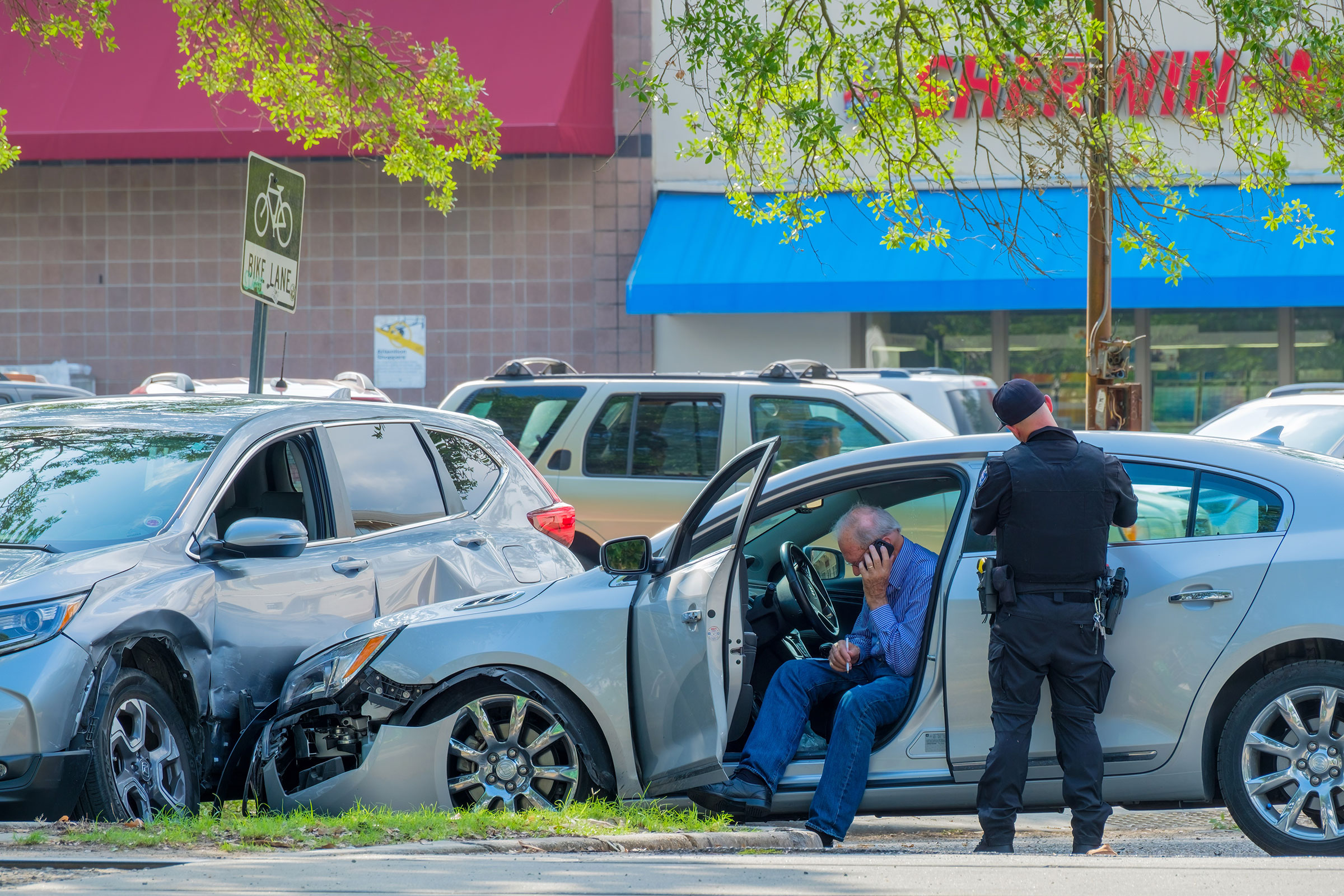
Personal vehicles are often used for work-related purposes in various scenarios. Understanding these scenarios can help determine the responsibility in case of vehicle damage:
- Commuting: When you're driving to and from your regular workplace, any damage to your personal vehicle during this commute is generally considered your responsibility. This is because commuting is usually not considered a job-related task.
- Business Errands: If your employer asks you to run business-related errands using your personal vehicle (e.g., picking up supplies or making deliveries), the responsibility for damage may vary based on specific circumstances.
- Job-Related Travel: If your job requires frequent travel, such as sales calls or client visits, and you use your personal vehicle for these trips, the responsibility may differ based on employer policies and legal considerations.
- Remote Work: With the rise of remote work, some employees may use their personal vehicles for occasional business meetings or work-related travel. The responsibility for vehicle damage in these situations may also depend on the circumstances.
Clarifying Responsibility When Using a Personal Vehicle for Work Purposes
Determining responsibility when using a personal vehicle for work purposes can be complex and depends on various factors:
- Employer Policies: Check your employer's policies regarding the use of personal vehicles for work. Some employers have specific guidelines on reimbursement, insurance coverage, and responsibilities for vehicle damage.
- Reimbursement: In many cases, employers provide mileage reimbursement or stipends to cover the costs associated with using a personal vehicle for work. This reimbursement may include wear and tear on the vehicle and can be an indicator of shared responsibility.
- Insurance Coverage: Your personal auto insurance policy may provide coverage for work-related vehicle use, but the extent of coverage can vary. Some insurers offer commercial coverage endorsements for employees who frequently use their personal vehicles for work.
- Negligence: If the accident occurred due to your employer's negligence, such as assigning unsafe tasks or failing to maintain company vehicles, they may share responsibility for the damage.
- Contractual Agreements: Employment contracts or agreements may outline the terms and responsibilities associated with using a personal vehicle for work. Review these documents for relevant clauses.
Employee's Rights and Options
Employees whose personal vehicles are damaged while performing work-related tasks have several rights and options:
- Insurance Claims: File a claim with your personal auto insurance provider. Notify them of the accident and inquire about coverage for work-related use. Additionally, if your employer's insurance covers such incidents, inform them as well.
- Reimbursement: If your employer provides mileage reimbursement or stipends for using your personal vehicle for work, ensure you receive the appropriate compensation for vehicle damage and related expenses.
- Legal Recourse: If your employer's negligence played a significant role in the accident, consult with an attorney to explore potential legal action to recover damages.
- Workers' Compensation: If you were injured in the accident, workers' compensation benefits may apply, covering medical expenses and lost wages. Be sure to report the accident to your employer promptly.
- Documentation: Keep thorough records of the accident, including photos, witness statements, and medical reports, to support any claims or legal actions.
It's essential to communicate with your employer, insurance providers, and, if necessary, legal professionals to clarify responsibility and seek appropriate compensation when your personal vehicle is damaged during work-related activities. Understanding your rights and options is crucial in such situations.
Work-Related Car Accidents: Who is Responsible?
Understanding the Concept of Liability in Work-Related Accidents
Liability in work-related car accidents refers to the legal responsibility or accountability for the consequences of the accident. This liability can be attributed to various parties involved, including employees, employers, and third parties. Understanding this concept is crucial for determining who bears responsibility for the accident and its associated costs. Here are key points to consider:
- Employee Liability: Employees are generally responsible for their actions while driving, including obeying traffic laws, avoiding distractions, and driving safely. In many cases, if an employee causes an accident due to their negligence, they may be personally liable for the damages.
- Employer Liability: Employers can be held liable for work-related car accidents under certain circumstances. This typically involves cases where the employer's actions or policies directly contributed to the accident, such as assigning unsafe tasks or failing to maintain company vehicles.
- Third-Party Liability: Sometimes, a third party, such as another driver or a manufacturer, may be responsible for the accident. Identifying third-party liability can be crucial in pursuing compensation beyond what's available through workers' compensation or personal auto insurance.
Role of Employee Behavior in Determining Responsibility
The behavior of the employee involved in the work-related car accident plays a significant role in determining responsibility:
- Negligence: If an employee's careless or reckless behavior leads to the accident, they may be held personally liable. Common examples include distracted driving, driving under the influence, or excessive speeding.
- Adherence to Company Policies: Employers often have policies and guidelines related to safe driving practices. Employees are expected to follow these policies, and failure to do so may result in shared liability if an accident occurs.
- Reporting Procedures: Promptly reporting accidents to the employer and cooperating with the investigation is crucial. Failure to report an accident promptly could affect an employee's rights and responsibilities.
Legal Aspects and Potential Consequences for Employers
Employers may face legal consequences and responsibilities in the aftermath of a work-related car accident:
- Workers' Compensation: If an employee is injured in a work-related car accident, they may be eligible for workers' compensation benefits, which the employer's insurance typically covers. Employers are generally obligated to provide workers' compensation coverage as required by law.
- Lawsuits: In cases where an employee believes the employer's negligence significantly contributed to the accident, they may pursue a personal injury lawsuit against the employer. Employers may be held liable for damages in such cases.
- Legal Obligations: Employers have legal obligations to maintain a safe work environment, which includes ensuring the safety of employees while driving for work purposes. Failure to meet these obligations can lead to legal consequences.
- Insurance Premiums: Frequent work-related car accidents involving employees can result in increased insurance premiums for the employer. This can have financial implications for the company.
- Reputation: The reputation of the employer may be affected if they are found to be responsible for accidents due to negligence or inadequate safety measures.
Understanding the legal aspects and potential consequences for employers in work-related car accidents is essential for both employees and employers. It emphasizes the importance of promoting safe driving practices, adhering to policies, and taking necessary precautions to prevent accidents and mitigate liability. Consulting with legal professionals may be necessary in complex cases to navigate the legal implications effectively.
What Happens if My Car Gets Damaged at Work?
Immediate Steps to Take After a Work-Related Car Accident
Work-related car accidents can be stressful and chaotic, but it's essential to take immediate steps to ensure your safety and protect your interests. Here are the critical actions to take immediately after a work-related car accident:
- Ensure Safety: First, check yourself and others involved in the accident for injuries. If there are injuries, call 911 or the appropriate emergency services immediately.
- Move to a Safe Location: If possible and safe to do so, move your vehicle to the side of the road or a safe area to avoid further accidents or traffic disruptions.
- Contact the Police: Regardless of the accident's severity, it's advisable to call the police to the scene. A police report can be essential for insurance claims and legal proceedings.
- Exchange Information: Exchange contact and insurance information with the other parties involved in the accident. Be sure to get names, phone numbers, license plate numbers, and insurance details.
- Gather Evidence: Document the accident scene by taking photos or videos of the vehicles, the accident site, and any visible damages. Also, gather contact information from witnesses who can provide statements.
Reporting Procedures and Documentation
Following the immediate steps, it's crucial to follow proper reporting procedures and document the accident thoroughly:
- Notify Your Employer: Inform your employer about the accident as soon as possible. Follow their reporting procedures and provide all relevant details, including the time, date, location, and circumstances of the accident.
- File a Police Report: If law enforcement was called to the scene, they will typically file a police report. Obtain a copy of this report, as it can be crucial for insurance claims and legal proceedings.
- Notify Your Insurance Company: Contact your auto insurance company promptly to report the accident. Provide them with the necessary information and cooperate with their investigation.
- Document Medical Treatment: If you or anyone else was injured, seek medical attention immediately. Keep records of all medical treatment, including doctor's notes, bills, and prescriptions.
- Maintain a Personal Accident File: Organize all documents related to the accident, such as police reports, insurance correspondence, medical records, and repair estimates. This will help streamline the claims process and provide evidence if needed.
Communicating with Your Employer and Insurance Company
Effective communication with your employer and insurance company is essential for resolving the aftermath of a work-related car accident:
- Inform Your Employer: Keep your employer updated on your condition and the progress of your recovery. Follow their instructions regarding work-related matters, such as medical evaluations or return-to-work procedures.
- Work with Your Insurance Company: Cooperate fully with your auto insurance company's investigation and claims process. Provide all requested information and documentation in a timely manner.
- Document All Communication: Keep records of all communications with your employer and insurance company, including dates, times, and the content of conversations. This documentation can be valuable if disputes arise.
- Understand Your Rights: Familiarize yourself with your rights under workers' compensation laws and your auto insurance policy. Seek legal advice if you believe your rights are not being upheld.
- Seek Legal Counsel: If your accident involves complex legal issues, disputes, or a potential lawsuit against your employer or another party, consult with an attorney experienced in personal injury or employment law.
Properly managing the aftermath of a work-related car accident involves taking immediate action, following reporting procedures, and communicating effectively with all relevant parties. Being proactive in documenting the accident and its consequences can help protect your interests and ensure a smoother resolution of the situation.
Is My Employer Liable for Damage to My Car?
Exploring the Employer's Liability Insurance
Understanding whether your employer is liable for damage to your car involves exploring the existence and coverage of the employer's liability insurance. Here are key points to consider:
- Employer Liability Insurance: Many employers carry commercial auto insurance or similar liability coverage to protect against potential accidents involving company-owned vehicles. This insurance typically covers damage to third parties involved in accidents with company vehicles.
- Extent of Coverage: Review your employer's liability insurance policy to determine if it includes coverage for accidents involving personal vehicles used for work-related tasks. Some policies may extend coverage to employees who use personal vehicles for work purposes.
- Policy Details: Pay close attention to the policy's terms and conditions, including coverage limits, deductibles, and any exclusions. Understanding the scope of coverage is essential for assessing your employer's liability.
- Reporting Procedures: If your personal vehicle is involved in a work-related accident, inquire with your employer about the procedures for reporting and filing claims under their liability insurance.
Establishing Negligence and Liability Factors
Determining whether your employer is liable for damage to your car may also involve establishing negligence and liability factors:
- Negligence: To hold your employer liable, you may need to demonstrate that their negligence or misconduct directly contributed to the accident. This could include issues such as assigning unsafe tasks, failing to maintain company vehicles, or requiring you to use a personal vehicle in an unsafe manner.
- Contractual Agreements: Examine any employment contracts, agreements, or written policies related to vehicle use for work. These documents may outline specific terms regarding employer liability in case of accidents.
- Legal Assistance: In complex cases, it may be necessary to consult with an attorney experienced in employment law or personal injury claims. They can help assess the legal aspects of your situation and determine the likelihood of employer liability.
Filing a Claim Against Your Employer
If you believe your employer is liable for damage to your car in a work-related accident, you may consider filing a claim against them. Here are the steps to take:
- Consult with Legal Counsel: Seek legal advice from an attorney with expertise in employment law or personal injury claims. They can evaluate your case, provide guidance on the strength of your claim, and outline the legal process.
- Gather Evidence: Collect all relevant evidence, including documents, photos, witness statements, and any contractual agreements related to your employment and vehicle use.
- Report the Claim: Follow your employer's procedures for reporting the claim. This may involve submitting a formal notice of the claim to the appropriate department or individual within your organization.
- Negotiate or Litigate: Depending on the circumstances and the response from your employer, negotiations may take place to reach a settlement. If a settlement cannot be reached, legal action in the form of a lawsuit may be necessary.
- Maintain Communication: Throughout the claims process, maintain open communication with your legal counsel, your employer, and any insurance companies involved. Document all conversations and correspondence.
Filing a claim against your employer for damage to your car is a complex legal process that requires careful consideration and proper legal guidance. It's essential to understand the specific circumstances of your case and the applicable laws in your jurisdiction to determine the best course of action. Consulting with an attorney is advisable to protect your rights and interests.
Can the Employer Make the Employee Pay for a Car Accident?
Understanding Employer Policies and Contracts
Whether an employer can make an employee pay for a car accident depends largely on the employer's policies and contractual agreements. Here are important considerations:
- Employment Contracts: Review your employment contract or agreement. Some contracts may include clauses specifying the circumstances under which employees are responsible for covering costs related to accidents, including those involving personal vehicles used for work purposes.
- Employer Policies: Employers often have policies regarding vehicle use for work. These policies may address liability for accidents and may outline circumstances in which employees may be responsible for associated costs.
- Reimbursement Agreements: In some cases, employers may have agreements with employees regarding vehicle use. These agreements may stipulate reimbursement for expenses related to accidents, such as deductibles or repair costs.
- Legal Compliance: Employer policies and contractual agreements must comply with local labor laws and regulations. Policies that attempt to unfairly shift all costs to employees may not be legally enforceable.
Discussing Deductible and Reimbursement Policies
Deductible and reimbursement policies are essential aspects of understanding whether an employer can make an employee pay for a car accident:
- Deductibles: Some employers may require employees to cover the deductible portion of the company's insurance policy in the event of an accident involving a company vehicle or personal vehicle used for work. The deductible is the initial amount that the employee must pay before insurance coverage kicks in.
- Reimbursement: Employers may offer to reimburse employees for expenses related to car accidents, such as deductible costs, repair bills, or medical expenses. Reimbursement policies should be clearly outlined and followed by the employer.
- Mileage Reimbursement: In cases where employees use their personal vehicles for work-related tasks, employers may offer mileage reimbursement to cover wear and tear, gas, and potential accident-related expenses. Understand your employer's mileage reimbursement policies.
Legal Limitations on Employer Actions
Employers must adhere to certain legal limitations when attempting to make employees pay for car accidents:
- Fair Labor Standards Act (FLSA): The FLSA sets federal labor standards in the United States. Under the FLSA, employers generally cannot deduct the cost of an accident from an employee's wages to bring their pay below minimum wage. Deductions for accidents may be allowed if they are voluntary and for the employee's benefit.
- State Labor Laws: State labor laws may also have specific regulations regarding employer deductions from employee wages. Review your state's labor laws to understand the legal framework that applies to your situation.
- Unlawful Deductions: Employers cannot make unlawful deductions from employee wages, such as deducting the full cost of an accident without employee consent or in violation of labor laws.
- Contractual Agreements: If there are contractual agreements specifying employee responsibility for accident costs, these agreements should be consistent with local labor laws to be enforceable.
- Consult Legal Counsel: If you believe your employer is unfairly attempting to make you pay for a car accident, consult with an attorney experienced in employment law to assess the legality of the actions and explore your rights and options.
Understanding the specific policies, contractual agreements, and legal limitations that apply to your situation is crucial in determining whether an employer can make an employee pay for a car accident. If you have concerns about your employer's actions, seek legal advice to protect your rights and interests.
Car Accident in a Company Car – Who is Liable?
Differentiating Between Personal and Company Car Accidents
Determining liability in a car accident involving a company vehicle depends on various factors and the specific circumstances of the accident. Here's how to differentiate between personal and company car accidents:
- Personal Car Accident: If the accident occurs while you are using your personal vehicle for personal reasons, such as commuting to and from work or running personal errands, it is generally considered a personal car accident. In such cases, your personal auto insurance is primarily responsible for covering damages and liability.
- Company Car Accident: If the accident occurs while you are using a company-owned or company-leased vehicle for work-related tasks, it is considered a company car accident. In this case, the liability may be shared between you and your employer, depending on the circumstances and applicable laws.
Employer's Responsibility for Company Vehicle Maintenance
Employers typically have significant responsibilities regarding the maintenance and upkeep of company vehicles. Here's what to consider:
- Vehicle Maintenance: Employers are generally responsible for ensuring that company vehicles are well-maintained, safe to operate, and in compliance with local laws and regulations. This includes regular inspections, servicing, and necessary repairs.
- Safety Standards: Employers must meet safety standards for company vehicles, which may include routine maintenance checks, safety features, and ensuring that vehicles are in good working condition.
- Training and Policies: Employers should provide training to employees who operate company vehicles, emphasizing safe driving practices and adherence to company policies related to vehicle use.
- Insurance Coverage: Employers typically maintain insurance coverage for their company vehicles. This coverage often includes liability insurance to protect against third-party claims arising from accidents involving company vehicles.
Handling Insurance Claims for Company Car Accidents
When a car accident occurs involving a company vehicle, the handling of insurance claims can be complex. Here are key considerations:
- Notify the Employer: Immediately report the accident to your employer, following their established procedures for reporting incidents involving company vehicles.
- Contact Your Insurance: Notify your personal auto insurance company about the accident, even if you were driving a company vehicle. Your insurance may be secondary to the company's insurance and can provide coverage for certain aspects, such as medical expenses or underinsured motorist coverage.
- Employer's Insurance: Your employer's insurance policy for company vehicles should cover liability for third-party claims, property damage, and injuries resulting from accidents involving the company vehicle. Cooperate with your employer and their insurance company to file a claim.
- Workers' Compensation: If you are injured in a car accident while driving a company vehicle, you may be eligible for workers' compensation benefits, which can cover medical expenses and lost wages.
- Legal Considerations: In cases where negligence or misconduct on the part of your employer played a role in the accident, you may need to consult with an attorney to explore potential legal action.
Understanding the liability and responsibilities in the event of a car accident involving a company vehicle is crucial. The specific circumstances of the accident, insurance coverage, and applicable laws will play a significant role in determining liability and the appropriate steps to take. Consulting with legal and insurance professionals may be necessary to ensure a fair resolution.
How to Recover Lost Wages Due to a Car Accident on Company Time?
Exploring Options for Compensation for Lost Wages
Recovering lost wages due to a car accident that occurred during company time is essential for financial stability during your recovery. Here are some options to consider:
- Workers' Compensation: Workers' compensation benefits typically cover lost wages when you are unable to work due to a work-related injury, including those resulting from a car accident during company time. This benefit can provide a portion of your regular wages while you recover.
- Paid Time Off (PTO): If you have accrued paid time off, such as sick leave or vacation days, you may use these benefits to compensate for lost wages during your recovery. Be sure to understand your company's policies regarding PTO use for injury-related absences.
- Short-Term Disability Insurance: Some employers offer short-term disability insurance as part of their employee benefits package. This insurance can provide partial wage replacement when you are unable to work due to an injury, including car accidents.
- Legal Claims: If the car accident was caused by someone else's negligence, you may have the option to file a personal injury claim against the at-fault party. A successful claim can include compensation for lost wages, medical expenses, and other damages.
Understanding Workers' Compensation Benefits
Workers' compensation benefits are a common means of recovering lost wages due to a car accident on company time. Here's how to navigate this option:
- Report the Accident: Immediately report the car accident to your employer, following their established procedures for reporting work-related incidents. Failure to report promptly may affect your eligibility for workers' compensation benefits.
- Seek Medical Attention: If you are injured in the accident, seek medical attention immediately. Document all medical treatment and diagnoses, as this information will be critical for your claim.
- Notify Your Employer: Inform your employer of your injury and your inability to work due to the car accident. Be sure to follow their instructions for the workers' compensation claim process.
- File a Claim: Work with your employer to file a workers' compensation claim. This typically involves completing the necessary paperwork and providing documentation of your injuries, medical treatment, and lost wages.
- Consult an Attorney: If you encounter challenges or disputes during the workers' compensation claims process, consider consulting with an attorney experienced in workers' compensation law. They can help ensure your rights are protected and guide you through the process.
Legal Steps to Ensure Fair Wage Recovery
To ensure fair wage recovery after a car accident on company time, consider the following legal steps:
- Document Lost Wages: Keep detailed records of your lost wages, including the dates and hours missed due to the accident, as well as any relevant pay stubs or income documentation.
- Consult with an Attorney: If you believe your workers' compensation claim is unfairly denied, delayed, or disputed, consult with an attorney experienced in workers' compensation law. They can help you navigate the appeals process and protect your rights.
- Explore Third-Party Claims: If the car accident was caused by a third party's negligence, consider pursuing a personal injury claim against them. This can include compensation for lost wages, medical bills, and pain and suffering.
- Follow Legal Procedures: Ensure you comply with all legal procedures and timelines associated with workers' compensation claims or personal injury lawsuits. Missing deadlines can jeopardize your ability to recover lost wages.
Recovering lost wages due to a car accident on company time may involve various options and legal considerations. Careful documentation, timely reporting, and understanding your rights and benefits are crucial for a successful recovery process. Consulting with legal professionals when needed can help ensure that you receive fair compensation for your losses.
Conclusion
Summarizing Key Takeaways
In this comprehensive guide, we've explored the complex topic of work-related car accidents and their implications for both employees and employers. Here are the key takeaways:
- Liability Varies: Responsibility for a work-related car accident depends on factors such as the circumstances, employer policies, and the presence of negligence.
- Employee Responsibility: Employees have a duty to drive safely and adhere to traffic laws during work-related tasks. Their behavior plays a significant role in determining liability.
- Employer Responsibility: Employers have a legal obligation to ensure safe working conditions, including vehicle maintenance and clear policies regarding vehicle use for work.
- Insurance Coverage: Auto insurance, workers' compensation, and employer liability insurance can all play a role in covering the costs of car accidents.
- Legal Recourse: Employees have the right to pursue legal action if they believe their employer's negligence contributed significantly to the accident.
Encouraging Responsible Driving Practices and Awareness of Rights
It's crucial for both employees and employers to prioritize responsible driving practices and awareness of rights:
- Safety First: Prioritize safety at all times when operating a vehicle for work purposes. Avoid distractions, follow traffic laws, and drive defensively.
- Know Your Rights: Be aware of your rights and responsibilities as an employee or employer regarding work-related car accidents. Seek legal advice when needed to protect your interests.
- Clear Policies: Employers should establish clear policies regarding vehicle use for work and ensure that employees understand and follow them.
- Training and Education: Employers should provide training and education on safe driving practices to employees who use vehicles for work tasks.
Providing Resources for Further Information and Legal Assistance
To further assist individuals in navigating the complexities of work-related car accidents, we recommend the following resources:
- Legal Counsel: Consult with an attorney experienced in personal injury, employment law, or workers' compensation to address specific legal issues and claims related to work-related car accidents.
- Government Agencies: Contact local labor departments, workers' compensation boards, and insurance regulators for information on relevant laws and regulations.
- Insurance Companies: Reach out to your auto insurance provider, employer's insurance carrier, or workers' compensation agency for guidance on filing claims and understanding coverage.
- Industry Associations: If your job involves specialized driving, consider seeking guidance from industry-specific associations or unions.
- Workplace Resources: Consult with your employer's HR department or legal counsel for guidance on company-specific policies and procedures.
By taking these steps and using available resources, employees and employers can better navigate work-related car accidents and ensure the protection of their rights and interests. Responsible driving practices and a clear understanding of liability and responsibilities are crucial elements in fostering a safe and secure work environment for all.
CONTACT US NOW
FREE CONSULTATION


PRACTICE AREA - CAR ACCIDENTS
CAR ACCIDENT
Work Related Car Accidents
This article provides a detailed overview of work-related car accidents in Florida, covering employer and employee responsibilities, liability issues, insurance coverage, and legal options after a crash on company time. It explains how to handle accidents involving personal or company vehicles, what steps to take for injury claims or vehicle damage, and how to recover lost wages through workers’ compensation or other legal remedies. Ideal for employees and employers alike, this guide equips readers with the critical knowledge needed to navigate workplace car accident claims and protect their financial interests.
Sections in this Article:
Brief Overview of Work-Related Car Accidents
Is my Employer Responsible for Damage to my Vehicle?
Personal Vehicle Damaged at Work – Who is Responsible?
Work-Related Car Accidents: Who is Responsible?
What Happens if My Car Gets Damaged at Work?
Is My Employer Liable for Damage to My Car?
Can the Employer Make the Employee Pay for a Car Accident?
Car Accident in a Company Car – Who is Liable?
How to Recover Lost Wages Due to a Car Accident on Company Time?
Conclusion
Brief Overview of Work-Related Car Accidents
Work-related car accidents are incidents that occur while an employee is carrying out job-related tasks that involve driving. These accidents can happen for a variety of reasons, including commuting to and from work, making deliveries, attending off-site meetings, or running errands on behalf of the employer. They can result in damage to both the employee's personal vehicle and, in some cases, injuries to the employee and others involved.
Work-related car accidents can be complex situations with potentially serious consequences, both for the employees involved and for their employers. Understanding the key aspects of these accidents, including liability and responsibilities, is crucial for navigating the aftermath and ensuring fair outcomes.
Importance of Understanding Liability and Responsibilities
Understanding liability and responsibilities in the context of work-related car accidents is essential for several reasons:
- Legal Protection: Knowing your rights and responsibilities can protect you legally. It ensures that you are aware of your entitlements and can help you avoid legal complications in case of disputes.
- Financial Implications: Work-related car accidents can lead to significant financial burdens, including repair costs, medical bills, and lost wages. Understanding liability can help you determine who should bear these costs.
- Workplace Safety: Employers have a duty to ensure the safety of their employees during work-related activities, including driving. Understanding responsibilities can promote safer driving practices and reduce the risk of accidents.
- Insurance Claims: Navigating the insurance claims process can be challenging. Knowing who is responsible for what can streamline the process and increase the chances of receiving fair compensation.
- Employer-Employee Relations: Clear communication and understanding of liability can help maintain a positive relationship between employers and employees. It minimizes misunderstandings and potential conflicts.
- Compliance with Regulations: Different regions and industries may have specific regulations regarding work-related car accidents. Understanding these regulations helps ensure compliance and avoid penalties.
In this comprehensive guide, we will delve deeper into these topics to provide you with the knowledge and resources needed to navigate work-related car accidents effectively. We will explore the responsibilities of both employees and employers, the legal aspects, and the steps to take in case of an accident to protect your interests and rights.
Is my Employer Responsible for Damage to my Vehicle?
Explanation of Employer Responsibility
When it comes to work-related car accidents and damage to your personal vehicle, the responsibility of your employer depends on various factors. Employers typically have a responsibility to ensure a safe working environment, and this extends to situations involving employee vehicle use for work purposes. Here's a breakdown of the employer's responsibilities:
- Duty of Care: Employers have a legal obligation to take reasonable steps to ensure the safety and well-being of their employees during work-related activities, including driving. This duty of care extends to the condition of vehicles provided by the employer and may also apply to personal vehicles used for work tasks.
- Vehicle Maintenance: If your employer provides a vehicle for your work-related tasks, they are responsible for maintaining it in safe and roadworthy condition. This includes regular maintenance, inspections, and necessary repairs.
- Policies and Training: Employers should establish clear policies regarding vehicle use for work and provide adequate training to employees. These policies should cover safe driving practices, reporting procedures for accidents, and expectations for personal vehicle use during work hours.
- Insurance: Employers often maintain insurance coverage that extends to their employees while they are using company-owned or -leased vehicles. In some cases, this insurance may also cover accidents involving personal vehicles used for work purposes.
Determining Factors for Employer Liability
The extent of your employer's liability for damage to your personal vehicle depends on various factors, including:
- Job Duties: Whether the use of your personal vehicle is an essential part of your job duties or an occasional requirement can influence employer responsibility.
- Employer Policies: The presence and clarity of your employer's policies regarding the use of personal vehicles for work can be a significant factor. If they require or encourage the use of personal vehicles, they may assume more responsibility.
- Negligence: If the accident occurred due to negligence on the part of your employer, such as failing to maintain a company vehicle properly or requiring you to perform unsafe tasks, their liability may increase.
- Legal Jurisdiction: Laws regarding employer responsibility for work-related car accidents can vary by jurisdiction. Understanding local regulations is crucial in determining liability.
Legal Considerations and Rights of Employees
Employees involved in work-related car accidents have legal rights and options to consider:
- Workers' Compensation: In many cases, if you are injured in a work-related car accident, you may be eligible for workers' compensation benefits, which can cover medical expenses and lost wages.
- Insurance Claims: Your personal auto insurance policy may provide coverage for accidents that occur during work-related activities. Additionally, your employer's insurance may come into play, depending on the circumstances.
- Legal Action: If your employer's negligence or misconduct significantly contributed to the accident, you may have grounds for a personal injury lawsuit. Consulting with an attorney is advisable in such cases.
- Reporting and Documentation: It's essential to promptly report the accident to your employer and document all relevant details, including photos, witness statements, and medical records.
Understanding your rights and the legal implications of work-related car accidents is vital for protecting your interests and seeking appropriate compensation when needed. Consult with legal professionals or HR departments to clarify your specific situation and options.
Personal Vehicle Damaged at Work – Who is Responsible?
Discussing Scenarios of Personal Vehicle Use for Work
Personal vehicles are often used for work-related purposes in various scenarios. Understanding these scenarios can help determine the responsibility in case of vehicle damage:
- Commuting: When you're driving to and from your regular workplace, any damage to your personal vehicle during this commute is generally considered your responsibility. This is because commuting is usually not considered a job-related task.
- Business Errands: If your employer asks you to run business-related errands using your personal vehicle (e.g., picking up supplies or making deliveries), the responsibility for damage may vary based on specific circumstances.
- Job-Related Travel: If your job requires frequent travel, such as sales calls or client visits, and you use your personal vehicle for these trips, the responsibility may differ based on employer policies and legal considerations.
- Remote Work: With the rise of remote work, some employees may use their personal vehicles for occasional business meetings or work-related travel. The responsibility for vehicle damage in these situations may also depend on the circumstances.
Clarifying Responsibility When Using a Personal Vehicle for Work Purposes
Determining responsibility when using a personal vehicle for work purposes can be complex and depends on various factors:
- Employer Policies: Check your employer's policies regarding the use of personal vehicles for work. Some employers have specific guidelines on reimbursement, insurance coverage, and responsibilities for vehicle damage.
- Reimbursement: In many cases, employers provide mileage reimbursement or stipends to cover the costs associated with using a personal vehicle for work. This reimbursement may include wear and tear on the vehicle and can be an indicator of shared responsibility.
- Insurance Coverage: Your personal auto insurance policy may provide coverage for work-related vehicle use, but the extent of coverage can vary. Some insurers offer commercial coverage endorsements for employees who frequently use their personal vehicles for work.
- Negligence: If the accident occurred due to your employer's negligence, such as assigning unsafe tasks or failing to maintain company vehicles, they may share responsibility for the damage.
- Contractual Agreements: Employment contracts or agreements may outline the terms and responsibilities associated with using a personal vehicle for work. Review these documents for relevant clauses.
Employee's Rights and Options
Employees whose personal vehicles are damaged while performing work-related tasks have several rights and options:
- Insurance Claims: File a claim with your personal auto insurance provider. Notify them of the accident and inquire about coverage for work-related use. Additionally, if your employer's insurance covers such incidents, inform them as well.
- Reimbursement: If your employer provides mileage reimbursement or stipends for using your personal vehicle for work, ensure you receive the appropriate compensation for vehicle damage and related expenses.
- Legal Recourse: If your employer's negligence played a significant role in the accident, consult with an attorney to explore potential legal action to recover damages.
- Workers' Compensation: If you were injured in the accident, workers' compensation benefits may apply, covering medical expenses and lost wages. Be sure to report the accident to your employer promptly.
- Documentation: Keep thorough records of the accident, including photos, witness statements, and medical reports, to support any claims or legal actions.
It's essential to communicate with your employer, insurance providers, and, if necessary, legal professionals to clarify responsibility and seek appropriate compensation when your personal vehicle is damaged during work-related activities. Understanding your rights and options is crucial in such situations.
Work-Related Car Accidents: Who is Responsible?
Understanding the Concept of Liability in Work-Related Accidents
Liability in work-related car accidents refers to the legal responsibility or accountability for the consequences of the accident. This liability can be attributed to various parties involved, including employees, employers, and third parties. Understanding this concept is crucial for determining who bears responsibility for the accident and its associated costs. Here are key points to consider:
- Employee Liability: Employees are generally responsible for their actions while driving, including obeying traffic laws, avoiding distractions, and driving safely. In many cases, if an employee causes an accident due to their negligence, they may be personally liable for the damages.
- Employer Liability: Employers can be held liable for work-related car accidents under certain circumstances. This typically involves cases where the employer's actions or policies directly contributed to the accident, such as assigning unsafe tasks or failing to maintain company vehicles.
- Third-Party Liability: Sometimes, a third party, such as another driver or a manufacturer, may be responsible for the accident. Identifying third-party liability can be crucial in pursuing compensation beyond what's available through workers' compensation or personal auto insurance.
Role of Employee Behavior in Determining Responsibility
The behavior of the employee involved in the work-related car accident plays a significant role in determining responsibility:
- Negligence: If an employee's careless or reckless behavior leads to the accident, they may be held personally liable. Common examples include distracted driving, driving under the influence, or excessive speeding.
- Adherence to Company Policies: Employers often have policies and guidelines related to safe driving practices. Employees are expected to follow these policies, and failure to do so may result in shared liability if an accident occurs.
- Reporting Procedures: Promptly reporting accidents to the employer and cooperating with the investigation is crucial. Failure to report an accident promptly could affect an employee's rights and responsibilities.
Legal Aspects and Potential Consequences for Employers
Employers may face legal consequences and responsibilities in the aftermath of a work-related car accident:
- Workers' Compensation: If an employee is injured in a work-related car accident, they may be eligible for workers' compensation benefits, which the employer's insurance typically covers. Employers are generally obligated to provide workers' compensation coverage as required by law.
- Lawsuits: In cases where an employee believes the employer's negligence significantly contributed to the accident, they may pursue a personal injury lawsuit against the employer. Employers may be held liable for damages in such cases.
- Legal Obligations: Employers have legal obligations to maintain a safe work environment, which includes ensuring the safety of employees while driving for work purposes. Failure to meet these obligations can lead to legal consequences.
- Insurance Premiums: Frequent work-related car accidents involving employees can result in increased insurance premiums for the employer. This can have financial implications for the company.
- Reputation: The reputation of the employer may be affected if they are found to be responsible for accidents due to negligence or inadequate safety measures.
Understanding the legal aspects and potential consequences for employers in work-related car accidents is essential for both employees and employers. It emphasizes the importance of promoting safe driving practices, adhering to policies, and taking necessary precautions to prevent accidents and mitigate liability. Consulting with legal professionals may be necessary in complex cases to navigate the legal implications effectively.
What Happens if My Car Gets Damaged at Work?
Immediate Steps to Take After a Work-Related Car Accident
Work-related car accidents can be stressful and chaotic, but it's essential to take immediate steps to ensure your safety and protect your interests. Here are the critical actions to take immediately after a work-related car accident:
- Ensure Safety: First, check yourself and others involved in the accident for injuries. If there are injuries, call 911 or the appropriate emergency services immediately.
- Move to a Safe Location: If possible and safe to do so, move your vehicle to the side of the road or a safe area to avoid further accidents or traffic disruptions.
- Contact the Police: Regardless of the accident's severity, it's advisable to call the police to the scene. A police report can be essential for insurance claims and legal proceedings.
- Exchange Information: Exchange contact and insurance information with the other parties involved in the accident. Be sure to get names, phone numbers, license plate numbers, and insurance details.
- Gather Evidence: Document the accident scene by taking photos or videos of the vehicles, the accident site, and any visible damages. Also, gather contact information from witnesses who can provide statements.
Reporting Procedures and Documentation
Following the immediate steps, it's crucial to follow proper reporting procedures and document the accident thoroughly:
- Notify Your Employer: Inform your employer about the accident as soon as possible. Follow their reporting procedures and provide all relevant details, including the time, date, location, and circumstances of the accident.
- File a Police Report: If law enforcement was called to the scene, they will typically file a police report. Obtain a copy of this report, as it can be crucial for insurance claims and legal proceedings.
- Notify Your Insurance Company: Contact your auto insurance company promptly to report the accident. Provide them with the necessary information and cooperate with their investigation.
- Document Medical Treatment: If you or anyone else was injured, seek medical attention immediately. Keep records of all medical treatment, including doctor's notes, bills, and prescriptions.
- Maintain a Personal Accident File: Organize all documents related to the accident, such as police reports, insurance correspondence, medical records, and repair estimates. This will help streamline the claims process and provide evidence if needed.
Communicating with Your Employer and Insurance Company
Effective communication with your employer and insurance company is essential for resolving the aftermath of a work-related car accident:
- Inform Your Employer: Keep your employer updated on your condition and the progress of your recovery. Follow their instructions regarding work-related matters, such as medical evaluations or return-to-work procedures.
- Work with Your Insurance Company: Cooperate fully with your auto insurance company's investigation and claims process. Provide all requested information and documentation in a timely manner.
- Document All Communication: Keep records of all communications with your employer and insurance company, including dates, times, and the content of conversations. This documentation can be valuable if disputes arise.
- Understand Your Rights: Familiarize yourself with your rights under workers' compensation laws and your auto insurance policy. Seek legal advice if you believe your rights are not being upheld.
- Seek Legal Counsel: If your accident involves complex legal issues, disputes, or a potential lawsuit against your employer or another party, consult with an attorney experienced in personal injury or employment law.
Properly managing the aftermath of a work-related car accident involves taking immediate action, following reporting procedures, and communicating effectively with all relevant parties. Being proactive in documenting the accident and its consequences can help protect your interests and ensure a smoother resolution of the situation.
Is My Employer Liable for Damage to My Car?
Exploring the Employer's Liability Insurance
Understanding whether your employer is liable for damage to your car involves exploring the existence and coverage of the employer's liability insurance. Here are key points to consider:
- Employer Liability Insurance: Many employers carry commercial auto insurance or similar liability coverage to protect against potential accidents involving company-owned vehicles. This insurance typically covers damage to third parties involved in accidents with company vehicles.
- Extent of Coverage: Review your employer's liability insurance policy to determine if it includes coverage for accidents involving personal vehicles used for work-related tasks. Some policies may extend coverage to employees who use personal vehicles for work purposes.
- Policy Details: Pay close attention to the policy's terms and conditions, including coverage limits, deductibles, and any exclusions. Understanding the scope of coverage is essential for assessing your employer's liability.
- Reporting Procedures: If your personal vehicle is involved in a work-related accident, inquire with your employer about the procedures for reporting and filing claims under their liability insurance.
Establishing Negligence and Liability Factors
Determining whether your employer is liable for damage to your car may also involve establishing negligence and liability factors:
- Negligence: To hold your employer liable, you may need to demonstrate that their negligence or misconduct directly contributed to the accident. This could include issues such as assigning unsafe tasks, failing to maintain company vehicles, or requiring you to use a personal vehicle in an unsafe manner.
- Contractual Agreements: Examine any employment contracts, agreements, or written policies related to vehicle use for work. These documents may outline specific terms regarding employer liability in case of accidents.
- Legal Assistance: In complex cases, it may be necessary to consult with an attorney experienced in employment law or personal injury claims. They can help assess the legal aspects of your situation and determine the likelihood of employer liability.
Filing a Claim Against Your Employer
If you believe your employer is liable for damage to your car in a work-related accident, you may consider filing a claim against them. Here are the steps to take:
- Consult with Legal Counsel: Seek legal advice from an attorney with expertise in employment law or personal injury claims. They can evaluate your case, provide guidance on the strength of your claim, and outline the legal process.
- Gather Evidence: Collect all relevant evidence, including documents, photos, witness statements, and any contractual agreements related to your employment and vehicle use.
- Report the Claim: Follow your employer's procedures for reporting the claim. This may involve submitting a formal notice of the claim to the appropriate department or individual within your organization.
- Negotiate or Litigate: Depending on the circumstances and the response from your employer, negotiations may take place to reach a settlement. If a settlement cannot be reached, legal action in the form of a lawsuit may be necessary.
- Maintain Communication: Throughout the claims process, maintain open communication with your legal counsel, your employer, and any insurance companies involved. Document all conversations and correspondence.
Filing a claim against your employer for damage to your car is a complex legal process that requires careful consideration and proper legal guidance. It's essential to understand the specific circumstances of your case and the applicable laws in your jurisdiction to determine the best course of action. Consulting with an attorney is advisable to protect your rights and interests.
Can the Employer Make the Employee Pay for a Car Accident?
Understanding Employer Policies and Contracts
Whether an employer can make an employee pay for a car accident depends largely on the employer's policies and contractual agreements. Here are important considerations:
- Employment Contracts: Review your employment contract or agreement. Some contracts may include clauses specifying the circumstances under which employees are responsible for covering costs related to accidents, including those involving personal vehicles used for work purposes.
- Employer Policies: Employers often have policies regarding vehicle use for work. These policies may address liability for accidents and may outline circumstances in which employees may be responsible for associated costs.
- Reimbursement Agreements: In some cases, employers may have agreements with employees regarding vehicle use. These agreements may stipulate reimbursement for expenses related to accidents, such as deductibles or repair costs.
- Legal Compliance: Employer policies and contractual agreements must comply with local labor laws and regulations. Policies that attempt to unfairly shift all costs to employees may not be legally enforceable.
Discussing Deductible and Reimbursement Policies
Deductible and reimbursement policies are essential aspects of understanding whether an employer can make an employee pay for a car accident:
- Deductibles: Some employers may require employees to cover the deductible portion of the company's insurance policy in the event of an accident involving a company vehicle or personal vehicle used for work. The deductible is the initial amount that the employee must pay before insurance coverage kicks in.
- Reimbursement: Employers may offer to reimburse employees for expenses related to car accidents, such as deductible costs, repair bills, or medical expenses. Reimbursement policies should be clearly outlined and followed by the employer.
- Mileage Reimbursement: In cases where employees use their personal vehicles for work-related tasks, employers may offer mileage reimbursement to cover wear and tear, gas, and potential accident-related expenses. Understand your employer's mileage reimbursement policies.
Legal Limitations on Employer Actions
Employers must adhere to certain legal limitations when attempting to make employees pay for car accidents:
- Fair Labor Standards Act (FLSA): The FLSA sets federal labor standards in the United States. Under the FLSA, employers generally cannot deduct the cost of an accident from an employee's wages to bring their pay below minimum wage. Deductions for accidents may be allowed if they are voluntary and for the employee's benefit.
- State Labor Laws: State labor laws may also have specific regulations regarding employer deductions from employee wages. Review your state's labor laws to understand the legal framework that applies to your situation.
- Unlawful Deductions: Employers cannot make unlawful deductions from employee wages, such as deducting the full cost of an accident without employee consent or in violation of labor laws.
- Contractual Agreements: If there are contractual agreements specifying employee responsibility for accident costs, these agreements should be consistent with local labor laws to be enforceable.
- Consult Legal Counsel: If you believe your employer is unfairly attempting to make you pay for a car accident, consult with an attorney experienced in employment law to assess the legality of the actions and explore your rights and options.
Understanding the specific policies, contractual agreements, and legal limitations that apply to your situation is crucial in determining whether an employer can make an employee pay for a car accident. If you have concerns about your employer's actions, seek legal advice to protect your rights and interests.
Car Accident in a Company Car – Who is Liable?
Differentiating Between Personal and Company Car Accidents
Determining liability in a car accident involving a company vehicle depends on various factors and the specific circumstances of the accident. Here's how to differentiate between personal and company car accidents:
- Personal Car Accident: If the accident occurs while you are using your personal vehicle for personal reasons, such as commuting to and from work or running personal errands, it is generally considered a personal car accident. In such cases, your personal auto insurance is primarily responsible for covering damages and liability.
- Company Car Accident: If the accident occurs while you are using a company-owned or company-leased vehicle for work-related tasks, it is considered a company car accident. In this case, the liability may be shared between you and your employer, depending on the circumstances and applicable laws.
Employer's Responsibility for Company Vehicle Maintenance
Employers typically have significant responsibilities regarding the maintenance and upkeep of company vehicles. Here's what to consider:
- Vehicle Maintenance: Employers are generally responsible for ensuring that company vehicles are well-maintained, safe to operate, and in compliance with local laws and regulations. This includes regular inspections, servicing, and necessary repairs.
- Safety Standards: Employers must meet safety standards for company vehicles, which may include routine maintenance checks, safety features, and ensuring that vehicles are in good working condition.
- Training and Policies: Employers should provide training to employees who operate company vehicles, emphasizing safe driving practices and adherence to company policies related to vehicle use.
- Insurance Coverage: Employers typically maintain insurance coverage for their company vehicles. This coverage often includes liability insurance to protect against third-party claims arising from accidents involving company vehicles.
Handling Insurance Claims for Company Car Accidents
When a car accident occurs involving a company vehicle, the handling of insurance claims can be complex. Here are key considerations:
- Notify the Employer: Immediately report the accident to your employer, following their established procedures for reporting incidents involving company vehicles.
- Contact Your Insurance: Notify your personal auto insurance company about the accident, even if you were driving a company vehicle. Your insurance may be secondary to the company's insurance and can provide coverage for certain aspects, such as medical expenses or underinsured motorist coverage.
- Employer's Insurance: Your employer's insurance policy for company vehicles should cover liability for third-party claims, property damage, and injuries resulting from accidents involving the company vehicle. Cooperate with your employer and their insurance company to file a claim.
- Workers' Compensation: If you are injured in a car accident while driving a company vehicle, you may be eligible for workers' compensation benefits, which can cover medical expenses and lost wages.
- Legal Considerations: In cases where negligence or misconduct on the part of your employer played a role in the accident, you may need to consult with an attorney to explore potential legal action.
Understanding the liability and responsibilities in the event of a car accident involving a company vehicle is crucial. The specific circumstances of the accident, insurance coverage, and applicable laws will play a significant role in determining liability and the appropriate steps to take. Consulting with legal and insurance professionals may be necessary to ensure a fair resolution.
How to Recover Lost Wages Due to a Car Accident on Company Time?
Exploring Options for Compensation for Lost Wages
Recovering lost wages due to a car accident that occurred during company time is essential for financial stability during your recovery. Here are some options to consider:
- Workers' Compensation: Workers' compensation benefits typically cover lost wages when you are unable to work due to a work-related injury, including those resulting from a car accident during company time. This benefit can provide a portion of your regular wages while you recover.
- Paid Time Off (PTO): If you have accrued paid time off, such as sick leave or vacation days, you may use these benefits to compensate for lost wages during your recovery. Be sure to understand your company's policies regarding PTO use for injury-related absences.
- Short-Term Disability Insurance: Some employers offer short-term disability insurance as part of their employee benefits package. This insurance can provide partial wage replacement when you are unable to work due to an injury, including car accidents.
- Legal Claims: If the car accident was caused by someone else's negligence, you may have the option to file a personal injury claim against the at-fault party. A successful claim can include compensation for lost wages, medical expenses, and other damages.
Understanding Workers' Compensation Benefits
Workers' compensation benefits are a common means of recovering lost wages due to a car accident on company time. Here's how to navigate this option:
- Report the Accident: Immediately report the car accident to your employer, following their established procedures for reporting work-related incidents. Failure to report promptly may affect your eligibility for workers' compensation benefits.
- Seek Medical Attention: If you are injured in the accident, seek medical attention immediately. Document all medical treatment and diagnoses, as this information will be critical for your claim.
- Notify Your Employer: Inform your employer of your injury and your inability to work due to the car accident. Be sure to follow their instructions for the workers' compensation claim process.
- File a Claim: Work with your employer to file a workers' compensation claim. This typically involves completing the necessary paperwork and providing documentation of your injuries, medical treatment, and lost wages.
- Consult an Attorney: If you encounter challenges or disputes during the workers' compensation claims process, consider consulting with an attorney experienced in workers' compensation law. They can help ensure your rights are protected and guide you through the process.
Legal Steps to Ensure Fair Wage Recovery
To ensure fair wage recovery after a car accident on company time, consider the following legal steps:
- Document Lost Wages: Keep detailed records of your lost wages, including the dates and hours missed due to the accident, as well as any relevant pay stubs or income documentation.
- Consult with an Attorney: If you believe your workers' compensation claim is unfairly denied, delayed, or disputed, consult with an attorney experienced in workers' compensation law. They can help you navigate the appeals process and protect your rights.
- Explore Third-Party Claims: If the car accident was caused by a third party's negligence, consider pursuing a personal injury claim against them. This can include compensation for lost wages, medical bills, and pain and suffering.
- Follow Legal Procedures: Ensure you comply with all legal procedures and timelines associated with workers' compensation claims or personal injury lawsuits. Missing deadlines can jeopardize your ability to recover lost wages.
Recovering lost wages due to a car accident on company time may involve various options and legal considerations. Careful documentation, timely reporting, and understanding your rights and benefits are crucial for a successful recovery process. Consulting with legal professionals when needed can help ensure that you receive fair compensation for your losses.
Conclusion
Summarizing Key Takeaways
In this comprehensive guide, we've explored the complex topic of work-related car accidents and their implications for both employees and employers. Here are the key takeaways:
- Liability Varies: Responsibility for a work-related car accident depends on factors such as the circumstances, employer policies, and the presence of negligence.
- Employee Responsibility: Employees have a duty to drive safely and adhere to traffic laws during work-related tasks. Their behavior plays a significant role in determining liability.
- Employer Responsibility: Employers have a legal obligation to ensure safe working conditions, including vehicle maintenance and clear policies regarding vehicle use for work.
- Insurance Coverage: Auto insurance, workers' compensation, and employer liability insurance can all play a role in covering the costs of car accidents.
- Legal Recourse: Employees have the right to pursue legal action if they believe their employer's negligence contributed significantly to the accident.
Encouraging Responsible Driving Practices and Awareness of Rights
It's crucial for both employees and employers to prioritize responsible driving practices and awareness of rights:
- Safety First: Prioritize safety at all times when operating a vehicle for work purposes. Avoid distractions, follow traffic laws, and drive defensively.
- Know Your Rights: Be aware of your rights and responsibilities as an employee or employer regarding work-related car accidents. Seek legal advice when needed to protect your interests.
- Clear Policies: Employers should establish clear policies regarding vehicle use for work and ensure that employees understand and follow them.
- Training and Education: Employers should provide training and education on safe driving practices to employees who use vehicles for work tasks.
Providing Resources for Further Information and Legal Assistance
To further assist individuals in navigating the complexities of work-related car accidents, we recommend the following resources:
- Legal Counsel: Consult with an attorney experienced in personal injury, employment law, or workers' compensation to address specific legal issues and claims related to work-related car accidents.
- Government Agencies: Contact local labor departments, workers' compensation boards, and insurance regulators for information on relevant laws and regulations.
- Insurance Companies: Reach out to your auto insurance provider, employer's insurance carrier, or workers' compensation agency for guidance on filing claims and understanding coverage.
- Industry Associations: If your job involves specialized driving, consider seeking guidance from industry-specific associations or unions.
- Workplace Resources: Consult with your employer's HR department or legal counsel for guidance on company-specific policies and procedures.
By taking these steps and using available resources, employees and employers can better navigate work-related car accidents and ensure the protection of their rights and interests. Responsible driving practices and a clear understanding of liability and responsibilities are crucial elements in fostering a safe and secure work environment for all.