
PRACTICE AREA - CAR ACCIDENTS
Rear-End Collision Lawyer Fort Lauderdale: Complete Legal Guide for 2025
This article serves as a complete resource on rear-end collisions in Fort Lauderdale, covering legal rights, fault determination, common injuries, and steps for securing compensation under Florida law. It explains how these accidents happen, what victims should do after a collision, and how experienced lawyers can help prove negligence, deal with insurance companies, and maximize your settlement. Ideal for anyone searching for guidance on rear-end car accidents, this guide breaks down local laws, compensation factors, and legal strategies for successful claims.
Rear-end collisions are among the most common types of car accidents in Fort Lauderdale and throughout Florida, accounting for approximately 29% of all traffic accidents according to recent statistics. While they might seem minor compared to other types of crashes, rear-end collisions can cause serious injuries and significant financial hardship for victims.
Regardless of severity or who is to blame, any car accident is a scary and jarring experience. However, rear-end collisions often leave victims in a heightened state of shock because the impact comes from seemingly nowhere. While you're listening to music, talking to passengers, or simply watching the world go by, the sudden impact of a car from behind can lead to serious injury. This is because our bodies aren't expecting the sudden movement, and with no prediction of the event, we don't have enough time to prepare and protect ourselves.
If you've been affected by a rear-end collision in the Fort Lauderdale area, you may be able to recover compensation for your injuries and damages. When one party is negligent and this can be proved, you're not at fault and therefore not responsible for the resulting medical bills or other expenses. At The Injury Firm, we've helped thousands of rear-end collision victims obtain the compensation they deserve. Call us today at 954-951-0000 for a free consultation.
What Are Rear-End Collisions?
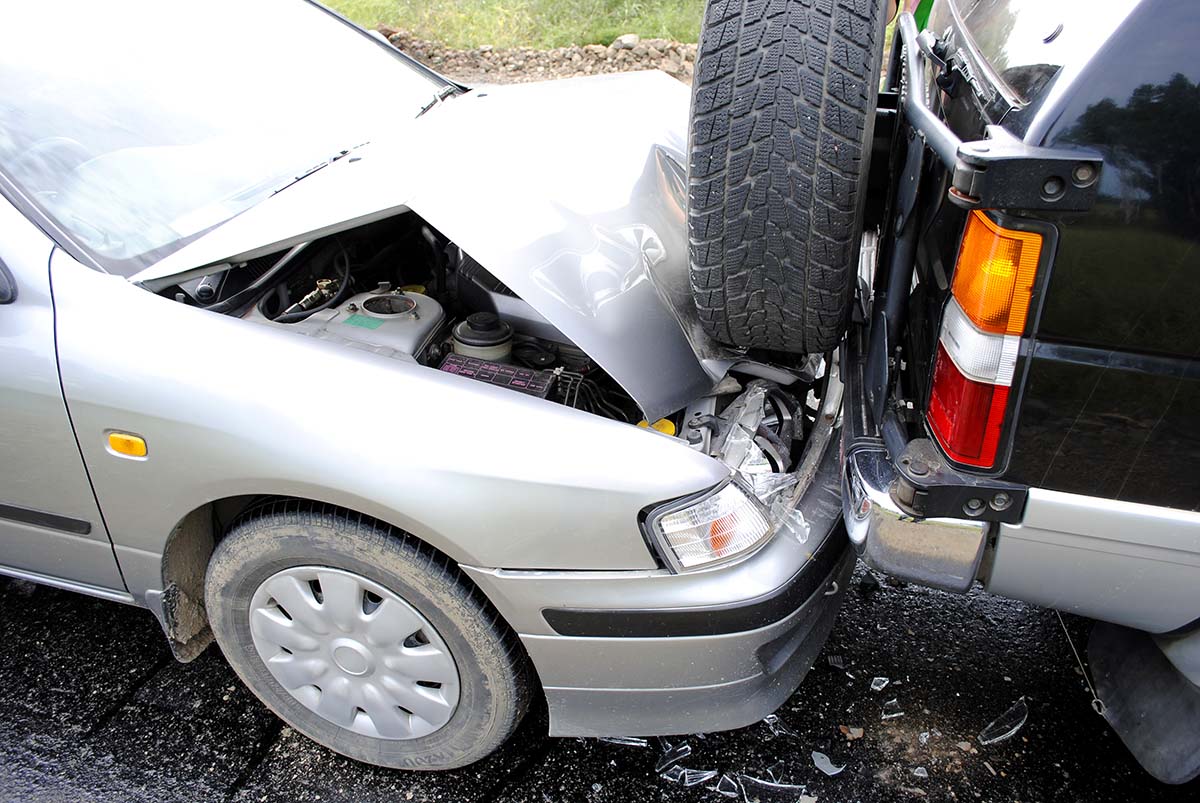
A rear-end collision occurs when one vehicle crashes into the back of another vehicle. These accidents typically happen when the following vehicle fails to stop in time, often due to distracted driving, following too closely, or sudden stops by the lead vehicle.
Why Rear-End Collisions Are So Dangerous
Despite often occurring at relatively low speeds, rear-end collisions can cause severe injuries because:
- Unexpected Impact: Victims rarely see the collision coming and can't brace for impact
- Whiplash Effect: The sudden back-and-forth motion of the head and neck can cause lasting damage
- Secondary Impacts: The initial collision may push the victim's vehicle into other cars or objects
- Varied Impact Forces: Even low-speed collisions can generate significant force due to vehicle weight differences
Types of Rear-End Collisions
Rear-end collisions can be categorized into several types:
- Low-Speed Collisions: Typically occur in traffic or parking lots
- High-Speed Collisions: Often happen on highways and can be catastrophic
- Chain Reaction Accidents: Multiple vehicles involved in a series of rear-end impacts
- Commercial Vehicle Collisions: Involving trucks or other large commercial vehicles
Common Causes of Rear-End Collisions in Fort Lauderdale
Understanding the common causes of rear-end collisions can help victims and their attorneys build stronger cases and prevent future accidents.
Distracted Driving
Distracted driving is the leading cause of rear-end collisions in 2025. Common distractions include:
- Cell Phone Use: Texting, calling, or using apps while driving
- GPS and Navigation: Programming or adjusting navigation systems
- Eating and Drinking: Consuming food or beverages while driving
- Passenger Interactions: Talking to or attending to passengers
- In-Vehicle Technology: Adjusting entertainment systems or climate controls
- External Distractions: Looking at accidents, billboards, or other roadside attractions
Following Too Closely (Tailgating)
Many drivers follow too closely, especially during rush hour traffic. Safe following distance should be:
- At least 3 seconds behind the vehicle ahead in normal conditions
- 4-6 seconds in adverse weather conditions
- Even greater distances for larger vehicles or motorcycles
Speeding and Aggressive Driving
Excessive speed reduces reaction time and increases the severity of collisions. Aggressive driving behaviors include:
- Speeding in heavy traffic
- Frequent lane changes
- Ignoring traffic signals
- Road rage incidents
Weather-Related Factors
Florida's weather conditions can contribute to rear-end collisions:
- Heavy Rain: Reduces visibility and increases stopping distances
- Fog: Common in early morning hours, especially near water
- Sun Glare: Particularly problematic during sunrise and sunset
- Wet Roads: Reduce tire traction and increase stopping distances
Impaired Driving
Driving under the influence of alcohol or drugs significantly increases rear-end collision risk by:
- Slowing reaction times
- Impairing judgment
- Reducing coordination
- Affecting depth perception
Vehicle Mechanical Issues
Mechanical problems that can lead to rear-end collisions include:
- Brake failure or worn brake pads
- Tire blowouts or worn tires
- Faulty brake lights
- Engine problems causing sudden stops
Traffic Conditions
Certain traffic conditions increase rear-end collision risk:
- Stop-and-go traffic
- Construction zones
- Sudden traffic slowdowns
- Merging areas
- School zones
Types of Injuries from Rear-End Collisions
Rear-end collisions can cause a wide range of injuries, from minor to severe. Understanding these injuries is crucial for proper medical treatment and legal compensation.
Whiplash and Neck Injuries
Whiplash is the most common injury in rear-end collisions, occurring when the head suddenly jerks back and forth. Symptoms may include:
- Neck pain and stiffness
- Headaches
- Shoulder pain
- Dizziness
- Fatigue
- Memory problems
- Sleep disturbances
Back and Spinal Injuries
The force of rear-end collisions can cause various back injuries:
- Herniated Discs: Disc material pushes out and presses on nerves
- Spinal Fractures: Broken vertebrae that may require surgery
- Spinal Cord Injuries: Can result in partial or complete paralysis
- Muscle Strains: Torn or overstretched back muscles
- Ligament Sprains: Stretched or torn ligaments in the spine
Head and Brain Injuries
Even in low-speed collisions, head injuries can occur:
- Concussions: Mild traumatic brain injuries
- Traumatic Brain Injuries (TBI): More severe brain damage
- Skull Fractures: Breaks in the skull bone
- Lacerations: Cuts from broken glass or impact
Facial Injuries
Facial injuries can result from airbag deployment or contact with the dashboard:
- Broken nose
- Facial fractures
- Dental injuries
- Eye injuries
- Lacerations and scarring
Extremity Injuries
Arms, legs, and other extremities can be injured in rear-end collisions:
- Knee Injuries: From impact with dashboard or seats
- Ankle Injuries: From foot pedal impact
- Wrist and Arm Injuries: From gripping steering wheel
- Shoulder Injuries: From seatbelt or airbag forces
Psychological Injuries
The trauma of a rear-end collision can cause lasting psychological effects:
- Post-traumatic stress disorder (PTSD)
- Anxiety and depression
- Driving phobias
- Sleep disorders
- Mood changes
Internal Injuries
High-impact rear-end collisions can cause internal injuries:
- Internal bleeding
- Organ damage
- Broken ribs
- Pneumothorax (collapsed lung)
What to Do After a Rear-End Collision
Taking the right steps immediately after a rear-end collision can protect your health, preserve evidence, and strengthen your legal case.
1. Ensure Safety and Call Emergency Services
Your safety is the top priority:
- Check for injuries and call 911 if anyone is hurt
- Move vehicles to safety if possible
- Turn on hazard lights
- Set up flares or reflective triangles if available
- Call police even for minor accidents
2. Seek Medical Attention
Even if you feel fine, seek medical care because:
- Adrenaline can mask pain and injury symptoms
- Some injuries, like whiplash, may not appear immediately
- Medical records are crucial for your legal case
- Early treatment can prevent complications
3. Document the Accident Scene
Gather evidence while at the scene:
- Take photos of all vehicles from multiple angles
- Photograph damage to vehicles and property
- Document road conditions and weather
- Take pictures of traffic signs and signals
- Photograph your injuries if visible
- Get contact information from witnesses
4. Exchange Information
Collect essential information from all parties:
- Names and contact information
- Driver's license numbers
- Insurance company names and policy numbers
- Vehicle make, model, year, and license plates
- Location, time, and date of accident
5. Avoid Common Mistakes
Don't do these things that could hurt your case:
- Don't admit fault or apologize
- Don't give recorded statements to insurance companies
- Don't sign documents without legal review
- Don't accept quick settlement offers
- Don't delay seeking medical treatment
- Don't discuss the accident on social media
6. Contact a Rear-End Collision Lawyer
Contact an experienced attorney as soon as possible to:
- Preserve evidence
- Protect your legal rights
- Handle insurance company communications
- Investigate the accident
- Calculate your damages
Proving Negligence in Rear-End Collision Cases
To recover compensation in a rear-end collision case, your attorney must prove four essential elements of negligence.
1. Duty of Care
Every driver has a legal duty to operate their vehicle safely and follow traffic laws. This includes:
- Maintaining a safe following distance
- Paying attention to road conditions
- Obeying speed limits
- Avoiding distractions
- Following traffic signals and signs
2. Breach of Duty
The defendant must have breached their duty of care by:
- Following too closely
- Driving while distracted
- Speeding or driving recklessly
- Failing to brake in time
- Driving under the influence
- Violating traffic laws
3. Causation
Your attorney must prove that the defendant's breach of duty directly caused the accident and your injuries. This involves showing:
- Factual Causation: The accident wouldn't have occurred "but for" the defendant's actions
- Proximate Causation: The injuries were a foreseeable result of the defendant's actions
4. Damages
You must have suffered actual damages as a result of the accident, including:
- Medical expenses
- Lost wages
- Pain and suffering
- Property damage
- Reduced earning capacity
- Emotional distress
Evidence Used to Prove Negligence
Common types of evidence in rear-end collision cases include:
- Police Reports: Official documentation of the accident
- Witness Testimony: Statements from people who saw the accident
- Traffic Camera Footage: Video evidence of the collision
- Cell Phone Records: Evidence of distracted driving
- Vehicle Damage: Physical evidence of impact force and direction
- Medical Records: Documentation of injuries and treatment
- Expert Testimony: Accident reconstruction specialists
Florida Laws and Rear-End Collisions
Understanding Florida's specific laws regarding rear-end collisions is crucial for your case.
Presumption of Fault
In Florida, there's generally a presumption that the rear driver is at fault in a rear-end collision. However, this presumption can be overcome if evidence shows:
- The front driver made a sudden, unexpected stop
- The front driver had faulty brake lights
- The front driver was backing up
- The front driver cut in front of the rear vehicle
Comparative Negligence
Florida follows a pure comparative negligence system, meaning:
- You can recover damages even if you were partially at fault
- Your compensation is reduced by your percentage of fault
- Even if you're 99% at fault, you can still recover 1% of damages
No-Fault Insurance Requirements
Florida's no-fault insurance system requires:
- Personal Injury Protection (PIP) coverage of at least $10,000
- Property Damage Liability (PDL) coverage of at least $10,000
- PIP covers 80% of medical expenses and 60% of lost wages
- You can step outside no-fault if injuries meet the serious injury threshold
Statute of Limitations
In Florida, you have two years from the date of the accident to file a personal injury lawsuit. However, it's important to act quickly to preserve evidence and protect your rights.
Types of Compensation Available
Rear-end collision victims may be entitled to various types of compensation depending on their injuries and damages.
Economic Damages
These are quantifiable financial losses, including:
- Medical Expenses: Emergency room visits, surgery, rehabilitation, medication
- Future Medical Costs: Ongoing treatment and therapy
- Lost Wages: Income lost due to time off work
- Reduced Earning Capacity: Future income loss due to permanent injuries
- Property Damage: Vehicle repair or replacement costs
- Home Modifications: Accessibility improvements for disabled victims
- Assistive Devices: Wheelchairs, braces, or other medical equipment
Non-Economic Damages
These address intangible losses such as:
- Pain and Suffering: Physical pain and discomfort
- Mental Anguish: Emotional distress and psychological trauma
- Loss of Enjoyment of Life: Inability to participate in activities you once enjoyed
- Disfigurement: Permanent scarring or physical changes
- Loss of Consortium: Impact on relationships with spouse or family
- Inconvenience: Disruption to daily life and activities
Factors Affecting Compensation Amount
Several factors influence the amount of compensation you may receive:
- Severity and permanence of injuries
- Clear liability on the part of the other driver
- Available insurance coverage
- Your age and occupation
- Quality of medical documentation
- Impact on your ability to work and enjoy life
- Strength of evidence supporting your case
Dealing with Insurance Companies
Insurance companies are businesses focused on minimizing payouts. Understanding how to deal with them is crucial for protecting your interests.
Common Insurance Company Tactics
Be aware of these tactics used by insurance companies:
- Quick Settlement Offers: Early offers that are often inadequate
- Recorded Statements: Requests for statements that could be used against you
- Claim Delays: Delaying processing to pressure you into accepting less
- Disputing Medical Treatment: Questioning the necessity of your medical care
- Pre-existing Condition Claims: Arguing that your injuries existed before the accident
- Surveillance: Investigating your activities to contradict injury claims
Protecting Yourself
To protect your interests when dealing with insurance companies:
- Don't give recorded statements without attorney approval
- Don't accept the first settlement offer
- Keep detailed records of all communications
- Continue medical treatment as recommended
- Don't sign any documents without legal review
- Refer all calls to your attorney
When to Contact Your Insurance Company
You should contact your own insurance company to:
- Report the accident promptly
- File a PIP claim for immediate medical coverage
- Discuss uninsured/underinsured motorist coverage
- Get your vehicle damage assessed
When to Hire a Rear-End Collision Lawyer
While not every rear-end collision requires legal representation, certain situations strongly warrant consulting with an attorney.
You Should Hire a Lawyer If:
- You Have Serious Injuries: Any injury requiring extensive medical treatment
- Fault is Disputed: When the other driver denies responsibility
- Multiple Parties Involved: Complex accidents with several vehicles
- Commercial Vehicles: Accidents involving trucks or company vehicles
- Insurance Denial: When the insurance company denies your claim
- Inadequate Settlement Offers: When offers don't cover your damages
- Long-term Disabilities: Injuries that will affect you permanently
- Wrongful Death: When the accident results in a fatality
Benefits of Hiring The Injury Firm
Our experienced rear-end collision attorneys provide:
- Thorough Investigation: We investigate every aspect of your accident
- Evidence Preservation: We ensure crucial evidence isn't lost or destroyed
- Medical Expert Network: We work with top medical professionals
- Negotiation Skills: We fight for maximum compensation
- Trial Experience: We're prepared to take your case to court if necessary
- No Upfront Fees: We work on a contingency fee basis
What to Expect When Working with Us
When you choose The Injury Firm, you can expect:
- Free initial consultation
- Honest assessment of your case
- Regular communication and updates
- Personalized attention to your specific needs
- Aggressive representation against insurance companies
- Support throughout the entire legal process
Fort Lauderdale Rear-End Collision Statistics
Understanding local statistics helps contextualize the rear-end collision problem in Fort Lauderdale and Broward County.
High-Risk Areas for Rear-End Collisions
Certain areas of Fort Lauderdale see higher rates of rear-end collisions:
- I-95 Corridor: Heavy traffic and frequent congestion
- US-1 (Federal Highway): Busy commercial strip with multiple traffic lights
- I-595: Major east-west corridor with heavy commuter traffic
- Las Olas Boulevard: Popular destination with stop-and-go traffic
- Commercial Boulevard: High-traffic commercial area
- Sunrise Boulevard: Major thoroughfare with heavy traffic
Peak Times for Rear-End Collisions
Rear-end collisions are more common during:
- Rush Hour Periods: 7-9 AM and 5-7 PM weekdays
- Friday Evenings: Weekend traffic beginning
- Holiday Weekends: Increased tourist traffic
- Tourist Season: December through April
- Rainy Season: May through October
Contributing Factors in Fort Lauderdale
Local factors that contribute to rear-end collisions include:
- Heavy tourist traffic unfamiliar with local roads
- Frequent construction and lane changes
- Dense urban traffic with frequent stops
- Mix of local commuters and tourist drivers
- Sudden weather changes affecting driving conditions
How to Choose the Right Rear-End Collision Attorney
Selecting the right attorney can significantly impact the outcome of your case. Here's what to look for:
Experience and Track Record
Look for an attorney with:
- Specific experience handling rear-end collision cases
- Proven track record of successful settlements and verdicts
- Knowledge of Florida personal injury laws
- Experience dealing with insurance companies
- Trial experience if your case goes to court
Resources and Support Staff
A good law firm should have:
- Adequate resources to thoroughly investigate your case
- Access to medical experts and accident reconstruction specialists
- Support staff to handle your case efficiently
- Technology and tools for case management
Communication and Accessibility
Your attorney should:
- Return phone calls promptly
- Keep you informed about case developments
- Explain legal concepts in understandable terms
- Be accessible when you have questions
- Provide regular case updates
Fee Structure
Most personal injury attorneys work on a contingency fee basis, meaning:
- No upfront fees or costs
- Attorney fees only paid if you win
- Percentage typically ranges from 33-40%
- Costs and expenses should be clearly explained
Why Choose The Injury Firm
The Injury Firm stands out because:
- Local Expertise: We know Fort Lauderdale and Broward County courts
- Proven Results: Thousands of successful cases and satisfied clients
- Personal Attention: We treat every client with care and respect
- Aggressive Representation: We fight hard for maximum compensation
- No Win, No Fee: You don't pay unless we win your case
- Free Consultations: We evaluate your case at no cost
Frequently Asked Questions
Who is usually at fault in a rear-end collision?
The driver who rear-ends another vehicle is typically at fault because they failed to maintain a safe following distance or were not paying attention. However, there are exceptions, such as when the front driver makes a sudden, unexpected stop or has faulty brake lights.
What should I do immediately after a rear-end collision?
Ensure safety first, call 911 if anyone is injured, move vehicles to safety if possible, document the scene with photos, exchange information with other drivers, seek medical attention even for minor injuries, and contact a personal injury attorney as soon as possible.
Can I still recover compensation if I was partially at fault?
Yes, Florida follows a pure comparative negligence system. You can recover compensation even if you were partially at fault, but your award will be reduced by your percentage of fault. For example, if you're 20% at fault, you can recover 80% of your damages.
How long do I have to file a lawsuit after a rear-end collision?
In Florida, you generally have .two years from the date of the accident to file a personal injury lawsuit. However, it's important to contact an attorney as soon as possible to preserve evidence and protect your rights.
What if the other driver doesn't have insurance?
If the at-fault driver is uninsured, you may be able to recover compensation through your own uninsured motorist coverage, if you have it. You may also be able to pursue the driver's personal assets, though this can be challenging if they have limited resources.
Why did my neck start hurting days after the accident?
It's common for whiplash and other soft tissue injuries to develop symptoms days or even weeks after a rear-end collision. This delayed onset is due to inflammation and is one reason why it's important to seek medical attention immediately after an accident, even if you feel fine initially.
How much is my rear-end collision case worth?
The value of your case depends on many factors, including the severity of your injuries, medical expenses, lost wages, pain and suffering, property damage, and the circumstances of the accident. An experienced attorney can help evaluate your case and estimate its potential value.
Should I accept the insurance company's first settlement offer?
Generally, no. Initial settlement offers are often inadequate and don't account for the full extent of your damages, especially future medical expenses and long-term effects of your injuries. It's best to consult with an attorney before accepting any settlement offer.
What if the insurance company wants a recorded statement?
Be cautious about giving recorded statements to the other driver's insurance company. These statements can be used against you later. It's best to consult with an attorney before giving any recorded statements, as they can help protect your interests.
How long will my rear-end collision case take to resolve?
The timeline varies depending on the complexity of your case, the severity of your injuries, and whether the case settles or goes to trial. Simple cases may settle in a few months, while complex cases can take a year or more. Your attorney can provide a better estimate based on your specific circumstances.
What if I have pre-existing injuries?
You can still recover compensation for aggravation of pre-existing conditions. The key is showing that the accident worsened your condition or caused new symptoms. Proper medical documentation is crucial in these cases.
Do I need to see a doctor right away even if I feel fine?
Yes, you should seek medical attention immediately after a rear-end collision, even if you feel fine. Some injuries, particularly soft tissue injuries like whiplash, may not show symptoms right away. Having immediate medical documentation also strengthens your legal case.
Can I handle my rear-end collision case without a lawyer?
While it's possible to handle minor cases yourself, it's generally not recommended for cases involving injuries. Insurance companies have experienced adjusters and lawyers working to minimize their payouts. Having an experienced attorney levels the playing field and often results in higher compensation.
What happens if the case goes to trial?
If your case goes to trial, your attorney will present evidence to a jury to prove the other driver's negligence and your damages. While most cases settle before trial, having an attorney with trial experience ensures you're prepared if litigation becomes necessary.
How much does it cost to hire a rear-end collision lawyer?
Most personal injury attorneys, including The Injury Firm, work on a contingency fee basis. This means you don't pay attorney fees unless you win your case. The fee is typically a percentage of your settlement or verdict, usually ranging from 33-40%.
Get the Legal Help You Deserve
Rear-end collisions can have lasting consequences that extend far beyond the initial impact. From whiplash and other injuries to mounting medical bills and lost wages, the aftermath of a rear-end collision can be overwhelming. However, you don't have to face these challenges alone.
At The Injury Firm, we understand the unique challenges that rear-end collision victims face. Our experienced Fort Lauderdale personal injury attorneys have successfully handled thousands of rear-end collision cases, helping victims obtain the compensation they deserve for their injuries and losses.
With our knowledge of Florida law, experience dealing with insurance companies, and commitment to aggressive representation, we'll fight to ensure you receive fair compensation for your medical expenses, lost wages, pain and suffering, and other damages. We work on a contingency fee basis, so you don't pay unless we win your case.
Time is critical in rear-end collision cases. Evidence can be lost, witnesses can disappear, and Florida's statute of limitations limits how long you have to file a lawsuit. The sooner you contact us, the better we can protect your rights and preserve important evidence for your case.
Don't let the insurance company take advantage of you. Contact The Injury Firm today at 954-951-0000 for a free consultation. We'll evaluate your case, explain your legal options, and help you understand what steps to take next. You deserve experienced legal representation that will fight for your rights and help you get your life back on track.
We serve clients throughout Fort Lauderdale and the surrounding areas, including Miramar, Pembroke Pines, Weston, Sunrise, Coral Springs, and other Broward County communities. Call today and let us help you begin the journey toward recovery and justice.
CONTACT US NOW
FREE CONSULTATION


PRACTICE AREA - CAR ACCIDENTS
CAR ACCIDENT
Rear-End Collision Lawyer Fort Lauderdale: Complete Legal Guide for 2025
This article serves as a complete resource on rear-end collisions in Fort Lauderdale, covering legal rights, fault determination, common injuries, and steps for securing compensation under Florida law. It explains how these accidents happen, what victims should do after a collision, and how experienced lawyers can help prove negligence, deal with insurance companies, and maximize your settlement. Ideal for anyone searching for guidance on rear-end car accidents, this guide breaks down local laws, compensation factors, and legal strategies for successful claims.
Expert Legal Representation for Rear-End Collision Victims | Free Consultation
Rear-end collisions are among the most common types of car accidents in Fort Lauderdale and throughout Florida, accounting for approximately 29% of all traffic accidents according to recent statistics. While they might seem minor compared to other types of crashes, rear-end collisions can cause serious injuries and significant financial hardship for victims.
Regardless of severity or who is to blame, any car accident is a scary and jarring experience. However, rear-end collisions often leave victims in a heightened state of shock because the impact comes from seemingly nowhere. While you're listening to music, talking to passengers, or simply watching the world go by, the sudden impact of a car from behind can lead to serious injury. This is because our bodies aren't expecting the sudden movement, and with no prediction of the event, we don't have enough time to prepare and protect ourselves.
If you've been affected by a rear-end collision in the Fort Lauderdale area, you may be able to recover compensation for your injuries and damages. When one party is negligent and this can be proved, you're not at fault and therefore not responsible for the resulting medical bills or other expenses. At The Injury Firm, we've helped thousands of rear-end collision victims obtain the compensation they deserve. Call us today at 954-951-0000 for a free consultation.
What Are Rear-End Collisions?
A rear-end collision occurs when one vehicle crashes into the back of another vehicle. These accidents typically happen when the following vehicle fails to stop in time, often due to distracted driving, following too closely, or sudden stops by the lead vehicle.
Why Rear-End Collisions Are So Dangerous
Despite often occurring at relatively low speeds, rear-end collisions can cause severe injuries because:
- Unexpected Impact: Victims rarely see the collision coming and can't brace for impact
- Whiplash Effect: The sudden back-and-forth motion of the head and neck can cause lasting damage
- Secondary Impacts: The initial collision may push the victim's vehicle into other cars or objects
- Varied Impact Forces: Even low-speed collisions can generate significant force due to vehicle weight differences
Types of Rear-End Collisions
Rear-end collisions can be categorized into several types:
- Low-Speed Collisions: Typically occur in traffic or parking lots
- High-Speed Collisions: Often happen on highways and can be catastrophic
- Chain Reaction Accidents: Multiple vehicles involved in a series of rear-end impacts
- Commercial Vehicle Collisions: Involving trucks or other large commercial vehicles
Common Causes of Rear-End Collisions in Fort Lauderdale
Understanding the common causes of rear-end collisions can help victims and their attorneys build stronger cases and prevent future accidents.
Distracted Driving
Distracted driving is the leading cause of rear-end collisions in 2025. Common distractions include:
- Cell Phone Use: Texting, calling, or using apps while driving
- GPS and Navigation: Programming or adjusting navigation systems
- Eating and Drinking: Consuming food or beverages while driving
- Passenger Interactions: Talking to or attending to passengers
- In-Vehicle Technology: Adjusting entertainment systems or climate controls
- External Distractions: Looking at accidents, billboards, or other roadside attractions
Following Too Closely (Tailgating)
Many drivers follow too closely, especially during rush hour traffic. Safe following distance should be:
- At least 3 seconds behind the vehicle ahead in normal conditions
- 4-6 seconds in adverse weather conditions
- Even greater distances for larger vehicles or motorcycles
Speeding and Aggressive Driving
Excessive speed reduces reaction time and increases the severity of collisions. Aggressive driving behaviors include:
- Speeding in heavy traffic
- Frequent lane changes
- Ignoring traffic signals
- Road rage incidents
Weather-Related Factors
Florida's weather conditions can contribute to rear-end collisions:
- Heavy Rain: Reduces visibility and increases stopping distances
- Fog: Common in early morning hours, especially near water
- Sun Glare: Particularly problematic during sunrise and sunset
- Wet Roads: Reduce tire traction and increase stopping distances
Impaired Driving
Driving under the influence of alcohol or drugs significantly increases rear-end collision risk by:
- Slowing reaction times
- Impairing judgment
- Reducing coordination
- Affecting depth perception
Vehicle Mechanical Issues
Mechanical problems that can lead to rear-end collisions include:
- Brake failure or worn brake pads
- Tire blowouts or worn tires
- Faulty brake lights
- Engine problems causing sudden stops
Traffic Conditions
Certain traffic conditions increase rear-end collision risk:
- Stop-and-go traffic
- Construction zones
- Sudden traffic slowdowns
- Merging areas
- School zones
Types of Injuries from Rear-End Collisions
Rear-end collisions can cause a wide range of injuries, from minor to severe. Understanding these injuries is crucial for proper medical treatment and legal compensation.
Whiplash and Neck Injuries
Whiplash is the most common injury in rear-end collisions, occurring when the head suddenly jerks back and forth. Symptoms may include:
- Neck pain and stiffness
- Headaches
- Shoulder pain
- Dizziness
- Fatigue
- Memory problems
- Sleep disturbances
Back and Spinal Injuries
The force of rear-end collisions can cause various back injuries:
- Herniated Discs: Disc material pushes out and presses on nerves
- Spinal Fractures: Broken vertebrae that may require surgery
- Spinal Cord Injuries: Can result in partial or complete paralysis
- Muscle Strains: Torn or overstretched back muscles
- Ligament Sprains: Stretched or torn ligaments in the spine
Head and Brain Injuries
Even in low-speed collisions, head injuries can occur:
- Concussions: Mild traumatic brain injuries
- Traumatic Brain Injuries (TBI): More severe brain damage
- Skull Fractures: Breaks in the skull bone
- Lacerations: Cuts from broken glass or impact
Facial Injuries
Facial injuries can result from airbag deployment or contact with the dashboard:
- Broken nose
- Facial fractures
- Dental injuries
- Eye injuries
- Lacerations and scarring
Extremity Injuries
Arms, legs, and other extremities can be injured in rear-end collisions:
- Knee Injuries: From impact with dashboard or seats
- Ankle Injuries: From foot pedal impact
- Wrist and Arm Injuries: From gripping steering wheel
- Shoulder Injuries: From seatbelt or airbag forces
Psychological Injuries
The trauma of a rear-end collision can cause lasting psychological effects:
- Post-traumatic stress disorder (PTSD)
- Anxiety and depression
- Driving phobias
- Sleep disorders
- Mood changes
Internal Injuries
High-impact rear-end collisions can cause internal injuries:
- Internal bleeding
- Organ damage
- Broken ribs
- Pneumothorax (collapsed lung)
What to Do After a Rear-End Collision
Taking the right steps immediately after a rear-end collision can protect your health, preserve evidence, and strengthen your legal case.
1. Ensure Safety and Call Emergency Services
Your safety is the top priority:
- Check for injuries and call 911 if anyone is hurt
- Move vehicles to safety if possible
- Turn on hazard lights
- Set up flares or reflective triangles if available
- Call police even for minor accidents
2. Seek Medical Attention
Even if you feel fine, seek medical care because:
- Adrenaline can mask pain and injury symptoms
- Some injuries, like whiplash, may not appear immediately
- Medical records are crucial for your legal case
- Early treatment can prevent complications
3. Document the Accident Scene
Gather evidence while at the scene:
- Take photos of all vehicles from multiple angles
- Photograph damage to vehicles and property
- Document road conditions and weather
- Take pictures of traffic signs and signals
- Photograph your injuries if visible
- Get contact information from witnesses
4. Exchange Information
Collect essential information from all parties:
- Names and contact information
- Driver's license numbers
- Insurance company names and policy numbers
- Vehicle make, model, year, and license plates
- Location, time, and date of accident
5. Avoid Common Mistakes
Don't do these things that could hurt your case:
- Don't admit fault or apologize
- Don't give recorded statements to insurance companies
- Don't sign documents without legal review
- Don't accept quick settlement offers
- Don't delay seeking medical treatment
- Don't discuss the accident on social media
6. Contact a Rear-End Collision Lawyer
Contact an experienced attorney as soon as possible to:
- Preserve evidence
- Protect your legal rights
- Handle insurance company communications
- Investigate the accident
- Calculate your damages
Proving Negligence in Rear-End Collision Cases
To recover compensation in a rear-end collision case, your attorney must prove four essential elements of negligence.
1. Duty of Care
Every driver has a legal duty to operate their vehicle safely and follow traffic laws. This includes:
- Maintaining a safe following distance
- Paying attention to road conditions
- Obeying speed limits
- Avoiding distractions
- Following traffic signals and signs
2. Breach of Duty
The defendant must have breached their duty of care by:
- Following too closely
- Driving while distracted
- Speeding or driving recklessly
- Failing to brake in time
- Driving under the influence
- Violating traffic laws
3. Causation
Your attorney must prove that the defendant's breach of duty directly caused the accident and your injuries. This involves showing:
- Factual Causation: The accident wouldn't have occurred "but for" the defendant's actions
- Proximate Causation: The injuries were a foreseeable result of the defendant's actions
4. Damages
You must have suffered actual damages as a result of the accident, including:
- Medical expenses
- Lost wages
- Pain and suffering
- Property damage
- Reduced earning capacity
- Emotional distress
Evidence Used to Prove Negligence
Common types of evidence in rear-end collision cases include:
- Police Reports: Official documentation of the accident
- Witness Testimony: Statements from people who saw the accident
- Traffic Camera Footage: Video evidence of the collision
- Cell Phone Records: Evidence of distracted driving
- Vehicle Damage: Physical evidence of impact force and direction
- Medical Records: Documentation of injuries and treatment
- Expert Testimony: Accident reconstruction specialists
Florida Laws and Rear-End Collisions
Understanding Florida's specific laws regarding rear-end collisions is crucial for your case.
Presumption of Fault
In Florida, there's generally a presumption that the rear driver is at fault in a rear-end collision. However, this presumption can be overcome if evidence shows:
- The front driver made a sudden, unexpected stop
- The front driver had faulty brake lights
- The front driver was backing up
- The front driver cut in front of the rear vehicle
Comparative Negligence
Florida follows a pure comparative negligence system, meaning:
- You can recover damages even if you were partially at fault
- Your compensation is reduced by your percentage of fault
- Even if you're 99% at fault, you can still recover 1% of damages
No-Fault Insurance Requirements
Florida's no-fault insurance system requires:
- Personal Injury Protection (PIP) coverage of at least $10,000
- Property Damage Liability (PDL) coverage of at least $10,000
- PIP covers 80% of medical expenses and 60% of lost wages
- You can step outside no-fault if injuries meet the serious injury threshold
Statute of Limitations
In Florida, you have two years from the date of the accident to file a personal injury lawsuit. However, it's important to act quickly to preserve evidence and protect your rights.
Types of Compensation Available
Rear-end collision victims may be entitled to various types of compensation depending on their injuries and damages.
Economic Damages
These are quantifiable financial losses, including:
- Medical Expenses: Emergency room visits, surgery, rehabilitation, medication
- Future Medical Costs: Ongoing treatment and therapy
- Lost Wages: Income lost due to time off work
- Reduced Earning Capacity: Future income loss due to permanent injuries
- Property Damage: Vehicle repair or replacement costs
- Home Modifications: Accessibility improvements for disabled victims
- Assistive Devices: Wheelchairs, braces, or other medical equipment
Non-Economic Damages
These address intangible losses such as:
- Pain and Suffering: Physical pain and discomfort
- Mental Anguish: Emotional distress and psychological trauma
- Loss of Enjoyment of Life: Inability to participate in activities you once enjoyed
- Disfigurement: Permanent scarring or physical changes
- Loss of Consortium: Impact on relationships with spouse or family
- Inconvenience: Disruption to daily life and activities
Factors Affecting Compensation Amount
Several factors influence the amount of compensation you may receive:
- Severity and permanence of injuries
- Clear liability on the part of the other driver
- Available insurance coverage
- Your age and occupation
- Quality of medical documentation
- Impact on your ability to work and enjoy life
- Strength of evidence supporting your case
Dealing with Insurance Companies
Insurance companies are businesses focused on minimizing payouts. Understanding how to deal with them is crucial for protecting your interests.
Common Insurance Company Tactics
Be aware of these tactics used by insurance companies:
- Quick Settlement Offers: Early offers that are often inadequate
- Recorded Statements: Requests for statements that could be used against you
- Claim Delays: Delaying processing to pressure you into accepting less
- Disputing Medical Treatment: Questioning the necessity of your medical care
- Pre-existing Condition Claims: Arguing that your injuries existed before the accident
- Surveillance: Investigating your activities to contradict injury claims
Protecting Yourself
To protect your interests when dealing with insurance companies:
- Don't give recorded statements without attorney approval
- Don't accept the first settlement offer
- Keep detailed records of all communications
- Continue medical treatment as recommended
- Don't sign any documents without legal review
- Refer all calls to your attorney
When to Contact Your Insurance Company
You should contact your own insurance company to:
- Report the accident promptly
- File a PIP claim for immediate medical coverage
- Discuss uninsured/underinsured motorist coverage
- Get your vehicle damage assessed
When to Hire a Rear-End Collision Lawyer
While not every rear-end collision requires legal representation, certain situations strongly warrant consulting with an attorney.
You Should Hire a Lawyer If:
- You Have Serious Injuries: Any injury requiring extensive medical treatment
- Fault is Disputed: When the other driver denies responsibility
- Multiple Parties Involved: Complex accidents with several vehicles
- Commercial Vehicles: Accidents involving trucks or company vehicles
- Insurance Denial: When the insurance company denies your claim
- Inadequate Settlement Offers: When offers don't cover your damages
- Long-term Disabilities: Injuries that will affect you permanently
- Wrongful Death: When the accident results in a fatality
Benefits of Hiring The Injury Firm
Our experienced rear-end collision attorneys provide:
- Thorough Investigation: We investigate every aspect of your accident
- Evidence Preservation: We ensure crucial evidence isn't lost or destroyed
- Medical Expert Network: We work with top medical professionals
- Negotiation Skills: We fight for maximum compensation
- Trial Experience: We're prepared to take your case to court if necessary
- No Upfront Fees: We work on a contingency fee basis
What to Expect When Working with Us
When you choose The Injury Firm, you can expect:
- Free initial consultation
- Honest assessment of your case
- Regular communication and updates
- Personalized attention to your specific needs
- Aggressive representation against insurance companies
- Support throughout the entire legal process
Fort Lauderdale Rear-End Collision Statistics
Understanding local statistics helps contextualize the rear-end collision problem in Fort Lauderdale and Broward County.
High-Risk Areas for Rear-End Collisions
Certain areas of Fort Lauderdale see higher rates of rear-end collisions:
- I-95 Corridor: Heavy traffic and frequent congestion
- US-1 (Federal Highway): Busy commercial strip with multiple traffic lights
- I-595: Major east-west corridor with heavy commuter traffic
- Las Olas Boulevard: Popular destination with stop-and-go traffic
- Commercial Boulevard: High-traffic commercial area
- Sunrise Boulevard: Major thoroughfare with heavy traffic
Peak Times for Rear-End Collisions
Rear-end collisions are more common during:
- Rush Hour Periods: 7-9 AM and 5-7 PM weekdays
- Friday Evenings: Weekend traffic beginning
- Holiday Weekends: Increased tourist traffic
- Tourist Season: December through April
- Rainy Season: May through October
Contributing Factors in Fort Lauderdale
Local factors that contribute to rear-end collisions include:
- Heavy tourist traffic unfamiliar with local roads
- Frequent construction and lane changes
- Dense urban traffic with frequent stops
- Mix of local commuters and tourist drivers
- Sudden weather changes affecting driving conditions
How to Choose the Right Rear-End Collision Attorney
Selecting the right attorney can significantly impact the outcome of your case. Here's what to look for:
Experience and Track Record
Look for an attorney with:
- Specific experience handling rear-end collision cases
- Proven track record of successful settlements and verdicts
- Knowledge of Florida personal injury laws
- Experience dealing with insurance companies
- Trial experience if your case goes to court
Resources and Support Staff
A good law firm should have:
- Adequate resources to thoroughly investigate your case
- Access to medical experts and accident reconstruction specialists
- Support staff to handle your case efficiently
- Technology and tools for case management
Communication and Accessibility
Your attorney should:
- Return phone calls promptly
- Keep you informed about case developments
- Explain legal concepts in understandable terms
- Be accessible when you have questions
- Provide regular case updates
Fee Structure
Most personal injury attorneys work on a contingency fee basis, meaning:
- No upfront fees or costs
- Attorney fees only paid if you win
- Percentage typically ranges from 33-40%
- Costs and expenses should be clearly explained
Why Choose The Injury Firm
The Injury Firm stands out because:
- Local Expertise: We know Fort Lauderdale and Broward County courts
- Proven Results: Thousands of successful cases and satisfied clients
- Personal Attention: We treat every client with care and respect
- Aggressive Representation: We fight hard for maximum compensation
- No Win, No Fee: You don't pay unless we win your case
- Free Consultations: We evaluate your case at no cost
Frequently Asked Questions
Who is usually at fault in a rear-end collision?
The driver who rear-ends another vehicle is typically at fault because they failed to maintain a safe following distance or were not paying attention. However, there are exceptions, such as when the front driver makes a sudden, unexpected stop or has faulty brake lights.
What should I do immediately after a rear-end collision?
Ensure safety first, call 911 if anyone is injured, move vehicles to safety if possible, document the scene with photos, exchange information with other drivers, seek medical attention even for minor injuries, and contact a personal injury attorney as soon as possible.
Can I still recover compensation if I was partially at fault?
Yes, Florida follows a pure comparative negligence system. You can recover compensation even if you were partially at fault, but your award will be reduced by your percentage of fault. For example, if you're 20% at fault, you can recover 80% of your damages.
How long do I have to file a lawsuit after a rear-end collision?
In Florida, you generally have .two years from the date of the accident to file a personal injury lawsuit. However, it's important to contact an attorney as soon as possible to preserve evidence and protect your rights.
What if the other driver doesn't have insurance?
If the at-fault driver is uninsured, you may be able to recover compensation through your own uninsured motorist coverage, if you have it. You may also be able to pursue the driver's personal assets, though this can be challenging if they have limited resources.
Why did my neck start hurting days after the accident?
It's common for whiplash and other soft tissue injuries to develop symptoms days or even weeks after a rear-end collision. This delayed onset is due to inflammation and is one reason why it's important to seek medical attention immediately after an accident, even if you feel fine initially.
How much is my rear-end collision case worth?
The value of your case depends on many factors, including the severity of your injuries, medical expenses, lost wages, pain and suffering, property damage, and the circumstances of the accident. An experienced attorney can help evaluate your case and estimate its potential value.
Should I accept the insurance company's first settlement offer?
Generally, no. Initial settlement offers are often inadequate and don't account for the full extent of your damages, especially future medical expenses and long-term effects of your injuries. It's best to consult with an attorney before accepting any settlement offer.
What if the insurance company wants a recorded statement?
Be cautious about giving recorded statements to the other driver's insurance company. These statements can be used against you later. It's best to consult with an attorney before giving any recorded statements, as they can help protect your interests.
How long will my rear-end collision case take to resolve?
The timeline varies depending on the complexity of your case, the severity of your injuries, and whether the case settles or goes to trial. Simple cases may settle in a few months, while complex cases can take a year or more. Your attorney can provide a better estimate based on your specific circumstances.
What if I have pre-existing injuries?
You can still recover compensation for aggravation of pre-existing conditions. The key is showing that the accident worsened your condition or caused new symptoms. Proper medical documentation is crucial in these cases.
Do I need to see a doctor right away even if I feel fine?
Yes, you should seek medical attention immediately after a rear-end collision, even if you feel fine. Some injuries, particularly soft tissue injuries like whiplash, may not show symptoms right away. Having immediate medical documentation also strengthens your legal case.
Can I handle my rear-end collision case without a lawyer?
While it's possible to handle minor cases yourself, it's generally not recommended for cases involving injuries. Insurance companies have experienced adjusters and lawyers working to minimize their payouts. Having an experienced attorney levels the playing field and often results in higher compensation.
What happens if the case goes to trial?
If your case goes to trial, your attorney will present evidence to a jury to prove the other driver's negligence and your damages. While most cases settle before trial, having an attorney with trial experience ensures you're prepared if litigation becomes necessary.
How much does it cost to hire a rear-end collision lawyer?
Most personal injury attorneys, including The Injury Firm, work on a contingency fee basis. This means you don't pay attorney fees unless you win your case. The fee is typically a percentage of your settlement or verdict, usually ranging from 33-40%.
Get the Legal Help You Deserve
Rear-end collisions can have lasting consequences that extend far beyond the initial impact. From whiplash and other injuries to mounting medical bills and lost wages, the aftermath of a rear-end collision can be overwhelming. However, you don't have to face these challenges alone.
At The Injury Firm, we understand the unique challenges that rear-end collision victims face. Our experienced Fort Lauderdale personal injury attorneys have successfully handled thousands of rear-end collision cases, helping victims obtain the compensation they deserve for their injuries and losses.
With our knowledge of Florida law, experience dealing with insurance companies, and commitment to aggressive representation, we'll fight to ensure you receive fair compensation for your medical expenses, lost wages, pain and suffering, and other damages. We work on a contingency fee basis, so you don't pay unless we win your case.
Time is critical in rear-end collision cases. Evidence can be lost, witnesses can disappear, and Florida's statute of limitations limits how long you have to file a lawsuit. The sooner you contact us, the better we can protect your rights and preserve important evidence for your case.
Don't let the insurance company take advantage of you. Contact The Injury Firm today at 954-951-0000 for a free consultation. We'll evaluate your case, explain your legal options, and help you understand what steps to take next. You deserve experienced legal representation that will fight for your rights and help you get your life back on track.
We serve clients throughout Fort Lauderdale and the surrounding areas, including Miramar, Pembroke Pines, Weston, Sunrise, Coral Springs, and other Broward County communities. Call today and let us help you begin the journey toward recovery and justice.