
PRACTICE AREA - CAR ACCIDENTS
3-Car Rear-End Collision: Who's at Fault? Fort Lauderdale Lawyer Guide 2025
Expert Multi-Car Accident Lawyers in Fort Lauderdale | Free Consultation
Three-car rear-end collisions are among the most complex and challenging types of car accidents you can face, especially when personal injuries are involved. With more vehicles comes significantly more mechanical damage, a greater risk of serious injuries, and most importantly, much more complicated questions about who is at fault for the accident.
These multi-car accidents, also known as chain reaction collisions or pile-ups, create a web of liability issues that can be difficult for victims to navigate on their own. Unlike simple two-car accidents where fault is often clear-cut, three-car collisions involve multiple insurance companies, different liability scenarios, and complex legal calculations that can significantly impact your compensation.
If you've been involved in a three-car rear-end collision in Fort Lauderdale or anywhere in South Florida, you need experienced legal representation to protect your rights and ensure you receive fair compensation for your injuries and damages. At The Injury Firm, we have extensive experience handling complex multi-car accident cases and understand the nuances of Florida's comparative negligence laws. Call us today at 954-951-0000 for a free consultation.
What Is a 3-Car Rear-End Collision?
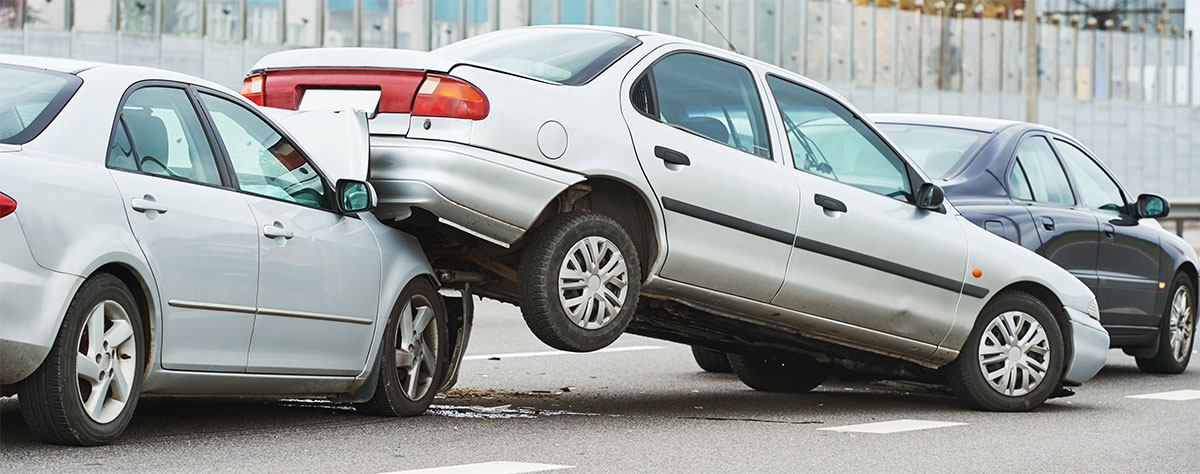
A three-car rear-end collision occurs when multiple vehicles crash in sequence, typically with one or more vehicles striking the vehicles in front of them. These accidents are particularly dangerous because they often involve high speeds, multiple impacts, and can trap victims between vehicles.
Common Characteristics of 3-Car Collisions
- Chain Reaction Effects: One impact leads to additional collisions
- Multiple Impact Points: Vehicles may be struck from both front and rear
- Increased Force: Combined vehicle weights create more severe impacts
- Complex Damage Patterns: Vehicles may sustain damage from multiple directions
- Higher Injury Risk: Occupants may experience multiple impacts
Why 3-Car Collisions Are More Dangerous
Three-car collisions are particularly hazardous because:
- Vehicles in the middle are struck from both directions
- Occupants may be thrown in multiple directions
- Emergency responders face more complex rescue scenarios
- Multiple vehicles increase the risk of fire or fuel spills
- Victims may be trapped between vehicles
How Do 3-Car Rear-End Crashes Happen?
Understanding how three-car collisions occur is crucial for determining fault and building a strong legal case. There are several common scenarios that lead to these complex accidents.
Primary Chain Reaction Scenario
The most common type of three-car collision occurs when:
- The front car stops or slows suddenly
- The middle car strikes the rear of the front car
- The rear car then strikes the middle car
- The force may push the middle car further into the front car
Secondary Chain Reaction Scenario
Another common pattern involves:
- The rear car strikes the middle car first
- The impact pushes the middle car into the front car
- This creates a domino effect of collisions
Other Multi-Car Collision Scenarios
Additional situations that can cause three-car accidents include:
- Intersection Accidents: One vehicle runs a red light and strikes multiple cars
- Highway Pile-ups: High-speed collisions involving multiple vehicles
- Parking Lot Incidents: One vehicle strikes multiple parked cars
- Weather-Related Accidents: Poor visibility causes multiple collisions
- Construction Zone Accidents: Sudden lane changes or stops cause chain reactions
Common Contributing Factors
Several factors frequently contribute to three-car collisions:
- Following Too Closely: Insufficient space between vehicles
- Distracted Driving: Drivers not paying attention to traffic
- Speeding: Excessive speed prevents timely stopping
- Weather Conditions: Rain, fog, or other conditions reducing visibility
- Mechanical Failures: Brake failures or other vehicle malfunctions
- Impaired Driving: Alcohol or drug use affecting judgment
- Sudden Stops: Unexpected braking by the lead vehicle
Who Is at Fault in 3-Car Rear-End Collisions?
Determining fault in three-car rear-end collisions is significantly more complex than in two-car accidents. Florida's comparative negligence laws require courts to carefully analyze each driver's actions and assign fault percentages accordingly.
Front Driver Liability
In most cases, the front driver is exempt from liability. However, they may be found partially at fault if they:
- Applied brakes too suddenly without warning
- Had non-functioning brake lights
- Were backing up when struck
- Made an illegal or sudden lane change
- Were under the influence of alcohol or drugs
- Were driving recklessly or aggressively
Middle Driver Liability
The middle driver often carries a portion of the blame and is typically liable for:
- Damage caused to the front vehicle
- Following too closely behind the front car
- Failing to maintain proper situational awareness
- Not leaving adequate stopping distance
However, the middle driver's liability may be reduced if they can prove:
- They were struck first by the rear vehicle
- They were properly following traffic laws
- The rear vehicle's impact caused them to hit the front car
- They had no opportunity to avoid the collision
Rear Driver Liability
The rear driver typically bears significant responsibility and may be liable for:
- Damage to the middle vehicle
- Potentially some damage to the front vehicle (if their impact caused the chain reaction)
- Following too closely
- Failing to pay attention to traffic conditions
- Driving too fast for conditions
Shared Liability Scenarios
In many three-car collisions, fault is shared among multiple drivers. Common shared liability scenarios include:
- All three drivers were following too closely
- Multiple drivers were distracted or speeding
- Weather conditions contributed to the accident
- Mechanical failures affected multiple vehicles
How Liability Is Calculated in Florida Multi-Car Accidents
Florida's comparative negligence law requires courts to consider all circumstances of the accident and assign fault percentages to each party involved. This process can be complex and significantly impacts the compensation each party receives.
Understanding Comparative Negligence
Florida follows a "pure comparative negligence" system, which means:
- Each party's fault is calculated as a percentage
- You can recover damages even if you're partially at fault
- Your compensation is reduced by your percentage of fault
- Even if you're 99% at fault, you can still recover 1% of damages
Example Liability Calculation
Consider this scenario: The rear car hits the middle car, pushing it into the front car. The front car suffers $100,000 in damages. The court might assign fault as follows:
- Rear Driver: 70% fault ($70,000 responsibility)
- Middle Driver: 25% fault ($25,000 responsibility)
- Front Driver: 5% fault ($5,000 responsibility)
Complex Calculation Example
In a more complex scenario where all three drivers share fault:
- Total Damages: $200,000 across all vehicles
- Rear Driver: 50% fault
- Middle Driver: 35% fault
- Front Driver: 15% fault
Each driver would pay their percentage of the total damages to the other parties, minus what they can recover based on others' fault.
Factors Affecting Liability Percentages
Courts consider numerous factors when assigning fault percentages:
- Driving Records: Previous violations or accidents
- Intoxication: Alcohol or drug impairment
- Location: Type of road and traffic conditions
- Weather: Rain, fog, or other adverse conditions
- Following Distance: Space between vehicles
- Speed: How fast each vehicle was traveling
- Distractions: Cell phone use or other distractions
- Vehicle Condition: Brake functionality and maintenance
- Road Conditions: Construction, debris, or other hazards
Evidence and Factors Courts Consider
Successful three-car collision cases require comprehensive evidence gathering and expert analysis. The complexity of these accidents demands thorough investigation to establish fault and calculate damages accurately.
Physical Evidence
Critical physical evidence includes:
- Vehicle Damage Patterns: Impact points and severity of damage
- Skid Marks: Evidence of braking attempts and vehicle speeds
- Debris Fields: Location and type of accident debris
- Road Conditions: Surface quality and any hazards
- Traffic Control Devices: Signals, signs, and their functionality
- Vehicle Positions: Final resting positions after impact
Documentation Evidence
Important documentation includes:
- Police Reports: Official accident documentation
- Traffic Citations: Any violations issued at the scene
- Medical Records: Injury documentation and treatment
- Vehicle Maintenance Records: Evidence of proper vehicle upkeep
- Insurance Records: Policy information and claim details
- Employment Records: Lost wage documentation
Witness Testimony
Witness accounts are crucial for three-car collisions:
- Independent witnesses who saw the entire sequence
- Other drivers who observed the events leading to the crash
- Passengers in the involved vehicles
- Emergency responders who arrived at the scene
- Expert witnesses for accident reconstruction
Electronic Evidence
Modern vehicles and technology provide additional evidence:
- Event Data Recorders (EDR): Vehicle "black box" data
- Cell Phone Records: Evidence of distracted driving
- Traffic Cameras: Video footage of the accident
- Dashcam Footage: Video from involved or nearby vehicles
- GPS Data: Speed and location information
- Security Cameras: Footage from nearby businesses
Expert Analysis
Expert testimony often includes:
- Accident Reconstruction: Detailed analysis of how the crash occurred
- Biomechanical Engineering: Analysis of injury causation
- Economic Experts: Calculation of damages and lost earning capacity
- Medical Experts: Injury treatment and prognosis
- Automotive Engineers: Vehicle defect analysis if applicable
Types of Damages in Multi-Car Accidents
Three-car collisions often result in significant damages due to the multiple impacts and forces involved. Understanding the types of compensation available is crucial for maximizing your recovery.
Economic Damages
Quantifiable financial losses include:
- Medical Expenses: Emergency care, surgery, rehabilitation, ongoing treatment
- Future Medical Costs: Anticipated medical needs and long-term care
- Lost Wages: Income lost due to time off work
- Lost Earning Capacity: Reduced ability to earn income in the future
- Property Damage: Vehicle repair or replacement costs
- Personal Property: Damaged items inside vehicles
- Transportation Costs: Rental cars and alternative transportation
- Home Modifications: Accessibility improvements for disabilities
Non-Economic Damages
Intangible losses that affect quality of life:
- Pain and Suffering: Physical discomfort and ongoing pain
- Mental Anguish: Emotional distress and psychological trauma
- Loss of Enjoyment: Inability to participate in previously enjoyed activities
- Disfigurement: Permanent scarring or physical changes
- Loss of Consortium: Impact on relationships with family members
- Inconvenience: Disruption to daily life and routine
- Loss of Independence: Reduced ability to care for oneself
Wrongful Death Damages
If a three-car collision results in death, survivors may recover:
- Funeral and burial expenses
- Lost future earnings and benefits
- Loss of companionship and guidance
- Medical expenses before death
- Pain and suffering of the deceased
- Loss of services and support
Factors Affecting Damage Awards
Several factors influence the amount of compensation:
- Severity and permanence of injuries
- Age and occupation of victims
- Pre-existing medical conditions
- Available insurance coverage
- Strength of liability evidence
- Quality of medical documentation
- Impact on victim's life and family
Insurance Issues in 3-Car Rear-End Collisions
Multi-car accidents create complex insurance scenarios with multiple companies, policies, and coverage limits involved. Understanding how insurance works in these situations is crucial for protecting your interests.
Florida's No-Fault Insurance System
Florida requires all drivers to carry Personal Injury Protection (PIP) coverage:
- Minimum Coverage: $10,000 PIP and $10,000 Property Damage Liability
- PIP Benefits: Covers 80% of medical expenses and 60% of lost wages
- No-Fault Application: Your own insurance pays regardless of fault
- Threshold Requirements: Must meet serious injury threshold to sue
Multiple Insurance Companies
Three-car collisions involve multiple insurance companies:
- Each driver's liability insurance
- Each driver's PIP coverage
- Potential uninsured/underinsured motorist coverage
- Possible commercial policies if work vehicles involved
Coverage Limitations and Gaps
Common insurance issues in multi-car accidents:
- Insufficient Coverage: Policy limits may not cover all damages
- Multiple Claims: Several victims claiming against one policy
- Coordination of Benefits: Determining which insurance pays first
- Subrogation Issues: Insurance companies seeking reimbursement
- Uninsured Drivers: Complications when drivers lack insurance
Protecting Your Insurance Interests
To protect yourself in multi-car accident insurance claims:
- Report the accident to your insurance company immediately
- Don't give recorded statements to other insurance companies
- Document all medical treatment and expenses
- Keep records of all communications with insurers
- Don't accept quick settlement offers without legal review
- Consider hiring an attorney to handle insurance negotiations
Third-Party Claims
In some cases, additional parties may be liable:
- Government Entities: Poor road maintenance or defective traffic signals
- Vehicle Manufacturers: Defective brakes or other mechanical failures
- Employers: If drivers were working at the time of the accident
- Contractors: Poor construction zone management
What to Do After a 3-Car Rear-End Collision
The complexity of three-car accidents makes it even more important to take the right steps immediately after the crash to protect your health, preserve evidence, and strengthen your legal case.
1. Ensure Safety and Call Emergency Services
Safety is the top priority in multi-car accidents:
- Check for injuries and call 911 immediately
- Move to safety if possible, but don't move seriously injured persons
- Turn on hazard lights on all vehicles
- Set up flares or reflective triangles to warn other drivers
- Clear the roadway if vehicles are driveable and it's safe
2. Document the Accident Scene Thoroughly
With multiple vehicles involved, documentation is crucial:
- Take photos of all three vehicles from multiple angles
- Photograph damage to each vehicle separately
- Document the positions of all vehicles
- Take wide shots showing the entire accident scene
- Photograph any skid marks or debris
- Document road conditions and weather
- Take pictures of traffic signs and signals
3. Gather Information from All Parties
Collect information from all drivers and passengers:
- Names and contact information for all involved parties
- Driver's license numbers
- Insurance company names and policy numbers
- Vehicle information (make, model, year, license plates)
- Location, time, and date of the accident
- Contact information for all witnesses
4. Seek Medical Attention
Multi-car accidents often cause serious injuries:
- Accept medical evaluation even if you feel fine
- Be aware that adrenaline can mask injury symptoms
- Follow up with your doctor within a few days
- Keep detailed records of all medical treatment
- Report any new symptoms to your healthcare provider
5. Contact Law Enforcement
Police reports are especially important in multi-car accidents:
- Ensure police are called to the scene
- Provide factual information about what you observed
- Don't admit fault or speculate about causes
- Get the police report number
- Obtain contact information for responding officers
6. Avoid Common Mistakes
Don't do these things that could harm your case:
- Don't admit fault to anyone
- Don't apologize (it can be seen as admission of guilt)
- Don't give recorded statements to insurance companies
- Don't sign any documents without legal review
- Don't discuss the accident on social media
- Don't delay seeking medical attention
7. Contact an Experienced Attorney
Multi-car accidents require immediate legal attention:
- Contact an attorney as soon as possible
- Preserve all evidence and documentation
- Let your attorney handle insurance communications
- Follow your attorney's advice regarding medical treatment
- Don't accept settlement offers without legal consultation
Legal Deadlines and Time Limits in Florida
Understanding Florida's legal deadlines is crucial for protecting your rights in a three-car collision case. Missing these deadlines can permanently bar your right to compensation.
Statute of Limitations for Personal Injury
In Florida, you have two years from the date of the accident to file a personal injury lawsuit. This deadline applies regardless of the complexity of your multi-car accident case.
Wrongful Death Claims
If the three-car collision resulted in a fatality, surviving family members have two years from the date of death to file a wrongful death lawsuit.
Government Claims
If a government entity is potentially liable (such as for poor road maintenance), you may have as little as three years to file a claim, with notice requirements that must be met much sooner.
Insurance Claim Deadlines
Insurance companies also impose their own deadlines:
- PIP claims must typically be filed within 30 days
- Property damage claims often have shorter deadlines
- Some policies require immediate notification of accidents
- Failure to meet insurance deadlines can result in claim denial
Why Time Is Critical
Acting quickly in three-car collision cases is essential because:
- Evidence can be lost or destroyed
- Witnesses' memories fade over time
- Vehicles may be repaired or scrapped
- Security camera footage may be overwritten
- Medical records become harder to obtain
- Insurance companies may become less cooperative
Exceptions to Statute of Limitations
Limited exceptions may extend deadlines in cases involving:
- Minors (clock may not start until they reach 18)
- Mental incapacity of the victim
- Fraud or concealment by the defendant
- Discovery of injuries that weren't immediately apparent
Why You Need an Experienced Multi-Car Accident Attorney
Three-car rear-end collisions present unique challenges that require specialized legal expertise. The complexity of these cases makes professional legal representation essential for protecting your rights and maximizing your compensation.
Complexity of Multi-Car Accident Cases
Three-car collisions involve complications that individual victims cannot handle alone:
- Multiple parties with potentially conflicting interests
- Complex liability calculations under comparative negligence
- Multiple insurance companies with different coverage limits
- Sophisticated accident reconstruction requirements
- Coordination of multiple medical experts
- Navigation of complex legal procedures and deadlines
Benefits of Hiring The Injury Firm
Our experienced multi-car accident attorneys provide:
- Thorough Investigation: We examine every aspect of your three-car collision
- Expert Resources: Access to accident reconstruction specialists and medical experts
- Insurance Negotiation: We handle all communications with multiple insurance companies
- Evidence Preservation: We ensure crucial evidence isn't lost or destroyed
- Liability Analysis: We determine fault percentages to maximize your compensation
- Trial Experience: We're prepared to take your case to court if necessary
- No Upfront Fees: We work on a contingency fee basis
What Sets Us Apart
The Injury Firm brings unique advantages to multi-car accident cases:
- Local Expertise: Deep knowledge of Fort Lauderdale and Broward County courts
- Proven Track Record: Successful outcomes in complex multi-car cases
- Comprehensive Approach: We handle every aspect of your case
- Personal Attention: Direct access to experienced attorneys
- Aggressive Representation: We fight hard for maximum compensation
- Medical Network: Relationships with top medical professionals
Services We Provide
Our comprehensive legal services include:
- Immediate accident scene investigation
- Evidence collection and preservation
- Medical expert consultation and testimony
- Accident reconstruction analysis
- Insurance claim management
- Settlement negotiation
- Trial representation if needed
- Coordination with medical providers
When to Contact an Attorney
Contact a multi-car accident attorney immediately if:
- You've been injured in a three-car collision
- Fault is being disputed by any party
- Multiple insurance companies are involved
- You're receiving inadequate settlement offers
- The accident resulted in serious injuries or death
- You're being blamed for causing the accident
Fort Lauderdale Multi-Car Accident Statistics and Considerations
Understanding local accident patterns and specific challenges in Fort Lauderdale can help contextualize your three-car collision case.
High-Risk Areas for Multi-Car Accidents
Certain areas of Fort Lauderdale see higher rates of multi-car collisions:
- I-95 Corridor: Heavy traffic and frequent chain-reaction accidents
- I-595 (Port Everglades Expressway): Commercial traffic and congestion
- US-1 (Federal Highway): Stop-and-go traffic with multiple signals
- I-75 (Alligator Alley): High-speed multi-vehicle accidents
- Las Olas Boulevard: Tourist traffic and frequent stops
- Sunrise Boulevard: Commercial areas with heavy traffic
Contributing Factors in South Florida
Local factors that increase multi-car accident risk include:
- Tourist Traffic: Unfamiliar drivers navigating local roads
- Seasonal Population: Increased traffic during winter months
- Construction Zones: Frequent road work causing traffic pattern changes
- Weather Conditions: Sudden rainstorms reducing visibility
- Mixed Traffic: Combination of local commuters and tourists
- Port Traffic: Commercial vehicles using local roadways
Peak Times for Multi-Car Accidents
Three-car collisions are more common during:
- Rush hour periods (7-9 AM and 5-7 PM)
- Friday evening commutes
- Tourist season (December through April)
- Holiday weekends
- During sudden weather changes
- Spring break periods
Local Emergency Response
Fort Lauderdale emergency services considerations:
- Multiple agencies may respond to major multi-car accidents
- Traffic diversions can affect response times
- Local hospitals have experience with serious accident victims
- Emergency services coordinate with multiple tow companies
Frequently Asked Questions
Who is typically at fault in a 3-car rear-end collision?
Fault in three-car collisions is complex and depends on the specific circumstances. Generally, the rear driver bears significant responsibility, but fault is often shared among multiple drivers. Florida's comparative negligence law means each driver's fault percentage affects their compensation.
Can I recover compensation if I was the middle car in a 3-car collision?
Yes, even if you're partially at fault as the middle driver, you can still recover compensation under Florida's comparative negligence system. Your compensation will be reduced by your percentage of fault, but you may still receive significant compensation for your injuries and damages.
How is fault determined in a 3-car rear-end collision?
Fault is determined by examining evidence including police reports, witness testimony, vehicle damage patterns, traffic camera footage, and expert accident reconstruction. Courts consider factors like following distance, speed, road conditions, and driver behavior to assign fault percentages.
What should I do immediately after a 3-car collision?
Ensure safety first, call 911, document the scene thoroughly with photos, gather information from all parties and witnesses, seek medical attention even for minor injuries, and contact an experienced multi-car accident attorney as soon as possible.
How long do I have to file a lawsuit after a 3-car accident in Florida?
You have two years from the date of the accident to file a personal injury lawsuit in Florida. However, it's crucial to contact an attorney immediately to preserve evidence and protect your rights.
Will my insurance cover me in a 3-car collision?
Your PIP insurance will cover your medical expenses and lost wages up to policy limits regardless of fault. However, for full compensation, you may need to pursue claims against other drivers' insurance companies, especially if your injuries meet Florida's serious injury threshold.
What if one of the drivers in the 3-car collision was uninsured?
If an uninsured driver was involved, you may be able to recover compensation through your own uninsured motorist coverage if you have it. You may also be able to pursue the other insured drivers' policies or the uninsured driver's personal assets.
How much is my 3-car collision case worth?
The value depends on many factors including injury severity, medical expenses, lost wages, pain and suffering, property damage, and each party's fault percentage. Multi-car accidents often result in higher compensation due to the increased forces and damages involved.
Do I need a lawyer for a 3-car rear-end collision?
Yes, three-car collisions are complex cases involving multiple parties, insurance companies, and complicated liability issues. An experienced attorney is essential for protecting your rights, investigating the accident properly, and maximizing your compensation.
What if the insurance companies are blaming me for the 3-car accident?
Insurance companies often try to shift blame to minimize their payouts. Don't accept their assessment without legal representation. An experienced attorney can investigate the accident, gather evidence, and fight to establish the correct fault allocation.
Can I settle with one insurance company while pursuing claims against others?
Settling with one party may affect your ability to pursue others, depending on the settlement terms. It's crucial to consult with an attorney before accepting any settlement offers to ensure you don't waive important rights.
What if I wasn't injured immediately but developed pain later?
It's common for injuries from multi-car accidents to appear days or weeks later due to adrenaline and delayed inflammation. Seek medical attention immediately and document any new symptoms. This delayed onset doesn't affect your right to compensation.
How long will my 3-car collision case take to resolve?
Multi-car accident cases typically take longer to resolve than simple two-car accidents due to their complexity. Cases can take anywhere from several months to over a year, depending on injury severity, fault disputes, and whether the case goes to trial.
What evidence is most important in a 3-car collision case?
Critical evidence includes photos of all vehicles and the scene, police reports, witness statements, medical records, vehicle damage analysis, and potentially expert accident reconstruction. The more evidence preserved, the stronger your case will be.
Can I handle a 3-car collision case myself?
While legally possible, it's not recommended. Three-car collisions involve complex liability issues, multiple insurance companies, and sophisticated legal procedures that require professional expertise. Insurance companies have experienced adjusters and lawyers working against you.
Get Expert Legal Help for Your 3-Car Collision Case
Three-car rear-end collisions represent some of the most complex personal injury cases in Florida. With multiple vehicles, multiple insurance companies, and complicated liability issues, these accidents require experienced legal representation to ensure you receive fair compensation for your injuries and damages.
The aftermath of a multi-car accident can be overwhelming. You're dealing with injuries, mounting medical bills, insurance company communications, and the stress of determining who's at fault. Meanwhile, insurance companies are working to minimize their payouts and may try to shift blame to reduce their liability.
At The Injury Firm, we understand the unique challenges that three-car collision victims face. Our experienced Fort Lauderdale personal injury attorneys have successfully handled numerous complex multi-car accident cases, helping victims navigate Florida's comparative negligence laws and obtain maximum compensation for their losses.
We provide comprehensive legal services from the moment you contact us. Our team will immediately begin investigating your accident, preserving crucial evidence, coordinating with expert witnesses, and building a strong case on your behalf. We handle all communications with insurance companies, allowing you to focus on your recovery while we fight for your rights.
Time is critical in three-car collision cases. Evidence can be lost, witnesses can disappear, and Florida's two-year statute of limitations limits how long you have to file a lawsuit. The sooner you contact us, the better we can protect your rights and build a strong case for maximum compensation.
Don't let insurance companies take advantage of you. Contact The Injury Firm today at 954-951-0000 for a free consultation. We'll evaluate your three-car collision case, explain your legal options, and help you understand what steps to take next. Remember, we work on a contingency fee basis, so you don't pay unless we win your case.
We serve clients throughout Fort Lauderdale and the surrounding areas, including Miramar, Pembroke Pines, Weston, Sunrise, Coral Springs, and other Broward County communities. Let us help you navigate the complex legal landscape of multi-car accidents and get the compensation you deserve.
CONTACT US NOW
FREE CONSULTATION


PRACTICE AREA - CAR ACCIDENTS
CAR ACCIDENT
3-Car Rear-End Collision: Who's at Fault? Fort Lauderdale Lawyer Guide 2025
Expert Multi-Car Accident Lawyers in Fort Lauderdale | Free Consultation
Three-car rear-end collisions are among the most complex and challenging types of car accidents you can face, especially when personal injuries are involved. With more vehicles comes significantly more mechanical damage, a greater risk of serious injuries, and most importantly, much more complicated questions about who is at fault for the accident.
These multi-car accidents, also known as chain reaction collisions or pile-ups, create a web of liability issues that can be difficult for victims to navigate on their own. Unlike simple two-car accidents where fault is often clear-cut, three-car collisions involve multiple insurance companies, different liability scenarios, and complex legal calculations that can significantly impact your compensation.
If you've been involved in a three-car rear-end collision in Fort Lauderdale or anywhere in South Florida, you need experienced legal representation to protect your rights and ensure you receive fair compensation for your injuries and damages. At The Injury Firm, we have extensive experience handling complex multi-car accident cases and understand the nuances of Florida's comparative negligence laws. Call us today at 954-951-0000 for a free consultation.
What Is a 3-Car Rear-End Collision?
A three-car rear-end collision occurs when multiple vehicles crash in sequence, typically with one or more vehicles striking the vehicles in front of them. These accidents are particularly dangerous because they often involve high speeds, multiple impacts, and can trap victims between vehicles.
Common Characteristics of 3-Car Collisions
- Chain Reaction Effects: One impact leads to additional collisions
- Multiple Impact Points: Vehicles may be struck from both front and rear
- Increased Force: Combined vehicle weights create more severe impacts
- Complex Damage Patterns: Vehicles may sustain damage from multiple directions
- Higher Injury Risk: Occupants may experience multiple impacts
Why 3-Car Collisions Are More Dangerous
Three-car collisions are particularly hazardous because:
- Vehicles in the middle are struck from both directions
- Occupants may be thrown in multiple directions
- Emergency responders face more complex rescue scenarios
- Multiple vehicles increase the risk of fire or fuel spills
- Victims may be trapped between vehicles
How Do 3-Car Rear-End Crashes Happen?
Understanding how three-car collisions occur is crucial for determining fault and building a strong legal case. There are several common scenarios that lead to these complex accidents.
Primary Chain Reaction Scenario
The most common type of three-car collision occurs when:
- The front car stops or slows suddenly
- The middle car strikes the rear of the front car
- The rear car then strikes the middle car
- The force may push the middle car further into the front car
Secondary Chain Reaction Scenario
Another common pattern involves:
- The rear car strikes the middle car first
- The impact pushes the middle car into the front car
- This creates a domino effect of collisions
Other Multi-Car Collision Scenarios
Additional situations that can cause three-car accidents include:
- Intersection Accidents: One vehicle runs a red light and strikes multiple cars
- Highway Pile-ups: High-speed collisions involving multiple vehicles
- Parking Lot Incidents: One vehicle strikes multiple parked cars
- Weather-Related Accidents: Poor visibility causes multiple collisions
- Construction Zone Accidents: Sudden lane changes or stops cause chain reactions
Common Contributing Factors
Several factors frequently contribute to three-car collisions:
- Following Too Closely: Insufficient space between vehicles
- Distracted Driving: Drivers not paying attention to traffic
- Speeding: Excessive speed prevents timely stopping
- Weather Conditions: Rain, fog, or other conditions reducing visibility
- Mechanical Failures: Brake failures or other vehicle malfunctions
- Impaired Driving: Alcohol or drug use affecting judgment
- Sudden Stops: Unexpected braking by the lead vehicle
Who Is at Fault in 3-Car Rear-End Collisions?
Determining fault in three-car rear-end collisions is significantly more complex than in two-car accidents. Florida's comparative negligence laws require courts to carefully analyze each driver's actions and assign fault percentages accordingly.
Front Driver Liability
In most cases, the front driver is exempt from liability. However, they may be found partially at fault if they:
- Applied brakes too suddenly without warning
- Had non-functioning brake lights
- Were backing up when struck
- Made an illegal or sudden lane change
- Were under the influence of alcohol or drugs
- Were driving recklessly or aggressively
Middle Driver Liability
The middle driver often carries a portion of the blame and is typically liable for:
- Damage caused to the front vehicle
- Following too closely behind the front car
- Failing to maintain proper situational awareness
- Not leaving adequate stopping distance
However, the middle driver's liability may be reduced if they can prove:
- They were struck first by the rear vehicle
- They were properly following traffic laws
- The rear vehicle's impact caused them to hit the front car
- They had no opportunity to avoid the collision
Rear Driver Liability
The rear driver typically bears significant responsibility and may be liable for:
- Damage to the middle vehicle
- Potentially some damage to the front vehicle (if their impact caused the chain reaction)
- Following too closely
- Failing to pay attention to traffic conditions
- Driving too fast for conditions
Shared Liability Scenarios
In many three-car collisions, fault is shared among multiple drivers. Common shared liability scenarios include:
- All three drivers were following too closely
- Multiple drivers were distracted or speeding
- Weather conditions contributed to the accident
- Mechanical failures affected multiple vehicles
How Liability Is Calculated in Florida Multi-Car Accidents
Florida's comparative negligence law requires courts to consider all circumstances of the accident and assign fault percentages to each party involved. This process can be complex and significantly impacts the compensation each party receives.
Understanding Comparative Negligence
Florida follows a "pure comparative negligence" system, which means:
- Each party's fault is calculated as a percentage
- You can recover damages even if you're partially at fault
- Your compensation is reduced by your percentage of fault
- Even if you're 99% at fault, you can still recover 1% of damages
Example Liability Calculation
Consider this scenario: The rear car hits the middle car, pushing it into the front car. The front car suffers $100,000 in damages. The court might assign fault as follows:
- Rear Driver: 70% fault ($70,000 responsibility)
- Middle Driver: 25% fault ($25,000 responsibility)
- Front Driver: 5% fault ($5,000 responsibility)
Complex Calculation Example
In a more complex scenario where all three drivers share fault:
- Total Damages: $200,000 across all vehicles
- Rear Driver: 50% fault
- Middle Driver: 35% fault
- Front Driver: 15% fault
Each driver would pay their percentage of the total damages to the other parties, minus what they can recover based on others' fault.
Factors Affecting Liability Percentages
Courts consider numerous factors when assigning fault percentages:
- Driving Records: Previous violations or accidents
- Intoxication: Alcohol or drug impairment
- Location: Type of road and traffic conditions
- Weather: Rain, fog, or other adverse conditions
- Following Distance: Space between vehicles
- Speed: How fast each vehicle was traveling
- Distractions: Cell phone use or other distractions
- Vehicle Condition: Brake functionality and maintenance
- Road Conditions: Construction, debris, or other hazards
Evidence and Factors Courts Consider
Successful three-car collision cases require comprehensive evidence gathering and expert analysis. The complexity of these accidents demands thorough investigation to establish fault and calculate damages accurately.
Physical Evidence
Critical physical evidence includes:
- Vehicle Damage Patterns: Impact points and severity of damage
- Skid Marks: Evidence of braking attempts and vehicle speeds
- Debris Fields: Location and type of accident debris
- Road Conditions: Surface quality and any hazards
- Traffic Control Devices: Signals, signs, and their functionality
- Vehicle Positions: Final resting positions after impact
Documentation Evidence
Important documentation includes:
- Police Reports: Official accident documentation
- Traffic Citations: Any violations issued at the scene
- Medical Records: Injury documentation and treatment
- Vehicle Maintenance Records: Evidence of proper vehicle upkeep
- Insurance Records: Policy information and claim details
- Employment Records: Lost wage documentation
Witness Testimony
Witness accounts are crucial for three-car collisions:
- Independent witnesses who saw the entire sequence
- Other drivers who observed the events leading to the crash
- Passengers in the involved vehicles
- Emergency responders who arrived at the scene
- Expert witnesses for accident reconstruction
Electronic Evidence
Modern vehicles and technology provide additional evidence:
- Event Data Recorders (EDR): Vehicle "black box" data
- Cell Phone Records: Evidence of distracted driving
- Traffic Cameras: Video footage of the accident
- Dashcam Footage: Video from involved or nearby vehicles
- GPS Data: Speed and location information
- Security Cameras: Footage from nearby businesses
Expert Analysis
Expert testimony often includes:
- Accident Reconstruction: Detailed analysis of how the crash occurred
- Biomechanical Engineering: Analysis of injury causation
- Economic Experts: Calculation of damages and lost earning capacity
- Medical Experts: Injury treatment and prognosis
- Automotive Engineers: Vehicle defect analysis if applicable
Types of Damages in Multi-Car Accidents
Three-car collisions often result in significant damages due to the multiple impacts and forces involved. Understanding the types of compensation available is crucial for maximizing your recovery.
Economic Damages
Quantifiable financial losses include:
- Medical Expenses: Emergency care, surgery, rehabilitation, ongoing treatment
- Future Medical Costs: Anticipated medical needs and long-term care
- Lost Wages: Income lost due to time off work
- Lost Earning Capacity: Reduced ability to earn income in the future
- Property Damage: Vehicle repair or replacement costs
- Personal Property: Damaged items inside vehicles
- Transportation Costs: Rental cars and alternative transportation
- Home Modifications: Accessibility improvements for disabilities
Non-Economic Damages
Intangible losses that affect quality of life:
- Pain and Suffering: Physical discomfort and ongoing pain
- Mental Anguish: Emotional distress and psychological trauma
- Loss of Enjoyment: Inability to participate in previously enjoyed activities
- Disfigurement: Permanent scarring or physical changes
- Loss of Consortium: Impact on relationships with family members
- Inconvenience: Disruption to daily life and routine
- Loss of Independence: Reduced ability to care for oneself
Wrongful Death Damages
If a three-car collision results in death, survivors may recover:
- Funeral and burial expenses
- Lost future earnings and benefits
- Loss of companionship and guidance
- Medical expenses before death
- Pain and suffering of the deceased
- Loss of services and support
Factors Affecting Damage Awards
Several factors influence the amount of compensation:
- Severity and permanence of injuries
- Age and occupation of victims
- Pre-existing medical conditions
- Available insurance coverage
- Strength of liability evidence
- Quality of medical documentation
- Impact on victim's life and family
Insurance Issues in 3-Car Rear-End Collisions
Multi-car accidents create complex insurance scenarios with multiple companies, policies, and coverage limits involved. Understanding how insurance works in these situations is crucial for protecting your interests.
Florida's No-Fault Insurance System
Florida requires all drivers to carry Personal Injury Protection (PIP) coverage:
- Minimum Coverage: $10,000 PIP and $10,000 Property Damage Liability
- PIP Benefits: Covers 80% of medical expenses and 60% of lost wages
- No-Fault Application: Your own insurance pays regardless of fault
- Threshold Requirements: Must meet serious injury threshold to sue
Multiple Insurance Companies
Three-car collisions involve multiple insurance companies:
- Each driver's liability insurance
- Each driver's PIP coverage
- Potential uninsured/underinsured motorist coverage
- Possible commercial policies if work vehicles involved
Coverage Limitations and Gaps
Common insurance issues in multi-car accidents:
- Insufficient Coverage: Policy limits may not cover all damages
- Multiple Claims: Several victims claiming against one policy
- Coordination of Benefits: Determining which insurance pays first
- Subrogation Issues: Insurance companies seeking reimbursement
- Uninsured Drivers: Complications when drivers lack insurance
Protecting Your Insurance Interests
To protect yourself in multi-car accident insurance claims:
- Report the accident to your insurance company immediately
- Don't give recorded statements to other insurance companies
- Document all medical treatment and expenses
- Keep records of all communications with insurers
- Don't accept quick settlement offers without legal review
- Consider hiring an attorney to handle insurance negotiations
Third-Party Claims
In some cases, additional parties may be liable:
- Government Entities: Poor road maintenance or defective traffic signals
- Vehicle Manufacturers: Defective brakes or other mechanical failures
- Employers: If drivers were working at the time of the accident
- Contractors: Poor construction zone management
What to Do After a 3-Car Rear-End Collision
The complexity of three-car accidents makes it even more important to take the right steps immediately after the crash to protect your health, preserve evidence, and strengthen your legal case.
1. Ensure Safety and Call Emergency Services
Safety is the top priority in multi-car accidents:
- Check for injuries and call 911 immediately
- Move to safety if possible, but don't move seriously injured persons
- Turn on hazard lights on all vehicles
- Set up flares or reflective triangles to warn other drivers
- Clear the roadway if vehicles are driveable and it's safe
2. Document the Accident Scene Thoroughly
With multiple vehicles involved, documentation is crucial:
- Take photos of all three vehicles from multiple angles
- Photograph damage to each vehicle separately
- Document the positions of all vehicles
- Take wide shots showing the entire accident scene
- Photograph any skid marks or debris
- Document road conditions and weather
- Take pictures of traffic signs and signals
3. Gather Information from All Parties
Collect information from all drivers and passengers:
- Names and contact information for all involved parties
- Driver's license numbers
- Insurance company names and policy numbers
- Vehicle information (make, model, year, license plates)
- Location, time, and date of the accident
- Contact information for all witnesses
4. Seek Medical Attention
Multi-car accidents often cause serious injuries:
- Accept medical evaluation even if you feel fine
- Be aware that adrenaline can mask injury symptoms
- Follow up with your doctor within a few days
- Keep detailed records of all medical treatment
- Report any new symptoms to your healthcare provider
5. Contact Law Enforcement
Police reports are especially important in multi-car accidents:
- Ensure police are called to the scene
- Provide factual information about what you observed
- Don't admit fault or speculate about causes
- Get the police report number
- Obtain contact information for responding officers
6. Avoid Common Mistakes
Don't do these things that could harm your case:
- Don't admit fault to anyone
- Don't apologize (it can be seen as admission of guilt)
- Don't give recorded statements to insurance companies
- Don't sign any documents without legal review
- Don't discuss the accident on social media
- Don't delay seeking medical attention
7. Contact an Experienced Attorney
Multi-car accidents require immediate legal attention:
- Contact an attorney as soon as possible
- Preserve all evidence and documentation
- Let your attorney handle insurance communications
- Follow your attorney's advice regarding medical treatment
- Don't accept settlement offers without legal consultation
Legal Deadlines and Time Limits in Florida
Understanding Florida's legal deadlines is crucial for protecting your rights in a three-car collision case. Missing these deadlines can permanently bar your right to compensation.
Statute of Limitations for Personal Injury
In Florida, you have two years from the date of the accident to file a personal injury lawsuit. This deadline applies regardless of the complexity of your multi-car accident case.
Wrongful Death Claims
If the three-car collision resulted in a fatality, surviving family members have two years from the date of death to file a wrongful death lawsuit.
Government Claims
If a government entity is potentially liable (such as for poor road maintenance), you may have as little as three years to file a claim, with notice requirements that must be met much sooner.
Insurance Claim Deadlines
Insurance companies also impose their own deadlines:
- PIP claims must typically be filed within 30 days
- Property damage claims often have shorter deadlines
- Some policies require immediate notification of accidents
- Failure to meet insurance deadlines can result in claim denial
Why Time Is Critical
Acting quickly in three-car collision cases is essential because:
- Evidence can be lost or destroyed
- Witnesses' memories fade over time
- Vehicles may be repaired or scrapped
- Security camera footage may be overwritten
- Medical records become harder to obtain
- Insurance companies may become less cooperative
Exceptions to Statute of Limitations
Limited exceptions may extend deadlines in cases involving:
- Minors (clock may not start until they reach 18)
- Mental incapacity of the victim
- Fraud or concealment by the defendant
- Discovery of injuries that weren't immediately apparent
Why You Need an Experienced Multi-Car Accident Attorney
Three-car rear-end collisions present unique challenges that require specialized legal expertise. The complexity of these cases makes professional legal representation essential for protecting your rights and maximizing your compensation.
Complexity of Multi-Car Accident Cases
Three-car collisions involve complications that individual victims cannot handle alone:
- Multiple parties with potentially conflicting interests
- Complex liability calculations under comparative negligence
- Multiple insurance companies with different coverage limits
- Sophisticated accident reconstruction requirements
- Coordination of multiple medical experts
- Navigation of complex legal procedures and deadlines
Benefits of Hiring The Injury Firm
Our experienced multi-car accident attorneys provide:
- Thorough Investigation: We examine every aspect of your three-car collision
- Expert Resources: Access to accident reconstruction specialists and medical experts
- Insurance Negotiation: We handle all communications with multiple insurance companies
- Evidence Preservation: We ensure crucial evidence isn't lost or destroyed
- Liability Analysis: We determine fault percentages to maximize your compensation
- Trial Experience: We're prepared to take your case to court if necessary
- No Upfront Fees: We work on a contingency fee basis
What Sets Us Apart
The Injury Firm brings unique advantages to multi-car accident cases:
- Local Expertise: Deep knowledge of Fort Lauderdale and Broward County courts
- Proven Track Record: Successful outcomes in complex multi-car cases
- Comprehensive Approach: We handle every aspect of your case
- Personal Attention: Direct access to experienced attorneys
- Aggressive Representation: We fight hard for maximum compensation
- Medical Network: Relationships with top medical professionals
Services We Provide
Our comprehensive legal services include:
- Immediate accident scene investigation
- Evidence collection and preservation
- Medical expert consultation and testimony
- Accident reconstruction analysis
- Insurance claim management
- Settlement negotiation
- Trial representation if needed
- Coordination with medical providers
When to Contact an Attorney
Contact a multi-car accident attorney immediately if:
- You've been injured in a three-car collision
- Fault is being disputed by any party
- Multiple insurance companies are involved
- You're receiving inadequate settlement offers
- The accident resulted in serious injuries or death
- You're being blamed for causing the accident
Fort Lauderdale Multi-Car Accident Statistics and Considerations
Understanding local accident patterns and specific challenges in Fort Lauderdale can help contextualize your three-car collision case.
High-Risk Areas for Multi-Car Accidents
Certain areas of Fort Lauderdale see higher rates of multi-car collisions:
- I-95 Corridor: Heavy traffic and frequent chain-reaction accidents
- I-595 (Port Everglades Expressway): Commercial traffic and congestion
- US-1 (Federal Highway): Stop-and-go traffic with multiple signals
- I-75 (Alligator Alley): High-speed multi-vehicle accidents
- Las Olas Boulevard: Tourist traffic and frequent stops
- Sunrise Boulevard: Commercial areas with heavy traffic
Contributing Factors in South Florida
Local factors that increase multi-car accident risk include:
- Tourist Traffic: Unfamiliar drivers navigating local roads
- Seasonal Population: Increased traffic during winter months
- Construction Zones: Frequent road work causing traffic pattern changes
- Weather Conditions: Sudden rainstorms reducing visibility
- Mixed Traffic: Combination of local commuters and tourists
- Port Traffic: Commercial vehicles using local roadways
Peak Times for Multi-Car Accidents
Three-car collisions are more common during:
- Rush hour periods (7-9 AM and 5-7 PM)
- Friday evening commutes
- Tourist season (December through April)
- Holiday weekends
- During sudden weather changes
- Spring break periods
Local Emergency Response
Fort Lauderdale emergency services considerations:
- Multiple agencies may respond to major multi-car accidents
- Traffic diversions can affect response times
- Local hospitals have experience with serious accident victims
- Emergency services coordinate with multiple tow companies
Frequently Asked Questions
Who is typically at fault in a 3-car rear-end collision?
Fault in three-car collisions is complex and depends on the specific circumstances. Generally, the rear driver bears significant responsibility, but fault is often shared among multiple drivers. Florida's comparative negligence law means each driver's fault percentage affects their compensation.
Can I recover compensation if I was the middle car in a 3-car collision?
Yes, even if you're partially at fault as the middle driver, you can still recover compensation under Florida's comparative negligence system. Your compensation will be reduced by your percentage of fault, but you may still receive significant compensation for your injuries and damages.
How is fault determined in a 3-car rear-end collision?
Fault is determined by examining evidence including police reports, witness testimony, vehicle damage patterns, traffic camera footage, and expert accident reconstruction. Courts consider factors like following distance, speed, road conditions, and driver behavior to assign fault percentages.
What should I do immediately after a 3-car collision?
Ensure safety first, call 911, document the scene thoroughly with photos, gather information from all parties and witnesses, seek medical attention even for minor injuries, and contact an experienced multi-car accident attorney as soon as possible.
How long do I have to file a lawsuit after a 3-car accident in Florida?
You have two years from the date of the accident to file a personal injury lawsuit in Florida. However, it's crucial to contact an attorney immediately to preserve evidence and protect your rights.
Will my insurance cover me in a 3-car collision?
Your PIP insurance will cover your medical expenses and lost wages up to policy limits regardless of fault. However, for full compensation, you may need to pursue claims against other drivers' insurance companies, especially if your injuries meet Florida's serious injury threshold.
What if one of the drivers in the 3-car collision was uninsured?
If an uninsured driver was involved, you may be able to recover compensation through your own uninsured motorist coverage if you have it. You may also be able to pursue the other insured drivers' policies or the uninsured driver's personal assets.
How much is my 3-car collision case worth?
The value depends on many factors including injury severity, medical expenses, lost wages, pain and suffering, property damage, and each party's fault percentage. Multi-car accidents often result in higher compensation due to the increased forces and damages involved.
Do I need a lawyer for a 3-car rear-end collision?
Yes, three-car collisions are complex cases involving multiple parties, insurance companies, and complicated liability issues. An experienced attorney is essential for protecting your rights, investigating the accident properly, and maximizing your compensation.
What if the insurance companies are blaming me for the 3-car accident?
Insurance companies often try to shift blame to minimize their payouts. Don't accept their assessment without legal representation. An experienced attorney can investigate the accident, gather evidence, and fight to establish the correct fault allocation.
Can I settle with one insurance company while pursuing claims against others?
Settling with one party may affect your ability to pursue others, depending on the settlement terms. It's crucial to consult with an attorney before accepting any settlement offers to ensure you don't waive important rights.
What if I wasn't injured immediately but developed pain later?
It's common for injuries from multi-car accidents to appear days or weeks later due to adrenaline and delayed inflammation. Seek medical attention immediately and document any new symptoms. This delayed onset doesn't affect your right to compensation.
How long will my 3-car collision case take to resolve?
Multi-car accident cases typically take longer to resolve than simple two-car accidents due to their complexity. Cases can take anywhere from several months to over a year, depending on injury severity, fault disputes, and whether the case goes to trial.
What evidence is most important in a 3-car collision case?
Critical evidence includes photos of all vehicles and the scene, police reports, witness statements, medical records, vehicle damage analysis, and potentially expert accident reconstruction. The more evidence preserved, the stronger your case will be.
Can I handle a 3-car collision case myself?
While legally possible, it's not recommended. Three-car collisions involve complex liability issues, multiple insurance companies, and sophisticated legal procedures that require professional expertise. Insurance companies have experienced adjusters and lawyers working against you.
Get Expert Legal Help for Your 3-Car Collision Case
Three-car rear-end collisions represent some of the most complex personal injury cases in Florida. With multiple vehicles, multiple insurance companies, and complicated liability issues, these accidents require experienced legal representation to ensure you receive fair compensation for your injuries and damages.
The aftermath of a multi-car accident can be overwhelming. You're dealing with injuries, mounting medical bills, insurance company communications, and the stress of determining who's at fault. Meanwhile, insurance companies are working to minimize their payouts and may try to shift blame to reduce their liability.
At The Injury Firm, we understand the unique challenges that three-car collision victims face. Our experienced Fort Lauderdale personal injury attorneys have successfully handled numerous complex multi-car accident cases, helping victims navigate Florida's comparative negligence laws and obtain maximum compensation for their losses.
We provide comprehensive legal services from the moment you contact us. Our team will immediately begin investigating your accident, preserving crucial evidence, coordinating with expert witnesses, and building a strong case on your behalf. We handle all communications with insurance companies, allowing you to focus on your recovery while we fight for your rights.
Time is critical in three-car collision cases. Evidence can be lost, witnesses can disappear, and Florida's two-year statute of limitations limits how long you have to file a lawsuit. The sooner you contact us, the better we can protect your rights and build a strong case for maximum compensation.
Don't let insurance companies take advantage of you. Contact The Injury Firm today at 954-951-0000 for a free consultation. We'll evaluate your three-car collision case, explain your legal options, and help you understand what steps to take next. Remember, we work on a contingency fee basis, so you don't pay unless we win your case.
We serve clients throughout Fort Lauderdale and the surrounding areas, including Miramar, Pembroke Pines, Weston, Sunrise, Coral Springs, and other Broward County communities. Let us help you navigate the complex legal landscape of multi-car accidents and get the compensation you deserve.