
PRACTICE AREA - CAR ACCIDENTS
Multi-Car Accident Liability in Florida: Expert Legal Guide for 2025
This article is a comprehensive guide to multi-car accident liability in Florida, explaining how the state’s comparative negligence and no-fault insurance laws impact complex pile-ups and chain reaction crashes. It outlines the investigation process, common causes, critical evidence, and unique insurance challenges in cases involving multiple vehicles and drivers. Readers will find expert advice on securing compensation, protecting their rights, and why experienced legal representation is crucial for navigating multi-car accidents and maximizing recovery.
Multi-car accidents, also known as pile-ups or chain reaction accidents, are among the most complex and devastating types of motor vehicle collisions. In Florida, these accidents present unique challenges when it comes to determining liability and securing fair compensation. With multiple vehicles, drivers, and insurance companies involved, the legal landscape becomes significantly more complicated than typical two-vehicle accidents.
Understanding Florida's specific laws regarding multi-car accident liability is crucial for protecting your rights and maximizing your compensation. The state's comparative negligence system, combined with its no-fault insurance requirements, creates a complex web of legal considerations that can significantly impact your case outcome.
At The Injury Firm, our experienced Fort Lauderdale car accident lawyers have successfully navigated hundreds of multi-car accident cases. We understand the intricacies of Florida's liability laws and have the expertise to untangle even the most complex multi-vehicle collision scenarios to secure maximum compensation for our clients.
Understanding Multi-Car Accidents in Florida
Multi-car accidents involve three or more vehicles and typically occur in chain reaction scenarios where one initial impact triggers a series of subsequent collisions. These accidents are particularly common on Florida's busy highways and congested urban areas.
Types of Multi-Car Accidents
Multi-car accidents can take several forms, each with unique liability considerations:
- Chain reaction rear-end collisions: One vehicle rear-ends another, pushing it into a third vehicle
- Highway pile-ups: Multiple vehicles collide in succession, often due to poor visibility or weather conditions
- Intersection accidents: Multiple vehicles collide at intersections due to traffic signal violations or failure to yield
- Merge-related accidents: Vehicles collide while merging onto highways, involving multiple lanes of traffic
- Weather-related pile-ups: Reduced visibility from fog, rain, or smoke causes multiple vehicles to collide
Florida Multi-Car Accident Statistics
According to the Florida Department of Highway Safety and Motor Vehicles (FLHSMV), Florida experiences over 400,000 traffic crashes annually, with multi-vehicle accidents representing a significant portion of these incidents. Key statistics include:
- Interstate corridors: I-95, I-75, and I-4 see the highest rates of multi-car accidents
- Peak times: Rush hours (7-9 AM and 5-7 PM) account for 40% of multi-car accidents
- Weather factor: Rainy conditions increase multi-car accident risk by 70%
- Injury severity: Multi-car accidents result in serious injuries 3x more often than two-vehicle crashes
Florida's Liability Laws for Multi-Car Accidents
Florida's approach to multi-car accident liability involves several key legal principles that work together to determine fault and compensation:
No-Fault Insurance System
Florida operates under a no-fault insurance system, which affects how multi-car accident claims are handled:
- Personal Injury Protection (PIP): All drivers must carry minimum $10,000 PIP coverage
- Initial coverage: Your own insurance covers initial medical expenses and lost wages
- Threshold requirements: You can step outside no-fault for serious injuries
- Property damage: Handled separately from personal injury claims
Comparative Negligence Doctrine
Florida follows a pure comparative negligence system, which is crucial in multi-car accidents:
- Fault allocation: Each party's fault is assigned as a percentage
- Damage reduction: Compensation is reduced by your percentage of fault
- Multiple defendants: Several parties can share fault in varying percentages
- No bar to recovery: You can recover damages even if you're 99% at fault
Joint and Several Liability
Florida's joint and several liability rules affect how damages are collected:
- Economic damages: Each defendant pays only their proportional share
- Non-economic damages: Defendants may be jointly liable if more than 10% at fault
- Collection advantages: Can pursue full damages from any defendant with sufficient assets
- Strategic considerations: Affects how lawyers approach multi-defendant cases
Common Causes of Multi-Car Accidents in Florida
Understanding the common causes helps in determining liability and preventing future accidents:
Driver-Related Factors
Human error remains the leading cause of multi-car accidents:
- Distracted driving: Texting, phone calls, or other distractions leading to chain reactions
- Following too closely: Insufficient following distance preventing safe stops
- Speeding: Excessive speed reducing reaction time and increasing impact severity
- Impaired driving: Alcohol or drug use affecting judgment and reaction time
- Aggressive driving: Road rage, weaving, and reckless behavior
- Fatigued driving: Drowsy drivers with slower reaction times
Environmental Factors
Florida's unique weather and road conditions contribute to multi-car accidents:
- Sudden thunderstorms: Rapid weather changes reducing visibility
- Wet road conditions: Reduced traction and longer stopping distances
- Fog: Severely limited visibility on highways
- Sun glare: Blinding sunlight during dawn and dusk hours
- Construction zones: Lane changes and reduced speeds causing confusion
- Heavy traffic: Congested conditions increasing accident risk
Vehicle-Related Factors
Mechanical failures can trigger multi-car accidents:
- Brake failures: Inability to stop leading to rear-end collisions
- Tire blowouts: Sudden loss of control causing swerving
- Engine failures: Sudden stops on highways
- Steering problems: Loss of vehicle control
- Defective safety systems: Airbag or seatbelt failures
Determining Fault in Multi-Car Accidents
Establishing fault in multi-car accidents requires careful investigation and analysis of multiple factors:
Investigation Process
Determining fault involves comprehensive investigation by multiple parties:
- Police investigation: Officers create initial accident reports and may cite drivers
- Insurance adjusters: Each company investigates to protect their interests
- Accident reconstruction experts: Analyze physical evidence and vehicle damage
- Legal teams: Attorneys investigate to support their clients' claims
- Expert witnesses: Specialists in various fields provide testimony
Key Evidence in Fault Determination
Multiple types of evidence help establish fault:
- Vehicle positions: Final resting positions of all vehicles
- Damage patterns: Impact locations and severity on each vehicle
- Skid marks: Tire marks indicating braking and movement
- Debris fields: Scattered parts showing impact points
- Traffic signals: Signal timing and driver compliance
- Speed analysis: Estimated speeds of all vehicles
- Weather conditions: Environmental factors at time of accident
Common Fault Scenarios
Typical fault patterns in multi-car accidents include:
- Primary initiator: First driver who causes the initial impact
- Secondary contributors: Drivers who worsen the accident through their actions
- Innocent victims: Drivers who couldn't avoid the accident
- Shared responsibility: Multiple drivers contributing to the accident
- Third-party liability: Non-drivers who may bear responsibility
Florida's Comparative Negligence System
Florida's pure comparative negligence system is particularly important in multi-car accidents where fault may be distributed among multiple parties:
How Comparative Negligence Works
The system assigns fault percentages to each party involved:
- Fault assessment: Each party's actions are evaluated for negligence
- Percentage assignment: Fault is assigned as percentages totaling 100%
- Damage calculation: Compensation is reduced by fault percentage
- No fault threshold: You can recover damages regardless of fault percentage
Multi-Car Accident Example
Consider a three-car accident scenario:
- Driver A: Rear-ends Driver B while texting (60% fault)
- Driver B: Following too closely behind Driver C (25% fault)
- Driver C: Sudden lane change without signaling (15% fault)
- Total damages: $100,000
- Driver B's recovery: $75,000 (reduced by 25% fault)
- Driver C's recovery: $85,000 (reduced by 15% fault)
Strategic Considerations
Comparative negligence affects legal strategy in multi-car cases:
- Fault minimization: Reducing your assigned fault percentage
- Defendant selection: Choosing which parties to sue
- Settlement negotiations: Leveraging fault percentages in talks
- Trial strategy: Presenting evidence to minimize client fault
Insurance Considerations in Multi-Car Accidents
Multi-car accidents involve complex insurance considerations with multiple policies and coverage types:
Primary Insurance Coverage
Your own insurance provides initial coverage:
- PIP coverage: Immediate medical expenses and lost wages
- Collision coverage: Vehicle damage regardless of fault
- Comprehensive coverage: Non-collision damage
- Uninsured motorist: Protection against uninsured drivers
- Underinsured motorist: Additional coverage when at-fault driver has insufficient insurance
Third-Party Claims
Claims against other drivers' insurance policies:
- Bodily injury liability: Covers injuries to other parties
- Property damage liability: Covers damage to other vehicles
- Policy limits: Maximum coverage amounts available
- Multiple policies: Potential claims against several insurers
Coverage Coordination
Managing multiple insurance policies requires careful coordination:
- Primary/excess coverage: Determining which policies pay first
- Subrogation rights: Insurance companies seeking reimbursement
- Policy stacking: Combining multiple policies for higher limits
- Claim conflicts: Disputes between insurance companies
Common Injuries in Multi-Car Accidents
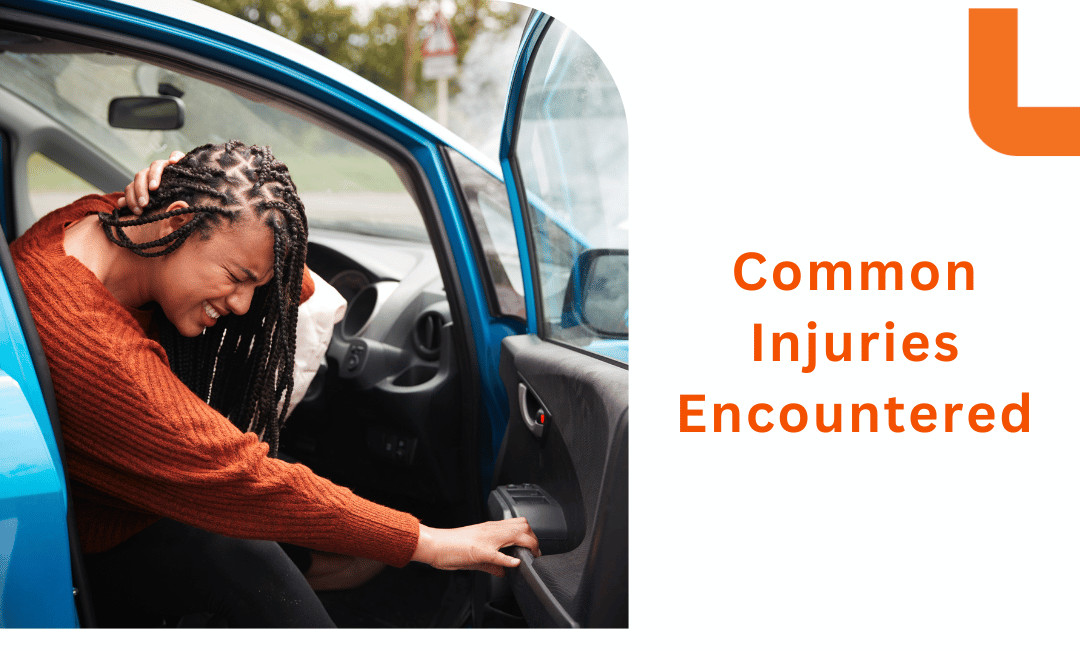
Multi-car accidents often result in more severe injuries due to multiple impacts and higher forces involved:
Traumatic Brain Injuries
Brain injuries are common in multi-car accidents due to multiple impacts:
- Concussions: Mild traumatic brain injuries from head impacts
- Contusions: Brain bruising from severe impacts
- Diffuse axonal injury: Widespread brain damage from rotational forces
- Penetrating injuries: Objects piercing the skull
- Secondary injuries: Complications from initial brain trauma
Spinal Cord Injuries
The violent forces in multi-car accidents can cause severe spinal damage:
- Herniated discs: Disc material pressing on nerves
- Compression fractures: Collapsed vertebrae
- Spinal cord transection: Complete severing of spinal cord
- Incomplete injuries: Partial spinal cord damage
- Paralysis: Temporary or permanent loss of function
Orthopedic Injuries
Bone and joint injuries from multiple impacts:
- Multiple fractures: Broken bones in various locations
- Crush injuries: Severe compression damage
- Joint dislocations: Bones forced out of position
- Soft tissue damage: Muscle, tendon, and ligament injuries
- Amputations: Loss of limbs from severe trauma
Internal Injuries
Hidden injuries that may not be immediately apparent:
- Internal bleeding: Bleeding inside body cavities
- Organ damage: Liver, spleen, kidney, or lung injuries
- Pneumothorax: Collapsed lung from chest trauma
- Cardiac injuries: Heart damage from blunt trauma
- Abdominal injuries: Damage to digestive organs
Evidence Gathering in Multi-Car Accidents
Collecting comprehensive evidence is crucial for establishing fault and maximizing compensation:
Immediate Scene Evidence
Evidence collection should begin immediately after the accident:
- Photographs: Multiple angles of all vehicles, damage, and scene
- Video footage: Dash cam or security camera recordings
- Witness statements: Contact information and accounts from bystanders
- Traffic conditions: Road conditions, weather, and traffic signals
- Vehicle positions: Final resting positions of all vehicles
- Debris patterns: Scattered parts and their locations
Official Documentation
Government and institutional records provide crucial evidence:
- Police reports: Officer observations and initial fault determinations
- Traffic citations: Any violations issued at the scene
- Emergency response records: Fire department and EMS reports
- Hospital records: Initial injury documentation
- Towing records: Vehicle removal and storage information
Technical Evidence
Specialized evidence may be needed for complex cases:
- Accident reconstruction: Expert analysis of collision dynamics
- Vehicle inspections: Mechanical failure analysis
- Cell phone records: Evidence of distracted driving
- Traffic camera footage: Surveillance from nearby cameras
- Electronic data: Vehicle computer data and GPS records
Types of Compensation in Multi-Car Accidents
Multi-car accident victims may be entitled to various forms of compensation depending on their injuries and damages:
Economic Damages
Compensation for financial losses with specific dollar amounts:
- Medical expenses: Emergency care, hospitalization, surgery, and ongoing treatment
- Future medical costs: Anticipated medical needs and care
- Lost wages: Income lost due to inability to work
- Lost earning capacity: Reduced ability to earn income in the future
- Property damage: Vehicle repair or replacement costs
- Rehabilitation costs: Physical and occupational therapy
- Home modifications: Accessibility improvements for disabilities
Non-Economic Damages
Compensation for intangible losses and suffering:
- Pain and suffering: Physical discomfort and emotional distress
- Loss of enjoyment: Inability to participate in previously enjoyed activities
- Emotional distress: Anxiety, depression, and PTSD
- Loss of consortium: Impact on spousal relationships
- Disfigurement: Permanent scarring or physical changes
- Loss of companionship: Effect on family relationships
Punitive Damages
Additional compensation to punish egregious conduct:
- Drunk driving: Intoxicated drivers causing multi-car accidents
- Reckless driving: Extreme disregard for safety
- Intentional acts: Deliberately causing harm
- Gross negligence: Conduct showing complete disregard for others
Unique Legal Challenges in Multi-Car Accidents
Multi-car accidents present several unique legal challenges that require experienced representation:
Complex Liability Issues
Determining fault among multiple parties creates challenges:
- Multiple defendants: Coordinating claims against several parties
- Conflicting stories: Different versions of events from multiple drivers
- Shared fault: Apportioning negligence among multiple parties
- Chain of causation: Determining which actions caused which damages
- Intervening causes: Events that break the causal chain
Insurance Complications
Multiple insurance policies create complex coverage issues:
- Policy limits: Insufficient coverage for all damages
- Coverage disputes: Disagreements about which policies apply
- Subrogation claims: Insurance companies seeking reimbursement
- Coordination of benefits: Determining payment priority
- Bad faith issues: Insurers failing to properly handle claims
Procedural Challenges
Legal procedures become more complex with multiple parties:
- Joinder issues: Bringing all parties into one lawsuit
- Discovery coordination: Managing information gathering from multiple sources
- Settlement negotiations: Coordinating settlements with multiple defendants
- Trial management: Presenting complex cases to juries
- Appeals: Multiple parties may appeal different aspects
When to Hire a Multi-Car Accident Lawyer
Given the complexity of multi-car accidents, legal representation is almost always necessary:
Immediate Representation Needed
Certain situations require immediate legal help:
- Serious injuries: Permanent disabilities or life-threatening conditions
- Fatalities: Wrongful death claims requiring immediate action
- Disputed liability: When fault is contested among multiple parties
- Multiple defendants: Cases involving several potentially liable parties
- Commercial vehicles: Accidents involving trucks or business vehicles
- Government entities: Cases involving government vehicles or road conditions
Benefits of Early Legal Intervention
Hiring a lawyer early provides several advantages:
- Evidence preservation: Securing crucial evidence before it's lost
- Witness interviews: Getting statements while memories are fresh
- Insurance communication: Protecting your rights in early conversations
- Medical documentation: Ensuring proper injury documentation
- Legal strategy: Developing comprehensive case strategy
- Deadline protection: Ensuring compliance with legal deadlines
What to Look for in a Multi-Car Accident Lawyer
Choose a lawyer with specific experience in complex cases:
- Multi-car accident experience: Specific experience with complex liability cases
- Trial experience: Willingness and ability to take cases to trial
- Resources: Access to accident reconstruction experts and investigators
- Insurance knowledge: Understanding of complex insurance coverage issues
- Track record: History of successful outcomes in similar cases
- Communication skills: Ability to explain complex legal issues clearly
Multi-Car Accident Case Timeline
Understanding the typical timeline helps set realistic expectations:
Immediate Phase (Days 1-30)
- Accident investigation: Police reports and initial evidence gathering
- Medical treatment: Emergency care and initial injury assessment
- Insurance notification: Reporting to all relevant insurance companies
- Legal consultation: Initial meeting with personal injury attorney
- Evidence preservation: Securing crucial evidence and witness statements
Investigation Phase (Days 30-120)
- Comprehensive investigation: Detailed accident reconstruction and analysis
- Medical evaluation: Full assessment of injuries and prognosis
- Insurance claims: Filing claims with multiple insurance companies
- Expert consultations: Accident reconstruction and medical experts
- Legal research: Analyzing applicable laws and precedents
Litigation Phase (Months 4-24)
- Lawsuit filing: Formal legal action against multiple defendants
- Discovery process: Information gathering from all parties
- Depositions: Sworn testimony from witnesses and parties
- Expert witness preparation: Preparing experts for trial testimony
- Settlement negotiations: Attempting to resolve case without trial
- Trial preparation: Preparing for court presentation
Factors Affecting Timeline
Several factors can influence case duration:
- Injury severity: More serious injuries require longer treatment
- Number of parties: More defendants increase complexity
- Insurance cooperation: Insurer responsiveness affects timeline
- Court schedule: Availability of trial dates
- Settlement willingness: Parties' willingness to negotiate
Frequently Asked Questions
How is fault determined in a multi-car accident in Florida?
Fault in multi-car accidents is determined through comprehensive investigation including police reports, witness statements, physical evidence, and expert analysis. Florida's comparative negligence system assigns fault percentages to each party based on their contribution to the accident. Multiple parties can share fault in varying degrees.
Can I recover compensation if I was partially at fault in a multi-car accident?
Yes, Florida's pure comparative negligence law allows you to recover compensation even if you were partially at fault. Your compensation will be reduced by your percentage of fault. For example, if you were 30% at fault and your damages total $100,000, you would receive $70,000.
How long do I have to file a lawsuit after a multi-car accident in Florida?
In Florida, you have two years from the date of the accident to file a personal injury lawsuit. For wrongful death cases, you have two years from the date of death. It's crucial to act quickly as evidence can disappear and witnesses' memories fade over time.
What if one of the drivers in the multi-car accident was uninsured?
If an uninsured driver was involved, you may be able to recover compensation through your own uninsured motorist coverage or from other at-fault drivers with insurance. Florida doesn't require uninsured motorist coverage, but if you have it, it can provide crucial protection. You may also pursue the uninsured driver's personal assets, though this is often challenging.
How do insurance companies handle multi-car accident claims?
Insurance companies conduct separate investigations to determine their insured's liability and potential exposure. They may dispute fault percentages, coordinate with other insurers, and engage in complex negotiations. Having an experienced attorney helps level the playing field against multiple insurance companies working to minimize their payouts.
What types of evidence are most important in multi-car accident cases?
Critical evidence includes photographs of all vehicles and the scene, police reports, witness statements, medical records, traffic camera footage, cell phone records, vehicle computer data, and expert accident reconstruction analysis. The more comprehensive your evidence, the stronger your case for proving fault and damages.
Can I sue multiple drivers in a single lawsuit?
Yes, you can typically join multiple defendants in a single lawsuit, which is often more efficient than filing separate cases. This allows for coordinated discovery, consistent fact-finding, and potentially better settlements. Your attorney will determine the best strategy for your specific case.
How much compensation can I expect from a multi-car accident case?
Compensation varies widely based on injury severity, fault allocation, available insurance coverage, and other factors. Multi-car accidents often result in higher settlements due to multiple liable parties and more severe injuries. Your attorney can provide a more accurate assessment after evaluating your specific circumstances.
What if my injuries from the multi-car accident don't appear immediately?
Some injuries, particularly brain injuries and soft tissue damage, may not manifest symptoms for hours or days. Seek medical attention immediately after any accident and continue monitoring your health. Document any delayed symptoms and their connection to the accident, as this information is crucial for your case.
Do I need a lawyer for a multi-car accident case?
Given the complexity of multi-car accidents involving multiple parties, insurance policies, and liability issues, legal representation is strongly recommended. An experienced attorney can navigate the complex legal landscape, protect your rights, and maximize your compensation while you focus on recovery.
Navigate Multi-Car Accident Complexity with Expert Legal Help
Multi-car accidents represent some of the most complex personal injury cases in Florida, involving intricate liability determinations, multiple insurance policies, and challenging legal procedures. The interplay between Florida's comparative negligence system, no-fault insurance requirements, and the complexities of multiple-party litigation creates a legal landscape that requires experienced navigation.
Understanding your rights and the legal process is crucial, but attempting to handle a multi-car accident case alone puts you at a significant disadvantage. Insurance companies have teams of adjusters, investigators, and lawyers working to minimize their exposure, while you're dealing with injuries, medical treatment, and financial stress.
The stakes in multi-car accident cases are often higher than in typical two-vehicle crashes. The potential for more severe injuries, higher medical costs, and complex liability issues means that having experienced legal representation can make the difference between adequate compensation and maximum recovery.
At The Injury Firm, our Fort Lauderdale car accident lawyers have successfully handled hundreds of multi-car accident cases throughout Florida. We understand the unique challenges these cases present and have the resources, expertise, and determination necessary to secure maximum compensation for our clients.
Our comprehensive approach to multi-car accident cases includes:
- Immediate accident scene investigation and evidence preservation
- Coordination with accident reconstruction experts and investigators
- Comprehensive medical evaluation and documentation of all injuries
- Analysis of all potentially liable parties and insurance policies
- Strategic litigation planning for complex multi-party cases
- Aggressive negotiation with multiple insurance companies
- Trial preparation and representation when necessary
Don't let the complexity of a multi-car accident overwhelm you or prevent you from getting the compensation you deserve. Time is critical in these cases, with evidence disappearing quickly and Florida's two-year statute of limitations limiting your time to file a lawsuit.
Contact The Injury Firm today for a free consultation about your multi-car accident case. Our experienced team will evaluate your case, explain your rights, and develop a strategy to maximize your compensation. Call (954) 951-0000 now or contact us online to schedule your free consultation with an experienced Florida multi-car accident lawyer.
We work on a contingency fee basis, so you pay nothing unless we recover compensation for you. Don't face the complexity of a multi-car accident case alone—get the expert legal help you need to protect your rights and secure your future.
CONTACT US NOW
FREE CONSULTATION


PRACTICE AREA - CAR ACCIDENTS
CAR ACCIDENT
Multi-Car Accident Liability in Florida: Expert Legal Guide for 2025
This article is a comprehensive guide to multi-car accident liability in Florida, explaining how the state’s comparative negligence and no-fault insurance laws impact complex pile-ups and chain reaction crashes. It outlines the investigation process, common causes, critical evidence, and unique insurance challenges in cases involving multiple vehicles and drivers. Readers will find expert advice on securing compensation, protecting their rights, and why experienced legal representation is crucial for navigating multi-car accidents and maximizing recovery.
Multi-car accidents, also known as pile-ups or chain reaction accidents, are among the most complex and devastating types of motor vehicle collisions. In Florida, these accidents present unique challenges when it comes to determining liability and securing fair compensation. With multiple vehicles, drivers, and insurance companies involved, the legal landscape becomes significantly more complicated than typical two-vehicle accidents.
Understanding Florida's specific laws regarding multi-car accident liability is crucial for protecting your rights and maximizing your compensation. The state's comparative negligence system, combined with its no-fault insurance requirements, creates a complex web of legal considerations that can significantly impact your case outcome.
At The Injury Firm, our experienced Fort Lauderdale car accident lawyers have successfully navigated hundreds of multi-car accident cases. We understand the intricacies of Florida's liability laws and have the expertise to untangle even the most complex multi-vehicle collision scenarios to secure maximum compensation for our clients.
Understanding Multi-Car Accidents in Florida
Multi-car accidents involve three or more vehicles and typically occur in chain reaction scenarios where one initial impact triggers a series of subsequent collisions. These accidents are particularly common on Florida's busy highways and congested urban areas.
Types of Multi-Car Accidents
Multi-car accidents can take several forms, each with unique liability considerations:
- Chain reaction rear-end collisions: One vehicle rear-ends another, pushing it into a third vehicle
- Highway pile-ups: Multiple vehicles collide in succession, often due to poor visibility or weather conditions
- Intersection accidents: Multiple vehicles collide at intersections due to traffic signal violations or failure to yield
- Merge-related accidents: Vehicles collide while merging onto highways, involving multiple lanes of traffic
- Weather-related pile-ups: Reduced visibility from fog, rain, or smoke causes multiple vehicles to collide
Florida Multi-Car Accident Statistics
According to the Florida Department of Highway Safety and Motor Vehicles (FLHSMV), Florida experiences over 400,000 traffic crashes annually, with multi-vehicle accidents representing a significant portion of these incidents. Key statistics include:
- Interstate corridors: I-95, I-75, and I-4 see the highest rates of multi-car accidents
- Peak times: Rush hours (7-9 AM and 5-7 PM) account for 40% of multi-car accidents
- Weather factor: Rainy conditions increase multi-car accident risk by 70%
- Injury severity: Multi-car accidents result in serious injuries 3x more often than two-vehicle crashes
Florida's Liability Laws for Multi-Car Accidents
Florida's approach to multi-car accident liability involves several key legal principles that work together to determine fault and compensation:
No-Fault Insurance System
Florida operates under a no-fault insurance system, which affects how multi-car accident claims are handled:
- Personal Injury Protection (PIP): All drivers must carry minimum $10,000 PIP coverage
- Initial coverage: Your own insurance covers initial medical expenses and lost wages
- Threshold requirements: You can step outside no-fault for serious injuries
- Property damage: Handled separately from personal injury claims
Comparative Negligence Doctrine
Florida follows a pure comparative negligence system, which is crucial in multi-car accidents:
- Fault allocation: Each party's fault is assigned as a percentage
- Damage reduction: Compensation is reduced by your percentage of fault
- Multiple defendants: Several parties can share fault in varying percentages
- No bar to recovery: You can recover damages even if you're 99% at fault
Joint and Several Liability
Florida's joint and several liability rules affect how damages are collected:
- Economic damages: Each defendant pays only their proportional share
- Non-economic damages: Defendants may be jointly liable if more than 10% at fault
- Collection advantages: Can pursue full damages from any defendant with sufficient assets
- Strategic considerations: Affects how lawyers approach multi-defendant cases
Common Causes of Multi-Car Accidents in Florida
Understanding the common causes helps in determining liability and preventing future accidents:
Driver-Related Factors
Human error remains the leading cause of multi-car accidents:
- Distracted driving: Texting, phone calls, or other distractions leading to chain reactions
- Following too closely: Insufficient following distance preventing safe stops
- Speeding: Excessive speed reducing reaction time and increasing impact severity
- Impaired driving: Alcohol or drug use affecting judgment and reaction time
- Aggressive driving: Road rage, weaving, and reckless behavior
- Fatigued driving: Drowsy drivers with slower reaction times
Environmental Factors
Florida's unique weather and road conditions contribute to multi-car accidents:
- Sudden thunderstorms: Rapid weather changes reducing visibility
- Wet road conditions: Reduced traction and longer stopping distances
- Fog: Severely limited visibility on highways
- Sun glare: Blinding sunlight during dawn and dusk hours
- Construction zones: Lane changes and reduced speeds causing confusion
- Heavy traffic: Congested conditions increasing accident risk
Vehicle-Related Factors
Mechanical failures can trigger multi-car accidents:
- Brake failures: Inability to stop leading to rear-end collisions
- Tire blowouts: Sudden loss of control causing swerving
- Engine failures: Sudden stops on highways
- Steering problems: Loss of vehicle control
- Defective safety systems: Airbag or seatbelt failures
Determining Fault in Multi-Car Accidents
Establishing fault in multi-car accidents requires careful investigation and analysis of multiple factors:
Investigation Process
Determining fault involves comprehensive investigation by multiple parties:
- Police investigation: Officers create initial accident reports and may cite drivers
- Insurance adjusters: Each company investigates to protect their interests
- Accident reconstruction experts: Analyze physical evidence and vehicle damage
- Legal teams: Attorneys investigate to support their clients' claims
- Expert witnesses: Specialists in various fields provide testimony
Key Evidence in Fault Determination
Multiple types of evidence help establish fault:
- Vehicle positions: Final resting positions of all vehicles
- Damage patterns: Impact locations and severity on each vehicle
- Skid marks: Tire marks indicating braking and movement
- Debris fields: Scattered parts showing impact points
- Traffic signals: Signal timing and driver compliance
- Speed analysis: Estimated speeds of all vehicles
- Weather conditions: Environmental factors at time of accident
Common Fault Scenarios
Typical fault patterns in multi-car accidents include:
- Primary initiator: First driver who causes the initial impact
- Secondary contributors: Drivers who worsen the accident through their actions
- Innocent victims: Drivers who couldn't avoid the accident
- Shared responsibility: Multiple drivers contributing to the accident
- Third-party liability: Non-drivers who may bear responsibility
Florida's Comparative Negligence System
Florida's pure comparative negligence system is particularly important in multi-car accidents where fault may be distributed among multiple parties:
How Comparative Negligence Works
The system assigns fault percentages to each party involved:
- Fault assessment: Each party's actions are evaluated for negligence
- Percentage assignment: Fault is assigned as percentages totaling 100%
- Damage calculation: Compensation is reduced by fault percentage
- No fault threshold: You can recover damages regardless of fault percentage
Multi-Car Accident Example
Consider a three-car accident scenario:
- Driver A: Rear-ends Driver B while texting (60% fault)
- Driver B: Following too closely behind Driver C (25% fault)
- Driver C: Sudden lane change without signaling (15% fault)
- Total damages: $100,000
- Driver B's recovery: $75,000 (reduced by 25% fault)
- Driver C's recovery: $85,000 (reduced by 15% fault)
Strategic Considerations
Comparative negligence affects legal strategy in multi-car cases:
- Fault minimization: Reducing your assigned fault percentage
- Defendant selection: Choosing which parties to sue
- Settlement negotiations: Leveraging fault percentages in talks
- Trial strategy: Presenting evidence to minimize client fault
Insurance Considerations in Multi-Car Accidents
Multi-car accidents involve complex insurance considerations with multiple policies and coverage types:
Primary Insurance Coverage
Your own insurance provides initial coverage:
- PIP coverage: Immediate medical expenses and lost wages
- Collision coverage: Vehicle damage regardless of fault
- Comprehensive coverage: Non-collision damage
- Uninsured motorist: Protection against uninsured drivers
- Underinsured motorist: Additional coverage when at-fault driver has insufficient insurance
Third-Party Claims
Claims against other drivers' insurance policies:
- Bodily injury liability: Covers injuries to other parties
- Property damage liability: Covers damage to other vehicles
- Policy limits: Maximum coverage amounts available
- Multiple policies: Potential claims against several insurers
Coverage Coordination
Managing multiple insurance policies requires careful coordination:
- Primary/excess coverage: Determining which policies pay first
- Subrogation rights: Insurance companies seeking reimbursement
- Policy stacking: Combining multiple policies for higher limits
- Claim conflicts: Disputes between insurance companies
Common Injuries in Multi-Car Accidents
Multi-car accidents often result in more severe injuries due to multiple impacts and higher forces involved:
Traumatic Brain Injuries
Brain injuries are common in multi-car accidents due to multiple impacts:
- Concussions: Mild traumatic brain injuries from head impacts
- Contusions: Brain bruising from severe impacts
- Diffuse axonal injury: Widespread brain damage from rotational forces
- Penetrating injuries: Objects piercing the skull
- Secondary injuries: Complications from initial brain trauma
Spinal Cord Injuries
The violent forces in multi-car accidents can cause severe spinal damage:
- Herniated discs: Disc material pressing on nerves
- Compression fractures: Collapsed vertebrae
- Spinal cord transection: Complete severing of spinal cord
- Incomplete injuries: Partial spinal cord damage
- Paralysis: Temporary or permanent loss of function
Orthopedic Injuries
Bone and joint injuries from multiple impacts:
- Multiple fractures: Broken bones in various locations
- Crush injuries: Severe compression damage
- Joint dislocations: Bones forced out of position
- Soft tissue damage: Muscle, tendon, and ligament injuries
- Amputations: Loss of limbs from severe trauma
Internal Injuries
Hidden injuries that may not be immediately apparent:
- Internal bleeding: Bleeding inside body cavities
- Organ damage: Liver, spleen, kidney, or lung injuries
- Pneumothorax: Collapsed lung from chest trauma
- Cardiac injuries: Heart damage from blunt trauma
- Abdominal injuries: Damage to digestive organs
Evidence Gathering in Multi-Car Accidents
Collecting comprehensive evidence is crucial for establishing fault and maximizing compensation:
Immediate Scene Evidence
Evidence collection should begin immediately after the accident:
- Photographs: Multiple angles of all vehicles, damage, and scene
- Video footage: Dash cam or security camera recordings
- Witness statements: Contact information and accounts from bystanders
- Traffic conditions: Road conditions, weather, and traffic signals
- Vehicle positions: Final resting positions of all vehicles
- Debris patterns: Scattered parts and their locations
Official Documentation
Government and institutional records provide crucial evidence:
- Police reports: Officer observations and initial fault determinations
- Traffic citations: Any violations issued at the scene
- Emergency response records: Fire department and EMS reports
- Hospital records: Initial injury documentation
- Towing records: Vehicle removal and storage information
Technical Evidence
Specialized evidence may be needed for complex cases:
- Accident reconstruction: Expert analysis of collision dynamics
- Vehicle inspections: Mechanical failure analysis
- Cell phone records: Evidence of distracted driving
- Traffic camera footage: Surveillance from nearby cameras
- Electronic data: Vehicle computer data and GPS records
Types of Compensation in Multi-Car Accidents
Multi-car accident victims may be entitled to various forms of compensation depending on their injuries and damages:
Economic Damages
Compensation for financial losses with specific dollar amounts:
- Medical expenses: Emergency care, hospitalization, surgery, and ongoing treatment
- Future medical costs: Anticipated medical needs and care
- Lost wages: Income lost due to inability to work
- Lost earning capacity: Reduced ability to earn income in the future
- Property damage: Vehicle repair or replacement costs
- Rehabilitation costs: Physical and occupational therapy
- Home modifications: Accessibility improvements for disabilities
Non-Economic Damages
Compensation for intangible losses and suffering:
- Pain and suffering: Physical discomfort and emotional distress
- Loss of enjoyment: Inability to participate in previously enjoyed activities
- Emotional distress: Anxiety, depression, and PTSD
- Loss of consortium: Impact on spousal relationships
- Disfigurement: Permanent scarring or physical changes
- Loss of companionship: Effect on family relationships
Punitive Damages
Additional compensation to punish egregious conduct:
- Drunk driving: Intoxicated drivers causing multi-car accidents
- Reckless driving: Extreme disregard for safety
- Intentional acts: Deliberately causing harm
- Gross negligence: Conduct showing complete disregard for others
Unique Legal Challenges in Multi-Car Accidents
Multi-car accidents present several unique legal challenges that require experienced representation:
Complex Liability Issues
Determining fault among multiple parties creates challenges:
- Multiple defendants: Coordinating claims against several parties
- Conflicting stories: Different versions of events from multiple drivers
- Shared fault: Apportioning negligence among multiple parties
- Chain of causation: Determining which actions caused which damages
- Intervening causes: Events that break the causal chain
Insurance Complications
Multiple insurance policies create complex coverage issues:
- Policy limits: Insufficient coverage for all damages
- Coverage disputes: Disagreements about which policies apply
- Subrogation claims: Insurance companies seeking reimbursement
- Coordination of benefits: Determining payment priority
- Bad faith issues: Insurers failing to properly handle claims
Procedural Challenges
Legal procedures become more complex with multiple parties:
- Joinder issues: Bringing all parties into one lawsuit
- Discovery coordination: Managing information gathering from multiple sources
- Settlement negotiations: Coordinating settlements with multiple defendants
- Trial management: Presenting complex cases to juries
- Appeals: Multiple parties may appeal different aspects
When to Hire a Multi-Car Accident Lawyer
Given the complexity of multi-car accidents, legal representation is almost always necessary:
Immediate Representation Needed
Certain situations require immediate legal help:
- Serious injuries: Permanent disabilities or life-threatening conditions
- Fatalities: Wrongful death claims requiring immediate action
- Disputed liability: When fault is contested among multiple parties
- Multiple defendants: Cases involving several potentially liable parties
- Commercial vehicles: Accidents involving trucks or business vehicles
- Government entities: Cases involving government vehicles or road conditions
Benefits of Early Legal Intervention
Hiring a lawyer early provides several advantages:
- Evidence preservation: Securing crucial evidence before it's lost
- Witness interviews: Getting statements while memories are fresh
- Insurance communication: Protecting your rights in early conversations
- Medical documentation: Ensuring proper injury documentation
- Legal strategy: Developing comprehensive case strategy
- Deadline protection: Ensuring compliance with legal deadlines
What to Look for in a Multi-Car Accident Lawyer
Choose a lawyer with specific experience in complex cases:
- Multi-car accident experience: Specific experience with complex liability cases
- Trial experience: Willingness and ability to take cases to trial
- Resources: Access to accident reconstruction experts and investigators
- Insurance knowledge: Understanding of complex insurance coverage issues
- Track record: History of successful outcomes in similar cases
- Communication skills: Ability to explain complex legal issues clearly
Multi-Car Accident Case Timeline
Understanding the typical timeline helps set realistic expectations:
Immediate Phase (Days 1-30)
- Accident investigation: Police reports and initial evidence gathering
- Medical treatment: Emergency care and initial injury assessment
- Insurance notification: Reporting to all relevant insurance companies
- Legal consultation: Initial meeting with personal injury attorney
- Evidence preservation: Securing crucial evidence and witness statements
Investigation Phase (Days 30-120)
- Comprehensive investigation: Detailed accident reconstruction and analysis
- Medical evaluation: Full assessment of injuries and prognosis
- Insurance claims: Filing claims with multiple insurance companies
- Expert consultations: Accident reconstruction and medical experts
- Legal research: Analyzing applicable laws and precedents
Litigation Phase (Months 4-24)
- Lawsuit filing: Formal legal action against multiple defendants
- Discovery process: Information gathering from all parties
- Depositions: Sworn testimony from witnesses and parties
- Expert witness preparation: Preparing experts for trial testimony
- Settlement negotiations: Attempting to resolve case without trial
- Trial preparation: Preparing for court presentation
Factors Affecting Timeline
Several factors can influence case duration:
- Injury severity: More serious injuries require longer treatment
- Number of parties: More defendants increase complexity
- Insurance cooperation: Insurer responsiveness affects timeline
- Court schedule: Availability of trial dates
- Settlement willingness: Parties' willingness to negotiate
Frequently Asked Questions
How is fault determined in a multi-car accident in Florida?
Fault in multi-car accidents is determined through comprehensive investigation including police reports, witness statements, physical evidence, and expert analysis. Florida's comparative negligence system assigns fault percentages to each party based on their contribution to the accident. Multiple parties can share fault in varying degrees.
Can I recover compensation if I was partially at fault in a multi-car accident?
Yes, Florida's pure comparative negligence law allows you to recover compensation even if you were partially at fault. Your compensation will be reduced by your percentage of fault. For example, if you were 30% at fault and your damages total $100,000, you would receive $70,000.
How long do I have to file a lawsuit after a multi-car accident in Florida?
In Florida, you have two years from the date of the accident to file a personal injury lawsuit. For wrongful death cases, you have two years from the date of death. It's crucial to act quickly as evidence can disappear and witnesses' memories fade over time.
What if one of the drivers in the multi-car accident was uninsured?
If an uninsured driver was involved, you may be able to recover compensation through your own uninsured motorist coverage or from other at-fault drivers with insurance. Florida doesn't require uninsured motorist coverage, but if you have it, it can provide crucial protection. You may also pursue the uninsured driver's personal assets, though this is often challenging.
How do insurance companies handle multi-car accident claims?
Insurance companies conduct separate investigations to determine their insured's liability and potential exposure. They may dispute fault percentages, coordinate with other insurers, and engage in complex negotiations. Having an experienced attorney helps level the playing field against multiple insurance companies working to minimize their payouts.
What types of evidence are most important in multi-car accident cases?
Critical evidence includes photographs of all vehicles and the scene, police reports, witness statements, medical records, traffic camera footage, cell phone records, vehicle computer data, and expert accident reconstruction analysis. The more comprehensive your evidence, the stronger your case for proving fault and damages.
Can I sue multiple drivers in a single lawsuit?
Yes, you can typically join multiple defendants in a single lawsuit, which is often more efficient than filing separate cases. This allows for coordinated discovery, consistent fact-finding, and potentially better settlements. Your attorney will determine the best strategy for your specific case.
How much compensation can I expect from a multi-car accident case?
Compensation varies widely based on injury severity, fault allocation, available insurance coverage, and other factors. Multi-car accidents often result in higher settlements due to multiple liable parties and more severe injuries. Your attorney can provide a more accurate assessment after evaluating your specific circumstances.
What if my injuries from the multi-car accident don't appear immediately?
Some injuries, particularly brain injuries and soft tissue damage, may not manifest symptoms for hours or days. Seek medical attention immediately after any accident and continue monitoring your health. Document any delayed symptoms and their connection to the accident, as this information is crucial for your case.
Do I need a lawyer for a multi-car accident case?
Given the complexity of multi-car accidents involving multiple parties, insurance policies, and liability issues, legal representation is strongly recommended. An experienced attorney can navigate the complex legal landscape, protect your rights, and maximize your compensation while you focus on recovery.
Navigate Multi-Car Accident Complexity with Expert Legal Help
Multi-car accidents represent some of the most complex personal injury cases in Florida, involving intricate liability determinations, multiple insurance policies, and challenging legal procedures. The interplay between Florida's comparative negligence system, no-fault insurance requirements, and the complexities of multiple-party litigation creates a legal landscape that requires experienced navigation.
Understanding your rights and the legal process is crucial, but attempting to handle a multi-car accident case alone puts you at a significant disadvantage. Insurance companies have teams of adjusters, investigators, and lawyers working to minimize their exposure, while you're dealing with injuries, medical treatment, and financial stress.
The stakes in multi-car accident cases are often higher than in typical two-vehicle crashes. The potential for more severe injuries, higher medical costs, and complex liability issues means that having experienced legal representation can make the difference between adequate compensation and maximum recovery.
At The Injury Firm, our Fort Lauderdale car accident lawyers have successfully handled hundreds of multi-car accident cases throughout Florida. We understand the unique challenges these cases present and have the resources, expertise, and determination necessary to secure maximum compensation for our clients.
Our comprehensive approach to multi-car accident cases includes:
- Immediate accident scene investigation and evidence preservation
- Coordination with accident reconstruction experts and investigators
- Comprehensive medical evaluation and documentation of all injuries
- Analysis of all potentially liable parties and insurance policies
- Strategic litigation planning for complex multi-party cases
- Aggressive negotiation with multiple insurance companies
- Trial preparation and representation when necessary
Don't let the complexity of a multi-car accident overwhelm you or prevent you from getting the compensation you deserve. Time is critical in these cases, with evidence disappearing quickly and Florida's two-year statute of limitations limiting your time to file a lawsuit.
Contact The Injury Firm today for a free consultation about your multi-car accident case. Our experienced team will evaluate your case, explain your rights, and develop a strategy to maximize your compensation. Call (954) 951-0000 now or contact us online to schedule your free consultation with an experienced Florida multi-car accident lawyer.
We work on a contingency fee basis, so you pay nothing unless we recover compensation for you. Don't face the complexity of a multi-car accident case alone—get the expert legal help you need to protect your rights and secure your future.