
PRACTICE AREA - CAR ACCIDENTS
How to Negotiate with Insurance Companies After a Car Accident
This article provides a step-by-step guide to negotiating with insurance companies after a Florida car accident, including proven strategies to maximize your settlement. It covers how to calculate your claim’s true value, document damages, respond to lowball offers, and leverage key negotiation tactics when dealing with adjusters. Readers will gain practical tips for boosting compensation, avoiding common mistakes, and knowing when to seek legal help for complex or high-value cases.
Negotiating with insurance companies after a car accident can be one of the most challenging aspects of your recovery process. Insurance adjusters are trained professionals whose job is to minimize their company's payouts, while you're dealing with injuries, medical bills, and lost wages. Understanding effective negotiation strategies can mean the difference between receiving a fair settlement and being shortchanged by thousands of dollars.
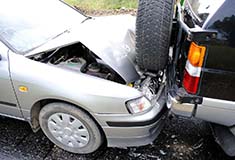
Most insurance companies start with lowball offers, hoping you'll accept less than you deserve. However, with the right preparation, knowledge, and negotiation tactics, you can significantly increase your settlement amount. This comprehensive guide will teach you proven strategies for negotiating with insurance companies and maximizing your compensation.
At The Injury Firm, our experienced Fort Lauderdale car accident lawyers have negotiated thousands of successful settlements with insurance companies. We understand their tactics and know how to counter them effectively to secure maximum compensation for our clients.
Why Negotiation is Necessary
Insurance companies rarely offer fair compensation on their first attempt. Understanding why negotiation is necessary helps you approach the process with realistic expectations and proper preparation.
The Insurance Company's Perspective
Insurance companies are profit-driven businesses that make money by:
- Collecting premiums: Money paid by policyholders
- Minimizing payouts: Paying as little as possible on claims
- Investing reserves: Earning returns on money not paid out in claims
- Managing risk: Avoiding large settlements that affect profitability
- Satisfying shareholders: Maintaining consistent profits for investors
Why Initial Offers Are Low
Insurance companies typically start with low offers for several strategic reasons:
- Testing your knowledge: Seeing if you know your claim's true value
- Quick resolution: Hoping you'll accept less to avoid hassle
- Financial pressure: Taking advantage of your immediate need for money
- Incomplete information: Making offers before fully understanding your damages
- Standard practice: Starting negotiations from a low baseline
- Profit protection: Minimizing payouts to protect company profits
The Power of Negotiation
Effective negotiation can result in significantly higher settlements:
- Increased compensation: Often 2-5 times the initial offer
- Full damage recovery: Compensation for all your losses
- Future cost coverage: Including ongoing medical expenses
- Fair pain and suffering: Appropriate compensation for intangible damages
- Precedent setting: Establishing your claim's value for future negotiations
Preparation Strategies for Successful Negotiation
Thorough preparation is the foundation of successful insurance negotiation. The more prepared you are, the stronger your negotiating position will be.
Understanding Your Insurance Policy
Before negotiating, thoroughly understand your insurance coverage:
- Coverage limits: Maximum amounts your policy will pay
- Deductibles: Amounts you must pay out-of-pocket
- Coverage types: Liability, collision, comprehensive, uninsured motorist
- Exclusions: What your policy doesn't cover
- Claim procedures: Required steps for filing claims
- Time limits: Deadlines for reporting and filing claims
Researching the Other Driver's Coverage
Understanding the at-fault driver's insurance is crucial:
- Policy limits: Maximum available compensation
- Insurance company: Reputation and negotiation history
- Coverage adequacy: Whether limits are sufficient for your damages
- Company policies: Settlement practices and tendencies
- Adjuster experience: Background of assigned adjuster
Building Your Knowledge Base
Educate yourself about relevant topics:
- Personal injury law: Basic legal principles affecting your case
- Insurance regulations: State laws governing insurance practices
- Medical terminology: Understanding your injuries and treatments
- Negotiation principles: Basic strategies and tactics
- Comparable cases: Similar cases and their outcomes
- Damage calculation: How to value different types of damages
Calculating Your Claim Value
Accurately calculating your claim's value is essential for effective negotiation. You need to know what you're worth before you can negotiate for it.
Economic Damages
Calculate all financial losses with specific dollar amounts:
Medical Expenses
- Emergency room treatment: Ambulance, ER visits, initial treatment
- Hospitalization: Room charges, surgery, procedures
- Ongoing medical care: Doctor visits, physical therapy, medications
- Future medical costs: Anticipated treatment, surgeries, long-term care
- Medical equipment: Wheelchairs, crutches, braces
- Home modifications: Accessibility improvements if needed
Lost Income
- Time off work: Wages lost during recovery
- Reduced earning capacity: Permanent impact on income potential
- Benefits lost: Health insurance, retirement contributions
- Vacation time used: Personal time used for recovery
- Self-employment losses: Business income lost due to injuries
- Career advancement: Lost promotion opportunities
Property Damage
- Vehicle repair costs: Estimates from multiple shops
- Vehicle replacement: If totaled, fair market value
- Rental car expenses: Transportation during repairs
- Personal property: Items damaged in the accident
- Diminished value: Reduced vehicle value after repair
Non-Economic Damages
These damages are more subjective but equally important:
Pain and Suffering
- Physical pain: Discomfort from injuries and treatments
- Emotional distress: Anxiety, depression, PTSD
- Loss of enjoyment: Inability to participate in activities
- Inconvenience: Disruption to daily life
- Embarrassment: Feelings about scarring or disability
Calculation Methods
- Multiplier method: Economic damages × 1.5-5 depending on severity
- Per diem method: Daily rate × number of days suffering
- Comparable cases: Similar cases and their outcomes
- Expert opinions: Professional assessments of damages
Documentation Essentials for Strong Negotiation
Comprehensive documentation strengthens your negotiating position and provides evidence to support your demands.
Medical Documentation
Collect all medical records and evidence:
- Emergency room records: Initial treatment documentation
- Hospital records: Admission notes, surgery reports, discharge summaries
- Doctor visit notes: All follow-up appointments and treatments
- Diagnostic tests: X-rays, MRIs, CT scans, lab results
- Physical therapy records: Progress notes and treatment plans
- Prescription records: All medications prescribed for injuries
- Medical bills: All invoices and payment records
Accident Documentation
Gather all evidence from the accident scene:
- Police report: Official accident report with officer's findings
- Photographs: Accident scene, vehicle damage, injuries
- Witness statements: Contact information and accounts
- Traffic camera footage: If available
- Weather conditions: Documentation of conditions at time of accident
- Road conditions: Construction, defects, or hazards
Financial Documentation
Organize all financial impacts:
- Employment records: Pay stubs, tax returns, employment verification
- Lost wage calculations: Detailed breakdown of missed work
- Expense receipts: All accident-related costs
- Insurance correspondence: All communications with insurers
- Repair estimates: Multiple quotes for vehicle repairs
- Rental car receipts: Transportation costs during repairs
Effective Negotiation Tactics
Understanding and applying proven negotiation tactics can significantly improve your settlement outcome.
Opening Negotiation Strategies
Start negotiations strategically:
- Set high anchor: Begin with a reasonable but high initial demand
- Justify your demand: Provide detailed evidence supporting your amount
- Professional presentation: Present your case clearly and professionally
- Confidence display: Show you know your claim's value
- Patience emphasis: Demonstrate you're not desperate for quick settlement
- Preparation evidence: Show you've done your homework
Communication Strategies
Effective communication is crucial during negotiations:
- Stay professional: Maintain a business-like tone
- Be factual: Stick to facts and evidence
- Listen actively: Understand the adjuster's position
- Ask questions: Understand their reasoning and calculations
- Document everything: Keep records of all communications
- Follow up in writing: Confirm verbal agreements in writing
Psychological Tactics
Use psychology to your advantage:
- Reciprocity: Offer reasonable concessions to encourage reciprocation
- Scarcity: Create time pressure when appropriate
- Authority: Reference expert opinions and legal precedents
- Social proof: Cite similar cases and their outcomes
- Commitment: Get agreements in writing
- Likability: Build rapport while maintaining professionalism
Common Negotiation Mistakes to Avoid
Avoiding these common mistakes can prevent you from weakening your negotiating position:
Preparation Mistakes
- Inadequate documentation: Not gathering sufficient evidence
- Poor claim valuation: Not understanding your claim's worth
- Rushing the process: Negotiating before fully understanding damages
- Ignoring deadlines: Missing important filing deadlines
- Lack of research: Not understanding insurance company tactics
- Emotional approach: Letting emotions drive negotiations
Communication Mistakes
- Admitting fault: Making statements that suggest responsibility
- Minimizing injuries: Downplaying the extent of your injuries
- Accepting blame: Taking any responsibility for the accident
- Providing excessive information: Giving more information than necessary
- Recorded statements: Allowing recorded conversations without preparation
- Informal communication: Not maintaining professional boundaries
Negotiation Mistakes
- Accepting first offer: Taking the initial lowball settlement
- Revealing bottom line: Telling the adjuster your minimum acceptable amount
- Making ultimatums: Threatening actions you're not prepared to take
- Negotiating without leverage: Not having alternatives or backup plans
- Impatience: Rushing to settle due to financial pressure
- Lack of follow-through: Not following up on agreements or commitments
Understanding Settlement Ranges
Insurance adjusters typically have settlement ranges or authority limits that guide their negotiations. Understanding these ranges can help you negotiate more effectively.
How Settlement Ranges Work
Insurance companies establish settlement ranges based on:
- Claim evaluation: Initial assessment of liability and damages
- Similar cases: Comparable settlements and verdicts
- Policy limits: Maximum available coverage
- Company guidelines: Internal settlement policies
- Adjuster authority: Limits on what adjusters can offer
- Risk assessment: Evaluation of trial risk if settlement fails
Factors Affecting Settlement Ranges
- Liability clarity: How clear fault determination is
- Injury severity: Extent and permanence of injuries
- Medical costs: Total past and future medical expenses
- Lost income: Wages lost and future earning capacity
- Pain and suffering: Intangible damages from injuries
- Age and occupation: Impact on future earning potential
- Sympathetic factors: Circumstances that generate sympathy
Negotiating Within and Beyond Ranges
Strategies for maximizing settlements within established ranges:
- Identify the range: Determine the adjuster's settlement authority
- Target the top: Aim for the highest amount in the range
- Exceed limits: Present evidence to justify amounts beyond the range
- Supervisor involvement: Request supervisor approval for higher amounts
- Policy limit demands: Seek full policy limits when appropriate
- Bad faith leverage: Use potential bad faith claims as leverage
When to Walk Away from Negotiations
Sometimes the best negotiation tactic is being willing to walk away from inadequate offers. Knowing when to end negotiations is crucial for protecting your interests.
Signs It's Time to Walk Away
- Unreasonable offers: Settlements far below your claim's value
- Bad faith behavior: Unfair or unethical negotiation tactics
- Stalled negotiations: No progress despite reasonable concessions
- Deadline pressure: Artificial deadlines to force quick decisions
- Adjuster inflexibility: Unwillingness to consider evidence or increase offers
- Better alternatives: Litigation likely to produce better results
Preparing to Walk Away
Before walking away, ensure you have:
- Clear documentation: Records of negotiation efforts and offers
- Legal consultation: Attorney evaluation of your case
- Alternative options: Other sources of compensation
- Financial capacity: Ability to pursue litigation
- Time availability: Patience for longer legal process
- Realistic expectations: Understanding of litigation risks and costs
Leveraging Walk-Away Power
Use your willingness to walk away as leverage:
- Communicate readiness: Show you're prepared to litigate
- Set final deadlines: Give reasonable time limits for responses
- Escalate within company: Request supervisor or manager involvement
- Document bad faith: Record unfair negotiation tactics
- Prepare legal action: Begin litigation preparation
- Maintain professionalism: Keep doors open for future negotiations
When to Seek Professional Help
While some negotiations can be handled independently, many situations require professional legal assistance to achieve optimal results.
Complex Cases Requiring Legal Help
- Serious injuries: Permanent disabilities, traumatic brain injuries, spinal cord damage
- High-value claims: Cases involving significant damages
- Disputed liability: When fault is contested or unclear
- Multiple parties: Accidents involving several vehicles or entities
- Commercial vehicles: Truck accidents with complex regulations
- Government entities: Claims involving government vehicles or property
- Product liability: When vehicle defects contributed to injuries
Insurance Company Red Flags
These behaviors suggest you need legal representation:
- Claim denial: Unreasonable rejection of valid claims
- Lowball offers: Settlements far below fair value
- Delay tactics: Excessive delays in processing claims
- Bad faith behavior: Unfair or unethical practices
- Surveillance: Hiring investigators to monitor your activities
- Pressure tactics: Attempting to rush settlements
- Settlement caps: Refusing to negotiate beyond predetermined limits
Benefits of Professional Representation
- Legal expertise: Understanding of insurance law and regulations
- Negotiation skills: Trained in effective negotiation strategies
- Case valuation: Accurate assessment of claim worth
- Resource access: Experts, investigators, and medical professionals
- Litigation capability: Ability to file lawsuits when necessary
- Level playing field: Matching insurance company resources
- Stress reduction: Handling negotiations while you focus on recovery
Negotiation Timeline and Process
Understanding the typical negotiation timeline helps set realistic expectations and plan your strategy effectively.
Initial Phase (Weeks 1-4)
- Claim reporting: Notifying insurance companies of the accident
- Initial contact: First communications with adjusters
- Basic investigation: Preliminary review of accident circumstances
- Medical treatment: Beginning of injury treatment and documentation
- Evidence gathering: Collecting initial documentation
- Liability assessment: Determining fault and coverage
Preparation Phase (Weeks 4-12)
- Medical stabilization: Completing initial treatment phase
- Documentation compilation: Gathering all relevant evidence
- Claim valuation: Calculating total damages
- Demand preparation: Preparing comprehensive demand letter
- Strategy development: Planning negotiation approach
- Initial demand: Presenting opening settlement demand
Active Negotiation Phase (Weeks 12-24)
- Offer and counteroffer: Back-and-forth negotiation process
- Additional documentation: Providing supplementary evidence
- Medical evaluations: Independent medical exams if required
- Settlement discussions: Serious negotiations toward resolution
- Final negotiations: Last attempts to reach agreement
- Resolution or impasse: Either settlement or decision to litigate
Achieving Successful Negotiation Outcomes
Success in insurance negotiations requires patience, preparation, and strategic thinking. Here's how to maximize your chances of achieving the best possible outcome.
Measuring Success
Successful negotiations achieve:
- Fair compensation: Settlement reflecting true claim value
- Full damage coverage: Compensation for all losses
- Reasonable timeline: Resolution within acceptable timeframe
- Preserved relationships: Maintaining professional interactions
- Avoided litigation: Settling without need for lawsuit
- Closure achievement: Finality and ability to move forward
Final Negotiation Tips
- Stay focused on facts: Base arguments on evidence, not emotions
- Maintain professionalism: Keep interactions business-like
- Be patient: Good negotiations take time
- Document everything: Keep records of all communications
- Know your alternatives: Understand options if negotiations fail
- Get agreements in writing: Confirm all settlements in writing
- Review before signing: Carefully review all settlement documents
Legal Considerations in Negotiation
Understanding legal aspects of insurance negotiations helps protect your rights and maximize your leverage.
Statute of Limitations
Time limits for filing lawsuits affect negotiations:
- Florida deadline: 2 years from accident date for personal injury claims
- Negotiation leverage: Approaching deadlines can pressure settlements
- Preservation of rights: Filing suit to preserve claims while negotiating
- Strategic timing: Using deadlines to motivate insurance companies
Bad Faith Insurance Practices
Insurance companies must negotiate in good faith:
- Unreasonable denials: Rejecting valid claims without proper investigation
- Excessive delays: Unnecessarily prolonging claim resolution
- Inadequate investigation: Failing to properly investigate claims
- Lowball offers: Offering settlements far below fair value
- Misrepresentation: Providing false information about coverage or claims
- Coercion: Using pressure tactics to force settlements
Settlement Agreement Considerations
Important aspects of settlement agreements:
- Release scope: Understanding what claims are being released
- Payment terms: When and how settlement will be paid
- Confidentiality: Requirements to keep settlement terms private
- Tax implications: How settlement affects your taxes
- Future claims: Whether settlement covers future related problems
- Attorney approval: Having lawyer review before signing
Frequently Asked Questions
How long should I wait before starting negotiations?
Wait until you have a clear understanding of your injuries and damages, typically after completing initial medical treatment. However, don't wait too long, as evidence can disappear and witnesses' memories fade. Most negotiations begin 30-90 days after an accident, once you have sufficient documentation.
Should I accept the first settlement offer?
No, you should rarely accept the first offer. Insurance companies typically start with lowball offers hoping you'll accept less than you deserve. First offers are often 10-25% of the claim's true value. Always take time to evaluate the offer against your calculated damages.
What if the adjuster says their offer is final?
Adjusters often claim their offers are "final" as a negotiation tactic, but this is rarely true. Most adjusters have authority to increase offers or can get supervisor approval for higher amounts. Continue negotiating with evidence supporting your position, or consider escalating to a supervisor or seeking legal help.
How much should I ask for in my initial demand?
Your initial demand should be reasonable but higher than what you expect to receive, typically 25-50% above your calculated claim value. This gives you room to negotiate while anchoring the discussion at a higher amount. Always provide detailed justification for your demand amount.
Can I negotiate if I was partially at fault for the accident?
Yes, you can still negotiate even if you were partially at fault. Under Florida's comparative negligence law, your compensation will be reduced by your percentage of fault, but you can still recover damages. Focus on minimizing your percentage of fault while maximizing the total claim value.
What documents do I need for successful negotiation?
Essential documents include medical records and bills, proof of lost wages, property damage estimates, police reports, photographs of the accident scene and injuries, witness statements, and insurance correspondence. The more comprehensive your documentation, the stronger your negotiating position.
How do I know if a settlement offer is fair?
Compare the offer to your calculated damages, including medical expenses, lost wages, property damage, and pain and suffering. Research similar cases and their outcomes. Consider consulting with a personal injury attorney for a professional evaluation of the offer's fairness.
What if the insurance company is delaying my claim?
Document all delays and communication attempts. Set reasonable deadlines for responses and escalate to supervisors when necessary. Consider filing a complaint with your state's insurance commissioner if delays are excessive. In some cases, delays may constitute bad faith behavior.
Can I negotiate with multiple insurance companies?
Yes, you may need to negotiate with your own insurance company and the at-fault driver's insurer, depending on your coverage and the circumstances. Each negotiation is separate, but the outcomes can affect each other. Consider how settlements from one company might impact claims with another.
Should I use a lawyer for negotiations?
Consider hiring a lawyer for serious injuries, high-value claims, disputed liability, or when insurance companies are acting in bad faith. Lawyers often recover more compensation than individuals can achieve alone, even after paying attorney fees. Many work on contingency, so you pay nothing unless you win.
Master Insurance Negotiation for Maximum Compensation
Negotiating with insurance companies after a car accident requires preparation, patience, and strategic thinking. While insurance adjusters are experienced professionals working to minimize payouts, you can level the playing field by understanding their tactics, properly valuing your claim, and employing effective negotiation strategies.
Remember that insurance companies expect negotiation—their first offers are almost always deliberately low. By thoroughly documenting your damages, presenting a compelling case, and negotiating professionally, you can often achieve settlements that are significantly higher than initial offers.
However, successful negotiation has its limits. When insurance companies act in bad faith, refuse to negotiate reasonably, or when your case involves complex legal issues, professional legal representation becomes essential. The expertise, resources, and negotiation skills of an experienced car accident lawyer can make the difference between a disappointing settlement and maximum compensation.
At The Injury Firm, our Fort Lauderdale car accident lawyers have decades of experience negotiating with insurance companies. We understand their tactics, know how to counter them effectively, and have the resources to take cases to trial when necessary to achieve fair compensation.
Our comprehensive approach to insurance negotiations includes:
- Thorough investigation and documentation of all your damages
- Accurate valuation of your claim using proven methods
- Strategic negotiation with insurance companies to maximize settlements
- Protection from insurance company tactics and bad faith behavior
- Escalation to litigation when negotiations fail to produce fair results
- Handling all communications so you can focus on recovery
Don't let insurance companies take advantage of you when you're most vulnerable. You deserve fair compensation for your injuries, lost wages, and suffering.
Contact The Injury Firm today for a free consultation to discuss your case and learn how we can help you achieve the maximum compensation you deserve. Call (954) 951-0000 now or contact us online to schedule your free consultation with an experienced Florida car accident lawyer. We work on a contingency fee basis, so you pay nothing unless we recover compensation for you.
CONTACT US NOW
FREE CONSULTATION


PRACTICE AREA - CAR ACCIDENTS
CAR ACCIDENT
How to Negotiate with Insurance Companies After a Car Accident
This article provides a step-by-step guide to negotiating with insurance companies after a Florida car accident, including proven strategies to maximize your settlement. It covers how to calculate your claim’s true value, document damages, respond to lowball offers, and leverage key negotiation tactics when dealing with adjusters. Readers will gain practical tips for boosting compensation, avoiding common mistakes, and knowing when to seek legal help for complex or high-value cases.
Negotiating with insurance companies after a car accident can be one of the most challenging aspects of your recovery process. Insurance adjusters are trained professionals whose job is to minimize their company's payouts, while you're dealing with injuries, medical bills, and lost wages. Understanding effective negotiation strategies can mean the difference between receiving a fair settlement and being shortchanged by thousands of dollars.
Most insurance companies start with lowball offers, hoping you'll accept less than you deserve. However, with the right preparation, knowledge, and negotiation tactics, you can significantly increase your settlement amount. This comprehensive guide will teach you proven strategies for negotiating with insurance companies and maximizing your compensation.
At The Injury Firm, our experienced Fort Lauderdale car accident lawyers have negotiated thousands of successful settlements with insurance companies. We understand their tactics and know how to counter them effectively to secure maximum compensation for our clients.
Why Negotiation is Necessary
Insurance companies rarely offer fair compensation on their first attempt. Understanding why negotiation is necessary helps you approach the process with realistic expectations and proper preparation.
The Insurance Company's Perspective
Insurance companies are profit-driven businesses that make money by:
- Collecting premiums: Money paid by policyholders
- Minimizing payouts: Paying as little as possible on claims
- Investing reserves: Earning returns on money not paid out in claims
- Managing risk: Avoiding large settlements that affect profitability
- Satisfying shareholders: Maintaining consistent profits for investors
Why Initial Offers Are Low
Insurance companies typically start with low offers for several strategic reasons:
- Testing your knowledge: Seeing if you know your claim's true value
- Quick resolution: Hoping you'll accept less to avoid hassle
- Financial pressure: Taking advantage of your immediate need for money
- Incomplete information: Making offers before fully understanding your damages
- Standard practice: Starting negotiations from a low baseline
- Profit protection: Minimizing payouts to protect company profits
The Power of Negotiation
Effective negotiation can result in significantly higher settlements:
- Increased compensation: Often 2-5 times the initial offer
- Full damage recovery: Compensation for all your losses
- Future cost coverage: Including ongoing medical expenses
- Fair pain and suffering: Appropriate compensation for intangible damages
- Precedent setting: Establishing your claim's value for future negotiations
Preparation Strategies for Successful Negotiation
Thorough preparation is the foundation of successful insurance negotiation. The more prepared you are, the stronger your negotiating position will be.
Understanding Your Insurance Policy
Before negotiating, thoroughly understand your insurance coverage:
- Coverage limits: Maximum amounts your policy will pay
- Deductibles: Amounts you must pay out-of-pocket
- Coverage types: Liability, collision, comprehensive, uninsured motorist
- Exclusions: What your policy doesn't cover
- Claim procedures: Required steps for filing claims
- Time limits: Deadlines for reporting and filing claims
Researching the Other Driver's Coverage
Understanding the at-fault driver's insurance is crucial:
- Policy limits: Maximum available compensation
- Insurance company: Reputation and negotiation history
- Coverage adequacy: Whether limits are sufficient for your damages
- Company policies: Settlement practices and tendencies
- Adjuster experience: Background of assigned adjuster
Building Your Knowledge Base
Educate yourself about relevant topics:
- Personal injury law: Basic legal principles affecting your case
- Insurance regulations: State laws governing insurance practices
- Medical terminology: Understanding your injuries and treatments
- Negotiation principles: Basic strategies and tactics
- Comparable cases: Similar cases and their outcomes
- Damage calculation: How to value different types of damages
Calculating Your Claim Value
Accurately calculating your claim's value is essential for effective negotiation. You need to know what you're worth before you can negotiate for it.
Economic Damages
Calculate all financial losses with specific dollar amounts:
Medical Expenses
- Emergency room treatment: Ambulance, ER visits, initial treatment
- Hospitalization: Room charges, surgery, procedures
- Ongoing medical care: Doctor visits, physical therapy, medications
- Future medical costs: Anticipated treatment, surgeries, long-term care
- Medical equipment: Wheelchairs, crutches, braces
- Home modifications: Accessibility improvements if needed
Lost Income
- Time off work: Wages lost during recovery
- Reduced earning capacity: Permanent impact on income potential
- Benefits lost: Health insurance, retirement contributions
- Vacation time used: Personal time used for recovery
- Self-employment losses: Business income lost due to injuries
- Career advancement: Lost promotion opportunities
Property Damage
- Vehicle repair costs: Estimates from multiple shops
- Vehicle replacement: If totaled, fair market value
- Rental car expenses: Transportation during repairs
- Personal property: Items damaged in the accident
- Diminished value: Reduced vehicle value after repair
Non-Economic Damages
These damages are more subjective but equally important:
Pain and Suffering
- Physical pain: Discomfort from injuries and treatments
- Emotional distress: Anxiety, depression, PTSD
- Loss of enjoyment: Inability to participate in activities
- Inconvenience: Disruption to daily life
- Embarrassment: Feelings about scarring or disability
Calculation Methods
- Multiplier method: Economic damages × 1.5-5 depending on severity
- Per diem method: Daily rate × number of days suffering
- Comparable cases: Similar cases and their outcomes
- Expert opinions: Professional assessments of damages
Documentation Essentials for Strong Negotiation
Comprehensive documentation strengthens your negotiating position and provides evidence to support your demands.
Medical Documentation
Collect all medical records and evidence:
- Emergency room records: Initial treatment documentation
- Hospital records: Admission notes, surgery reports, discharge summaries
- Doctor visit notes: All follow-up appointments and treatments
- Diagnostic tests: X-rays, MRIs, CT scans, lab results
- Physical therapy records: Progress notes and treatment plans
- Prescription records: All medications prescribed for injuries
- Medical bills: All invoices and payment records
Accident Documentation
Gather all evidence from the accident scene:
- Police report: Official accident report with officer's findings
- Photographs: Accident scene, vehicle damage, injuries
- Witness statements: Contact information and accounts
- Traffic camera footage: If available
- Weather conditions: Documentation of conditions at time of accident
- Road conditions: Construction, defects, or hazards
Financial Documentation
Organize all financial impacts:
- Employment records: Pay stubs, tax returns, employment verification
- Lost wage calculations: Detailed breakdown of missed work
- Expense receipts: All accident-related costs
- Insurance correspondence: All communications with insurers
- Repair estimates: Multiple quotes for vehicle repairs
- Rental car receipts: Transportation costs during repairs
Effective Negotiation Tactics
Understanding and applying proven negotiation tactics can significantly improve your settlement outcome.
Opening Negotiation Strategies
Start negotiations strategically:
- Set high anchor: Begin with a reasonable but high initial demand
- Justify your demand: Provide detailed evidence supporting your amount
- Professional presentation: Present your case clearly and professionally
- Confidence display: Show you know your claim's value
- Patience emphasis: Demonstrate you're not desperate for quick settlement
- Preparation evidence: Show you've done your homework
Communication Strategies
Effective communication is crucial during negotiations:
- Stay professional: Maintain a business-like tone
- Be factual: Stick to facts and evidence
- Listen actively: Understand the adjuster's position
- Ask questions: Understand their reasoning and calculations
- Document everything: Keep records of all communications
- Follow up in writing: Confirm verbal agreements in writing
Psychological Tactics
Use psychology to your advantage:
- Reciprocity: Offer reasonable concessions to encourage reciprocation
- Scarcity: Create time pressure when appropriate
- Authority: Reference expert opinions and legal precedents
- Social proof: Cite similar cases and their outcomes
- Commitment: Get agreements in writing
- Likability: Build rapport while maintaining professionalism
Common Negotiation Mistakes to Avoid
Avoiding these common mistakes can prevent you from weakening your negotiating position:
Preparation Mistakes
- Inadequate documentation: Not gathering sufficient evidence
- Poor claim valuation: Not understanding your claim's worth
- Rushing the process: Negotiating before fully understanding damages
- Ignoring deadlines: Missing important filing deadlines
- Lack of research: Not understanding insurance company tactics
- Emotional approach: Letting emotions drive negotiations
Communication Mistakes
- Admitting fault: Making statements that suggest responsibility
- Minimizing injuries: Downplaying the extent of your injuries
- Accepting blame: Taking any responsibility for the accident
- Providing excessive information: Giving more information than necessary
- Recorded statements: Allowing recorded conversations without preparation
- Informal communication: Not maintaining professional boundaries
Negotiation Mistakes
- Accepting first offer: Taking the initial lowball settlement
- Revealing bottom line: Telling the adjuster your minimum acceptable amount
- Making ultimatums: Threatening actions you're not prepared to take
- Negotiating without leverage: Not having alternatives or backup plans
- Impatience: Rushing to settle due to financial pressure
- Lack of follow-through: Not following up on agreements or commitments
Understanding Settlement Ranges
Insurance adjusters typically have settlement ranges or authority limits that guide their negotiations. Understanding these ranges can help you negotiate more effectively.
How Settlement Ranges Work
Insurance companies establish settlement ranges based on:
- Claim evaluation: Initial assessment of liability and damages
- Similar cases: Comparable settlements and verdicts
- Policy limits: Maximum available coverage
- Company guidelines: Internal settlement policies
- Adjuster authority: Limits on what adjusters can offer
- Risk assessment: Evaluation of trial risk if settlement fails
Factors Affecting Settlement Ranges
- Liability clarity: How clear fault determination is
- Injury severity: Extent and permanence of injuries
- Medical costs: Total past and future medical expenses
- Lost income: Wages lost and future earning capacity
- Pain and suffering: Intangible damages from injuries
- Age and occupation: Impact on future earning potential
- Sympathetic factors: Circumstances that generate sympathy
Negotiating Within and Beyond Ranges
Strategies for maximizing settlements within established ranges:
- Identify the range: Determine the adjuster's settlement authority
- Target the top: Aim for the highest amount in the range
- Exceed limits: Present evidence to justify amounts beyond the range
- Supervisor involvement: Request supervisor approval for higher amounts
- Policy limit demands: Seek full policy limits when appropriate
- Bad faith leverage: Use potential bad faith claims as leverage
When to Walk Away from Negotiations
Sometimes the best negotiation tactic is being willing to walk away from inadequate offers. Knowing when to end negotiations is crucial for protecting your interests.
Signs It's Time to Walk Away
- Unreasonable offers: Settlements far below your claim's value
- Bad faith behavior: Unfair or unethical negotiation tactics
- Stalled negotiations: No progress despite reasonable concessions
- Deadline pressure: Artificial deadlines to force quick decisions
- Adjuster inflexibility: Unwillingness to consider evidence or increase offers
- Better alternatives: Litigation likely to produce better results
Preparing to Walk Away
Before walking away, ensure you have:
- Clear documentation: Records of negotiation efforts and offers
- Legal consultation: Attorney evaluation of your case
- Alternative options: Other sources of compensation
- Financial capacity: Ability to pursue litigation
- Time availability: Patience for longer legal process
- Realistic expectations: Understanding of litigation risks and costs
Leveraging Walk-Away Power
Use your willingness to walk away as leverage:
- Communicate readiness: Show you're prepared to litigate
- Set final deadlines: Give reasonable time limits for responses
- Escalate within company: Request supervisor or manager involvement
- Document bad faith: Record unfair negotiation tactics
- Prepare legal action: Begin litigation preparation
- Maintain professionalism: Keep doors open for future negotiations
When to Seek Professional Help
While some negotiations can be handled independently, many situations require professional legal assistance to achieve optimal results.
Complex Cases Requiring Legal Help
- Serious injuries: Permanent disabilities, traumatic brain injuries, spinal cord damage
- High-value claims: Cases involving significant damages
- Disputed liability: When fault is contested or unclear
- Multiple parties: Accidents involving several vehicles or entities
- Commercial vehicles: Truck accidents with complex regulations
- Government entities: Claims involving government vehicles or property
- Product liability: When vehicle defects contributed to injuries
Insurance Company Red Flags
These behaviors suggest you need legal representation:
- Claim denial: Unreasonable rejection of valid claims
- Lowball offers: Settlements far below fair value
- Delay tactics: Excessive delays in processing claims
- Bad faith behavior: Unfair or unethical practices
- Surveillance: Hiring investigators to monitor your activities
- Pressure tactics: Attempting to rush settlements
- Settlement caps: Refusing to negotiate beyond predetermined limits
Benefits of Professional Representation
- Legal expertise: Understanding of insurance law and regulations
- Negotiation skills: Trained in effective negotiation strategies
- Case valuation: Accurate assessment of claim worth
- Resource access: Experts, investigators, and medical professionals
- Litigation capability: Ability to file lawsuits when necessary
- Level playing field: Matching insurance company resources
- Stress reduction: Handling negotiations while you focus on recovery
Negotiation Timeline and Process
Understanding the typical negotiation timeline helps set realistic expectations and plan your strategy effectively.
Initial Phase (Weeks 1-4)
- Claim reporting: Notifying insurance companies of the accident
- Initial contact: First communications with adjusters
- Basic investigation: Preliminary review of accident circumstances
- Medical treatment: Beginning of injury treatment and documentation
- Evidence gathering: Collecting initial documentation
- Liability assessment: Determining fault and coverage
Preparation Phase (Weeks 4-12)
- Medical stabilization: Completing initial treatment phase
- Documentation compilation: Gathering all relevant evidence
- Claim valuation: Calculating total damages
- Demand preparation: Preparing comprehensive demand letter
- Strategy development: Planning negotiation approach
- Initial demand: Presenting opening settlement demand
Active Negotiation Phase (Weeks 12-24)
- Offer and counteroffer: Back-and-forth negotiation process
- Additional documentation: Providing supplementary evidence
- Medical evaluations: Independent medical exams if required
- Settlement discussions: Serious negotiations toward resolution
- Final negotiations: Last attempts to reach agreement
- Resolution or impasse: Either settlement or decision to litigate
Achieving Successful Negotiation Outcomes
Success in insurance negotiations requires patience, preparation, and strategic thinking. Here's how to maximize your chances of achieving the best possible outcome.
Measuring Success
Successful negotiations achieve:
- Fair compensation: Settlement reflecting true claim value
- Full damage coverage: Compensation for all losses
- Reasonable timeline: Resolution within acceptable timeframe
- Preserved relationships: Maintaining professional interactions
- Avoided litigation: Settling without need for lawsuit
- Closure achievement: Finality and ability to move forward
Final Negotiation Tips
- Stay focused on facts: Base arguments on evidence, not emotions
- Maintain professionalism: Keep interactions business-like
- Be patient: Good negotiations take time
- Document everything: Keep records of all communications
- Know your alternatives: Understand options if negotiations fail
- Get agreements in writing: Confirm all settlements in writing
- Review before signing: Carefully review all settlement documents
Legal Considerations in Negotiation
Understanding legal aspects of insurance negotiations helps protect your rights and maximize your leverage.
Statute of Limitations
Time limits for filing lawsuits affect negotiations:
- Florida deadline: 2 years from accident date for personal injury claims
- Negotiation leverage: Approaching deadlines can pressure settlements
- Preservation of rights: Filing suit to preserve claims while negotiating
- Strategic timing: Using deadlines to motivate insurance companies
Bad Faith Insurance Practices
Insurance companies must negotiate in good faith:
- Unreasonable denials: Rejecting valid claims without proper investigation
- Excessive delays: Unnecessarily prolonging claim resolution
- Inadequate investigation: Failing to properly investigate claims
- Lowball offers: Offering settlements far below fair value
- Misrepresentation: Providing false information about coverage or claims
- Coercion: Using pressure tactics to force settlements
Settlement Agreement Considerations
Important aspects of settlement agreements:
- Release scope: Understanding what claims are being released
- Payment terms: When and how settlement will be paid
- Confidentiality: Requirements to keep settlement terms private
- Tax implications: How settlement affects your taxes
- Future claims: Whether settlement covers future related problems
- Attorney approval: Having lawyer review before signing
Frequently Asked Questions
How long should I wait before starting negotiations?
Wait until you have a clear understanding of your injuries and damages, typically after completing initial medical treatment. However, don't wait too long, as evidence can disappear and witnesses' memories fade. Most negotiations begin 30-90 days after an accident, once you have sufficient documentation.
Should I accept the first settlement offer?
No, you should rarely accept the first offer. Insurance companies typically start with lowball offers hoping you'll accept less than you deserve. First offers are often 10-25% of the claim's true value. Always take time to evaluate the offer against your calculated damages.
What if the adjuster says their offer is final?
Adjusters often claim their offers are "final" as a negotiation tactic, but this is rarely true. Most adjusters have authority to increase offers or can get supervisor approval for higher amounts. Continue negotiating with evidence supporting your position, or consider escalating to a supervisor or seeking legal help.
How much should I ask for in my initial demand?
Your initial demand should be reasonable but higher than what you expect to receive, typically 25-50% above your calculated claim value. This gives you room to negotiate while anchoring the discussion at a higher amount. Always provide detailed justification for your demand amount.
Can I negotiate if I was partially at fault for the accident?
Yes, you can still negotiate even if you were partially at fault. Under Florida's comparative negligence law, your compensation will be reduced by your percentage of fault, but you can still recover damages. Focus on minimizing your percentage of fault while maximizing the total claim value.
What documents do I need for successful negotiation?
Essential documents include medical records and bills, proof of lost wages, property damage estimates, police reports, photographs of the accident scene and injuries, witness statements, and insurance correspondence. The more comprehensive your documentation, the stronger your negotiating position.
How do I know if a settlement offer is fair?
Compare the offer to your calculated damages, including medical expenses, lost wages, property damage, and pain and suffering. Research similar cases and their outcomes. Consider consulting with a personal injury attorney for a professional evaluation of the offer's fairness.
What if the insurance company is delaying my claim?
Document all delays and communication attempts. Set reasonable deadlines for responses and escalate to supervisors when necessary. Consider filing a complaint with your state's insurance commissioner if delays are excessive. In some cases, delays may constitute bad faith behavior.
Can I negotiate with multiple insurance companies?
Yes, you may need to negotiate with your own insurance company and the at-fault driver's insurer, depending on your coverage and the circumstances. Each negotiation is separate, but the outcomes can affect each other. Consider how settlements from one company might impact claims with another.
Should I use a lawyer for negotiations?
Consider hiring a lawyer for serious injuries, high-value claims, disputed liability, or when insurance companies are acting in bad faith. Lawyers often recover more compensation than individuals can achieve alone, even after paying attorney fees. Many work on contingency, so you pay nothing unless you win.
Master Insurance Negotiation for Maximum Compensation
Negotiating with insurance companies after a car accident requires preparation, patience, and strategic thinking. While insurance adjusters are experienced professionals working to minimize payouts, you can level the playing field by understanding their tactics, properly valuing your claim, and employing effective negotiation strategies.
Remember that insurance companies expect negotiation—their first offers are almost always deliberately low. By thoroughly documenting your damages, presenting a compelling case, and negotiating professionally, you can often achieve settlements that are significantly higher than initial offers.
However, successful negotiation has its limits. When insurance companies act in bad faith, refuse to negotiate reasonably, or when your case involves complex legal issues, professional legal representation becomes essential. The expertise, resources, and negotiation skills of an experienced car accident lawyer can make the difference between a disappointing settlement and maximum compensation.
At The Injury Firm, our Fort Lauderdale car accident lawyers have decades of experience negotiating with insurance companies. We understand their tactics, know how to counter them effectively, and have the resources to take cases to trial when necessary to achieve fair compensation.
Our comprehensive approach to insurance negotiations includes:
- Thorough investigation and documentation of all your damages
- Accurate valuation of your claim using proven methods
- Strategic negotiation with insurance companies to maximize settlements
- Protection from insurance company tactics and bad faith behavior
- Escalation to litigation when negotiations fail to produce fair results
- Handling all communications so you can focus on recovery
Don't let insurance companies take advantage of you when you're most vulnerable. You deserve fair compensation for your injuries, lost wages, and suffering.
Contact The Injury Firm today for a free consultation to discuss your case and learn how we can help you achieve the maximum compensation you deserve. Call (954) 951-0000 now or contact us online to schedule your free consultation with an experienced Florida car accident lawyer. We work on a contingency fee basis, so you pay nothing unless we recover compensation for you.