
PRACTICE AREA - CAR ACCIDENTS
Texting and Driving Car Accident Lawyer in Florida - Get Justice for Distracted Driving Injuries
This article explains everything Florida drivers need to know about texting and distracted driving car accident claims—from current state laws and legal definitions of negligence, to the key evidence required for winning your case. It covers compensation for injuries, insurance challenges, and the vital steps an experienced attorney takes to prove liability and maximize your recovery after a distracted driving crash. Ideal for anyone searching for legal guidance or representation, this guide empowers victims to hold negligent drivers accountable under Florida law.
Understanding Texting and Driving Car Accidents in Florida
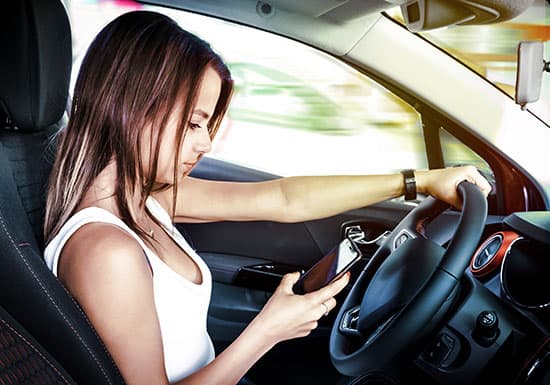 Texting and driving accidents have become one of the most dangerous and prevalent forms of distracted driving in Florida. Despite state laws prohibiting texting while driving, these preventable accidents continue to cause thousands of injuries and deaths across the state each year. If you've been injured in a car accident caused by a texting driver, understanding your legal rights and options is crucial for obtaining the compensation you deserve.
Distracted driving, particularly texting while driving, represents a form of negligence that can result in devastating consequences. When drivers choose to text, they're essentially driving blind for several seconds at a time, making it impossible to react to changing road conditions, traffic signals, or other vehicles. This negligent behavior creates liability for the distracted driver and grounds for a personal injury claim.
The complexity of texting and driving accident cases requires specialized legal expertise to navigate insurance companies, gather crucial evidence, and build a compelling case for maximum compensation. Understanding the legal landscape and your rights as a victim is the first step toward recovery.
Florida Texting and Driving Statistics and Laws
The scope of texting and driving accidents in Florida is staggering. According to the National Highway Traffic Safety Administration (NHTSA), distracted driving was responsible for over 3,000 deaths nationwide in 2019, with Florida consistently ranking among the states with the highest number of distracted driving incidents.
Florida's Texting and Driving Laws
Florida Statute 316.305 prohibits texting while driving, but it's classified as a secondary offense. This means law enforcement cannot pull over a driver solely for texting, but they can add texting charges if the driver is stopped for another traffic violation. The law includes several important provisions:
- Primary Enforcement in School Zones: Texting while driving becomes a primary offense in designated school zones and work zones
- Hands-Free Requirements: Drivers must use hands-free devices when talking on phones in these zones
- Penalties: First offense carries a $30 fine plus court costs; second offense within five years is $60 plus court costs and three points on the driver's license
- Exceptions: Emergency situations, stationary vehicles, and hands-free voice-to-text features are generally permitted
Impact on Insurance and Liability
When a texting violation is documented, it can significantly impact insurance claims and liability determinations. Insurance companies often use texting violations as evidence of negligence, which can affect coverage decisions and settlement negotiations. This is why thorough documentation and legal representation are crucial in these cases.
Emerging Trends and Technology
As smartphone usage continues to increase, new forms of distracted driving emerge, including social media use, video streaming, and app interactions. Modern vehicles are also incorporating more technology, creating additional sources of distraction that can contribute to accidents.
Types of Distracted Driving Beyond Texting
While texting is the most commonly discussed form of distracted driving, it's important to understand that distraction can take many forms. The CDC categorizes distracted driving into three main types:
Visual Distractions
Visual distractions involve taking your eyes off the road, even for a few seconds. Common examples include:
- Reading or sending text messages
- Looking at GPS navigation systems
- Checking social media notifications
- Watching videos on mobile devices
- Looking at accident scenes or roadside incidents
- Adjusting mirrors or searching for items in the vehicle
Manual Distractions
Manual distractions require drivers to take their hands off the steering wheel, compromising vehicle control:
- Typing on phones or other devices
- Eating or drinking while driving
- Applying makeup or grooming
- Reaching for objects in the car
- Adjusting radio or climate controls
- Smoking or vaping
Cognitive Distractions
Cognitive distractions involve mental focus away from driving, even when eyes are on the road:
- Engaging in emotional phone conversations
- Daydreaming or being lost in thought
- Dealing with stressful situations
- Arguing with passengers
- Thinking about work or personal problems
- Being under the influence of medications that affect concentration
Combination Distractions
Texting while driving is particularly dangerous because it combines all three types of distraction simultaneously. When a driver texts, they're looking at their phone (visual), using their hands to type (manual), and thinking about the conversation (cognitive), making it one of the most hazardous driving behaviors.
Proving Liability in Texting and Driving Cases
Establishing liability in texting and driving accidents requires demonstrating that the other driver was negligent and that this negligence directly caused your injuries. This process involves several key components:
Elements of Negligence
To prove negligence in a texting and driving case, your attorney must establish four elements:
Duty of Care: All drivers have a legal obligation to operate their vehicles safely and avoid actions that could harm others. This includes refraining from texting while driving.
Breach of Duty: The defendant driver breached their duty of care by texting while driving, violating Florida law and reasonable safety standards.
Causation: The driver's texting behavior directly caused or significantly contributed to the accident that resulted in your injuries.
Damages: You suffered actual damages (injuries, property damage, lost wages, etc.) as a result of the accident.
Challenges in Proving Distracted Driving
Proving that a driver was texting at the time of an accident can be challenging because:
- Drivers may deny texting or hide their phones after accidents
- Physical evidence may be limited or destroyed
- Witnesses may not have seen the driver's phone usage
- Insurance companies may dispute the connection between texting and the accident
- Time stamps on phone records must be precisely correlated with accident timing
Legal Standards and Burden of Proof
In Florida personal injury cases, the burden of proof is "preponderance of the evidence," meaning it's more likely than not that the defendant's texting caused the accident. This is a lower standard than criminal cases, making it easier to establish liability in civil court.
Critical Evidence Collection in Texting and Driving Cases
Successful texting and driving accident cases depend heavily on comprehensive evidence collection. The sooner this process begins, the better chance of preserving crucial evidence that could disappear or be destroyed.
Cell Phone Records and Data
Cell phone records are often the most powerful evidence in texting and driving cases. Your attorney can subpoena:
- Call Detail Records (CDRs): Show timing and duration of calls and text messages
- Text Message Content: Actual content of messages sent and received near the accident time
- Data Usage Records: Internet and app usage that indicates phone activity
- Location Data: GPS information showing the phone's location during the accident
- Application Usage: Data from social media, navigation, or other apps used during driving
Vehicle Data and Technology
Modern vehicles contain sophisticated data recording systems that can provide valuable evidence:
Event Data Recorders (EDRs): Often called "black boxes," these devices record vehicle speed, braking, acceleration, and other data in the seconds before and after an accident.
Infotainment Systems: Many vehicles sync with smartphones, creating logs of phone usage, calls, and messaging activity.
Telematics Data: Some vehicles have built-in telematics systems that record driving behavior, including sudden braking, acceleration, and phone usage.
Surveillance and Video Evidence
Video evidence can be crucial in texting and driving cases:
- Traffic Cameras: Intersection and highway cameras may capture the accident
- Business Security Cameras: Nearby businesses may have cameras pointed toward the accident scene
- Dash Cameras: Both your vehicle and others may have dash cameras recording the incident
- Body Camera Footage: Police officers may have body cameras that record interactions with drivers
- Surveillance from Buildings: Apartments, offices, and other buildings may have exterior cameras
Witness Testimony
Witness testimony can provide crucial firsthand accounts of the accident:
- Eyewitness Accounts: People who saw the driver texting before the accident
- Passenger Testimony: Passengers in the at-fault vehicle who observed phone usage
- Expert Witnesses: Accident reconstruction specialists and cell phone data experts
- First Responders: Police officers and paramedics who observed phone usage or driver behavior
Physical Evidence
Physical evidence from the accident scene can support your case:
- Vehicle damage patterns indicating speed and impact angle
- Skid marks and debris patterns
- Position of vehicles after the accident
- Traffic signal timing and road conditions
- The at-fault driver's phone and its condition
Damages and Compensation in Texting and Driving Accidents
Victims of texting and driving accidents may be entitled to comprehensive compensation for their injuries and losses. Understanding the types of damages available is crucial for ensuring you receive fair compensation.
Economic Damages
Economic damages are quantifiable financial losses resulting from the accident:
Medical Expenses:
- Emergency room treatment and ambulance services
- Hospital stays and surgical procedures
- Physician consultations and specialist care
- Physical therapy and rehabilitation services
- Prescription medications and medical equipment
- Future medical care and ongoing treatment needs
Lost Income and Earning Capacity:
- Lost wages from missed work due to injuries
- Lost salary, bonuses, and benefits
- Reduced earning capacity due to permanent disabilities
- Loss of business income for self-employed individuals
- Costs of retraining for new career paths
- Lost opportunities for career advancement
Property Damage:
- Vehicle repair or replacement costs
- Damage to personal property in the vehicle
- Rental car expenses during repairs
- Diminished value of repaired vehicles
Other Economic Losses:
- Transportation costs for medical appointments
- Home modifications for accessibility
- Assistive devices and equipment
- Household services you can no longer perform
Non-Economic Damages
Non-economic damages compensate for subjective losses that don't have a specific dollar value:
- Pain and Suffering: Physical pain and discomfort from injuries
- Emotional Distress: Anxiety, depression, and psychological trauma
- Loss of Enjoyment of Life: Inability to participate in activities you previously enjoyed
- Disfigurement and Scarring: Permanent physical changes affecting appearance
- Loss of Consortium: Impact on relationships with spouse and family
- Mental Anguish: Ongoing emotional suffering related to the accident
Punitive Damages
In cases involving particularly egregious conduct, Florida law allows for punitive damages designed to punish the defendant and deter similar behavior. These may be available when:
- The driver was texting while under the influence of alcohol or drugs
- The driver had a history of texting and driving violations
- The driver was engaging in extremely reckless behavior beyond simple texting
- The driver was texting while speeding excessively or driving aggressively
Wrongful Death Damages
When texting and driving accidents result in fatalities, surviving family members may recover:
- Funeral and burial expenses
- Loss of the deceased's financial support
- Loss of companionship and guidance
- Medical expenses incurred before death
- Estate administration costs
Insurance Challenges in Texting and Driving Cases
Insurance companies often present significant challenges in texting and driving accident cases, employing various tactics to minimize their payouts or deny claims entirely.
Common Insurance Company Tactics
Disputing Phone Usage: Insurance companies may argue that phone records don't definitively prove the driver was texting at the exact moment of impact, or that hands-free devices were being used.
Questioning Causation: Even when texting is proven, insurers may argue that other factors caused the accident, such as weather conditions, road defects, or the victim's actions.
Minimizing Injuries: Insurance adjusters often claim that injuries are less severe than reported or that they result from pre-existing conditions rather than the accident.
Rushing Settlement Offers: Insurance companies may offer quick, low-ball settlements before the full extent of injuries and damages is known.
Surveillance and Investigation: Insurers may hire private investigators to surveil claimants, looking for evidence that contradicts injury claims.
Coverage Issues and Complications
Several coverage issues can complicate texting and driving accident claims:
- Policy Limits: The at-fault driver's insurance may have insufficient coverage to compensate for severe injuries
- Excluded Drivers: Some drivers may be excluded from coverage due to their driving history
- Lapsed Coverage: The at-fault driver may have allowed their insurance to lapse
- Commercial vs. Personal Use: Coverage may be disputed if the driver was using their vehicle for business purposes
Uninsured and Underinsured Motorist Coverage
When the at-fault driver lacks adequate insurance, your own uninsured/underinsured motorist coverage may provide additional compensation. This coverage can be crucial in texting and driving cases that often result in severe injuries requiring extensive medical treatment.
Legal Process for Texting and Driving Accident Claims
Understanding the legal process helps set realistic expectations and ensures you're prepared for each phase of your case.
Initial Investigation and Case Evaluation
Your attorney will begin with a comprehensive investigation:
- Reviewing police reports and accident scene evidence
- Analyzing medical records and consulting with medical experts
- Subpoenaing cell phone records and other electronic evidence
- Interviewing witnesses and gathering statements
- Calculating damages and future losses
- Determining all potential sources of compensation
Demand Letter and Initial Negotiations
Once the investigation is complete, your attorney will typically send a demand letter to the insurance company outlining:
- The facts of the accident and evidence of liability
- The extent of your injuries and medical treatment
- Economic losses including medical expenses and lost wages
- Non-economic damages such as pain and suffering
- A demand for specific compensation amount
Filing a Lawsuit
If settlement negotiations fail, your attorney may file a lawsuit in the appropriate Florida court. This involves:
- Drafting and filing a complaint outlining your claims
- Serving the complaint on the defendant
- Responding to the defendant's answer and any counterclaims
- Engaging in the discovery process
Discovery Phase
During discovery, both sides exchange information and evidence:
- Interrogatories: Written questions that must be answered under oath
- Document Production: Requests for relevant documents and records
- Depositions: Sworn testimony from parties, witnesses, and experts
- Expert Witness Reports: Opinions from medical experts, accident reconstruction specialists, and economists
Mediation and Settlement Negotiations
Many cases resolve through mediation, where a neutral third party helps facilitate settlement discussions. This process can be beneficial because it:
- Allows for creative settlement solutions
- Reduces litigation costs and time
- Provides more control over the outcome
- Maintains privacy compared to public trials
Trial Preparation and Litigation
If mediation fails, your case will proceed to trial. This involves:
- Final trial preparation and witness coaching
- Jury selection and opening statements
- Presentation of evidence and witness testimony
- Cross-examination of opposing witnesses
- Closing arguments and jury deliberation
- Verdict and potential appeals
Statute of Limitations
In Florida, you generally have two years from the date of the accident to file a personal injury lawsuit. However, it's crucial to begin the legal process immediately to preserve evidence and strengthen your case.
How an Experienced Attorney Can Help Your Case
Texting and driving accident cases require specialized expertise and resources that most individuals don't possess. An experienced attorney can make the difference between a minimal settlement and full compensation for your injuries.
Immediate Case Benefits
Evidence Preservation: Attorneys know how to quickly preserve crucial evidence before it's lost or destroyed, including subpoenaing phone records and securing vehicle data.
Medical Care Coordination: Experienced attorneys can help you find appropriate medical care and arrange treatment on a lien basis if you lack insurance or funds.
Insurance Communication: Your attorney will handle all communications with insurance companies, protecting you from tactics designed to minimize your claim.
Legal Deadline Management: Attorneys ensure all legal deadlines are met, including statutes of limitations and procedural requirements.
Investigation and Case Building
Professional legal teams have access to resources individual claimants cannot obtain:
- Expert Witnesses: Accident reconstruction specialists, medical experts, and economic analysts
- Investigation Services: Private investigators and forensic specialists
- Technology Resources: Advanced tools for analyzing phone data and vehicle systems
- Legal Research: Access to case law and legal precedents that strengthen your case
Negotiation and Trial Advocacy
Experienced attorneys understand insurance company tactics and know how to counter them effectively:
- Calculating fair settlement values based on similar cases
- Negotiating with adjusters and defense attorneys
- Preparing compelling settlement presentations
- Being prepared to take cases to trial when necessary
Maximizing Compensation
Professional legal representation often results in significantly higher compensation because attorneys:
- Understand the full scope of available damages
- Can accurately calculate future losses and expenses
- Know how to present cases in the most compelling manner
- Have relationships with medical experts who can testify about injuries
Contingency Fee Arrangements
Most personal injury attorneys work on a contingency fee basis, meaning:
- No upfront costs or attorney fees
- Attorneys only get paid if you recover compensation
- Legal fees are typically a percentage of your settlement or verdict
- You can afford quality legal representation regardless of your financial situation
Prevention and Safety Tips
While legal remedies are available after texting and driving accidents, prevention remains the best approach to avoiding these tragic incidents.
Personal Safety Strategies
- Turn Off or Silence Your Phone: Place your phone in airplane mode or turn it off completely while driving
- Use Do Not Disturb Features: Most smartphones have driving modes that automatically silence notifications
- Pull Over Safely: If you must use your phone, pull over to a safe location and park
- Designate a Passenger: Ask passengers to handle phone calls and messages
- Prepare Before Driving: Set up navigation, music, and other features before starting your trip
- Use Voice Commands: When available, use hands-free voice commands for essential functions
Technology Solutions
- Driving Apps: Use apps that block calls and texts while driving
- Car Integration: Utilize Apple CarPlay or Android Auto for safer phone integration
- Automatic Responses: Set up automatic responses that inform contacts you're driving
- Family Tracking: Use family safety apps that monitor driving behavior
Defensive Driving Against Distracted Drivers
- Maintain extra following distance from other vehicles
- Stay alert for erratic driving patterns that may indicate distraction
- Avoid driving next to vehicles with distracted drivers
- Use your horn to alert distracted drivers when necessary
- Report dangerous driving to authorities when safe to do so
Frequently Asked Questions
What should I do immediately after being hit by a texting driver?
First, ensure everyone's safety and call 911 for medical attention and police response. If you're able, take photos of the accident scene, vehicle damage, and any visible injuries. Try to observe if the other driver was using their phone and note this to police. Collect contact information from witnesses who may have seen the texting behavior. Don't admit fault or discuss the accident details beyond basic facts. Contact an experienced texting and driving accident attorney as soon as possible to protect your rights and preserve evidence.
How can my lawyer prove the other driver was texting?
Attorneys have several methods to prove texting while driving, including subpoenaing cell phone records to show calls, texts, and data usage at the time of the accident. They can also access the vehicle's event data recorder (black box) for speed and braking information, obtain surveillance footage from nearby cameras, interview witnesses who saw the driver texting, and examine the driver's phone for recent activity. Expert witnesses can also analyze this evidence to establish a timeline and prove the driver was distracted.
Can I still recover compensation if I was partially at fault?
Yes, Florida follows a comparative negligence system, meaning you can still recover damages even if you were partially responsible for the accident. Your compensation will be reduced by your percentage of fault. For example, if you were found 20% at fault and your damages totaled $100,000, you would receive $80,000. However, if you're found more than 50% at fault, you may not be able to recover any compensation from the other driver.
What if the texting driver's insurance company denies my claim?
Insurance companies often deny claims initially, even when liability seems clear. Your attorney can challenge the denial by providing additional evidence, expert testimony, and legal arguments. If the insurance company continues to deny the claim unfairly, your attorney can file a lawsuit and pursue compensation through the court system. You may also have coverage under your own insurance policy, such as uninsured/underinsured motorist coverage, that can provide compensation.
How long do I have to file a lawsuit for a texting and driving accident?
Florida's statute of limitations for personal injury cases is generally
CONTACT US NOW
FREE CONSULTATION


PRACTICE AREA - CAR ACCIDENTS
CAR ACCIDENT
Texting and Driving Car Accident Lawyer in Florida - Get Justice for Distracted Driving Injuries
This article explains everything Florida drivers need to know about texting and distracted driving car accident claims—from current state laws and legal definitions of negligence, to the key evidence required for winning your case. It covers compensation for injuries, insurance challenges, and the vital steps an experienced attorney takes to prove liability and maximize your recovery after a distracted driving crash. Ideal for anyone searching for legal guidance or representation, this guide empowers victims to hold negligent drivers accountable under Florida law.
Understanding Texting and Driving Car Accidents in Florida
Texting and driving accidents have become one of the most dangerous and prevalent forms of distracted driving in Florida. Despite state laws prohibiting texting while driving, these preventable accidents continue to cause thousands of injuries and deaths across the state each year. If you've been injured in a car accident caused by a texting driver, understanding your legal rights and options is crucial for obtaining the compensation you deserve.
Distracted driving, particularly texting while driving, represents a form of negligence that can result in devastating consequences. When drivers choose to text, they're essentially driving blind for several seconds at a time, making it impossible to react to changing road conditions, traffic signals, or other vehicles. This negligent behavior creates liability for the distracted driver and grounds for a personal injury claim.
The complexity of texting and driving accident cases requires specialized legal expertise to navigate insurance companies, gather crucial evidence, and build a compelling case for maximum compensation. Understanding the legal landscape and your rights as a victim is the first step toward recovery.
Florida Texting and Driving Statistics and Laws
The scope of texting and driving accidents in Florida is staggering. According to the National Highway Traffic Safety Administration (NHTSA), distracted driving was responsible for over 3,000 deaths nationwide in 2019, with Florida consistently ranking among the states with the highest number of distracted driving incidents.
Florida's Texting and Driving Laws
Florida Statute 316.305 prohibits texting while driving, but it's classified as a secondary offense. This means law enforcement cannot pull over a driver solely for texting, but they can add texting charges if the driver is stopped for another traffic violation. The law includes several important provisions:
- Primary Enforcement in School Zones: Texting while driving becomes a primary offense in designated school zones and work zones
- Hands-Free Requirements: Drivers must use hands-free devices when talking on phones in these zones
- Penalties: First offense carries a $30 fine plus court costs; second offense within five years is $60 plus court costs and three points on the driver's license
- Exceptions: Emergency situations, stationary vehicles, and hands-free voice-to-text features are generally permitted
Impact on Insurance and Liability
When a texting violation is documented, it can significantly impact insurance claims and liability determinations. Insurance companies often use texting violations as evidence of negligence, which can affect coverage decisions and settlement negotiations. This is why thorough documentation and legal representation are crucial in these cases.
Emerging Trends and Technology
As smartphone usage continues to increase, new forms of distracted driving emerge, including social media use, video streaming, and app interactions. Modern vehicles are also incorporating more technology, creating additional sources of distraction that can contribute to accidents.
Types of Distracted Driving Beyond Texting
While texting is the most commonly discussed form of distracted driving, it's important to understand that distraction can take many forms. The CDC categorizes distracted driving into three main types:
Visual Distractions
Visual distractions involve taking your eyes off the road, even for a few seconds. Common examples include:
- Reading or sending text messages
- Looking at GPS navigation systems
- Checking social media notifications
- Watching videos on mobile devices
- Looking at accident scenes or roadside incidents
- Adjusting mirrors or searching for items in the vehicle
Manual Distractions
Manual distractions require drivers to take their hands off the steering wheel, compromising vehicle control:
- Typing on phones or other devices
- Eating or drinking while driving
- Applying makeup or grooming
- Reaching for objects in the car
- Adjusting radio or climate controls
- Smoking or vaping
Cognitive Distractions
Cognitive distractions involve mental focus away from driving, even when eyes are on the road:
- Engaging in emotional phone conversations
- Daydreaming or being lost in thought
- Dealing with stressful situations
- Arguing with passengers
- Thinking about work or personal problems
- Being under the influence of medications that affect concentration
Combination Distractions
Texting while driving is particularly dangerous because it combines all three types of distraction simultaneously. When a driver texts, they're looking at their phone (visual), using their hands to type (manual), and thinking about the conversation (cognitive), making it one of the most hazardous driving behaviors.
Proving Liability in Texting and Driving Cases
Establishing liability in texting and driving accidents requires demonstrating that the other driver was negligent and that this negligence directly caused your injuries. This process involves several key components:
Elements of Negligence
To prove negligence in a texting and driving case, your attorney must establish four elements:
Duty of Care: All drivers have a legal obligation to operate their vehicles safely and avoid actions that could harm others. This includes refraining from texting while driving.
Breach of Duty: The defendant driver breached their duty of care by texting while driving, violating Florida law and reasonable safety standards.
Causation: The driver's texting behavior directly caused or significantly contributed to the accident that resulted in your injuries.
Damages: You suffered actual damages (injuries, property damage, lost wages, etc.) as a result of the accident.
Challenges in Proving Distracted Driving
Proving that a driver was texting at the time of an accident can be challenging because:
- Drivers may deny texting or hide their phones after accidents
- Physical evidence may be limited or destroyed
- Witnesses may not have seen the driver's phone usage
- Insurance companies may dispute the connection between texting and the accident
- Time stamps on phone records must be precisely correlated with accident timing
Legal Standards and Burden of Proof
In Florida personal injury cases, the burden of proof is "preponderance of the evidence," meaning it's more likely than not that the defendant's texting caused the accident. This is a lower standard than criminal cases, making it easier to establish liability in civil court.
Critical Evidence Collection in Texting and Driving Cases
Successful texting and driving accident cases depend heavily on comprehensive evidence collection. The sooner this process begins, the better chance of preserving crucial evidence that could disappear or be destroyed.
Cell Phone Records and Data
Cell phone records are often the most powerful evidence in texting and driving cases. Your attorney can subpoena:
- Call Detail Records (CDRs): Show timing and duration of calls and text messages
- Text Message Content: Actual content of messages sent and received near the accident time
- Data Usage Records: Internet and app usage that indicates phone activity
- Location Data: GPS information showing the phone's location during the accident
- Application Usage: Data from social media, navigation, or other apps used during driving
Vehicle Data and Technology
Modern vehicles contain sophisticated data recording systems that can provide valuable evidence:
Event Data Recorders (EDRs): Often called "black boxes," these devices record vehicle speed, braking, acceleration, and other data in the seconds before and after an accident.
Infotainment Systems: Many vehicles sync with smartphones, creating logs of phone usage, calls, and messaging activity.
Telematics Data: Some vehicles have built-in telematics systems that record driving behavior, including sudden braking, acceleration, and phone usage.
Surveillance and Video Evidence
Video evidence can be crucial in texting and driving cases:
- Traffic Cameras: Intersection and highway cameras may capture the accident
- Business Security Cameras: Nearby businesses may have cameras pointed toward the accident scene
- Dash Cameras: Both your vehicle and others may have dash cameras recording the incident
- Body Camera Footage: Police officers may have body cameras that record interactions with drivers
- Surveillance from Buildings: Apartments, offices, and other buildings may have exterior cameras
Witness Testimony
Witness testimony can provide crucial firsthand accounts of the accident:
- Eyewitness Accounts: People who saw the driver texting before the accident
- Passenger Testimony: Passengers in the at-fault vehicle who observed phone usage
- Expert Witnesses: Accident reconstruction specialists and cell phone data experts
- First Responders: Police officers and paramedics who observed phone usage or driver behavior
Physical Evidence
Physical evidence from the accident scene can support your case:
- Vehicle damage patterns indicating speed and impact angle
- Skid marks and debris patterns
- Position of vehicles after the accident
- Traffic signal timing and road conditions
- The at-fault driver's phone and its condition
Damages and Compensation in Texting and Driving Accidents
Victims of texting and driving accidents may be entitled to comprehensive compensation for their injuries and losses. Understanding the types of damages available is crucial for ensuring you receive fair compensation.
Economic Damages
Economic damages are quantifiable financial losses resulting from the accident:
Medical Expenses:
- Emergency room treatment and ambulance services
- Hospital stays and surgical procedures
- Physician consultations and specialist care
- Physical therapy and rehabilitation services
- Prescription medications and medical equipment
- Future medical care and ongoing treatment needs
Lost Income and Earning Capacity:
- Lost wages from missed work due to injuries
- Lost salary, bonuses, and benefits
- Reduced earning capacity due to permanent disabilities
- Loss of business income for self-employed individuals
- Costs of retraining for new career paths
- Lost opportunities for career advancement
Property Damage:
- Vehicle repair or replacement costs
- Damage to personal property in the vehicle
- Rental car expenses during repairs
- Diminished value of repaired vehicles
Other Economic Losses:
- Transportation costs for medical appointments
- Home modifications for accessibility
- Assistive devices and equipment
- Household services you can no longer perform
Non-Economic Damages
Non-economic damages compensate for subjective losses that don't have a specific dollar value:
- Pain and Suffering: Physical pain and discomfort from injuries
- Emotional Distress: Anxiety, depression, and psychological trauma
- Loss of Enjoyment of Life: Inability to participate in activities you previously enjoyed
- Disfigurement and Scarring: Permanent physical changes affecting appearance
- Loss of Consortium: Impact on relationships with spouse and family
- Mental Anguish: Ongoing emotional suffering related to the accident
Punitive Damages
In cases involving particularly egregious conduct, Florida law allows for punitive damages designed to punish the defendant and deter similar behavior. These may be available when:
- The driver was texting while under the influence of alcohol or drugs
- The driver had a history of texting and driving violations
- The driver was engaging in extremely reckless behavior beyond simple texting
- The driver was texting while speeding excessively or driving aggressively
Wrongful Death Damages
When texting and driving accidents result in fatalities, surviving family members may recover:
- Funeral and burial expenses
- Loss of the deceased's financial support
- Loss of companionship and guidance
- Medical expenses incurred before death
- Estate administration costs
Insurance Challenges in Texting and Driving Cases
Insurance companies often present significant challenges in texting and driving accident cases, employing various tactics to minimize their payouts or deny claims entirely.
Common Insurance Company Tactics
Disputing Phone Usage: Insurance companies may argue that phone records don't definitively prove the driver was texting at the exact moment of impact, or that hands-free devices were being used.
Questioning Causation: Even when texting is proven, insurers may argue that other factors caused the accident, such as weather conditions, road defects, or the victim's actions.
Minimizing Injuries: Insurance adjusters often claim that injuries are less severe than reported or that they result from pre-existing conditions rather than the accident.
Rushing Settlement Offers: Insurance companies may offer quick, low-ball settlements before the full extent of injuries and damages is known.
Surveillance and Investigation: Insurers may hire private investigators to surveil claimants, looking for evidence that contradicts injury claims.
Coverage Issues and Complications
Several coverage issues can complicate texting and driving accident claims:
- Policy Limits: The at-fault driver's insurance may have insufficient coverage to compensate for severe injuries
- Excluded Drivers: Some drivers may be excluded from coverage due to their driving history
- Lapsed Coverage: The at-fault driver may have allowed their insurance to lapse
- Commercial vs. Personal Use: Coverage may be disputed if the driver was using their vehicle for business purposes
Uninsured and Underinsured Motorist Coverage
When the at-fault driver lacks adequate insurance, your own uninsured/underinsured motorist coverage may provide additional compensation. This coverage can be crucial in texting and driving cases that often result in severe injuries requiring extensive medical treatment.
Legal Process for Texting and Driving Accident Claims
Understanding the legal process helps set realistic expectations and ensures you're prepared for each phase of your case.
Initial Investigation and Case Evaluation
Your attorney will begin with a comprehensive investigation:
- Reviewing police reports and accident scene evidence
- Analyzing medical records and consulting with medical experts
- Subpoenaing cell phone records and other electronic evidence
- Interviewing witnesses and gathering statements
- Calculating damages and future losses
- Determining all potential sources of compensation
Demand Letter and Initial Negotiations
Once the investigation is complete, your attorney will typically send a demand letter to the insurance company outlining:
- The facts of the accident and evidence of liability
- The extent of your injuries and medical treatment
- Economic losses including medical expenses and lost wages
- Non-economic damages such as pain and suffering
- A demand for specific compensation amount
Filing a Lawsuit
If settlement negotiations fail, your attorney may file a lawsuit in the appropriate Florida court. This involves:
- Drafting and filing a complaint outlining your claims
- Serving the complaint on the defendant
- Responding to the defendant's answer and any counterclaims
- Engaging in the discovery process
Discovery Phase
During discovery, both sides exchange information and evidence:
- Interrogatories: Written questions that must be answered under oath
- Document Production: Requests for relevant documents and records
- Depositions: Sworn testimony from parties, witnesses, and experts
- Expert Witness Reports: Opinions from medical experts, accident reconstruction specialists, and economists
Mediation and Settlement Negotiations
Many cases resolve through mediation, where a neutral third party helps facilitate settlement discussions. This process can be beneficial because it:
- Allows for creative settlement solutions
- Reduces litigation costs and time
- Provides more control over the outcome
- Maintains privacy compared to public trials
Trial Preparation and Litigation
If mediation fails, your case will proceed to trial. This involves:
- Final trial preparation and witness coaching
- Jury selection and opening statements
- Presentation of evidence and witness testimony
- Cross-examination of opposing witnesses
- Closing arguments and jury deliberation
- Verdict and potential appeals
Statute of Limitations
In Florida, you generally have two years from the date of the accident to file a personal injury lawsuit. However, it's crucial to begin the legal process immediately to preserve evidence and strengthen your case.
How an Experienced Attorney Can Help Your Case
Texting and driving accident cases require specialized expertise and resources that most individuals don't possess. An experienced attorney can make the difference between a minimal settlement and full compensation for your injuries.
Immediate Case Benefits
Evidence Preservation: Attorneys know how to quickly preserve crucial evidence before it's lost or destroyed, including subpoenaing phone records and securing vehicle data.
Medical Care Coordination: Experienced attorneys can help you find appropriate medical care and arrange treatment on a lien basis if you lack insurance or funds.
Insurance Communication: Your attorney will handle all communications with insurance companies, protecting you from tactics designed to minimize your claim.
Legal Deadline Management: Attorneys ensure all legal deadlines are met, including statutes of limitations and procedural requirements.
Investigation and Case Building
Professional legal teams have access to resources individual claimants cannot obtain:
- Expert Witnesses: Accident reconstruction specialists, medical experts, and economic analysts
- Investigation Services: Private investigators and forensic specialists
- Technology Resources: Advanced tools for analyzing phone data and vehicle systems
- Legal Research: Access to case law and legal precedents that strengthen your case
Negotiation and Trial Advocacy
Experienced attorneys understand insurance company tactics and know how to counter them effectively:
- Calculating fair settlement values based on similar cases
- Negotiating with adjusters and defense attorneys
- Preparing compelling settlement presentations
- Being prepared to take cases to trial when necessary
Maximizing Compensation
Professional legal representation often results in significantly higher compensation because attorneys:
- Understand the full scope of available damages
- Can accurately calculate future losses and expenses
- Know how to present cases in the most compelling manner
- Have relationships with medical experts who can testify about injuries
Contingency Fee Arrangements
Most personal injury attorneys work on a contingency fee basis, meaning:
- No upfront costs or attorney fees
- Attorneys only get paid if you recover compensation
- Legal fees are typically a percentage of your settlement or verdict
- You can afford quality legal representation regardless of your financial situation
Prevention and Safety Tips
While legal remedies are available after texting and driving accidents, prevention remains the best approach to avoiding these tragic incidents.
Personal Safety Strategies
- Turn Off or Silence Your Phone: Place your phone in airplane mode or turn it off completely while driving
- Use Do Not Disturb Features: Most smartphones have driving modes that automatically silence notifications
- Pull Over Safely: If you must use your phone, pull over to a safe location and park
- Designate a Passenger: Ask passengers to handle phone calls and messages
- Prepare Before Driving: Set up navigation, music, and other features before starting your trip
- Use Voice Commands: When available, use hands-free voice commands for essential functions
Technology Solutions
- Driving Apps: Use apps that block calls and texts while driving
- Car Integration: Utilize Apple CarPlay or Android Auto for safer phone integration
- Automatic Responses: Set up automatic responses that inform contacts you're driving
- Family Tracking: Use family safety apps that monitor driving behavior
Defensive Driving Against Distracted Drivers
- Maintain extra following distance from other vehicles
- Stay alert for erratic driving patterns that may indicate distraction
- Avoid driving next to vehicles with distracted drivers
- Use your horn to alert distracted drivers when necessary
- Report dangerous driving to authorities when safe to do so
Frequently Asked Questions
What should I do immediately after being hit by a texting driver?
First, ensure everyone's safety and call 911 for medical attention and police response. If you're able, take photos of the accident scene, vehicle damage, and any visible injuries. Try to observe if the other driver was using their phone and note this to police. Collect contact information from witnesses who may have seen the texting behavior. Don't admit fault or discuss the accident details beyond basic facts. Contact an experienced texting and driving accident attorney as soon as possible to protect your rights and preserve evidence.
How can my lawyer prove the other driver was texting?
Attorneys have several methods to prove texting while driving, including subpoenaing cell phone records to show calls, texts, and data usage at the time of the accident. They can also access the vehicle's event data recorder (black box) for speed and braking information, obtain surveillance footage from nearby cameras, interview witnesses who saw the driver texting, and examine the driver's phone for recent activity. Expert witnesses can also analyze this evidence to establish a timeline and prove the driver was distracted.
Can I still recover compensation if I was partially at fault?
Yes, Florida follows a comparative negligence system, meaning you can still recover damages even if you were partially responsible for the accident. Your compensation will be reduced by your percentage of fault. For example, if you were found 20% at fault and your damages totaled $100,000, you would receive $80,000. However, if you're found more than 50% at fault, you may not be able to recover any compensation from the other driver.
What if the texting driver's insurance company denies my claim?
Insurance companies often deny claims initially, even when liability seems clear. Your attorney can challenge the denial by providing additional evidence, expert testimony, and legal arguments. If the insurance company continues to deny the claim unfairly, your attorney can file a lawsuit and pursue compensation through the court system. You may also have coverage under your own insurance policy, such as uninsured/underinsured motorist coverage, that can provide compensation.
How long do I have to file a lawsuit for a texting and driving accident?
Florida's statute of limitations for personal injury cases is generally