
PRACTICE AREA - CAR ACCIDENTS
Gap Insurance Windshield Replacement Coverage 2025 - Complete Guide
Gap Insurance Coverage: Does It Include Windshield Replacement?
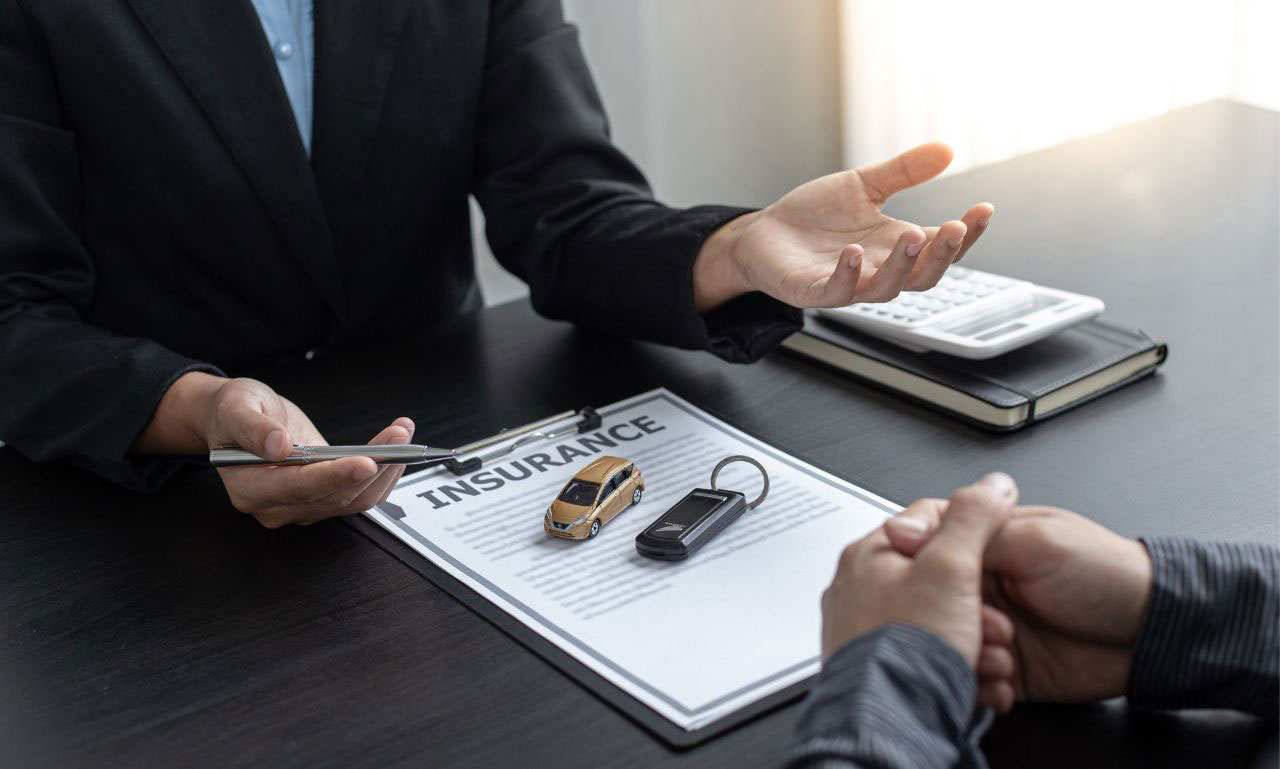
Most people understand they need car insurance to drive legally, but many don't fully grasp the different types of coverage available. One crucial aspect that often confuses drivers is gap insurance coverage and whether it covers specific repairs like windshield replacement.
In this comprehensive guide, we'll explore the fundamentals of gap insurance, explain what it covers and what it doesn't, and specifically address whether gap insurance includes windshield replacement. Understanding these details can save you thousands of dollars and help you make informed decisions about your auto insurance coverage.
What is Gap Insurance?
Gap insurance, also known as Guaranteed Auto Protection insurance, is a specialized type of auto insurance coverage that protects you financially when your vehicle is stolen or declared a total loss. The "gap" it covers refers to the difference between what you owe on your auto loan or lease and your vehicle's actual cash value (ACV) at the time of loss.
When you purchase a new vehicle, it begins depreciating in value immediately. In fact, new cars can lose 20% or more of their value in the first year alone. This rapid depreciation creates a financial gap where you may owe more on your loan than your car is worth, a situation known as being "upside-down" or "underwater" on your loan.
How Gap Insurance Works: Real-World Example
Consider this scenario: You purchase a new car for $30,000 and finance the entire amount. After one year, you owe $26,000 on your loan, but your car's actual cash value has depreciated to $22,000. If your vehicle is totaled in an accident, your comprehensive or collision coverage will pay the actual cash value of $22,000, leaving you with a $4,000 gap that you're still responsible for paying.
With gap insurance, this $4,000 difference would be covered, ensuring you don't have to pay out of pocket for a vehicle you can no longer drive.
Types of Gap Insurance
Understanding the different types of gap insurance available can help you choose the right coverage for your situation:
1. Loan/Lease Payoff Coverage
This is the most common type of gap insurance. Loan/lease payoff coverage pays the difference between your vehicle's actual cash value and the remaining balance on your auto loan or lease. This coverage is typically required for leased vehicles and highly recommended for financed vehicles, especially those with little to no down payment.
Key Features:
- Covers the remaining loan or lease balance after total loss
- Often required by lease agreements
- Protects against negative equity situations
- Usually the most affordable gap insurance option
2. New Car Replacement Coverage
New car replacement coverage is a premium option that goes beyond basic gap insurance. If your relatively new vehicle is totaled or stolen, this coverage pays for a brand new vehicle of the same make and model, rather than just covering the loan balance.
Key Features:
- Provides a new replacement vehicle, not just loan payoff
- Typically available for vehicles less than 2-3 years old
- More expensive than basic gap insurance
- May include upgrades and new features not on original vehicle
3. Return-to-Invoice Coverage
This type of coverage pays the original purchase price (invoice amount) of your vehicle if it's declared a total loss within a specified period, typically the first few years of ownership.
Why Do You Need Gap Insurance?
Several factors make gap insurance a smart financial decision for many vehicle owners:
Rapid Vehicle Depreciation
Vehicles depreciate faster than most other assets. According to industry data, new cars lose approximately 10% of their value the moment you drive them off the lot, and up to 20% within the first year. This rapid depreciation creates an immediate gap between loan balance and vehicle value.
Common Scenarios Where Gap Insurance Provides Protection
- Low or No Down Payment: If you financed 100% of your vehicle's purchase price or made a small down payment, you're likely upside-down on your loan from day one
- Long-Term Loans: Longer loan terms (60, 72, or 84 months) result in slower principal paydown, keeping you in negative equity longer
- Luxury or High-End Vehicles: Premium vehicles often depreciate more rapidly than economy cars
- Trade-In Negative Equity: If you rolled negative equity from a previous vehicle into your new loan
Financial Protection Benefits
Gap insurance provides crucial financial protection by:
- Preventing you from paying for a vehicle you can no longer drive
- Protecting your credit score from loan default
- Allowing you to purchase a replacement vehicle without carrying debt from the totaled car
- Providing peace of mind during the vulnerable early years of vehicle ownership
What Does Gap Insurance Cover?
Gap insurance has specific coverage scenarios where it applies. Understanding these situations helps you know when you can rely on this protection:
Total Loss from Accidents
When your vehicle is damaged beyond economical repair in an accident, gap insurance covers the difference between the insurance payout and your loan balance. This is the most common gap insurance claim scenario.
Vehicle Theft
If your vehicle is stolen and not recovered, gap insurance treats this as a total loss and covers the gap between the theft settlement and your remaining loan balance.
Weather-Related Total Loss
Natural disasters such as floods, hurricanes, hail storms, or other severe weather events that result in total loss are covered by gap insurance when combined with comprehensive coverage.
Fire Damage
Vehicle fires that result in total loss trigger gap insurance coverage, whether caused by mechanical failure, electrical issues, or external factors.
Vandalism Resulting in Total Loss
While rare, severe vandalism that renders a vehicle a total loss is covered under gap insurance when comprehensive coverage applies.
What Gap Insurance Doesn't Cover
It's equally important to understand what gap insurance does not cover to avoid misconceptions and ensure you have appropriate coverage:
Routine Repairs and Maintenance
Gap insurance only applies to total loss situations. It does not cover:
- Regular maintenance like oil changes, tire rotations, or brake repairs
- Mechanical breakdowns or engine failures
- Transmission problems or other component failures
- Wear and tear items like batteries, belts, or hoses
Partial Damage Repairs
Any damage that can be repaired, regardless of cost, is not covered by gap insurance. This includes:
- Fender benders requiring bodywork
- Window or windshield replacement (see detailed section below)
- Interior damage or vandalism that doesn't total the vehicle
- Dents, scratches, or cosmetic damage
Deductibles and Other Costs
Gap insurance typically doesn't cover:
- Your comprehensive or collision deductible
- Extended warranty costs
- Credit life insurance premiums
- Overdue loan payments
- Late fees or penalties on your auto loan
Does Gap Insurance Cover Windshield Replacement?
No, gap insurance does not typically cover windshield replacement. This is one of the most common misconceptions about gap insurance coverage. Gap insurance is specifically designed for total loss situations, and windshield replacement falls under partial repairs, which are excluded from gap coverage.
Why Windshield Replacement Isn't Covered
Gap insurance only activates when your vehicle is declared a total loss or stolen. Since windshield damage, even extensive damage, rarely results in a total loss determination, gap insurance doesn't apply. Instead, windshield replacement is typically covered under:
Comprehensive Coverage
Most windshield damage is covered under the comprehensive portion of your auto insurance policy. This includes damage from:
- Rock chips and road debris
- Hail damage
- Vandalism
- Falling objects
- Weather-related damage
Glass Coverage Endorsements
Many insurance companies offer specialized glass coverage that may provide:
- Zero-deductible windshield replacement
- Coverage for all auto glass (windows, mirrors, sunroofs)
- Repair coverage for chips and small cracks
- Mobile glass repair services
State-Specific Windshield Laws
Some states have specific laws regarding windshield replacement coverage:
Florida Windshield Replacement Laws
Florida law requires insurance companies to provide coverage for windshield replacement without requiring a deductible, provided you have comprehensive coverage. This makes Florida one of the most consumer-friendly states for auto glass coverage.
Kentucky Windshield Replacement Laws
Kentucky requires insurance companies to offer optional coverage for safety glass, but it's not mandatory. Drivers can choose to add this coverage to their policy for additional protection.
South Carolina Windshield Laws
South Carolina requires insurance companies to provide coverage for windshield replacement without a deductible if you carry comprehensive coverage.
Alternatives for Windshield Coverage
If you're concerned about windshield replacement costs, consider these options:
- Comprehensive Coverage: Essential for windshield protection
- Glass Coverage Endorsement: Reduces or eliminates deductibles for glass repairs
- Full Glass Coverage: Some insurers offer complete glass protection plans
- Manufacturer Warranties: Some new vehicles include limited glass coverage
How Much Does Gap Insurance Cost?
The cost of gap insurance varies significantly based on several factors, but it's generally affordable compared to the potential financial protection it provides.
Pricing Factors
- Vehicle Value: More expensive vehicles typically cost more to insure
- Loan Amount: Higher loan balances may result in higher premiums
- Loan Term: Longer loans may increase gap insurance costs
- Vehicle Type: Luxury cars, sports cars, and vehicles with high depreciation rates cost more
- Provider: Costs vary between insurance companies, dealerships, and finance companies
Average Cost Ranges
Through Insurance Companies: $20-$40 per year when added to existing auto policy
Through Dealerships: $400-$700 as a one-time fee added to loan
Through Finance Companies: $500-$800 depending on loan terms
Cost-Saving Tips
- Add gap coverage to your existing auto policy rather than buying standalone
- Shop around and compare quotes from multiple providers
- Consider the coverage duration – you may not need gap insurance for the entire loan term
- Negotiate dealership gap insurance prices or decline in favor of insurance company coverage
State-Specific Gap Insurance and Glass Coverage Laws
Insurance requirements and coverage options vary by state. Understanding your state's specific laws helps ensure you have appropriate protection.
States with Mandatory Glass Coverage
- Florida: Zero-deductible windshield replacement with comprehensive coverage
- Kentucky: Optional safety glass coverage must be offered
- South Carolina: Zero-deductible windshield replacement with comprehensive coverage
Gap Insurance Regulations
While gap insurance isn't mandatory in most states, some regulations apply:
- Lease agreements often require gap coverage
- Some states regulate gap insurance pricing and terms
- Consumer protection laws govern gap insurance sales practices
- Cancellation and refund policies vary by state
Alternatives to Traditional Gap Insurance
New Car Replacement Coverage
Some insurers offer new car replacement coverage as an alternative to traditional gap insurance. This coverage provides a brand new vehicle rather than just paying off the loan balance.
Better Car Replacement Coverage
This coverage pays for a newer model year vehicle or one with lower mileage than your totaled vehicle, providing better protection than basic gap insurance.
Loan/Lease Payoff Coverage
Similar to gap insurance but may include additional benefits like coverage for your insurance deductible or other loan-related costs.
How to Buy Gap Insurance
Through Your Auto Insurance Company
This is typically the most cost-effective option. Most major insurers offer gap coverage as an add-on to comprehensive and collision coverage.
Through the Dealership
Dealerships often offer gap insurance at the time of purchase, but this is usually more expensive than insurance company coverage.
Through Your Lender
Some finance companies offer gap insurance, though costs and terms may be less favorable than other options.
Standalone Gap Insurance Providers
Specialized companies offer gap insurance, though this option is less common and may be more expensive.
When to Cancel Gap Insurance
Gap insurance isn't needed indefinitely. Consider canceling when:
- Your loan balance equals or is less than your vehicle's value
- You've paid off your auto loan
- You no longer need the financial protection
- Your vehicle's depreciation has slowed significantly
Frequently Asked Questions
Does gap insurance cover windshield replacement?
No, gap insurance does not cover windshield replacement. Gap insurance only applies to total loss situations, and windshield replacement is considered a partial repair. For windshield coverage, you need comprehensive coverage or specific glass coverage endorsements.
Is gap insurance worth it for used cars?
Gap insurance can be valuable for used cars if you financed a significant portion of the purchase price or have a long-term loan. Used cars that are only a few years old can still depreciate rapidly, creating a gap between loan balance and value.
How long do I need gap insurance?
Most people need gap insurance for the first 2-4 years of ownership, depending on the vehicle's depreciation rate and loan terms. Once your vehicle's value equals or exceeds your loan balance, gap insurance is no longer necessary.
Can I add gap insurance after buying my car?
Yes, you can typically add gap insurance to your existing auto policy at any time, as long as your vehicle isn't already considered a total loss. However, it's most beneficial to add coverage soon after purchase when the gap is largest.
Does gap insurance cover my deductible?
Standard gap insurance typically doesn't cover your comprehensive or collision deductible. However, some enhanced gap coverage options may include deductible coverage.
What happens if I don't have gap insurance and my car is totaled?
Without gap insurance, you're responsible for paying the difference between your insurance settlement and remaining loan balance. This could result in thousands of dollars in out-of-pocket expenses for a vehicle you can no longer drive.
Can I get a refund if I cancel gap insurance early?
Refund policies vary by provider. Insurance company gap coverage typically allows pro-rated refunds, while dealership gap insurance may have different cancellation terms. Review your policy for specific refund provisions.
Does gap insurance cover rental cars?
Gap insurance doesn't typically cover rental car expenses. For rental car coverage during repairs or after total loss, you need rental reimbursement coverage from your auto insurance policy.
Is gap insurance required by law?
Gap insurance isn't required by law in any state. However, lease agreements often require gap coverage, and some lenders may require it for financed vehicles with little to no down payment.
Can I buy gap insurance for a motorcycle?
Yes, gap insurance is available for motorcycles, RVs, boats, and other financed vehicles. The coverage works the same way as automotive gap insurance.
The Bottom Line on Gap Insurance and Windshield Coverage
Gap insurance provides valuable financial protection for vehicle owners who owe more on their loans than their vehicles are worth. However, it's important to understand that gap insurance does not cover windshield replacement or other partial repairs.
For comprehensive protection, you need multiple types of coverage:
- Gap Insurance: Protects against total loss financial gaps
- Comprehensive Coverage: Covers windshield replacement and other non-collision damage
- Collision Coverage: Protects against accident-related damage
- Glass Coverage Endorsements: Provides enhanced protection for auto glass
Before purchasing gap insurance, carefully evaluate your financial situation, loan terms, and vehicle depreciation potential. The relatively low cost of gap insurance makes it a smart choice for most financed vehicle owners, especially during the early years of ownership when depreciation is highest.
If you have questions about gap insurance, windshield replacement coverage, or other auto insurance matters, consult with a qualified insurance professional or legal expert who can provide guidance specific to your situation and state laws.
CONTACT US NOW
FREE CONSULTATION


PRACTICE AREA - CAR ACCIDENTS
CAR ACCIDENT
Gap Insurance Windshield Replacement Coverage 2025 - Complete Guide
Gap Insurance Coverage: Does It Include Windshield Replacement?
Most people understand they need car insurance to drive legally, but many don't fully grasp the different types of coverage available. One crucial aspect that often confuses drivers is gap insurance coverage and whether it covers specific repairs like windshield replacement.
In this comprehensive guide, we'll explore the fundamentals of gap insurance, explain what it covers and what it doesn't, and specifically address whether gap insurance includes windshield replacement. Understanding these details can save you thousands of dollars and help you make informed decisions about your auto insurance coverage.
What is Gap Insurance?
Gap insurance, also known as Guaranteed Auto Protection insurance, is a specialized type of auto insurance coverage that protects you financially when your vehicle is stolen or declared a total loss. The "gap" it covers refers to the difference between what you owe on your auto loan or lease and your vehicle's actual cash value (ACV) at the time of loss.
When you purchase a new vehicle, it begins depreciating in value immediately. In fact, new cars can lose 20% or more of their value in the first year alone. This rapid depreciation creates a financial gap where you may owe more on your loan than your car is worth, a situation known as being "upside-down" or "underwater" on your loan.
How Gap Insurance Works: Real-World Example
Consider this scenario: You purchase a new car for $30,000 and finance the entire amount. After one year, you owe $26,000 on your loan, but your car's actual cash value has depreciated to $22,000. If your vehicle is totaled in an accident, your comprehensive or collision coverage will pay the actual cash value of $22,000, leaving you with a $4,000 gap that you're still responsible for paying.
With gap insurance, this $4,000 difference would be covered, ensuring you don't have to pay out of pocket for a vehicle you can no longer drive.
Types of Gap Insurance
Understanding the different types of gap insurance available can help you choose the right coverage for your situation:
1. Loan/Lease Payoff Coverage
This is the most common type of gap insurance. Loan/lease payoff coverage pays the difference between your vehicle's actual cash value and the remaining balance on your auto loan or lease. This coverage is typically required for leased vehicles and highly recommended for financed vehicles, especially those with little to no down payment.
Key Features:
- Covers the remaining loan or lease balance after total loss
- Often required by lease agreements
- Protects against negative equity situations
- Usually the most affordable gap insurance option
2. New Car Replacement Coverage
New car replacement coverage is a premium option that goes beyond basic gap insurance. If your relatively new vehicle is totaled or stolen, this coverage pays for a brand new vehicle of the same make and model, rather than just covering the loan balance.
Key Features:
- Provides a new replacement vehicle, not just loan payoff
- Typically available for vehicles less than 2-3 years old
- More expensive than basic gap insurance
- May include upgrades and new features not on original vehicle
3. Return-to-Invoice Coverage
This type of coverage pays the original purchase price (invoice amount) of your vehicle if it's declared a total loss within a specified period, typically the first few years of ownership.
Why Do You Need Gap Insurance?
Several factors make gap insurance a smart financial decision for many vehicle owners:
Rapid Vehicle Depreciation
Vehicles depreciate faster than most other assets. According to industry data, new cars lose approximately 10% of their value the moment you drive them off the lot, and up to 20% within the first year. This rapid depreciation creates an immediate gap between loan balance and vehicle value.
Common Scenarios Where Gap Insurance Provides Protection
- Low or No Down Payment: If you financed 100% of your vehicle's purchase price or made a small down payment, you're likely upside-down on your loan from day one
- Long-Term Loans: Longer loan terms (60, 72, or 84 months) result in slower principal paydown, keeping you in negative equity longer
- Luxury or High-End Vehicles: Premium vehicles often depreciate more rapidly than economy cars
- Trade-In Negative Equity: If you rolled negative equity from a previous vehicle into your new loan
Financial Protection Benefits
Gap insurance provides crucial financial protection by:
- Preventing you from paying for a vehicle you can no longer drive
- Protecting your credit score from loan default
- Allowing you to purchase a replacement vehicle without carrying debt from the totaled car
- Providing peace of mind during the vulnerable early years of vehicle ownership
What Does Gap Insurance Cover?
Gap insurance has specific coverage scenarios where it applies. Understanding these situations helps you know when you can rely on this protection:
Total Loss from Accidents
When your vehicle is damaged beyond economical repair in an accident, gap insurance covers the difference between the insurance payout and your loan balance. This is the most common gap insurance claim scenario.
Vehicle Theft
If your vehicle is stolen and not recovered, gap insurance treats this as a total loss and covers the gap between the theft settlement and your remaining loan balance.
Weather-Related Total Loss
Natural disasters such as floods, hurricanes, hail storms, or other severe weather events that result in total loss are covered by gap insurance when combined with comprehensive coverage.
Fire Damage
Vehicle fires that result in total loss trigger gap insurance coverage, whether caused by mechanical failure, electrical issues, or external factors.
Vandalism Resulting in Total Loss
While rare, severe vandalism that renders a vehicle a total loss is covered under gap insurance when comprehensive coverage applies.
What Gap Insurance Doesn't Cover
It's equally important to understand what gap insurance does not cover to avoid misconceptions and ensure you have appropriate coverage:
Routine Repairs and Maintenance
Gap insurance only applies to total loss situations. It does not cover:
- Regular maintenance like oil changes, tire rotations, or brake repairs
- Mechanical breakdowns or engine failures
- Transmission problems or other component failures
- Wear and tear items like batteries, belts, or hoses
Partial Damage Repairs
Any damage that can be repaired, regardless of cost, is not covered by gap insurance. This includes:
- Fender benders requiring bodywork
- Window or windshield replacement (see detailed section below)
- Interior damage or vandalism that doesn't total the vehicle
- Dents, scratches, or cosmetic damage
Deductibles and Other Costs
Gap insurance typically doesn't cover:
- Your comprehensive or collision deductible
- Extended warranty costs
- Credit life insurance premiums
- Overdue loan payments
- Late fees or penalties on your auto loan
Does Gap Insurance Cover Windshield Replacement?
No, gap insurance does not typically cover windshield replacement. This is one of the most common misconceptions about gap insurance coverage. Gap insurance is specifically designed for total loss situations, and windshield replacement falls under partial repairs, which are excluded from gap coverage.
Why Windshield Replacement Isn't Covered
Gap insurance only activates when your vehicle is declared a total loss or stolen. Since windshield damage, even extensive damage, rarely results in a total loss determination, gap insurance doesn't apply. Instead, windshield replacement is typically covered under:
Comprehensive Coverage
Most windshield damage is covered under the comprehensive portion of your auto insurance policy. This includes damage from:
- Rock chips and road debris
- Hail damage
- Vandalism
- Falling objects
- Weather-related damage
Glass Coverage Endorsements
Many insurance companies offer specialized glass coverage that may provide:
- Zero-deductible windshield replacement
- Coverage for all auto glass (windows, mirrors, sunroofs)
- Repair coverage for chips and small cracks
- Mobile glass repair services
State-Specific Windshield Laws
Some states have specific laws regarding windshield replacement coverage:
Florida Windshield Replacement Laws
Florida law requires insurance companies to provide coverage for windshield replacement without requiring a deductible, provided you have comprehensive coverage. This makes Florida one of the most consumer-friendly states for auto glass coverage.
Kentucky Windshield Replacement Laws
Kentucky requires insurance companies to offer optional coverage for safety glass, but it's not mandatory. Drivers can choose to add this coverage to their policy for additional protection.
South Carolina Windshield Laws
South Carolina requires insurance companies to provide coverage for windshield replacement without a deductible if you carry comprehensive coverage.
Alternatives for Windshield Coverage
If you're concerned about windshield replacement costs, consider these options:
- Comprehensive Coverage: Essential for windshield protection
- Glass Coverage Endorsement: Reduces or eliminates deductibles for glass repairs
- Full Glass Coverage: Some insurers offer complete glass protection plans
- Manufacturer Warranties: Some new vehicles include limited glass coverage
How Much Does Gap Insurance Cost?
The cost of gap insurance varies significantly based on several factors, but it's generally affordable compared to the potential financial protection it provides.
Pricing Factors
- Vehicle Value: More expensive vehicles typically cost more to insure
- Loan Amount: Higher loan balances may result in higher premiums
- Loan Term: Longer loans may increase gap insurance costs
- Vehicle Type: Luxury cars, sports cars, and vehicles with high depreciation rates cost more
- Provider: Costs vary between insurance companies, dealerships, and finance companies
Average Cost Ranges
Through Insurance Companies: $20-$40 per year when added to existing auto policy
Through Dealerships: $400-$700 as a one-time fee added to loan
Through Finance Companies: $500-$800 depending on loan terms
Cost-Saving Tips
- Add gap coverage to your existing auto policy rather than buying standalone
- Shop around and compare quotes from multiple providers
- Consider the coverage duration – you may not need gap insurance for the entire loan term
- Negotiate dealership gap insurance prices or decline in favor of insurance company coverage
State-Specific Gap Insurance and Glass Coverage Laws
Insurance requirements and coverage options vary by state. Understanding your state's specific laws helps ensure you have appropriate protection.
States with Mandatory Glass Coverage
- Florida: Zero-deductible windshield replacement with comprehensive coverage
- Kentucky: Optional safety glass coverage must be offered
- South Carolina: Zero-deductible windshield replacement with comprehensive coverage
Gap Insurance Regulations
While gap insurance isn't mandatory in most states, some regulations apply:
- Lease agreements often require gap coverage
- Some states regulate gap insurance pricing and terms
- Consumer protection laws govern gap insurance sales practices
- Cancellation and refund policies vary by state
Alternatives to Traditional Gap Insurance
New Car Replacement Coverage
Some insurers offer new car replacement coverage as an alternative to traditional gap insurance. This coverage provides a brand new vehicle rather than just paying off the loan balance.
Better Car Replacement Coverage
This coverage pays for a newer model year vehicle or one with lower mileage than your totaled vehicle, providing better protection than basic gap insurance.
Loan/Lease Payoff Coverage
Similar to gap insurance but may include additional benefits like coverage for your insurance deductible or other loan-related costs.
How to Buy Gap Insurance
Through Your Auto Insurance Company
This is typically the most cost-effective option. Most major insurers offer gap coverage as an add-on to comprehensive and collision coverage.
Through the Dealership
Dealerships often offer gap insurance at the time of purchase, but this is usually more expensive than insurance company coverage.
Through Your Lender
Some finance companies offer gap insurance, though costs and terms may be less favorable than other options.
Standalone Gap Insurance Providers
Specialized companies offer gap insurance, though this option is less common and may be more expensive.
When to Cancel Gap Insurance
Gap insurance isn't needed indefinitely. Consider canceling when:
- Your loan balance equals or is less than your vehicle's value
- You've paid off your auto loan
- You no longer need the financial protection
- Your vehicle's depreciation has slowed significantly
Frequently Asked Questions
Does gap insurance cover windshield replacement?
No, gap insurance does not cover windshield replacement. Gap insurance only applies to total loss situations, and windshield replacement is considered a partial repair. For windshield coverage, you need comprehensive coverage or specific glass coverage endorsements.
Is gap insurance worth it for used cars?
Gap insurance can be valuable for used cars if you financed a significant portion of the purchase price or have a long-term loan. Used cars that are only a few years old can still depreciate rapidly, creating a gap between loan balance and value.
How long do I need gap insurance?
Most people need gap insurance for the first 2-4 years of ownership, depending on the vehicle's depreciation rate and loan terms. Once your vehicle's value equals or exceeds your loan balance, gap insurance is no longer necessary.
Can I add gap insurance after buying my car?
Yes, you can typically add gap insurance to your existing auto policy at any time, as long as your vehicle isn't already considered a total loss. However, it's most beneficial to add coverage soon after purchase when the gap is largest.
Does gap insurance cover my deductible?
Standard gap insurance typically doesn't cover your comprehensive or collision deductible. However, some enhanced gap coverage options may include deductible coverage.
What happens if I don't have gap insurance and my car is totaled?
Without gap insurance, you're responsible for paying the difference between your insurance settlement and remaining loan balance. This could result in thousands of dollars in out-of-pocket expenses for a vehicle you can no longer drive.
Can I get a refund if I cancel gap insurance early?
Refund policies vary by provider. Insurance company gap coverage typically allows pro-rated refunds, while dealership gap insurance may have different cancellation terms. Review your policy for specific refund provisions.
Does gap insurance cover rental cars?
Gap insurance doesn't typically cover rental car expenses. For rental car coverage during repairs or after total loss, you need rental reimbursement coverage from your auto insurance policy.
Is gap insurance required by law?
Gap insurance isn't required by law in any state. However, lease agreements often require gap coverage, and some lenders may require it for financed vehicles with little to no down payment.
Can I buy gap insurance for a motorcycle?
Yes, gap insurance is available for motorcycles, RVs, boats, and other financed vehicles. The coverage works the same way as automotive gap insurance.
The Bottom Line on Gap Insurance and Windshield Coverage
Gap insurance provides valuable financial protection for vehicle owners who owe more on their loans than their vehicles are worth. However, it's important to understand that gap insurance does not cover windshield replacement or other partial repairs.
For comprehensive protection, you need multiple types of coverage:
- Gap Insurance: Protects against total loss financial gaps
- Comprehensive Coverage: Covers windshield replacement and other non-collision damage
- Collision Coverage: Protects against accident-related damage
- Glass Coverage Endorsements: Provides enhanced protection for auto glass
Before purchasing gap insurance, carefully evaluate your financial situation, loan terms, and vehicle depreciation potential. The relatively low cost of gap insurance makes it a smart choice for most financed vehicle owners, especially during the early years of ownership when depreciation is highest.
If you have questions about gap insurance, windshield replacement coverage, or other auto insurance matters, consult with a qualified insurance professional or legal expert who can provide guidance specific to your situation and state laws.