

WEST PALM BEACH FLORIDA PERSONAL INJURY
PRACTICE AREAS
What Qualifies as a Wrongful Death Lawsuit? | West Palm Beach Wrongful Death Attorneys
Learn about wrongful death claims: what they are, who can sue, what damages are recoverable, and more
Wrongful death claims are legal actions brought by the surviving family members or beneficiaries of a deceased person who died as a result of someone else's wrongful or negligent act. Such claims allow the family or beneficiaries to seek compensation for the damages they suffered due to the death of their loved one.
Who can sue in a wrongful death claim?

In general, only certain individuals are allowed to sue for wrongful death, including the surviving spouse, children, parents, or siblings of the deceased. In some cases, other individuals may be eligible to sue, such as domestic partners, life partners, or financial dependents. The eligibility criteria for wrongful death claims vary by state, and it's best to consult with an attorney to determine who can sue in your specific case.
What damages can be recovered in a wrongful death claim?
The damages that can be recovered in a wrongful death claim typically include compensation for economic and non-economic losses. Financial compensation for economic losses may include medical expenses, funeral expenses, lost wages, loss of future earnings, and other out-of-pocket expenses. Non-economic losses may include emotional distress, loss of companionship, loss of guidance, and other intangible losses. Punitive damages may also be awarded in some cases, particularly if the wrongful act was particularly egregious or intentional.
What are the common causes of wrongful death claims?
Wrongful death claims can arise from a wide range of situations, including automobile accidents, workplace accidents, medical malpractice, defective products, criminal acts, and more. Essentially, any situation in which someone's negligence or wrongful act caused the death of another person could potentially give rise to a wrongful death claim.
How long do you have to file a wrongful death claim?
The deadline for filing a wrongful death claim when a death occurred varies by state, but in general, the wrongful death statute of limitations for wrongful death cases is shorter than for other types of personal injury claims. In some states, the wrongful death statutes of limitations may be as short as one year from the date of death. It's important to consult with an attorney as soon as possible to ensure that you meet the filing deadline in your state.
In summary, a wrongful death claim is a legal action brought by surviving family members or beneficiaries of a deceased person who died as a result of someone else's wrongful or negligent act. The damages that can be recovered include compensation for economic and non-economic losses, and the eligibility criteria and filing deadlines for wrongful death claims vary by state. If you believe you may have a wrongful death claim, it's important to consult with an attorney who can advise you on your legal rights and options.
Is Wrongful Death Civil or Criminal?
Wrongful death can be both a civil and criminal matter, depending on the circumstances of the case. In general, a wrongful death claim is a civil lawsuit brought by the survivors or heirs of a person who died as a result of someone else's negligence, recklessness, or intentional act.
The purpose of a wrongful death lawsuit is to compensate the survivors for their losses, such as the deceased's lost income, medical expenses, and funeral costs, as well as their emotional pain and suffering.
On the other hand, a wrongful death can also be a criminal matter if the death was caused by a criminal act, such as murder, manslaughter, or reckless homicide. In such cases, the government may prosecute the perpetrator for the crime, and if convicted, the perpetrator may face penalties such as imprisonment or even the death penalty.
It's important to note that a wrongful death case can involve both civil and criminal proceedings, but the outcomes of the two cases are independent of each other. A person can be found liable for wrongful death in a civil case but not guilty of a criminal offense, or vice versa.
There Are Several Types of Wrongful Death Cases, Including:
- Medical malpractice: This occurs when a healthcare provider's negligence or substandard care leads to a patient's death. Examples may include misdiagnosis, surgical errors, medication errors, or failure to diagnose a serious condition.
- Car accidents: When a driver's negligence leads to a fatal car accident, surviving family members may be able to file a wrongful death claim. This may include cases involving drunk driving, distracted driving, or reckless driving.
- Workplace accidents: If an employee is killed on the job due to unsafe working conditions, faulty equipment, or the negligence of an employer or coworker, the surviving family members may be able to file a wrongful death claim.
- Defective products: If a product is defectively designed, manufactured, or marketed and causes a fatal injury, the manufacturer may be held liable for the death.
- Criminal acts: If someone intentionally causes the death of another person, the surviving family members may be able to file a wrongful death claim. This may include cases of murder, manslaughter, or negligent homicide.
- Nursing home abuse or neglect: If a loved one dies as a result of abuse or neglect in a nursing home or other long-term care facility, the surviving family members may be able to file a wrongful death claim against the facility or staff members responsible.
It's important to note that each case is unique, and the specific circumstances of the death will determine the best course of legal action and wrongful death settlement in wrongful death suits. If you believe that your loved one's death was the result of someone else's negligence or wrongful act, it's important to consult with an experienced wrongful death attorney who can advise you on your legal options.
Damages in Wrongful Death Lawsuits
In a wrongful death lawsuit in West Palm Beach, Florida, damages may be awarded to the surviving family members or beneficiaries of the deceased person. The damages that can be recovered in a wrongful death case may include:
- Economic damages: These are damages that compensate the family for financial losses incurred as a result of the death. They may include medical bills, funeral expenses, burial expenses, lost wages or income, and loss of future earning capacity.
- Non-economic damages: These are damages that compensate the family for non-financial losses, such as the emotional pain and suffering caused by the loss of a loved one. Non-economic damages may also include loss of companionship, loss of consortium, and loss of guidance and support.
- Punitive damages: In some cases, punitive damages may be awarded if the wrongful act was particularly egregious or intentional. Punitive damages are meant to punish the wrongdoer and deter others from engaging in similar conduct in the future.
Under Florida law, the damages awarded in a wrongful death case are distributed among the surviving family members or beneficiaries of the deceased person. The distribution of damages is based on the relationship between the survivor and the deceased person, as well as other factors such as the survivor's financial dependence on the deceased person.
It's important to note that the damages that can be recovered in a wrongful death case vary depending on the specific facts of the case. If you believe that you may have a wrongful death claim in West Palm Beach, Florida, it's important to consult with an experienced attorney who can advise you on your legal options and help you pursue the compensation you deserve.
Wrongful Death vs. Personal Injury Lawsuits
Wrongful death and personal injury lawsuits are both types of civil lawsuits that seek compensation for harm caused by another party's actions. However, there are some key differences between these two types of lawsuits.
Personal injury lawsuits are filed by an individual who has suffered injuries as a result of another party's negligence or intentional misconduct. The goal of a personal injury lawsuit is to compensate the victim for the harm they have suffered, including medical expenses, lost income, pain and suffering, and other damages.
Wrongful death lawsuits, on the other hand, are filed by the surviving family members of an individual who has died as a result of another party's negligence or intentional misconduct. The goal of a wrongful death lawsuit is to compensate the family members for the harm they have suffered as a result of the victim's death, including funeral and burial expenses, loss of financial support, and loss of companionship.
Another key difference between personal injury and wrongful death lawsuits is the parties that can bring the lawsuit. In a personal injury lawsuit, the injured individual typically brings the lawsuit. In a wrongful death lawsuit, the surviving family members of the victim typically bring the lawsuit.
Overall, both personal injury and wrongful death lawsuits are important tools for holding responsible parties accountable for their actions and providing compensation for the harm they have caused. If you have been injured or have lost a loved one due to another party's actions, it's important to consult with an experienced attorney who can advise you on your legal options and help you pursue the compensation you deserve.
How Hard Is It to Prove Wrongful Death?
Proving wrongful death can be a complex and challenging legal process. To establish a wrongful death claim, the plaintiff typically needs to prove that the defendant's actions were the cause of the victim's death and that the defendant was negligent, reckless, or intentionally caused harm. This can require extensive investigation, gathering evidence, and presenting a strong case in court.
The specific challenges of proving wrongful death can vary depending on the circumstances of the case, including the cause of death, the nature of the defendant's conduct, and the available evidence. For example, cases involving medical malpractice or product liability may require expert testimony to establish the standard of care and show how the defendant's actions deviated from that standard. Cases involving intentional harm may require evidence of the defendant's motive or intent.
Additionally, the laws governing wrongful death claims can vary by jurisdiction and can be complex, so it is essential to have an experienced attorney who understands the legal nuances and can navigate the legal process on your behalf.
Ultimately, the difficulty of proving wrongful death will depend on the specific facts and circumstances of the case. However, with the help of an experienced attorney and thorough investigation, it is possible to build a strong case and pursue the compensation that you deserve.
How Are Wrongful Death Settlement Amounts Determined?
- The nature and extent of the damages: The damages awarded in a wrongful death case may include economic damages (such as medical bills, funeral and burial expenses, lost wages, and loss of future earning capacity) and non-economic damages (such as pain and suffering, loss of companionship, and loss of guidance and support). The more severe the damages, the higher the settlement amount is likely to be.
- The strength of the evidence: The strength of the evidence supporting the plaintiff's case can also impact the wrongful death settlements amount. If the evidence clearly establishes liability and damages, the defendant may be more willing to settle for a higher amount.
- The defendant's ability to pay: The defendant's financial resources may also be a factor in determining the settlement amount. If the defendant has significant assets, they may be more willing to settle for a higher amount.
- The potential for a trial: The potential cost and uncertainty of going to trial can also impact the settlement amount. If the defendant believes that a trial may result in a higher damages award, they may be more willing to settle for a higher amount.
- The expertise of the plaintiff's attorney: The expertise and experience of the plaintiff's attorney can also play a role in determining the settlement amount. An experienced attorney may be able to negotiate a higher settlement amount based on their knowledge of the law and their ability to present a strong case.
Ultimately, the settlement amount in a wrongful death case is determined through negotiation between the plaintiff and the defendant (or their insurance company). It's important to note that the specific factors involved in determining the settlement amount can vary depending on the facts of the case. If you have questions about a potential wrongful death case, it's important to consult with an experienced attorney who can advise you on your legal options.
How Is Fault Established in a Wrongful Death Lawsuit?
Establishing fault in a wrongful death lawsuit requires proving that the defendant was legally responsible for the death of the victim. This typically involves demonstrating that the defendant was negligent or engaged in intentional misconduct.
To establish fault in a wrongful death lawsuit, the plaintiff (the party bringing the lawsuit) must typically prove the following elements:
- Duty of care: The defendant owed a duty of care to the victim. For example, a doctor has a duty to provide competent medical care to their patients.
- Breach of duty: The defendant breached their duty of care by acting negligently or engaging in intentional misconduct. For example, a doctor may breach their duty of care by prescribing the wrong medication.
- Causation: The defendant's breach of duty caused the victim's death. For example, if the wrong medication caused a fatal reaction, the doctor's breach of duty may have caused the death.
- Damages: The victim's death resulted in damages that the plaintiff is seeking to recover. For example, the plaintiff may be seeking compensation for medical expenses, funeral and burial expenses, lost income, and pain and suffering.
Establishing fault in a wrongful death lawsuit often involves a thorough investigation of the circumstances surrounding the victim's death. This may involve reviewing medical records, interviewing witnesses, and consulting with experts to determine the cause of death.
It's important to note that the specific elements required to establish fault in a wrongful death lawsuit can vary depending on the facts of the case and the laws of the jurisdiction in which the lawsuit is filed. If you believe that you have a wrongful death claim, it's important to consult with an experienced wrongful death lawyer who can advise you on your legal options and help you pursue the compensation you deserve.
What You Must Prove to Win a Wrongful Death Suit
To win a wrongful death suit, the plaintiff (the party bringing the lawsuit) generally must prove the following elements:
- Duty of care: The defendant (the party being sued) owed a duty of care to the victim (the deceased person). The duty of care varies depending on the circumstances of the case, but it generally means that the defendant had a legal obligation to take reasonable steps to prevent harm to the victim.
- Breach of duty: The defendant breached their duty of care by acting negligently, recklessly, or intentionally. For example, if the defendant was a doctor and failed to diagnose a serious medical condition, they may have breached their duty of care.
- Causation: The defendant's breach of duty caused the victim's death. This means that the plaintiff must show that the victim's death would not have occurred if the defendant had not breached their duty of care.
- Damages: The victim's death resulted in damages that the plaintiff is seeking to recover. Damages may include medical expenses, funeral and burial expenses, lost income, and pain and suffering.
Establishing these elements typically requires a thorough investigation of the circumstances surrounding the victim's death. This may involve reviewing medical records, interviewing witnesses, and consulting with experts to determine the cause of death.
It's important to note that the specific elements required to win a wrongful death suit can vary depending on the facts of the case and the laws of the jurisdiction in which the lawsuit is filed. If you believe that you have a wrongful death claim, it's important to consult with an experienced attorney who can advise you on your legal options and help you pursue the compensation you deserve.
In a wrongful death lawsuit, proving damages typically involves demonstrating the financial and emotional losses that you have suffered as a result of the victim's death. Some examples of damages that may be recoverable in a wrongful death lawsuit include:
- Economic damages: Economic damages are the financial losses you have suffered as a result of the victim's death. These may include funeral and burial expenses, medical and funeral expenses, lost income, lost benefits, and any other financial losses related to the victim's death.
- Non-economic damages: Non-economic damages are the emotional losses you have suffered as a result of the victim's death. These may include loss of companionship, loss of consortium, loss of guidance, and mental anguish. Non-economic damages can be more difficult to quantify than economic damages, but they can be just as significant.
To prove damages in a wrongful death lawsuit, you will generally need to provide evidence of your losses. This may include bills, receipts, and other documentation of economic damages, as well as testimony from family members, friends, and mental health professionals regarding your emotional losses. An experienced wrongful death attorney can help you gather and present evidence to support your damages claim.
It's important to note that the specific damages recoverable in a wrongful death lawsuit can vary depending on the circumstances of the case and the laws of the jurisdiction in which the lawsuit is filed. If you believe that you have a wrongful death claim, it's important to consult with an experienced attorney who can advise you on your legal options and help you pursue the compensation you deserve.
A wrongful death lawsuit seeks compensation for the death of another person, but be careful about trying to go it alone
Yes, that is correct. Wrongful death lawsuits are complex legal matters that typically require the expertise of an experienced attorney to navigate. While it's possible to represent yourself in a wrongful death lawsuit, it's generally not recommended. Here are a few reasons why:
- Legal expertise: Wrongful death lawsuits involve complex legal concepts and procedures. An experienced attorney can help you understand the legal issues involved in your case and develop a strategy to pursue the compensation you deserve.
- Investigation: Wrongful death lawsuits often require a thorough investigation of the circumstances surrounding the decedent's death. An attorney can work with investigators and experts to gather evidence and build a strong case on your behalf.
- Negotiation: In many cases, wrongful death lawsuits are settled out of court through negotiation with the defendant or their insurance company. An experienced attorney can help you navigate the negotiation process and work to maximize your settlement.
- Trial experience: If your case does go to trial, a personal representative can represent you in court and present a strong case to the judge and jury.
It's important to note that the specific reasons to hire an attorney for a wrongful death lawsuit can vary depending on the facts of the case. If you believe that you have a wrongful death claim, it's important to consult with an experienced attorney who can advise you on your legal options and help you pursue the compensation you deserve.
WEST PALM BEACH
WRONGFUL DEATH LAWSUIT ATTORNEYS
FREE CONSULTATION
561-990-4000
How to File a Wrongful Death Lawsuit
If you believe that you have a wrongful death claim in West Palm Beach, Florida, and would like to file a lawsuit using attorneys from The Injury Firm, you can follow these general steps:
- Contact The Injury Firm: You can contact The Injury Firm by phone, email, or by filling out a form on their website. They will then schedule a consultation with you to discuss the details of your case.
- Consultation: During the consultation, an attorney from The Injury Firm will review the details of your case and determine whether you have a valid claim. They will also explain the legal process for filing a wrongful death lawsuit in West Palm Beach, Florida.
- Investigation: If The Injury Firm determines that you have a valid claim, they will begin an investigation to gather evidence to support your case. This may involve obtaining medical records, police reports, witness statements, and other relevant evidence.
- Filing the lawsuit: Once The Injury Firm has gathered the necessary evidence, they will file a wrongful death lawsuit on your behalf in the appropriate court in West Palm Beach, Florida.
- Discovery: During the discovery phase, both sides will exchange information and evidence relevant to the case. This may involve depositions, requests for documents, and other legal procedures.
- Settlement negotiations: If the other party is willing to negotiate, The Injury Firm will work to reach a settlement that compensates you for your losses.
- Trial: If a settlement cannot be reached, the case will go to trial. The Injury Firm will represent you in court and argue your case before a judge or jury.
It's important to note that the specific steps and procedures involved in filing a wrongful death lawsuit can vary depending on the facts of the case. If you believe that you have a wrongful death claim in West Palm Beach, Florida, it's important to consult with an experienced attorney from The Injury Firm who can guide you through the legal process and help you pursue the compensation you deserve.
The Injury Firm's West Palm Beach Office Building
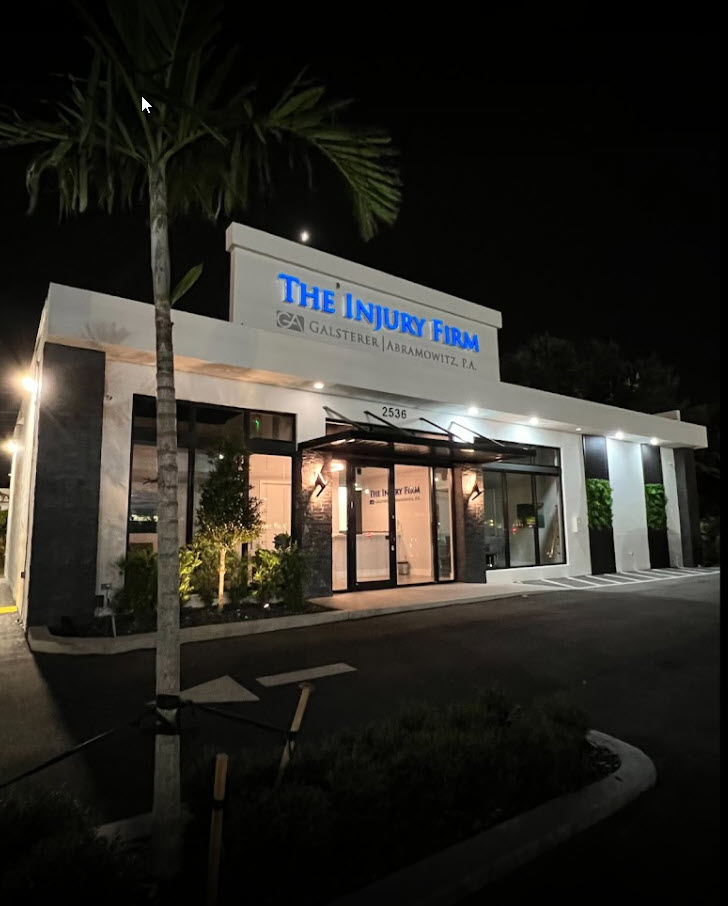
The Injury Firm
2536 Okeechobee Blvd.
West Palm Beach, Florida 33409
Phone: 561-990-4000


What Qualifies as a Wrongful Death Lawsuit? | West Palm Beach Wrongful Death Attorneys
Learn about wrongful death claims: what they are, who can sue, what damages are recoverable, and more
Wrongful death claims are legal actions brought by the surviving family members or beneficiaries of a deceased person who died as a result of someone else's wrongful or negligent act. Such claims allow the family or beneficiaries to seek compensation for the damages they suffered due to the death of their loved one.
Who can sue in a wrongful death claim?
In general, only certain individuals are allowed to sue for wrongful death, including the surviving spouse, children, parents, or siblings of the deceased. In some cases, other individuals may be eligible to sue, such as domestic partners, life partners, or financial dependents. The eligibility criteria for wrongful death claims vary by state, and it's best to consult with an attorney to determine who can sue in your specific case.
What damages can be recovered in a wrongful death claim?
The damages that can be recovered in a wrongful death claim typically include compensation for economic and non-economic losses. Financial compensation for economic losses may include medical expenses, funeral expenses, lost wages, loss of future earnings, and other out-of-pocket expenses. Non-economic losses may include emotional distress, loss of companionship, loss of guidance, and other intangible losses. Punitive damages may also be awarded in some cases, particularly if the wrongful act was particularly egregious or intentional.
What are the common causes of wrongful death claims?
Wrongful death claims can arise from a wide range of situations, including automobile accidents, workplace accidents, medical malpractice, defective products, criminal acts, and more. Essentially, any situation in which someone's negligence or wrongful act caused the death of another person could potentially give rise to a wrongful death claim.
How long do you have to file a wrongful death claim?
The deadline for filing a wrongful death claim when a death occurred varies by state, but in general, the wrongful death statute of limitations for wrongful death cases is shorter than for other types of personal injury claims. In some states, the wrongful death statutes of limitations may be as short as one year from the date of death. It's important to consult with an attorney as soon as possible to ensure that you meet the filing deadline in your state.
In summary, a wrongful death claim is a legal action brought by surviving family members or beneficiaries of a deceased person who died as a result of someone else's wrongful or negligent act. The damages that can be recovered include compensation for economic and non-economic losses, and the eligibility criteria and filing deadlines for wrongful death claims vary by state. If you believe you may have a wrongful death claim, it's important to consult with an attorney who can advise you on your legal rights and options.
Is Wrongful Death Civil or Criminal?
Wrongful death can be both a civil and criminal matter, depending on the circumstances of the case. In general, a wrongful death claim is a civil lawsuit brought by the survivors or heirs of a person who died as a result of someone else's negligence, recklessness, or intentional act.
The purpose of a wrongful death lawsuit is to compensate the survivors for their losses, such as the deceased's lost income, medical expenses, and funeral costs, as well as their emotional pain and suffering.
On the other hand, a wrongful death can also be a criminal matter if the death was caused by a criminal act, such as murder, manslaughter, or reckless homicide. In such cases, the government may prosecute the perpetrator for the crime, and if convicted, the perpetrator may face penalties such as imprisonment or even the death penalty.
It's important to note that a wrongful death case can involve both civil and criminal proceedings, but the outcomes of the two cases are independent of each other. A person can be found liable for wrongful death in a civil case but not guilty of a criminal offense, or vice versa.
There Are Several Types of Wrongful Death Cases, Including:
- Medical malpractice: This occurs when a healthcare provider's negligence or substandard care leads to a patient's death. Examples may include misdiagnosis, surgical errors, medication errors, or failure to diagnose a serious condition.
- Car accidents: When a driver's negligence leads to a fatal car accident, surviving family members may be able to file a wrongful death claim. This may include cases involving drunk driving, distracted driving, or reckless driving.
- Workplace accidents: If an employee is killed on the job due to unsafe working conditions, faulty equipment, or the negligence of an employer or coworker, the surviving family members may be able to file a wrongful death claim.
- Defective products: If a product is defectively designed, manufactured, or marketed and causes a fatal injury, the manufacturer may be held liable for the death.
- Criminal acts: If someone intentionally causes the death of another person, the surviving family members may be able to file a wrongful death claim. This may include cases of murder, manslaughter, or negligent homicide.
- Nursing home abuse or neglect: If a loved one dies as a result of abuse or neglect in a nursing home or other long-term care facility, the surviving family members may be able to file a wrongful death claim against the facility or staff members responsible.
It's important to note that each case is unique, and the specific circumstances of the death will determine the best course of legal action and wrongful death settlement in wrongful death suits. If you believe that your loved one's death was the result of someone else's negligence or wrongful act, it's important to consult with an experienced wrongful death attorney who can advise you on your legal options.
Damages in Wrongful Death Lawsuits
In a wrongful death lawsuit in West Palm Beach, Florida, damages may be awarded to the surviving family members or beneficiaries of the deceased person. The damages that can be recovered in a wrongful death case may include:
- Economic damages: These are damages that compensate the family for financial losses incurred as a result of the death. They may include medical bills, funeral expenses, burial expenses, lost wages or income, and loss of future earning capacity.
- Non-economic damages: These are damages that compensate the family for non-financial losses, such as the emotional pain and suffering caused by the loss of a loved one. Non-economic damages may also include loss of companionship, loss of consortium, and loss of guidance and support.
- Punitive damages: In some cases, punitive damages may be awarded if the wrongful act was particularly egregious or intentional. Punitive damages are meant to punish the wrongdoer and deter others from engaging in similar conduct in the future.
Under Florida law, the damages awarded in a wrongful death case are distributed among the surviving family members or beneficiaries of the deceased person. The distribution of damages is based on the relationship between the survivor and the deceased person, as well as other factors such as the survivor's financial dependence on the deceased person.
It's important to note that the damages that can be recovered in a wrongful death case vary depending on the specific facts of the case. If you believe that you may have a wrongful death claim in West Palm Beach, Florida, it's important to consult with an experienced attorney who can advise you on your legal options and help you pursue the compensation you deserve.
Wrongful Death vs. Personal Injury Lawsuits
Wrongful death and personal injury lawsuits are both types of civil lawsuits that seek compensation for harm caused by another party's actions. However, there are some key differences between these two types of lawsuits.
Personal injury lawsuits are filed by an individual who has suffered injuries as a result of another party's negligence or intentional misconduct. The goal of a personal injury lawsuit is to compensate the victim for the harm they have suffered, including medical expenses, lost income, pain and suffering, and other damages.
Wrongful death lawsuits, on the other hand, are filed by the surviving family members of an individual who has died as a result of another party's negligence or intentional misconduct. The goal of a wrongful death lawsuit is to compensate the family members for the harm they have suffered as a result of the victim's death, including funeral and burial expenses, loss of financial support, and loss of companionship.
Another key difference between personal injury and wrongful death lawsuits is the parties that can bring the lawsuit. In a personal injury lawsuit, the injured individual typically brings the lawsuit. In a wrongful death lawsuit, the surviving family members of the victim typically bring the lawsuit.
Overall, both personal injury and wrongful death lawsuits are important tools for holding responsible parties accountable for their actions and providing compensation for the harm they have caused. If you have been injured or have lost a loved one due to another party's actions, it's important to consult with an experienced attorney who can advise you on your legal options and help you pursue the compensation you deserve.
How Hard Is It to Prove Wrongful Death?
Proving wrongful death can be a complex and challenging legal process. To establish a wrongful death claim, the plaintiff typically needs to prove that the defendant's actions were the cause of the victim's death and that the defendant was negligent, reckless, or intentionally caused harm. This can require extensive investigation, gathering evidence, and presenting a strong case in court.
The specific challenges of proving wrongful death can vary depending on the circumstances of the case, including the cause of death, the nature of the defendant's conduct, and the available evidence. For example, cases involving medical malpractice or product liability may require expert testimony to establish the standard of care and show how the defendant's actions deviated from that standard. Cases involving intentional harm may require evidence of the defendant's motive or intent.
Additionally, the laws governing wrongful death claims can vary by jurisdiction and can be complex, so it is essential to have an experienced attorney who understands the legal nuances and can navigate the legal process on your behalf.
Ultimately, the difficulty of proving wrongful death will depend on the specific facts and circumstances of the case. However, with the help of an experienced attorney and thorough investigation, it is possible to build a strong case and pursue the compensation that you deserve.
How Are Wrongful Death Settlement Amounts Determined?
- The nature and extent of the damages: The damages awarded in a wrongful death case may include economic damages (such as medical bills, funeral and burial expenses, lost wages, and loss of future earning capacity) and non-economic damages (such as pain and suffering, loss of companionship, and loss of guidance and support). The more severe the damages, the higher the settlement amount is likely to be.
- The strength of the evidence: The strength of the evidence supporting the plaintiff's case can also impact the wrongful death settlements amount. If the evidence clearly establishes liability and damages, the defendant may be more willing to settle for a higher amount.
- The defendant's ability to pay: The defendant's financial resources may also be a factor in determining the settlement amount. If the defendant has significant assets, they may be more willing to settle for a higher amount.
- The potential for a trial: The potential cost and uncertainty of going to trial can also impact the settlement amount. If the defendant believes that a trial may result in a higher damages award, they may be more willing to settle for a higher amount.
- The expertise of the plaintiff's attorney: The expertise and experience of the plaintiff's attorney can also play a role in determining the settlement amount. An experienced attorney may be able to negotiate a higher settlement amount based on their knowledge of the law and their ability to present a strong case.
Ultimately, the settlement amount in a wrongful death case is determined through negotiation between the plaintiff and the defendant (or their insurance company). It's important to note that the specific factors involved in determining the settlement amount can vary depending on the facts of the case. If you have questions about a potential wrongful death case, it's important to consult with an experienced attorney who can advise you on your legal options.
How Is Fault Established in a Wrongful Death Lawsuit?
Establishing fault in a wrongful death lawsuit requires proving that the defendant was legally responsible for the death of the victim. This typically involves demonstrating that the defendant was negligent or engaged in intentional misconduct.
To establish fault in a wrongful death lawsuit, the plaintiff (the party bringing the lawsuit) must typically prove the following elements:
- Duty of care: The defendant owed a duty of care to the victim. For example, a doctor has a duty to provide competent medical care to their patients.
- Breach of duty: The defendant breached their duty of care by acting negligently or engaging in intentional misconduct. For example, a doctor may breach their duty of care by prescribing the wrong medication.
- Causation: The defendant's breach of duty caused the victim's death. For example, if the wrong medication caused a fatal reaction, the doctor's breach of duty may have caused the death.
- Damages: The victim's death resulted in damages that the plaintiff is seeking to recover. For example, the plaintiff may be seeking compensation for medical expenses, funeral and burial expenses, lost income, and pain and suffering.
Establishing fault in a wrongful death lawsuit often involves a thorough investigation of the circumstances surrounding the victim's death. This may involve reviewing medical records, interviewing witnesses, and consulting with experts to determine the cause of death.
It's important to note that the specific elements required to establish fault in a wrongful death lawsuit can vary depending on the facts of the case and the laws of the jurisdiction in which the lawsuit is filed. If you believe that you have a wrongful death claim, it's important to consult with an experienced wrongful death lawyer who can advise you on your legal options and help you pursue the compensation you deserve.
What You Must Prove to Win a Wrongful Death Suit
To win a wrongful death suit, the plaintiff (the party bringing the lawsuit) generally must prove the following elements:
- Duty of care: The defendant (the party being sued) owed a duty of care to the victim (the deceased person). The duty of care varies depending on the circumstances of the case, but it generally means that the defendant had a legal obligation to take reasonable steps to prevent harm to the victim.
- Breach of duty: The defendant breached their duty of care by acting negligently, recklessly, or intentionally. For example, if the defendant was a doctor and failed to diagnose a serious medical condition, they may have breached their duty of care.
- Causation: The defendant's breach of duty caused the victim's death. This means that the plaintiff must show that the victim's death would not have occurred if the defendant had not breached their duty of care.
- Damages: The victim's death resulted in damages that the plaintiff is seeking to recover. Damages may include medical expenses, funeral and burial expenses, lost income, and pain and suffering.
Establishing these elements typically requires a thorough investigation of the circumstances surrounding the victim's death. This may involve reviewing medical records, interviewing witnesses, and consulting with experts to determine the cause of death.
It's important to note that the specific elements required to win a wrongful death suit can vary depending on the facts of the case and the laws of the jurisdiction in which the lawsuit is filed. If you believe that you have a wrongful death claim, it's important to consult with an experienced attorney who can advise you on your legal options and help you pursue the compensation you deserve.
In a wrongful death lawsuit, proving damages typically involves demonstrating the financial and emotional losses that you have suffered as a result of the victim's death. Some examples of damages that may be recoverable in a wrongful death lawsuit include:
- Economic damages: Economic damages are the financial losses you have suffered as a result of the victim's death. These may include funeral and burial expenses, medical and funeral expenses, lost income, lost benefits, and any other financial losses related to the victim's death.
- Non-economic damages: Non-economic damages are the emotional losses you have suffered as a result of the victim's death. These may include loss of companionship, loss of consortium, loss of guidance, and mental anguish. Non-economic damages can be more difficult to quantify than economic damages, but they can be just as significant.
To prove damages in a wrongful death lawsuit, you will generally need to provide evidence of your losses. This may include bills, receipts, and other documentation of economic damages, as well as testimony from family members, friends, and mental health professionals regarding your emotional losses. An experienced wrongful death attorney can help you gather and present evidence to support your damages claim.
It's important to note that the specific damages recoverable in a wrongful death lawsuit can vary depending on the circumstances of the case and the laws of the jurisdiction in which the lawsuit is filed. If you believe that you have a wrongful death claim, it's important to consult with an experienced attorney who can advise you on your legal options and help you pursue the compensation you deserve.
A wrongful death lawsuit seeks compensation for the death of another person, but be careful about trying to go it alone
Yes, that is correct. Wrongful death lawsuits are complex legal matters that typically require the expertise of an experienced attorney to navigate. While it's possible to represent yourself in a wrongful death lawsuit, it's generally not recommended. Here are a few reasons why:
- Legal expertise: Wrongful death lawsuits involve complex legal concepts and procedures. An experienced attorney can help you understand the legal issues involved in your case and develop a strategy to pursue the compensation you deserve.
- Investigation: Wrongful death lawsuits often require a thorough investigation of the circumstances surrounding the decedent's death. An attorney can work with investigators and experts to gather evidence and build a strong case on your behalf.
- Negotiation: In many cases, wrongful death lawsuits are settled out of court through negotiation with the defendant or their insurance company. An experienced attorney can help you navigate the negotiation process and work to maximize your settlement.
- Trial experience: If your case does go to trial, a personal representative can represent you in court and present a strong case to the judge and jury.
It's important to note that the specific reasons to hire an attorney for a wrongful death lawsuit can vary depending on the facts of the case. If you believe that you have a wrongful death claim, it's important to consult with an experienced attorney who can advise you on your legal options and help you pursue the compensation you deserve.
WEST PALM BEACH
WRONGFUL DEATH LAWSUIT ATTORNEYS
FREE CONSULTATION
561-990-4000
How to File a Wrongful Death Lawsuit
If you believe that you have a wrongful death claim in West Palm Beach, Florida, and would like to file a lawsuit using attorneys from The Injury Firm, you can follow these general steps:
- Contact The Injury Firm: You can contact The Injury Firm by phone, email, or by filling out a form on their website. They will then schedule a consultation with you to discuss the details of your case.
- Consultation: During the consultation, an attorney from The Injury Firm will review the details of your case and determine whether you have a valid claim. They will also explain the legal process for filing a wrongful death lawsuit in West Palm Beach, Florida.
- Investigation: If The Injury Firm determines that you have a valid claim, they will begin an investigation to gather evidence to support your case. This may involve obtaining medical records, police reports, witness statements, and other relevant evidence.
- Filing the lawsuit: Once The Injury Firm has gathered the necessary evidence, they will file a wrongful death lawsuit on your behalf in the appropriate court in West Palm Beach, Florida.
- Discovery: During the discovery phase, both sides will exchange information and evidence relevant to the case. This may involve depositions, requests for documents, and other legal procedures.
- Settlement negotiations: If the other party is willing to negotiate, The Injury Firm will work to reach a settlement that compensates you for your losses.
- Trial: If a settlement cannot be reached, the case will go to trial. The Injury Firm will represent you in court and argue your case before a judge or jury.
It's important to note that the specific steps and procedures involved in filing a wrongful death lawsuit can vary depending on the facts of the case. If you believe that you have a wrongful death claim in West Palm Beach, Florida, it's important to consult with an experienced attorney from The Injury Firm who can guide you through the legal process and help you pursue the compensation you deserve.
The Injury Firm's West Palm Beach Office Building
The Injury Firm
2536 Okeechobee Blvd.
West Palm Beach, Florida 33409
Phone: 561-990-4000