

WEST PALM BEACH FLORIDA PERSONAL INJURY
PRACTICE AREAS
West Palm Beach Maritime Law and Cruise Ships: A Comprehensive Guide
About 80% of the world's trade is carried by sea. The clothes you're wearing, the device you're reading this on, the food you had for breakfast - chances are, they've all made their way to you across the oceans.
Now, imagine what would happen if there were no rules governing these vast, international waters. It would be utter chaos, wouldn't it? That's where maritime law steps in, bringing order to the high seas and ensuring that everything runs like clockwork.
Let's turn our attention to West Palm Beach, a city that's as synonymous with maritime activity as it is with sun-kissed beaches and swaying palm trees. West Palm Beach has a rich maritime history that dates back many years. Today, it's a bustling hub for maritime law, home to a number of prestigious law firms that specialize in this field. It's also a popular port of call for some of the world's largest cruise ships.
Introduction to Maritime Law
Maritime law, also known as admiralty law, is a fascinating beast. It's a complex body of laws, conventions, and treaties that govern activities on the high seas. But why does it matter, you ask? Well, imagine a world without rules on the open ocean. It would be chaos, right? Maritime law brings order to the seas, ensuring safe and efficient shipping, protecting the environment, and resolving disputes that arise.
Now, let's take a closer look at the role of West Palm Beach in maritime law.
Definition and Importance of Maritime Law
Maritime law is like the rulebook for the high seas. It covers everything from shipping contracts and marine insurance to piracy and salvage rights. It's a fascinating mix of international and domestic laws, all aimed at keeping our oceans safe and orderly.
But it's not just about rules and regulations. Maritime law also plays a crucial role in global trade. Without it, the shipping industry would be like a ship without a compass, lost in a sea of uncertainty.
The shipping industry is the backbone of global trade. It's how we get everything from the latest gadgets to essential medical supplies. But it's also a risky business. Ships can sink, cargo can get damaged, and disputes can arise. That's where maritime law comes in. It provides a framework for dealing with these issues, ensuring that trade can continue smoothly.
The Role of West Palm Beach in Maritime Law
West Palm Beach has a rich maritime history. From its early days as a trading post to its modern role as a hub for cruise ships, it's always been connected to the sea. And with that connection comes a deep involvement in maritime law. Over the years, West Palm Beach has seen its fair share of maritime disputes, from salvage claims to personal injury lawsuits.
Today, West Palm Beach is more than just a port city. It's a center for maritime law, with numerous law firms specializing in this field. These firms handle a wide range of cases, from cruise ship or boating accident to environmental law violations. And with the cruise ship industry booming, the role of West Palm Beach County in maritime law is more significant than ever.
Understanding Cruise Ship Laws
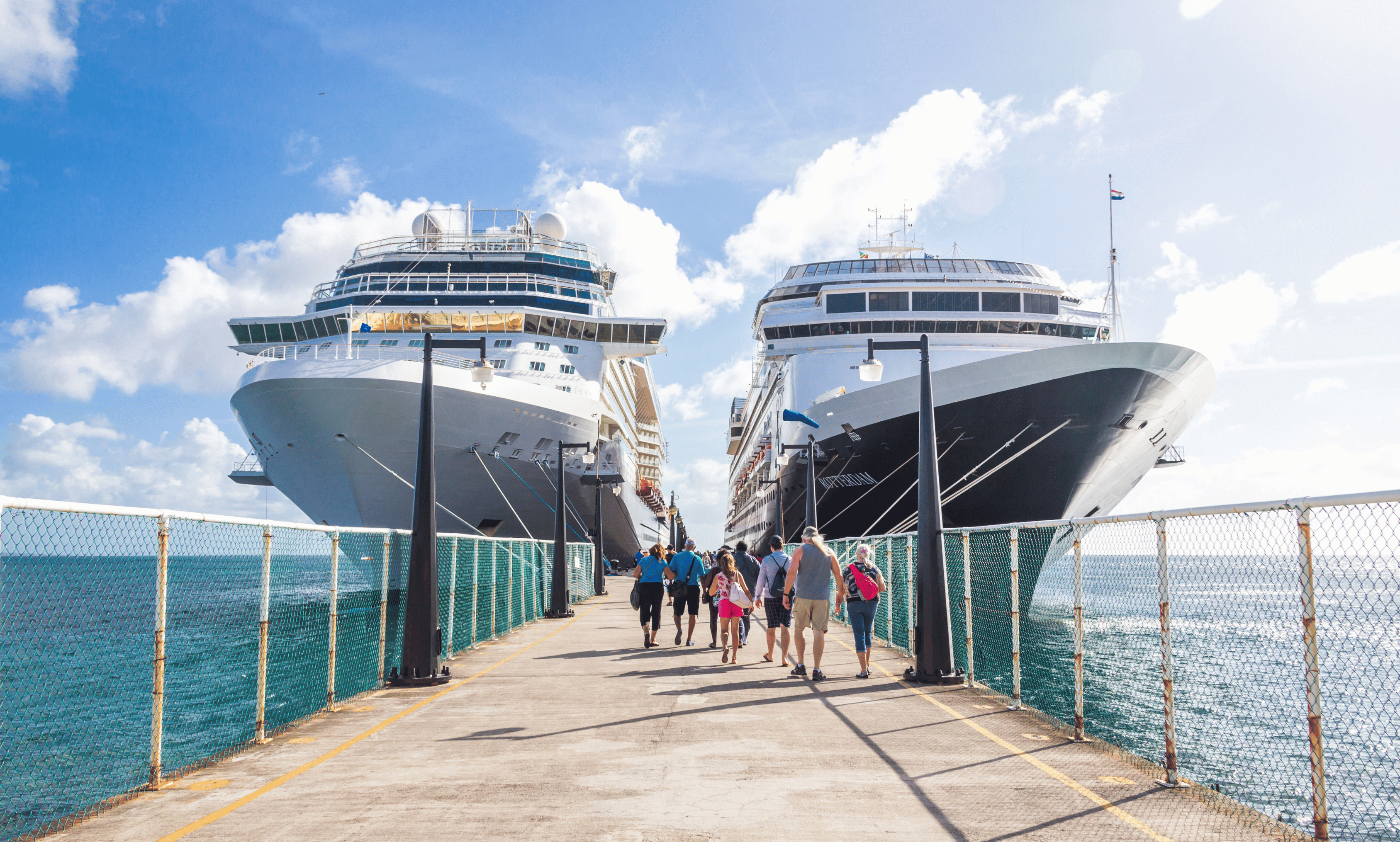
Cruise ships are like floating cities, and like any city, they need laws to keep things running smoothly. But these aren't just any laws. Cruise ship laws are a complex mix of international, national, and local regulations. Let's take a closer look.
International Laws Governing Cruise Ships
The IMO (International Maritime Organization) is like the United Nations of the Sea. It's responsible for setting global standards for ship safety, security, and environmental performance. From the Safety of Life at Sea (SOLAS) convention to the Maritime Labour Convention, the IMO's rules and regulations form the backbone of international maritime law.
There are several key conventions and treaties that govern cruise ship operations. These include the SOLAS Convention, which sets safety standards for ships; the MARPOL Convention, which deals with pollution from ships; and the Athens Convention, which covers passenger liability. These conventions are crucial for ensuring the safety and well-being of passengers and crew, as well as protecting the marine environment.
U.S. Laws and Regulations for Cruise Ships
In the U.S., the Coast Guard is the main regulatory body for cruise ships. They enforce a wide range of regulations, from safety inspections to pollution control. They also handle certifications for seafarers and oversee the investigation of a maritime accident.
The Federal Maritime Commission (FMC) is another key player in U.S. cruise ship regulation. They oversee passenger vessel operators, ensure fair competition in the maritime industry, and protect consumers from unfair practices. If you've ever booked a cruise, you've benefited from the work of the FMC.
Specific Laws for Cruise Ships in West Palm Beach Area
In West Palm Beach, local laws and regulations also come into play. These can cover everything from port operations to environmental compliance. For cruise ship operators, navigating these local regulations can be a complex task, requiring expert legal advice.
Florida state laws also have a significant impact on cruise ship operations. For example, Florida has strict laws on personal injury claims, which can affect passengers who are injured on a cruise. It also has laws on environmental protection, which cruise ships must comply with.
Legal Issues in Cruise Ship Operations
Cruise ship operations can be a legal minefield. From personal maritime injury claims to employment disputes, there are a host of legal issues that can arise. Let's take a closer look at some of these issues and how maritime law addresses them.
Common Legal Disputes in Cruise Ship Operations
Personal Injury Claims
One of the most common legal issues in cruise ship operations is personal injury claims. These can arise from a variety of incidents, from slip-and-fall boating accidents to food poisoning. In these cases, passengers may seek compensation for their maritime injuries, leading to legal disputes.
Employment Disputes
Employment disputes are another common issue. Cruise ship workers often work long hours in challenging conditions, and disputes can arise over issues like wages, working conditions, and discrimination. These disputes can be complex, involving multiple jurisdictions and legal systems.
Environmental Law Violations
Environmental law violations are a serious issue in the cruise ship industry. From illegal dumping of waste to damage to coral reefs, cruise ships can have a significant impact on the environment. These violations can lead to hefty fines and legal disputes.
How Maritime Law Addresses These Issues
Filing a maritime lawsuit can be a complex process. It involves navigating a maze of international, national, and local laws, as well as dealing with complex issues like jurisdiction and liability. But with the right legal advice, it's possible to navigate this process and seek justice.
Maritime lawyers play a crucial role in resolving these disputes. They have the expertise to navigate the complex legal landscape of maritime law, and they can provide invaluable advice and representation to those involved in maritime disputes.
How Our Law Firm Can Help
If you're involved in a maritime dispute, our law firm can help. We have extensive experience in maritime law and a deep understanding of the challenges faced by those involved in cruise ship operations.
Our Expertise in Maritime Law and Cruise Ship Cases
We have a proven track record in maritime law, with numerous successful cases under our belt. We understand the complexities of this field and have the expertise to navigate the legal landscape.
When it comes to cruise ship cases, we take a comprehensive approach. We understand the unique challenges of these cases and have the expertise to handle a wide range of issues, from personal injury claims to employment disputes.
Why Choose Us for Your Maritime Legal Needs
We are committed to our clients and dedicated to seeking justice on their behalf. We understand the challenges faced by those involved in maritime disputes and are here to provide support and expert legal advice.
By choosing The Injury Firm, you'll benefit from our extensive experience, deep understanding of maritime law, and commitment to our clients. We're here to help you navigate the legal landscape and seek the justice you deserve.
Conclusion
Maritime law is a complex field, with a myriad of international, national, and local laws to navigate. But with the right legal advice, it's possible to navigate this landscape and seek justice. Whether you're among cruise ship passengers, a maritime worker, or a cruise ship operator, understanding maritime law and knowing your rights is crucial.
The world of maritime law and cruise line ships is complex and challenging. But it's also fascinating, offering a unique insight into the world of international law, global trade, and the maritime industry.
Navigating maritime law requires expert legal advice. Whether you're dealing with a personal injury claim, an employment dispute, or an environmental law violation, an experienced maritime lawyer can provide invaluable support and guidance.
FAQs
What are the rules on a cruise ship?
Cruise ships have a set of rules and regulations to ensure the safety, security, and well-being of passengers and crew. These rules cover everything from safety procedures and emergency drills to dress codes and behavior guidelines. Additionally, cruise ships must comply with international maritime laws, national laws of the country they're registered in, and local laws of the ports they visit.
Are cruise ships regulated?
Yes, cruise ships are heavily regulated. They must comply with international conventions and treaties set by the International Maritime Organization (IMO), national laws of the country they're registered in, and local laws of the ports they visit. In the U.S., the Coast Guard and the Federal Maritime Commission are among the agencies that regulate cruise ships.
What is the definition of a ship in maritime law?
In maritime law, a ship is generally defined as any large, sea-going vessel. This can include everything from cargo ships and tankers to cruise ships and ferries. The exact definition can vary depending on the context and the specific law or convention in question.
What is the difference between the law of sea and maritime law?
The law of the sea is a branch of international law that deals with issues of maritime jurisdiction, navigational rights, sea mineral claims, and the legal status of the ocean's waters. Maritime law, on the other hand, is a broader field that covers not only issues of jurisdiction and navigational rights but also other matters related to cargo shipping and marine commerce, such as contracts, torts, marine insurance, and maritime liens.
Who makes the rules for cruise ships?
Rules for cruise ships are made by a variety of entities. At the international level, the International Maritime Organization (IMO) sets standards for safety, security, and environmental performance. At the national level, agencies like the U.S. Coast Guard and the Federal Maritime Commission set and enforce regulations. Cruise ship operators also have their own internal rules and policies.
What does maritime law cover?
Maritime law covers a wide range of issues related to the sea and shipping. This includes matters of shipping contracts, marine insurance, maritime liens, salvage, piracy, and personal injuries on the sea, among others. It also covers regulatory matters such as safety standards, environmental regulations, and navigational rights.
Who enforces international maritime law?
International maritime law is enforced by a variety of entities. The International Maritime Organization (IMO) is responsible for developing and maintaining many of the international conventions and treaties that make up maritime law.
Individual countries are responsible for enforcing these laws within their jurisdiction, often through their coast guard or equivalent agency.
Does maritime law apply on land?
While maritime law primarily governs activities at sea, certain aspects of it can apply on land. For instance, contracts related to maritime activities, disputes over cargo, and issues related to marine insurance can fall under maritime law even if they are dealt with on land. However, the specific application of maritime law can vary depending on the jurisdiction and the nature of the issue.
The Injury Firm's West Palm Beach Office Building
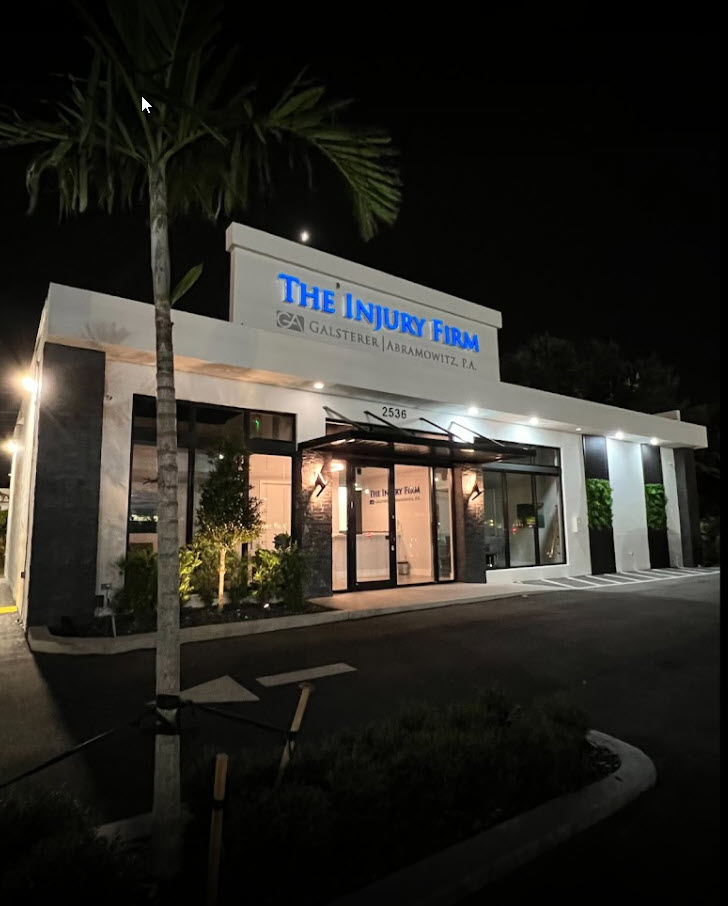
The Injury Firm
2536 Okeechobee Blvd.
West Palm Beach, Florida 33409
Phone: 561-990-4000


West Palm Beach Maritime Law and Cruise Ships: A Comprehensive Guide
About 80% of the world's trade is carried by sea. The clothes you're wearing, the device you're reading this on, the food you had for breakfast - chances are, they've all made their way to you across the oceans.
Now, imagine what would happen if there were no rules governing these vast, international waters. It would be utter chaos, wouldn't it? That's where maritime law steps in, bringing order to the high seas and ensuring that everything runs like clockwork.
Let's turn our attention to West Palm Beach, a city that's as synonymous with maritime activity as it is with sun-kissed beaches and swaying palm trees. West Palm Beach has a rich maritime history that dates back many years. Today, it's a bustling hub for maritime law, home to a number of prestigious law firms that specialize in this field. It's also a popular port of call for some of the world's largest cruise ships.
Introduction to Maritime Law
Maritime law, also known as admiralty law, is a fascinating beast. It's a complex body of laws, conventions, and treaties that govern activities on the high seas. But why does it matter, you ask? Well, imagine a world without rules on the open ocean. It would be chaos, right? Maritime law brings order to the seas, ensuring safe and efficient shipping, protecting the environment, and resolving disputes that arise.
Now, let's take a closer look at the role of West Palm Beach in maritime law.
Definition and Importance of Maritime Law
Maritime law is like the rulebook for the high seas. It covers everything from shipping contracts and marine insurance to piracy and salvage rights. It's a fascinating mix of international and domestic laws, all aimed at keeping our oceans safe and orderly.
But it's not just about rules and regulations. Maritime law also plays a crucial role in global trade. Without it, the shipping industry would be like a ship without a compass, lost in a sea of uncertainty.
The shipping industry is the backbone of global trade. It's how we get everything from the latest gadgets to essential medical supplies. But it's also a risky business. Ships can sink, cargo can get damaged, and disputes can arise. That's where maritime law comes in. It provides a framework for dealing with these issues, ensuring that trade can continue smoothly.
The Role of West Palm Beach in Maritime Law
West Palm Beach has a rich maritime history. From its early days as a trading post to its modern role as a hub for cruise ships, it's always been connected to the sea. And with that connection comes a deep involvement in maritime law. Over the years, West Palm Beach has seen its fair share of maritime disputes, from salvage claims to personal injury lawsuits.
Today, West Palm Beach is more than just a port city. It's a center for maritime law, with numerous law firms specializing in this field. These firms handle a wide range of cases, from cruise ship or boating accident to environmental law violations. And with the cruise ship industry booming, the role of West Palm Beach County in maritime law is more significant than ever.
Understanding Cruise Ship Laws
Cruise ships are like floating cities, and like any city, they need laws to keep things running smoothly. But these aren't just any laws. Cruise ship laws are a complex mix of international, national, and local regulations. Let's take a closer look.
International Laws Governing Cruise Ships
The IMO (International Maritime Organization) is like the United Nations of the Sea. It's responsible for setting global standards for ship safety, security, and environmental performance. From the Safety of Life at Sea (SOLAS) convention to the Maritime Labour Convention, the IMO's rules and regulations form the backbone of international maritime law.
There are several key conventions and treaties that govern cruise ship operations. These include the SOLAS Convention, which sets safety standards for ships; the MARPOL Convention, which deals with pollution from ships; and the Athens Convention, which covers passenger liability. These conventions are crucial for ensuring the safety and well-being of passengers and crew, as well as protecting the marine environment.
U.S. Laws and Regulations for Cruise Ships
In the U.S., the Coast Guard is the main regulatory body for cruise ships. They enforce a wide range of regulations, from safety inspections to pollution control. They also handle certifications for seafarers and oversee the investigation of a maritime accident.
The Federal Maritime Commission (FMC) is another key player in U.S. cruise ship regulation. They oversee passenger vessel operators, ensure fair competition in the maritime industry, and protect consumers from unfair practices. If you've ever booked a cruise, you've benefited from the work of the FMC.
Specific Laws for Cruise Ships in West Palm Beach Area
In West Palm Beach, local laws and regulations also come into play. These can cover everything from port operations to environmental compliance. For cruise ship operators, navigating these local regulations can be a complex task, requiring expert legal advice.
Florida state laws also have a significant impact on cruise ship operations. For example, Florida has strict laws on personal injury claims, which can affect passengers who are injured on a cruise. It also has laws on environmental protection, which cruise ships must comply with.
Legal Issues in Cruise Ship Operations
Cruise ship operations can be a legal minefield. From personal maritime injury claims to employment disputes, there are a host of legal issues that can arise. Let's take a closer look at some of these issues and how maritime law addresses them.
Common Legal Disputes in Cruise Ship Operations
Personal Injury Claims
One of the most common legal issues in cruise ship operations is personal injury claims. These can arise from a variety of incidents, from slip-and-fall boating accidents to food poisoning. In these cases, passengers may seek compensation for their maritime injuries, leading to legal disputes.
Employment Disputes
Employment disputes are another common issue. Cruise ship workers often work long hours in challenging conditions, and disputes can arise over issues like wages, working conditions, and discrimination. These disputes can be complex, involving multiple jurisdictions and legal systems.
Environmental Law Violations
Environmental law violations are a serious issue in the cruise ship industry. From illegal dumping of waste to damage to coral reefs, cruise ships can have a significant impact on the environment. These violations can lead to hefty fines and legal disputes.
How Maritime Law Addresses These Issues
Filing a maritime lawsuit can be a complex process. It involves navigating a maze of international, national, and local laws, as well as dealing with complex issues like jurisdiction and liability. But with the right legal advice, it's possible to navigate this process and seek justice.
Maritime lawyers play a crucial role in resolving these disputes. They have the expertise to navigate the complex legal landscape of maritime law, and they can provide invaluable advice and representation to those involved in maritime disputes.
How Our Law Firm Can Help
If you're involved in a maritime dispute, our law firm can help. We have extensive experience in maritime law and a deep understanding of the challenges faced by those involved in cruise ship operations.
Our Expertise in Maritime Law and Cruise Ship Cases
We have a proven track record in maritime law, with numerous successful cases under our belt. We understand the complexities of this field and have the expertise to navigate the legal landscape.
When it comes to cruise ship cases, we take a comprehensive approach. We understand the unique challenges of these cases and have the expertise to handle a wide range of issues, from personal injury claims to employment disputes.
Why Choose Us for Your Maritime Legal Needs
We are committed to our clients and dedicated to seeking justice on their behalf. We understand the challenges faced by those involved in maritime disputes and are here to provide support and expert legal advice.
By choosing The Injury Firm, you'll benefit from our extensive experience, deep understanding of maritime law, and commitment to our clients. We're here to help you navigate the legal landscape and seek the justice you deserve.
Conclusion
Maritime law is a complex field, with a myriad of international, national, and local laws to navigate. But with the right legal advice, it's possible to navigate this landscape and seek justice. Whether you're among cruise ship passengers, a maritime worker, or a cruise ship operator, understanding maritime law and knowing your rights is crucial.
The world of maritime law and cruise line ships is complex and challenging. But it's also fascinating, offering a unique insight into the world of international law, global trade, and the maritime industry.
Navigating maritime law requires expert legal advice. Whether you're dealing with a personal injury claim, an employment dispute, or an environmental law violation, an experienced maritime lawyer can provide invaluable support and guidance.
FAQs
What are the rules on a cruise ship?
Cruise ships have a set of rules and regulations to ensure the safety, security, and well-being of passengers and crew. These rules cover everything from safety procedures and emergency drills to dress codes and behavior guidelines. Additionally, cruise ships must comply with international maritime laws, national laws of the country they're registered in, and local laws of the ports they visit.
Are cruise ships regulated?
Yes, cruise ships are heavily regulated. They must comply with international conventions and treaties set by the International Maritime Organization (IMO), national laws of the country they're registered in, and local laws of the ports they visit. In the U.S., the Coast Guard and the Federal Maritime Commission are among the agencies that regulate cruise ships.
What is the definition of a ship in maritime law?
In maritime law, a ship is generally defined as any large, sea-going vessel. This can include everything from cargo ships and tankers to cruise ships and ferries. The exact definition can vary depending on the context and the specific law or convention in question.
What is the difference between the law of sea and maritime law?
The law of the sea is a branch of international law that deals with issues of maritime jurisdiction, navigational rights, sea mineral claims, and the legal status of the ocean's waters. Maritime law, on the other hand, is a broader field that covers not only issues of jurisdiction and navigational rights but also other matters related to cargo shipping and marine commerce, such as contracts, torts, marine insurance, and maritime liens.
Who makes the rules for cruise ships?
Rules for cruise ships are made by a variety of entities. At the international level, the International Maritime Organization (IMO) sets standards for safety, security, and environmental performance. At the national level, agencies like the U.S. Coast Guard and the Federal Maritime Commission set and enforce regulations. Cruise ship operators also have their own internal rules and policies.
What does maritime law cover?
Maritime law covers a wide range of issues related to the sea and shipping. This includes matters of shipping contracts, marine insurance, maritime liens, salvage, piracy, and personal injuries on the sea, among others. It also covers regulatory matters such as safety standards, environmental regulations, and navigational rights.
Who enforces international maritime law?
International maritime law is enforced by a variety of entities. The International Maritime Organization (IMO) is responsible for developing and maintaining many of the international conventions and treaties that make up maritime law.
Individual countries are responsible for enforcing these laws within their jurisdiction, often through their coast guard or equivalent agency.
Does maritime law apply on land?
While maritime law primarily governs activities at sea, certain aspects of it can apply on land. For instance, contracts related to maritime activities, disputes over cargo, and issues related to marine insurance can fall under maritime law even if they are dealt with on land. However, the specific application of maritime law can vary depending on the jurisdiction and the nature of the issue.
The Injury Firm's West Palm Beach Office Building
The Injury Firm
2536 Okeechobee Blvd.
West Palm Beach, Florida 33409
Phone: 561-990-4000