

WEST PALM BEACH FLORIDA PERSONAL INJURY
PRACTICE AREAS
Navigating the Aftermath: Why a Motorcycle Accident Lawyer is Your Lifeline
Imagine the wind rushing past you, the thrill of the open road, and the freedom of riding a motorcycle. Imagine that in a split second, all of that is taken away by an unexpected accident. The aftermath of a motorcycle accident isn't just about physical injuries; it's a whirlwind of emotions, financial burdens, and legal complexities.
This guide isn't just about understanding the role of a motorcycle accident lawyer; it's about finding your way back to the life you once knew and ensuring you're not alone in this journey.
The Prevalence of Motorcycle Accidents
While offering an unparalleled sense of freedom, motorcycles come with their own set of risks. The open nature of a bike, combined with the sheer force of impact during a collision, often results in severe consequences for the rider.
Every year, thousands of motorcyclists find their lives changed in an instant. Motorcycles are 24 times more likely than passenger cars to be involved in a fatal accident, as per the National Highway Traffic Safety Administration (NHTSA). These numbers aren't just statistics; they represent real people with families, dreams, and aspirations.
Common Causes of Motorcycle Accidents

While every accident is unique, certain factors frequently play a role in motorcycle collisions:
- Cars Making Left-Hand Turns: This is one of the leading causes of motorcycle accidents. Often, a car driver fails to notice a motorcyclist or misjudges their speed.
- Lane Splitting: While it's a common practice in many places, lane splitting can be dangerous, especially when other drivers aren't expecting it.
- Speeding and Alcohol: Like with any other vehicle, speeding and alcohol consumption increase the risk of accidents.
- Road Hazards: Potholes, wet roads, and unexpected debris can be more hazardous for motorcyclists than car drivers.
The Aftermath of a Motorcycle Accident
The moments, days, and even months following a motorcycle accident can be a blur of pain, confusion, and uncertainty.
- Physical Injuries and Trauma: From road rash and broken bones to traumatic brain injuries, the physical toll of a motorcycle accident can be immense. Recovery might involve surgeries, prolonged hospital stays, and extensive physical therapy.
- Emotional and Psychological Effects: Beyond the physical scars lie the emotional ones. The trauma of an accident can lead to anxiety, depression, and even post-traumatic stress disorder (PTSD). Many riders find it challenging to return on a bike, while others relive the accident in their dreams.
- Financial Implications: Medical bills can pile up quickly, especially if you cannot work. Add the cost of repairing or replacing your motorcycle, and the financial strain becomes evident. Insurance might cover some of these costs, but will it be enough?
Why You Need a Motorcycle Accident Lawyer
Navigating the aftermath of a motorcycle accident can be overwhelming. From medical bills to insurance claims, the complexities can be daunting. This is where a motorcycle accident lawyer steps in, acting as a beacon of hope and guidance during these trying times.
Expertise in Motorcycle Accident Laws
Laws surrounding motorcycle accidents aren't just about general traffic rules. They delve deep into the intricacies of motorcycling, ensuring that riders are protected and adequately represented.
Every state has its own set of laws regarding motorcycle accidents. For instance, some states have helmet laws, while others don't. A seasoned motorcycle accident lawyer is well-versed in these state-specific regulations, ensuring you're not caught off guard by any legal technicalities.
Motorcyclists have rights, but they also have responsibilities. A lawyer can help you understand where you stand in the eyes of the law. Were you wearing the appropriate gear? Were you adhering to lane discipline? A lawyer can help address these questions, ensuring you're well-prepared for any legal battles.
Negotiating with Insurance Companies
Insurance companies, while essential, can sometimes be challenging to deal with, especially when large compensation amounts are at stake.
Insurance companies are businesses, and like all businesses, their goal is to maximize profits. This often means they'll try to minimize the compensation they offer. They might question the severity of your injuries, the need for certain medical procedures, or even the circumstances of the accident itself.
A motorcycle accident lawyer is your advocate, ensuring you receive the compensation you deserve. They'll consider not just your current medical bills, but future treatments, lost wages, and even the emotional trauma you've endured. With their negotiation skills and understanding of the law, they'll fight to ensure that the insurance company's offer is fair and just.
Gathering and Presenting Evidence
Evidence is the cornerstone of any legal case. In motorcycle accidents, the right evidence can distinguish between a successful and dismissed motorcycle accident claim.
Without concrete evidence, your motorcycle accident claims is just a story. Evidence provides the necessary validation, showcasing the facts and ensuring the truth is revealed. Whether it's a photograph of the accident scene or a medical report detailing your injuries, every piece of evidence strengthens your motorcycle accident case.
Common Types of Evidence Used
- Photographs and Videos: These can capture the accident scene, your injuries, and any damage to your motorcycle.
- Witness Testimonies: Eyewitness accounts can provide an unbiased perspective on how the accident occurred.
- Medical Reports: These detail the extent of your injuries, your treatments, and potential future medical needs.
- Police Reports: Often considered a neutral account, a police report can provide crucial details about the accident.
How to Choose the Right Motorcycle Accident Lawyer
Selecting the right motorcycle accident lawyer is akin to choosing a trusted companion for a challenging journey. This decision can significantly impact the outcome of your motorcycle accident case and your future. Here's a practical guide to ensure you make an informed choice.
Qualifications and Experience
The legal world is vast, and while many motorcycle accident injury lawyers are skilled, not all specialize in motorcycle accidents. It's crucial to find someone who knows the law and understands motorcyclists' unique challenges.
A lawyer's educational background can provide insights into their expertise. Did they attend a reputable law school? Do they have additional certifications related to personal injury or motorcycle law? While educational credentials aren't the only factor, they're a good starting point.
Experience is often the best teacher. A personal injury lawyer who has handled numerous motorcycle accident cases will likely be familiar with the nuances and challenges specific to such incidents. Ask potential motorcycle accident attorneys about their track record, the kinds of cases they've handled, and their success rate.
Reputation and Reviews
In today's digital age, a lawyer's reputation is more transparent than ever. Online reviews and testimonials can provide a glimpse into past clients' experiences.
Websites like Avvo, Martindale-Hubbell, and even Google can offer reviews and ratings for lawyers. While reading these, look for patterns. Are clients consistently praising the lawyer's dedication, communication, or results? Conversely, are there recurring complaints?
Personal recommendations can be invaluable. Friends or family members in similar situations can provide insights into a lawyer's approach, demeanor, and effectiveness. Their firsthand experience can offer a unique perspective that online reviews might miss.
Fee Structure and Affordability
Legal representation is crucial, but it shouldn't leave you in financial ruin. Understanding how a lawyer charges can help you make an informed decision.
Many motorcycle accident lawyers work on a contingency fee basis. This means they only get paid if you win your case. Typically, they'll take a percentage of the settlement or award. This arrangement can be beneficial as it aligns the lawyer's interests with yours – they're incentivized to get the best possible outcome.
While finding an affordable lawyer is essential, don't base your decision on cost alone. A more expensive lawyer might have a track record that justifies their fees. Conversely, a less expensive lawyer might offer fewer services or have less experience. It's about finding the right balance between cost and value.
The Legal Process After a Motorcycle Accident

The aftermath of a motorcycle accident is a whirlwind of emotions, medical appointments, and insurance calls. Amidst this chaos, understanding the legal process can provide clarity and direction. Here's a step-by-step breakdown to help you navigate this journey with confidence.
Reporting the Accident
Before diving into the legal intricacies, ensuring the accident has been appropriately reported to the relevant authorities is essential.
Time is of the essence. In most states, there's a stipulated timeframe within which you must report an accident, especially if it involves injuries or significant property damage. Contact the local police or highway patrol immediately after the accident. They'll document the scene, take statements, and provide you with an official report – a crucial piece of evidence for your case.
Prompt reporting isn't just a legal requirement; it's a strategic move. The sooner you report, the fresher the details are in your mind, leading to a more accurate account. Additionally, timely reporting showcases your commitment to transparency and can be beneficial when dealing with insurance companies or in court.
Filing a Lawsuit
While many motorcycle accident cases are settled out of court, sometimes a lawsuit becomes necessary to ensure justice and fair compensation.
The decision to file a lawsuit should be made in consultation with your lawyer. They'll assess the strength of your case, the offer from the insurance company, and the potential benefits of going to court. Remember, there's a statute of limitations for personal injury cases, which means you have a limited time to file a lawsuit after the accident.
Steps Involved in Filing a Lawsuit
- Drafting the Complaint: This document outlines your case, the damages you seek, and why you believe the defendant is responsible.
- Serving the Defendant: Once the complaint is filed, the defendant (often the other driver or their insurance company) must be formally notified.
- Discovery Process: Both sides gather evidence. This might involve depositions, document requests, and expert testimonies.
- Trial: The case goes to trial if a settlement isn't reached. Both sides present their arguments here, and a judge or jury determines the outcome.
Settlement Negotiations
Most motorcycle accident cases are resolved through settlements rather than trials. This process can be intricate and requires a strategic approach.
Your experienced motorcycle accident lawyers acts as your representative during these negotiations. They'll present evidence, argue for the compensation you deserve, and handle all communications with the opposing side. Their experience and expertise are invaluable in ensuring a favorable outcome.
Negotiations can be a rollercoaster. Initial offers might be lower than expected, requiring counteroffers and further discussions. Throughout this process, your experienced motorcycle accident attorney will keep you informed, seek your input on major decisions, and work diligently to secure the best possible settlement.
Common Questions About Motorcycle Accident Lawyers
When faced with the aftermath of a motorcycle accident, a myriad of questions can arise. Understanding the legal landscape is crucial, but it can also be overwhelming. Here, we address some of the individuals' most common questions about motorcycle accident lawyers and the legal process.
How Much Does a Lawyer Cost?
One of the primary concerns for many is the cost of hiring a lawyer. After all, legal battles can be lengthy, and the expenses can add up.
Lawyers typically have various fee structures, but here's what you can expect:
- Contingency Fees: As mentioned earlier, many motorcycle accident lawyers operate on a contingency fee basis. This means you only pay if you win the case. The lawyer's fee is a percentage of the settlement or award. This arrangement can be beneficial as it reduces upfront costs and aligns the lawyer's interests with yours.
- Hourly Rates: Some lawyers charge by the hour. This can be more predictable regarding costs, but it can also add up quickly, especially if the case drags on.
- Flat Fees: Sometimes, a lawyer might charge a flat fee for specific services. This provides clarity in terms of expenses but is less common for motorcycle accident cases.
How Long Does the Legal Process Take?
The duration of the legal process can vary widely based on the case's complexity, the parties' willingness to settle, and court schedules.
- Complexity of the Case: Cases with multiple parties, severe injuries, or disputed facts can take longer to resolve.
- Availability of Evidence: If evidence is readily available and clear, cases can move faster. Conversely, if there's a need for extensive investigation, it can prolong the process.
- Court Schedules: Courts often have packed schedules. Even if both parties are ready, they might have to wait for an available slot.
- Willingness to Settle: If both parties are open to negotiation and can reach an agreement, the case can conclude faster. If not, it might go to trial, extending the timeline.
What if the Accident was Partly My Fault?
Accidents are rarely black and white. In many cases, multiple parties might share the blame.
- Contributory Negligence: In some states, if you're found to be slightly at fault, you might be barred from recovering any damages. This approach is strict and can be harsh.
- Comparative Negligence: More common is the concept of comparative negligence. Here, damages are reduced based on your percentage of fault. For instance, if you're found to be 20% at fault and have damages of $100,000, you might only recover $80,000.
Conclusion
Navigating the aftermath of a motorcycle accident is a journey filled with emotional and legal challenges. As the dust settles and the reality of the situation sinks in, it becomes evident that having the right legal ally is not just a luxury but a necessity.
The Importance of Seeking Legal Counsel
Motorcycle accidents aren't just about bent metal and broken bones. They're about lives changed in the blink of an eye, dreams deferred, and futures hanging in the balance. In such times, an experienced motorcycle accident lawyer isn't just a legal representative but a guiding light, helping motorcycle accident victims find their way back to some normalcy.
A skilled motorcycle accident attorney understands the intricacies of motorcycle laws, the tactics employed by insurance companies, and the emotional turmoil victims undergo. They stand by your side, fighting for your rights, ensuring that justice is served and you receive the compensation you deserve.
Ensuring Justice and Fair Compensation
While no personal injury claim can truly compensate for the trauma and loss experienced in a motorcycle accident, a fair settlement can ease the financial burdens and provide a foundation for rebuilding. Medical bills, rehabilitation costs, lost wages, and even emotional distress are all tangible consequences of an accident. With a dedicated motorcycle accident law firm, you can ensure that these aspects are adequately addressed, allowing you to focus on healing and recovery. Contact a motorcycle accident lawyer at the West Palm Beach office of The Injury Firm: 561-990-4000
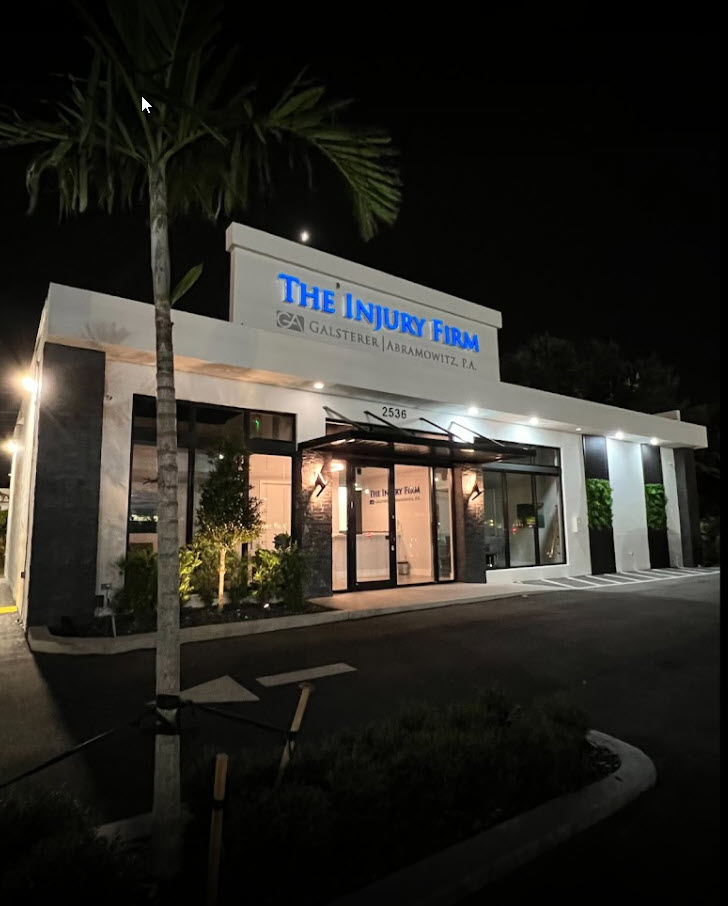
The Injury Firm's West Palm Beach Office Building
The Injury Firm
2536 Okeechobee Blvd.
West Palm Beach, Florida 33409
Phone: 561-990-4000


Navigating the Aftermath: Why a Motorcycle Accident Lawyer is Your Lifeline
Imagine the wind rushing past you, the thrill of the open road, and the freedom of riding a motorcycle. Imagine that in a split second, all of that is taken away by an unexpected accident. The aftermath of a motorcycle accident isn't just about physical injuries; it's a whirlwind of emotions, financial burdens, and legal complexities.
This guide isn't just about understanding the role of a motorcycle accident lawyer; it's about finding your way back to the life you once knew and ensuring you're not alone in this journey.
The Prevalence of Motorcycle Accidents
While offering an unparalleled sense of freedom, motorcycles come with their own set of risks. The open nature of a bike, combined with the sheer force of impact during a collision, often results in severe consequences for the rider.
Every year, thousands of motorcyclists find their lives changed in an instant. Motorcycles are 24 times more likely than passenger cars to be involved in a fatal accident, as per the National Highway Traffic Safety Administration (NHTSA). These numbers aren't just statistics; they represent real people with families, dreams, and aspirations.
Common Causes of Motorcycle Accidents
While every accident is unique, certain factors frequently play a role in motorcycle collisions:
- Cars Making Left-Hand Turns: This is one of the leading causes of motorcycle accidents. Often, a car driver fails to notice a motorcyclist or misjudges their speed.
- Lane Splitting: While it's a common practice in many places, lane splitting can be dangerous, especially when other drivers aren't expecting it.
- Speeding and Alcohol: Like with any other vehicle, speeding and alcohol consumption increase the risk of accidents.
- Road Hazards: Potholes, wet roads, and unexpected debris can be more hazardous for motorcyclists than car drivers.
The Aftermath of a Motorcycle Accident
The moments, days, and even months following a motorcycle accident can be a blur of pain, confusion, and uncertainty.
- Physical Injuries and Trauma: From road rash and broken bones to traumatic brain injuries, the physical toll of a motorcycle accident can be immense. Recovery might involve surgeries, prolonged hospital stays, and extensive physical therapy.
- Emotional and Psychological Effects: Beyond the physical scars lie the emotional ones. The trauma of an accident can lead to anxiety, depression, and even post-traumatic stress disorder (PTSD). Many riders find it challenging to return on a bike, while others relive the accident in their dreams.
- Financial Implications: Medical bills can pile up quickly, especially if you cannot work. Add the cost of repairing or replacing your motorcycle, and the financial strain becomes evident. Insurance might cover some of these costs, but will it be enough?
Why You Need a Motorcycle Accident Lawyer
Navigating the aftermath of a motorcycle accident can be overwhelming. From medical bills to insurance claims, the complexities can be daunting. This is where a motorcycle accident lawyer steps in, acting as a beacon of hope and guidance during these trying times.
Expertise in Motorcycle Accident Laws
Laws surrounding motorcycle accidents aren't just about general traffic rules. They delve deep into the intricacies of motorcycling, ensuring that riders are protected and adequately represented.
Every state has its own set of laws regarding motorcycle accidents. For instance, some states have helmet laws, while others don't. A seasoned motorcycle accident lawyer is well-versed in these state-specific regulations, ensuring you're not caught off guard by any legal technicalities.
Motorcyclists have rights, but they also have responsibilities. A lawyer can help you understand where you stand in the eyes of the law. Were you wearing the appropriate gear? Were you adhering to lane discipline? A lawyer can help address these questions, ensuring you're well-prepared for any legal battles.
Negotiating with Insurance Companies
Insurance companies, while essential, can sometimes be challenging to deal with, especially when large compensation amounts are at stake.
Insurance companies are businesses, and like all businesses, their goal is to maximize profits. This often means they'll try to minimize the compensation they offer. They might question the severity of your injuries, the need for certain medical procedures, or even the circumstances of the accident itself.
A motorcycle accident lawyer is your advocate, ensuring you receive the compensation you deserve. They'll consider not just your current medical bills, but future treatments, lost wages, and even the emotional trauma you've endured. With their negotiation skills and understanding of the law, they'll fight to ensure that the insurance company's offer is fair and just.
Gathering and Presenting Evidence
Evidence is the cornerstone of any legal case. In motorcycle accidents, the right evidence can distinguish between a successful and dismissed motorcycle accident claim.
Without concrete evidence, your motorcycle accident claims is just a story. Evidence provides the necessary validation, showcasing the facts and ensuring the truth is revealed. Whether it's a photograph of the accident scene or a medical report detailing your injuries, every piece of evidence strengthens your motorcycle accident case.
Common Types of Evidence Used
- Photographs and Videos: These can capture the accident scene, your injuries, and any damage to your motorcycle.
- Witness Testimonies: Eyewitness accounts can provide an unbiased perspective on how the accident occurred.
- Medical Reports: These detail the extent of your injuries, your treatments, and potential future medical needs.
- Police Reports: Often considered a neutral account, a police report can provide crucial details about the accident.
How to Choose the Right Motorcycle Accident Lawyer
Selecting the right motorcycle accident lawyer is akin to choosing a trusted companion for a challenging journey. This decision can significantly impact the outcome of your motorcycle accident case and your future. Here's a practical guide to ensure you make an informed choice.
Qualifications and Experience
The legal world is vast, and while many motorcycle accident injury lawyers are skilled, not all specialize in motorcycle accidents. It's crucial to find someone who knows the law and understands motorcyclists' unique challenges.
A lawyer's educational background can provide insights into their expertise. Did they attend a reputable law school? Do they have additional certifications related to personal injury or motorcycle law? While educational credentials aren't the only factor, they're a good starting point.
Experience is often the best teacher. A personal injury lawyer who has handled numerous motorcycle accident cases will likely be familiar with the nuances and challenges specific to such incidents. Ask potential motorcycle accident attorneys about their track record, the kinds of cases they've handled, and their success rate.
Reputation and Reviews
In today's digital age, a lawyer's reputation is more transparent than ever. Online reviews and testimonials can provide a glimpse into past clients' experiences.
Websites like Avvo, Martindale-Hubbell, and even Google can offer reviews and ratings for lawyers. While reading these, look for patterns. Are clients consistently praising the lawyer's dedication, communication, or results? Conversely, are there recurring complaints?
Personal recommendations can be invaluable. Friends or family members in similar situations can provide insights into a lawyer's approach, demeanor, and effectiveness. Their firsthand experience can offer a unique perspective that online reviews might miss.
Fee Structure and Affordability
Legal representation is crucial, but it shouldn't leave you in financial ruin. Understanding how a lawyer charges can help you make an informed decision.
Many motorcycle accident lawyers work on a contingency fee basis. This means they only get paid if you win your case. Typically, they'll take a percentage of the settlement or award. This arrangement can be beneficial as it aligns the lawyer's interests with yours – they're incentivized to get the best possible outcome.
While finding an affordable lawyer is essential, don't base your decision on cost alone. A more expensive lawyer might have a track record that justifies their fees. Conversely, a less expensive lawyer might offer fewer services or have less experience. It's about finding the right balance between cost and value.
The Legal Process After a Motorcycle Accident
The aftermath of a motorcycle accident is a whirlwind of emotions, medical appointments, and insurance calls. Amidst this chaos, understanding the legal process can provide clarity and direction. Here's a step-by-step breakdown to help you navigate this journey with confidence.
Reporting the Accident
Before diving into the legal intricacies, ensuring the accident has been appropriately reported to the relevant authorities is essential.
Time is of the essence. In most states, there's a stipulated timeframe within which you must report an accident, especially if it involves injuries or significant property damage. Contact the local police or highway patrol immediately after the accident. They'll document the scene, take statements, and provide you with an official report – a crucial piece of evidence for your case.
Prompt reporting isn't just a legal requirement; it's a strategic move. The sooner you report, the fresher the details are in your mind, leading to a more accurate account. Additionally, timely reporting showcases your commitment to transparency and can be beneficial when dealing with insurance companies or in court.
Filing a Lawsuit
While many motorcycle accident cases are settled out of court, sometimes a lawsuit becomes necessary to ensure justice and fair compensation.
The decision to file a lawsuit should be made in consultation with your lawyer. They'll assess the strength of your case, the offer from the insurance company, and the potential benefits of going to court. Remember, there's a statute of limitations for personal injury cases, which means you have a limited time to file a lawsuit after the accident.
Steps Involved in Filing a Lawsuit
- Drafting the Complaint: This document outlines your case, the damages you seek, and why you believe the defendant is responsible.
- Serving the Defendant: Once the complaint is filed, the defendant (often the other driver or their insurance company) must be formally notified.
- Discovery Process: Both sides gather evidence. This might involve depositions, document requests, and expert testimonies.
- Trial: The case goes to trial if a settlement isn't reached. Both sides present their arguments here, and a judge or jury determines the outcome.
Settlement Negotiations
Most motorcycle accident cases are resolved through settlements rather than trials. This process can be intricate and requires a strategic approach.
Your experienced motorcycle accident lawyers acts as your representative during these negotiations. They'll present evidence, argue for the compensation you deserve, and handle all communications with the opposing side. Their experience and expertise are invaluable in ensuring a favorable outcome.
Negotiations can be a rollercoaster. Initial offers might be lower than expected, requiring counteroffers and further discussions. Throughout this process, your experienced motorcycle accident attorney will keep you informed, seek your input on major decisions, and work diligently to secure the best possible settlement.
Common Questions About Motorcycle Accident Lawyers
When faced with the aftermath of a motorcycle accident, a myriad of questions can arise. Understanding the legal landscape is crucial, but it can also be overwhelming. Here, we address some of the individuals' most common questions about motorcycle accident lawyers and the legal process.
How Much Does a Lawyer Cost?
One of the primary concerns for many is the cost of hiring a lawyer. After all, legal battles can be lengthy, and the expenses can add up.
Lawyers typically have various fee structures, but here's what you can expect:
- Contingency Fees: As mentioned earlier, many motorcycle accident lawyers operate on a contingency fee basis. This means you only pay if you win the case. The lawyer's fee is a percentage of the settlement or award. This arrangement can be beneficial as it reduces upfront costs and aligns the lawyer's interests with yours.
- Hourly Rates: Some lawyers charge by the hour. This can be more predictable regarding costs, but it can also add up quickly, especially if the case drags on.
- Flat Fees: Sometimes, a lawyer might charge a flat fee for specific services. This provides clarity in terms of expenses but is less common for motorcycle accident cases.
How Long Does the Legal Process Take?
The duration of the legal process can vary widely based on the case's complexity, the parties' willingness to settle, and court schedules.
- Complexity of the Case: Cases with multiple parties, severe injuries, or disputed facts can take longer to resolve.
- Availability of Evidence: If evidence is readily available and clear, cases can move faster. Conversely, if there's a need for extensive investigation, it can prolong the process.
- Court Schedules: Courts often have packed schedules. Even if both parties are ready, they might have to wait for an available slot.
- Willingness to Settle: If both parties are open to negotiation and can reach an agreement, the case can conclude faster. If not, it might go to trial, extending the timeline.
What if the Accident was Partly My Fault?
Accidents are rarely black and white. In many cases, multiple parties might share the blame.
- Contributory Negligence: In some states, if you're found to be slightly at fault, you might be barred from recovering any damages. This approach is strict and can be harsh.
- Comparative Negligence: More common is the concept of comparative negligence. Here, damages are reduced based on your percentage of fault. For instance, if you're found to be 20% at fault and have damages of $100,000, you might only recover $80,000.
Conclusion
Navigating the aftermath of a motorcycle accident is a journey filled with emotional and legal challenges. As the dust settles and the reality of the situation sinks in, it becomes evident that having the right legal ally is not just a luxury but a necessity.
The Importance of Seeking Legal Counsel
Motorcycle accidents aren't just about bent metal and broken bones. They're about lives changed in the blink of an eye, dreams deferred, and futures hanging in the balance. In such times, an experienced motorcycle accident lawyer isn't just a legal representative but a guiding light, helping motorcycle accident victims find their way back to some normalcy.
A skilled motorcycle accident attorney understands the intricacies of motorcycle laws, the tactics employed by insurance companies, and the emotional turmoil victims undergo. They stand by your side, fighting for your rights, ensuring that justice is served and you receive the compensation you deserve.
Ensuring Justice and Fair Compensation
While no personal injury claim can truly compensate for the trauma and loss experienced in a motorcycle accident, a fair settlement can ease the financial burdens and provide a foundation for rebuilding. Medical bills, rehabilitation costs, lost wages, and even emotional distress are all tangible consequences of an accident. With a dedicated motorcycle accident law firm, you can ensure that these aspects are adequately addressed, allowing you to focus on healing and recovery. Contact a motorcycle accident lawyer at the West Palm Beach office of The Injury Firm: 561-990-4000
The Injury Firm's West Palm Beach Office Building
The Injury Firm
2536 Okeechobee Blvd.
West Palm Beach, Florida 33409
Phone: 561-990-4000