

MEDICAL MALPRACTICE
PRACTICE AREAS
Fort Lauderdale Surgical Errors Lawyer | Surgical Malpractice Attorney
Fort Lauderdale Surgical Errors Lawyers
Surgical errors are among the most serious forms of medical malpractice because patients place enormous trust in surgeons and hospital teams during complex procedures. When preventable mistakes occur in the operating room, the consequences can be life-altering. Surgical negligence may cause nerve damage, internal organ injuries, infections, paralysis, or the need for additional surgeries.
In Florida, patients who suffer harm due to surgical negligence may have the right to pursue a malpractice claim. These cases typically involve situations where a surgeon, anesthesiologist, or surgical team fails to follow the accepted medical standard of care. When medical professionals deviate from those standards and cause injury, the law allows victims to seek compensation for their losses.
If you or a loved one experienced complications after surgery and suspect negligence may have occurred, speaking with a lawyer can help you understand your rights. You can call (954) 951-0000 or request a consultation through the contact page.
Skip Navigation
- What Is Surgical Malpractice?
- Florida Surgical Malpractice Law
- Quick Legal Overview
- When Surgical Errors Become Negligence
- Common Surgical Errors
- Why Surgical Errors Occur
- Legal Requirements
- Compensation
- Why These Cases Are Complex
- How The Injury Firm Builds Cases
- Frequently Asked Questions
Can You Sue for Surgical Errors in Fort Lauderdale?
Yes. Patients may pursue a surgical malpractice lawsuit when a surgeon, anesthesiologist, or medical team fails to follow accepted medical standards and that failure causes injury. Surgical malpractice claims typically arise when preventable operating room mistakes occur, such as wrong-site surgery, retained surgical instruments, anesthesia errors, or nerve damage caused by improper surgical technique.
Florida law allows injured patients to pursue compensation when healthcare providers violate the professional standard of care and cause measurable harm. Determining whether malpractice occurred usually requires review of surgical records, hospital procedures, and expert medical analysis.
Speakable Summary
Surgical malpractice occurs when a surgeon or operating room team makes a preventable mistake during a medical procedure that violates the accepted standard of care. Examples include wrong-site surgery, retained instruments, anesthesia errors, and surgical infections. Under Florida law, patients harmed by these mistakes may pursue compensation if medical experts determine that the surgeon’s actions fell below professional standards and directly caused injury.
What Is Surgical Malpractice?
Surgical malpractice is a type of medical negligence that occurs when a surgeon or medical team performs a procedure in a way that violates accepted medical standards and causes injury to the patient. The legal concept focuses on whether a reasonably competent surgeon would have acted differently under similar circumstances.
Modern surgery involves highly coordinated teams, specialized equipment, and complex planning. Surgeons must evaluate patient history, review imaging, follow safety checklists, and coordinate with anesthesiologists and nursing staff. When any part of this process breaks down, preventable mistakes may occur.
Examples of surgical malpractice may include performing the wrong procedure, leaving instruments inside the body, causing avoidable nerve damage, or failing to monitor a patient after surgery. These mistakes may result in severe medical complications that require additional treatment or long-term care.
Not every surgical complication qualifies as malpractice. Surgery inherently carries risks, and some complications occur even when doctors follow proper procedures. Malpractice occurs only when medical providers fail to follow accepted professional standards.
Florida Surgical Malpractice Law
Florida medical malpractice law establishes the legal standards for surgical negligence claims. Under Florida Statute §766.102, healthcare providers are responsible for delivering care that meets the prevailing professional standard expected of reasonably prudent medical providers.
If a surgeon fails to meet that standard and causes injury, the patient may have grounds for a malpractice claim. However, the law requires proof of specific legal elements before a lawsuit can succeed.
To establish surgical malpractice, a plaintiff must prove the following elements:
- Duty of care between the surgeon and patient
- Breach of the accepted surgical standard of care
- Causation showing the mistake caused the injury
- Damages resulting from the surgical error
These cases typically require testimony from qualified medical experts who can explain how the surgeon’s conduct deviated from accepted medical practices.
Quick Legal Overview: Medical Malpractice in Florida
- Florida malpractice claims generally have a two-year statute of limitations under Florida Statute §95.11.
- Attorneys must conduct a presuit investigation before filing a malpractice lawsuit.
- Florida law requires a corroborating medical expert opinion prior to filing a claim.
- Healthcare providers must receive presuit notice under §766.106.
- Hospitals and healthcare facilities may share liability for surgical errors.
These requirements are designed to ensure that malpractice claims are supported by credible medical evidence before litigation begins. Attorneys must evaluate surgical records and consult experts before proceeding with a lawsuit.
Because of these procedural requirements, surgical malpractice claims are often more complex than other personal injury cases. Early investigation is critical for determining whether negligence occurred.
Read more about Medical Malpractice
When Surgical Errors Become Medical Malpractice
Not every poor surgical outcome constitutes malpractice. Medical negligence occurs only when a surgeon fails to follow accepted professional standards and that failure directly causes injury.
The first element is duty of care. Surgeons must provide treatment consistent with the skill and care expected of reasonably competent physicians. This includes proper surgical planning, patient evaluation, and operating room safety protocols.
The second element is breach of the standard of care. This occurs when the surgeon’s actions fall below accepted medical practices. Examples may include wrong-site surgery, improper surgical technique, or anesthesia monitoring failures.
The third element is causation. The injured patient must show that the surgical mistake caused the injury. Medical experts often analyze surgical records to determine whether the error contributed to the harm.
The final element is damages. Patients must demonstrate measurable harm such as additional medical procedures, disability, or financial loss.
Common Surgical Errors That Lead to Malpractice Lawsuits
Surgical malpractice lawsuits frequently involve preventable mistakes that occur before, during, or after surgery. One of the most serious errors is wrong-site surgery, where a surgeon operates on the incorrect body part or performs the wrong procedure.
Another common malpractice scenario involves retained surgical instruments. Tools such as clamps or surgical sponges may be left inside the body after surgery, causing infection or internal damage.
Anesthesia errors also frequently lead to malpractice claims. Incorrect dosage or failure to monitor oxygen levels can cause brain injury or other severe complications.
Nerve damage during surgery may occur when surgeons accidentally injure nearby nerves while performing procedures. This can lead to chronic pain, loss of mobility, or paralysis.
Finally, surgical infections may result from improper sterilization procedures or inadequate post-operative monitoring.
Why Surgical Errors Occur
Surgical errors can result from multiple factors within healthcare systems. One common cause is poor surgical planning. Surgeons must carefully review patient history, imaging studies, and diagnostic results before performing procedures.
Operating room communication failures may also contribute to surgical mistakes. Surgical teams rely on coordinated communication between surgeons, nurses, and anesthesiologists.
Fatigue and staffing shortages can increase the risk of errors, particularly during long surgical procedures. Healthcare providers working extended hours may experience reduced concentration.
Finally, failure to follow surgical safety protocols such as operating room checklists may lead to preventable mistakes.
Legal Requirements for Filing a Surgical Malpractice Claim in Florida
Florida medical malpractice law requires several procedural steps before a surgical malpractice lawsuit may be filed. These rules are designed to ensure that claims are supported by credible medical evidence before litigation begins.
The statute of limitations for most medical malpractice claims is two years from the date the injury was discovered or reasonably should have been discovered under Florida Statute §95.11. However, additional deadlines may apply depending on the circumstances of the case.
Before filing a lawsuit, attorneys must conduct a presuit investigation under Florida Statute §766.104. This investigation typically includes reviewing surgical records, hospital documentation, and consulting with qualified medical experts.
Florida law also requires presuit notice to the healthcare provider under §766.106. This allows the provider and their insurance company an opportunity to investigate the allegations before formal litigation begins.
Because these procedures are complex, many patients begin by speaking with a surgical malpractice lawyer who can evaluate the medical records and determine whether negligence may have occurred.
Compensation in Surgical Error Lawsuits
Patients injured by surgical negligence may face significant financial and personal consequences. Medical malpractice law allows injured patients to pursue compensation for both economic and non-economic damages caused by surgical mistakes.
Economic damages may include hospital bills, corrective surgeries, medication costs, rehabilitation expenses, lost wages, and other measurable financial losses related to the injury.
Non-economic damages address the human impact of surgical malpractice. These damages may include pain and suffering, emotional distress, loss of enjoyment of life, and the physical limitations caused by permanent injuries.
Some surgical errors lead to long-term disabilities such as paralysis, nerve damage, or organ injury. In these situations, compensation may also reflect future medical care, assistive devices, and reduced earning capacity.
You can review examples of prior results on the firm’s case results page.
Why Surgical Malpractice Cases Are Legally Complex
Surgical malpractice lawsuits are among the most complex types of medical negligence cases. These claims often require extensive review of surgical records, anesthesia reports, imaging studies, and hospital protocols.
Medical experts play a central role in these cases. Qualified surgeons and specialists must evaluate whether the medical provider violated the accepted surgical standard of care.
Multiple parties may be responsible for a surgical error. In some situations, the surgeon, anesthesiologist, hospital staff, and healthcare facility may share liability depending on their role in the operating room.
Insurance companies representing healthcare providers often aggressively defend malpractice claims. Their legal teams frequently rely on medical experts to dispute allegations of negligence.
Because of these challenges, surgical malpractice claims typically require detailed investigation and strong medical evidence before proceeding to trial.
How The Injury Firm Builds Surgical Malpractice Cases
The Injury Firm follows a structured process when evaluating potential surgical malpractice claims. Each case begins with a careful review of the patient’s medical history and surgical records.
The process often includes the following steps:
- Free consultation to review the circumstances of the surgical injury
- Detailed medical record investigation
- Consultation with surgical experts
- Evidence collection and case analysis
- Evaluation of damages and long-term medical needs
- Negotiation with insurance companies
- Filing a malpractice lawsuit if necessary
- Trial preparation and litigation strategy
If you believe a surgical mistake may have caused your injury, you can call (954) 951-0000 or request a consultation through the contact page.
Mini Case Examples
Example 1: Retained Surgical Instrument
A patient underwent abdominal surgery and later experienced severe pain and infection. Imaging tests revealed that a surgical sponge had been left inside the patient’s body. The patient required additional surgery to remove the object and treat the infection.
Example 2: Wrong-Site Surgery
In another case, a patient scheduled for knee surgery discovered after the procedure that the surgeon had operated on the wrong knee. The mistake required additional corrective surgery and prolonged rehabilitation.
Example 3: Anesthesia Monitoring Failure
A surgical patient suffered oxygen deprivation during a procedure due to inadequate anesthesia monitoring. The resulting brain injury required extensive long-term care and rehabilitation.
Handling a Surgical Malpractice Case Alone vs Hiring a Lawyer
| Handling Alone | Hiring a Lawyer |
|---|---|
| Limited ability to obtain medical experts | Attorneys can retain qualified medical specialists to evaluate negligence |
| Difficulty interpreting surgical records | Legal teams analyze complex medical documentation |
| Limited negotiation experience | Experienced attorneys negotiate with malpractice insurers |
| Unfamiliar with court procedures | Lawyers manage litigation strategy and court filings |
Surgical malpractice cases require both medical expertise and legal experience. Without professional assistance, patients may struggle to gather the evidence needed to prove negligence.
Attorneys familiar with medical malpractice law can coordinate expert testimony, analyze surgical records, and present evidence supporting the patient’s claim.
Frequently Asked Questions
Can you sue for surgical errors in Florida?
Yes. Florida law allows patients to pursue medical malpractice claims when surgeons or medical professionals fail to follow the accepted standard of care during surgery and cause injury.
What qualifies as surgical malpractice?
Surgical malpractice occurs when a surgeon makes a preventable mistake during surgery that violates accepted medical standards and causes harm to the patient.
What are common surgical malpractice cases?
Common examples include wrong-site surgery, retained surgical instruments, anesthesia errors, nerve damage during surgery, and severe surgical infections.
How do you prove surgical negligence?
Proving surgical negligence typically requires medical expert testimony showing that the surgeon’s actions fell below accepted professional standards.
What damages are available in surgical malpractice cases?
Patients may pursue compensation for medical expenses, lost income, rehabilitation costs, pain and suffering, and other damages caused by surgical negligence.
How long do I have to file a surgical malpractice claim?
Florida generally provides a two-year statute of limitations from the date the injury was discovered or reasonably should have been discovered.
Can anesthesia errors lead to malpractice claims?
Yes. Anesthesia mistakes involving dosage errors or monitoring failures may lead to severe complications and may support malpractice claims.
Can hospitals be liable for surgical errors?
Hospitals and healthcare facilities may share responsibility if their staff, policies, or supervision contributed to the surgical error.
What if a surgical instrument was left inside the body?
Retained surgical objects are widely recognized as preventable medical errors and often form the basis of malpractice claims.
Can nerve damage during surgery be malpractice?
Nerve injuries may qualify as malpractice if the damage occurred due to improper surgical technique or negligence.
Do I need expert testimony for a malpractice case?
Yes. Florida law generally requires medical expert testimony to support allegations of malpractice.
How much is a surgical malpractice case worth?
The value of a malpractice claim depends on the severity of the injury, medical expenses, lost income, and long-term impact on the patient’s life.
What if my surgery caused paralysis?
Paralysis resulting from surgical negligence may support a malpractice claim if medical experts determine that the injury resulted from preventable mistakes.
How can I contact The Injury Firm?
You can call (954) 951-0000, email info@flinjuryfirm.com, or visit the contact page.
You may also read reviews from former clients here:
Google Reviews – The Injury Firm
THE INJURY FIRM
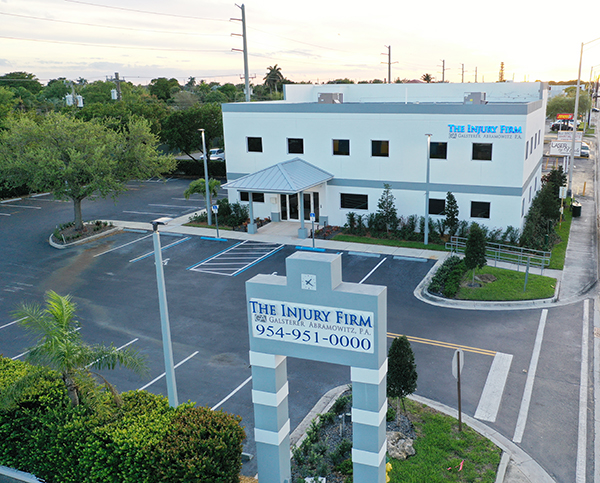
1608 East Commercial Blvd.
Ft. Lauderdale, FL 33334
Phone (954) 951-0000
Fax: (954) 951-1000
Click Here To Send Email
WEST PALM BEACH
2536 Okeechobee Blvd.
West Palm Beach, FL 33409
ORLANDO
4495 S. Semoran Blvd.
Orlando, FL 32822
Phone (407) 444-0000
Fax: (407) 402-1111
Click Here To Send Email


CONTACT US NOW
FREE CONSULTATION
Fort Lauderdale Surgical Errors Lawyer | Surgical Malpractice Attorney
Fort Lauderdale Surgical Errors Lawyers
Surgical errors are among the most serious forms of medical malpractice because patients place enormous trust in surgeons and hospital teams during complex procedures. When preventable mistakes occur in the operating room, the consequences can be life-altering. Surgical negligence may cause nerve damage, internal organ injuries, infections, paralysis, or the need for additional surgeries.
In Florida, patients who suffer harm due to surgical negligence may have the right to pursue a malpractice claim. These cases typically involve situations where a surgeon, anesthesiologist, or surgical team fails to follow the accepted medical standard of care. When medical professionals deviate from those standards and cause injury, the law allows victims to seek compensation for their losses.
If you or a loved one experienced complications after surgery and suspect negligence may have occurred, speaking with a lawyer can help you understand your rights. You can call (954) 951-0000 or request a consultation through the contact page.
Skip Navigation
- What Is Surgical Malpractice?
- Florida Surgical Malpractice Law
- Quick Legal Overview
- When Surgical Errors Become Negligence
- Common Surgical Errors
- Why Surgical Errors Occur
- Legal Requirements
- Compensation
- Why These Cases Are Complex
- How The Injury Firm Builds Cases
- Frequently Asked Questions
Can You Sue for Surgical Errors in Fort Lauderdale?
Yes. Patients may pursue a surgical malpractice lawsuit when a surgeon, anesthesiologist, or medical team fails to follow accepted medical standards and that failure causes injury. Surgical malpractice claims typically arise when preventable operating room mistakes occur, such as wrong-site surgery, retained surgical instruments, anesthesia errors, or nerve damage caused by improper surgical technique.
Florida law allows injured patients to pursue compensation when healthcare providers violate the professional standard of care and cause measurable harm. Determining whether malpractice occurred usually requires review of surgical records, hospital procedures, and expert medical analysis.
Speakable Summary
Surgical malpractice occurs when a surgeon or operating room team makes a preventable mistake during a medical procedure that violates the accepted standard of care. Examples include wrong-site surgery, retained instruments, anesthesia errors, and surgical infections. Under Florida law, patients harmed by these mistakes may pursue compensation if medical experts determine that the surgeon’s actions fell below professional standards and directly caused injury.
What Is Surgical Malpractice?
Surgical malpractice is a type of medical negligence that occurs when a surgeon or medical team performs a procedure in a way that violates accepted medical standards and causes injury to the patient. The legal concept focuses on whether a reasonably competent surgeon would have acted differently under similar circumstances.
Modern surgery involves highly coordinated teams, specialized equipment, and complex planning. Surgeons must evaluate patient history, review imaging, follow safety checklists, and coordinate with anesthesiologists and nursing staff. When any part of this process breaks down, preventable mistakes may occur.
Examples of surgical malpractice may include performing the wrong procedure, leaving instruments inside the body, causing avoidable nerve damage, or failing to monitor a patient after surgery. These mistakes may result in severe medical complications that require additional treatment or long-term care.
Not every surgical complication qualifies as malpractice. Surgery inherently carries risks, and some complications occur even when doctors follow proper procedures. Malpractice occurs only when medical providers fail to follow accepted professional standards.
Florida Surgical Malpractice Law
Florida medical malpractice law establishes the legal standards for surgical negligence claims. Under Florida Statute §766.102, healthcare providers are responsible for delivering care that meets the prevailing professional standard expected of reasonably prudent medical providers.
If a surgeon fails to meet that standard and causes injury, the patient may have grounds for a malpractice claim. However, the law requires proof of specific legal elements before a lawsuit can succeed.
To establish surgical malpractice, a plaintiff must prove the following elements:
- Duty of care between the surgeon and patient
- Breach of the accepted surgical standard of care
- Causation showing the mistake caused the injury
- Damages resulting from the surgical error
These cases typically require testimony from qualified medical experts who can explain how the surgeon’s conduct deviated from accepted medical practices.
Quick Legal Overview: Medical Malpractice in Florida
- Florida malpractice claims generally have a two-year statute of limitations under Florida Statute §95.11.
- Attorneys must conduct a presuit investigation before filing a malpractice lawsuit.
- Florida law requires a corroborating medical expert opinion prior to filing a claim.
- Healthcare providers must receive presuit notice under §766.106.
- Hospitals and healthcare facilities may share liability for surgical errors.
These requirements are designed to ensure that malpractice claims are supported by credible medical evidence before litigation begins. Attorneys must evaluate surgical records and consult experts before proceeding with a lawsuit.
Because of these procedural requirements, surgical malpractice claims are often more complex than other personal injury cases. Early investigation is critical for determining whether negligence occurred.
Read more about Medical Malpractice
When Surgical Errors Become Medical Malpractice
Not every poor surgical outcome constitutes malpractice. Medical negligence occurs only when a surgeon fails to follow accepted professional standards and that failure directly causes injury.
The first element is duty of care. Surgeons must provide treatment consistent with the skill and care expected of reasonably competent physicians. This includes proper surgical planning, patient evaluation, and operating room safety protocols.
The second element is breach of the standard of care. This occurs when the surgeon’s actions fall below accepted medical practices. Examples may include wrong-site surgery, improper surgical technique, or anesthesia monitoring failures.
The third element is causation. The injured patient must show that the surgical mistake caused the injury. Medical experts often analyze surgical records to determine whether the error contributed to the harm.
The final element is damages. Patients must demonstrate measurable harm such as additional medical procedures, disability, or financial loss.
Common Surgical Errors That Lead to Malpractice Lawsuits
Surgical malpractice lawsuits frequently involve preventable mistakes that occur before, during, or after surgery. One of the most serious errors is wrong-site surgery, where a surgeon operates on the incorrect body part or performs the wrong procedure.
Another common malpractice scenario involves retained surgical instruments. Tools such as clamps or surgical sponges may be left inside the body after surgery, causing infection or internal damage.
Anesthesia errors also frequently lead to malpractice claims. Incorrect dosage or failure to monitor oxygen levels can cause brain injury or other severe complications.
Nerve damage during surgery may occur when surgeons accidentally injure nearby nerves while performing procedures. This can lead to chronic pain, loss of mobility, or paralysis.
Finally, surgical infections may result from improper sterilization procedures or inadequate post-operative monitoring.
Why Surgical Errors Occur
Surgical errors can result from multiple factors within healthcare systems. One common cause is poor surgical planning. Surgeons must carefully review patient history, imaging studies, and diagnostic results before performing procedures.
Operating room communication failures may also contribute to surgical mistakes. Surgical teams rely on coordinated communication between surgeons, nurses, and anesthesiologists.
Fatigue and staffing shortages can increase the risk of errors, particularly during long surgical procedures. Healthcare providers working extended hours may experience reduced concentration.
Finally, failure to follow surgical safety protocols such as operating room checklists may lead to preventable mistakes.
Legal Requirements for Filing a Surgical Malpractice Claim in Florida
Florida medical malpractice law requires several procedural steps before a surgical malpractice lawsuit may be filed. These rules are designed to ensure that claims are supported by credible medical evidence before litigation begins.
The statute of limitations for most medical malpractice claims is two years from the date the injury was discovered or reasonably should have been discovered under Florida Statute §95.11. However, additional deadlines may apply depending on the circumstances of the case.
Before filing a lawsuit, attorneys must conduct a presuit investigation under Florida Statute §766.104. This investigation typically includes reviewing surgical records, hospital documentation, and consulting with qualified medical experts.
Florida law also requires presuit notice to the healthcare provider under §766.106. This allows the provider and their insurance company an opportunity to investigate the allegations before formal litigation begins.
Because these procedures are complex, many patients begin by speaking with a surgical malpractice lawyer who can evaluate the medical records and determine whether negligence may have occurred.
Compensation in Surgical Error Lawsuits
Patients injured by surgical negligence may face significant financial and personal consequences. Medical malpractice law allows injured patients to pursue compensation for both economic and non-economic damages caused by surgical mistakes.
Economic damages may include hospital bills, corrective surgeries, medication costs, rehabilitation expenses, lost wages, and other measurable financial losses related to the injury.
Non-economic damages address the human impact of surgical malpractice. These damages may include pain and suffering, emotional distress, loss of enjoyment of life, and the physical limitations caused by permanent injuries.
Some surgical errors lead to long-term disabilities such as paralysis, nerve damage, or organ injury. In these situations, compensation may also reflect future medical care, assistive devices, and reduced earning capacity.
You can review examples of prior results on the firm’s case results page.
Why Surgical Malpractice Cases Are Legally Complex
Surgical malpractice lawsuits are among the most complex types of medical negligence cases. These claims often require extensive review of surgical records, anesthesia reports, imaging studies, and hospital protocols.
Medical experts play a central role in these cases. Qualified surgeons and specialists must evaluate whether the medical provider violated the accepted surgical standard of care.
Multiple parties may be responsible for a surgical error. In some situations, the surgeon, anesthesiologist, hospital staff, and healthcare facility may share liability depending on their role in the operating room.
Insurance companies representing healthcare providers often aggressively defend malpractice claims. Their legal teams frequently rely on medical experts to dispute allegations of negligence.
Because of these challenges, surgical malpractice claims typically require detailed investigation and strong medical evidence before proceeding to trial.
How The Injury Firm Builds Surgical Malpractice Cases
The Injury Firm follows a structured process when evaluating potential surgical malpractice claims. Each case begins with a careful review of the patient’s medical history and surgical records.
The process often includes the following steps:
- Free consultation to review the circumstances of the surgical injury
- Detailed medical record investigation
- Consultation with surgical experts
- Evidence collection and case analysis
- Evaluation of damages and long-term medical needs
- Negotiation with insurance companies
- Filing a malpractice lawsuit if necessary
- Trial preparation and litigation strategy
If you believe a surgical mistake may have caused your injury, you can call (954) 951-0000 or request a consultation through the contact page.
Mini Case Examples
Example 1: Retained Surgical Instrument
A patient underwent abdominal surgery and later experienced severe pain and infection. Imaging tests revealed that a surgical sponge had been left inside the patient’s body. The patient required additional surgery to remove the object and treat the infection.
Example 2: Wrong-Site Surgery
In another case, a patient scheduled for knee surgery discovered after the procedure that the surgeon had operated on the wrong knee. The mistake required additional corrective surgery and prolonged rehabilitation.
Example 3: Anesthesia Monitoring Failure
A surgical patient suffered oxygen deprivation during a procedure due to inadequate anesthesia monitoring. The resulting brain injury required extensive long-term care and rehabilitation.
Handling a Surgical Malpractice Case Alone vs Hiring a Lawyer
| Handling Alone | Hiring a Lawyer |
|---|---|
| Limited ability to obtain medical experts | Attorneys can retain qualified medical specialists to evaluate negligence |
| Difficulty interpreting surgical records | Legal teams analyze complex medical documentation |
| Limited negotiation experience | Experienced attorneys negotiate with malpractice insurers |
| Unfamiliar with court procedures | Lawyers manage litigation strategy and court filings |
Surgical malpractice cases require both medical expertise and legal experience. Without professional assistance, patients may struggle to gather the evidence needed to prove negligence.
Attorneys familiar with medical malpractice law can coordinate expert testimony, analyze surgical records, and present evidence supporting the patient’s claim.
Frequently Asked Questions
Can you sue for surgical errors in Florida?
Yes. Florida law allows patients to pursue medical malpractice claims when surgeons or medical professionals fail to follow the accepted standard of care during surgery and cause injury.
What qualifies as surgical malpractice?
Surgical malpractice occurs when a surgeon makes a preventable mistake during surgery that violates accepted medical standards and causes harm to the patient.
What are common surgical malpractice cases?
Common examples include wrong-site surgery, retained surgical instruments, anesthesia errors, nerve damage during surgery, and severe surgical infections.
How do you prove surgical negligence?
Proving surgical negligence typically requires medical expert testimony showing that the surgeon’s actions fell below accepted professional standards.
What damages are available in surgical malpractice cases?
Patients may pursue compensation for medical expenses, lost income, rehabilitation costs, pain and suffering, and other damages caused by surgical negligence.
How long do I have to file a surgical malpractice claim?
Florida generally provides a two-year statute of limitations from the date the injury was discovered or reasonably should have been discovered.
Can anesthesia errors lead to malpractice claims?
Yes. Anesthesia mistakes involving dosage errors or monitoring failures may lead to severe complications and may support malpractice claims.
Can hospitals be liable for surgical errors?
Hospitals and healthcare facilities may share responsibility if their staff, policies, or supervision contributed to the surgical error.
What if a surgical instrument was left inside the body?
Retained surgical objects are widely recognized as preventable medical errors and often form the basis of malpractice claims.
Can nerve damage during surgery be malpractice?
Nerve injuries may qualify as malpractice if the damage occurred due to improper surgical technique or negligence.
Do I need expert testimony for a malpractice case?
Yes. Florida law generally requires medical expert testimony to support allegations of malpractice.
How much is a surgical malpractice case worth?
The value of a malpractice claim depends on the severity of the injury, medical expenses, lost income, and long-term impact on the patient’s life.
What if my surgery caused paralysis?
Paralysis resulting from surgical negligence may support a malpractice claim if medical experts determine that the injury resulted from preventable mistakes.
How can I contact The Injury Firm?
You can call (954) 951-0000, email info@flinjuryfirm.com, or visit the contact page.
You may also read reviews from former clients here:
Google Reviews – The Injury Firm
THE INJURY FIRM
1608 East Commercial Blvd.
Ft. Lauderdale, FL 33334
Phone (954) 951-0000
Fax: (954) 951-1000
Click Here To Send Email
WEST PALM BEACH
2536 Okeechobee Blvd.
West Palm Beach, FL 33409
ORLANDO
4495 S. Semoran Blvd.
Orlando, FL 32822
Phone (407) 444-0000
Fax: (407) 402-1111
Click Here To Send Email
MEDICAL MALPRACTICE
PRACTICE AREAS