

Medical Malpractice
Florida Medical Malpractice Attorney | Suing for Medical Negligence
Florida Medical Malpractice Attorney
When you seek medical care, you place your trust in doctors, nurses, hospitals, and specialists. You expect competence, attention, and adherence to professional standards. When that trust is broken and a preventable medical error causes serious harm, the consequences can be devastating both physically and emotionally.
The financial impact of medical malpractice often escalates quickly. Additional surgeries, prolonged hospital stays, rehabilitation, medications, and long-term treatment plans can create overwhelming medical bills. If the injury prevents you from working, lost income and reduced earning capacity may add significant strain to your household.
Beyond finances, life disruption may be permanent. Victims sometimes experience chronic pain, mobility limitations, neurological impairment, or lifelong disability. When medical negligence changes your future, understanding your legal rights becomes essential.
Speaking with an experienced attorney can provide clarity. THE INJURY FIRM offers free consultations to evaluate whether your injury resulted from a deviation from the accepted medical standard of care. Call (954) 951-0000 to discuss your situation confidentially.
Guide to Your Legal Rights
If a healthcare provider in Florida failed to meet the accepted medical standard of care and caused injury, you may have a medical malpractice claim under Florida Statutes Chapter 766. These cases require presuit investigation, a corroborating expert affidavit, and strict compliance with filing deadlines. Early legal guidance helps protect your rights and preserve critical evidence.
Quick Legal Overview: Medical Malpractice in Florida
- Medical malpractice claims are governed by Florida Statutes Chapter 766.
- The statute of limitations is generally two years from discovery of the injury under Fla. Stat. §95.11(4)(b).
- A four-year statute of repose typically bars claims filed more than four years after the alleged malpractice.
- A mandatory presuit investigation and notice is required under Fla. Stat. §766.106.
- A verified expert medical affidavit must support the claim before filing suit.
- Florida follows a modified comparative negligence system under Fla. Stat. §768.81.
- If a defective medical device contributed to injury, strict liability principles may apply to the manufacturer.
Florida medical malpractice claims are subject to strict procedural safeguards. Before filing a lawsuit, an injured patient must complete a presuit investigation and obtain a written expert opinion confirming reasonable grounds for negligence. Failure to comply can result in dismissal regardless of the strength of the underlying facts.
Deadlines are equally critical. Even strong cases may be barred if not filed within the statute of limitations or statute of repose. Consulting a Florida medical malpractice attorney early helps ensure compliance and protects your right to seek compensation.
When Medical Malpractice Becomes Legal Negligence
Not every unfavorable medical outcome qualifies as malpractice. Florida law requires proof that a healthcare provider breached the prevailing professional standard of care and that this breach directly caused injury. Establishing this standard generally requires qualified expert testimony.
Common Causes
Common malpractice claims involve surgical errors, anesthesia complications, birth injuries, medication mistakes, and hospital-acquired infections. While medicine inherently carries risks, preventable errors that fall below accepted standards may constitute negligence when they result in harm.
Professional Errors
Misdiagnosis, delayed diagnosis, and failure to treat appropriately are frequent grounds for litigation. For example, failing to identify cancer, stroke symptoms, or internal bleeding in a timely manner can significantly worsen outcomes. Situations similar to those discussed in How to Prove a Medical Misdiagnosis require detailed expert analysis.
Regulatory Violations
Hospitals and healthcare facilities must comply with safety standards and infection control guidelines. Oversight from agencies such as the Centers for Disease Control and Prevention (CDC) and OSHA establishes minimum safety expectations. Failure to follow these protocols may support evidence of negligence.
Failure to Diagnose or Monitor
Physicians must monitor patients for worsening symptoms and respond appropriately. Claims similar to those described in Sue Doctor for Failure to Diagnose often involve dangerous delays that allow medical conditions to progress unnecessarily.
Product or Device Failure
When injuries involve defective implants, surgical tools, or medical devices regulated by the U.S. Food and Drug Administration (FDA), liability may extend beyond the physician to the manufacturer under product liability law.
Safety Protocol Violations
Failure to follow established surgical checklists, medication verification procedures, or patient identification safeguards can expose providers to liability when those lapses result in injury.
Florida Legal Requirements for Medical Malpractice Cases
Statute of Limitations
Under Fla. Stat. §95.11(4)(b), medical malpractice claims must generally be filed within two years from the date the injury was discovered or reasonably should have been discovered. Determining when the clock begins can be legally complex, especially when symptoms are initially attributed to normal recovery.
Failing to act within this timeframe may permanently bar your claim, even if negligence clearly occurred. Early consultation is critical.
Statute of Repose
Florida also imposes a four-year statute of repose that typically bars claims filed more than four years after the alleged malpractice, regardless of discovery. Limited exceptions exist but are narrowly interpreted.
Presuit Investigation Requirement
Before filing suit, Florida law requires presuit notice under Fla. Stat. §766.106. During this period, parties exchange information and evaluate the claim. A corroborating expert affidavit must support the allegation of negligence.
Expert Affidavit Requirement
A qualified medical expert must confirm that reasonable grounds exist to believe negligence occurred. Without this affidavit, the claim cannot proceed.
Comparative Negligence
Under Fla. Stat. §768.81, compensation may be reduced if the patient contributed to the injury, such as failing to follow medical advice.
Multiple Defendants and Insurance Defense
Liability may extend to physicians, nurses, hospitals, anesthesiologists, or device manufacturers. Healthcare providers and insurers frequently mount aggressive defenses, relying on expert testimony to argue complications were unavoidable risks rather than negligence.
Compensation in Florida Medical Malpractice Cases
Economic Damages
Economic damages compensate for the measurable financial losses caused by medical negligence. These often include hospital bills, surgical costs, prescription medications, rehabilitation, assistive devices, and follow-up treatment. When malpractice results in extended hospitalization or additional corrective procedures, those added expenses can become substantial.
Lost income is another major component. If an injury prevents you from working temporarily or permanently, you may be entitled to recover lost wages and diminished future earning capacity. In complex cases, financial experts are used to project long-term economic impact with accuracy and credibility.
Non-Economic Damages
Non-economic damages address the human consequences of malpractice, including pain, suffering, emotional distress, mental anguish, and loss of enjoyment of life. These damages recognize that injuries affect more than finances — they affect relationships, independence, and daily functioning.
Documenting non-economic harm requires persuasive evidence, medical records, and sometimes expert testimony. While Florida courts have addressed past statutory caps on non-economic damages, the applicability of limits depends on current case law and the specific facts of each claim.
Long-Term or Catastrophic Impact
Some malpractice injuries result in permanent disability, cognitive impairment, paralysis, or lifelong medical care needs. In these cases, life-care planning experts may be required to estimate future medical expenses and support services. Proper valuation is essential to ensure long-term stability.
Why Medical Malpractice Cases Are Legally Complex
Medical malpractice litigation is among the most technically demanding areas of personal injury law. Cases require thorough preservation of medical records, imaging, operative reports, and detailed documentation of treatment decisions.
Florida law mandates expert testimony to establish the prevailing professional standard of care and prove deviation. Defense attorneys often retain highly qualified medical experts to dispute allegations and argue that complications were known risks rather than negligence.
Insurance carriers frequently attempt to minimize exposure through early settlement offers. A law firm prepared for litigation — including trial — is better positioned to negotiate from strength and pursue fair compensation when necessary.
How THE INJURY FIRM Builds Medical Malpractice Cases
- Free Consultation – We evaluate your medical history and potential negligence at no cost.
- Investigation – We reconstruct timelines and analyze treatment decisions.
- Full Medical Record Collection – We obtain comprehensive documentation from all providers.
- Expert Review – Independent medical specialists assess whether the standard of care was breached.
- Damage Modeling – We calculate economic and non-economic losses.
- Negotiation – We engage insurers during the presuit investigation process.
- Litigation – If settlement is not achieved, we file suit and prepare for trial.
- Ongoing Communication – Clients receive regular updates and strategic guidance.
If you believe you or a loved one were harmed by medical negligence, call (954) 951-0000 or submit a request through our online contact page to schedule a free consultation.
Mini Case Examples
Surgical Error Resulting in Internal Injury
A patient underwent routine abdominal surgery but developed severe complications due to improperly secured blood vessels. Post-operative monitoring failed to detect internal bleeding in time. Independent surgical experts concluded the technique deviated from accepted standards. The case required extensive expert testimony and ultimately resolved during litigation.
Delayed Cancer Diagnosis
A patient reported persistent symptoms over multiple appointments, but diagnostic testing was delayed. When cancer was finally diagnosed, it had progressed to an advanced stage. Expert oncologists confirmed that earlier intervention would likely have improved the prognosis. The case centered on failure to diagnose and breach of the prevailing professional standard of care.
Anesthesia Complication
During a surgical procedure, improper anesthesia dosing led to oxygen deprivation and neurological injury. Investigation revealed monitoring lapses and failure to respond promptly to warning signs. An independent anesthesiology expert supported the claim that standard safety protocols were not followed.
Handling Alone vs Hiring a Lawyer
| Handling Alone | Hiring THE INJURY FIRM |
| Navigating presuit requirements without legal guidance | Structured compliance with Florida Statutes Chapter 766 |
| Difficulty obtaining qualified expert affidavits | Access to independent medical experts |
| Risk of missing filing deadlines | Careful monitoring of statutes of limitation and repose |
| Negotiating directly with insurance defense teams | Litigation-ready strategy and structured negotiation |
Florida medical malpractice cases involve strict procedural rules, technical expert requirements, and aggressive defense strategies. Attempting to handle a claim alone may expose you to missed deadlines or evidentiary deficiencies that could jeopardize recovery.
Working with an experienced Florida medical malpractice attorney provides structured investigation, professional expert coordination, and strategic negotiation. Preparation and compliance strengthen your position and increase the credibility of your claim.
Frequently Asked Questions
1. What qualifies as medical malpractice in Florida?
Medical malpractice occurs when a healthcare provider breaches the prevailing professional standard of care under Florida Statutes Chapter 766 and causes injury. Proving negligence requires expert testimony and documented deviation from accepted practices. Not every poor medical outcome qualifies; there must be evidence of avoidable error.
2. How long do I have to file a medical malpractice claim?
Under Fla. Stat. §95.11(4)(b), most claims must be filed within two years of discovering the injury, subject to a four-year statute of repose. Missing these deadlines may permanently bar recovery regardless of the severity of harm.
3. Is an expert affidavit required before filing suit?
Yes. Florida law requires a corroborating medical expert opinion under Fla. Stat. §766.106 before filing a lawsuit. Without this presuit affidavit, a claim may be dismissed.
4. What damages are available in malpractice cases?
Recoverable damages may include medical expenses, lost income, and non-economic damages such as pain and suffering. Each category must be supported by credible evidence and documentation.
5. Can I sue a hospital as well as a doctor?
Hospitals may be liable for staff negligence, inadequate supervision, or systemic safety violations. Determining liability requires case-specific investigation.
6. What if a medical device caused my injury?
If a defective device regulated by the FDA contributed to injury, product liability principles including strict liability may apply against the manufacturer.
7. Does comparative negligence apply to malpractice cases?
Yes. Under Fla. Stat. §768.81, compensation may be reduced if the patient contributed to the injury, such as by failing to follow treatment instructions.
8. How long does a malpractice case usually take?
Medical malpractice cases often take months or years due to presuit investigation requirements and expert review processes.
9. Are there caps on damages?
Florida courts have addressed prior statutory caps on non-economic damages, and applicability depends on evolving case law and case-specific facts.
10. What if the doctor denies negligence?
Defense teams frequently dispute allegations and rely on expert testimony. Strong documentation and independent expert review are critical.
11. Can a malpractice case settle before trial?
Many cases resolve during the presuit investigation or negotiation stage, though some proceed to litigation if settlement cannot be reached.
12. What does it cost to hire a malpractice attorney?
Many malpractice attorneys work on a contingency fee basis, meaning legal fees are typically collected only if compensation is recovered.
13. Can multiple parties share liability?
Yes. Physicians, nurses, hospitals, anesthesiologists, and device manufacturers may share responsibility depending on the facts.
14. When should I contact a Florida medical malpractice attorney?
You should seek legal advice as soon as you suspect negligence to preserve deadlines, protect evidence, and ensure compliance with Florida’s statutory requirements.
Contact THE INJURY FIRM
If you or a loved one suffered harm due to medical negligence, contact THE INJURY FIRM today for a confidential consultation.
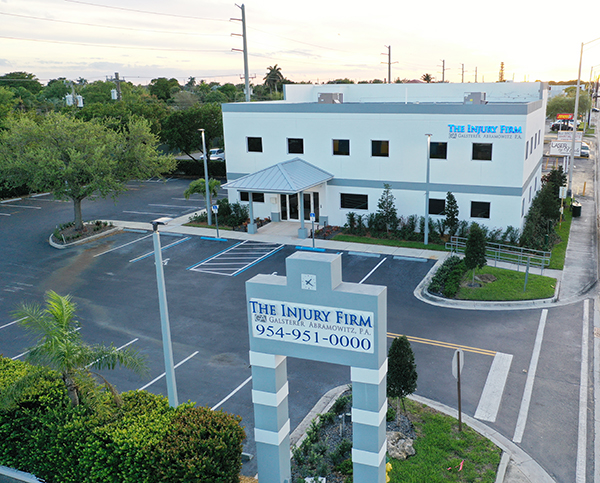
Address: 1608 East Commercial Blvd., Ft. Lauderdale, FL 33334
Phone: (954) 951-0000
Email: info@flinjuryfirm.com
Read our client reviews here:
Google Reviews – THE INJURY FIRM
THE INJURY FIRM
1608 East Commercial Blvd.
Ft. Lauderdale, FL 33334
Phone (954) 951-0000
Fax: (954) 951-1000
Click Here To Send Email
WEST PALM BEACH
2536 Okeechobee Blvd.
West Palm Beach, FL 33409
ORLANDO
4495 S. Semoran Blvd.
Orlando, FL 32822
Phone (407) 444-0000
Fax: (407) 402-1111
Click Here To Send Email


CONTACT US NOW
FREE CONSULTATION
Florida Medical Malpractice Attorney | Suing for Medical Negligence
Florida Medical Malpractice Attorney
When you seek medical care, you place your trust in doctors, nurses, hospitals, and specialists. You expect competence, attention, and adherence to professional standards. When that trust is broken and a preventable medical error causes serious harm, the consequences can be devastating both physically and emotionally.
The financial impact of medical malpractice often escalates quickly. Additional surgeries, prolonged hospital stays, rehabilitation, medications, and long-term treatment plans can create overwhelming medical bills. If the injury prevents you from working, lost income and reduced earning capacity may add significant strain to your household.
Beyond finances, life disruption may be permanent. Victims sometimes experience chronic pain, mobility limitations, neurological impairment, or lifelong disability. When medical negligence changes your future, understanding your legal rights becomes essential.
Speaking with an experienced attorney can provide clarity. THE INJURY FIRM offers free consultations to evaluate whether your injury resulted from a deviation from the accepted medical standard of care. Call (954) 951-0000 to discuss your situation confidentially.
Guide to Your Legal Rights
If a healthcare provider in Florida failed to meet the accepted medical standard of care and caused injury, you may have a medical malpractice claim under Florida Statutes Chapter 766. These cases require presuit investigation, a corroborating expert affidavit, and strict compliance with filing deadlines. Early legal guidance helps protect your rights and preserve critical evidence.
Quick Legal Overview: Medical Malpractice in Florida
- Medical malpractice claims are governed by Florida Statutes Chapter 766.
- The statute of limitations is generally two years from discovery of the injury under Fla. Stat. §95.11(4)(b).
- A four-year statute of repose typically bars claims filed more than four years after the alleged malpractice.
- A mandatory presuit investigation and notice is required under Fla. Stat. §766.106.
- A verified expert medical affidavit must support the claim before filing suit.
- Florida follows a modified comparative negligence system under Fla. Stat. §768.81.
- If a defective medical device contributed to injury, strict liability principles may apply to the manufacturer.
Florida medical malpractice claims are subject to strict procedural safeguards. Before filing a lawsuit, an injured patient must complete a presuit investigation and obtain a written expert opinion confirming reasonable grounds for negligence. Failure to comply can result in dismissal regardless of the strength of the underlying facts.
Deadlines are equally critical. Even strong cases may be barred if not filed within the statute of limitations or statute of repose. Consulting a Florida medical malpractice attorney early helps ensure compliance and protects your right to seek compensation.
When Medical Malpractice Becomes Legal Negligence
Not every unfavorable medical outcome qualifies as malpractice. Florida law requires proof that a healthcare provider breached the prevailing professional standard of care and that this breach directly caused injury. Establishing this standard generally requires qualified expert testimony.
Common Causes
Common malpractice claims involve surgical errors, anesthesia complications, birth injuries, medication mistakes, and hospital-acquired infections. While medicine inherently carries risks, preventable errors that fall below accepted standards may constitute negligence when they result in harm.
Professional Errors
Misdiagnosis, delayed diagnosis, and failure to treat appropriately are frequent grounds for litigation. For example, failing to identify cancer, stroke symptoms, or internal bleeding in a timely manner can significantly worsen outcomes. Situations similar to those discussed in How to Prove a Medical Misdiagnosis require detailed expert analysis.
Regulatory Violations
Hospitals and healthcare facilities must comply with safety standards and infection control guidelines. Oversight from agencies such as the Centers for Disease Control and Prevention (CDC) and OSHA establishes minimum safety expectations. Failure to follow these protocols may support evidence of negligence.
Failure to Diagnose or Monitor
Physicians must monitor patients for worsening symptoms and respond appropriately. Claims similar to those described in Sue Doctor for Failure to Diagnose often involve dangerous delays that allow medical conditions to progress unnecessarily.
Product or Device Failure
When injuries involve defective implants, surgical tools, or medical devices regulated by the U.S. Food and Drug Administration (FDA), liability may extend beyond the physician to the manufacturer under product liability law.
Safety Protocol Violations
Failure to follow established surgical checklists, medication verification procedures, or patient identification safeguards can expose providers to liability when those lapses result in injury.
Florida Legal Requirements for Medical Malpractice Cases
Statute of Limitations
Under Fla. Stat. §95.11(4)(b), medical malpractice claims must generally be filed within two years from the date the injury was discovered or reasonably should have been discovered. Determining when the clock begins can be legally complex, especially when symptoms are initially attributed to normal recovery.
Failing to act within this timeframe may permanently bar your claim, even if negligence clearly occurred. Early consultation is critical.
Statute of Repose
Florida also imposes a four-year statute of repose that typically bars claims filed more than four years after the alleged malpractice, regardless of discovery. Limited exceptions exist but are narrowly interpreted.
Presuit Investigation Requirement
Before filing suit, Florida law requires presuit notice under Fla. Stat. §766.106. During this period, parties exchange information and evaluate the claim. A corroborating expert affidavit must support the allegation of negligence.
Expert Affidavit Requirement
A qualified medical expert must confirm that reasonable grounds exist to believe negligence occurred. Without this affidavit, the claim cannot proceed.
Comparative Negligence
Under Fla. Stat. §768.81, compensation may be reduced if the patient contributed to the injury, such as failing to follow medical advice.
Multiple Defendants and Insurance Defense
Liability may extend to physicians, nurses, hospitals, anesthesiologists, or device manufacturers. Healthcare providers and insurers frequently mount aggressive defenses, relying on expert testimony to argue complications were unavoidable risks rather than negligence.
Compensation in Florida Medical Malpractice Cases
Economic Damages
Economic damages compensate for the measurable financial losses caused by medical negligence. These often include hospital bills, surgical costs, prescription medications, rehabilitation, assistive devices, and follow-up treatment. When malpractice results in extended hospitalization or additional corrective procedures, those added expenses can become substantial.
Lost income is another major component. If an injury prevents you from working temporarily or permanently, you may be entitled to recover lost wages and diminished future earning capacity. In complex cases, financial experts are used to project long-term economic impact with accuracy and credibility.
Non-Economic Damages
Non-economic damages address the human consequences of malpractice, including pain, suffering, emotional distress, mental anguish, and loss of enjoyment of life. These damages recognize that injuries affect more than finances — they affect relationships, independence, and daily functioning.
Documenting non-economic harm requires persuasive evidence, medical records, and sometimes expert testimony. While Florida courts have addressed past statutory caps on non-economic damages, the applicability of limits depends on current case law and the specific facts of each claim.
Long-Term or Catastrophic Impact
Some malpractice injuries result in permanent disability, cognitive impairment, paralysis, or lifelong medical care needs. In these cases, life-care planning experts may be required to estimate future medical expenses and support services. Proper valuation is essential to ensure long-term stability.
Why Medical Malpractice Cases Are Legally Complex
Medical malpractice litigation is among the most technically demanding areas of personal injury law. Cases require thorough preservation of medical records, imaging, operative reports, and detailed documentation of treatment decisions.
Florida law mandates expert testimony to establish the prevailing professional standard of care and prove deviation. Defense attorneys often retain highly qualified medical experts to dispute allegations and argue that complications were known risks rather than negligence.
Insurance carriers frequently attempt to minimize exposure through early settlement offers. A law firm prepared for litigation — including trial — is better positioned to negotiate from strength and pursue fair compensation when necessary.
How THE INJURY FIRM Builds Medical Malpractice Cases
- Free Consultation – We evaluate your medical history and potential negligence at no cost.
- Investigation – We reconstruct timelines and analyze treatment decisions.
- Full Medical Record Collection – We obtain comprehensive documentation from all providers.
- Expert Review – Independent medical specialists assess whether the standard of care was breached.
- Damage Modeling – We calculate economic and non-economic losses.
- Negotiation – We engage insurers during the presuit investigation process.
- Litigation – If settlement is not achieved, we file suit and prepare for trial.
- Ongoing Communication – Clients receive regular updates and strategic guidance.
If you believe you or a loved one were harmed by medical negligence, call (954) 951-0000 or submit a request through our online contact page to schedule a free consultation.
Mini Case Examples
Surgical Error Resulting in Internal Injury
A patient underwent routine abdominal surgery but developed severe complications due to improperly secured blood vessels. Post-operative monitoring failed to detect internal bleeding in time. Independent surgical experts concluded the technique deviated from accepted standards. The case required extensive expert testimony and ultimately resolved during litigation.
Delayed Cancer Diagnosis
A patient reported persistent symptoms over multiple appointments, but diagnostic testing was delayed. When cancer was finally diagnosed, it had progressed to an advanced stage. Expert oncologists confirmed that earlier intervention would likely have improved the prognosis. The case centered on failure to diagnose and breach of the prevailing professional standard of care.
Anesthesia Complication
During a surgical procedure, improper anesthesia dosing led to oxygen deprivation and neurological injury. Investigation revealed monitoring lapses and failure to respond promptly to warning signs. An independent anesthesiology expert supported the claim that standard safety protocols were not followed.
Handling Alone vs Hiring a Lawyer
| Handling Alone | Hiring THE INJURY FIRM |
| Navigating presuit requirements without legal guidance | Structured compliance with Florida Statutes Chapter 766 |
| Difficulty obtaining qualified expert affidavits | Access to independent medical experts |
| Risk of missing filing deadlines | Careful monitoring of statutes of limitation and repose |
| Negotiating directly with insurance defense teams | Litigation-ready strategy and structured negotiation |
Florida medical malpractice cases involve strict procedural rules, technical expert requirements, and aggressive defense strategies. Attempting to handle a claim alone may expose you to missed deadlines or evidentiary deficiencies that could jeopardize recovery.
Working with an experienced Florida medical malpractice attorney provides structured investigation, professional expert coordination, and strategic negotiation. Preparation and compliance strengthen your position and increase the credibility of your claim.
Frequently Asked Questions
1. What qualifies as medical malpractice in Florida?
Medical malpractice occurs when a healthcare provider breaches the prevailing professional standard of care under Florida Statutes Chapter 766 and causes injury. Proving negligence requires expert testimony and documented deviation from accepted practices. Not every poor medical outcome qualifies; there must be evidence of avoidable error.
2. How long do I have to file a medical malpractice claim?
Under Fla. Stat. §95.11(4)(b), most claims must be filed within two years of discovering the injury, subject to a four-year statute of repose. Missing these deadlines may permanently bar recovery regardless of the severity of harm.
3. Is an expert affidavit required before filing suit?
Yes. Florida law requires a corroborating medical expert opinion under Fla. Stat. §766.106 before filing a lawsuit. Without this presuit affidavit, a claim may be dismissed.
4. What damages are available in malpractice cases?
Recoverable damages may include medical expenses, lost income, and non-economic damages such as pain and suffering. Each category must be supported by credible evidence and documentation.
5. Can I sue a hospital as well as a doctor?
Hospitals may be liable for staff negligence, inadequate supervision, or systemic safety violations. Determining liability requires case-specific investigation.
6. What if a medical device caused my injury?
If a defective device regulated by the FDA contributed to injury, product liability principles including strict liability may apply against the manufacturer.
7. Does comparative negligence apply to malpractice cases?
Yes. Under Fla. Stat. §768.81, compensation may be reduced if the patient contributed to the injury, such as by failing to follow treatment instructions.
8. How long does a malpractice case usually take?
Medical malpractice cases often take months or years due to presuit investigation requirements and expert review processes.
9. Are there caps on damages?
Florida courts have addressed prior statutory caps on non-economic damages, and applicability depends on evolving case law and case-specific facts.
10. What if the doctor denies negligence?
Defense teams frequently dispute allegations and rely on expert testimony. Strong documentation and independent expert review are critical.
11. Can a malpractice case settle before trial?
Many cases resolve during the presuit investigation or negotiation stage, though some proceed to litigation if settlement cannot be reached.
12. What does it cost to hire a malpractice attorney?
Many malpractice attorneys work on a contingency fee basis, meaning legal fees are typically collected only if compensation is recovered.
13. Can multiple parties share liability?
Yes. Physicians, nurses, hospitals, anesthesiologists, and device manufacturers may share responsibility depending on the facts.
14. When should I contact a Florida medical malpractice attorney?
You should seek legal advice as soon as you suspect negligence to preserve deadlines, protect evidence, and ensure compliance with Florida’s statutory requirements.
Contact THE INJURY FIRM
If you or a loved one suffered harm due to medical negligence, contact THE INJURY FIRM today for a confidential consultation.
Address: 1608 East Commercial Blvd., Ft. Lauderdale, FL 33334
Phone: (954) 951-0000
Email: info@flinjuryfirm.com
Read our client reviews here:
Google Reviews – THE INJURY FIRM
Schedule your free consultation today.
THE INJURY FIRM
1608 East Commercial Blvd.
Ft. Lauderdale, FL 33334
Phone (954) 951-0000
Fax: (954) 951-1000
Click Here To Send Email
WEST PALM BEACH
2536 Okeechobee Blvd.
West Palm Beach, FL 33409
ORLANDO
4495 S. Semoran Blvd.
Orlando, FL 32822
Phone (407) 444-0000
Fax: (407) 402-1111
Click Here To Send Email