

MEDICAL MALPRACTICE
PRACTICE AREAS
Dental Malpractice Lawyer in Fort Lauderdale, FL | THE INJURY FIRM
Dental Malpractice Lawyer in Fort Lauderdale, FL
Dental care should relieve pain and restore function, not cause lasting injury. When a dentist’s actions fall below the accepted professional standard of care — causing infection, nerve damage, anesthesia complications, or failed procedures — the physical and financial consequences can be devastating. The emotional toll of ongoing pain, repeated surgeries, and functional impairment often disrupts employment, family life, and quality of life.
Corrective dental surgery, specialist consultations, and extended treatment plans can cost thousands of dollars in out-of-pocket expenses. While most dental care is safe, avoidable errors carry real costs. Understanding when a poor outcome crosses the line into malpractice under Florida law requires experience with both dentistry and legal standards.
If you or a loved one has suffered serious harm after dental treatment, it is important to understand your legal rights. Call 954-951-0000 to discuss whether you may have a malpractice claim under Florida’s medical negligence laws. Early evaluation helps preserve evidence and protects your legal rights.
Quick Legal Overview: Medical Malpractice in Florida
- Under Florida Statutes §95.11, most dental malpractice claims must be filed within two years of discovery of the injury.
- Florida’s Chapter 766 requires presuit notice and investigation before filing suit.
- A corroborating expert affidavit from a qualified provider is mandatory under Florida malpractice law.
- A statute of repose generally limits claims after four years, even if harm was discovered later.
- Florida follows modified comparative negligence principles, reducing damages if the patient shares fault.
- Strict liability may apply only in limited cases involving defective dental devices regulated by the FDA.
Florida’s medical malpractice framework is more complex than ordinary negligence law. Before a malpractice lawsuit can be filed, claimants must comply with the presuit investigation and notice provisions of Chapter 766. This process is intended to encourage early evaluation and resolution of disputes and to reduce frivolous litigation.
In addition to the two-year statute of limitations under F.S. §95.11, a statute of repose may bar most claims four years after the act of negligence. These deadlines make it imperative to consult with a qualified attorney as soon as possible.
When Dental Errors Become Legal Negligence
Not every unfavorable dental outcome is malpractice. An injury may become actionable negligence only when a dental professional deviates from accepted standards of care and causes avoidable harm. This determination generally requires evaluation by qualified dental experts.
Surgical Errors
Incorrect tooth extractions, fractured jaws, perforated sinuses, or improperly placed dental implants are examples of surgical errors that may constitute malpractice. These problems can arise when diagnostic imaging is misinterpreted or when the dental provider ignores established procedural protocols.
Nerve Damage
Certain nerves in the jaw and face — such as the inferior alveolar or lingual nerve — are vulnerable during surgical procedures. Failure to evaluate pre-operative imaging or to plan around these structures can lead to numbness, tingling, or chronic neuropathic pain. Expert review is often necessary to determine whether the injury was avoidable and caused by negligent technique.
Failure to Diagnose Infection
Dental infections, such as abscesses or cellulitis, can spread rapidly and cause serious complications if not properly diagnosed and treated. Providers are expected to follow accepted infection assessment and management standards, including those outlined by the CDC’s dental infection control guidance.
Improper Anesthesia
Anesthesia errors — including incorrect dosing or failure to monitor vital signs — may lead to brain injury, cardiac distress, or other serious outcomes. Dental anesthesia must be administered and monitored according to professional safety standards, and departures from those standards may support malpractice claims.
Failure to Monitor Complications
After completing a dental procedure, providers are expected to monitor healing and respond appropriately to complications such as swelling, persistent bleeding, or signs of systemic infection. Delays in response may exacerbate injury.
Sterilization Violations
Dental offices must adhere to sterilization protocols consistent with applicable guidelines to prevent cross-contamination and infection. Violations of infection control practices may constitute negligence if they cause patient harm.
Florida Legal Requirements
Statute of Limitations
Under F.S. §95.11, a dental malpractice claim must generally be filed within two years from the date the injury was discovered or reasonably should have been discovered. Determining the discovery date may require careful legal analysis, especially in cases where the harm was gradual or hidden.
Statute of Repose
A statute of repose may bar malpractice claims filed more than four years after the act of alleged negligence, regardless of when the injury was discovered. This rule reinforces the importance of timely legal evaluation.
Presuit Investigation
Florida’s presuit requirements under Chapter 766 mandate that claimants serve notice and conduct an investigative period before filing a lawsuit. This includes gathering records and obtaining expert corroboration.
Expert Affidavit Requirement
An expert affidavit from a qualified dental professional is mandatory before a malpractice case can proceed. The affidavit must state reasonable grounds to believe that negligence occurred.
Compensation in Dental Malpractice Cases
Economic Damages
Economic damages compensate patients for measurable financial losses caused by dental negligence. These may include corrective surgeries, hospitalization, prescription medications, diagnostic imaging, specialist consultations, and rehabilitation costs. In some cases, extensive reconstructive dental or oral surgery may be required.
Lost wages and diminished earning capacity may also qualify. If ongoing pain, facial injury, or nerve damage affects your ability to work, those financial losses may be recoverable under Florida medical negligence law.
Non-Economic Damages
Non-economic damages address pain, suffering, emotional distress, and loss of enjoyment of life. Chronic nerve pain, facial disfigurement, speech impairment, or anxiety related to medical treatment can significantly affect daily living.
While these damages are not tied to invoices, they are legally recognized under Florida law and often require careful documentation and expert testimony.
Long-Term or Catastrophic Impact
Some dental malpractice injuries have lasting consequences. Permanent nerve damage, bone loss, or systemic infection can create lifelong medical needs. Evaluating long-term care costs and future treatment is an important component of case preparation.
To review potential damages in your case, call 954-951-0000 for a confidential consultation.
Why These Cases Are Legally Complex
Dental malpractice litigation involves highly technical medical evidence and strict procedural requirements. Unlike standard personal injury claims, Florida malpractice law under Chapter 766 requires presuit investigation, notice, and expert corroboration.
Evidence preservation is critical. Dental records, radiographs, anesthesia logs, and sterilization documentation may determine whether the standard of care was breached. Delays in obtaining these materials can complicate case evaluation.
Expert testimony is typically necessary to establish both breach and causation. Insurance carriers often argue that complications were known procedural risks rather than negligent conduct. Effective litigation preparation requires structured documentation and readiness to proceed to court if necessary.
How THE INJURY FIRM Builds Dental Malpractice Cases
Dental malpractice claims require a disciplined and methodical approach. THE INJURY FIRM follows a structured process designed to comply with Florida law and protect your rights.
- Free Consultation: Evaluate whether negligence may have occurred.
- Investigation: Review dental history and timeline.
- Record Collection: Secure complete treatment records and imaging.
- Expert Review: Obtain qualified dental expert evaluation under Chapter 766.
- Damage Modeling: Calculate medical costs and future losses.
- Negotiation: Present structured demand to insurance carriers.
- Litigation: File suit if resolution is not reached.
- Ongoing Communication: Maintain transparency throughout the process.
You may review prior outcomes at our case results page.
Mini Case Examples
Example 1 – Nerve Injury After Extraction
A Fort Lauderdale patient underwent routine molar extraction but experienced persistent numbness and pain. Postoperative imaging revealed nerve trauma consistent with improper surgical technique. Expert review supported deviation from accepted standards. The case resolved after presuit proceedings with compensation for corrective care and lost income.
Example 2 – Untreated Infection
A patient developed severe swelling and systemic infection following a dental procedure. Records showed delayed diagnosis and failure to prescribe timely antibiotics. The case required analysis of infection control compliance and expert testimony. Resolution included recovery for hospitalization expenses and related damages.
Example 3 – Anesthesia Monitoring Failure
During sedation dentistry, inadequate monitoring resulted in oxygen deprivation requiring emergency intervention. Review of monitoring logs revealed departures from accepted anesthesia safety practices. The claim proceeded through presuit investigation and negotiated settlement.
Handling Alone vs Hiring a Lawyer
| Handling Alone | Hiring a Lawyer |
|---|---|
| Limited understanding of Chapter 766 requirements | Full compliance with presuit procedures |
| No access to qualified expert reviewers | Access to dental and medical experts |
| Direct negotiation with insurance companies | Structured negotiation strategy |
| Risk of missed statutory deadlines | Monitoring of deadlines under F.S. §95.11 |
Florida malpractice law is procedural and technical. Missing presuit notice requirements or filing after statutory deadlines can result in dismissal, regardless of the severity of injury.
An experienced attorney evaluates medical records, secures expert testimony, and ensures compliance with Florida statutes before litigation begins.
Frequently Asked Questions
How long do I have to file a dental malpractice claim in Florida?
Under F.S. §95.11, most claims must be filed within two years from discovery of the injury. A four-year statute of repose may apply regardless of discovery. Because determining the discovery date can be legally complex, early legal review is recommended.
What is presuit notice?
Chapter 766 requires formal presuit notice and investigation before filing suit. This includes obtaining a corroborating expert affidavit. Failure to comply may result in dismissal of the claim.
What is the statute of repose?
The statute of repose generally bars claims filed more than four years after the alleged negligence, even if the injury was discovered later. Limited exceptions may apply.
Can I sue for nerve damage?
If nerve damage resulted from deviation from accepted standards of care, a malpractice claim may be viable. Expert testimony is typically required to establish negligence and causation.
What if I signed consent forms?
Consent forms acknowledge risks but do not excuse negligent conduct. Providers remain responsible for meeting professional standards.
How is malpractice proven?
Malpractice requires proof of duty, breach, causation, and damages. Expert testimony under Chapter 766 is generally required.
Do I need an expert affidavit?
Yes. Florida law requires corroboration by a qualified expert before filing a medical malpractice lawsuit.
What damages are available?
Economic and non-economic damages may be available depending on evidence and statutory requirements.
What if infection occurs months later?
Delayed infections may still qualify if causally linked to negligent care and within statutory deadlines.
Can multiple providers be sued?
If multiple dental professionals contributed to negligence, each may be named as a defendant.
What if I was partially at fault?
Under Florida’s comparative negligence framework, compensation may be reduced proportionally.
Are dental implant failures malpractice?
Implant failure alone does not establish malpractice. There must be proof of deviation from accepted standards.
Can I sue for anesthesia errors?
Anesthesia negligence may support a claim if safety protocols were breached and injury resulted.
What if the dentist denies wrongdoing?
Insurance carriers frequently dispute liability. Structured expert review and documentation determine claim viability.
If you believe you have suffered harm due to dental negligence, contact THE INJURY FIRM or call 954-951-0000 for a confidential consultation.
You may also review client feedback at Google Reviews.
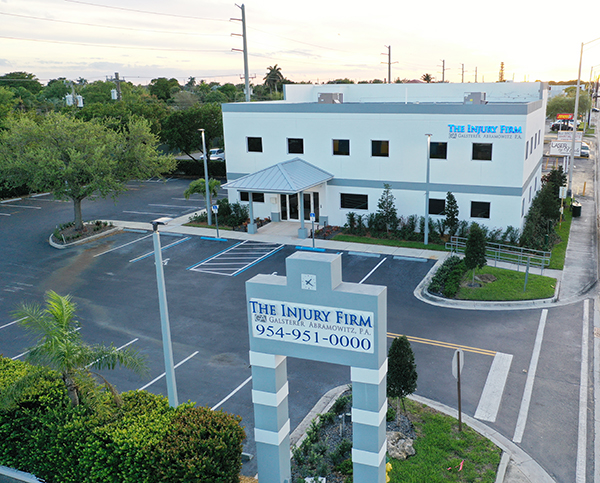
THE INJURY FIRM
1608 East Commercial Blvd.
Ft. Lauderdale, FL 33334
Phone (954) 951-0000
Fax: (954) 951-1000
Click Here To Send Email
WEST PALM BEACH
2536 Okeechobee Blvd.
West Palm Beach, FL 33409
ORLANDO
4495 S. Semoran Blvd.
Orlando, FL 32822
Phone (407) 444-0000
Fax: (407) 402-1111
Click Here To Send Email


CONTACT US NOW
FREE CONSULTATION
Dental Malpractice Lawyer in Fort Lauderdale, FL | THE INJURY FIRM
Dental Malpractice Lawyer in Fort Lauderdale, FL
Dental care should relieve pain and restore function, not cause lasting injury. When a dentist’s actions fall below the accepted professional standard of care — causing infection, nerve damage, anesthesia complications, or failed procedures — the physical and financial consequences can be devastating. The emotional toll of ongoing pain, repeated surgeries, and functional impairment often disrupts employment, family life, and quality of life.
Corrective dental surgery, specialist consultations, and extended treatment plans can cost thousands of dollars in out-of-pocket expenses. While most dental care is safe, avoidable errors carry real costs. Understanding when a poor outcome crosses the line into malpractice under Florida law requires experience with both dentistry and legal standards.
If you or a loved one has suffered serious harm after dental treatment, it is important to understand your legal rights. Call 954-951-0000 to discuss whether you may have a malpractice claim under Florida’s medical negligence laws. Early evaluation helps preserve evidence and protects your legal rights.
Quick Legal Overview: Medical Malpractice in Florida
- Under Florida Statutes §95.11, most dental malpractice claims must be filed within two years of discovery of the injury.
- Florida’s Chapter 766 requires presuit notice and investigation before filing suit.
- A corroborating expert affidavit from a qualified provider is mandatory under Florida malpractice law.
- A statute of repose generally limits claims after four years, even if harm was discovered later.
- Florida follows modified comparative negligence principles, reducing damages if the patient shares fault.
- Strict liability may apply only in limited cases involving defective dental devices regulated by the FDA.
Florida’s medical malpractice framework is more complex than ordinary negligence law. Before a malpractice lawsuit can be filed, claimants must comply with the presuit investigation and notice provisions of Chapter 766. This process is intended to encourage early evaluation and resolution of disputes and to reduce frivolous litigation.
In addition to the two-year statute of limitations under F.S. §95.11, a statute of repose may bar most claims four years after the act of negligence. These deadlines make it imperative to consult with a qualified attorney as soon as possible.
When Dental Errors Become Legal Negligence
Not every unfavorable dental outcome is malpractice. An injury may become actionable negligence only when a dental professional deviates from accepted standards of care and causes avoidable harm. This determination generally requires evaluation by qualified dental experts.
Surgical Errors
Incorrect tooth extractions, fractured jaws, perforated sinuses, or improperly placed dental implants are examples of surgical errors that may constitute malpractice. These problems can arise when diagnostic imaging is misinterpreted or when the dental provider ignores established procedural protocols.
Nerve Damage
Certain nerves in the jaw and face — such as the inferior alveolar or lingual nerve — are vulnerable during surgical procedures. Failure to evaluate pre-operative imaging or to plan around these structures can lead to numbness, tingling, or chronic neuropathic pain. Expert review is often necessary to determine whether the injury was avoidable and caused by negligent technique.
Failure to Diagnose Infection
Dental infections, such as abscesses or cellulitis, can spread rapidly and cause serious complications if not properly diagnosed and treated. Providers are expected to follow accepted infection assessment and management standards, including those outlined by the CDC’s dental infection control guidance.
Improper Anesthesia
Anesthesia errors — including incorrect dosing or failure to monitor vital signs — may lead to brain injury, cardiac distress, or other serious outcomes. Dental anesthesia must be administered and monitored according to professional safety standards, and departures from those standards may support malpractice claims.
Failure to Monitor Complications
After completing a dental procedure, providers are expected to monitor healing and respond appropriately to complications such as swelling, persistent bleeding, or signs of systemic infection. Delays in response may exacerbate injury.
Sterilization Violations
Dental offices must adhere to sterilization protocols consistent with applicable guidelines to prevent cross-contamination and infection. Violations of infection control practices may constitute negligence if they cause patient harm.
Florida Legal Requirements
Statute of Limitations
Under F.S. §95.11, a dental malpractice claim must generally be filed within two years from the date the injury was discovered or reasonably should have been discovered. Determining the discovery date may require careful legal analysis, especially in cases where the harm was gradual or hidden.
Statute of Repose
A statute of repose may bar malpractice claims filed more than four years after the act of alleged negligence, regardless of when the injury was discovered. This rule reinforces the importance of timely legal evaluation.
Presuit Investigation
Florida’s presuit requirements under Chapter 766 mandate that claimants serve notice and conduct an investigative period before filing a lawsuit. This includes gathering records and obtaining expert corroboration.
Expert Affidavit Requirement
An expert affidavit from a qualified dental professional is mandatory before a malpractice case can proceed. The affidavit must state reasonable grounds to believe that negligence occurred.
Compensation in Dental Malpractice Cases
Economic Damages
Economic damages compensate patients for measurable financial losses caused by dental negligence. These may include corrective surgeries, hospitalization, prescription medications, diagnostic imaging, specialist consultations, and rehabilitation costs. In some cases, extensive reconstructive dental or oral surgery may be required.
Lost wages and diminished earning capacity may also qualify. If ongoing pain, facial injury, or nerve damage affects your ability to work, those financial losses may be recoverable under Florida medical negligence law.
Non-Economic Damages
Non-economic damages address pain, suffering, emotional distress, and loss of enjoyment of life. Chronic nerve pain, facial disfigurement, speech impairment, or anxiety related to medical treatment can significantly affect daily living.
While these damages are not tied to invoices, they are legally recognized under Florida law and often require careful documentation and expert testimony.
Long-Term or Catastrophic Impact
Some dental malpractice injuries have lasting consequences. Permanent nerve damage, bone loss, or systemic infection can create lifelong medical needs. Evaluating long-term care costs and future treatment is an important component of case preparation.
To review potential damages in your case, call 954-951-0000 for a confidential consultation.
Why These Cases Are Legally Complex
Dental malpractice litigation involves highly technical medical evidence and strict procedural requirements. Unlike standard personal injury claims, Florida malpractice law under Chapter 766 requires presuit investigation, notice, and expert corroboration.
Evidence preservation is critical. Dental records, radiographs, anesthesia logs, and sterilization documentation may determine whether the standard of care was breached. Delays in obtaining these materials can complicate case evaluation.
Expert testimony is typically necessary to establish both breach and causation. Insurance carriers often argue that complications were known procedural risks rather than negligent conduct. Effective litigation preparation requires structured documentation and readiness to proceed to court if necessary.
How THE INJURY FIRM Builds Dental Malpractice Cases
Dental malpractice claims require a disciplined and methodical approach. THE INJURY FIRM follows a structured process designed to comply with Florida law and protect your rights.
- Free Consultation: Evaluate whether negligence may have occurred.
- Investigation: Review dental history and timeline.
- Record Collection: Secure complete treatment records and imaging.
- Expert Review: Obtain qualified dental expert evaluation under Chapter 766.
- Damage Modeling: Calculate medical costs and future losses.
- Negotiation: Present structured demand to insurance carriers.
- Litigation: File suit if resolution is not reached.
- Ongoing Communication: Maintain transparency throughout the process.
You may review prior outcomes at our case results page.
Mini Case Examples
Example 1 – Nerve Injury After Extraction
A Fort Lauderdale patient underwent routine molar extraction but experienced persistent numbness and pain. Postoperative imaging revealed nerve trauma consistent with improper surgical technique. Expert review supported deviation from accepted standards. The case resolved after presuit proceedings with compensation for corrective care and lost income.
Example 2 – Untreated Infection
A patient developed severe swelling and systemic infection following a dental procedure. Records showed delayed diagnosis and failure to prescribe timely antibiotics. The case required analysis of infection control compliance and expert testimony. Resolution included recovery for hospitalization expenses and related damages.
Example 3 – Anesthesia Monitoring Failure
During sedation dentistry, inadequate monitoring resulted in oxygen deprivation requiring emergency intervention. Review of monitoring logs revealed departures from accepted anesthesia safety practices. The claim proceeded through presuit investigation and negotiated settlement.
Handling Alone vs Hiring a Lawyer
| Handling Alone | Hiring a Lawyer |
|---|---|
| Limited understanding of Chapter 766 requirements | Full compliance with presuit procedures |
| No access to qualified expert reviewers | Access to dental and medical experts |
| Direct negotiation with insurance companies | Structured negotiation strategy |
| Risk of missed statutory deadlines | Monitoring of deadlines under F.S. §95.11 |
Florida malpractice law is procedural and technical. Missing presuit notice requirements or filing after statutory deadlines can result in dismissal, regardless of the severity of injury.
An experienced attorney evaluates medical records, secures expert testimony, and ensures compliance with Florida statutes before litigation begins.
Frequently Asked Questions
How long do I have to file a dental malpractice claim in Florida?
Under F.S. §95.11, most claims must be filed within two years from discovery of the injury. A four-year statute of repose may apply regardless of discovery. Because determining the discovery date can be legally complex, early legal review is recommended.
What is presuit notice?
Chapter 766 requires formal presuit notice and investigation before filing suit. This includes obtaining a corroborating expert affidavit. Failure to comply may result in dismissal of the claim.
What is the statute of repose?
The statute of repose generally bars claims filed more than four years after the alleged negligence, even if the injury was discovered later. Limited exceptions may apply.
Can I sue for nerve damage?
If nerve damage resulted from deviation from accepted standards of care, a malpractice claim may be viable. Expert testimony is typically required to establish negligence and causation.
What if I signed consent forms?
Consent forms acknowledge risks but do not excuse negligent conduct. Providers remain responsible for meeting professional standards.
How is malpractice proven?
Malpractice requires proof of duty, breach, causation, and damages. Expert testimony under Chapter 766 is generally required.
Do I need an expert affidavit?
Yes. Florida law requires corroboration by a qualified expert before filing a medical malpractice lawsuit.
What damages are available?
Economic and non-economic damages may be available depending on evidence and statutory requirements.
What if infection occurs months later?
Delayed infections may still qualify if causally linked to negligent care and within statutory deadlines.
Can multiple providers be sued?
If multiple dental professionals contributed to negligence, each may be named as a defendant.
What if I was partially at fault?
Under Florida’s comparative negligence framework, compensation may be reduced proportionally.
Are dental implant failures malpractice?
Implant failure alone does not establish malpractice. There must be proof of deviation from accepted standards.
Can I sue for anesthesia errors?
Anesthesia negligence may support a claim if safety protocols were breached and injury resulted.
What if the dentist denies wrongdoing?
Insurance carriers frequently dispute liability. Structured expert review and documentation determine claim viability.
If you believe you have suffered harm due to dental negligence, contact THE INJURY FIRM or call 954-951-0000 for a confidential consultation.
You may also review client feedback at Google Reviews.
THE INJURY FIRM
1608 East Commercial Blvd.
Ft. Lauderdale, FL 33334
Phone (954) 951-0000
Fax: (954) 951-1000
Click Here To Send Email
WEST PALM BEACH
2536 Okeechobee Blvd.
West Palm Beach, FL 33409
ORLANDO
4495 S. Semoran Blvd.
Orlando, FL 32822
Phone (407) 444-0000
Fax: (407) 402-1111
Click Here To Send Email
MEDICAL MALPRACTICE
PRACTICE AREAS