Injured After a Fall at a Shopping Center Store? Here’s What to Know
Quick Navigation – Questions Answered on This Page:
- How Do Slip and Fall Accidents Happen in Shopping Centers?
- What Types of Injuries Are Common After a Store Fall?
- Who Is Liable for a Fall at a Shopping Center Store?
- How Do You Prove a Shopping Center Was Negligent?
- Why Should You Contact a Personal Injury Lawyer?
How Do Slip and Fall Accidents Happen in Shopping Centers?
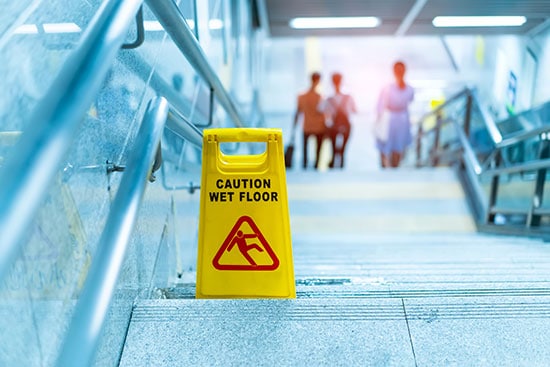 Whether you're shopping for essentials or browsing for fun, the last thing you expect is to be injured while walking through a store or shopping center. Unfortunately, many shopping centers have hidden or unaddressed hazards that can lead to serious slip and fall accidents. These incidents can result in painful injuries, time off work, and overwhelming medical bills.
Some of the most frequent causes of slip and fall injuries in shopping centers include:
- Poorly maintained parking lots or uneven sidewalks
- Spilled liquids or products in aisles
- Wet floors with no warning signage
- Debris such as hangers, trash, or loose items on the floor
- Slippery, highly polished tile or marble floors
- Carpeting that is frayed, buckled, or improperly secured
- Broken or unstable handrails
- Inadequate lighting in walkways, staircases, or exits
- Faulty escalators, elevators, or stairs
Many of these issues become worse during peak shopping times or holiday seasons, when staff may be overwhelmed or unable to keep up with maintenance. If a store or mall fails to address these hazards in a reasonable amount of time, they could be held legally responsible for your injuries.
What Types of Injuries Are Common After a Store Fall?
The nature and severity of injuries sustained during a slip and fall accident can vary depending on factors such as age, physical condition, and how the fall occurred. Even a seemingly minor fall can have long-term consequences, especially if left untreated. That’s why it is crucial to seek medical attention immediately after the incident—not just for your health, but to document your injuries for a potential claim.
Common injuries resulting from falls at shopping center stores include:
- Head injuries and traumatic brain injuries (TBIs): A fall that causes the head to hit the ground or a hard object can lead to concussions, skull fractures, or long-term cognitive impairment.
- Back and spinal cord injuries: Slipping and landing on your back may result in herniated discs, spinal damage, or persistent back pain that affects daily life and mobility.
- Fractures: Broken arms, wrists, hips, and ankles are among the most common injuries, particularly in older adults. Hip fractures often require surgery and rehabilitation.
- Neck injuries: Falls can lead to whiplash or other soft tissue damage in the neck and shoulders, often requiring physical therapy.
- Joint and ligament damage: Torn ligaments in the knee, ankle, or shoulder are not uncommon. These injuries can cause instability, long-term pain, and reduced mobility.
- Soft tissue injuries: Bruises, scrapes, cuts, and muscle strains may not seem serious at first but can still cause discomfort and take time to heal.
Proper documentation of these injuries through medical records is essential for establishing the extent of harm suffered. This includes:
- Hospital or urgent care visit summaries
- Diagnosis reports and treatment plans
- Prescriptions and medications prescribed for pain or inflammation
- Physical therapy referrals or surgical recommendations
- Medical bills and out-of-pocket costs
It’s also important to track how your injury is affecting your life. Are you missing work? Do you require assistance with daily tasks? These factors can help calculate both economic and non-economic damages in your claim.
Who Is Legally Responsible for a Slip and Fall at a Shopping Center?
When a slip and fall occurs at a shopping center, determining who is legally responsible—or “liable”—is a critical step in pursuing compensation. Liability can depend on a variety of factors, including where the accident happened and who owns, leases, or maintains that specific area.
Typically, liability falls under premises liability law, which holds property owners and occupiers legally accountable for unsafe conditions that result in injuries to visitors or customers. In the case of shopping centers, several parties may be liable:
- Retail store owner: If the fall occurred inside an individual store due to hazards like spilled liquids, cluttered walkways, or broken flooring, the retailer may be held responsible for failing to keep their premises safe.
- Shopping center management or property owner: If the fall occurred in shared spaces—such as parking lots, sidewalks, stairways, or public restrooms—the mall owner or property management company may be liable.
- Maintenance contractors: Some shopping centers hire third-party companies to handle cleaning, repairs, or snow and ice removal. If their negligence led to unsafe conditions, they may also share liability.
What Must Be Proven to Establish Negligence?
In order to succeed with a slip and fall claim, you or your attorney must prove that the defendant was negligent. This involves demonstrating the following elements:
- Duty of care: The defendant had a legal obligation to maintain safe conditions for visitors on the property.
- Breach of duty: The defendant failed to meet this obligation by allowing a hazardous condition to persist or failing to remedy it in a reasonable time.
- Causation: The unsafe condition directly caused your slip and fall accident and resulting injuries.
- Damages: You suffered financial, physical, and/or emotional harm as a result of the fall.
The defendant may attempt to claim that the hazard was “open and obvious” or that your own actions caused the fall. A skilled personal injury attorney can counter these defenses by presenting evidence that shows the property owner was aware of the danger—or should have been—and did nothing to prevent it.
Can Multiple Parties Share Liability?
Yes, it’s possible for more than one party to be held responsible for your injuries. For example, if a fall occurs in a common hallway that was under the control of both the shopping center and the individual store, both parties could be named in the lawsuit. In such cases, liability may be divided according to the percentage of fault.
Florida follows a comparative negligence system, which means that even if you are found to be partially at fault for your accident, you may still recover compensation—though your total recovery may be reduced in proportion to your share of fault.
What Evidence Is Crucial in a Shopping Center Slip and Fall Case?
To win your injury claim, you must present strong evidence that clearly demonstrates the property owner or manager's negligence and the extent of your damages. The more comprehensive your documentation, the better your chances of a favorable outcome.
1. Photographic and Video Evidence
Take clear, timestamped photos of the hazard that caused your fall, such as wet floors, broken tiles, or poor lighting. If possible, take wide-angle shots showing the general area and close-ups of the specific hazard. Also, try to obtain security footage from nearby surveillance cameras. Request that the property owner preserve the footage before it is deleted or overwritten.
2. Witness Statements
Eyewitnesses can offer crucial third-party confirmation of how the accident occurred. Collect the names and contact details of any bystanders or employees who saw the fall or the hazard that caused it. Their testimony could help confirm that the hazard was present and unattended for an unreasonable period.
3. Incident Reports
Immediately report the incident to store management or shopping center security and ask for a written incident report. Request a copy for your records. This report serves as an official acknowledgment that the accident occurred and may include details about the hazard, your injuries, and who was notified.
4. Medical Documentation
Seek medical care right away, even if injuries appear minor. Medical records provide a professional diagnosis, treatment plan, and documentation of your injuries, which are essential for substantiating your claim. Be sure to follow through with all medical advice and keep records of hospital visits, prescriptions, therapy, and medical expenses.
5. Financial Impact Records
Document how the fall has affected your life financially. This may include:
- Medical bills
- Receipts for out-of-pocket expenses (e.g., crutches, bandages)
- Lost wages due to time off work
- Loss of future earning potential (if your injuries are long-lasting)
Why You Need a Personal Injury Lawyer
While it's possible to file a claim without a lawyer, shopping center slip and fall cases are rarely straightforward. Large corporate property owners and their insurers often employ aggressive tactics to deny liability or reduce settlement payouts. An experienced attorney can help you navigate these obstacles.
Benefits of Legal Representation:
- Case Evaluation: A lawyer will evaluate the facts to determine the strength of your case and advise on the best legal strategy.
- Evidence Collection: Attorneys can subpoena surveillance footage, obtain maintenance records, and consult expert witnesses to strengthen your claim.
- Negotiation: Your attorney will negotiate with insurers to fight for a fair settlement that covers your full damages.
- Litigation Support: If a settlement can’t be reached, your lawyer can file a lawsuit and represent you in court.
Having a legal professional on your side ensures you understand your rights, avoid procedural missteps, and are not pressured into accepting a lowball offer. The Injury Firm handles these cases regularly and knows how to secure the compensation our clients deserve.
Contact us today for a free consultation at 954-951-0000 and find out how we can help you move forward after your shopping center fall.
Frequently Asked Questions (FAQs)
What should I do immediately after a fall at a shopping center store?
You should report the incident to store management or shopping center security right away, document the scene with photographs, gather contact information from any witnesses, and seek prompt medical attention. Doing these things can help protect your health and strengthen your legal claim.
Can I file a lawsuit if I fell outside the store but still on shopping center property?
Yes. If your fall occurred in a common area such as a parking lot, walkway, or food court, the shopping center owner or property manager may be liable. These areas are still under the responsibility of the shopping center and are subject to premises liability laws.
How do I prove the shopping center or store was negligent?
You must show that the owner or responsible party knew or should have known about the hazard, failed to fix it within a reasonable time, and that this failure directly led to your injury. Evidence like surveillance footage, incident reports, and medical records is key.
What damages can I recover after a slip and fall injury?
You may be able to recover compensation for medical expenses, lost wages, future medical care, pain and suffering, and other out-of-pocket costs related to the injury. A lawyer can help you calculate the full scope of your damages.
What is the deadline for filing a slip and fall claim in Florida?
In Florida, the statute of limitations for personal injury claims is generally two years from the date of the accident. However, it's crucial to act quickly because gathering evidence and dealing with insurance companies can take time. Exceptions and shorter deadlines may apply, especially if government property is involved.
Do I need a lawyer to file a slip and fall claim?
While not required, having an experienced personal injury lawyer significantly improves your chances of receiving full compensation. Attorneys know how to handle insurance adjusters, collect evidence, and represent your best interests in court if necessary.