Is Painted Concrete Dangerous?
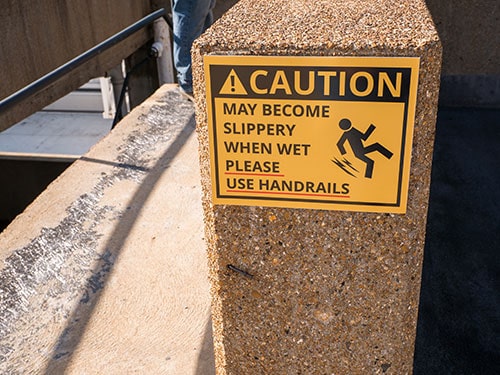 In commercial properties, polished and painted concrete surfaces have become increasingly common—and increasingly scrutinized. As a personal injury law firm, we've seen many slip and fall cases linked to these flooring types. The question is: is painted concrete dangerous? This guide explains everything you need to know.
Questions Answered on This Page:
- Does polished or painted concrete need to be slippery?
- What is a tribometer and why is it important?
- What are a property owner's responsibilities for floor safety?
- How do I make and win a personal injury claim for slippery concrete?
- How will a personal injury lawyer help with a slippery floor claim?
- What compensation can I receive for a concrete slip and fall injury?
Does Polished or Painted Concrete Need to Be Slippery?
In short, no—concrete doesn't have to be slippery. However, any smooth surface without texture can become hazardous when wet. A puddle on polished concrete creates a slipping risk, similar to a wet tile or marble surface. Luckily, there are several ways to reduce slipperiness and improve floor safety.
- Grip tape or slip-resistant pads: Inexpensive and easy to install, these provide traction in key areas.
- Surface etching or roughing: Techniques like acid etching or broom finishes add friction to smooth concrete.
- Slip-resistant mats: Ideal for high-traffic zones, mats create grip where continuous foot traffic wears down coatings.
- Non-slip additives in paint or coatings: These additives create texture within the surface itself. Just a few ounces per gallon of paint can significantly improve safety.
Additional options include applying trowel finishes, adding sand to sealers, or incorporating vinyl or metal flakes into surface coatings.
Now, what about polished concrete? Surprisingly, polished concrete is less slippery than it looks. That's because it's not sealed like epoxy or painted floors. The shine comes from microscopic scratches that refract light, not from a glossy plastic topcoat. Polished concrete remains porous—allowing water to absorb slightly and providing more traction.
On the other hand, sealed concrete is non-porous. When painted without non-skid additives, it becomes dangerously slick with even a small amount of moisture. It’s this type of concrete that frequently leads to personal injury claims.
What Is a Tribometer and Why Is It Important?
Even though polished and painted concrete can be safe, we continue to see a rise in slip and fall injury claims. Why? The answer often lies in how the surface was treated—or neglected. In Florida, a common issue is the use of sealed concrete or painted surfaces without enough anti-skid additive.
Consider this real example: A Florida resident slipped at the top of a painted concrete stairway and suffered serious injuries from the fall. When the case went to court, the apartment complex’s maintenance supervisor admitted that the stairs had been painted shortly before the accident.
Investigators found receipts from Home Depot showing ten gallons of paint and only four units of anti-skid additive. But the label clearly stated that one unit was needed per gallon. That means only 40% of the necessary traction was added—creating a recipe for disaster.
This case demonstrates that **just adding an anti-skid additive isn't enough**. You need the correct amount applied properly and consistently. Failing to follow manufacturer instructions could make a business liable for injuries on their premises.
Measuring Floor Safety with a Tribometer
In injury investigations, attorneys and safety experts often rely on a **tribometer** to measure a surface’s slip resistance. A tribometer is a scientific tool used to calculate the amount of friction between a person’s foot (or shoe) and the floor surface.
There are multiple types of tribometers and friction tests. One common test involves bouncing a weighted ball at an angle across the surface and calculating resistance. These tests are often conducted by certified safety professionals during personal injury claims to determine whether a floor meets legal safety standards.
If the floor fails the friction test—and it wasn’t properly treated with slip-resistant coatings—it can be a key piece of evidence in a lawsuit.
What Are a Property Owner's Responsibilities for Floor Safety?
In Florida and many other states, property owners—especially commercial property owners—have a legal obligation to maintain safe premises for all invitees (visitors, customers, tenants, etc.). This includes addressing any potential slip hazards caused by flooring surfaces like painted or sealed concrete.
Under premises liability law, a property owner has two core responsibilities:
- Maintain reasonably safe conditions – Property owners must regularly inspect, clean, and maintain all public-access areas.
- Warn of known or discoverable dangers – If a floor is unusually slippery or unsafe, proper signage or barriers must be used to alert visitors.
If an owner fails in either of these duties, and someone is injured as a result, the owner can be held liable for damages. This includes injuries due to slippery painted concrete, improperly applied coatings, or failure to use non-slip additives.
Importantly, the law doesn't only apply when a property owner knows about a hazard. If a danger was reasonably discoverable during routine inspection, they may still be liable under Florida’s negligence standards.
For example, if a landlord painted a breezeway or stairwell without using enough non-skid additive, they may be held responsible even if no one had complained about slipperiness before the accident.
How Do I Make and Win a Personal Injury Claim for Slippery Concrete?
If you’ve slipped and fallen on painted or sealed concrete, you may be entitled to compensation—but only if negligence can be proven. That means showing the property owner failed in their legal duty to maintain a safe environment or to properly warn of hazards.
Here are the key steps to winning a concrete slip and fall claim in Florida:
- Seek immediate medical attention: Your health is the top priority. Seeing a doctor right away also helps document your injuries, which will be important evidence in your case.
- Document the scene: Take photos of the floor surface, lighting, and any signage (or lack thereof). If witnesses are present, get their contact information.
- Preserve any footwear or clothing: What you were wearing may help prove that the surface—not your shoes—was to blame for the accident.
- Avoid speaking to insurance adjusters without legal counsel: Anything you say can be used against you. Stick to the facts and let your lawyer handle communication.
To succeed in court or settlement negotiations, your personal injury attorney will work to prove the following four elements:
- Duty of care: The property owner had a legal obligation to keep the premises safe for visitors.
- Breach of duty: The owner failed to use non-slip coatings, ignored known hazards, or improperly painted the floor.
- Injury: You suffered a verifiable injury, such as a fracture, concussion, or sprain.
- Causation: The injury was directly caused by the owner’s negligence—not by your own actions.
If your attorney can clearly establish all four elements, you are likely to recover damages for medical expenses, lost income, pain and suffering, and more.
How Will a Personal Injury Lawyer Help With a Slippery Floor Claim?
When you’ve been injured on slippery painted or polished concrete, working with an experienced personal injury lawyer can make all the difference. At The Injury Firm, we represent victims across Florida who have suffered injuries due to unsafe flooring and negligent property maintenance.
Here's how our legal team helps from start to finish:
- Free case evaluation: You’ll never pay to speak with us initially. We’ll assess your case and help you understand your legal rights.
- We come to you: Whether you’re in the hospital or recovering at home, we’ll make arrangements to meet you where it’s most convenient.
- Evidence gathering: Our team investigates the scene, secures photos and surveillance footage, interviews witnesses, and reviews maintenance records or prior complaints about the flooring.
- Expert consultation: We work with safety experts and tribometer specialists when needed to scientifically prove that the surface was unreasonably dangerous.
- Negotiation with insurers: Insurance companies aim to minimize payouts. We handle all communication and push back against lowball offers.
- Courtroom representation: If necessary, we’re fully prepared to take your case to trial and advocate for maximum compensation before a judge and jury.
At The Injury Firm, you don’t pay unless we win your case. This contingency-fee structure ensures that you get legal help without financial risk.
We also offer services in Spanish for our Spanish-speaking clients. Just let us know during your free consultation, and we will match you with a bilingual attorney.
What Compensation Can I Receive for a Concrete Slip and Fall Injury?
If you’ve been injured because of a dangerously slippery concrete surface, you may be entitled to compensation for both economic and non-economic damages. The exact amount will depend on the specifics of your case, including the severity of your injuries and the level of negligence by the property owner.
Common types of compensation in a personal injury case include:
- Medical expenses: Emergency room visits, surgeries, medications, physical therapy, and any ongoing treatment costs.
- Lost income: Wages you missed due to your injury, as well as reduced earning capacity if the injury prevents you from returning to your job.
- Pain and suffering: Compensation for physical pain, emotional distress, and decreased quality of life caused by the accident.
- Out-of-pocket expenses: Costs such as transportation to medical appointments, medical equipment, or in-home care.
In more serious cases involving long-term injuries (such as head trauma, spinal damage, or permanent mobility loss), victims may be entitled to significantly larger settlements to account for their ongoing needs.
How Insurance Companies Try to Undermine Your Claim
It’s important to remember that insurance adjusters are not on your side. They may try to:
- Shift blame onto you to reduce the payout
- Suggest your footwear or actions caused the fall
- Offer a low settlement quickly, hoping you'll accept before knowing the true extent of your injuries
That’s why it’s critical to have legal representation early. Our attorneys at The Injury Firm handle all insurer interactions and will fight to maximize your compensation.
Summary
While painted and polished concrete can be safe when properly treated, they become hazardous when property owners neglect to use non-slip additives, sealants, or adequate surface texture. Slip and fall accidents caused by slippery concrete are preventable—and when negligence is involved, victims may have a strong personal injury claim.
At The Injury Firm, we understand how disruptive these accidents can be. From lost wages and medical bills to lasting physical pain, the impact of unsafe concrete surfaces is serious. Whether your accident happened in a retail store, apartment complex, hotel, or commercial property, we’re here to fight for your rights.
Contact The Injury Firm Today
If you or a loved one has been injured in a slip and fall due to painted or polished concrete, don’t wait to take legal action. The Injury Firm offers:
- Free, no-obligation case evaluations
- No fees unless we win your case
- Spanish-speaking attorneys available on request
- Convenient appointments in-person, by phone, or via Zoom
Contact us today to schedule your free consultation and get the legal support you need. We’re committed to holding negligent property owners accountable—and helping you recover the full compensation you deserve.
Let’s make sure unsafe floors are addressed—and your voice is heard.