Florida’s New Slip and Fall Law
Questions Answered on This Page:
- What changed in Florida’s slip and fall law?
- What is constructive knowledge and why does it matter?
- What is the open and obvious doctrine?
- What are the common causes of slip and fall accidents?
- What types of injuries occur from slip and fall accidents?
- What should I do after a slip and fall?
- Why hire a Fort Lauderdale slip and fall lawyer?
- Frequently Asked Questions
What Changed in Florida’s Slip and Fall Law?
 In 2010, Florida revised its slip and fall law under Title XLV, Chapter 768, Negligence — specifically, Florida Statute 768.0755. This statute places a more significant burden of proof on the injured party. Before this change, it was easier for victims to claim compensation from property owners.
The updated law requires the injured person to prove that the business establishment had actual or constructive knowledge of the dangerous condition and failed to remedy it. This legal shift has made it more challenging for plaintiffs and emphasizes the importance of thorough documentation and legal strategy.
What is Constructive Knowledge and Why Does It Matter?
Under Florida law, constructive knowledge is a legal concept used to establish fault in premises liability cases like slip and fall accidents. It means that the property owner should have known about the hazardous condition — even if they didn’t have direct knowledge of it — because it was a recurring problem or existed long enough to be discovered through regular maintenance.
There are two main ways to prove constructive knowledge:
- Temporal evidence: Showing the condition existed long enough that the business should have noticed and corrected it.
- Pattern evidence: Demonstrating that the condition occurred regularly and was therefore foreseeable.
For example, if a puddle forms regularly in a supermarket's freezer section due to condensation, the store can be held liable for a fall in that area — even if no employee saw it before the incident.
What is the Open and Obvious Doctrine?
The “open and obvious doctrine” is a common defense in Florida slip and fall cases. It claims that the hazard was so visible and apparent that a reasonable person would have noticed and avoided it. This argument can reduce or eliminate the property owner’s liability.
For instance, if someone slips on a clearly visible puddle of soda with warning signs nearby, the property owner may argue that the injured person ignored a danger that should have been obvious. However, just because something is open and obvious doesn’t automatically release the owner from liability. Courts still consider whether the property owner took reasonable steps to correct or warn about the hazard.
Every case is different, which is why a legal consultation can help clarify how the doctrine applies to your unique situation.
What Are the Common Causes of Slip and Fall Accidents?
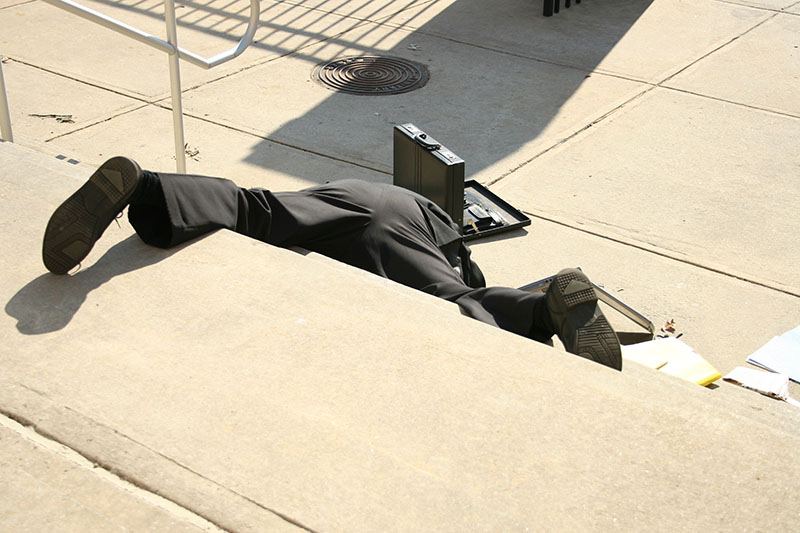 Slip and fall accidents can occur for many reasons. Understanding the most frequent causes can help identify whether your situation may qualify for a premises liability claim. Common causes include:
- Wet or slippery floors with no warning signs
- Uneven or broken sidewalks
- Cluttered walkways or debris
- Inadequate lighting in stairwells or hallways
- Broken or loose handrails
- Unmarked elevation changes or steps
- Loose rugs or unsecured mats
- Spilled liquids or food items in grocery stores or restaurants
- Improperly maintained parking lots or driveways
In commercial settings, business owners have a duty to maintain safe premises and address these hazards promptly. Failing to do so can lead to liability when someone is injured.
What Types of Injuries Occur from Slip and Fall Accidents?
Slip and fall accidents can cause a wide range of injuries, from minor bruises to permanent disabilities. Common injuries include:
- Fractures: Broken bones, especially in the wrists, arms, hips, and ankles, are common due to attempts to brace during a fall.
- Head injuries: Hitting your head in a fall can cause concussions, traumatic brain injuries (TBI), or even skull fractures.
- Spinal cord injuries: Falls can damage the vertebrae or spinal discs, sometimes leading to chronic pain or paralysis.
- Soft tissue injuries: Sprains, strains, and tears in muscles or ligaments may not be visible but can cause lasting pain and mobility issues.
- Back injuries: Slipped or herniated discs and lower back trauma are common after landing awkwardly in a fall.
Even if an injury seems minor, it’s crucial to seek medical attention promptly. Some symptoms may not present right away but can worsen over time and affect your quality of life. Medical documentation also supports your injury claim.
What Should I Do After a Slip and Fall?
After a slip and fall accident, your actions can significantly affect your ability to recover compensation. Here are the steps you should take immediately:
- Seek medical attention: Even if your injuries seem minor, get evaluated by a medical professional. Some injuries take time to surface, and medical records will be crucial evidence later.
- Report the incident: Notify the property owner, manager, or supervisor. Request a copy of any incident report and make note of who you spoke with.
- Document the scene: Take clear photographs or videos of the area where you fell, including any hazards, lighting conditions, or lack of warning signs.
- Gather contact information: Obtain the names and phone numbers of any witnesses who saw the fall or the hazardous condition.
- Avoid speaking to insurers: Insurance adjusters may contact you. Do not provide statements without legal advice, as they can be used against your claim.
- Consult a slip and fall attorney: An experienced lawyer can protect your rights, gather evidence, and pursue the compensation you deserve.
Taking these steps early will improve the chances of a successful claim and ensure your rights are preserved throughout the process.
Why Hire a Fort Lauderdale Slip and Fall Lawyer?
Hiring a local attorney with experience in Florida slip and fall cases offers several benefits:
- Knowledge of Florida statutes: A Fort Lauderdale lawyer will be well-versed in Florida's unique premises liability laws, including the 2010 updates to Statute 768.0755.
- Proving liability: Your attorney will know how to gather the evidence needed to prove actual or constructive knowledge and counter the open and obvious defense.
- Handling negotiations: A seasoned slip and fall lawyer will handle all discussions with insurance companies, which often aim to minimize payouts.
- Maximizing compensation: Your lawyer can help ensure you pursue all available damages — including medical costs, lost wages, pain and suffering, and future care.
- Litigation readiness: If your case goes to court, your lawyer can file the lawsuit, represent you in hearings, and present a strong case before a judge or jury.
At The Injury Firm in Fort Lauderdale, we have a proven track record of helping slip and fall victims win substantial settlements and verdicts. Our personalized approach means you won’t be treated like a number — your case will get the attention and dedication it deserves.
Frequently Asked Questions
Can I still file a claim if I was partially at fault?
Yes. Florida follows a modified comparative negligence rule. This means that as long as you were less than 50% at fault for the slip and fall accident, you may still recover damages — though your compensation will be reduced by your percentage of fault.
How long do I have to file a slip and fall claim in Florida?
Under Florida law, you generally have two years from the date of the accident to file a personal injury lawsuit. It’s important to act quickly so that evidence is preserved, and deadlines are not missed.
What kind of damages can I recover in a slip and fall case?
You may be able to recover damages for:
- Medical bills (current and future)
- Lost income and future earnings
- Pain and suffering
- Rehabilitation and therapy costs
- Loss of enjoyment of life
What if the property owner claims they didn’t know about the hazard?
That’s where the concept of constructive knowledge applies. If you can prove that the hazard existed long enough that the owner should have known about it, they can still be held liable. Your attorney will investigate the timeline, surveillance footage, and maintenance records.
Do I need a lawyer for a slip and fall case?
While you’re not required to hire an attorney, it’s highly recommended. Slip and fall cases can be complex, and property owners and insurance companies often use tactics to avoid paying fair compensation. A lawyer ensures your rights are protected and can significantly improve your settlement or verdict outcome.