

MEDICAL MALPRACTICE
PRACTICE AREAS
Emergency Room Malpractice Lawyer in Fort Lauderdale | THE INJURY FIRM
Emergency Room Errors Exposed: Understand Your Rights in Medical Negligence
When you seek care in an emergency room, you expect rapid assessment, accurate diagnosis, and immediate treatment. Instead, some patients leave with worsening conditions, missed strokes, untreated heart attacks, medication errors, or delayed interventions that permanently alter their lives. Emergency departments operate under pressure, but urgency does not excuse preventable mistakes that violate accepted medical standards.
The financial consequences of emergency room negligence can be devastating. Intensive care stays, additional surgeries, long-term rehabilitation, and extended hospitalization often follow serious ER mistakes. Families frequently face mounting medical bills, lost income, and uncertainty about whether earlier intervention could have prevented catastrophic harm.
Beyond the economic burden lies emotional trauma. Trust in the healthcare system may feel shattered. Patients and families are left asking whether warning signs were ignored or whether protocols were properly followed. Florida law holds hospitals and emergency providers accountable when care falls below professional standards.
If you suspect emergency room negligence harmed you or someone you love, THE INJURY FIRM offers a confidential free consultation to review your situation and explain your legal options clearly and responsibly.
Guide to Your Legal Rights
Emergency room malpractice occurs when doctors, nurses, or hospitals fail to meet accepted emergency care standards, resulting in preventable harm such as misdiagnosis, delayed treatment, medication errors, or premature discharge. Florida law imposes strict filing deadlines and presuit requirements under Chapter 766. THE INJURY FIRM helps patients investigate what happened, consult qualified medical experts, and pursue compensation when emergency care violates established standards.
Quick Legal Overview: Medical Malpractice in Florida
- Most claims must be filed within two years under F.S. §95.11.
- A four-year statute of repose may bar claims regardless of discovery.
- Presuit investigation and notice are required under Chapter 766.
- A corroborating expert affidavit is mandatory before filing suit.
- Florida follows comparative negligence under F.S. §768.81.
- Hospitals may be vicariously liable for emergency department providers.
Medical malpractice requires proof that a healthcare provider breached the prevailing professional standard of care and that the breach directly caused injury. Emergency room cases often focus on whether providers reasonably recognized symptoms, ordered appropriate testing, and initiated timely treatment.
Strict procedural rules apply. Before filing suit, claimants must complete a presuit investigation, obtain expert support, and provide notice to prospective defendants. Missing deadlines or failing to comply with Chapter 766 can prevent recovery even when negligence occurred.
When Emergency Room Errors Become Legal Negligence
Triage Errors
Emergency departments rely on triage systems to prioritize patients based on symptom severity. When stroke symptoms, internal bleeding, or cardiac distress are misclassified as non-urgent, critical treatment may be dangerously delayed. Legal negligence may arise when documented warning signs were not acted upon according to established hospital protocols.
Misdiagnosis of Stroke or Heart Attack
Failure to recognize slurred speech, unilateral weakness, chest pain, abnormal EKG results, or elevated cardiac enzymes can result in devastating consequences. Emergency physicians are expected to rule out life-threatening conditions before discharge. If diagnostic imaging or cardiac testing was unreasonably delayed or omitted, liability may arise.
Can I sue doctor for failue to diagnose?
Failure to Order Diagnostic Testing
Imaging studies, blood panels, and cardiac monitoring are often essential in emergency settings. When providers dismiss symptoms without conducting appropriate testing, serious conditions may go undetected. Negligence is evaluated by comparing provider decisions to accepted emergency medicine standards.
Medication Errors
Emergency departments administer medications rapidly. Incorrect dosages, drug interactions, or failure to verify allergies can lead to respiratory distress or organ failure. Hospitals must follow medication safety protocols and federal regulatory guidance.
Read more: Pharmacy Malpractice Attorney
Improper Discharge
Discharging a patient without adequate evaluation, testing, or follow-up instructions can create serious risk. Legal review focuses on whether discharge decisions met professional standards and whether reasonable providers would have pursued additional observation or testing.
Florida Legal Requirements in ER Malpractice Cases
Statute of Limitations
Under F.S. §95.11, most medical malpractice claims must be filed within two years from the date the injury was discovered or should have been discovered with reasonable diligence. Delayed complications may affect when discovery occurs.
Statute of Repose
Florida generally imposes a four-year statute of repose, limiting claims regardless of discovery. This absolute cutoff can significantly impact cases involving delayed diagnosis.
Presuit Investigation
Chapter 766 requires presuit investigation, expert review, and formal notice before filing suit. Failure to comply can result in dismissal.
Comparative Negligence
Florida applies comparative fault principles under F.S. §768.81. If a patient’s actions contributed to harm, recovery may be reduced proportionally.
Compensation in Emergency Room Malpractice Cases
Economic Damages
Economic damages may include emergency treatment costs, ICU stays, corrective procedures, rehabilitation, lost wages, and diminished earning capacity. Accurate documentation and expert economic analysis are required to calculate long-term losses.
Non-Economic Damages
Pain, suffering, mental anguish, and loss of enjoyment of life may also be compensable. The severity and permanence of injury significantly influence valuation.
Catastrophic Impact
Permanent neurological deficits, organ damage, or paralysis dramatically increase complexity. Long-term care planning and life-care projections may be necessary.
Why Emergency Room Cases Are Legally Complex
Emergency departments involve multiple providers making rapid decisions under pressure. Determining who made which clinical decision and whether it met professional standards often requires reconstructing detailed timelines from fragmented medical records.
Expert testimony is critical in interpreting documentation and evaluating causation. Insurance carriers frequently argue that providers acted reasonably given emergency conditions, making litigation preparation essential.
How THE INJURY FIRM Builds ER Malpractice Cases
- Free consultation – call 954-951-0000
- Comprehensive record collection
- Timeline reconstruction
- Independent expert review
- Damage modeling
- Chapter 766 compliance
- Negotiation with insurers
- Litigation preparation if necessary
You may also review our case results and read client experiences at this verified Google Reviews profile.
Frequently Asked Questions
What qualifies as emergency room malpractice?
Emergency room malpractice occurs when providers fail to meet accepted emergency medicine standards and that failure causes injury. Under Chapter 766, claimants must prove breach of the professional standard of care through qualified expert testimony. Not every adverse outcome constitutes negligence; the key question is whether a reasonably prudent emergency provider would have acted differently under similar circumstances.
How long do I have to file?
Under F.S. §95.11, most medical malpractice claims must be filed within two years of discovery. A statute of repose may limit claims to four years from the incident date.
Do I need expert testimony?
Yes. Florida law requires corroboration from a qualified medical expert before filing suit under Chapter 766. Without expert support, claims cannot proceed.
``` --- Reply **“Proceed with Part 2”** and I will continue the remainder of the FAQ section and close the HTML document properly.
Can hospitals be liable for emergency room doctors?
Hospitals may be held vicariously liable for emergency room physicians, nurses, or staff under agency principles recognized in Florida medical negligence law. Under Chapter 766, liability depends on employment status, contractual relationships, and whether the provider appeared to act on behalf of the hospital. Even when physicians are independent contractors, hospitals may still face exposure under apparent agency theories. Each case requires careful evaluation of credentialing records and provider agreements.
What if I was discharged too early?
Premature discharge can support a malpractice claim when accepted emergency medicine standards required further testing, monitoring, or consultation. Florida law requires proof that the discharge decision fell below the prevailing professional standard of care. While overcrowding and high patient volume are common defenses, they do not excuse failure to rule out life-threatening conditions. Expert testimony is required to establish whether additional evaluation was medically necessary.
What damages are available in ER malpractice cases?
Under Florida law, injured patients may pursue economic and non-economic damages when negligence is proven. Economic damages may include ICU costs, follow-up surgeries, rehabilitation, lost income, and diminished earning capacity. Non-economic damages may include pain, suffering, mental anguish, and loss of enjoyment of life. Recovery depends on causation proof and compliance with statutory requirements under Chapter 766.
What if multiple doctors were involved in my care?
Emergency departments often involve physicians, nurses, specialists, and hospital administrators working simultaneously. Florida’s comparative fault statute, F.S. §768.81, allows fault to be apportioned among multiple defendants. Determining responsibility requires reconstruction of medical timelines and expert review. Liability may extend to individual providers and the hospital entity depending on the circumstances.
What if I signed consent forms?
Signing a consent form does not waive your right to pursue a negligence claim. Consent acknowledges inherent medical risks but does not excuse substandard care. Under Florida law, providers must still meet the prevailing professional standard regardless of signed documentation. A consent form cannot shield providers from liability for preventable errors or deviations from accepted protocols.
Are emergency room mistakes common grounds for malpractice?
Emergency departments present high-risk environments where rapid decisions must be made with limited information. However, when providers fail to follow established emergency medicine standards, liability may arise. Florida malpractice law focuses on whether a reasonably prudent provider would have acted differently under similar circumstances. Each case requires expert review to distinguish unavoidable outcomes from preventable negligence.
How is causation proven in ER malpractice cases?
Proving causation requires expert testimony establishing that the provider’s deviation from the standard of care more likely than not caused the injury. Under Chapter 766, medical experts must link the breach directly to the patient’s harm. If an injury would have occurred regardless of provider action, recovery may be limited. Causation analysis often becomes the central issue in litigation.
What if the emergency room was overcrowded?
While overcrowding may explain delays, it does not eliminate the duty to provide care consistent with professional standards. Florida courts evaluate provider conduct against what a reasonably prudent emergency professional would do in similar circumstances. Resource limitations may be considered, but they do not excuse failure to recognize or treat life-threatening conditions appropriately.
What is presuit notice in Florida medical malpractice claims?
Before filing suit, Florida law requires compliance with presuit investigation procedures outlined in Chapter 766. This includes obtaining medical records, consulting qualified experts, and providing written notice to prospective defendants. Failure to comply may result in dismissal regardless of claim merit.
What if the hospital denies wrongdoing?
Hospitals and insurers frequently deny liability during initial investigations. However, denial does not prevent independent legal review. Experienced counsel can obtain complete medical records, consult independent experts, and assess whether emergency standards were breached. Litigation may be necessary if reasonable settlement efforts fail.
Comparison: Handling Alone vs Hiring a Lawyer
|
Handling Alone |
Hiring a Lawyer |
|---|---|
|
Limited access to emergency medicine experts |
Independent expert evaluation of standard-of-care issues |
|
Difficulty complying with Chapter 766 presuit requirements |
Structured presuit compliance and expert affidavit support |
|
Unfamiliar with comparative negligence defenses |
Strategic response to defenses under F.S. §768.81 |
|
Limited ability to calculate long-term damages |
Comprehensive economic and life-care damage modeling |
Pursuing an emergency room malpractice claim independently can be overwhelming due to complex procedural requirements, expert testimony mandates, and strict filing deadlines under Florida law. Even small technical mistakes may jeopardize otherwise valid claims.
Working with experienced counsel helps ensure evidence is preserved, expert support is secured, and statutory compliance is maintained. Structured legal representation allows families to focus on recovery while their case is evaluated carefully and professionally.
Speak With THE INJURY FIRM About Emergency Room Negligence
If you believe emergency room errors caused serious harm, early evaluation is critical to protect your rights under Florida law. Strict time limits under F.S. §95.11 and presuit procedures under Chapter 766 apply.
Contact THE INJURY FIRM at 954-951-0000 or request a free consultation online to discuss your situation confidentially. We can review records, explain next steps, and help you understand whether emergency room negligence may have occurred.
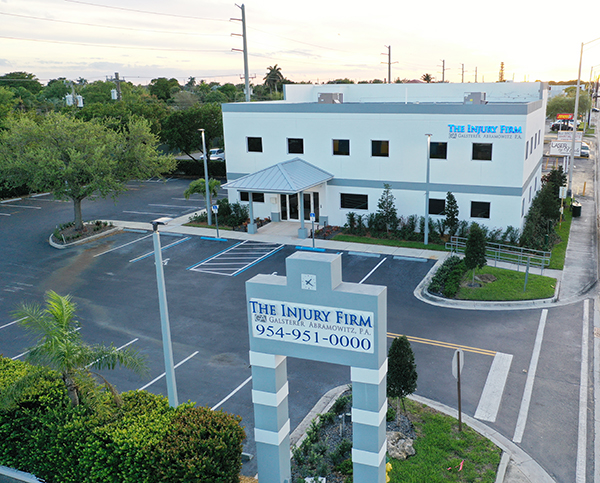
Our office is located at 1608 East Commercial Blvd., Ft. Lauderdale, FL 33334. We are committed to providing clear guidance and measured legal advocacy for individuals affected by preventable emergency room errors.
Here is **PHASE 3 – Advanced JSON-LD Schema Block** (Valid schema only. No commentary.)
THE INJURY FIRM
1608 East Commercial Blvd.
Ft. Lauderdale, FL 33334
Phone (954) 951-0000
Fax: (954) 951-1000
Click Here To Send Email
WEST PALM BEACH
2536 Okeechobee Blvd.
West Palm Beach, FL 33409
ORLANDO
4495 S. Semoran Blvd.
Orlando, FL 32822
Phone (407) 444-0000
Fax: (407) 402-1111
Click Here To Send Email


CONTACT US NOW
FREE CONSULTATION
Emergency Room Malpractice Lawyer in Fort Lauderdale | THE INJURY FIRM
Emergency Room Errors Exposed: Understand Your Rights in Medical Negligence
When you seek care in an emergency room, you expect rapid assessment, accurate diagnosis, and immediate treatment. Instead, some patients leave with worsening conditions, missed strokes, untreated heart attacks, medication errors, or delayed interventions that permanently alter their lives. Emergency departments operate under pressure, but urgency does not excuse preventable mistakes that violate accepted medical standards.
The financial consequences of emergency room negligence can be devastating. Intensive care stays, additional surgeries, long-term rehabilitation, and extended hospitalization often follow serious ER mistakes. Families frequently face mounting medical bills, lost income, and uncertainty about whether earlier intervention could have prevented catastrophic harm.
Beyond the economic burden lies emotional trauma. Trust in the healthcare system may feel shattered. Patients and families are left asking whether warning signs were ignored or whether protocols were properly followed. Florida law holds hospitals and emergency providers accountable when care falls below professional standards.
If you suspect emergency room negligence harmed you or someone you love, THE INJURY FIRM offers a confidential free consultation to review your situation and explain your legal options clearly and responsibly.
Guide to Your Legal Rights
Emergency room malpractice occurs when doctors, nurses, or hospitals fail to meet accepted emergency care standards, resulting in preventable harm such as misdiagnosis, delayed treatment, medication errors, or premature discharge. Florida law imposes strict filing deadlines and presuit requirements under Chapter 766. THE INJURY FIRM helps patients investigate what happened, consult qualified medical experts, and pursue compensation when emergency care violates established standards.
Quick Legal Overview: Medical Malpractice in Florida
- Most claims must be filed within two years under F.S. §95.11.
- A four-year statute of repose may bar claims regardless of discovery.
- Presuit investigation and notice are required under Chapter 766.
- A corroborating expert affidavit is mandatory before filing suit.
- Florida follows comparative negligence under F.S. §768.81.
- Hospitals may be vicariously liable for emergency department providers.
Medical malpractice requires proof that a healthcare provider breached the prevailing professional standard of care and that the breach directly caused injury. Emergency room cases often focus on whether providers reasonably recognized symptoms, ordered appropriate testing, and initiated timely treatment.
Strict procedural rules apply. Before filing suit, claimants must complete a presuit investigation, obtain expert support, and provide notice to prospective defendants. Missing deadlines or failing to comply with Chapter 766 can prevent recovery even when negligence occurred.
When Emergency Room Errors Become Legal Negligence
Triage Errors
Emergency departments rely on triage systems to prioritize patients based on symptom severity. When stroke symptoms, internal bleeding, or cardiac distress are misclassified as non-urgent, critical treatment may be dangerously delayed. Legal negligence may arise when documented warning signs were not acted upon according to established hospital protocols.
Misdiagnosis of Stroke or Heart Attack
Failure to recognize slurred speech, unilateral weakness, chest pain, abnormal EKG results, or elevated cardiac enzymes can result in devastating consequences. Emergency physicians are expected to rule out life-threatening conditions before discharge. If diagnostic imaging or cardiac testing was unreasonably delayed or omitted, liability may arise.
Can I sue doctor for failue to diagnose?
Failure to Order Diagnostic Testing
Imaging studies, blood panels, and cardiac monitoring are often essential in emergency settings. When providers dismiss symptoms without conducting appropriate testing, serious conditions may go undetected. Negligence is evaluated by comparing provider decisions to accepted emergency medicine standards.
Medication Errors
Emergency departments administer medications rapidly. Incorrect dosages, drug interactions, or failure to verify allergies can lead to respiratory distress or organ failure. Hospitals must follow medication safety protocols and federal regulatory guidance.
Read more: Pharmacy Malpractice Attorney
Improper Discharge
Discharging a patient without adequate evaluation, testing, or follow-up instructions can create serious risk. Legal review focuses on whether discharge decisions met professional standards and whether reasonable providers would have pursued additional observation or testing.
Florida Legal Requirements in ER Malpractice Cases
Statute of Limitations
Under F.S. §95.11, most medical malpractice claims must be filed within two years from the date the injury was discovered or should have been discovered with reasonable diligence. Delayed complications may affect when discovery occurs.
Statute of Repose
Florida generally imposes a four-year statute of repose, limiting claims regardless of discovery. This absolute cutoff can significantly impact cases involving delayed diagnosis.
Presuit Investigation
Chapter 766 requires presuit investigation, expert review, and formal notice before filing suit. Failure to comply can result in dismissal.
Comparative Negligence
Florida applies comparative fault principles under F.S. §768.81. If a patient’s actions contributed to harm, recovery may be reduced proportionally.
Compensation in Emergency Room Malpractice Cases
Economic Damages
Economic damages may include emergency treatment costs, ICU stays, corrective procedures, rehabilitation, lost wages, and diminished earning capacity. Accurate documentation and expert economic analysis are required to calculate long-term losses.
Non-Economic Damages
Pain, suffering, mental anguish, and loss of enjoyment of life may also be compensable. The severity and permanence of injury significantly influence valuation.
Catastrophic Impact
Permanent neurological deficits, organ damage, or paralysis dramatically increase complexity. Long-term care planning and life-care projections may be necessary.
Why Emergency Room Cases Are Legally Complex
Emergency departments involve multiple providers making rapid decisions under pressure. Determining who made which clinical decision and whether it met professional standards often requires reconstructing detailed timelines from fragmented medical records.
Expert testimony is critical in interpreting documentation and evaluating causation. Insurance carriers frequently argue that providers acted reasonably given emergency conditions, making litigation preparation essential.
How THE INJURY FIRM Builds ER Malpractice Cases
- Free consultation – call 954-951-0000
- Comprehensive record collection
- Timeline reconstruction
- Independent expert review
- Damage modeling
- Chapter 766 compliance
- Negotiation with insurers
- Litigation preparation if necessary
You may also review our case results and read client experiences at this verified Google Reviews profile.
Frequently Asked Questions
What qualifies as emergency room malpractice?
Emergency room malpractice occurs when providers fail to meet accepted emergency medicine standards and that failure causes injury. Under Chapter 766, claimants must prove breach of the professional standard of care through qualified expert testimony. Not every adverse outcome constitutes negligence; the key question is whether a reasonably prudent emergency provider would have acted differently under similar circumstances.
How long do I have to file?
Under F.S. §95.11, most medical malpractice claims must be filed within two years of discovery. A statute of repose may limit claims to four years from the incident date.
Do I need expert testimony?
Yes. Florida law requires corroboration from a qualified medical expert before filing suit under Chapter 766. Without expert support, claims cannot proceed.
``` --- Reply **“Proceed with Part 2”** and I will continue the remainder of the FAQ section and close the HTML document properly.
Can hospitals be liable for emergency room doctors?
Hospitals may be held vicariously liable for emergency room physicians, nurses, or staff under agency principles recognized in Florida medical negligence law. Under Chapter 766, liability depends on employment status, contractual relationships, and whether the provider appeared to act on behalf of the hospital. Even when physicians are independent contractors, hospitals may still face exposure under apparent agency theories. Each case requires careful evaluation of credentialing records and provider agreements.
What if I was discharged too early?
Premature discharge can support a malpractice claim when accepted emergency medicine standards required further testing, monitoring, or consultation. Florida law requires proof that the discharge decision fell below the prevailing professional standard of care. While overcrowding and high patient volume are common defenses, they do not excuse failure to rule out life-threatening conditions. Expert testimony is required to establish whether additional evaluation was medically necessary.
What damages are available in ER malpractice cases?
Under Florida law, injured patients may pursue economic and non-economic damages when negligence is proven. Economic damages may include ICU costs, follow-up surgeries, rehabilitation, lost income, and diminished earning capacity. Non-economic damages may include pain, suffering, mental anguish, and loss of enjoyment of life. Recovery depends on causation proof and compliance with statutory requirements under Chapter 766.
What if multiple doctors were involved in my care?
Emergency departments often involve physicians, nurses, specialists, and hospital administrators working simultaneously. Florida’s comparative fault statute, F.S. §768.81, allows fault to be apportioned among multiple defendants. Determining responsibility requires reconstruction of medical timelines and expert review. Liability may extend to individual providers and the hospital entity depending on the circumstances.
What if I signed consent forms?
Signing a consent form does not waive your right to pursue a negligence claim. Consent acknowledges inherent medical risks but does not excuse substandard care. Under Florida law, providers must still meet the prevailing professional standard regardless of signed documentation. A consent form cannot shield providers from liability for preventable errors or deviations from accepted protocols.
Are emergency room mistakes common grounds for malpractice?
Emergency departments present high-risk environments where rapid decisions must be made with limited information. However, when providers fail to follow established emergency medicine standards, liability may arise. Florida malpractice law focuses on whether a reasonably prudent provider would have acted differently under similar circumstances. Each case requires expert review to distinguish unavoidable outcomes from preventable negligence.
How is causation proven in ER malpractice cases?
Proving causation requires expert testimony establishing that the provider’s deviation from the standard of care more likely than not caused the injury. Under Chapter 766, medical experts must link the breach directly to the patient’s harm. If an injury would have occurred regardless of provider action, recovery may be limited. Causation analysis often becomes the central issue in litigation.
What if the emergency room was overcrowded?
While overcrowding may explain delays, it does not eliminate the duty to provide care consistent with professional standards. Florida courts evaluate provider conduct against what a reasonably prudent emergency professional would do in similar circumstances. Resource limitations may be considered, but they do not excuse failure to recognize or treat life-threatening conditions appropriately.
What is presuit notice in Florida medical malpractice claims?
Before filing suit, Florida law requires compliance with presuit investigation procedures outlined in Chapter 766. This includes obtaining medical records, consulting qualified experts, and providing written notice to prospective defendants. Failure to comply may result in dismissal regardless of claim merit.
What if the hospital denies wrongdoing?
Hospitals and insurers frequently deny liability during initial investigations. However, denial does not prevent independent legal review. Experienced counsel can obtain complete medical records, consult independent experts, and assess whether emergency standards were breached. Litigation may be necessary if reasonable settlement efforts fail.
Comparison: Handling Alone vs Hiring a Lawyer
| Handling Alone | Hiring a Lawyer |
|---|---|
| Limited access to emergency medicine experts | Independent expert evaluation of standard-of-care issues |
| Difficulty complying with Chapter 766 presuit requirements | Structured presuit compliance and expert affidavit support |
| Unfamiliar with comparative negligence defenses | Strategic response to defenses under F.S. §768.81 |
| Limited ability to calculate long-term damages | Comprehensive economic and life-care damage modeling |
Pursuing an emergency room malpractice claim independently can be overwhelming due to complex procedural requirements, expert testimony mandates, and strict filing deadlines under Florida law. Even small technical mistakes may jeopardize otherwise valid claims.
Working with experienced counsel helps ensure evidence is preserved, expert support is secured, and statutory compliance is maintained. Structured legal representation allows families to focus on recovery while their case is evaluated carefully and professionally.
Speak With THE INJURY FIRM About Emergency Room Negligence
If you believe emergency room errors caused serious harm, early evaluation is critical to protect your rights under Florida law. Strict time limits under F.S. §95.11 and presuit procedures under Chapter 766 apply.
Contact THE INJURY FIRM at 954-951-0000 or request a free consultation online to discuss your situation confidentially. We can review records, explain next steps, and help you understand whether emergency room negligence may have occurred.
Our office is located at 1608 East Commercial Blvd., Ft. Lauderdale, FL 33334. We are committed to providing clear guidance and measured legal advocacy for individuals affected by preventable emergency room errors.
THE INJURY FIRM
1608 East Commercial Blvd.
Ft. Lauderdale, FL 33334
Phone (954) 951-0000
Fax: (954) 951-1000
Click Here To Send Email
WEST PALM BEACH
2536 Okeechobee Blvd.
West Palm Beach, FL 33409
ORLANDO
4495 S. Semoran Blvd.
Orlando, FL 32822
Phone (407) 444-0000
Fax: (407) 402-1111
Click Here To Send Email