The Most Common Causes of Non-Fatal Boat Accidents in Florida (Expert Legal Guide)
Overview – Non-Fatal Boating Accidents in Florida
Florida leads the U.S. in recreational boating and, unfortunately, boating accidents. While tragic deaths often make headlines, most boating accidents are non-fatal—causing serious injuries, financial strain, and complex legal claims. Understanding the main risks can help boaters and passengers stay safe and know their rights if injured. If you’re hurt, The Injury Firm’s experienced boat accident personal injury lawyers are here to help.
Top Causes of Non-Fatal Boat Accidents in Florida
 The Florida Fish and Wildlife Conservation Commission and boating safety experts agree that human error is the overwhelming cause of non-fatal boating accidents. Common factors include:
- Operator Inattention & Poor Lookout: Not watching for other boats, swimmers, debris, or navigation hazards is the #1 cause. Assigning a lookout can prevent many collisions and skier/wakeboard injuries.
- Lack of Experience or Training: Novices may misjudge speed, distance, current, or fail under busy conditions—especially on rental boats or during crowded weekends.
- Alcohol or Drug Use: Impaired judgment and slowed reaction times contribute to both injuries and property damage—boating under the influence is illegal in Florida.
- Excessive Speed / Recklessness: Fast maneuvers, wake jumping, or operating too close to shore lead to crashes and falls overboard.
- Equipment Failure: Poor maintenance, mechanical breakdowns, and missing safety gear can turn minor mishaps into major accidents.
- Poor Weather Decisions: Heading out in storms, fog, or rough water often leads to collisions, capsizes, or grounding.
- Improper Passenger Behavior: Standing up, sitting on gunwales, or roughhousing can result in falls and injury even at low speeds.
- Overloading: Too many people or gear makes the vessel unstable and prone to capsizing—especially on small boats.
Many of these cases result in lacerations, fractures, sprains, concussions, or hypothermia, but can have lifelong consequences.
Detailed Examples: Florida Boating Mishaps
- Waterskiing No Lookout: A tubing passenger is hit by another watercraft because the operator was focusing on the music, not the water. Assigning a lookout could have prevented the collision.
- Inexperienced Operator at Night: Navigation lights were not turned on and the boat struck a dock, injuring several on board. This was preventable with basic training.
- Alcohol & Paddleboard Crash: Boaters celebrating a birthday hit a kayaker; both operators had been drinking. Luckily injuries were non-fatal, but both faced BUI charges and civil liability.
- Mechanical Breakdown: Loss of steering control led to a collision with a channel marker, causing broken bones and head injuries. Faulty maintenance was to blame.
- Roughhousing Overboard: Two young adults fell in after wrestling on deck; one was not wearing a life vest and suffered a concussion.
Most Common Boating Injuries (Non-Fatal)
- Lacerations and Cuts: Caused by propellers, rough surfaces, or debris in the water.
- Bone Fractures and Sprains: The result of slips, collisions, or abrupt boat movements.
- Head and Neck Injuries: Impacts with the boat, falls, or being struck by objects thrown by a wake.
- Hypothermia and Drowning (Near Misses): Even with a life jacket, cold water or exhaustion can threaten survival.
- Burns: Fuel fires, explosions, or contact with hot equipment.
- Soft Tissue Injuries and Contusions: Common in rough rides, collisions, or sudden stops.
- Spinal Cord Injuries: Falls, especially in shallow water, can cause long-term disability.
Prompt medical attention and thorough documentation are crucial for both health and any personal injury claim.
What Should You Do After a Non-Fatal Boating Accident?
- Ensure Safety First: Render immediate first aid, move to shore if possible, and call for rescue as needed.
- Report the Accident: Accidents involving medical care, loss of consciousness, or significant property damage ($2,000+) must be reported to the FWC or local law enforcement.
- Document Everything: Take photos of the scene, vessel damage, and all visible injuries. Collect witness statements and names.
- Seek Medical Attention: Some injuries (concussions, soft tissue damage) may not appear until hours later. Always get checked by a doctor.
- Preserve Evidence: Do not repair the boat or discard damaged items until claims are filed and all evidence is securely documented.
- Contact The Injury Firm: Their boat accident personal injury lawyers provide free consultations and guide you through the claims process for maximum recovery.
Legal Rights & The Injury Firm’s Florida Boat Accident Lawyers
If you’re injured due to operator negligence, intoxication, equipment failures, or unsafe conditions, you may be entitled to:
- Medical bills (past and future)
- Lost income and diminished earning capacity
- Pain and suffering
- Property damages
- Rehabilitation and therapy costs
- Loss of enjoyment of life
The Injury Firm’s experienced boat accident lawyers understand maritime law, insurance tactics, and Florida personal injury regulations. They:
- Investigate the accident and preserve key evidence
- Work with accident reconstruction specialists
- Handle all communications with insurers and other parties
- Negotiate for maximum settlements—or file suit if needed
- Work on a contingency basis (no recovery, no fee)
Reach out for a free, no-risk consultation at (954) 951-0000 or use our contact form or chat box.
Prevention Tips: How to Stay Safe on the Water
- Always assign a lookout and avoid distractions
- Take a boater safety course—even if experienced
- Never operate a vessel while under the influence
- Obey posted speed limits and operate at a safe speed for the conditions
- Maintain all boat equipment and safety devices
- Check weather before and during your trip
- Distribute weight evenly and avoid overloading
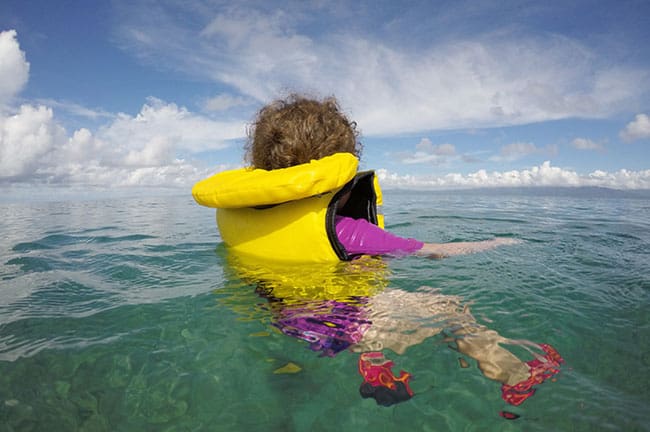
- Ensure all passengers wear life vests, especially children and weak swimmers
- Set and enforce safe passenger behavior
Most non-fatal accidents are entirely preventable with a commitment to safety and preparation.
FAQ – Non-Fatal Boating Accidents in Florida
What is the leading cause of non-fatal boating accidents in Florida?
Operator inattention and failure to maintain a proper lookout lead the list. Human error is responsible for the majority of incidents.
What should I do if I am injured in a Florida boating accident?
Call for help, report the accident to the authorities, document your injuries and the scene, seek medical attention, and consult an experienced personal injury lawyer.
Is alcohol a common cause of non-fatal boating injuries?
Yes. Even when not fatal, impairment often causes collisions, severe injuries, and falls overboard. BUI is prosecuted like DUI in Florida.
How do I prove who’s at fault after a boating accident?
Evidence such as witness statements, photos, voyage data, police reports, and expert analysis all play a role. A boat accident lawyer can help build a strong case.
Can I recover damages after a non-fatal boat accident?
If someone else’s negligence or recklessness caused your injury, you may claim for medical expenses, lost wages, and pain and suffering. A maritime lawyer helps ensure fair compensation.
What is The Injury Firm and how can they help?
The Injury Firm is an experienced Florida personal injury law firm with dedicated boat accident lawyers. They guide victims through every aspect of the legal claim process and work on contingency—no fees unless you recover damages.