Scuba Diving Accident – Florida Injury Lawyers | Your Guide to Rights & Compensation
If you or someone you love has suffered a scuba diving injury in Florida, expert legal guidance is critical for recovering damages and holding negligent parties accountable. Our injury firm specializes in diving accident cases involving equipment failure, poor instruction, dangerous conditions, and more. Find out what to do, who may be liable, and how to maximize your compensation.
What Is a Scuba Diving Accident?
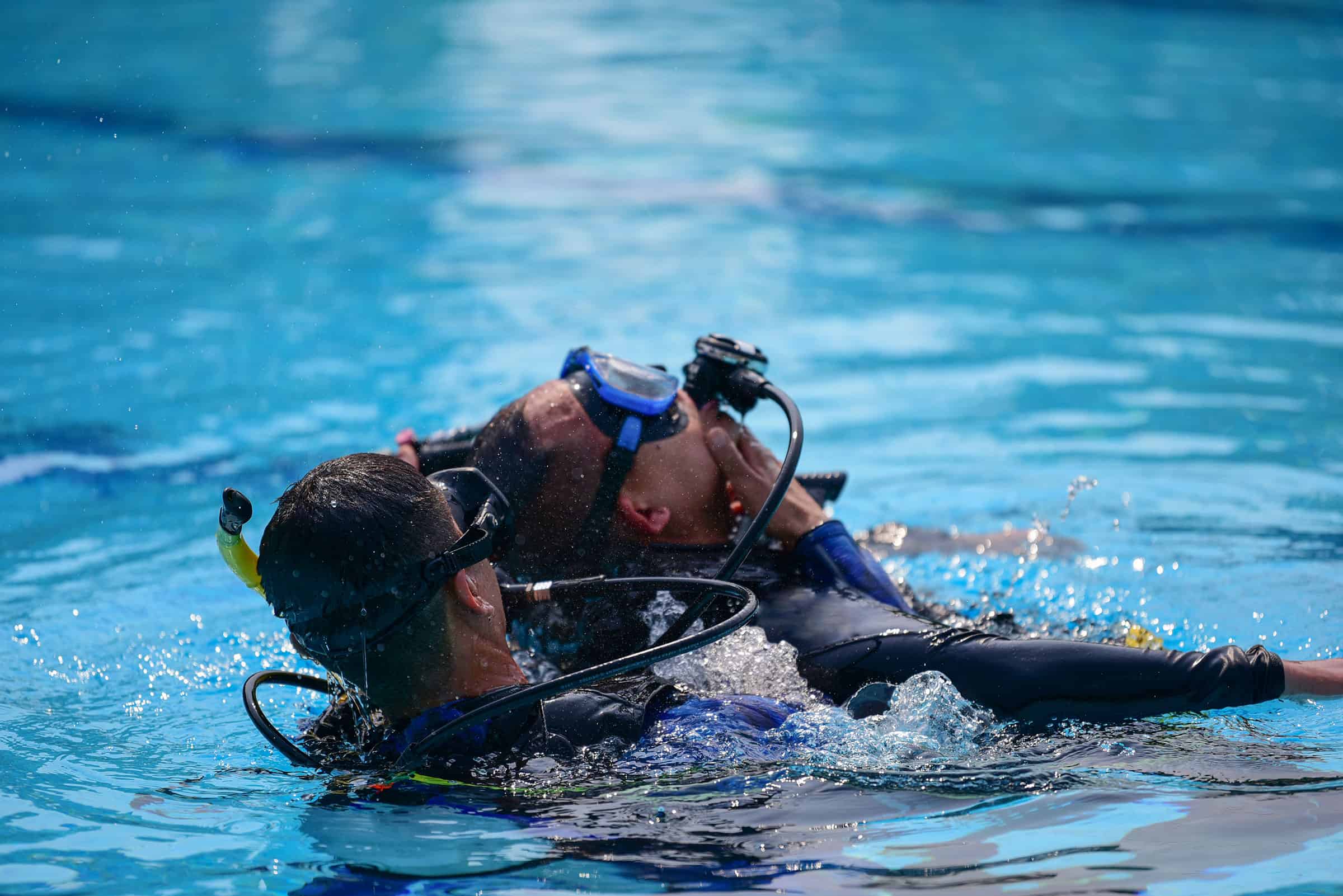
Scuba diving accidents happen far more frequently than most expect. Whether on a recreational tour, private charter, or as a professional diver, risks range from equipment failure and rapid ascents to boat strikes, decompression sickness, and drowning. Despite being a regulated and mostly safe activity, hundreds of Floridians—tourists and professionals alike—are injured every year in diving-related mishaps.
Injuries can include “the bends” (decompression sickness), brain or spinal injuries, hypoxia, slip/falls on vessels, equipment-induced trauma, or fatal drowning. These cases often require specialized legal expertise and medical analysis.
Common Causes of Diving Injuries
- Instructor, charter, or company negligence: Poor supervision, rushed training, inadequate screening, or unsafe dive site selection.
- Equipment failure: Leaking tanks, malfunctioning regulators, or poorly maintained rental gear.
- Environmental hazards: Rough seas, dangerous weather, strong currents, and proximity to vessel traffic.
- Poor emergency response: Delay or lack of rescue, absence of emergency oxygen, or lack of resuscitation training.
- Medical errors: Ignored pre-existing conditions, inadequate safety checks.
- Collisions: Run-overs by boats, propeller or hull strikes.
- Rapid ascent, oxygen deprivation, nitrogen narcosis, or decompression sickness.
Professional divers, recreational tourists, and charter customers can all suffer injury due to another’s negligence.
Liability in Florida Diving Accidents
Liability for diving accidents in Florida often involves complex maritime and state law. Potentially responsible parties include dive instructors, charter boat companies, dive shops, gear manufacturers, rental operators, and even boat crews transporting divers.
- Negligent supervision or instruction: Instructors may be held liable if safety protocols are ignored or the diver’s skill levels are misjudged.
- Dive companies and charters: These entities may be responsible for failing to screen for health risks, weather, or conditions, and failing to properly count/manage group dives.
- Equipment providers/rental shops: Poorly maintained, defective, or damaged equipment can shift liability to providers.
- Other divers or boat operators: If another party causes injury by recklessness or carelessness.
Florida law allows for shared liability: If multiple parties contributed to the accident, courts may divide fault and financial responsibility accordingly.
Compensation for Diving Injuries
Victims of scuba incidents may seek compensation for:
- Medical expenses (present and future)
- Lost wages and earning capacity
- Pain and suffering; emotional distress
- Permanent disability and home modifications
- Wrongful death damages for families
- Funeral expenses
- Loss of enjoyment, consortium, and lifestyle
- Punitive damages for gross negligence
Every case is unique. Personal injury attorneys analyze medical records, accident reports, and insurance to pursue the maximum recovery possible.
How Waivers Affect Your Claim
Most dive charters, shops, and instructional courses require liability waivers. Although these can reduce legal exposure, Florida courts may reject waivers in specific scenarios: for gross negligence, if dive conditions exceed your certifications, if you didn’t sign for the specific trip, or if equipment failures occur.
- Not all waivers are enforceable—especially for accidents resulting from non-customary risks or undisclosed hazards.
- Advanced dives require additional consent and training. Failing to provide either can void standard releases.
Legal review of waiver language is crucial to understand your position and options in a claim.
What to Do After an Accident
- Seek medical attention, even for minor symptoms. Many diving injuries progress rapidly and may not be obvious at the scen.
- Document everything—take photos of the scene, your equipment, any visible injuries, and gather contact details for witnesses and crew.
- Obtain written copies of accident, incident, and medical reports from the dive operator or charter.
- Preserve rental agreements, waiver forms, and receipts.
- Avoid signing further releases or providing written statements before speaking with an attorney.
- Contact an experienced Florida diving accident law firm for free case review.
Why Hire a Diving Accident Lawyer?
Scuba claims involve complex technical, maritime, state, and insurance law. Our attorneys:
- Investigate all circumstances, gathering critical evidence and expert testimony
- Determine liability—even if you signed a waiver
- Demand fair compensation and negotiate with insurance and at-fault parties
- Represent clients in trial, settlement, or mediation as needed
- Provide guidance through every step, from medical exams to court dates
We work on a contingency basis—no fee unless we win your case. Call for a free consultation.
FAQ: Scuba Diving Accidents
- What should I do after a scuba diving accident?
- Get medical help immediately, collect all evidence and witness information, and contact an attorney before signing documents.
- Who is liable for scuba diving injuries?
- Liability can belong to instructors, dive companies, rental shops, boat operators, or equipment manufacturers—depends on facts.
- Can I file a claim if I signed a waiver?
- Yes, waivers do not protect against gross negligence, unsafe instruction, or improper equipment. Courts frequently reject blanket immunity in severe cases.
- What compensation can I claim?
- Medical costs, lost wages, pain and suffering, wrongful death damages, and punitive damages for gross negligence or recklessness.
- How long do I have to file a claim?
- Florida typically allows two to four years; specific timelines depend on the claim’s details—consult an attorney for advice.
- What evidence helps my case?
- Photos, written reports, rental contracts, witness statements, injury documentation, and all communications with the dive operator.
- Can families sue for wrongful death?
- Yes, Florida law allows surviving families of scuba victims to seek damages including funeral expenses and loss of companionship.
- Do commercial/professional divers have different rights?
- Additional maritime law protections and employment statutes often apply. Attorneys with maritime law expertise are recommended for these cases.
- Should I speak with insurance companies?
- Avoid direct statements before legal counsel. Insurance agents may try to minimize your claim or shift blame.
- When should I call a lawyer?
- Immediately after a diving injury—act quickly to protect rights, preserve evidence, and initiate claims.