
PRACTICE AREA - CLASS ACTION
Product Liability Attorneys – Class Action Lawsuits: What Ingredient in Sunscreen Causes Cancer?
This page examines which sunscreen ingredients have been linked to cancer, the science behind benzene and chemical sunscreen recalls, regulatory warnings, and how Florida class action lawyers help patients file claims against manufacturers for injuries and exposure in 2025.
What Ingredient in Sunscreen Causes Cancer?
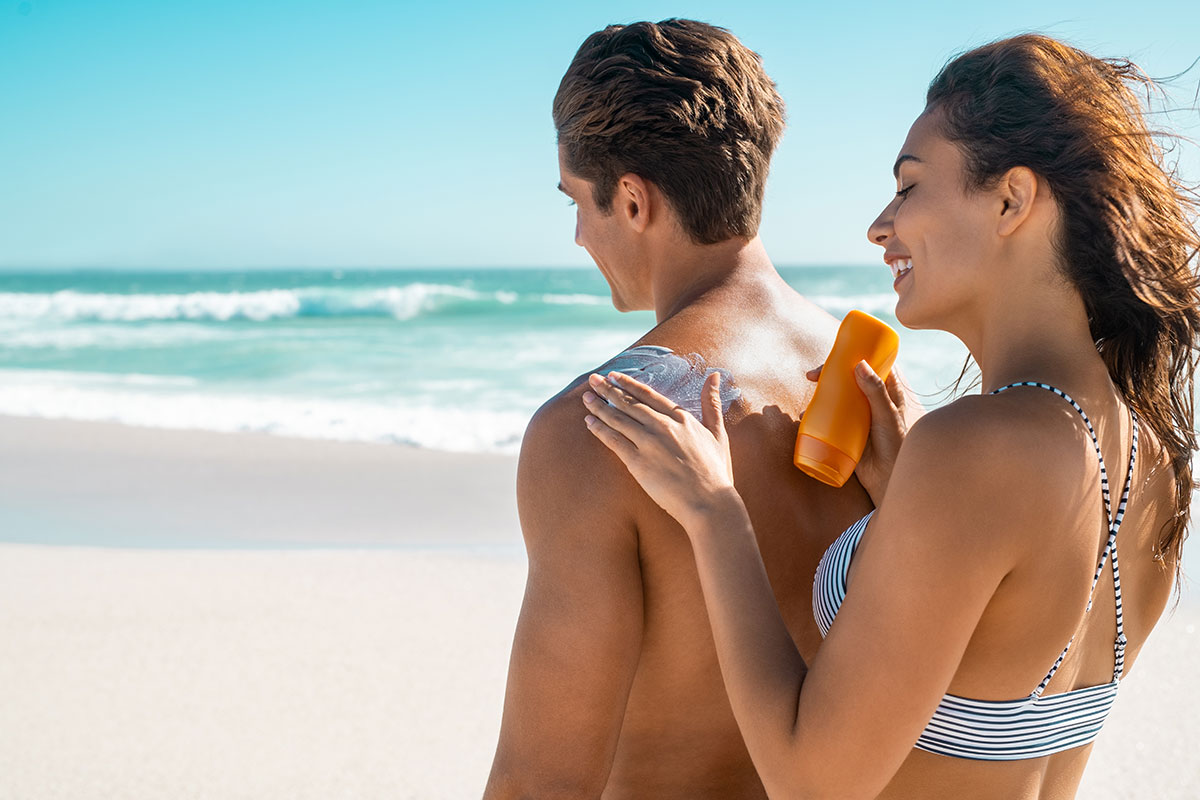
The most concerning ingredient found in U.S. sunscreen cancer lawsuits as of 2025 is benzene, a known human carcinogen. Benzene is not an intentional sunscreen ingredient but entered products as a contaminant—often from chemical propellants or manufacturing processes. In addition, a class of active ingredients called chemical UV filters (notably oxybenzone and octinoxate) has drawn scrutiny for potential cancer or hormone disruption risks, though scientific consensus is stronger for benzene’s carcinogenicity.
- Benzene exposure has been directly linked to blood cancers like leukemia, aplastic anemia, and lymphoma.
- The International Agency for Research on Cancer (IARC) and the U.S. CDC classify benzene as a Group 1 carcinogen.
- Concerns also surround oxybenzone’s hormone effects and possible links to breast, prostate, and other cancers, but further research is ongoing.
Why Are There Sunscreen Cancer Class Action Lawsuits?
In 2021–2025, independent labs and the FDA discovered unsafe benzene levels in dozens of popular sunscreen brands, triggering recalls of products from Neutrogena, Banana Boat, Aveeno, CVS, Coppertone, and more. Lawsuits allege manufacturers failed to test for contaminants and misled consumers into believing their products were safe despite the risk of cancer-causing chemicals.
- Benzene-tainted sunscreens were sold throughout the U.S.—including Florida, where sun protection is essential and usage rates are high.
- Class actions allege breach of warranty, deception, and product liability for benzene and other unlisted toxins, seeking damages and medical monitoring for class members nationwide.
- Mass tort settlements are expected; early results include multi-million dollar settlements and forced changes to product testing and labeling at many companies.
What the Science Says in 2025
Peer-reviewed research links chronic benzene exposure—even in trace amounts and through the skin—to increased risk of leukemia, lymphoma, blood disorders, and lower immune function. Recent studies also confirm that sunscreen chemicals are rapidly absorbed and can be measured in blood and urine days after use, with debated long-term effects.
- Benzene is unsafe at any chronic dose, and the FDA’s maximum allowed concentration is 2 ppm in medical products (zero is preferred in over-the-counter items).
- Oxybenzone, avobenzone, octisalate, homosalate, and octocrylene are increasingly under review for hormone, fertility, thyroid, and chronic disease effects in both humans and wildlife.
- Mineral sunscreens (zinc oxide, titanium dioxide) are generally considered safer, non-hormonal, and effective with no known cancer risk at normal doses.
As of October 2025, sunscreen cancer class action and product liability lawsuits continue to grow, with nearly 2,000 cases pending in federal and state courts—including key venues in Florida. Most cases target Johnson & Johnson (Neutrogena, Aveeno), Edgewell (Banana Boat), and other major brands for selling sunscreens contaminated with benzene or failing to warn about other carcinogens. While earlier consumer settlements have paid out vouchers and refunds (like the $1.75M Neutrogena/Aveeno settlement), many newer suits seek monetary damages for users diagnosed with blood cancers (especially leukemia and lymphoma) after regular prolonged use. Recent federal court rulings have allowed both consumer fraud and traditional tort (cancer injury) claims to proceed, and multidistrict litigation is coordinated in Fort Lauderdale. Florida and Connecticut, among other states, have certified subclasses for local purchasers. Settlement negotiations and bellwether trials are ongoing, but no national “all cases” cancer compensation fund is finalized yet. Plaintiffs with documented high benzene exposure and a qualifying cancer diagnosis are currently the strongest candidates for large compensation or early settlement.
Which Brands and Products Are Involved?
- Extensive recalls (2021–2024) impacted aerosol and lotion sunscreens from Johnson & Johnson (Neutrogena, Aveeno), Edgewell (Banana Boat), Coppertone, CVS, Walgreens, Target (Up & Up), Kroger, and private labels.
- Products with confirmed benzene contamination appear on FDA safety alerts and regularly updated recall lists.
- No broad “all brands” recall, but over 78 unique products—including baby and children’s sunscreens—were involved in one or more class actions in Florida and across the U.S.
Always check current FDA recalls and scan for ingredient lists and batch numbers before continued use or disposal.
Other Notorious Sunscreen Chemicals
- Oxybenzone: Absorbed through skin—linked to hormone disruption, cell damage, possible carcinogenicity, and coral reef damage.
- Octinoxate & Octocrylene: Possible hormone disruptors under continuing cancer safety review.
- Retinyl palmitate: Some rodent studies suggest it may speed skin tumor growth with intense UV exposure.
- Homosalate & Avobenzone: Under scrutiny for cellular mutation, hormone, and thyroid effects.
Europe and Hawaii now ban several of these chemicals due to environmental and potential health risks.
Do I Qualify to Join a Sunscreen Cancer Lawsuit?
- Used a recalled, benzene-contaminated sunscreen between 2021–2025 (lot codes and product lists available on FDA and attorney websites).
- Diagnosed with leukemia, lymphoma, myelodysplastic syndrome, or other blood cancer after using contaminated sunscreen regularly and chronically (≥ 6 months preferred for strongest claims).
- Purchasers of recalled sunscreens may qualify for partial refund and class action consumer fraud settlement regardless of cancer diagnosis.
- Diagnosis of hormone disorders, infertility, or severe rashes after long-term use may also support claims with supporting medical evidence.
Not all users will qualify for cancer-linked settlements, but all who purchased benzene sunscreens between 2021–2024 can join most class actions for economic damages or medical monitoring. Consult a product liability attorney to check eligibility and gather required product or medical proof.
What Compensation Is Available?
- Reimbursement for purchase of recalled or contaminated sunscreens and out-of-pocket medical monitoring costs.
- Compensation for cancer treatment: diagnosis, chemotherapy, bone marrow transplant, long-term medical costs.
- Pain, suffering, lost wages, and wrongful death for qualifying cancer or chronic disease claims.
- Economic relief as part of consumer fraud/protection lawsuits regardless of illness—partial refunds or coupons.
- Punitive damages in select cases of gross negligence or willful safety violation by the manufacturer.
Settlements for blood cancer and mesothelioma claims have already ranged from $50,000 to over $300,000 depending on medical documentation and severity. Florida cases are expected to trend higher due to high sunscreen usage and sun-exposure rates.
Florida Product Liability Law & Sunshine State Lawsuits
- Florida courts handle some of the largest sunscreen product liability class actions due to year-round use and high melanoma rates.
- The Injury Firm partners with dermatologists, oncologists, and epidemiologists to build cases statewide.
- Florida’s product liability statutes, consumer protection provisions, and strong jury verdict histories often result in higher settlements compared to other states.
- Majority of beach and pool products recalled were distributed in Miami-Dade, Broward, Orlando, Tampa, and West Palm Beach.
Status changes often—consult a lawyer before discarding recalled sunscreen, and keep photos, lot numbers, and receipts if possible.
FAQ: Sunscreen Ingredient Cancer Lawsuits
- What sunscreen ingredient causes cancer?
- Benzene—a contaminant, not an active ingredient. Oxybenzone and other chemical UV filters are under review for additional risks.
- Is there still benzene in 2025 sunscreens sold in the U.S.?
- Regulations have reduced contamination, but surprise test results in 2025 still found benzene in select new products. Always check lot-specific recall lists.
- Who are the main defendants in sunscreen class actions?
- Neutrogena, Banana Boat, Aveeno, Coppertone, CVS, and other major manufacturers and retailers.
- Do mineral sunscreens also cause cancer?
- No. Zinc oxide and titanium dioxide in non-aerosol, reef-safe brands are regarded as safe and effective alternatives.
- Can I still join if I didn’t get cancer?
- Yes—for refund/economic loss claims, anyone who purchased a recalled sunscreen may participate even without diagnosis.
- Are some Florida courts handling multiple class actions?
- Yes—especially in Miami, Fort Lauderdale, Tampa, and Orlando.
- What is my potential compensation?
- Economic class action claims: $10–$50; Cancer or serious injury claims: $50,000–$300,000+ depending on medical records and losses.
Contact a Florida Sunscreen Product Liability Class Action Lawyer
If you or a loved one was exposed to contaminated or cancerous sunscreen and suffered cancer, blood disease, or serious illness, don't wait. Contact The Injury Firm at (954) 951‑0000 or use our secure form for a free evaluation. Our attorneys fight for maximum compensation in Florida and nationwide, with no fees unless you win.
CONTACT US NOW
FREE CONSULTATION


Product Liability Attorneys – Class Action Lawsuits: What Ingredient in Sunscreen Causes Cancer?
This page examines which sunscreen ingredients have been linked to cancer, the science behind benzene and chemical sunscreen recalls, regulatory warnings, and how Florida class action lawyers help patients file claims against manufacturers for injuries and exposure in 2025.
What Ingredient in Sunscreen Causes Cancer?
The most concerning ingredient found in U.S. sunscreen cancer lawsuits as of 2025 is benzene, a known human carcinogen. Benzene is not an intentional sunscreen ingredient but entered products as a contaminant—often from chemical propellants or manufacturing processes. In addition, a class of active ingredients called chemical UV filters (notably oxybenzone and octinoxate) has drawn scrutiny for potential cancer or hormone disruption risks, though scientific consensus is stronger for benzene’s carcinogenicity.
- Benzene exposure has been directly linked to blood cancers like leukemia, aplastic anemia, and lymphoma.
- The International Agency for Research on Cancer (IARC) and the U.S. CDC classify benzene as a Group 1 carcinogen.
- Concerns also surround oxybenzone’s hormone effects and possible links to breast, prostate, and other cancers, but further research is ongoing.
Why Are There Sunscreen Cancer Class Action Lawsuits?
In 2021–2025, independent labs and the FDA discovered unsafe benzene levels in dozens of popular sunscreen brands, triggering recalls of products from Neutrogena, Banana Boat, Aveeno, CVS, Coppertone, and more. Lawsuits allege manufacturers failed to test for contaminants and misled consumers into believing their products were safe despite the risk of cancer-causing chemicals.
- Benzene-tainted sunscreens were sold throughout the U.S.—including Florida, where sun protection is essential and usage rates are high.
- Class actions allege breach of warranty, deception, and product liability for benzene and other unlisted toxins, seeking damages and medical monitoring for class members nationwide.
- Mass tort settlements are expected; early results include multi-million dollar settlements and forced changes to product testing and labeling at many companies.
What the Science Says in 2025
Peer-reviewed research links chronic benzene exposure—even in trace amounts and through the skin—to increased risk of leukemia, lymphoma, blood disorders, and lower immune function. Recent studies also confirm that sunscreen chemicals are rapidly absorbed and can be measured in blood and urine days after use, with debated long-term effects.
- Benzene is unsafe at any chronic dose, and the FDA’s maximum allowed concentration is 2 ppm in medical products (zero is preferred in over-the-counter items).
- Oxybenzone, avobenzone, octisalate, homosalate, and octocrylene are increasingly under review for hormone, fertility, thyroid, and chronic disease effects in both humans and wildlife.
- Mineral sunscreens (zinc oxide, titanium dioxide) are generally considered safer, non-hormonal, and effective with no known cancer risk at normal doses.
As of October 2025, sunscreen cancer class action and product liability lawsuits continue to grow, with nearly 2,000 cases pending in federal and state courts—including key venues in Florida. Most cases target Johnson & Johnson (Neutrogena, Aveeno), Edgewell (Banana Boat), and other major brands for selling sunscreens contaminated with benzene or failing to warn about other carcinogens. While earlier consumer settlements have paid out vouchers and refunds (like the $1.75M Neutrogena/Aveeno settlement), many newer suits seek monetary damages for users diagnosed with blood cancers (especially leukemia and lymphoma) after regular prolonged use. Recent federal court rulings have allowed both consumer fraud and traditional tort (cancer injury) claims to proceed, and multidistrict litigation is coordinated in Fort Lauderdale. Florida and Connecticut, among other states, have certified subclasses for local purchasers. Settlement negotiations and bellwether trials are ongoing, but no national “all cases” cancer compensation fund is finalized yet. Plaintiffs with documented high benzene exposure and a qualifying cancer diagnosis are currently the strongest candidates for large compensation or early settlement.
Which Brands and Products Are Involved?
- Extensive recalls (2021–2024) impacted aerosol and lotion sunscreens from Johnson & Johnson (Neutrogena, Aveeno), Edgewell (Banana Boat), Coppertone, CVS, Walgreens, Target (Up & Up), Kroger, and private labels.
- Products with confirmed benzene contamination appear on FDA safety alerts and regularly updated recall lists.
- No broad “all brands” recall, but over 78 unique products—including baby and children’s sunscreens—were involved in one or more class actions in Florida and across the U.S.
Always check current FDA recalls and scan for ingredient lists and batch numbers before continued use or disposal.
Other Notorious Sunscreen Chemicals
- Oxybenzone: Absorbed through skin—linked to hormone disruption, cell damage, possible carcinogenicity, and coral reef damage.
- Octinoxate & Octocrylene: Possible hormone disruptors under continuing cancer safety review.
- Retinyl palmitate: Some rodent studies suggest it may speed skin tumor growth with intense UV exposure.
- Homosalate & Avobenzone: Under scrutiny for cellular mutation, hormone, and thyroid effects.
Europe and Hawaii now ban several of these chemicals due to environmental and potential health risks.
Do I Qualify to Join a Sunscreen Cancer Lawsuit?
- Used a recalled, benzene-contaminated sunscreen between 2021–2025 (lot codes and product lists available on FDA and attorney websites).
- Diagnosed with leukemia, lymphoma, myelodysplastic syndrome, or other blood cancer after using contaminated sunscreen regularly and chronically (≥ 6 months preferred for strongest claims).
- Purchasers of recalled sunscreens may qualify for partial refund and class action consumer fraud settlement regardless of cancer diagnosis.
- Diagnosis of hormone disorders, infertility, or severe rashes after long-term use may also support claims with supporting medical evidence.
Not all users will qualify for cancer-linked settlements, but all who purchased benzene sunscreens between 2021–2024 can join most class actions for economic damages or medical monitoring. Consult a product liability attorney to check eligibility and gather required product or medical proof.
What Compensation Is Available?
- Reimbursement for purchase of recalled or contaminated sunscreens and out-of-pocket medical monitoring costs.
- Compensation for cancer treatment: diagnosis, chemotherapy, bone marrow transplant, long-term medical costs.
- Pain, suffering, lost wages, and wrongful death for qualifying cancer or chronic disease claims.
- Economic relief as part of consumer fraud/protection lawsuits regardless of illness—partial refunds or coupons.
- Punitive damages in select cases of gross negligence or willful safety violation by the manufacturer.
Settlements for blood cancer and mesothelioma claims have already ranged from $50,000 to over $300,000 depending on medical documentation and severity. Florida cases are expected to trend higher due to high sunscreen usage and sun-exposure rates.
Florida Product Liability Law & Sunshine State Lawsuits
- Florida courts handle some of the largest sunscreen product liability class actions due to year-round use and high melanoma rates.
- The Injury Firm partners with dermatologists, oncologists, and epidemiologists to build cases statewide.
- Florida’s product liability statutes, consumer protection provisions, and strong jury verdict histories often result in higher settlements compared to other states.
- Majority of beach and pool products recalled were distributed in Miami-Dade, Broward, Orlando, Tampa, and West Palm Beach.
Status changes often—consult a lawyer before discarding recalled sunscreen, and keep photos, lot numbers, and receipts if possible.
FAQ: Sunscreen Ingredient Cancer Lawsuits
- What sunscreen ingredient causes cancer?
- Benzene—a contaminant, not an active ingredient. Oxybenzone and other chemical UV filters are under review for additional risks.
- Is there still benzene in 2025 sunscreens sold in the U.S.?
- Regulations have reduced contamination, but surprise test results in 2025 still found benzene in select new products. Always check lot-specific recall lists.
- Who are the main defendants in sunscreen class actions?
- Neutrogena, Banana Boat, Aveeno, Coppertone, CVS, and other major manufacturers and retailers.
- Do mineral sunscreens also cause cancer?
- No. Zinc oxide and titanium dioxide in non-aerosol, reef-safe brands are regarded as safe and effective alternatives.
- Can I still join if I didn’t get cancer?
- Yes—for refund/economic loss claims, anyone who purchased a recalled sunscreen may participate even without diagnosis.
- Are some Florida courts handling multiple class actions?
- Yes—especially in Miami, Fort Lauderdale, Tampa, and Orlando.
- What is my potential compensation?
- Economic class action claims: $10–$50; Cancer or serious injury claims: $50,000–$300,000+ depending on medical records and losses.
Contact a Florida Sunscreen Product Liability Class Action Lawyer
If you or a loved one was exposed to contaminated or cancerous sunscreen and suffered cancer, blood disease, or serious illness, don't wait. Contact The Injury Firm at (954) 951‑0000 or use our secure form for a free evaluation. Our attorneys fight for maximum compensation in Florida and nationwide, with no fees unless you win.
PRACTICE AREA -CLASS ACTION