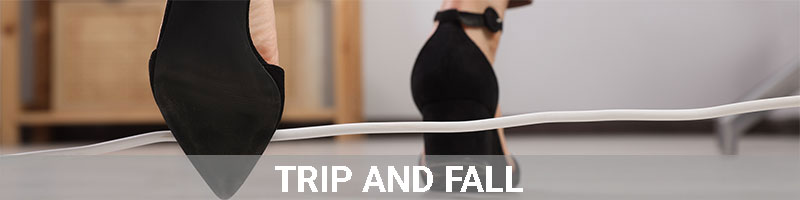
PRACTICE AREA - TRIP AND FALL ACCIDENTS
Trip and Fall Accident Lawyer in Florida: Expert Legal Representation for Premises Liability Claims
Quick Navigation
Trip and Fall Accident Lawyer in Florida: Expert Legal Representation for Premises Liability Claims
Trip and fall accidents are among the most common causes of serious injuries in Florida, often resulting from negligent property maintenance and unsafe conditions. These accidents can cause devastating injuries including broken bones, head trauma, spinal cord damage, and permanent disabilities that drastically impact your quality of life and financial security.
At The Injury Firm, our experienced trip and fall accident attorneys understand the complex nature of premises liability law and fight aggressively to hold negligent property owners accountable. We've recovered millions of dollars for clients injured in trip and fall accidents throughout Florida and are ready to fight for the compensation you deserve.
What is a Trip and Fall Accident?
A trip and fall accident occurs when a person loses their balance and falls due to an obstruction, uneven surface, or hazardous condition on someone else's property. Unlike slip and fall accidents which typically involve wet or slippery surfaces, trip and fall incidents are caused by physical obstacles or elevation changes that catch a person off guard.
Legal Elements of a Trip and Fall Case
For a successful trip and fall claim in Florida, four key elements must be established:
- Dangerous condition - A hazardous condition existed on the property
- Knowledge - The property owner knew or should have known about the condition
- Causation - The dangerous condition directly caused your injuries
- Negligence - The property owner failed to remedy the condition or warn visitors
Difference Between Trip and Fall vs. Slip and Fall
While often used interchangeably, these accident types have distinct characteristics:
- Trip and fall - Caused by obstacles, uneven surfaces, or elevation changes
- Slip and fall - Caused by wet, icy, or slippery surfaces
- Step and fall - Caused by unexpected holes, drops, or missing steps
Common Causes of Trip and Fall Accidents in Florida
Florida's climate, construction boom, and high pedestrian traffic create numerous conditions that can lead to trip and fall accidents. Understanding these common causes helps identify liability and prevent future incidents.
Sidewalk and Walkway Hazards
- Cracked or uneven sidewalks - Shifting due to tree roots, settling, or poor construction
- Broken concrete - Deteriorated walkways with missing chunks or protruding rebar
- Elevation changes - Unmarked steps, ramps, or level transitions
- Construction debris - Materials, tools, or equipment left in walkways
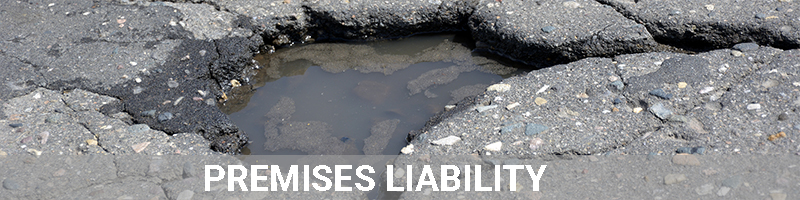
- Poorly maintained pavement - Potholes, loose gravel, or deteriorating surfaces
Building and Structure Issues
- Defective stairs - Uneven steps, loose treads, or incorrect rise and run measurements
- Missing or broken handrails - Inadequate support on stairs and ramps
- Poor lighting - Insufficient illumination hiding hazards
- Loose carpeting or flooring - Wrinkled rugs, torn carpet, or loose tiles
- Threshold transitions - Abrupt changes between different flooring materials
Outdoor Environmental Hazards
- Parking lot defects - Potholes, speed bumps, and wheel stops
- Landscaping hazards - Overgrown vegetation, exposed sprinkler heads, or garden borders
- Weather-related conditions - Wet leaves, storm debris, or damaged surfaces
- Construction zones - Inadequately marked work areas and temporary walkways
Commercial Property Hazards
- Retail store obstacles - Merchandise, cords, or cleaning equipment in aisles
- Restaurant hazards - Bar rails, uneven dining areas, or kitchen spills
- Office building issues - Temporary barriers, maintenance equipment, or elevator thresholds
- Hotel and resort dangers - Pool areas, walkways, and outdoor entertainment spaces
Property Owner Responsibilities Under Florida Law
Florida law imposes specific duties on property owners to maintain safe conditions for visitors. The extent of these duties depends on the visitor's legal status and the type of property.
Duty of Care Based on Visitor Status
Invitees (Highest Duty)
Business customers and invited guests receive the highest level of protection:
- Regular inspection for hazards
- Prompt repair of dangerous conditions
- Warning of known hazards that cannot be immediately fixed
- Reasonable care to ensure visitor safety
Licensees (Moderate Duty)
Social guests and others with permission to be on the property:
- Warning of known dangerous conditions
- No duty to inspect for unknown hazards
- Must not willfully or wantonly injure the visitor
Trespassers (Limited Duty)
Unauthorized visitors receive minimal protection:
- No intentional harm
- Special rules for child trespassers (attractive nuisance doctrine)
- Warning of hidden, deadly conditions if known
Specific Property Owner Obligations
- Regular maintenance - Systematic inspection and repair schedules
- Adequate lighting - Sufficient illumination in all common areas
- Clear walkways - Removal of obstacles and debris
- Proper signage - Warning signs for temporary or permanent hazards
- Code compliance - Meeting building and safety regulations
- Record keeping - Documenting maintenance and incident reports
Common Types of Trip and Fall Injuries
Trip and fall accidents often result in severe injuries due to the sudden, unexpected nature of the fall and the inability to brace for impact.
Fractures and Broken Bones
- Hip fractures - Particularly common in elderly victims
- Wrist and arm fractures - From attempting to break the fall
- Ankle and foot fractures - From the initial tripping motion
- Facial fractures - When victims fall forward onto hard surfaces
- Compression fractures - Spinal injuries from hard landings
Head and Brain Injuries
- Traumatic brain injury (TBI) - From head impact with ground or objects
- Concussions - Mild to severe brain trauma
- Skull fractures - Direct impact injuries
- Facial injuries - Cuts, bruises, and dental damage
- Eye injuries - From debris or direct impact
Spinal Cord and Back Injuries
- Herniated discs - Pressure on spinal nerves causing pain and numbness
- Spinal cord injuries - Potentially causing paralysis
- Muscle strains and sprains - Soft tissue damage from sudden movements
- Pinched nerves - Compression causing radiating pain
Soft Tissue Injuries
- Sprains and strains - Damage to ligaments and muscles
- Contusions and bruising - Impact-related tissue damage
- Lacerations - Cuts from rough surfaces or debris
- Joint injuries - Damage to knees, shoulders, and other joints
Proving Liability and Negligence in Trip and Fall Cases
Successfully proving liability in a trip and fall case requires demonstrating that the property owner's negligence directly caused your injuries.
Establishing the Elements of Negligence
Duty of Care
Property owners have a legal obligation to maintain reasonably safe conditions based on the visitor's status and the type of property.
Breach of Duty
The property owner failed to meet their obligation by:
- Creating the dangerous condition
- Failing to discover the condition through reasonable inspection
- Knowing about the condition but failing to fix or warn about it
Causation
The dangerous condition must be both the factual and legal cause of your injuries:
- Factual causation - But for the hazard, the accident wouldn't have occurred
- Legal causation - The injury was a foreseeable result of the negligence
Damages
You must have suffered actual harm as a result of the accident, including physical injuries, medical expenses, and other losses.
Common Defenses Property Owners Use
- Open and obvious defense - Claiming the hazard was clearly visible
- Comparative negligence - Arguing the victim was partially at fault
- No notice defense - Claiming they didn't know about the condition
- Lack of causation - Arguing something else caused the fall
- Assumption of risk - Claiming the victim voluntarily encountered the danger
Critical Evidence Collection and Documentation
Strong evidence is essential for winning trip and fall cases. The quality and quantity of evidence often determines the success of your claim.
Immediate Scene Documentation
- Photographs - Multiple angles of the hazardous condition, your injuries, and surrounding area
- Video recordings - Showing the extent and context of the dangerous condition
- Measurements - Height of obstacles, width of cracks, or depth of holes
- Lighting conditions - Time of day, weather, and visibility factors
- Witness information - Contact details and statements from bystanders
Property Records and Documentation
- Maintenance records - Evidence of inspection schedules and repairs
- Incident reports - Previous accidents or complaints about the same hazard
- Construction permits - For work that may have created the dangerous condition
- Insurance policies - Coverage details and policy limits
- Security footage - Video surveillance of the accident
Medical Evidence
- Emergency room records - Initial diagnosis and treatment
- Diagnostic imaging - X-rays, MRIs, CT scans showing injuries
- Treatment records - All medical care related to your injuries
- Expert medical testimony - Professional opinions on injury causation and prognosis
- Rehabilitation records - Physical therapy and ongoing treatment
Types of Compensation Available for Trip and Fall Victims
Trip and fall accident victims may be entitled to various types of compensation depending on the severity of their injuries and the impact on their lives.
Economic Damages
- Medical expenses - All current and future medical treatment costs
- Lost wages - Income lost due to inability to work
- Lost earning capacity - Reduced ability to earn income in the future
- Rehabilitation costs - Physical therapy, occupational therapy, and adaptive equipment
- Home modifications - Accessibility improvements for disabled victims
- Transportation costs - Medical appointments and treatment-related travel
Non-Economic Damages
- Pain and suffering - Physical pain and emotional distress
- Mental anguish - Anxiety, depression, and psychological trauma
- Loss of enjoyment of life - Inability to participate in previously enjoyed activities
- Disfigurement - Permanent scarring or physical changes
- Loss of consortium - Impact on relationships with spouse and family
- Disability - Permanent limitations on daily activities
Punitive Damages
In cases involving particularly egregious conduct, punitive damages may be awarded to:
- Punish the property owner for gross negligence
- Deter similar dangerous conduct by others
- Send a message about the importance of property maintenance
Florida Trip and Fall Laws and Legal Standards
Florida has specific laws and legal standards that affect trip and fall cases, including statutes of limitations and comparative negligence rules.
Statute of Limitations
- Two-year deadline - Must file lawsuit within two years of the accident
- Discovery rule - Timeline may start when injury is discovered
- Government entities - Shorter notice requirements for claims against cities or counties
- Exceptions - Special rules for minors and disabled individuals
Comparative Negligence System
Florida follows a pure comparative negligence system:
- You can recover damages even if partially at fault
- Compensation reduced by your percentage of fault
- No bar to recovery regardless of fault percentage
- Jury determines fault allocation at trial
Florida-Specific Considerations
- Dangerous instrumentality doctrine - Special liability rules for certain hazards
- Sovereign immunity - Limited liability for government entities
- Dramshop laws - Liability for alcohol-related accidents
- Construction defect laws - Special rules for building-related hazards
Essential Steps to Take After a Trip and Fall Accident
The actions you take immediately after a trip and fall accident can significantly impact your ability to recover compensation.
Immediate Actions at the Scene
- Seek medical attention - Even if injuries seem minor, get evaluated
- Report the accident - Notify property owner, manager, or security
- Document everything - Photos, measurements, and written notes
- Gather witness information - Names, contact details, and statements
- Preserve evidence - Don't let anyone clean up or repair the hazard
- Get incident report copy - Request copy of any reports filed
Follow-Up Actions
- Get comprehensive medical evaluation - Some injuries may not be immediately apparent
- Keep detailed records - All medical treatment, expenses, and lost wages
- Contact an attorney - Consult with experienced trip and fall lawyer
- Avoid recorded statements - Don't give statements to insurance companies without legal counsel
- Preserve physical evidence - Keep clothing, shoes, and any damaged items
Choosing the Right Trip and Fall Attorney
Selecting an experienced trip and fall attorney is crucial for the success of your case and the compensation you receive.
Essential Qualifications
- Premises liability experience - Specific expertise in trip and fall cases
- Trial experience - Willingness and ability to take cases to court
- Local knowledge - Understanding of Florida laws and local courts
- Resources - Ability to hire experts and conduct thorough investigations
- Track record - History of successful settlements and verdicts
Questions to Ask Potential Attorneys
- How many trip and fall cases have you handled?
- What was the average settlement in similar cases?
- How do you prove property owner negligence?
- What experts do you work with?
- How do you handle cases with comparative negligence?
- What is your trial success rate?
Settlement vs. Trial: What to Expect
Most trip and fall cases settle out of court, but understanding both processes helps you make informed decisions about your case.
Settlement Process
- Investigation phase - Gathering evidence and building your case
- Demand letter - Formal request for compensation
- Negotiations - Back-and-forth discussions with insurance companies
- Mediation - Neutral third-party helps facilitate agreement
- Final settlement - Binding agreement for compensation
Trial Process
- Filing lawsuit - Formal legal action against property owner
- Discovery - Exchange of evidence and depositions
- Expert testimony - Professional opinions on negligence and damages
- Jury trial - Presentation of evidence to jury
- Verdict - Jury decision on liability and damages
Trip and Fall Prevention Tips
While property owners bear primary responsibility for maintaining safe conditions, visitors can take steps to reduce their risk of trip and fall accidents.
Personal Safety Measures
- Stay alert - Avoid distractions like phones while walking
- Wear appropriate footwear - Good traction and proper fit
- Use handrails - When available on stairs and ramps
- Walk slowly in unfamiliar areas - Take time to assess conditions
- Report hazards - Notify property owners of dangerous conditions
Environmental Awareness
- Watch for uneven surfaces and elevation changes
- Be extra cautious in poorly lit areas
- Avoid walking through construction zones when possible
- Pay attention to weather conditions affecting walkways
- Use designated walkways and avoid shortcuts
Frequently Asked Questions About Trip and Fall Accidents
What's the difference between a trip and fall and slip and fall accident?
Trip and fall accidents are caused by obstacles, uneven surfaces, or elevation changes that catch your foot or leg, while slip and fall accidents are caused by wet, icy, or slippery surfaces that cause you to lose traction. Both types of accidents can result in serious injuries and may be grounds for premises liability claims.
How long do I have to file a trip and fall lawsuit in Florida?
In Florida, you generally have two years from the date of the accident to file a personal injury lawsuit. However, there may be shorter deadlines for claims against government entities, so it's important to consult with an attorney as soon as possible after your accident.
Can I still recover compensation if I was partially at fault for my trip and fall?
Yes, Florida follows a pure comparative negligence system, which means you can still recover compensation even if you were partially at fault for the accident. However, your compensation will be reduced by your percentage of fault. For example, if you're found 20% at fault, you would recover 80% of your damages.
What types of compensation can I recover for my trip and fall injuries?
You may be entitled to compensation for medical expenses, lost wages, lost earning capacity, pain and suffering, mental anguish, loss of enjoyment of life, and other damages. In cases involving gross negligence, punitive damages may also be awarded.
How do I prove that the property owner was negligent?
To prove negligence, you must show that the property owner had a duty to maintain safe conditions, breached that duty by failing to address a hazardous condition, and that this breach directly caused your injuries. Evidence such as photographs, maintenance records, witness statements, and expert testimony can help establish negligence.
What if the property owner claims the hazard was "open and obvious"?
The "open and obvious" defense doesn't automatically bar recovery in Florida. Even if a hazard is visible, property owners may still be liable if they should have anticipated that visitors might be distracted or encounter the hazard despite its visibility. An experienced attorney can help counter this defense.
Should I accept the property owner's insurance company's settlement offer?
You should never accept a settlement offer without first consulting with an experienced trip and fall attorney. Initial offers are often much lower than the true value of your claim. An attorney can evaluate whether the offer is fair and negotiate for better compensation if needed.
What evidence should I collect after a trip and fall accident?
Important evidence includes photographs of the hazardous condition and your injuries, contact information for witnesses, incident reports, medical records, and any maintenance or inspection records related to the area where you fell. The more evidence you can gather, the stronger your case will be.
How much is my trip and fall case worth?
The value of your case depends on factors such as the severity of your injuries, medical expenses, lost wages, pain and suffering, and the degree of the property owner's negligence. An experienced attorney can evaluate your specific circumstances and provide an estimate of potential compensation.
Will my case go to trial?
Most trip and fall cases settle out of court through negotiations between your attorney and the property owner's insurance company. However, if a fair settlement cannot be reached, your case may need to go to trial. Your attorney will advise you on the best strategy for your specific situation.
Contact Our Experienced Trip and Fall Accident Attorneys
Don't let a trip and fall accident derail your life and financial future. At The Injury Firm, our experienced Florida trip and fall attorneys understand the complexities of premises liability law and fight aggressively to hold negligent property owners accountable for their unsafe conditions.
Why Choose The Injury Firm for Your Trip and Fall Case
- Free consultation - No obligation case evaluation with experienced attorneys
- Contingency fee basis - No attorney fees unless we win your case
- Proven results - Millions recovered in trip and fall settlements and verdicts
- Thorough investigation - Comprehensive evidence gathering and expert consultation
- Insurance company experience - We know their tactics and how to counter them
- Trial-ready representation - Prepared to take your case to court when necessary
- 24/7 availability - Always accessible when you need legal guidance
- Statewide service - Representing clients throughout Florida
Our Comprehensive Trip and Fall Services
- Immediate scene investigation - Preserving crucial evidence before it's lost
- Expert witness coordination - Safety engineers, medical professionals, and accident reconstructionists
- Medical care coordination - Ensuring you receive proper treatment and documentation
- Insurance negotiations - Aggressive advocacy for fair settlements
- Litigation support - Trial-ready representation when needed
- Damage calculation - Comprehensive assessment of all current and future losses
Common Trip and Fall Locations We Handle
Our attorneys have experience with trip and fall accidents at:
- Retail stores and shopping centers
- Restaurants and entertainment venues
- Office buildings and business complexes
- Hotels and resort properties
- Apartment complexes and condominiums
- Sidewalks and public walkways
- Parking lots and garages
- Construction sites and work zones
- Schools and educational facilities
- Medical facilities and hospitals
Serving Trip and Fall Victims Throughout Florida
The Injury Firm represents trip and fall accident victims in all Florida counties, including:
- Broward County (Fort Lauderdale, Hollywood, Pembroke Pines)
- Miami-Dade County (Miami, Hialeah, Homestead)
- Palm Beach County (West Palm Beach, Boca Raton, Delray Beach)
- Orange County (Orlando, Winter Park, Apopka)
- Hillsborough County (Tampa, Plant City, Temple Terrace)
- Duval County (Jacksonville, Atlantic Beach, Neptune Beach)
- Pinellas County (St. Petersburg, Clearwater, Largo)
- Lee County (Fort Myers, Cape Coral, Bonita Springs)
Time is Critical in Trip and Fall Cases
Evidence can disappear quickly after trip and fall accidents. Security footage may be erased, hazardous conditions may be repaired, and witnesses' memories can fade. The sooner you contact an attorney, the better we can preserve crucial evidence and protect your rights.
Don't let Florida's two-year statute of limitations prevent you from recovering the compensation you deserve. Contact us today to ensure your rights are protected and your case is built on the strongest possible foundation.
Contact The Injury Firm today at (954) 951-0000 for your free trip and fall accident consultation. Let our experienced attorneys investigate your case, prove property owner negligence, and fight for the maximum compensation you deserve. We're here to guide you through this difficult time and ensure justice is served.
When property owners neglect their duty to maintain safe conditions, trust The Injury Firm to hold them accountable. Your safety matters, your case matters, and we won't rest until you receive the compensation you deserve.