Parking Block Trip and Fall Lawyer Florida | Wheel Stop Accident Attorney
Parking Block Trip and Fall Lawyer in Florida: Expert Legal Help for Wheel Stop Accidents
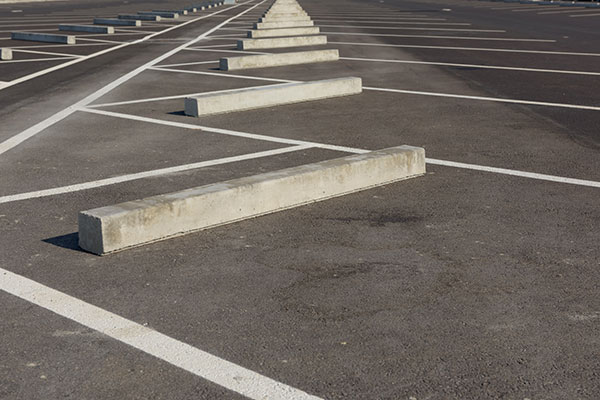 Parking block stops, also known as wheel stops or concrete parking barriers, are designed to keep vehicles properly positioned in parking spaces. However, when improperly installed, maintained, or marked, these seemingly innocuous concrete blocks can become serious tripping hazards that cause devastating injuries. If you've been injured in a parking block trip and fall accident, you may be entitled to significant compensation from the negligent property owner.
At The Injury Firm, our experienced Florida premises liability attorneys understand the complex legal issues surrounding parking block accidents. We've successfully recovered millions of dollars for clients injured by poorly designed, unmarked, or negligently maintained parking lot obstacles throughout Florida.
What Are Parking Block Stops and Their Purpose?
Parking block stops, commonly called wheel stops, parking bumpers, or concrete parking barriers, are raised concrete or rubber blocks installed at the end of parking spaces to prevent vehicles from overhanging into walkways, landscaping, or other vehicles.
Types of Parking Blocks
- Concrete parking blocks - Heavy, permanent installations typically 6 feet long
- Rubber wheel stops - Lighter, more flexible alternatives often used in temporary situations
- Plastic parking bumpers - Lightweight options that may shift or move over time
- Metal parking barriers - Industrial-grade options for heavy-duty applications
Intended Safety Functions
When properly installed and maintained, parking blocks serve several important safety functions:
- Preventing vehicles from encroaching on pedestrian walkways
- Protecting landscaping and building structures from vehicle damage
- Maintaining proper spacing between parked vehicles
- Providing clear boundaries for parking space limits
- Preventing vehicles from rolling into traffic lanes
Common Injuries from Parking Block Trip and Fall Accidents
Parking block accidents often result in severe injuries due to the unexpected nature of the obstruction and the hard concrete or asphalt surface of parking lots. The low profile of many parking blocks makes them particularly dangerous as they're often not easily visible to pedestrians.
Fractures and Broken Bones
The most common injuries from parking block falls include:
- Hip fractures - Particularly dangerous for elderly individuals, often requiring surgery
- Wrist and arm fractures - From attempting to break the fall with outstretched hands
- Ankle fractures - Direct impact with the parking block or awkward landing
- Facial fractures - When victims fall forward onto the pavement
- Rib fractures - From side impact with the ground
- Compression fractures - Spinal injuries from hard impact
Head and Brain Injuries
- Traumatic brain injury (TBI) - From head striking concrete pavement
- Concussions - Range from mild to severe brain trauma
- Skull fractures - Direct impact injuries requiring emergency treatment
- Facial injuries - Cuts, bruises, dental damage, and eye injuries
- Cognitive impairment - Long-term effects of brain trauma
Spinal Cord and Back Injuries
- Herniated discs - Pressure on spinal nerves causing chronic pain
- Spinal cord injuries - Potentially resulting in partial or complete paralysis
- Lumbar strains - Lower back muscle and ligament damage
- Cervical injuries - Neck trauma from whiplash motion during fall
- Nerve damage - Numbness, tingling, or loss of sensation
Soft Tissue Injuries
- Sprains and strains - Damage to muscles, tendons, and ligaments
- Contusions and bruising - Deep tissue damage from impact
- Lacerations - Cuts from rough concrete or debris
- Road rash - Skin abrasions from sliding on pavement
Common Causes of Parking Block Trip and Fall Accidents
Understanding why parking block accidents occur is crucial for establishing liability and preventing future incidents.
Poor Visibility and Inadequate Marking
- No reflective tape or markings - Blocks blend into pavement color
- Insufficient lighting - Dark parking lots hide block locations
- Faded or missing paint - Yellow or white markings worn away over time
- No warning signs - Absence of pedestrian warning signage
- Weather obscuration - Snow, leaves, or debris covering blocks
Improper Installation and Placement
- Incorrect positioning - Blocks placed outside designated parking areas
- Unstable installation - Blocks shifting or becoming loose over time
- Wrong height specifications - Blocks too high or creating trip hazards
- Blocking pedestrian pathways - Interfering with natural walking routes
- Non-compliance with codes - Failing to meet local building standards
Maintenance and Upkeep Issues
- Cracked or damaged blocks - Creating irregular surfaces and sharp edges
- Settled or sunken blocks - Creating uneven walking surfaces
- Missing blocks - Creating unexpected gaps or holes
- Debris accumulation - Trash, leaves, or snow obscuring visibility
- Vegetation overgrowth - Plants or weeds hiding block locations
Design and Layout Defects
- Poor parking lot design - Forcing pedestrians to navigate around obstacles
- Inadequate walkway width - Insufficient space between blocks and buildings
- No designated pedestrian paths - Requiring walking through parking areas
- Confusing layout - Multiple direction changes or unclear routes
Who is Liable for Parking Block Trip and Fall Accidents?
Determining liability in parking block accidents requires analyzing the relationship between the injured party and the property owner, as well as the specific circumstances of the accident.
Property Owner Liability
Property owners may be held liable when they:
- Knew or should have known about the dangerous condition
- Failed to properly maintain parking blocks and surrounding areas
- Created the dangerous condition through improper installation or design
- Failed to warn about known hazards
- Violated building codes or safety standards
Types of Liable Parties
Commercial Property Owners
- Shopping center owners and operators
- Retail store chains and franchisees
- Restaurant and entertainment venue owners
- Office building owners and management companies
- Hotel and resort operators
Residential Property Owners
- Apartment complex owners and managers
- Condominium associations
- Homeowners associations (HOAs)
- Private parking lot owners
Government Entities
- Municipal parking authorities
- County and city governments
- State transportation departments
- Public facility operators
Third-Party Contractors
- Parking lot installation companies
- Property management firms
- Maintenance contractors
- Security companies
Property Owner Responsibilities for Parking Block Safety
Florida law imposes specific duties on property owners to maintain safe conditions for visitors, including proper parking block installation and maintenance.
Duty of Care Based on Visitor Status
Business Invitees (Customers and Clients)
Receive the highest level of protection, requiring property owners to:
- Conduct regular safety inspections
- Promptly repair or remove dangerous conditions
- Warn of hazards that cannot be immediately corrected
- Design parking areas with pedestrian safety in mind
Licensees (Social Guests and Permitted Visitors)
Entitled to warnings about known dangerous conditions, including:
- Notice of poorly marked parking blocks
- Information about inadequate lighting
- Warnings about construction or maintenance areas
Specific Safety Obligations
- Proper installation - Following manufacturer and code requirements
- Adequate marking - High-visibility paint, reflective tape, or lighting
- Regular maintenance - Inspection, cleaning, and repair schedules
- Code compliance - Meeting local building and safety standards
- Pedestrian accommodation - Providing safe walking paths
- Lighting requirements - Ensuring adequate illumination
Proving Negligence in Parking Block Trip and Fall Cases
Successfully proving negligence in parking block cases requires demonstrating four key legal elements.
The Four Elements of Negligence
1. Duty of Care
Property owners owe a duty to maintain reasonably safe conditions for visitors. This duty varies based on:
- The visitor's legal status (invitee, licensee, or trespasser)
- The type of property (commercial vs. residential)
- Local building codes and safety standards
- Industry standards for parking lot safety
2. Breach of Duty
The property owner failed to meet their obligation by:
- Improperly installing parking blocks
- Failing to mark blocks with high-visibility materials
- Not providing adequate lighting
- Ignoring maintenance needs
- Creating dangerous conditions through poor design
3. Causation
The dangerous condition must be both the factual and legal cause of the injury:
- Factual causation - But for the unmarked block, the fall wouldn't have occurred
- Legal causation - The injury was a foreseeable result of the negligence
4. Damages
The victim must have suffered actual harm, including:
- Physical injuries requiring medical treatment
- Financial losses from medical expenses and lost wages
- Pain and suffering
- Permanent disability or disfigurement
Common Defense Arguments
Property owners often argue:
- Open and obvious defense - Claiming the block was clearly visible
- Comparative negligence - Arguing the victim wasn't watching where they walked
- No notice defense - Claiming they didn't know about the dangerous condition
- Code compliance - Arguing they met minimum safety standards
Parking Block Safety Standards and Best Practices
Various organizations and codes establish safety standards for parking block installation and maintenance.
Building Code Requirements
- Americans with Disabilities Act (ADA) - Accessibility requirements for parking areas
- International Building Code (IBC) - General safety standards
- Local municipal codes - City and county specific requirements
- Fire codes - Emergency vehicle access requirements
Industry Best Practices
- High-visibility markings - Bright yellow or white paint with reflective tape
- Proper dimensions - Standard 6-foot length, 6-inch height, 8-inch width
- Secure installation - Anchored to prevent movement or displacement
- Strategic placement - Positioned to not interfere with pedestrian traffic
- Regular maintenance - Scheduled inspections and prompt repairs
Recommended Safety Features
- Bright yellow or white color for maximum visibility
- Reflective tape or markings for nighttime visibility
- Smooth, rounded edges to minimize injury if contact occurs
- Proper height (typically 4-6 inches) to be visible but not excessive
- Weather-resistant materials to maintain appearance and function
Critical Evidence Collection for Parking Block Cases
Strong evidence is essential for proving liability in parking block trip and fall cases.
Immediate Scene Documentation
- Photographs from multiple angles - Show the block, surrounding area, and your injuries
- Video recordings - Demonstrate lighting conditions and visibility issues
- Measurements - Height, width, and positioning of the parking block
- Lighting assessment - Document inadequate illumination
- Weather conditions - Note rain, darkness, or other factors
- Witness information - Contact details and statements from bystanders
Property Documentation
- Installation records - When and how parking blocks were installed
- Maintenance logs - History of inspections and repairs
- Previous incidents - Other accidents or complaints about the same area
- Building permits - Compliance with local codes
- Insurance policies - Coverage details and limits
- Security footage - Video surveillance of the accident
Medical Evidence
- Emergency room records - Initial diagnosis and treatment
- Diagnostic imaging - X-rays, MRIs, CT scans showing injuries
- Treatment records - All medical care related to your injuries
- Expert medical opinions - Professional testimony on injury causation
- Rehabilitation documentation - Physical therapy and ongoing treatment
Types of Compensation for Parking Block Accident Victims
Victims of parking block trip and fall accidents may be entitled to various forms of compensation.
Economic Damages
- Medical expenses - All current and future medical treatment costs
- Lost wages - Income lost due to inability to work
- Lost earning capacity - Reduced ability to earn income in the future
- Rehabilitation costs - Physical therapy and occupational therapy
- Home modifications - Accessibility improvements for disabled victims
- Transportation costs - Medical appointment travel expenses
- Assistive devices - Wheelchairs, walkers, and other equipment
Non-Economic Damages
- Pain and suffering - Physical pain and emotional distress
- Mental anguish - Anxiety, depression, and psychological trauma
- Loss of enjoyment of life - Inability to participate in previously enjoyed activities
- Disfigurement - Permanent scarring or physical changes
- Loss of consortium - Impact on relationships with spouse and family
- Disability - Permanent limitations on daily activities
Punitive Damages
In cases involving particularly egregious conduct, punitive damages may be awarded when:
- Property owners willfully ignored known hazards
- Gross negligence created dangerous conditions
- Pattern of neglecting safety requirements exists
- Deliberate violations of safety codes occurred
Essential Steps to Take After a Parking Block Accident
Taking the right actions immediately after a parking block accident can significantly impact your ability to recover compensation.
Immediate Actions at the Scene
- Assess your injuries - Check for serious trauma before moving
- Call for help - Contact 911 if you're seriously injured
- Stay calm - Avoid moving unnecessarily until you're sure you're not seriously hurt
- Document the scene - Take photos and videos of the parking block and surrounding area
- Report the incident - Notify property owner, manager, or security
- Gather witness information - Get contact details from anyone who saw the accident
- Note conditions - Record lighting, weather, and visibility factors
Within 24-48 Hours
- Seek medical attention - Even if injuries seem minor initially
- Contact an attorney - Consult with experienced premises liability lawyer
- Preserve evidence - Keep shoes, clothing, and any damaged items
- Start documentation - Begin keeping detailed records of symptoms and treatment
- Avoid recorded statements - Don't speak with insurance companies without legal counsel
Ongoing Documentation
- Medical records - Keep copies of all treatment documentation
- Financial records - Track all expenses related to the accident
- Pain journal - Document daily symptoms and limitations
- Work impact - Record missed days and reduced capacity
- Photo updates - Document healing progress and any permanent changes
Florida Premises Liability Laws for Parking Block Accidents
Understanding Florida's specific laws helps victims know their rights and legal options.
Statute of Limitations
- Two-year deadline - Must file lawsuit within two years of the accident
- Discovery rule - Timeline may start when injury is discovered
- Government claims - Shorter notice requirements for claims against public entities
- Minor exceptions - Extended deadlines for children under 18
Comparative Negligence
Florida follows pure comparative negligence, meaning:
- You can recover damages even if partially at fault
- Compensation reduced by your percentage of fault
- No bar to recovery regardless of fault percentage
- Jury determines fault allocation at trial
Premises Liability Standards
- Invitee status - Highest duty of care for business customers
- Actual or constructive notice - Property owner knowledge requirements
- Reasonable inspection - Expected frequency of safety checks
- Prompt remediation - Required response to known hazards
Prevention and Safety Measures for Property Owners
Property owners can significantly reduce parking block accidents through proper safety measures.
Installation Best Practices
- Professional installation - Use qualified contractors familiar with codes
- Proper positioning - Ensure blocks don't obstruct pedestrian paths
- Secure anchoring - Prevent movement or displacement over time
- Appropriate materials - Choose durable, weather-resistant options
- Code compliance - Meet all local and federal requirements
Visibility Enhancement
- High-visibility paint - Bright yellow or white colors
- Reflective materials - Tape or paint for nighttime visibility
- Adequate lighting - Proper illumination of parking areas
- Regular repainting - Maintain visibility as markings fade
- Clear signage - Warning signs about parking block locations
Maintenance Programs
- Regular inspections - Scheduled safety assessments
- Prompt repairs - Quick response to damage or displacement
- Cleaning schedules - Remove debris and vegetation
- Documentation - Keep records of all maintenance activities
- Professional monitoring - Use qualified property management
Frequently Asked Questions About Parking Block Accidents
What makes a parking block dangerous and when can I sue?
A parking block becomes dangerous when it's poorly marked, inadequately lit, improperly installed, or creates an unexpected obstacle in pedestrian pathways. You can sue when the property owner's negligence in maintaining, marking, or installing the block causes your injuries. Key factors include lack of high-visibility markings, insufficient lighting, and failure to provide safe pedestrian routes.
How do I prove the property owner was negligent in my parking block accident?
To prove negligence, you must show the property owner had a duty to maintain safe conditions, breached that duty through actions like failing to properly mark the block or provide adequate lighting, and that this breach directly caused your injuries. Evidence includes photographs of the poorly marked block, maintenance records, lighting assessments, and expert testimony about safety standards.
Can I still recover compensation if I wasn't watching where I was walking?
Yes, under Florida's comparative negligence law, you can still recover compensation even if you were partially at fault for not watching carefully. However, your compensation will be reduced by your percentage of fault. Property owners still have a duty to make parking blocks visible and safe, regardless of pedestrian attention levels.
What types of injuries are common in parking block trip and fall accidents?
Common injuries include hip fractures, wrist and arm breaks from trying to break the fall, head injuries from striking the pavement, spinal cord injuries that can cause paralysis, and severe soft tissue damage. Due to the hard concrete surface of parking lots and the unexpected nature of the obstacle, these accidents often result in serious injuries requiring extensive medical treatment.
How long do I have to file a lawsuit for a parking block accident in Florida?
In Florida, you generally have two years from the date of the accident to file a personal injury lawsuit. However, there may be shorter deadlines for claims against government entities, so it's crucial to consult with an attorney immediately after your accident to protect your rights.
What compensation can I recover for my parking block accident injuries?
You may be entitled to compensation for medical expenses, lost wages, lost earning capacity, pain and suffering, mental anguish, loss of enjoyment of life, and other damages. In cases involving particularly negligent conduct, punitive damages may also be awarded. The amount depends on the severity of your injuries and their impact on your life.
What evidence should I collect after a parking block accident?
Critical evidence includes photographs of the parking block from multiple angles showing poor visibility or markings, documentation of lighting conditions, measurements of the block's height and position, witness contact information, medical records, and any incident reports. Also preserve the shoes and clothing you were wearing during the accident.
Are parking blocks required to be marked with reflective tape or bright colors?
While specific requirements vary by jurisdiction, industry best practices and many local codes require parking blocks to be marked with high-visibility materials such as bright yellow or white paint and reflective tape. Property owners who fail to follow these standards may be found negligent if accidents occur.