
PRACTICE AREA - AMUSEMENT PARK INJURY
Danger of Roller Coasters: Understanding the Risks and Seeking Legal Recourse
Free Consultation | 24/7 Available | No Win, No Fee | Experienced with Theme Park Cases
Roller coasters represent the pinnacle of amusement park thrills, offering heart-pounding excitement through high-speed drops, sharp turns, and gravity-defying loops. While millions of people safely enjoy these attractions each year, the reality is that roller coasters carry inherent risks that can result in serious injuries or even death when safety measures fail or accidents occur.
Understanding the dangers of roller coasters is crucial for anyone who rides these attractions or has been injured in an amusement park accident. Despite rigorous safety standards and regular inspections, mechanical failures, operator errors, and design defects can transform a day of fun into a life-altering tragedy requiring experienced legal representation.
The Balance Between Thrill and Safety
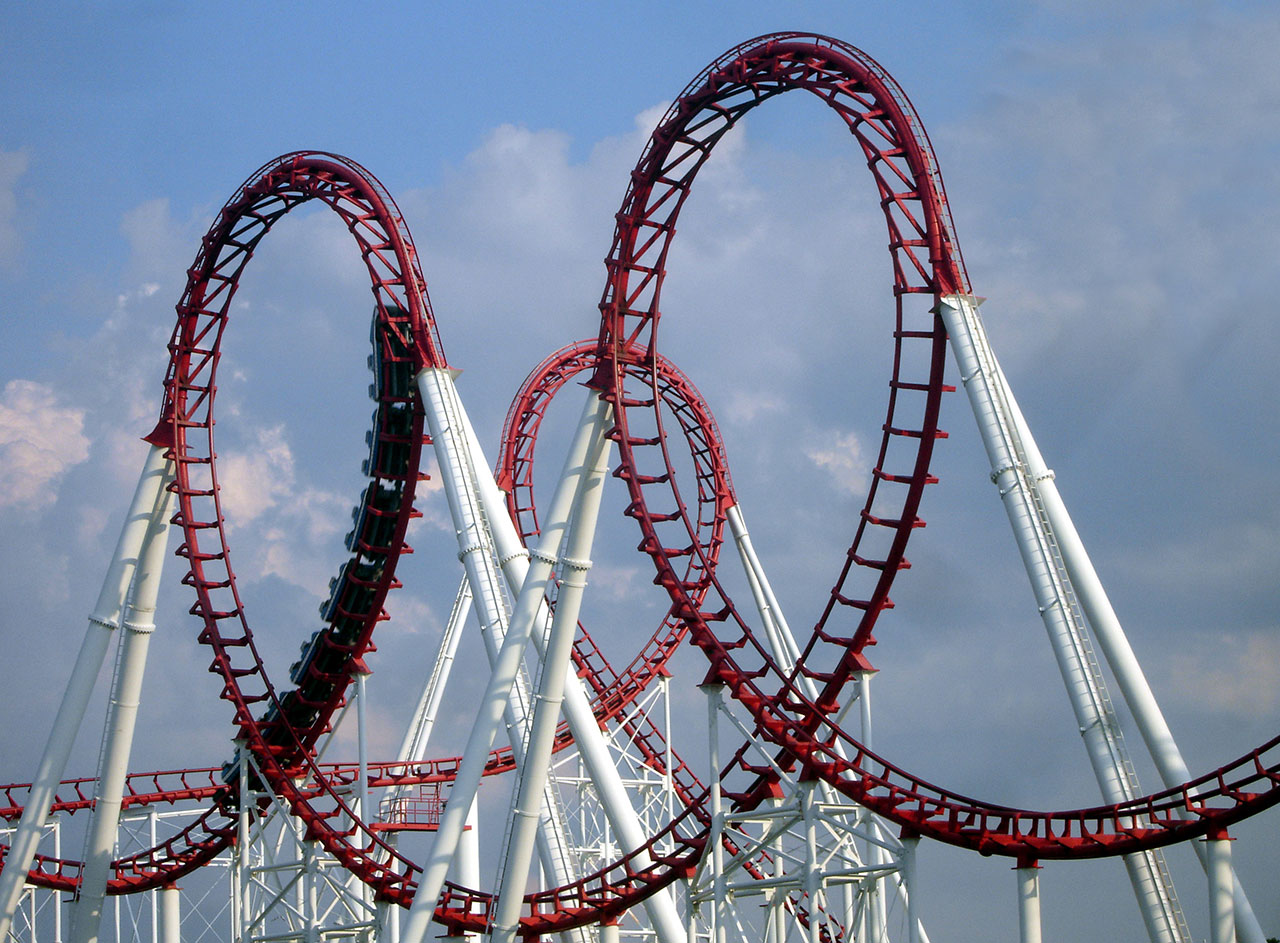
Modern roller coasters are engineering marvels designed to push the limits of speed, height, and gravitational forces while maintaining safety standards. These attractions create controlled danger that simulates risk while theoretically providing a safe environment. However, the pursuit of increasingly extreme thrills has led to more complex rides with higher potential for catastrophic failures.
The amusement park industry invests millions in safety technology, including computer-controlled block zones, multiple backup systems, and regular inspections. Despite these precautions, the combination of mechanical complexity, human operation, and extreme forces creates scenarios where accidents can and do occur, often with devastating consequences for victims and their families.
Common Causes of Roller Coaster Accidents
Understanding what causes roller coaster accidents is essential for both prevention and establishing legal liability when injuries occur. Most accidents result from a combination of factors rather than a single cause.
Mechanical Failures and Equipment Defects
Mechanical failures represent the most serious category of roller coaster accidents, often resulting in catastrophic injuries or deaths:
- Track defects: Broken rails, misaligned sections, or structural failures can cause derailments
- Restraint system failures: Malfunctioning safety harnesses, lap bars, or seatbelts can lead to passenger ejection
- Brake system malfunctions: Failed brakes can cause collisions or inability to stop properly
- Structural failures: Support beam failures, foundation problems, or design defects
- Electrical system failures: Power outages, sensor malfunctions, or control system failures
- Maintenance neglect: Worn components, deferred repairs, or inadequate inspections
Human Error and Operator Negligence
Human factors contribute to a significant percentage of roller coaster accidents:
- Operator error: Improper ride operation, failure to follow protocols, or inadequate training
- Maintenance mistakes: Incorrect repairs, improper component installation, or inadequate safety checks
- Design errors: Flawed engineering, inadequate safety systems, or insufficient testing
- Safety protocol violations: Bypassing safety systems, overriding warnings, or ignoring manufacturer guidelines
- Inadequate supervision: Insufficient staffing, poor communication, or lack of proper oversight
Environmental and External Factors
Weather conditions and external circumstances can also contribute to accidents:
- Severe weather: High winds, lightning, or extreme temperatures affecting ride operation
- Power outages: External electrical failures leaving riders stranded or causing system malfunctions
- Structural damage: Earthquake damage, foundation settling, or wear from environmental exposure
- Inadequate emergency response: Poor evacuation procedures or delayed rescue operations
Types of Injuries in Roller Coaster Accidents
Roller coaster accidents can result in a wide spectrum of injuries, from minor bruises to catastrophic, life-threatening conditions. The high speeds, sudden direction changes, and extreme forces involved in these rides can cause severe trauma to multiple body systems.
Head and Brain Injuries
Brain injuries represent some of the most serious consequences of roller coaster accidents:
- Traumatic brain injury (TBI): Caused by sudden acceleration, deceleration, or impact forces
- Concussions: From rapid head movement or impact with ride components
- Skull fractures: Resulting from ejection or collision with hard surfaces
- Intracranial bleeding: Internal brain hemorrhages from severe trauma
- Cognitive impairment: Memory loss, concentration problems, or personality changes
- Coma or death: In the most severe cases of head trauma
Spinal and Back Injuries
The forces exerted during roller coaster rides can cause serious spinal injuries:
- Spinal cord injuries: Potentially causing paralysis or permanent disability
- Herniated discs: From sudden jolting or compression forces
- Vertebral fractures: Broken bones in the spine from impact or extreme forces
- Whiplash and neck injuries: From rapid acceleration and deceleration
- Nerve damage: Affecting sensation, movement, or organ function
- Chronic pain conditions: Long-term suffering requiring ongoing treatment
Orthopedic and Extremity Injuries
Arms, legs, and other extremities are vulnerable to various types of trauma:
- Bone fractures: Broken arms, legs, ribs, or other bones from impact or crushing forces
- Amputations: Severed limbs from entanglement in moving parts
- Joint dislocations: Shoulders, hips, or other joints forced out of position
- Crushing injuries: Compressed limbs or body parts causing tissue damage
- Lacerations and cuts: Deep wounds requiring surgical repair
- Internal organ damage: Ruptured organs from blunt force trauma
Psychological and Emotional Trauma
The psychological impact of roller coaster accidents often requires long-term treatment:
- Post-traumatic stress disorder (PTSD): Lasting psychological effects from the traumatic experience
- Anxiety and phobias: Fear of amusement parks, rides, or enclosed spaces
- Depression: Emotional distress from physical limitations or traumatic memories
- Sleep disorders: Nightmares, insomnia, or other sleep disturbances
- Social isolation: Withdrawal from activities or relationships due to trauma
Roller Coaster Safety Statistics and Industry Data
Understanding the statistical reality of roller coaster safety helps put the risks in perspective while highlighting the importance of proper safety measures and legal accountability when accidents occur.
Industry Safety Statistics
According to the International Association of Amusement Parks and Attractions (IAAPA), the chance of serious injury on a fixed-site amusement ride is approximately 1 in 15.5 million rides taken. However, these statistics don't account for:
- Minor injuries that don't require hospitalization
- Incidents not reported to regulatory authorities
- Long-term health effects that develop after the initial incident
- Psychological trauma and emotional distress
- Near-miss incidents that could have caused serious harm
Reporting and Regulatory Oversight
Amusement park safety regulation varies significantly by state, creating inconsistencies in reporting and oversight:
- Some states require reporting of all injuries, while others only mandate reporting of serious incidents
- Federal oversight is limited, with most regulation occurring at the state level
- Industry self-reporting may underestimate the true frequency of accidents
- Economic incentives exist for parks to minimize reported incidents
Trends in Roller Coaster Accidents
Recent trends in the amusement park industry show:
- Increasing complexity of rides leading to more potential failure points
- Higher speeds and more extreme forces increasing injury severity
- Aging infrastructure at some parks requiring more frequent maintenance
- Staffing challenges affecting operator training and supervision
- Economic pressures potentially compromising safety investments
Notable Roller Coaster Accident Cases and Legal Precedents
Examining significant roller coaster accidents provides insight into common failure modes and establishes important legal precedents for future cases.
The Smiler Accident - Alton Towers (2015)
On June 2, 2015, The Smiler roller coaster at Alton Towers in the UK experienced one of the most serious accidents in recent memory. Two trains collided when operators overrode safety systems and sent a loaded train into a stalled empty train. The collision occurred at approximately 50 mph, resulting in:
- 16 people injured, 5 seriously
- Two young women required leg amputations
- Multiple other serious injuries including broken bones and internal trauma
- £5 million fine for the park operator
- Significant changes to safety protocols and operator training
Gröna Lund Jetline Derailment (2023)
A tragic derailment at Stockholm's Gröna Lund amusement park resulted in one death and nine injuries when the Jetline roller coaster partially derailed during operation. This incident highlighted:
- The catastrophic consequences of structural failures
- The importance of regular track inspections
- The need for improved emergency response procedures
- International attention to roller coaster safety standards
Cedar Point Power Outage Incident (2018)
A park-wide power outage at Cedar Point left guests stranded on multiple rides for over two hours in 90-degree heat. While no injuries occurred, the incident demonstrated:
- The vulnerability of modern rides to external power failures
- The importance of emergency evacuation procedures
- The need for backup power systems and climate control
- Legal liability for endangering guests even without physical injuries
Legal Precedents and Implications
These cases have established important legal principles:
- Amusement parks cannot escape liability through waivers when gross negligence occurs
- Operators have a duty to follow all safety protocols without exception
- Economic pressures cannot justify compromising guest safety
- International incidents influence safety standards worldwide
- Victims of accidents have the right to substantial compensation for their suffering
Legal Liability and Responsibility in Roller Coaster Accidents
Determining legal liability in roller coaster accidents involves complex analysis of multiple parties and factors. Understanding who can be held responsible helps victims and their families pursue appropriate legal action.
Amusement Park Operator Liability
Theme parks and amusement park operators have extensive legal obligations:
- Premises liability: Maintaining safe conditions for all guests
- Ride operation: Ensuring proper operation according to manufacturer specifications
- Staff training: Providing adequate training for all ride operators and maintenance personnel
- Regular inspections: Conducting thorough safety inspections according to regulatory requirements
- Emergency procedures: Implementing effective emergency response and evacuation plans
- Warning obligations: Providing clear warnings about ride restrictions and potential risks
Manufacturer and Design Liability
Ride manufacturers can be held liable for various defects and failures:
- Design defects: Inherent flaws in the ride's design that create unreasonable dangers
- Manufacturing defects: Errors in the construction or assembly of ride components
- Inadequate warnings: Failure to provide sufficient safety information or operating instructions
- Material failures: Use of substandard materials or components that fail prematurely
- Software errors: Programming bugs or control system malfunctions
Maintenance and Inspection Company Liability
Third-party maintenance companies may also bear responsibility:
- Negligent maintenance: Failure to properly maintain or repair ride components
- Inspection failures: Missing dangerous conditions during safety inspections
- Improper repairs: Incorrect or inadequate repair work that leads to failures
- Documentation failures: Inadequate record-keeping or false reporting of maintenance activities
Regulatory Agency Responsibility
In some cases, government regulatory agencies may bear partial responsibility:
- Inadequate oversight: Failure to properly inspect or regulate amusement parks
- Insufficient standards: Inadequate safety regulations or enforcement
- Delayed response: Failure to act on known safety concerns or violations
Types of Compensation Available for Roller Coaster Accident Victims
Victims of roller coaster accidents may be entitled to various forms of compensation depending on the severity of their injuries and the circumstances of the accident.
Economic Damages
These quantifiable financial losses include:
- Medical expenses: Emergency care, surgery, hospitalization, rehabilitation, and ongoing treatment
- Lost wages: Income lost due to inability to work during recovery
- Reduced earning capacity: Long-term impact on ability to earn income
- Travel and accommodation costs: Expenses for specialized medical treatment
- Home modifications: Wheelchair accessibility and other accommodations for disabilities
- Assistive devices: Wheelchairs, prosthetics, and other medical equipment
- Ongoing care costs: Long-term nursing care or assistance with daily activities
Non-Economic Damages
These subjective losses may include:
- Pain and suffering: Physical pain and discomfort from injuries
- Emotional distress: Psychological trauma, anxiety, and depression
- Loss of enjoyment of life: Inability to participate in previously enjoyed activities
- Disfigurement and scarring: Permanent changes to physical appearance
- Loss of consortium: Impact on relationships with spouse and family members
- Mental anguish: Ongoing psychological suffering from the traumatic experience
Punitive Damages
In cases involving gross negligence or intentional misconduct, courts may award punitive damages to:
- Punish the defendant for particularly egregious behavior
- Deter similar conduct by the defendant and other industry participants
- Send a message about the importance of safety in the amusement park industry
Wrongful Death Damages
When roller coaster accidents result in death, surviving family members may recover:
- Funeral and burial expenses: Costs associated with final arrangements
- Lost financial support: Income the deceased would have provided to family
- Loss of companionship: Emotional support and guidance the deceased provided
- Mental pain and anguish: Emotional suffering of surviving family members
- Medical expenses: Costs incurred before death due to accident injuries
What to Do Immediately After a Roller Coaster Accident
The actions taken immediately following a roller coaster accident can significantly impact both your health outcomes and your ability to recover compensation through legal action.
Prioritize Medical Care
Your health and safety are the most important considerations:
- Seek immediate medical attention: Even if injuries seem minor, get evaluated by medical professionals
- Accept emergency medical care: Allow paramedics or park medical staff to provide initial treatment
- Go to the hospital: Get comprehensive medical evaluation even if you feel okay initially
- Follow all medical advice: Complete all recommended treatments and follow-up appointments
- Document all symptoms: Keep detailed records of pain, discomfort, and limitations
Report and Document the Incident
Creating an official record is crucial for any future legal action:
- Report to park management: Ensure the accident is officially documented by the amusement park
- Request a copy of the incident report: Obtain your own copy of all documentation
- Take photographs: Document the accident scene, ride conditions, and visible injuries
- Record video: Capture the overall scene and any dangerous conditions
- Note environmental conditions: Weather, lighting, and other factors that may have contributed
Gather Evidence and Witness Information
Collect as much information as possible while it's still available:
- Witness contact information: Get names and phone numbers of people who saw the accident
- Employee information: Note names and positions of park employees involved
- Ride information: Document the specific ride, car number, and time of accident
- Preserve physical evidence: Keep damaged clothing, personal items, or other relevant materials
- Timeline documentation: Write down exactly what happened while it's fresh in your memory
Protect Your Legal Rights
Avoid actions that could harm your potential claim:
- Don't sign documents: Avoid signing anything from the park or insurance companies without legal review
- Limit statements: Provide only basic factual information about what happened
- Don't accept quick settlements: Initial offers are typically far below fair compensation
- Avoid social media: Don't post about the accident or your injuries online
- Contact an attorney quickly: Legal representation should be obtained as soon as possible
Preserve Important Documentation
Keep detailed records of everything related to your accident:
- Medical records: All treatment records, test results, and doctor's notes
- Financial documentation: Medical bills, lost wage statements, and other expenses
- Correspondence: All communication with the park, insurance companies, and attorneys
- Photos and videos: Organize and back up all visual evidence
- Daily impact records: Journal entries documenting how injuries affect your daily life
Choosing the Right Attorney for Your Roller Coaster Accident Case
Selecting experienced legal representation is crucial for maximizing your compensation and ensuring your rights are protected throughout the complex legal process of pursuing claims against amusement park operators and manufacturers.
Essential Qualifications to Look For
- Specific experience with amusement park accidents: Look for attorneys who have handled roller coaster and theme park injury cases
- Track record of successful outcomes: Proven results in similar cases with substantial settlements and verdicts
- Resources for thorough investigation: Ability to hire expert witnesses, accident reconstruction specialists, and medical professionals
- Trial experience: Willingness and ability to take cases to court when necessary
- Knowledge of industry standards: Understanding of amusement park regulations and safety requirements
- Financial resources: Ability to fund expensive litigation against well-funded corporate defendants
Important Questions to Ask Potential Attorneys
- How many roller coaster and amusement park accident cases have you handled?
- What were the outcomes of cases similar to mine?
- Do you work on a contingency fee basis with no upfront costs?
- Will you personally handle my case or delegate to associates?
- What expert witnesses do you typically use in these cases?
- How long do you expect my case to take?
- What challenges do you anticipate in proving liability?
- How do you communicate with clients throughout the process?
Warning Signs to Avoid
- Attorneys who guarantee specific outcomes: No ethical lawyer can guarantee results
- High-pressure sales tactics: Avoid lawyers who pressure you to sign immediately
- Lack of relevant experience: General personal injury lawyers may not understand amusement park cases
- Poor communication: Attorneys who don't return calls or explain the process clearly
- Unrealistic promises: Claims of easy victories or unreasonably high settlements
Roller Coaster Safety and Accident Prevention
While legal recourse is available after accidents occur, understanding safety measures and prevention strategies can help riders make informed decisions and potentially avoid dangerous situations.
Industry Safety Standards and Regulations
The amusement park industry operates under various safety standards:
- ASTM International standards: Technical specifications for ride design, operation, and maintenance
- State regulations: Inspection requirements, operator licensing, and incident reporting
- Manufacturer guidelines: Specific operating procedures and maintenance schedules
- Insurance requirements: Safety measures mandated by liability insurance policies
- Industry best practices: Voluntary standards adopted by responsible operators
Warning Signs of Potential Dangers
Riders should be aware of conditions that may indicate safety problems:
- Visible damage: Cracked tracks, rust, loose bolts, or other structural problems
- Unusual sounds: Grinding, squeaking, or other abnormal noises during operation
- Operator behavior: Distracted, untrained, or unprofessional staff
- Safety equipment issues: Malfunctioning restraints, broken safety barriers, or missing warning signs
- Weather conditions: High winds, lightning, or other dangerous weather
- Crowding and rushing: Pressure to board quickly without proper safety checks
Personal Safety Precautions
Riders can take steps to minimize their risk:
- Follow all safety instructions: Listen carefully to operator instructions and warnings
- Check health restrictions: Ensure you meet height, weight, and health requirements
- Secure personal items: Remove or properly secure loose objects before riding
- Trust your instincts: Don't ride if something seems unsafe or you feel uncomfortable
- Report safety concerns: Notify park management of any dangerous conditions you observe
Frequently Asked Questions About Roller Coaster Accidents
How dangerous are roller coasters compared to other activities?
Statistically, roller coasters are relatively safe, with serious injuries occurring in approximately 1 in 15.5 million rides. However, when accidents do occur, they can be catastrophic due to the extreme forces involved. The risk is comparable to other adventure activities but higher than everyday transportation.
Can I sue an amusement park if I'm injured on a roller coaster?
Yes, you can sue if your injury was caused by the park's negligence, equipment failure, or violation of safety standards. Amusement parks have a duty to maintain safe conditions and properly operate their rides. Success depends on proving that negligence caused your injuries.
What is the most common cause of roller coaster accidents?
The most common causes include mechanical failures (such as brake malfunctions or structural defects), operator errors (improper ride operation or safety protocol violations), and maintenance issues (inadequate inspections or deferred repairs). Human error accounts for approximately 90% of serious accidents.
How long do I have to file a lawsuit after a roller coaster accident?
The statute of limitations varies by state but is typically 2-4 years from the date of the accident. However, it's crucial to contact an attorney immediately to preserve evidence, interview witnesses, and begin building your case while information is still available.
Do waivers signed at amusement parks prevent lawsuits?
Waivers do not provide absolute protection for amusement parks. Courts have ruled that waivers cannot excuse
CONTACT US NOW
FREE CONSULTATION


Danger of Roller Coasters: Understanding the Risks and Seeking Legal Recourse
Free Consultation | 24/7 Available | No Win, No Fee | Experienced with Theme Park Cases
Roller coasters represent the pinnacle of amusement park thrills, offering heart-pounding excitement through high-speed drops, sharp turns, and gravity-defying loops. While millions of people safely enjoy these attractions each year, the reality is that roller coasters carry inherent risks that can result in serious injuries or even death when safety measures fail or accidents occur.
Understanding the dangers of roller coasters is crucial for anyone who rides these attractions or has been injured in an amusement park accident. Despite rigorous safety standards and regular inspections, mechanical failures, operator errors, and design defects can transform a day of fun into a life-altering tragedy requiring experienced legal representation.
The Balance Between Thrill and Safety
Modern roller coasters are engineering marvels designed to push the limits of speed, height, and gravitational forces while maintaining safety standards. These attractions create controlled danger that simulates risk while theoretically providing a safe environment. However, the pursuit of increasingly extreme thrills has led to more complex rides with higher potential for catastrophic failures.
The amusement park industry invests millions in safety technology, including computer-controlled block zones, multiple backup systems, and regular inspections. Despite these precautions, the combination of mechanical complexity, human operation, and extreme forces creates scenarios where accidents can and do occur, often with devastating consequences for victims and their families.
Common Causes of Roller Coaster Accidents
Understanding what causes roller coaster accidents is essential for both prevention and establishing legal liability when injuries occur. Most accidents result from a combination of factors rather than a single cause.
Mechanical Failures and Equipment Defects
Mechanical failures represent the most serious category of roller coaster accidents, often resulting in catastrophic injuries or deaths:
- Track defects: Broken rails, misaligned sections, or structural failures can cause derailments
- Restraint system failures: Malfunctioning safety harnesses, lap bars, or seatbelts can lead to passenger ejection
- Brake system malfunctions: Failed brakes can cause collisions or inability to stop properly
- Structural failures: Support beam failures, foundation problems, or design defects
- Electrical system failures: Power outages, sensor malfunctions, or control system failures
- Maintenance neglect: Worn components, deferred repairs, or inadequate inspections
Human Error and Operator Negligence
Human factors contribute to a significant percentage of roller coaster accidents:
- Operator error: Improper ride operation, failure to follow protocols, or inadequate training
- Maintenance mistakes: Incorrect repairs, improper component installation, or inadequate safety checks
- Design errors: Flawed engineering, inadequate safety systems, or insufficient testing
- Safety protocol violations: Bypassing safety systems, overriding warnings, or ignoring manufacturer guidelines
- Inadequate supervision: Insufficient staffing, poor communication, or lack of proper oversight
Environmental and External Factors
Weather conditions and external circumstances can also contribute to accidents:
- Severe weather: High winds, lightning, or extreme temperatures affecting ride operation
- Power outages: External electrical failures leaving riders stranded or causing system malfunctions
- Structural damage: Earthquake damage, foundation settling, or wear from environmental exposure
- Inadequate emergency response: Poor evacuation procedures or delayed rescue operations
Types of Injuries in Roller Coaster Accidents
Roller coaster accidents can result in a wide spectrum of injuries, from minor bruises to catastrophic, life-threatening conditions. The high speeds, sudden direction changes, and extreme forces involved in these rides can cause severe trauma to multiple body systems.
Head and Brain Injuries
Brain injuries represent some of the most serious consequences of roller coaster accidents:
- Traumatic brain injury (TBI): Caused by sudden acceleration, deceleration, or impact forces
- Concussions: From rapid head movement or impact with ride components
- Skull fractures: Resulting from ejection or collision with hard surfaces
- Intracranial bleeding: Internal brain hemorrhages from severe trauma
- Cognitive impairment: Memory loss, concentration problems, or personality changes
- Coma or death: In the most severe cases of head trauma
Spinal and Back Injuries
The forces exerted during roller coaster rides can cause serious spinal injuries:
- Spinal cord injuries: Potentially causing paralysis or permanent disability
- Herniated discs: From sudden jolting or compression forces
- Vertebral fractures: Broken bones in the spine from impact or extreme forces
- Whiplash and neck injuries: From rapid acceleration and deceleration
- Nerve damage: Affecting sensation, movement, or organ function
- Chronic pain conditions: Long-term suffering requiring ongoing treatment
Orthopedic and Extremity Injuries
Arms, legs, and other extremities are vulnerable to various types of trauma:
- Bone fractures: Broken arms, legs, ribs, or other bones from impact or crushing forces
- Amputations: Severed limbs from entanglement in moving parts
- Joint dislocations: Shoulders, hips, or other joints forced out of position
- Crushing injuries: Compressed limbs or body parts causing tissue damage
- Lacerations and cuts: Deep wounds requiring surgical repair
- Internal organ damage: Ruptured organs from blunt force trauma
Psychological and Emotional Trauma
The psychological impact of roller coaster accidents often requires long-term treatment:
- Post-traumatic stress disorder (PTSD): Lasting psychological effects from the traumatic experience
- Anxiety and phobias: Fear of amusement parks, rides, or enclosed spaces
- Depression: Emotional distress from physical limitations or traumatic memories
- Sleep disorders: Nightmares, insomnia, or other sleep disturbances
- Social isolation: Withdrawal from activities or relationships due to trauma
Roller Coaster Safety Statistics and Industry Data
Understanding the statistical reality of roller coaster safety helps put the risks in perspective while highlighting the importance of proper safety measures and legal accountability when accidents occur.
Industry Safety Statistics
According to the International Association of Amusement Parks and Attractions (IAAPA), the chance of serious injury on a fixed-site amusement ride is approximately 1 in 15.5 million rides taken. However, these statistics don't account for:
- Minor injuries that don't require hospitalization
- Incidents not reported to regulatory authorities
- Long-term health effects that develop after the initial incident
- Psychological trauma and emotional distress
- Near-miss incidents that could have caused serious harm
Reporting and Regulatory Oversight
Amusement park safety regulation varies significantly by state, creating inconsistencies in reporting and oversight:
- Some states require reporting of all injuries, while others only mandate reporting of serious incidents
- Federal oversight is limited, with most regulation occurring at the state level
- Industry self-reporting may underestimate the true frequency of accidents
- Economic incentives exist for parks to minimize reported incidents
Trends in Roller Coaster Accidents
Recent trends in the amusement park industry show:
- Increasing complexity of rides leading to more potential failure points
- Higher speeds and more extreme forces increasing injury severity
- Aging infrastructure at some parks requiring more frequent maintenance
- Staffing challenges affecting operator training and supervision
- Economic pressures potentially compromising safety investments
Notable Roller Coaster Accident Cases and Legal Precedents
Examining significant roller coaster accidents provides insight into common failure modes and establishes important legal precedents for future cases.
The Smiler Accident - Alton Towers (2015)
On June 2, 2015, The Smiler roller coaster at Alton Towers in the UK experienced one of the most serious accidents in recent memory. Two trains collided when operators overrode safety systems and sent a loaded train into a stalled empty train. The collision occurred at approximately 50 mph, resulting in:
- 16 people injured, 5 seriously
- Two young women required leg amputations
- Multiple other serious injuries including broken bones and internal trauma
- £5 million fine for the park operator
- Significant changes to safety protocols and operator training
Gröna Lund Jetline Derailment (2023)
A tragic derailment at Stockholm's Gröna Lund amusement park resulted in one death and nine injuries when the Jetline roller coaster partially derailed during operation. This incident highlighted:
- The catastrophic consequences of structural failures
- The importance of regular track inspections
- The need for improved emergency response procedures
- International attention to roller coaster safety standards
Cedar Point Power Outage Incident (2018)
A park-wide power outage at Cedar Point left guests stranded on multiple rides for over two hours in 90-degree heat. While no injuries occurred, the incident demonstrated:
- The vulnerability of modern rides to external power failures
- The importance of emergency evacuation procedures
- The need for backup power systems and climate control
- Legal liability for endangering guests even without physical injuries
Legal Precedents and Implications
These cases have established important legal principles:
- Amusement parks cannot escape liability through waivers when gross negligence occurs
- Operators have a duty to follow all safety protocols without exception
- Economic pressures cannot justify compromising guest safety
- International incidents influence safety standards worldwide
- Victims of accidents have the right to substantial compensation for their suffering
Legal Liability and Responsibility in Roller Coaster Accidents
Determining legal liability in roller coaster accidents involves complex analysis of multiple parties and factors. Understanding who can be held responsible helps victims and their families pursue appropriate legal action.
Amusement Park Operator Liability
Theme parks and amusement park operators have extensive legal obligations:
- Premises liability: Maintaining safe conditions for all guests
- Ride operation: Ensuring proper operation according to manufacturer specifications
- Staff training: Providing adequate training for all ride operators and maintenance personnel
- Regular inspections: Conducting thorough safety inspections according to regulatory requirements
- Emergency procedures: Implementing effective emergency response and evacuation plans
- Warning obligations: Providing clear warnings about ride restrictions and potential risks
Manufacturer and Design Liability
Ride manufacturers can be held liable for various defects and failures:
- Design defects: Inherent flaws in the ride's design that create unreasonable dangers
- Manufacturing defects: Errors in the construction or assembly of ride components
- Inadequate warnings: Failure to provide sufficient safety information or operating instructions
- Material failures: Use of substandard materials or components that fail prematurely
- Software errors: Programming bugs or control system malfunctions
Maintenance and Inspection Company Liability
Third-party maintenance companies may also bear responsibility:
- Negligent maintenance: Failure to properly maintain or repair ride components
- Inspection failures: Missing dangerous conditions during safety inspections
- Improper repairs: Incorrect or inadequate repair work that leads to failures
- Documentation failures: Inadequate record-keeping or false reporting of maintenance activities
Regulatory Agency Responsibility
In some cases, government regulatory agencies may bear partial responsibility:
- Inadequate oversight: Failure to properly inspect or regulate amusement parks
- Insufficient standards: Inadequate safety regulations or enforcement
- Delayed response: Failure to act on known safety concerns or violations
Types of Compensation Available for Roller Coaster Accident Victims
Victims of roller coaster accidents may be entitled to various forms of compensation depending on the severity of their injuries and the circumstances of the accident.
Economic Damages
These quantifiable financial losses include:
- Medical expenses: Emergency care, surgery, hospitalization, rehabilitation, and ongoing treatment
- Lost wages: Income lost due to inability to work during recovery
- Reduced earning capacity: Long-term impact on ability to earn income
- Travel and accommodation costs: Expenses for specialized medical treatment
- Home modifications: Wheelchair accessibility and other accommodations for disabilities
- Assistive devices: Wheelchairs, prosthetics, and other medical equipment
- Ongoing care costs: Long-term nursing care or assistance with daily activities
Non-Economic Damages
These subjective losses may include:
- Pain and suffering: Physical pain and discomfort from injuries
- Emotional distress: Psychological trauma, anxiety, and depression
- Loss of enjoyment of life: Inability to participate in previously enjoyed activities
- Disfigurement and scarring: Permanent changes to physical appearance
- Loss of consortium: Impact on relationships with spouse and family members
- Mental anguish: Ongoing psychological suffering from the traumatic experience
Punitive Damages
In cases involving gross negligence or intentional misconduct, courts may award punitive damages to:
- Punish the defendant for particularly egregious behavior
- Deter similar conduct by the defendant and other industry participants
- Send a message about the importance of safety in the amusement park industry
Wrongful Death Damages
When roller coaster accidents result in death, surviving family members may recover:
- Funeral and burial expenses: Costs associated with final arrangements
- Lost financial support: Income the deceased would have provided to family
- Loss of companionship: Emotional support and guidance the deceased provided
- Mental pain and anguish: Emotional suffering of surviving family members
- Medical expenses: Costs incurred before death due to accident injuries
What to Do Immediately After a Roller Coaster Accident
The actions taken immediately following a roller coaster accident can significantly impact both your health outcomes and your ability to recover compensation through legal action.
Prioritize Medical Care
Your health and safety are the most important considerations:
- Seek immediate medical attention: Even if injuries seem minor, get evaluated by medical professionals
- Accept emergency medical care: Allow paramedics or park medical staff to provide initial treatment
- Go to the hospital: Get comprehensive medical evaluation even if you feel okay initially
- Follow all medical advice: Complete all recommended treatments and follow-up appointments
- Document all symptoms: Keep detailed records of pain, discomfort, and limitations
Report and Document the Incident
Creating an official record is crucial for any future legal action:
- Report to park management: Ensure the accident is officially documented by the amusement park
- Request a copy of the incident report: Obtain your own copy of all documentation
- Take photographs: Document the accident scene, ride conditions, and visible injuries
- Record video: Capture the overall scene and any dangerous conditions
- Note environmental conditions: Weather, lighting, and other factors that may have contributed
Gather Evidence and Witness Information
Collect as much information as possible while it's still available:
- Witness contact information: Get names and phone numbers of people who saw the accident
- Employee information: Note names and positions of park employees involved
- Ride information: Document the specific ride, car number, and time of accident
- Preserve physical evidence: Keep damaged clothing, personal items, or other relevant materials
- Timeline documentation: Write down exactly what happened while it's fresh in your memory
Protect Your Legal Rights
Avoid actions that could harm your potential claim:
- Don't sign documents: Avoid signing anything from the park or insurance companies without legal review
- Limit statements: Provide only basic factual information about what happened
- Don't accept quick settlements: Initial offers are typically far below fair compensation
- Avoid social media: Don't post about the accident or your injuries online
- Contact an attorney quickly: Legal representation should be obtained as soon as possible
Preserve Important Documentation
Keep detailed records of everything related to your accident:
- Medical records: All treatment records, test results, and doctor's notes
- Financial documentation: Medical bills, lost wage statements, and other expenses
- Correspondence: All communication with the park, insurance companies, and attorneys
- Photos and videos: Organize and back up all visual evidence
- Daily impact records: Journal entries documenting how injuries affect your daily life
Choosing the Right Attorney for Your Roller Coaster Accident Case
Selecting experienced legal representation is crucial for maximizing your compensation and ensuring your rights are protected throughout the complex legal process of pursuing claims against amusement park operators and manufacturers.
Essential Qualifications to Look For
- Specific experience with amusement park accidents: Look for attorneys who have handled roller coaster and theme park injury cases
- Track record of successful outcomes: Proven results in similar cases with substantial settlements and verdicts
- Resources for thorough investigation: Ability to hire expert witnesses, accident reconstruction specialists, and medical professionals
- Trial experience: Willingness and ability to take cases to court when necessary
- Knowledge of industry standards: Understanding of amusement park regulations and safety requirements
- Financial resources: Ability to fund expensive litigation against well-funded corporate defendants
Important Questions to Ask Potential Attorneys
- How many roller coaster and amusement park accident cases have you handled?
- What were the outcomes of cases similar to mine?
- Do you work on a contingency fee basis with no upfront costs?
- Will you personally handle my case or delegate to associates?
- What expert witnesses do you typically use in these cases?
- How long do you expect my case to take?
- What challenges do you anticipate in proving liability?
- How do you communicate with clients throughout the process?
Warning Signs to Avoid
- Attorneys who guarantee specific outcomes: No ethical lawyer can guarantee results
- High-pressure sales tactics: Avoid lawyers who pressure you to sign immediately
- Lack of relevant experience: General personal injury lawyers may not understand amusement park cases
- Poor communication: Attorneys who don't return calls or explain the process clearly
- Unrealistic promises: Claims of easy victories or unreasonably high settlements
Roller Coaster Safety and Accident Prevention
While legal recourse is available after accidents occur, understanding safety measures and prevention strategies can help riders make informed decisions and potentially avoid dangerous situations.
Industry Safety Standards and Regulations
The amusement park industry operates under various safety standards:
- ASTM International standards: Technical specifications for ride design, operation, and maintenance
- State regulations: Inspection requirements, operator licensing, and incident reporting
- Manufacturer guidelines: Specific operating procedures and maintenance schedules
- Insurance requirements: Safety measures mandated by liability insurance policies
- Industry best practices: Voluntary standards adopted by responsible operators
Warning Signs of Potential Dangers
Riders should be aware of conditions that may indicate safety problems:
- Visible damage: Cracked tracks, rust, loose bolts, or other structural problems
- Unusual sounds: Grinding, squeaking, or other abnormal noises during operation
- Operator behavior: Distracted, untrained, or unprofessional staff
- Safety equipment issues: Malfunctioning restraints, broken safety barriers, or missing warning signs
- Weather conditions: High winds, lightning, or other dangerous weather
- Crowding and rushing: Pressure to board quickly without proper safety checks
Personal Safety Precautions
Riders can take steps to minimize their risk:
- Follow all safety instructions: Listen carefully to operator instructions and warnings
- Check health restrictions: Ensure you meet height, weight, and health requirements
- Secure personal items: Remove or properly secure loose objects before riding
- Trust your instincts: Don't ride if something seems unsafe or you feel uncomfortable
- Report safety concerns: Notify park management of any dangerous conditions you observe
Frequently Asked Questions About Roller Coaster Accidents
How dangerous are roller coasters compared to other activities?
Statistically, roller coasters are relatively safe, with serious injuries occurring in approximately 1 in 15.5 million rides. However, when accidents do occur, they can be catastrophic due to the extreme forces involved. The risk is comparable to other adventure activities but higher than everyday transportation.
Can I sue an amusement park if I'm injured on a roller coaster?
Yes, you can sue if your injury was caused by the park's negligence, equipment failure, or violation of safety standards. Amusement parks have a duty to maintain safe conditions and properly operate their rides. Success depends on proving that negligence caused your injuries.
What is the most common cause of roller coaster accidents?
The most common causes include mechanical failures (such as brake malfunctions or structural defects), operator errors (improper ride operation or safety protocol violations), and maintenance issues (inadequate inspections or deferred repairs). Human error accounts for approximately 90% of serious accidents.
How long do I have to file a lawsuit after a roller coaster accident?
The statute of limitations varies by state but is typically 2-4 years from the date of the accident. However, it's crucial to contact an attorney immediately to preserve evidence, interview witnesses, and begin building your case while information is still available.
Do waivers signed at amusement parks prevent lawsuits?
Waivers do not provide absolute protection for amusement parks. Courts have ruled that waivers cannot excuse
ORLANDO FLORIDA PERSONAL INJURY
PRACTICE AREAS