Poor Road Signage Caused My Car Accident - Legal Rights & Compensation 2025
Poor Road Signage Caused My Car Accident: Legal Rights and Compensation
Car accidents caused by poor, missing, or defective road signage are more common than many people realize. When government entities or construction companies fail to provide adequate warning signs or maintain existing signage, they can be held liable for the resulting accidents and injuries. Understanding your legal rights in these situations is crucial for securing the compensation you deserve.
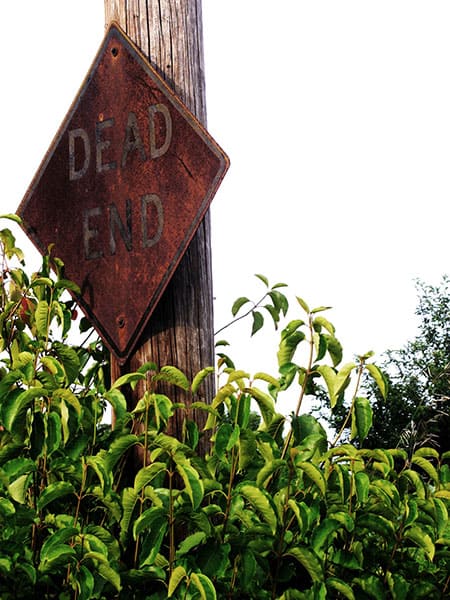
According to the National Highway Traffic Safety Administration, inadequate road signage contributes to thousands of accidents annually. These cases present unique challenges because they often involve suing government entities, which have special legal protections. However, with proper legal representation and timely action, victims can successfully recover compensation for injuries caused by negligent road signage.
At The Injury Firm, our experienced Fort Lauderdale car accident lawyers have successfully handled numerous cases involving government liability for poor road signage. We understand the complex legal procedures required to pursue these claims and have the expertise to navigate the challenges of suing municipalities and government entities.
Understanding Poor Road Signage Accidents
Poor road signage accidents occur when inadequate, missing, or defective traffic control devices contribute to motor vehicle collisions. These cases involve complex liability issues because they typically require proving that a government entity or contractor failed to meet their duty to provide safe roadway conditions.
Common Scenarios Leading to Signage-Related Accidents
Poor road signage accidents typically occur in these situations:
- Construction zones: Missing or inadequate warning signs in work areas
- Sharp curves: Absent or hidden curve warning signs
- Intersection approaches: Missing or obscured stop signs or traffic signals
- Highway exits: Inadequate advance warning for exits or lane changes
- School zones: Missing or malfunctioning school zone signs
- Bridge and tunnel approaches: Insufficient warning of height or weight restrictions
- Weather conditions: Signs that become invisible in rain, fog, or sun glare
The Legal Standard for Road Signage
Government entities have a legal duty to provide reasonably safe roadways, which includes:
- Adequate warning signs: Proper advance notice of hazards or changes
- Proper placement: Signs positioned where drivers can see and react
- Visibility standards: Signs that meet reflectivity and size requirements
- Maintenance obligations: Regular inspection and replacement of damaged signs
- Compliance with standards: Following Manual on Uniform Traffic Control Devices (MUTCD)
Types of Road Signage Defects
Road signage defects that can lead to accidents fall into several categories:
Missing Signs
Complete absence of required signage creates dangerous conditions:
- Stop signs: Missing intersection control devices
- Warning signs: Absent curve, hill, or hazard warnings
- Construction signs: Missing work zone warnings
- Speed limit signs: Absent speed zone indicators
- Lane closure signs: Missing merge or lane ending warnings
- Regulatory signs: Absent no-turn or weight restriction signs
Obscured or Hidden Signs
Signs that are blocked from drivers' view:
- Vegetation overgrowth: Trees or bushes blocking sign visibility
- Other signs: Multiple signs cluttering the view
- Parked vehicles: Cars or trucks blocking sign visibility
- Construction equipment: Machinery or materials blocking signs
- Weather conditions: Snow, ice, or dirt covering signs
- Poor lighting: Inadequate illumination for nighttime visibility
Defective or Damaged Signs
Signs that exist but don't function properly:
- Faded text: Signs with illegible or barely visible words
- Damaged reflectors: Poor nighttime visibility
- Bent or twisted signs: Physical damage affecting readability
- Wrong information: Incorrect speed limits or directions
- Malfunctioning signals: Traffic lights that don't work properly
- Inadequate size: Signs too small for the roadway speed
Improperly Placed Signs
Signs positioned incorrectly for safe driving:
- Insufficient advance warning: Signs too close to hazards
- Wrong location: Signs placed where drivers can't see them in time
- Incorrect height: Signs too high or too low for visibility
- Wrong angle: Signs facing away from traffic
- Inadequate spacing: Multiple signs too close together
Proving Negligence in Poor Signage Cases
To successfully pursue a claim for a poor signage accident, you must prove several legal elements:
Duty of Care
Government entities have a legal duty to provide reasonably safe roadways:
- Statutory obligations: Laws requiring proper traffic control devices
- Engineering standards: Professional standards for roadway design
- Maintenance duties: Ongoing obligations to inspect and maintain signs
- Public safety responsibility: General duty to protect public safety
- Federal and state guidelines: Compliance with MUTCD and state standards
Breach of Duty
You must show the government entity failed to meet their obligations:
- Failure to install: Not providing required signage
- Failure to maintain: Not replacing damaged or missing signs
- Improper installation: Installing signs incorrectly
- Inadequate inspection: Failing to regularly check sign conditions
- Ignoring complaints: Not responding to reported signage problems
Causation
The signage defect must have caused or contributed to your accident:
- Direct causation: The missing sign directly led to the accident
- Contributing factor: Poor signage was a substantial factor
- Foreseeability: The accident was a predictable result
- Proximate cause: No intervening causes broke the causal chain
Damages
You must have suffered actual damages from the accident:
- Personal injuries: Physical harm requiring medical treatment
- Property damage: Vehicle or personal property damage
- Economic losses: Medical expenses, lost wages, other costs
- Pain and suffering: Physical and emotional trauma
Who Can Be Held Liable for Poor Road Signage
Multiple parties may be responsible for road signage accidents:
Government Entities
Various levels of government may be liable:
- State Department of Transportation: Responsible for state highways and interstates
- County governments: Liable for county roads and some local streets
- City municipalities: Responsible for city streets and local traffic control
- Special districts: Bridge authorities, toll road operators, other special entities
- Federal agencies: Responsible for federal property roads
Construction Companies
Private contractors working on roadways may be liable:
- General contractors: Companies managing construction projects
- Traffic control companies: Specialists in construction zone signage
- Utility companies: Entities performing utility work on roadways
- Subcontractors: Companies hired to perform specific work
- Engineering firms: Companies designing traffic control plans
Private Property Owners
Sometimes private entities have signage responsibilities:
- Shopping centers: Owners of large retail complexes
- Industrial facilities: Businesses with significant traffic impact
- Private road owners: Entities owning private roadways open to public
- Developers: Companies responsible for new development traffic impacts
Understanding Government Immunity Laws
Government entities have special legal protections that complicate poor signage cases:
Sovereign Immunity Doctrine
Traditional legal doctrine protecting government from lawsuits:
- Historical protection: Governments traditionally immune from suit
- Limited exceptions: Specific situations where immunity is waived
- Statutory waivers: Laws that allow certain claims against government
- Proprietary vs. governmental functions: Different rules for different activities
Florida's Waiver of Sovereign Immunity
Florida law allows certain claims against government entities:
- Negligent operation: Claims for negligent operation of motor vehicles
- Dangerous conditions: Liability for dangerous conditions on public property
- Damage caps: Limits on damage awards against government
- Notice requirements: Special procedures for filing claims
- Time limits: Shorter deadlines for government claims
Discretionary Function Exception
Governments may be immune for policy decisions:
- Planning decisions: High-level policy choices may be immune
- Operational activities: Day-to-day operations usually not immune
- Maintenance duties: Failure to maintain usually creates liability
- Design immunity: Some design choices may be protected
Filing Notice of Claim Requirements
Claims against government entities require special notice procedures:
Pre-Suit Notice Requirements
You must provide formal notice before filing suit:
- Written notice: Formal written notification to appropriate entity
- Specific information: Detailed description of incident and injuries
- Damage calculation: Itemized list of damages and losses
- Legal basis: Explanation of government's liability
- Proper recipient: Notice to correct government office or official
Notice Content Requirements
The notice must include specific information:
- Accident details: Date, time, and location of incident
- Cause description: How poor signage contributed to accident
- Injury documentation: Nature and extent of injuries
- Damage itemization: Specific damages and monetary amounts
- Witness information: Names and contact information for witnesses
- Supporting evidence: Photos, reports, and other documentation
Critical Deadlines
Government claims have very short deadlines:
- Six-month deadline: Notice typically due within 6 months of accident
- Jurisdictional requirement: Missing deadline bars the claim entirely
- No extensions: Courts rarely grant deadline extensions
- Discovery rule limited: Few exceptions for delayed discovery
- Immediate action required: Must act quickly after accident
Critical Evidence Collection
Strong evidence is essential for poor signage cases:
Scene Documentation
Immediate documentation at the accident scene:
- Photographs: Pictures of missing, damaged, or obscured signs
- Video footage: Driving approach videos showing visibility issues
- Measurements: Distances between signs and hazards
- Weather conditions: Documentation of visibility conditions
- Traffic patterns: Evidence of normal traffic flow and expectations
- Alternative routes: Information about available detours
Official Records
Government documents can provide crucial evidence:
- Maintenance records: Documentation of sign inspection and repair
- Complaint records: Previous reports of signage problems
- Construction plans: Traffic control plans for work zones
- Inspection reports: Regular roadway safety inspections
- Budget documents: Evidence of funding for signage maintenance
- Policy manuals: Government standards and procedures
Expert Analysis
Professional experts can strengthen your case:
- Traffic engineers: Analysis of proper signage requirements
- Accident reconstructionists: How signage defects caused the accident
- Human factors experts: Driver visibility and reaction time analysis
- Standards experts: Compliance with MUTCD and other requirements
- Safety specialists: Roadway hazard identification and mitigation
Witness Testimony
Witness accounts can support your claims:
- Eyewitness accounts: People who saw the accident occur
- Regular commuters: Drivers familiar with the roadway conditions
- Construction workers: People working in the area
- Emergency responders: Police and medical personnel observations
- Government employees: Workers aware of signage problems
Damages and Compensation Available
Victims of poor signage accidents may recover various types of compensation:
Economic Damages
Compensation for financial losses with specific dollar amounts:
- Medical expenses: Emergency care, hospitalization, surgery, ongoing treatment
- Future medical costs: Anticipated medical needs and rehabilitation
- Lost wages: Income lost due to inability to work
- Lost earning capacity: Reduced ability to earn income in the future
- Property damage: Vehicle repair or replacement costs
- Other expenses: Transportation, home modifications, assistive devices
Non-Economic Damages
Compensation for intangible losses:
- Pain and suffering: Physical discomfort and emotional distress
- Loss of enjoyment: Inability to participate in previously enjoyed activities
- Emotional distress: Anxiety, depression, and PTSD
- Loss of consortium: Impact on spousal relationships
- Disfigurement: Permanent scarring or physical changes
- Loss of companionship: Effect on family relationships
Damage Caps for Government Claims
Florida law limits damages against government entities:
- Individual claim cap: $200,000 per person for most claims
- Incident cap: $300,000 total per incident
- Legislative approval: Higher amounts require special legislative action
- Exceptions: Some claims may exceed caps in specific circumstances
- Insurance coverage: Additional recovery from liability insurance
Unique Legal Challenges in Poor Signage Cases
Poor signage cases present several unique legal challenges:
Causation Difficulties
Proving the signage defect caused the accident:
- Multiple factors: Other causes may have contributed to accident
- Driver behavior: Insurance companies blame driver error
- Alternative explanations: Other reasons for the accident
- Burden of proof: Must prove signage was substantial factor
- Expert testimony: Need professionals to establish causation
Notice and Actual Knowledge
Proving the government knew or should have known about the problem:
- Actual notice: Direct reports or complaints about signage
- Constructive notice: Problem existed long enough that inspection should have found it
- Inspection duties: Regular inspection requirements
- Reasonable time: Adequate time to fix known problems
- Documentation challenges: Government may lack or hide relevant records
Design Immunity Defense
Governments may claim design decisions are immune:
- Discretionary immunity: Protection for policy decisions
- Engineering judgment: Professional design choices may be protected
- Standards compliance: Following guidelines may provide immunity
- Operational vs. design: Distinguishing maintenance from design issues
- Overcome immunity: Proving design was clearly unreasonable
Florida-Specific Laws and Procedures
Florida has specific laws affecting poor signage cases:
Florida's Sovereign Immunity Waiver
Chapter 768.28, Florida Statutes governs government liability:
- Waiver scope: Limited waiver of sovereign immunity
- Negligent operation: Liability for negligent operation of vehicles
- Dangerous conditions: Liability for dangerous conditions on public property
- Employee scope: Acting within scope of employment
- Damage limitations: Caps on recovery amounts
Notice Requirements
Florida's specific notice procedures:
- Section 768.28(6): Pre-suit notice requirements
- Six-month deadline: Notice due within 6 months of incident
- Specific content: Detailed requirements for notice content
- Proper service: Notice must be served on correct entity
- Jurisdictional requirement: Failure to comply bars claim
Comparative Negligence Impact
Florida's comparative negligence law affects recovery:
- Pure comparative negligence: Recovery reduced by plaintiff's fault percentage
- No bar to recovery: Can recover even if mostly at fault
- Jury determination: Fault percentages determined by jury
- Multiple defendants: Fault apportioned among all parties
Working with an Attorney for Poor Signage Cases
Poor signage cases require specialized legal expertise:
Why You Need Specialized Legal Help
These cases present unique challenges:
- Government immunity: Complex laws protecting government entities
- Short deadlines: Six-month notice requirement
- Technical evidence: Engineering and traffic control expertise needed
- Procedural requirements: Specific procedures for government claims
- Damage limitations: Caps on recovery against government
- Political considerations: Government defendants with significant resources
What Your Attorney Will Do
An experienced attorney handles multiple aspects:
- Immediate investigation: Rapid evidence collection and preservation
- Notice preparation: Proper notice of claim filing
- Expert coordination: Working with traffic engineers and safety experts
- Records requests: Obtaining government maintenance and inspection records
- Legal research: Analyzing applicable immunity and liability laws
- Strategic planning: Developing comprehensive case strategy
Choosing the Right Attorney
Look for specific qualifications:
- Government liability experience: Specific experience suing government entities
- Traffic engineering knowledge: Understanding of roadway design and signage standards
- Notice requirement expertise: Experience with pre-suit notice procedures
- Trial experience: Willingness and ability to take cases to trial
- Resource access: Ability to hire necessary experts
- Track record: History of successful government liability cases
Poor Signage Case Timeline
Understanding the typical timeline helps set expectations:
Immediate Phase (Days 1-30)
- Evidence preservation: Immediate documentation of scene and signage
- Medical treatment: Seeking necessary medical care
- Legal consultation: Contacting attorney experienced in government liability
- Accident reporting: Filing police reports and insurance claims
- Witness identification: Locating and interviewing witnesses
Investigation Phase (Months 1-6)
- Comprehensive investigation: Detailed analysis of accident circumstances
- Records requests: Obtaining government maintenance and inspection records
- Expert consultation: Working with traffic engineers and safety experts
- Notice preparation: Preparing comprehensive notice of claim
- Notice filing: Submitting notice within six-month deadline
Claim Development Phase (Months 6-18)
- Government response: Waiting for government's response to notice
- Additional investigation: Further evidence gathering and expert analysis
- Medical evaluation: Complete assessment of injuries and prognosis
- Damage calculation: Determining full extent of damages
- Settlement discussions: Attempting to resolve without litigation
Litigation Phase (Months 18+)
- Lawsuit filing: Formal legal action if settlement fails
- Discovery process: Formal evidence exchange
- Expert testimony: Depositions and trial preparation
- Motion practice: Legal motions addressing immunity and other issues
- Trial or settlement: Final resolution through trial or settlement
Frequently Asked Questions
Can I sue the government if poor road signage caused my accident?
Yes, you may be able to sue government entities for accidents caused by poor road signage. However, governments have special legal protections, and you must follow specific procedures including filing a notice of claim within six months of the accident. An experienced attorney can help navigate these complex requirements.
How long do I have to file a claim for a poor signage accident?
In Florida, you typically have six months from the date of the accident to file a notice of claim against a government entity. This deadline is strictly enforced and missing it will bar your claim entirely. After filing the notice, you generally have two years to file a lawsuit.
What evidence do I need to prove poor signage caused my accident?
Key evidence includes photographs of missing or defective signs, documentation of the accident scene, witness statements, police reports mentioning signage issues, government maintenance records, expert analysis of signage adequacy, and proof that the signage defect contributed to your accident.
How much compensation can I get for a poor signage accident?
Florida law caps damages against government entities at $200,000 per person and $300,000 per incident for most claims. However, you may also be able to recover from other sources such as contractor insurance, and the caps don't apply to all situations. Your attorney can help determine all potential sources of compensation.
What if the construction company, not the government, was responsible for the poor signage?
If a private construction company or contractor was responsible for maintaining traffic control signs, you can sue them directly without the limitations that apply to government entities. These cases often don't have damage caps and may be easier to pursue than claims against government entities.
Can I file a claim if someone stole the road sign that should have warned me?
Yes, if a sign was stolen and the government failed to replace it within a reasonable time after being notified, you may have a claim against the government entity responsible for maintaining that roadway. The key is whether they had notice of the missing sign and failed to act promptly.
What if I was speeding when the accident happened?
Even if you were speeding, you may still be able to recover compensation under Florida's comparative negligence law. Your compensation would be reduced by your percentage of fault, but poor signage could still be a contributing factor. An attorney can evaluate whether you have a viable claim despite any contributing factors.
Do I need an expert witness for a poor signage case?
Expert witnesses are typically essential in poor signage cases. Traffic engineers can testify about proper signage standards, accident reconstructionists can explain how the missing sign contributed to the accident, and human factors experts can analyze driver visibility and reaction times. These experts help prove the government's negligence.
What's the difference between design defects and maintenance failures?
Design defects involve the original planning and placement of signs, which may be protected by design immunity. Maintenance failures involve the failure to properly maintain existing signs, which typically don't have immunity protection. Maintenance failure cases are generally easier to pursue successfully.
Can I file a claim if the sign was there but I couldn't see it due to vegetation?
Yes, if vegetation or other obstructions blocked a required sign from drivers' view, the responsible government entity may be liable for failing to maintain clear visibility. Regular inspection and maintenance duties include ensuring signs remain visible to drivers.
Get Expert Legal Help for Your Poor Signage Accident
Car accidents caused by poor, missing, or defective road signage present unique legal challenges that require immediate action and specialized expertise. These cases involve complex government liability laws, strict procedural requirements, and short deadlines that can permanently bar your claim if missed.
The six-month deadline for filing notice of claim against government entities is absolute and unforgiving. Missing this deadline means losing your right to compensation entirely, regardless of how strong your case might be. This is why immediate legal consultation is crucial after any accident potentially involving poor road signage.
Successfully pursuing these claims requires understanding government immunity laws, traffic engineering standards, evidence preservation techniques, and the complex procedures for suing government entities. Insurance companies and government defendants will use every available defense to avoid responsibility, making experienced legal representation essential.
At The Injury Firm, our experienced Fort Lauderdale car accident lawyers have successfully handled numerous poor signage cases against government entities and private contractors. We understand the unique challenges these cases present and have the expertise, resources, and determination necessary to secure maximum compensation for our clients.
Our comprehensive approach to poor signage cases includes:
- Immediate accident scene investigation and evidence preservation
- Expert traffic engineering analysis of signage adequacy and standards compliance
- Comprehensive government records requests and document analysis
- Timely filing of required notice of claim within the six-month deadline
- Strategic case development addressing government immunity defenses
- Aggressive pursuit of all available sources of compensation
Don't let critical deadlines pass or allow government entities to escape responsibility for dangerous road conditions. Poor signage accidents can have devastating consequences, and you deserve full compensation for your injuries and damages.
Time is absolutely critical in poor signage cases. Evidence can disappear quickly, witnesses become unavailable, and the six-month notice deadline approaches rapidly. Every day you wait reduces your chances of building a strong case and securing fair compensation.
Contact The Injury Firm today for immediate consultation about your poor signage accident case. Our experienced team will evaluate your case, explain the complex legal requirements, and take immediate action to preserve your rights and build the strongest possible case. Call (954) 951-0000 now or contact us online for your free consultation with an experienced Florida government liability attorney.
We work on a contingency fee basis, so you pay nothing unless we recover compensation for you. Don't let government entities escape responsibility for dangerous roads—get the expert legal help you need to secure justice and compensation for your poor signage accident.