Head-On Collision Lawyer Florida - Expert Legal Help After Fatal Crashes
Head-On Collision Lawyer in Florida: Expert Legal Help After Fatal Crashes
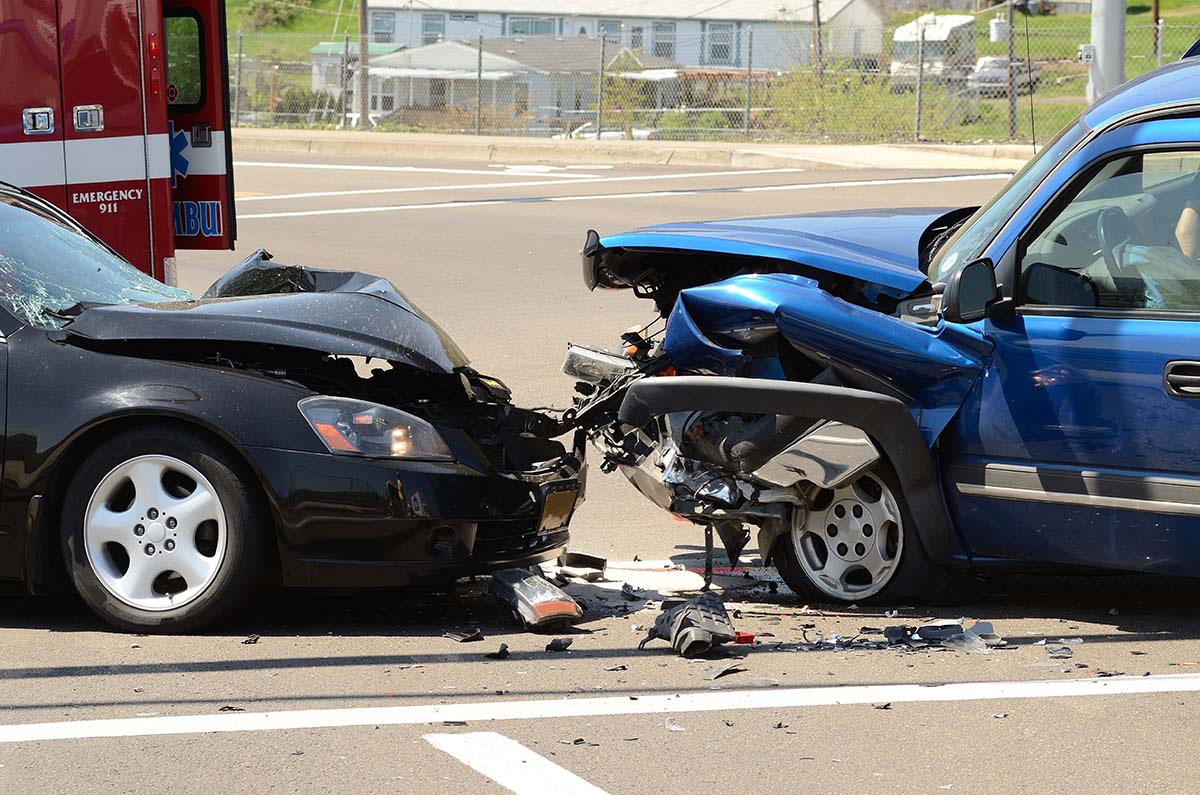
Head-on collisions are among the most devastating and deadly types of motor vehicle accidents. While they represent only about 2% of all traffic accidents in the United States, they account for a disproportionately high number of fatalities—approximately 3,000 deaths out of 140,000 total head-on crashes annually.
If you or a loved one has been involved in a head-on collision in Florida, you need experienced legal representation to help you navigate the complex process of recovering compensation for your injuries, medical expenses, lost wages, and pain and suffering. At The Injury Firm, our Fort Lauderdale head-on collision lawyers have decades of combined experience helping victims and families secure the maximum compensation they deserve.
What Are Head-On Collisions?
A head-on collision, also known as a frontal collision, occurs when the front ends of two vehicles traveling in opposite directions make contact with each other. These crashes can range from direct center-to-center impacts to offset collisions where only portions of the front ends collide.
Types of Head-On Collisions
- Full Frontal Impact: The entire front ends of both vehicles collide directly
- Offset Frontal Impact: Only portions of the front ends make contact
- Angle Frontal Impact: Vehicles collide at an angle, typically at intersections
- Oblique Frontal Impact: Vehicles strike each other at shallow angles
Why Head-On Collisions Are So Dangerous
Head-on collisions are particularly devastating because of the physics involved. When two vehicles traveling toward each other collide, the combined speed of both vehicles determines the force of impact. For example, if two cars traveling at 50 mph collide head-on, the force of impact is equivalent to hitting a stationary object at 100 mph.
Unlike rear-end or side-impact collisions where vehicles may continue moving in their original direction, head-on crashes bring both vehicles to an immediate, violent stop. This sudden deceleration subjects occupants to tremendous forces that can cause catastrophic injuries or death.
Most Common Causes of Head-On Collisions
Understanding the common causes of head-on collisions is crucial for establishing liability and building a strong legal case. Most head-on crashes result from driver negligence or dangerous road conditions.
Driver-Related Causes
1. Impaired Driving
Driving under the influence of alcohol or drugs significantly increases the risk of head-on collisions. Impaired drivers may:
- Cross into oncoming traffic lanes
- Drive the wrong way on highways or one-way streets
- Fail to navigate curves properly
- Have delayed reaction times to avoid potential collisions
2. Distracted Driving
Driver distraction has become a leading cause of all types of accidents, including head-on collisions. Common distractions include:
- Texting or talking on cell phones
- Using navigation systems or other electronic devices
- Eating or drinking while driving
- Adjusting radio, climate controls, or mirrors
- Engaging in conversations with passengers
3. Fatigued Driving
Drowsy drivers may fall asleep at the wheel or experience microsleep episodes, causing them to drift into oncoming traffic. Fatigue-related head-on collisions are particularly common:
- During late night and early morning hours
- On long, straight stretches of highway
- Among commercial truck drivers exceeding hours-of-service limits
- During shift changes for workers with irregular schedules
4. Aggressive and Reckless Driving
Aggressive driving behaviors that can lead to head-on collisions include:
- Passing vehicles in no-passing zones
- Speeding excessively for road conditions
- Following too closely (tailgating)
- Road rage incidents involving intentional ramming
5. Medical Emergencies
Sometimes head-on collisions result from drivers experiencing sudden medical emergencies such as:
- Heart attacks or strokes
- Diabetic episodes
- Seizures
- Loss of consciousness from various medical conditions
Environmental and Road-Related Causes
Poor Weather Conditions
Adverse weather can contribute to head-on collisions through:
- Reduced visibility from rain, fog, or snow
- Slippery road surfaces causing loss of vehicle control
- Strong crosswinds affecting vehicle stability
- Glare from sun or headlights in poor conditions
Road Design and Maintenance Issues
Poorly designed or maintained roads can contribute to head-on crashes:
- Inadequate median barriers on divided highways
- Missing or faded lane markings
- Poor signage or confusing road layouts
- Construction zones with inadequate traffic control
Dangers and Injuries from Head-On Collisions
Head-on collisions are statistically the deadliest type of motor vehicle accident. The severe nature of these crashes often results in catastrophic injuries or fatalities due to the tremendous forces involved.
Common Head-On Collision Injuries
Traumatic Brain Injuries (TBI)
The sudden deceleration in head-on crashes often causes the brain to impact the skull, resulting in:
- Concussions and mild traumatic brain injuries
- Severe brain injuries affecting cognitive function
- Penetrating brain injuries from debris or crushed vehicle parts
- Diffuse axonal injury from rotational forces
Spinal Cord Injuries
Head-on collisions frequently cause spinal cord damage leading to:
- Complete or incomplete paralysis
- Quadriplegia (paralysis of all four limbs)
- Paraplegia (paralysis of lower body)
- Herniated or compressed discs
- Fractured vertebrae
Chest and Abdominal Injuries
The front-end impact often causes severe chest and abdominal trauma:
- Broken ribs and sternum
- Punctured or collapsed lungs
- Heart contusions or cardiac arrest
- Internal bleeding from organ damage
- Ruptured spleen, liver, or other organs
Orthopedic Injuries
Bone fractures and joint injuries are common in head-on crashes:
- Multiple bone fractures, including compound fractures
- Crushed limbs requiring amputation
- Hip and pelvic fractures
- Facial fractures and dental injuries
- Joint dislocations and ligament tears
Burn Injuries
Vehicle fires following head-on collisions can cause severe burns:
- First, second, and third-degree burns
- Smoke inhalation injuries
- Chemical burns from battery acid or other fluids
- Scarring and disfigurement requiring reconstructive surgery
Long-Term Consequences
Survivors of head-on collisions often face lifelong challenges including:
- Permanent disability requiring ongoing medical care
- Chronic pain and reduced quality of life
- Inability to return to previous employment
- Need for long-term rehabilitation and therapy
- Psychological trauma and PTSD
- Financial hardship from medical expenses and lost income
Florida PIP Insurance Protection
Florida operates under a no-fault insurance system, which means all drivers must carry Personal Injury Protection (PIP) coverage regardless of who caused the accident.
Minimum PIP Coverage Requirements
Florida law requires all drivers to carry minimum PIP coverage of $10,000, which provides:
- 80% of medical expenses related to the accident
- 60% of lost wages and earning capacity
- Household services if you're unable to perform normal activities
- $5,000 in death benefits if the victim dies from accident-related injuries
Limitations of PIP Coverage
While PIP provides immediate coverage, $10,000 is often insufficient for serious head-on collision injuries. A single emergency room visit after a severe crash can easily exceed this amount, and ongoing treatment for catastrophic injuries can cost hundreds of thousands of dollars.
Additional Insurance Considerations
Many Florida drivers carry additional coverage beyond the minimum requirements:
- Higher PIP limits: Coverage amounts of $50,000 or more
- Medical payments coverage: Additional coverage for medical expenses
- Uninsured/underinsured motorist coverage: Protection when the at-fault driver lacks adequate insurance
- Collision coverage: Pays for vehicle repairs or replacement
When to File a Lawsuit After a Head-On Collision
Under Florida's no-fault system, you can step outside the PIP system and file a lawsuit against the at-fault driver in certain circumstances:
Serious Injury Threshold
You can file a lawsuit if you've suffered a "serious injury" as defined by Florida law, including:
- Significant and permanent loss of an important bodily function
- Permanent injury within a reasonable degree of medical probability
- Significant and permanent scarring or disfigurement
- Death (through a wrongful death claim)
Exceeding PIP Benefits
If your medical expenses and lost wages exceed your PIP coverage limits, you may be able to pursue additional compensation through a lawsuit, even without meeting the serious injury threshold.
Third-Party Liability
You can always pursue claims against third parties not covered by Florida's no-fault law, such as:
- Government entities responsible for road maintenance
- Vehicle manufacturers in defective product cases
- Employers of negligent commercial drivers
- Bars or restaurants that over-served intoxicated drivers
Proving Negligence in Head-On Collision Cases
To recover compensation in a head-on collision lawsuit, you must prove that the other driver's negligence caused the accident and your injuries. This requires establishing four key elements:
1. Duty of Care
All drivers have a legal duty to operate their vehicles safely and follow traffic laws. This includes:
- Staying in the proper lane
- Obeying speed limits and traffic signals
- Maintaining a safe following distance
- Not driving under the influence
- Avoiding distractions while driving
2. Breach of Duty
You must show that the other driver breached their duty of care through actions such as:
- Crossing into oncoming traffic
- Driving the wrong way on a highway
- Running red lights or stop signs
- Driving while intoxicated or distracted
- Excessive speeding or reckless driving
3. Causation
You must prove that the other driver's breach of duty directly caused the accident and your injuries. This involves showing:
- Actual causation: The accident wouldn't have occurred "but for" the other driver's negligence
- Proximate causation: Your injuries were a foreseeable result of the other driver's actions
4. Damages
Finally, you must prove that you suffered actual damages as a result of the accident, including:
- Medical expenses and ongoing treatment costs
- Lost wages and reduced earning capacity
- Pain and suffering
- Property damage
- Loss of life enjoyment
Gathering Evidence for Your Head-On Collision Case
Building a strong head-on collision case requires comprehensive evidence collection. The strength of your evidence often determines the success of your claim.
Scene Evidence
- Photographs: Take pictures of vehicle damage, skid marks, road conditions, traffic signs, and the overall accident scene
- Police reports: Obtain official accident reports that may include officer observations and preliminary fault determinations
- Witness statements: Collect contact information and statements from eyewitnesses
- Traffic camera footage: Request surveillance video from nearby businesses or traffic cameras
Medical Evidence
- Emergency room records: Document immediate injuries and treatment
- Diagnostic tests: X-rays, MRIs, CT scans showing extent of injuries
- Treatment records: Ongoing medical care, surgery reports, therapy notes
- Expert medical testimony: Opinions on injury severity and future medical needs
Economic Evidence
- Employment records: Proof of income and missed work
- Medical bills: All expenses related to accident injuries
- Future cost projections: Expert analysis of ongoing medical and care needs
- Property damage estimates: Vehicle repair or replacement costs
Technical Evidence
- Accident reconstruction: Expert analysis of how the collision occurred
- Vehicle inspection: Examination of mechanical issues or defects
- Toxicology reports: Blood alcohol or drug test results
- Cell phone records: Evidence of distracted driving
Statute of Limitations for Head-On Collision Claims
In Florida, you have two years from the date of the accident to file a personal injury lawsuit. This time limit is strictly enforced, and failing to file within this period typically bars you from recovering any compensation through the court system.
Important Exceptions and Considerations
- Discovery rule: In rare cases, the time limit may begin when you discover your injury
- Wrongful death claims: Must be filed within two years of the date of death
- Claims against government entities: May have shorter notice requirements
- Minors: Special rules apply to accident victims under 18
Why Time Matters
Starting your case early is crucial because:
- Evidence can be lost or destroyed over time
- Witnesses' memories fade
- Physical evidence at the scene may be altered
- Insurance companies may become less cooperative
- Medical records may become harder to obtain
Types of Compensation Available
Head-on collision victims may be entitled to various forms of compensation depending on the severity of their injuries and the circumstances of the accident.
Economic Damages
These damages compensate for financial losses with specific dollar amounts:
- Medical expenses: Past and future medical costs, including emergency care, surgery, rehabilitation, and ongoing treatment
- Lost wages: Income lost due to inability to work
- Lost earning capacity: Reduced ability to earn income in the future
- Property damage: Vehicle repair or replacement costs
- Home modifications: Accessibility improvements needed for disabilities
- Assistive devices: Wheelchairs, prosthetics, and other necessary equipment
Non-Economic Damages
These damages compensate for intangible losses:
- Pain and suffering: Physical pain and emotional distress
- Loss of enjoyment of life: Inability to participate in previously enjoyed activities
- Emotional distress: Anxiety, depression, and PTSD
- Loss of consortium: Impact on spousal relationships
- Disfigurement and scarring: Permanent changes to appearance
Punitive Damages
In cases involving particularly egregious conduct, Florida courts may award punitive damages to punish the defendant and deter similar behavior. These are typically available when the at-fault driver was:
- Driving under the influence with a high blood alcohol content
- Engaging in extreme reckless driving
- Committing intentional acts
- Showing gross negligence or reckless disregard for safety
Wrongful Death Claims in Head-On Collisions
When a head-on collision results in death, surviving family members may be able to file a wrongful death claim. These claims seek compensation for the losses suffered by the deceased's survivors.
Who Can File a Wrongful Death Claim
In Florida, wrongful death claims must be filed by the personal representative of the deceased's estate on behalf of the estate and eligible survivors, including:
- Surviving spouse
- Minor children
- Adult children (if no spouse survives)
- Parents (if no spouse or children survive)
- Other dependents in some circumstances
Damages Available in Wrongful Death Cases
- Lost earnings and benefits: The income the deceased would have provided
- Loss of support and services: Non-economic contributions to the family
- Medical and funeral expenses: Costs related to final illness and burial
- Pain and suffering of the deceased: If the victim survived for any period after the accident
- Loss of companionship: The emotional support and guidance the deceased provided
- Mental pain and suffering of survivors: The grief and emotional trauma of the loss
Choosing the Right Head-On Collision Lawyer
Selecting the right attorney is crucial for the success of your head-on collision case. Look for lawyers with specific experience handling these complex cases.
Important Qualifications to Consider
- Experience with head-on collision cases: Look for attorneys who regularly handle these specific types of accidents
- Trial experience: Choose lawyers willing and able to take your case to trial if necessary
- Resources: Ensure the firm has the financial resources to properly investigate and prosecute your case
- Expert network: Access to accident reconstruction specialists, medical experts, and economists
- Track record: History of successful settlements and verdicts in similar cases
- Communication: Lawyers who keep you informed throughout the process
Questions to Ask Potential Lawyers
- How many head-on collision cases have you handled?
- What was the outcome of similar cases you've handled?
- Do you have the resources to take my case to trial?
- Who will work on my case day-to-day?
- How will you communicate with me about case progress?
- What are your fees and how are costs handled?
Frequently Asked Questions
What should I do immediately after a head-on collision?
If you're able, call 911 immediately to get medical help and police to the scene. Don't move unless you're in immediate danger, as you may have spinal injuries. If possible, take photos of the scene, get contact information from witnesses, and avoid admitting fault or discussing the accident details with the other driver or their insurance company.
How long do I have to file a lawsuit after a head-on collision in Florida?
In Florida, you have two years from the date of the accident to file a personal injury lawsuit. For wrongful death claims, you have two years from the date of death. It's crucial to contact an attorney as soon as possible to preserve evidence and protect your rights.
Can I sue if the head-on collision was partially my fault?
Yes, Florida follows a comparative negligence rule, which means you can still recover damages even if you were partially at fault for the accident. However, your compensation will be reduced by your percentage of fault. For example, if you were 25% at fault and your damages total $100,000, you could recover $75,000.
What if the other driver doesn't have insurance or enough insurance?
If the at-fault driver is uninsured or underinsured, you may be able to make a claim under your own uninsured/underinsured motorist coverage. This coverage is optional in Florida but highly recommended. You may also be able to pursue the other driver's personal assets, though this is often challenging.
How much is my head-on collision case worth?
The value of your case depends on many factors, including the severity of your injuries, the extent of medical treatment required, your lost wages, the degree of the other driver's fault, and the available insurance coverage. An experienced attorney can provide a more accurate assessment after reviewing your specific circumstances.
Will my case go to trial?
Most head-on collision cases settle out of court through negotiations with insurance companies. However, if a fair settlement cannot be reached, your attorney should be prepared to take your case to trial to secure the compensation you deserve.
How much does it cost to hire a head-on collision lawyer?
Most personal injury attorneys work on a contingency fee basis, meaning you pay no attorney fees unless you win your case. The fee is typically a percentage of your settlement or verdict. Initial consultations are usually free, and the attorney advances all case costs.
What if I can't afford my medical treatment after the accident?
Your attorney may be able to help you find doctors who will treat you on a lien basis, meaning they'll wait for payment until your case is resolved. Some attorneys also work with medical financing companies to help cover treatment costs during your case.
How long does a head-on collision case take to resolve?
The timeline varies depending on the complexity of your case, the severity of your injuries, and the willingness of insurance companies to negotiate fairly. Simple cases may resolve in months, while complex cases involving catastrophic injuries may take a year or more to reach resolution.
What if the head-on collision involved a commercial truck?
Truck accidents often involve additional liable parties, such as the trucking company, vehicle manufacturer, or cargo loading company. These cases are typically more complex and may involve federal regulations. It's crucial to work with an attorney experienced in commercial vehicle accidents.
Get Expert Legal Help After a Head-On Collision
Head-on collisions are among the most serious and life-altering types of motor vehicle accidents. The physical, emotional, and financial consequences can be overwhelming for victims and their families. If you or a loved one has been involved in a head-on collision in Florida, you need experienced legal representation to protect your rights and secure the compensation you deserve.
At The Injury Firm, our Fort Lauderdale head-on collision lawyers have successfully represented hundreds of accident victims and recovered millions of dollars in compensation. We understand the unique challenges these cases present and have the experience, resources, and dedication necessary to fight for maximum compensation.
Our team will:
- Conduct a thorough investigation of your accident
- Work with expert witnesses to reconstruct the collision and prove fault
- Calculate the full extent of your current and future damages
- Handle all communications with insurance companies
- Fight aggressively for maximum compensation
- Take your case to trial if necessary
Don't wait to seek legal help. With only two years to file your claim in Florida, time is critical. Contact us today for a free consultation to discuss your case and learn about your legal options.
Call (954) 951-0000 now or contact us online to schedule your free consultation with an experienced Florida head-on collision lawyer. We work on a contingency fee basis, so you pay nothing unless we win your case.