
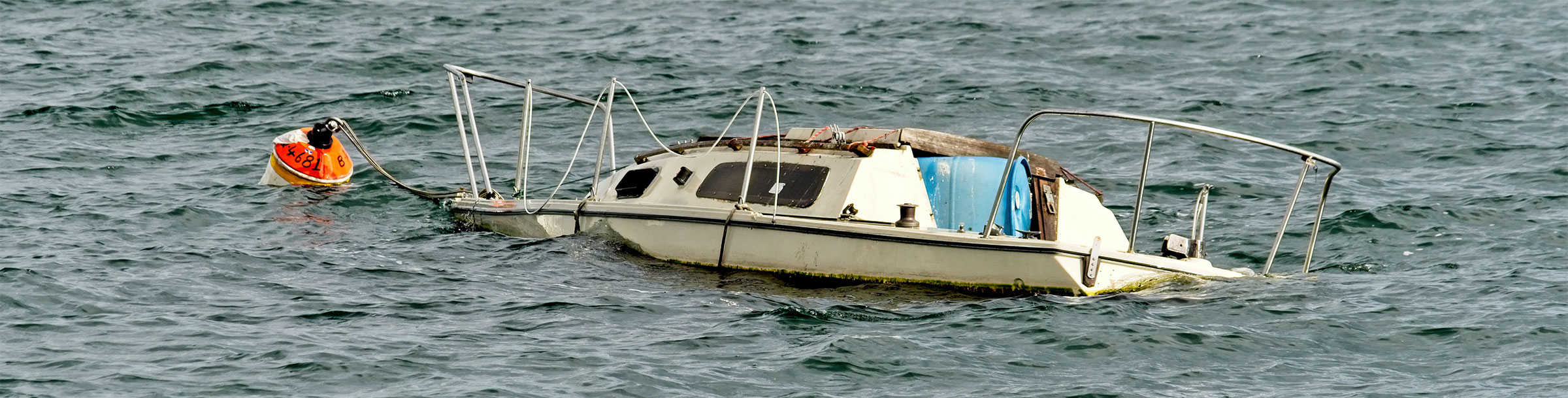
Watercraft Accident Injuries | Florida Injury Firm – Legal Rights, Compensation & Injury Help
Watercraft accident injuries can derail lives in seconds, but Florida law provides clear rights and legal options for victims. The Injury Firm offers decades of personal injury and maritime law expertise, serving clients statewide and fighting for full and fair compensation.
Watercraft Accident Overview
Florida’s vast waters—coastal and inland alike—see more recreational boating, jet ski, and personal watercraft accidents than any other state[web:89][web:94][web:90]. Collisions, falls, drowning, and other mishaps cause thousands of injuries annually. Knowing your rights and the correct steps to take is key to protecting your health and financial recovery.
Watercraft accidents involve motorboats, jet skis, kayaks, paddle boards, pontoon boats, airboats, and specialized vessels. They can lead to traumatic injuries, property damage, and expensive long-term care needs.
Common Types of Watercraft Accident Injuries
- Fractures, sprains, and orthopedic trauma: Falls, collisions, or crush injuries.
- Drowning and near-drowning: The leading cause of death in watercraft accidents.
- Head injuries and traumatic brain injury (TBI): From falls overboard or boat collisions.
- Spinal cord damage: Diving, high-speed impacts, or striking submerged objects.
- Lacerations and burns: Propeller, engine, fire, or explosion-related.
- Hypothermia or exposure injuries: Prolonged immersion or delayed rescue.
- Internal injuries: Blunt trauma from collisions or capsizing.
- Emotional trauma and PTSD: Long-term psychological effects after serious accidents.
Some injuries may not manifest immediately. Always seek prompt medical and legal help after any watercraft incident.
What to Do After a Watercraft Accident
- Ensure everyone’s safety and administer first aid.
- Notify authorities immediately for any injury, death, missing person, or property damage over $2,000.
- Stay at the scene, render aid, and exchange insurance information with all parties involved.
- Document everything: photos, video, accident location, involved vessels, witness statements, and medical records.
- Avoid admitting responsibility; keep statements factual.
- Seek medical evaluation—even for minor symptoms.
- Contact an experienced watercraft injury attorney before speaking with insurers or signing anything.
Liability and Negligence Under Florida Law
The main cause of Florida watercraft injuries is operator negligence—reckless speed, distraction, alcohol/drug impairment, failure to follow navigation rules, lack of safety equipment, and improper vessel maintenance.
- Boat operator/owner: Duty to operate with care and provide safety equipment.
- Rental company: Liability for poor maintenance, inadequate instruction, or insufficient screening.
- Other parties: Passengers, other operators, or negligent third parties.
Florida’s modified comparative negligence law allows victims to recover compensation if not over 50% responsible, with damages reduced by their own fault percentage.
Wrongful death suits and drowning claims may provide additional remedies for families.
Compensation for Watercraft Injuries
- Medical bills and rehabilitation costs
- Lost wages and future earnings
- Pain and suffering
- Emotional trauma and PTSD
- Property damage (boat, personal items)
- Wrongful death damages: funeral costs, loss of companionship, and support.
- Punitive damages for gross or willful negligence.
Florida sets a two-year statute of limitations for most injury claims but cases on navigable waters may invoke federal maritime law, with different deadlines and requirements.
Insurance & Reporting Obligations
Boating and watercraft insurance often have limited coverage. Do not accept settlements before consulting an attorney. Document all communication with insurers and provide full accident reports to support your claim.
- Reporting is mandatory for death, serious injury, missing persons, and property damage over $2,000.
- Failure to report or render aid is a criminal offense—punishable by fines or incarceration.
- The Coast Guard may get involved for federal cases (navigable waters, major accidents).
Rental watercraft accident claims can involve different rules; keep contracts and waivers for all vessels used.
Why Hire a Watercraft Injury Lawyer?
- Thorough investigation: accident reconstruction, expert witnesses, evidence preservation
- Determining liability among multiple parties and insurance providers
- Negotiating for the full value of your injuries and losses
- Litigation experience in both state and federal maritime courts
- No fee unless compensation is recovered
- Personalized support, answering questions, and guiding you through medical, insurance and legal steps.
The Injury Firm offers free consultations statewide. Contact our offices in Fort Lauderdale, West Palm Beach, or Orlando 24/7 for immediate help.
FAQ: Watercraft Accident Injuries
- What are the most common watercraft accident injuries?
- Drowning, fractures, head trauma, spinal injuries, burns, emotional trauma, and internal injuries are all frequent outcomes.
- Who can be held liable after a watercraft accident?
- Operators, owners, rental companies, manufacturers, and third parties may share responsibility depending on the circumstances.
- When must a watercraft accident be reported in Florida?
- For injuries beyond first aid, death, missing persons, or property damage over $2,000, immediate reporting is required by law.
- What compensation can victims recover?
- Medical bills, lost income, pain and suffering, property damage, wrongful death damages, and punitive damages for serious negligence.
- How is liability determined?
- The law looks at negligence, breach of duty, and percentage of fault; Florida uses modified comparative negligence.
- Does federal maritime law apply?
- If the accident occurs on navigable waters, federal law may govern your case with unique claim rules and deadlines.
- Can I sue for drowning or wrongful death?
- Yes, families can file wrongful death suits for fatal injuries and recover substantial damages.
- What evidence will help my case?
- Photos, videos, witness statements, accident reports, medical records, vessel documents, and contracts.
- Should I accept insurance settlement offers?
- Consult an attorney first. Early insurance offers are often much less than your claim’s true value.
- Why choose The Injury Firm?
- Decades of experience, millions recovered, and a client-first approach focused on maximizing compensation and supporting you throughout the entire process.
``` [1](https://flinjuryfirm.com) [2](https://decarlis-sawyer.com/what-to-do-after-a-boat-crash-in-florida-a-legal-guide/) [3](https://suncoastlaw.com/what-is-the-law-in-florida-for-boating-accidents-with-injuries/) [4](https://www.bonderudlaw.com/blog/florida-boating-accident-laws-who-is-responsible/) [5](https://www.mauslawfirm.com/ft-lauderdale-boating-accident-attorney/boating-accident-laws/) [6](https://mickeykeenan.com/when-does-a-boating-accident-need-to-be-reported/) [7](https://rueziffra.com/understanding-floridas-boating-accident-and-liability-laws/) [8](https://www.888boatlaw.com) [9](https://trellesinjurylaw.com/florida-jet-ski-accident-guide/) [10](https://getmejustice.com/blog/navigating-florida-boating-accidents-what-to-do-and-how-injuries-might-be-covered/) [11](https://www.holzberglegal.com/jet-ski-injury-claims-understanding-liability-common-injuries-and-how-to-protect-your-rights/)