
Fort Lauderdale Construction Accidents Lawyer: Protecting Your Rights After a Worksite Injury
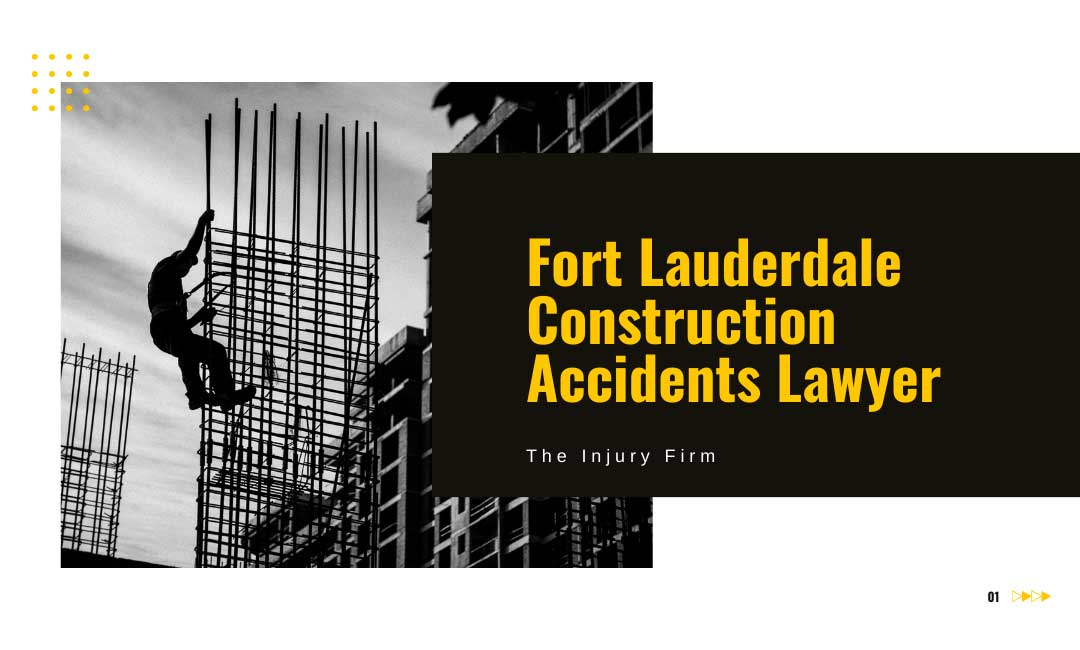
Imagine this: in the U.S., one in five worker deaths annually occurs in construction. In the bustling construction sites of Fort Lauderdale, accidents are not just numbers; they're real, life-altering events. You might think you're just another statistic, but what happens when you become part of that grim reality? That's where understanding your rights and the role of a construction accident lawyer becomes crucial.
Here, we'll unravel the mystery of construction accidents and your rights. We'll cover:
- The role of a construction accident lawyer.
- Common types of accidents and injuries at construction sites.
- Types of claims you can make after a construction accident.
- Steps to take immediately following a construction accident.
- Knowing when it's time to hire a lawyer.
- How a lawyer can turn the tide in your favor.
P.S., Speaking of expertise, The Injury Firm has been a beacon of hope in Fort Lauderdale. With a knack for tackling tough cases against big insurance companies, they're the allies you need when accidents strike. Let's dive in and discover how they make a difference.
The Role of a Construction Accident Lawyer
When disaster strikes on a construction site, a construction accident lawyer becomes your frontline ally. Think of them as your advocate, donned not in a hard hat, but in legal expertise. Their role? It's multifaceted, crucial, and tailored to your unique situation.
Help You Understand Your Rights and the Law
- Navigating Legal Complexities: Construction law is a labyrinth. Your Lauderdale construction accident lawyer knows the ins and outs, making sure you don't miss crucial steps or deadlines.
- Educating You on Your Rights: You might not know your full rights post-accident. Your lawyer will enlighten you, ensuring you're not left in the dark.
Build Your Case
- Gathering Evidence: They're like detectives, collecting evidence that speaks volumes about your case.
- Interviewing Witnesses: Your lawyer will talk to witnesses, piecing together the accident's puzzle.
Deal with the Nitty-Gritty
- Handling Paperwork: Mountains of paperwork? They've got it covered.
- Communicating with Insurers: Negotiating with insurance companies can be daunting. Your lawyer steps into this arena on your behalf.
Fight for Your Compensation
- Determining Compensation: They help figure out what workers' compensation benefits you are entitled to.
- Negotiating Settlements: Skilled in negotiation, they aim to get you the best possible settlement.
A construction accident lawyer isn't just a legal advisor; they're your strategic partner in navigating the aftermath of a Fort Lauderdale construction accident. They take the legal burden off your shoulders, allowing you to focus on what's important – your recovery.
Common Types of Accidents at Construction Sites
Construction sites, with their high-energy and ever-changing landscape, are ripe for accidents. Recognizing these common mishaps is the first step in understanding the risks and protecting yourself.
A Walk Through the Danger Zone
- Falls from Heights: The most common and often the most dangerous. Think scaffolding collapses or slipping off a roof.
- Struck-by Incidents: Whether it’s a flying, falling, swinging, or rolling object, these incidents can cause serious injuries.
When Machines Turn Menacing
- Equipment Malfunctions: From crane collapses to forklift accidents, equipment failure is not just a setback; it’s a hazard.
- Electrocutions: Often unexpected, these accidents can be fatal, especially when safety protocols are overlooked.
The Overlooked Hazards
- Trench or Wall Collapses: These can trap, injure, or even kill injured construction workers in the blink of an eye.
- Exposure to Harmful Substances: Chemicals and hazardous materials pose silent but deadly risks.
A Case of the Wrong Place, Wrong Time
- Fires and Explosions: Less common but extremely dangerous, these can result in severe burns and injuries.
- Overexertion and Repetitive Stress Injuries: Often ignored until it's too late, these result from the demanding physical nature of construction work.
By understanding these risks, you’re better prepared to navigate the dangers of a construction site. Awareness is your first line of defense, and in the event of an accident, knowing the type of accident can be crucial in your legal journey.
Common Types of Injuries at Construction Sites
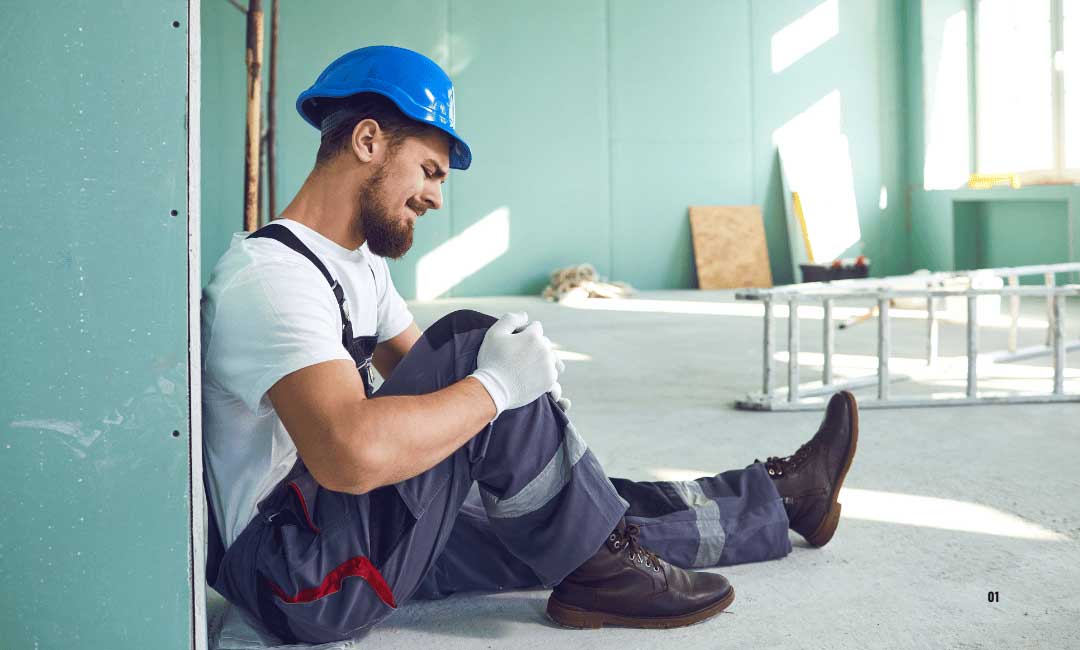
The physical toll of construction site accidents can be as diverse as the projects themselves. From minor cuts to life-altering injuries, understanding these common injuries is crucial for recognizing the seriousness of construction site accidents.
A Spectrum of Injuries
Injuries on construction sites can range from the seemingly minor to the severely catastrophic. It’s important to understand that even minor injuries can escalate if not properly addressed.
Minor Injuries:
- Cuts and Bruises: Often underestimated, these can lead to infections or indicate deeper tissue damage.
- Sprains and Strains: A wrong move or a slip can result in painful and sometimes long-lasting joint and muscle injuries.
Serious Injuries:
- Broken Bones: From falls or being struck by objects, fractures can range from simple to complex.
- Head Injuries: Including concussions or traumatic brain injuries (TBI), often caused by falls or being struck by objects.
Life-Altering Injuries:
- Spinal Cord Injuries: These can lead to partial or complete paralysis, dramatically changing a person's life.
- Amputations: In severe cases, the injury might lead to the loss of a limb, impacting mobility and quality of life.
The Invisible Scars
- Mental Trauma: Accidents can leave psychological scars like PTSD, anxiety, and depression.
- Chronic Pain: Lingering pain from injuries can affect every aspect of daily life.
Recognizing these injuries is more than just a list of potential harms; it’s about understanding the profound impact these accidents can have on someone’s life.
Types of Claims After Construction Accidents
When you're caught in the aftermath of a construction accident, understanding the types of claims you can pursue is like finding a map in uncharted territory. It's not just about seeking compensation; it's about charting a course through a complex legal landscape to protect your rights and future.
Workers' Compensation Claims
Imagine this: you're injured on the job, and now you're facing medical bills and lost wages. Workers' compensation steps in here. It's designed to cover your immediate needs like medical expenses and a portion of your lost income.
The best part? You don't need to prove your employer was at fault. But there's a catch – usually, accepting workers' comp means you can't sue your employer. It's a trade-off, one that requires careful consideration.
Personal Injury Claims
Now, let's say a third party – maybe a contractor or equipment manufacturer – played a role in your accident. This is where personal injury claims come into the picture. These claims go beyond workers' compensation.
They open the door to recovering full lost wages, compensation for pain and suffering, and sometimes even punitive damages. It's about holding those responsible accountable, beyond the scope of your immediate employment circle.
Product Liability Claims
Consider a scenario where a piece of equipment fails, leading to your injury. This isn't just bad luck; it's a matter of product liability. These claims target the manufacturers or distributors of faulty equipment.
The aim? To ensure you're compensated for the harm their product caused. This could include medical expenses, lost wages, and the pain and suffering you endured because of their defective product.
Wrongful Death Claims
In the most tragic cases, where a construction accident leads to a loss of life, the legal landscape shifts to wrongful death claims.
These claims are filed by the family of the deceased, seeking compensation for their unimaginable loss. This could cover the lost future income of the loved one, funeral expenses, and the personal loss of companionship and support.
Each of these paths offers a different form of redress and healing. The key is knowing which one aligns with your specific situation. A construction accident lawyer isn't just a legal guide; they are your navigator, helping you choose the path that leads to the best outcome for you and your family.
What to Do After a Construction Accident
When a construction accident happens, the chaos that follows can be overwhelming. It's not just about the injury; it's about what you do immediately afterward that can significantly impact your physical, emotional, and financial recovery.
Here's a detailed guide on what steps to take following a construction site accident.
Immediate Actions Post-Accident
First things first: Seek medical attention, even if the injury seems minor. Not all injuries are immediately apparent, and a medical record is crucial for any future claims.
Next, report the accident to your employer or site supervisor. This isn't just a formality; it's a legal requirement in most construction accident cases and a critical step in documenting the event.
Documenting Everything
In the digital age, your smartphone is your best ally. Take photos of the accident scene, your injuries, and anything else that seems relevant – like hazardous conditions or faulty equipment.
Also, if there are witnesses, get their contact information. Their accounts could be invaluable later.
Navigating the Aftermath
Once the initial steps are taken, it’s time to navigate the complex aftermath. Start by filing a workers’ compensation claim if applicable.
This can provide some immediate financial relief for medical bills and lost wages. But remember, accepting a construction worker' comp can sometimes limit your ability to pursue further legal action.
Seeking Legal Counsel
Now, let's talk about legal assistance. Consulting a construction accident lawyer as soon as possible can make a significant difference.
They can advise you on the viability of your case, guide you through the complexities of construction accident laws, and help you understand the full scope of your rights and options.
The Long-Term Perspective
In the days and weeks following the accident, keep detailed records of everything related to your injury.
This includes ongoing medical treatment, any correspondence with construction companies or insurance companies, and how the injury is affecting your daily life and ability to work. This documentation will be vital in building a strong case.
Understanding the Bigger Picture
While dealing with the immediate aftermath is crucial, it's also important to think long-term. How will this injury affect your life, your work, and your family?
Understanding the broader impact of the accident is essential in determining the full extent of compensation you may be entitled to.
Navigating the aftermath of a construction accident is a journey fraught with legal, medical, and emotional challenges. Each step you take following the accident is a stepping stone towards your recovery and justice.
When to Hire a Lawyer After a Construction Accident

Deciding when to bring a lawyer into the picture after a construction accident can be a pivotal moment in your journey to recovery and justice. Here are some key indicators that it's time to seek legal expertise:
Clear Signs You Need a Lawyer
- Severe Injuries or Disability: If the accident results in serious construction accident injuries or long-term disability, legal guidance is crucial.
- Dispute Over the Accident: If there’s a disagreement about who is at fault or the circumstances of the accident, a lawyer can help clarify and defend your position.
- Workers' Compensation Issues: Trouble with your workers' compensation claim? A construction accident attorney can navigate these challenges.
Dealing with Insurance Companies
- Lowball Settlement Offers: Insurers often offer less than you deserve. A lawyer can negotiate fair compensation.
- Denial of Claims: If your construction accident claim is unjustly denied, a construction accident attorney can contest this decision.
When Complexity Arises
- Multiple Parties Involved: Accidents involving several parties can get legally complex. Fort Lauderdale personal injury attorneys can help untangle these situations.
- Legal Deadline Concerns: Facing statute of limitations or other legal deadlines? A lawyer ensures you meet these crucial timeframes.
Protecting Your Rights
- Uncertain About Your Rights: If you’re unsure about your legal rights or the extent of your employer's liability, a lawyer can provide clarity.
- Ensuring Full Compensation: To guarantee you’re getting the full compensation you're entitled to, legal expertise is invaluable.
Bringing a construction accident lawyer on board at the right time can make a significant difference in the outcome of your case. They not only provide legal guidance but also become your advocate, ensuring your rights are protected every step of the way.
How a Lawyer Can Help After a Construction Accident
When you're facing the aftermath of a construction accident, having a lawyer by your side isn't just about legal representation; it's about turning their expertise to your advantage. Here's how a skilled construction accident lawyer can make a significant difference in your case:
Navigating the Legal Maze
- Understanding the Law: They bring a deep understanding of construction accident laws, which can be complex and varied.
- Strategic Planning: Your lawyer will develop a strategy tailored to the specifics of your case, ensuring the best possible approach to seeking justice and compensation.
Building a Strong Case
- Gathering Evidence: Lawyers have the resources and know-how to gather comprehensive evidence, from accident reports to medical records.
- Expert Testimonies: They can bring in experts to strengthen your case, be it medical professionals, safety experts, or accident reconstruction specialists.
Dealing with Insurance Companies
- Negotiating Settlements: Lawyers are skilled negotiators who can deal with insurance companies to secure a fair settlement.
- Fighting Lowball Offers: They know the tactics insurers use and how to counter them effectively, ensuring you're not shortchanged.
Legal Representation in Court
- Courtroom Experience: If your construction accident lawsuit goes to trial, having a lawyer with courtroom experience is invaluable.
- Articulating Your Story: They can compellingly present your case, ensuring your side of the story is heard and understood.
Providing Personalized Support
- Guiding You Through the Process: From filing claims to understanding your rights, they guide you every step of the way.
- Emotional and Legal Support: Beyond legal advice, they provide support during what can be a stressful and emotional time.
A construction accident lawyer is more than just a legal advisor; they're your partner in navigating a challenging time in your life. Their expertise is your tool for not only understanding your rights but actively fighting for them. With their help, you can focus on your recovery while they handle the complexities of your case.
Navigating Construction Accidents? Let's Build Your Legal Roadmap
Wrapping up, we've journeyed through the critical aspects of handling a construction accident, from understanding the role of lawyers to recognizing when it's time to seek their help. Armed with this knowledge, you're now better equipped to navigate these challenging waters.
Key Takeaways:
- The multifaceted role of construction accident lawyers.
- Common types of construction site accidents and injuries.
- Various claims and when to file them.
- The right time to seek legal counsel.
- How a Lauderdale construction accident attorney can turn the tide in your favor.
As we close this chapter, remember that in the complex world of construction accidents, having the right partner makes all the difference. The Injury Firm stands as a beacon of hope and expertise, ready to guide you through the legal maze with skill and dedication. When it comes to protecting your rights and building a strong case, they’re the craftsmen you need by your side.