
Florida Turnpike Car Accident Lawyer | Expert Legal Help | The Injury Firm
Florida Turnpike Car Accident Lawyer - Expert Legal Representation for Highway Crashes
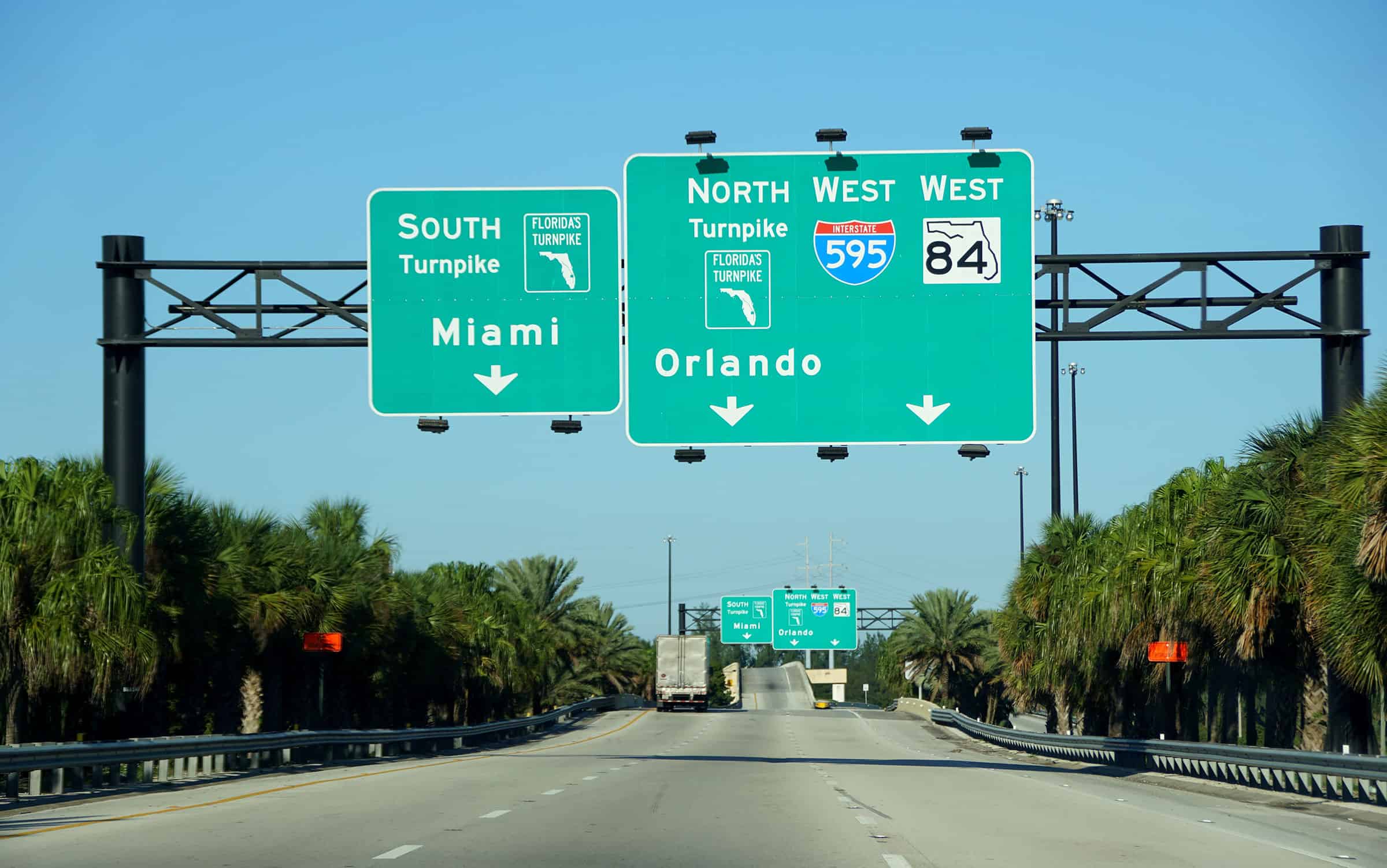
Understanding Florida Turnpike Car Accidents
The Florida Turnpike is one of the state's most traveled highways, stretching 312 miles from Miami to the Georgia border. This vital transportation corridor handles millions of vehicles annually, making it a high-risk area for serious car accidents. With speed limits reaching up to 80 mph in some areas, accidents on the Florida Turnpike often result in catastrophic injuries and fatalities.
If you've been involved in a car accident on the Florida Turnpike, you're facing unique challenges that require specialized legal expertise. Highway accidents involve complex liability issues, multiple insurance companies, and often result in more severe injuries due to high-speed impacts. Understanding your rights and legal options is crucial for obtaining the compensation you deserve.
The Florida Turnpike's design features, including toll plazas, entrance and exit ramps, and construction zones, create specific hazards that contribute to accidents. These factors, combined with heavy traffic volume and varying weather conditions, make the turnpike a particularly dangerous roadway that demands experienced legal representation when accidents occur.
Florida Turnpike Accident Statistics and Data
Understanding the scope of Florida Turnpike accidents helps illustrate the serious nature of these incidents and the importance of proper legal representation.
Accident Frequency and Severity
According to the Florida Department of Highway Safety and Motor Vehicles, the Florida Turnpike experiences thousands of crashes annually. The highway consistently ranks among Florida's most dangerous roads due to several factors:
- High Traffic Volume: Over 300,000 vehicles travel the turnpike daily in some sections
- Speed-Related Crashes: High speed limits contribute to more severe accidents
- Fatal Accident Rate: The turnpike has a higher fatality rate compared to other Florida highways
- Multi-Vehicle Collisions: Chain-reaction accidents are common due to traffic density
Peak Accident Times and Locations
Certain times and locations on the Florida Turnpike see higher accident rates:
- Rush Hour Periods: Morning (7-9 AM) and evening (5-7 PM) commute times
- Holiday Weekends: Increased traffic during major holidays
- Weather Events: Rain, fog, and severe weather conditions
- Construction Zones: Areas with ongoing road work and lane restrictions
- Toll Plaza Areas: Sudden stopping and lane changes near toll booths
Common Injury Types
Florida Turnpike accidents often result in more severe injuries due to high speeds:
- Traumatic brain injuries and concussions
- Spinal cord injuries and paralysis
- Multiple bone fractures and crush injuries
- Internal organ damage and bleeding
- Severe burns from vehicle fires
- Wrongful death cases
Common Causes of Florida Turnpike Car Accidents
Understanding the primary causes of Florida Turnpike accidents helps establish liability and build stronger legal cases. These accidents often result from a combination of factors unique to highway driving conditions.
Infrastructure-Related Causes
Poorly Designed Entrance and Exit Ramps: Many turnpike entrance ramps are too short, requiring drivers to accelerate from 30 mph to 70+ mph in a very short distance. This creates dangerous merging situations where drivers may not have adequate space or time to safely enter traffic flow.
Inadequate Signage: Missing, damaged, or poorly placed road signs can lead to sudden lane changes, missed exits, and confusion among drivers. Inadequate warning signs for construction zones, lane closures, or hazardous conditions contribute to accident risk.
Defective Road Conditions: Potholes, uneven pavement, debris, and poor road maintenance can cause drivers to lose control of their vehicles. These conditions are particularly dangerous at highway speeds.
Guardrail and Median Issues: Improperly designed or damaged guardrails and medians can fail to prevent vehicles from crossing into oncoming traffic or leaving the roadway entirely.
Inadequate Shoulder Design: Narrow or damaged shoulders provide insufficient space for emergency stops, disabled vehicles, or emergency responders, creating additional hazards.
Driver-Related Causes
Excessive Speed: Driving above posted speed limits or too fast for conditions is a leading cause of turnpike accidents. High speeds reduce reaction time and increase impact severity.
Distracted Driving: Cell phone use, GPS navigation, eating, or other distractions are particularly dangerous at highway speeds where split-second decisions are crucial.
Aggressive Driving: Tailgating, unsafe lane changes, road rage, and weaving through traffic create dangerous situations for all drivers.
Driver Fatigue: Long-distance travel on the turnpike can lead to drowsy driving, especially during overnight hours.
Impaired Driving: Alcohol, drugs, or medications that affect driving ability contribute to serious accidents.
Environmental Factors
Weather Conditions: Florida's frequent rain, thunderstorms, and fog create hazardous driving conditions that require reduced speeds and increased following distances.
Construction Zones: Lane restrictions, worker presence, and changed traffic patterns in construction areas increase accident risk.
Animal Crossings: Wildlife crossing the turnpike, particularly in rural areas, can cause accidents when drivers swerve to avoid animals.
Vehicle-Related Causes
Mechanical Failures: Tire blowouts, brake failure, and other mechanical issues can be catastrophic at highway speeds.
Cargo Issues: Improperly secured loads on trucks can fall onto the roadway, creating hazards for other drivers.
Vehicle Defects: Manufacturing defects in vehicles or components can contribute to accidents.
Most Dangerous Areas on the Florida Turnpike
Certain sections of the Florida Turnpike have higher accident rates due to specific design features, traffic patterns, and environmental factors.
High-Risk Sections
Miami-Dade County Section: The southern terminus experiences heavy traffic volume and complex interchanges, leading to frequent accidents.
Broward County Area: High population density and multiple access points create challenging driving conditions.
Palm Beach County: Mix of commuter and tourist traffic creates varying driving patterns and speeds.
Orlando Metro Area: Tourist traffic unfamiliar with the roadway combines with local commuters, increasing accident risk.
Rural North Florida: Higher speed limits and less frequent emergency services can make accidents more severe.
Specific Hazard Locations
Toll Plazas: Sudden stopping and lane changes near toll booths create rear-end collision risks.
Major Interchanges: Complex highway interchanges with multiple lanes and directions can confuse drivers.
Construction Zones: Ongoing road work creates lane restrictions and changed traffic patterns.
Bridge Sections: Weather conditions can be more severe on elevated roadways.
Rest Areas: Vehicles entering and exiting rest areas create potential conflict points.
Types of Accidents Common on the Florida Turnpike
Highway accidents on the Florida Turnpike take several forms, each with unique characteristics and legal implications.
Multi-Vehicle Collisions
Chain-reaction accidents involving multiple vehicles are common on the turnpike due to high traffic density and speeds. These accidents often result in complex liability issues as determining fault requires thorough investigation of each vehicle's actions.
Rear-End Collisions
High-speed rear-end accidents are frequent, especially in heavy traffic or construction zones. These crashes often result in severe injuries due to the significant force involved at highway speeds.
Sideswipe Accidents
Lane change accidents and sideswipe collisions occur when drivers fail to properly check blind spots or signal lane changes. These accidents can cause vehicles to lose control and roll over.
Head-On Collisions
Though less common, head-on collisions can occur when vehicles cross the median or travel in the wrong direction. These accidents are often fatal due to the combined impact speed.
Rollover Accidents
SUVs and tall vehicles are particularly susceptible to rollover accidents when swerving at high speeds or leaving the roadway.
Single-Vehicle Accidents
Vehicles leaving the roadway due to driver error, mechanical failure, or road conditions can result in serious injuries when striking trees, barriers, or other objects.
Truck Accidents
Commercial truck accidents on the turnpike often involve catastrophic injuries due to the size and weight disparity between trucks and passenger vehicles.
Motorcycle Accidents
Motorcyclists are particularly vulnerable on the turnpike due to high speeds and limited protection in accidents.
What to Do After a Florida Turnpike Car Accident
Knowing the proper steps to take after a turnpike accident can protect your safety, preserve evidence, and strengthen your legal case.
Immediate Safety Steps
Ensure Safety: If possible, move vehicles to the shoulder or a safe location away from traffic. Turn on hazard lights and set up flares or reflective triangles if available.
Check for Injuries: Assess yourself, passengers, and others involved for injuries. Do not move anyone who may have spinal injuries unless they're in immediate danger.
Call 911: Contact emergency services immediately. Florida Highway Patrol responds to turnpike accidents and will create an official accident report.
Request Medical Attention: Even if you feel fine, adrenaline can mask injuries. Accept medical evaluation from paramedics or go to the hospital.
Documentation and Evidence
Take Photographs: Document the accident scene, vehicle damage, injuries, road conditions, and any contributing factors like construction zones or weather.
Gather Information: Exchange contact and insurance information with all parties involved. Include names, phone numbers, license plate numbers, and insurance policy details.
Identify Witnesses: Collect contact information from witnesses who saw the accident occur. Their testimony can be crucial for your case.
Note Details: Write down or record details about how the accident happened, weather conditions, time of day, and any other relevant factors.
Legal Protection Steps
Limit Statements: Do not admit fault or make detailed statements about the accident to other drivers or insurance companies. Stick to basic facts.
Contact Your Insurance: Report the accident to your insurance company, but avoid giving detailed statements until you've spoken with an attorney.
Seek Legal Counsel: Contact an experienced Florida Turnpike accident attorney as soon as possible to protect your rights and preserve evidence.
Follow Medical Advice: Attend all medical appointments and follow treatment recommendations. This creates documentation of your injuries and shows you're taking them seriously.
Things to Avoid
- Don't leave the scene before police arrive
- Don't admit fault or apologize
- Don't sign anything other than citations from police
- Don't accept quick settlement offers
- Don't discuss the accident on social media
- Don't delay seeking medical or legal help
Liability and Fault in Florida Turnpike Accidents
Determining liability in Florida Turnpike accidents can be complex, involving multiple parties and factors. Understanding how fault is established is crucial for pursuing compensation.
Types of Liability
Driver Negligence: Most accidents result from driver error, including speeding, distracted driving, or failing to maintain a safe following distance.
Government Liability: The state may be liable for accidents caused by dangerous road conditions, inadequate signage, or poor highway design.
Vehicle Manufacturer Liability: Defective vehicles or parts can contribute to accidents, creating product liability claims.
Third-Party Liability: Construction companies, maintenance crews, or other parties may share liability for certain accidents.
Florida's Comparative Negligence System
Florida follows a comparative negligence system, meaning multiple parties can share fault for an accident. Your compensation is reduced by your percentage of fault. For example, if you're found 20% at fault, your compensation would be reduced by 20%.
Proving Liability
Establishing liability requires proving several elements:
- Duty of Care: The defendant had a legal obligation to drive safely
- Breach of Duty: The defendant violated this duty through negligent actions
- Causation: The breach directly caused the accident and your injuries
- Damages: You suffered actual losses as a result of the accident
Evidence for Liability
Strong evidence is crucial for establishing fault:
- Police reports and citations
- Witness testimony
- Traffic camera footage
- Vehicle damage patterns
- Accident reconstruction analysis
- Cell phone records
- Medical records documenting injuries
Compensation for Florida Turnpike Accident Victims
Victims of Florida Turnpike accidents may be entitled to various forms of compensation, depending on the severity of injuries and circumstances of the accident.
Economic Damages
Medical Expenses:
- Emergency room treatment and ambulance services
- Hospital stays and surgical procedures
- Physician consultations and specialist care
- Physical therapy and rehabilitation
- Medical equipment and assistive devices
- Future medical care and ongoing treatment
Lost Income:
- Lost wages from missed work
- Lost salary, bonuses, and benefits
- Reduced earning capacity
- Loss of business income
- Vocational rehabilitation costs
Property Damage:
- Vehicle repair or replacement costs
- Personal property damage
- Rental car expenses
- Diminished vehicle value
Non-Economic Damages
- Pain and Suffering: Physical pain and discomfort
- Emotional Distress: Anxiety, depression, and trauma
- Loss of Enjoyment: Inability to participate in activities
- Disfigurement: Permanent scarring or physical changes
- Loss of Consortium: Impact on relationships
Punitive Damages
In cases involving particularly reckless behavior, punitive damages may be awarded to punish the defendant and deter similar conduct.
Wrongful Death Compensation
When turnpike accidents result in fatalities, surviving family members may recover:
- Funeral and burial expenses
- Loss of financial support
- Loss of companionship
- Medical expenses before death
- Estate administration costs
Legal Process for Florida Turnpike Accident Claims
Understanding the legal process helps set realistic expectations and ensures you're prepared for each phase of your case.
Initial Case Evaluation
Your attorney will conduct a thorough investigation including:
- Reviewing police reports and evidence
- Analyzing medical records
- Interviewing witnesses
- Consulting accident reconstruction experts
- Calculating damages
Insurance Claims Process
Your attorney will handle communications with insurance companies, including:
- Filing claims with all relevant insurance companies
- Negotiating with adjusters
- Providing necessary documentation
- Protecting you from unfair settlement tactics
Filing a Lawsuit
If settlement negotiations fail, your attorney may file a lawsuit, which involves:
- Drafting and filing a complaint
- Serving defendants with legal papers
- Engaging in the discovery process
- Participating in mediation
- Preparing for trial if necessary
Timeline Considerations
Florida's statute of limitations for personal injury cases is generally four years from the date of the accident. However, it's important to begin the legal process as soon as possible to preserve evidence and strengthen your case.
How an Attorney Can Help with Your Florida Turnpike Accident Case
Experienced legal representation is crucial for maximizing your compensation and navigating the complex legal landscape of highway accident cases.
Investigation and Evidence Gathering
Attorneys have the resources and expertise to conduct thorough investigations:
- Accident reconstruction specialists
- Traffic engineering experts
- Medical professionals
- Economic loss analysts
- Private investigators
Dealing with Insurance Companies
Insurance companies often employ tactics to minimize payouts:
- Disputing liability or fault
- Questioning injury severity
- Offering inadequate settlements
- Delaying claim processing
- Using surveillance to undermine claims
An experienced attorney knows how to counter these tactics and protect your interests.
Maximizing Compensation
Attorneys understand the full scope of damages available and how to calculate fair compensation for:
- Current and future medical expenses
- Lost wages and earning capacity
- Pain and suffering
- Property damage
- Other economic and non-economic losses
Trial Preparation and Advocacy
If your case goes to trial, your attorney will:
- Prepare compelling arguments
- Present evidence effectively
- Cross-examine witnesses
- Work with expert witnesses
- Advocate for maximum compensation
Prevention Tips for Florida Turnpike Safety
While accidents can happen despite our best efforts, following safety guidelines can reduce your risk of being involved in a turnpike accident.
Safe Driving Practices
- Maintain Safe Following Distance: Keep at least a 3-second following distance, more in poor conditions
- Obey Speed Limits: Adjust speed for traffic and weather conditions
- Use Turn Signals: Signal lane changes well in advance
- Check Blind Spots: Always check mirrors and blind spots before changing lanes
- Stay Alert: Avoid distractions and take breaks on long trips
Vehicle Maintenance
- Regular tire inspections and maintenance
- Brake system checks
- Engine and transmission maintenance
- Lighting and signal maintenance
- Emergency equipment (spare tire, tools, flares)
Weather Preparedness
- Reduce speed in rain or fog
- Increase following distance in poor conditions
- Use headlights when visibility is reduced
- Avoid sudden movements on wet roads
- Pull over safely if conditions become dangerous
Frequently Asked Questions
What should I do immediately after a Florida Turnpike accident?
First, ensure safety by moving to a safe location if possible and turning on hazard lights. Call 911 for medical attention and Florida Highway Patrol response. Take photos of the accident scene, vehicle damage, and any injuries if you're able. Exchange information with other drivers and collect witness contact details. Do not admit fault or make detailed statements about the accident. Seek medical attention even if you feel fine, as some injuries may not be immediately apparent. Contact an experienced turnpike accident attorney as soon as possible to protect your rights.
Who responds to accidents on the Florida Turnpike?
Florida Highway Patrol (FHP) is the primary law enforcement agency that responds to accidents on the Florida Turnpike. They will conduct the investigation, create an official accident report, and handle traffic control at the scene. Emergency medical services and fire departments may also respond depending on the severity of the accident. The Florida Department of Transportation may assist with traffic management and road repairs if needed.
How long do I have to file a claim after a Florida Turnpike accident?
Florida's statute of limitations for personal injury cases is generally four years from the date of the accident. However, if government entities are involved (such as claims against the state for dangerous road conditions), different deadlines may apply. It's crucial to contact an attorney as soon as possible after your accident to ensure all deadlines are met and evidence is preserved while still fresh.
Can I sue the state of Florida for a turnpike accident?
Yes, you may be able to sue the state of Florida if the accident was caused by dangerous road conditions, inadequate signage, poor road design, or other government negligence. However, claims against government entities have special procedures and shorter deadlines. You typically must file a notice of claim within a specific timeframe before filing a lawsuit. An experienced attorney can help determine if you have a valid claim against the state and ensure proper procedures are followed.
What if the other driver doesn't have insurance?
If the at-fault driver is uninsured, you may still have options for compensation. You can file a claim under your own uninsured motorist coverage if you have this protection. You may also be able to pursue a personal lawsuit against the uninsured driver, though collecting damages can be challenging. Your attorney can help identify all available sources of compensation and advise you on the best course of action.
How much compensation can I expect for a turnpike accident?
Compensation varies widely depending on factors such as injury severity, medical expenses, lost wages, property damage, and the degree of fault. Minor injuries might result in settlements of thousands of dollars, while catastrophic injuries could result in millions. Factors that affect compensation include the extent of your injuries, impact on your ability to work, pain and suffering, and the available insurance coverage. An experienced attorney can provide a more accurate estimate based on your specific circumstances.
What evidence is important for my turnpike accident case?
Important evidence includes police reports, photographs of the accident scene and vehicle damage, witness statements, medical records documenting your injuries, proof of lost wages, and any traffic camera footage. Your attorney may also obtain accident reconstruction analysis, cell phone records to prove distracted driving, and expert testimony. The sooner you contact an attorney, the better they can preserve and collect crucial evidence.
Will my case go to trial?
Most Florida Turnpike accident cases settle out of court through negotiations with insurance companies. However, if a fair settlement cannot be reached, your attorney may recommend taking your case to trial. Your attorney will prepare your case thoroughly for trial while continuing to negotiate for a fair settlement. The possibility of going to trial often motivates insurance companies to offer better settlements to avoid the uncertainty and expense of litigation.
What if I was partially at fault for the accident?
Florida follows a comparative negligence system, meaning you can still recover compensation even if you were partially at fault for the accident. Your compensation will be reduced by your percentage of fault. For example, if you were 30% at fault and your damages totaled $100,000, you would receive $70,000. However, if you're found to be more than 50% at fault, you may not be able to recover compensation from other parties.
How long does it take to resolve a turnpike accident case?
The timeline varies depending on the complexity of your case, the severity of your injuries, and the willingness of insurance companies to negotiate fairly. Simple cases with minor injuries might resolve in a few months, while complex cases with serious injuries could take a year or more. Cases that go to trial typically take longer to resolve. Your attorney will work diligently to resolve your case as quickly as possible while ensuring you receive fair compensation.
Do I need a lawyer for a turnpike accident claim?
While you're not legally required to have a lawyer, turnpike accident cases involve complex legal and insurance issues that are difficult to navigate alone. Highway accidents often result in more severe injuries and higher compensation amounts, making professional legal representation even more valuable. Insurance companies have teams of lawyers and adjusters working to minimize payouts, so having an experienced attorney levels the playing field and significantly increases your chances of obtaining fair compensation.
What costs are involved in hiring a turnpike accident attorney?
Most personal injury attorneys work on a contingency fee basis, meaning you pay no upfront costs or attorney fees. The attorney only gets paid if they successfully recover compensation for you, typically taking a percentage of your settlement or verdict. This arrangement allows you to afford quality legal representation regardless of your financial situation. During your free consultation, your attorney will explain their fee structure and any potential costs associated with your case.
Contact The Injury Firm for Expert Florida Turnpike Accident Representation
If you've been injured in a Florida Turnpike car accident, don't wait to seek legal representation. The experienced highway accident attorneys at The Injury Firm understand the unique challenges these cases present and will fight tirelessly to secure the compensation you deserve.
We offer free consultations to evaluate your case and explain your legal options. Our team has extensive experience handling complex highway accident cases, including those involving multiple vehicles, severe injuries, and disputed liability. We work on a contingency fee basis, meaning you pay nothing unless we secure compensation for you.
The Florida Turnpike accident attorneys at The Injury Firm have the resources and expertise necessary to take on large insurance companies and their legal teams. We understand the specific challenges of highway accidents and know how to build compelling cases that maximize compensation for our clients.
Don't let insurance companies take advantage of you during this difficult time. Contact The Injury Firm today at 954-951-0000 to schedule your free consultation and take the first step toward recovering the compensation you deserve.
Time is critical in Florida Turnpike accident cases. The sooner you contact us, the better we can protect your rights, preserve evidence, and build a strong case on your behalf. Let our experienced team handle the legal complexities while you focus on your recovery and getting your life back on track.
Remember, you have rights as an accident victim, and we're here to ensure those rights are protected. Contact The Injury Firm today and let us fight for the justice and compensation you deserve after your Florida Turnpike accident.