
A Guide to Finding a Reliable Distracted Driving Car Accident Lawyer
Quick Navigation
- What Is Distracted Driving?
- What Are the Most Common Distracted Driving Accidents?
- What Injuries Are Common in Distracted Driving Accidents?
- How to Find the Best Distracted Driving Car Accident Lawyer
- Why You Need a Lawyer for Distracted Driving Claims
- FAQ About Distracted Driving Car Accident Lawsuits
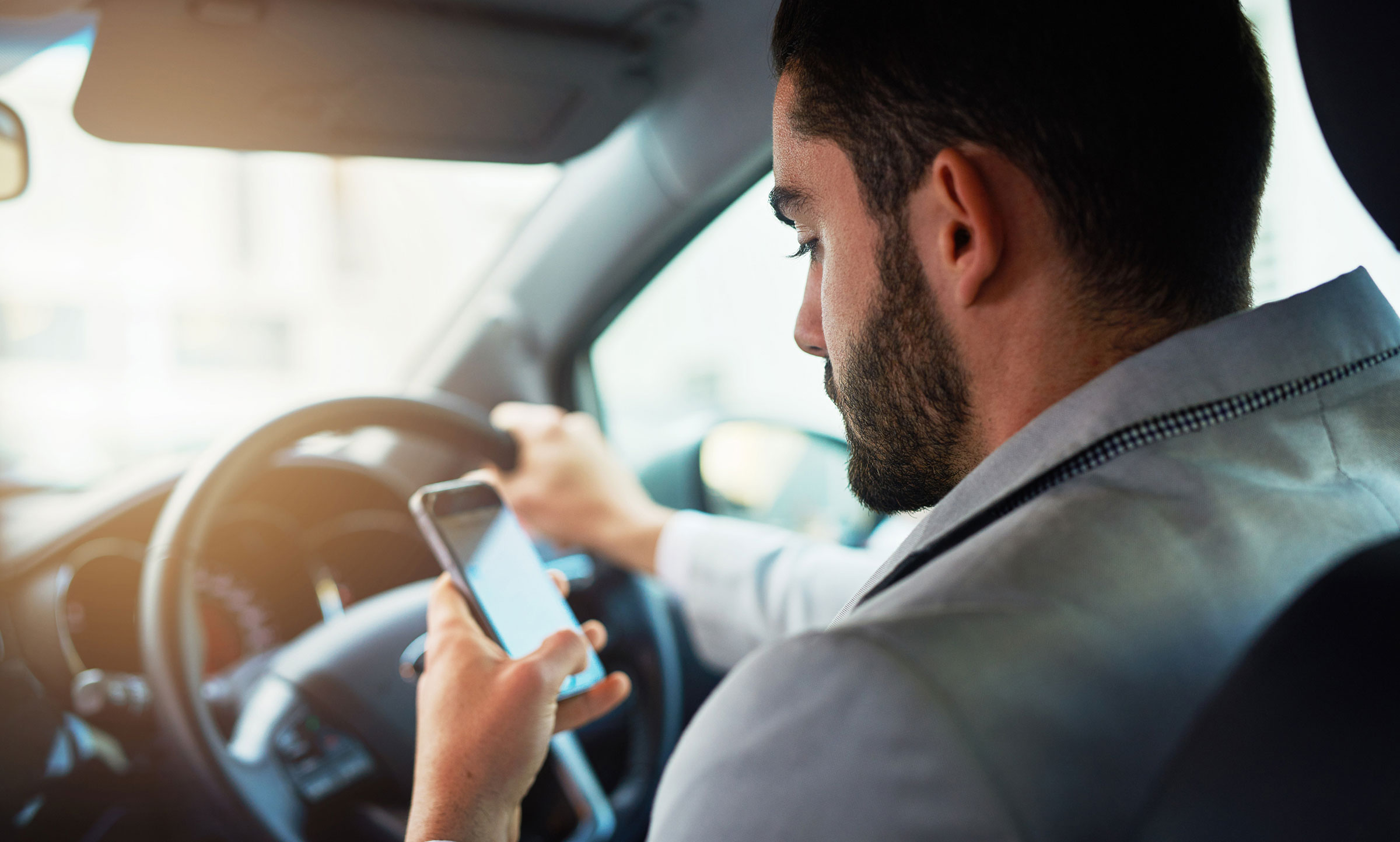
Distracted driving is one of the leading causes of car accidents in the United States, resulting in thousands of injuries and fatalities each year. If you’ve been injured in a crash caused by a distracted driver, it’s critical to work with an experienced car accident lawyer who understands how to hold negligent drivers accountable.
This guide will walk you through what distracted driving is, the types of accidents it causes, and how to find a distracted driving car accident lawyer you can trust. You’ll also learn how legal representation can make a significant difference in the outcome of your case—and help you recover compensation for your injuries, property damage, lost income, and more.
What Is Distracted Driving?
Distracted driving is defined as any activity that diverts a driver’s attention away from the road. Common examples include:
- Texting or talking on a cellphone
- Eating or drinking
- Adjusting the GPS or audio system
- Talking to passengers
- Personal grooming
These behaviors endanger the driver, passengers, pedestrians, and other motorists. The National Highway Traffic Safety Administration (NHTSA) reported that 3,142 people died due to distracted driving in 2020 alone.
Texting while driving is among the most dangerous forms because it combines all three types of distraction:
- Visual: Taking your eyes off the road
- Manual: Taking your hands off the wheel
- Cognitive: Taking your mind off driving
Studies show that drivers who text are up to 23 times more likely to be involved in an accident than those who don’t engage in distracted behavior.
Many U.S. states—including Florida—have passed laws prohibiting the use of handheld devices while driving. Violations can lead to fines, license suspensions, and even criminal charges if a crash results in serious injury or death.
Pro tip: If you’ve been hit by a distracted driver and the police report or crash data includes cellphone use, it can be used as powerful evidence in your injury claim.
What Are the Most Common Distracted Driving Accidents?
Distracted driving can lead to a variety of serious traffic accidents. The type of collision often depends on the nature of the distraction and the driving environment at the time. Below are some of the most common accident types caused by inattentive drivers:
1. Rear-End Collisions
Rear-end collisions occur when a driver fails to stop in time and crashes into the vehicle ahead. They are frequently caused by drivers looking at their phones, checking notifications, or engaging in conversations instead of watching traffic. These crashes often result in whiplash, soft tissue injuries, and head trauma.
2. Head-On Collisions
One of the deadliest types of distracted driving accidents, head-on collisions happen when a distracted driver drifts into oncoming traffic. These collisions typically result in catastrophic injuries or fatalities. Distractions like GPS adjustments, eating, or texting are common contributors to this type of crash.
3. Intersection Accidents
Many distracted driving accidents occur at intersections due to drivers running red lights or stop signs. A person distracted by a text message or in-car conversation may fail to yield the right-of-way. These crashes often involve high speeds and angle impacts, making them extremely dangerous.
4. Side-Impact (T-Bone) Collisions
These occur when a driver enters a roadway or intersection without checking for cross traffic. Distractions such as adjusting the stereo or taking a phone call can prevent the driver from noticing an oncoming vehicle. T-bone crashes often cause severe injuries to passengers on the impacted side.
5. Rollover Accidents
Rollover crashes often involve taller vehicles like SUVs and trucks. A distracted driver may swerve or overcorrect unexpectedly, tipping the vehicle onto its side or roof. These accidents are particularly dangerous because they often involve ejection or roof collapse injuries.
Regardless of the type of accident, victims of distracted driving crashes may face long recovery times, substantial medical bills, and lost wages. Working with an attorney who understands how to prove driver distraction and accident causation is key to a successful personal injury claim.
What Injuries Are Common in Distracted Driving Accidents?
Distracted driving accidents can lead to a wide range of injuries—many of which are severe, life-altering, or permanent. Because these collisions often occur at high speeds and with little or no warning, victims are frequently caught off guard and unprepared to brace for impact.
Some of the most common injuries suffered in distracted driving accidents include:
- Traumatic Brain Injuries (TBI): A sudden impact to the head can lead to concussion, brain swelling, bleeding, or permanent cognitive impairment. Even a “mild” TBI can have lasting effects on memory, concentration, and emotional regulation.
- Spinal Cord Injuries: Damage to the spinal cord can result in partial or full paralysis. Herniated discs, nerve compression, or fractured vertebrae are also common in rear-end and rollover crashes.
- Neck and Whiplash Injuries: Rapid back-and-forth motion of the neck during a collision can strain muscles, ligaments, and tendons. Whiplash is frequently reported in rear-end accidents.
- Broken Bones: Victims often suffer fractures in the arms, legs, ribs, or pelvis from the force of the crash or airbag deployment.
- Internal Injuries: Organ damage or internal bleeding may not be immediately apparent but can be fatal without prompt diagnosis and treatment.
- Facial Injuries: Windshield shattering or steering wheel impact can cause broken noses, jaw fractures, dental injuries, and disfigurement.
- Burns: Airbags, hot engine surfaces, and post-collision fires can lead to second- or third-degree burns requiring surgical care and skin grafting.
- Psychological Trauma: Victims may experience anxiety, PTSD, sleep disorders, and emotional distress after a serious car crash.
It’s critical that anyone involved in a distracted driving accident seek immediate medical attention—even if they feel “fine” at the scene. Many serious injuries (like brain trauma or internal bleeding) don’t show symptoms right away. A prompt medical evaluation not only protects your health but also helps build your personal injury case with proper documentation.
Pro tip: Keep detailed medical records and follow all treatment plans. This will support your claim for compensation and demonstrate the long-term impact of the accident on your daily life.
How Do You Find the Right Distracted Driving Car Accident Lawyer?
After a serious accident caused by a distracted driver, choosing the right attorney can make all the difference in your financial recovery and peace of mind. Here are essential steps to finding a qualified distracted driving lawyer near you:
Step One: Research Local Law Firms with Car Accident Experience
Start by looking for personal injury law firms in your area that handle car accident claims, especially those with specific experience in distracted driving cases. Read client reviews on platforms like Google Reviews.
Be sure the firm is licensed to practice in your state and has a track record of successful outcomes. If possible, look for attorneys who are members of organizations like the American Association for Justice (AAJ).
For those in Florida, you may also consult the Florida Bar’s Attorney Consumer Assistance Program for verification and disciplinary records.
Step Two: Schedule Free Consultations
Most personal injury attorneys—including those at The Injury Firm—offer free consultations. Take advantage of this to ask critical questions such as:
- How many distracted driving cases have you handled?
- What were the outcomes?
- Who will be directly managing my case?
- What are the legal fees and payment structure?
- Do you have trial experience if the case doesn't settle?
Pay close attention to how the attorney listens to your concerns, explains legal strategy, and provides a sense of confidence without making unrealistic promises.
Step Three: Compare Qualifications and Compatibility
Don’t rush your decision. After your initial meetings, review each firm’s qualifications, reputation, and communication style. Remember, the “best” attorney is not always the most expensive—but the one who combines experience with genuine commitment to your case.
Make sure everything is in writing, including contingency fee agreements, communication expectations, and scope of services. Having these terms clearly outlined from the start can prevent misunderstandings and ensure smoother collaboration throughout the case.
Step Four: Choose a Lawyer Who Fights for Maximum Compensation
Your goal isn’t just to “win”—it’s to recover the maximum compensation possible for your injuries, lost wages, medical expenses, emotional trauma, and long-term care. A reliable distracted driving attorney will:
- Conduct a full accident investigation
- Work with medical and accident reconstruction experts
- Negotiate forcefully with insurance companies
- Prepare your case for trial if needed
If you're unsure where to start, explore our Personal Injury Legal Team or call 954-951-0000 for a free consultation with a local Florida accident attorney who can walk you through your legal options.
Do Distracted Driving Laws Vary by State?
Yes, distracted driving laws vary significantly depending on your location. In some states, any use of a handheld mobile device while driving is prohibited. Others only ban texting while driving. For example:
- Florida: Texting while driving is a primary offense. As of 2019, the Wireless Communications While Driving Law bans typing on any handheld device while behind the wheel. However, hands-free use is still allowed in most areas outside school zones and construction zones.
- California: Prohibits all handheld device use while driving and requires full hands-free operation, even for GPS.
- Texas: Bans texting and emailing while driving, but handheld calls are still legal for adult drivers.
These differences can impact liability, insurance claims, and court proceedings. Your distracted driving accident lawyer will analyze state laws relevant to your crash and build a case accordingly.
What Compensation Can You Recover After a Distracted Driving Accident?
If you've been injured due to someone else’s distracted behavior behind the wheel, you may be eligible for a wide range of damages, including:
- Medical Expenses: Hospital stays, surgeries, medication, therapy, and future care costs.
- Lost Income: Time away from work, reduced earning capacity, and missed business opportunities.
- Pain and Suffering: Compensation for physical pain, mental anguish, PTSD, and reduced quality of life.
- Property Damage: Car repairs or replacement, as well as damage to personal belongings.
- Wrongful Death: If you lost a loved one in a distracted driving crash, you may pursue damages for funeral costs, lost companionship, and future income losses.
The value of your case depends on the severity of the injuries, the impact on your life, and the strength of your evidence. That's why it's critical to consult a knowledgeable attorney early on.
Will Your Case Go to Trial?
Most distracted driving cases settle out of court through negotiations with the at-fault driver's insurance company. However, if the insurer refuses to offer a fair settlement—or denies fault altogether—your attorney may recommend going to trial.
A seasoned car accident lawyer will prepare your case thoroughly for either outcome. This includes filing suit within your state’s statute of limitations, collecting medical and crash evidence, deposing witnesses, and working with expert testimony to support your claim.
Frequently Asked Questions (FAQ)
What qualifies as distracted driving?
Distracted driving includes any activity that takes attention away from the road—such as texting, talking on the phone, adjusting controls, eating, or even daydreaming. It can be manual, visual, or cognitive in nature.
Can I sue a distracted driver for damages?
Yes, if you were injured due to someone else's distracted driving, you may be able to file a personal injury lawsuit to recover compensation for your medical bills, pain, lost income, and other damages.
What evidence do I need for a distracted driving case?
Useful evidence includes police reports, witness statements, dashcam footage, mobile phone records, surveillance video, accident reconstruction, and medical documentation of your injuries.
How much does it cost to hire a distracted driving lawyer?
Most personal injury lawyers work on a contingency fee basis—meaning you pay nothing upfront, and the lawyer only gets paid if they win your case.
Get the Legal Help You Deserve
If you or a loved one has been hurt by a distracted driver, our experienced team at The Injury Firm is ready to help. We offer free consultations and work on a contingency basis, so you don't pay unless we win your case.
Contact us today or call 954-951-0000 to speak with a distracted driving accident attorney who will fight for your rights, maximize your compensation, and guide you through every step of the legal process.