
Slip and Fall Accidents
Aldi Slip and Fall Accident Lawyer | Fort Lauderdale, Florida
Aldi Slip and Fall Accident
Quick Navigation:
What Is It? | Common Causes | Liability | Evidence | Compensation | FAQ
Aldi Slip and Fall Accidents in Fort Lauderdale
An Aldi slip and fall accident occurs when a customer is injured due to hazardous conditions such as spills, wet floors, or debris inside the store. Under Florida law, Aldi may be held legally responsible if it knew or should have known about the dangerous condition and failed to correct it.
For example, if a customer slips on liquid from a leaking refrigerated item that employees failed to clean, the store may be liable for resulting injuries.
- Spilled food or beverages
- Wet floors from mopping
- Leaking refrigeration units
- Debris in aisles
If you were injured at Aldi in Fort Lauderdale, The Injury Firm can help you understand your legal rights and pursue compensation.
Quick Answer
Slip and fall accidents at Aldi often occur due to spills, wet floors, or leaking refrigeration units in grocery store environments. Florida law allows injured victims to recover compensation if the store failed to correct hazards it knew or should have known about. The Injury Firm helps Fort Lauderdale clients pursue financial recovery.
What Is a Slip and Fall Accident at Aldi?
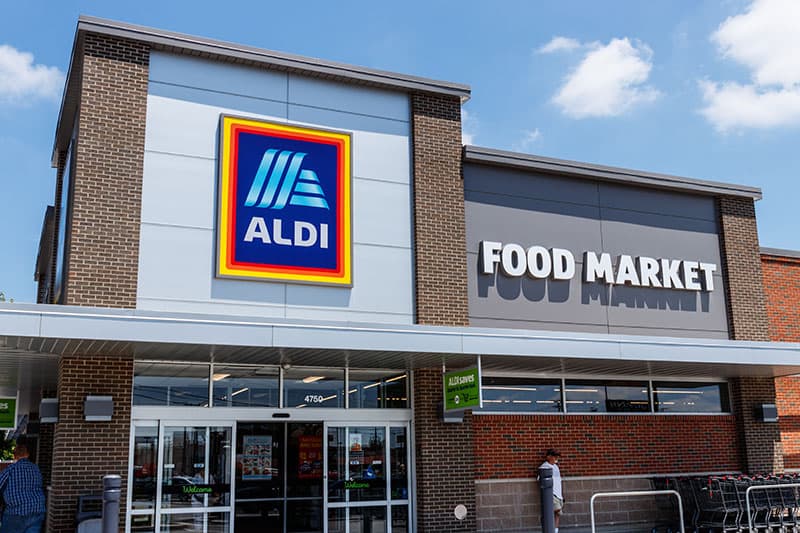
A slip and fall accident at Aldi is a premises liability claim involving injuries caused by unsafe conditions inside the store.
These incidents commonly occur in:
- Produce sections
- Refrigerated and freezer aisles
- Store entrances
- Checkout lanes
- High-traffic aisles
Discount grocery stores like Aldi often operate with smaller staff and high product turnover, which can increase the risk of hazards remaining on the floor.
Legal Responsibility:
Aldi must inspect the premises, identify hazards, and promptly correct or warn about dangerous conditions.
Florida Premises Liability Law
Slip and fall claims in Florida are governed by Florida Statute §768.0755.
Key Rule:
A business is liable if it had actual or constructive knowledge of a dangerous condition and failed to correct it.
Plain English:
You must prove the store knew or should have known about the hazard.
Example:
If a spill remains on the floor long enough that employees should have discovered it, liability may apply.
Common Causes of Aldi Slip and Fall Accidents
- Spilled drinks or food items
- Produce on the floor (grapes, lettuce, etc.)
- Wet floors from mopping without warning signs
- Leaking refrigeration units
- Water tracked in from rain
- Damaged or leaking packaging
- Debris from stocking
Liability Analysis: Who Is Responsible?
To succeed in an Aldi slip and fall lawsuit, you must prove negligence.
Duty of Care
Aldi owes a duty to maintain reasonably safe premises for customers.
Knowledge of Hazard
- Actual knowledge: Employees knew about the hazard
- Constructive knowledge: The condition existed long enough or occurred regularly
Failure to Act
The store failed to clean, repair, or warn about the dangerous condition.
Evidence in an Aldi Injury Claim
Definition: Evidence helps prove how the accident occurred and who is responsible.
Important Evidence Includes:
- Surveillance footage
- Incident reports
- Witness statements
- Photographs of the hazard
- Cleaning and inspection logs
- Maintenance records
Why It Matters:
Without strong evidence, proving that Aldi knew or should have known about the hazard becomes much more difficult.
Common Injuries from Slip and Fall Accidents
- Broken bones
- Head injuries and concussions
- Back and spinal injuries
- Knee injuries
- Soft tissue injuries
These injuries can lead to long-term complications such as chronic pain or permanent disability.
Compensation Available
Economic Damages
- Medical expenses
- Future medical care
- Lost wages
- Reduced earning capacity
Non-Economic Damages
- Pain and suffering
- Emotional distress
- Loss of enjoyment of life
Liability Test Framework
| Step | Legal Requirement |
|---|---|
| 1 | Duty of care existed |
| 2 | Dangerous condition present |
| 3 | Actual or constructive knowledge |
| 4 | Failure to fix or warn |
| 5 | Causation |
| 6 | Damages |
Mini Case Examples
Example 1:
A customer slips on a crushed grape in the produce aisle that had been on the floor for an extended period. This may establish constructive knowledge because the hazard existed long enough that employees should have discovered it.
Example 2:
A refrigeration unit leaks water repeatedly onto the floor without repair or warning signs. A customer slips and suffers injuries. This may establish negligence due to a recurring hazardous condition.
Related Locations
- Walmart Slip and Fall Accidents
- Publix Slip and Fall Accidents
- Whole Foods Slip and Fall Accidents
- Costco Slip and Fall Accidents
- Sam’s Club Slip and Fall Accidents
- Trader Joe's Slip and Fall Accidents
- Winn-Dixie Slip and Fall Accidents
Explore Grocery Store Slip and Fall Accidents
Visit Slip and Fall Accident Pillar Page
Why Aldi Slip and Fall Cases Are Complex
- Smaller staff may delay hazard detection and cleanup
- High product turnover increases spill frequency
- Surveillance footage may be limited or overwritten quickly
- Insurance companies often dispute liability aggressively
- Proving how long a hazard existed can be difficult
The Injury Firm Legal Process
- Free consultation
- Detailed investigation
- Evidence collection
- Negotiation with insurance companies
- Litigation if necessary
Frequently Asked Questions
Can I sue Aldi for a slip and fall in Florida?
Yes, you can file a claim if you can prove Aldi had actual or constructive knowledge of a dangerous condition and failed to correct it. Florida law requires evidence showing the store knew or should have known about the hazard, which often involves proving how long the condition existed or whether it was recurring.
What should I do immediately after a slip and fall at Aldi?
You should report the incident to store management and request an incident report. Take photos of the hazard, gather witness information, and seek medical attention right away. Acting quickly is important because evidence such as surveillance footage may be lost.
How long do I have to file a claim in Florida?
Florida generally allows two years to file a personal injury claim. However, waiting too long can result in lost evidence and weaken your case, so it is best to act quickly.
What if the hazard just appeared?
If the hazard appeared moments before the fall, proving liability may be more difficult. However, if the hazard was recurring or inspection procedures were inadequate, constructive knowledge may still be established.
What damages can I recover?
You may recover economic damages such as medical bills, lost wages, and future medical expenses. Non-economic damages may include pain and suffering, emotional distress, and loss of enjoyment of life depending on your injuries.
Do I need a lawyer for an Aldi slip and fall case?
While not required, a lawyer can help gather evidence, negotiate with insurance companies, and build a strong case. Large corporations and insurers often work to minimize payouts, making legal representation valuable.
What evidence is most important?
Important evidence includes surveillance footage, incident reports, photos of the hazard, witness statements, and maintenance logs. These help prove how long the hazard existed and whether the store acted reasonably.
Contact The Injury Firm
If you were injured in an Aldi slip and fall accident in Fort Lauderdale, contact The Injury Firm today for a free consultation.
Call Now: 954-951-0000
Address:
1608 East Commercial Blvd.
Ft. Lauderdale, FL 33334
Free Consultation


THE INJURY FIRM
1608 East Commercial Blvd.
Ft. Lauderdale, FL 33334
Phone (954) 951-0000
Fax: (954) 951-1000
Click Here To Send Email
WEST PALM BEACH
2536 Okeechobee Blvd.
West Palm Beach, FL 33409
ORLANDO
4495 S. Semoran Blvd.
Orlando, FL 32822
Phone (407) 444-0000
Fax: (407) 402-1111
Click Here To Send Email
Aldi Slip and Fall Accident Lawyer | Fort Lauderdale, Florida
Aldi Slip and Fall Accident
Quick Navigation:
What Is It? | Common Causes | Liability | Evidence | Compensation | FAQ
Aldi Slip and Fall Accidents in Fort Lauderdale
An Aldi slip and fall accident occurs when a customer is injured due to hazardous conditions such as spills, wet floors, or debris inside the store. Under Florida law, Aldi may be held legally responsible if it knew or should have known about the dangerous condition and failed to correct it.
For example, if a customer slips on liquid from a leaking refrigerated item that employees failed to clean, the store may be liable for resulting injuries.
- Spilled food or beverages
- Wet floors from mopping
- Leaking refrigeration units
- Debris in aisles
If you were injured at Aldi in Fort Lauderdale, The Injury Firm can help you understand your legal rights and pursue compensation.
Quick Answer
Slip and fall accidents at Aldi often occur due to spills, wet floors, or leaking refrigeration units in grocery store environments. Florida law allows injured victims to recover compensation if the store failed to correct hazards it knew or should have known about. The Injury Firm helps Fort Lauderdale clients pursue financial recovery.
What Is a Slip and Fall Accident at Aldi?
A slip and fall accident at Aldi is a premises liability claim involving injuries caused by unsafe conditions inside the store.
These incidents commonly occur in:
- Produce sections
- Refrigerated and freezer aisles
- Store entrances
- Checkout lanes
- High-traffic aisles
Discount grocery stores like Aldi often operate with smaller staff and high product turnover, which can increase the risk of hazards remaining on the floor.
Legal Responsibility:
Aldi must inspect the premises, identify hazards, and promptly correct or warn about dangerous conditions.
Florida Premises Liability Law
Slip and fall claims in Florida are governed by Florida Statute §768.0755.
Key Rule:
A business is liable if it had actual or constructive knowledge of a dangerous condition and failed to correct it.
Plain English:
You must prove the store knew or should have known about the hazard.
Example:
If a spill remains on the floor long enough that employees should have discovered it, liability may apply.
Common Causes of Aldi Slip and Fall Accidents
- Spilled drinks or food items
- Produce on the floor (grapes, lettuce, etc.)
- Wet floors from mopping without warning signs
- Leaking refrigeration units
- Water tracked in from rain
- Damaged or leaking packaging
- Debris from stocking
Liability Analysis: Who Is Responsible?
To succeed in an Aldi slip and fall lawsuit, you must prove negligence.
Duty of Care
Aldi owes a duty to maintain reasonably safe premises for customers.
Knowledge of Hazard
- Actual knowledge: Employees knew about the hazard
- Constructive knowledge: The condition existed long enough or occurred regularly
Failure to Act
The store failed to clean, repair, or warn about the dangerous condition.
Evidence in an Aldi Injury Claim
Definition: Evidence helps prove how the accident occurred and who is responsible.
Important Evidence Includes:
- Surveillance footage
- Incident reports
- Witness statements
- Photographs of the hazard
- Cleaning and inspection logs
- Maintenance records
Why It Matters:
Without strong evidence, proving that Aldi knew or should have known about the hazard becomes much more difficult.
Common Injuries from Slip and Fall Accidents
- Broken bones
- Head injuries and concussions
- Back and spinal injuries
- Knee injuries
- Soft tissue injuries
These injuries can lead to long-term complications such as chronic pain or permanent disability.
Compensation Available
Economic Damages
- Medical expenses
- Future medical care
- Lost wages
- Reduced earning capacity
Non-Economic Damages
- Pain and suffering
- Emotional distress
- Loss of enjoyment of life
Liability Test Framework
| Step | Legal Requirement |
|---|---|
| 1 | Duty of care existed |
| 2 | Dangerous condition present |
| 3 | Actual or constructive knowledge |
| 4 | Failure to fix or warn |
| 5 | Causation |
| 6 | Damages |
Mini Case Examples
Example 1:
A customer slips on a crushed grape in the produce aisle that had been on the floor for an extended period. This may establish constructive knowledge because the hazard existed long enough that employees should have discovered it.
Example 2:
A refrigeration unit leaks water repeatedly onto the floor without repair or warning signs. A customer slips and suffers injuries. This may establish negligence due to a recurring hazardous condition.
Related Locations
- Walmart Slip and Fall Accidents
- Publix Slip and Fall Accidents
- Whole Foods Slip and Fall Accidents
- Costco Slip and Fall Accidents
- Sam’s Club Slip and Fall Accidents
- Trader Joe's Slip and Fall Accidents
- Winn-Dixie Slip and Fall Accidents
Explore Grocery Store Slip and Fall Accidents
Visit Slip and Fall Accident Pillar Page
Why Aldi Slip and Fall Cases Are Complex
- Smaller staff may delay hazard detection and cleanup
- High product turnover increases spill frequency
- Surveillance footage may be limited or overwritten quickly
- Insurance companies often dispute liability aggressively
- Proving how long a hazard existed can be difficult
The Injury Firm Legal Process
- Free consultation
- Detailed investigation
- Evidence collection
- Negotiation with insurance companies
- Litigation if necessary
Frequently Asked Questions
Can I sue Aldi for a slip and fall in Florida?
Yes, you can file a claim if you can prove Aldi had actual or constructive knowledge of a dangerous condition and failed to correct it. Florida law requires evidence showing the store knew or should have known about the hazard, which often involves proving how long the condition existed or whether it was recurring.
What should I do immediately after a slip and fall at Aldi?
You should report the incident to store management and request an incident report. Take photos of the hazard, gather witness information, and seek medical attention right away. Acting quickly is important because evidence such as surveillance footage may be lost.
How long do I have to file a claim in Florida?
Florida generally allows two years to file a personal injury claim. However, waiting too long can result in lost evidence and weaken your case, so it is best to act quickly.
What if the hazard just appeared?
If the hazard appeared moments before the fall, proving liability may be more difficult. However, if the hazard was recurring or inspection procedures were inadequate, constructive knowledge may still be established.
What damages can I recover?
You may recover economic damages such as medical bills, lost wages, and future medical expenses. Non-economic damages may include pain and suffering, emotional distress, and loss of enjoyment of life depending on your injuries.
Do I need a lawyer for an Aldi slip and fall case?
While not required, a lawyer can help gather evidence, negotiate with insurance companies, and build a strong case. Large corporations and insurers often work to minimize payouts, making legal representation valuable.
What evidence is most important?
Important evidence includes surveillance footage, incident reports, photos of the hazard, witness statements, and maintenance logs. These help prove how long the hazard existed and whether the store acted reasonably.
Contact The Injury Firm
If you were injured in an Aldi slip and fall accident in Fort Lauderdale, contact The Injury Firm today for a free consultation.
Call Now: 954-951-0000
Address:
1608 East Commercial Blvd.
Ft. Lauderdale, FL 33334
CONTACT US NOW
FREE CONSULTATION